
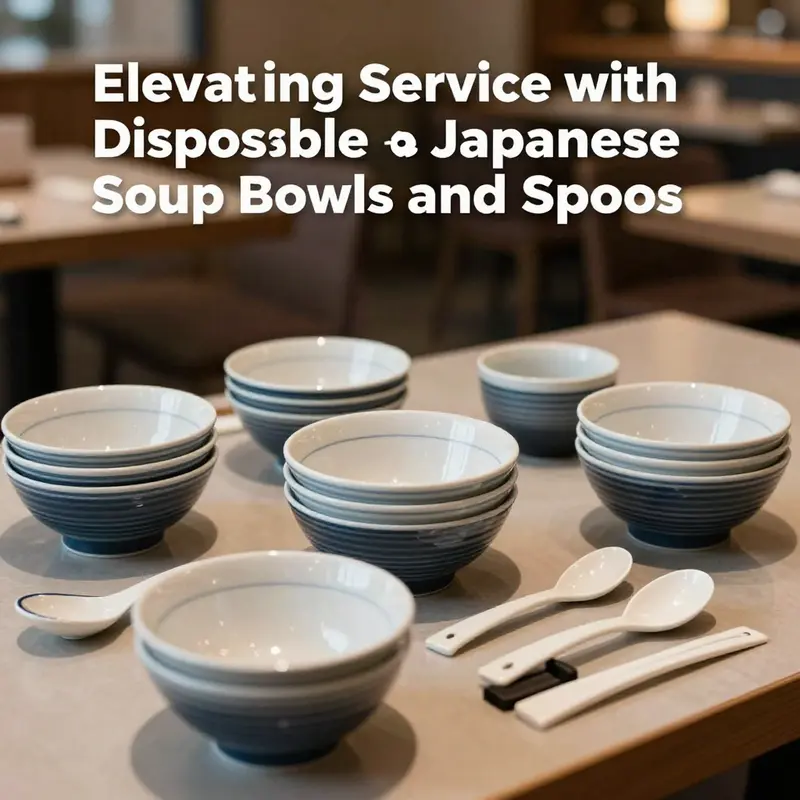
In a world where convenience meets culinary tradition, disposable Japanese soup bowls and spoons are shaping the experience for food service businesses. As bubble tea shops, restaurants, food trucks, and event planners continually seek efficient ways to serve delicious offerings, the relevance of these disposable items becomes paramount. This article delves into the nature, materials, market trends, eco-impacts, and cultural significance of disposable Japanese soup bowls and spoons. Each chapter will provide insights designed specifically for your business needs, ensuring you understand how to elevate your service while embracing sustainability and tradition.
Between Convenience and Craft: Disposable Japanese Soup Bowls and Spoons
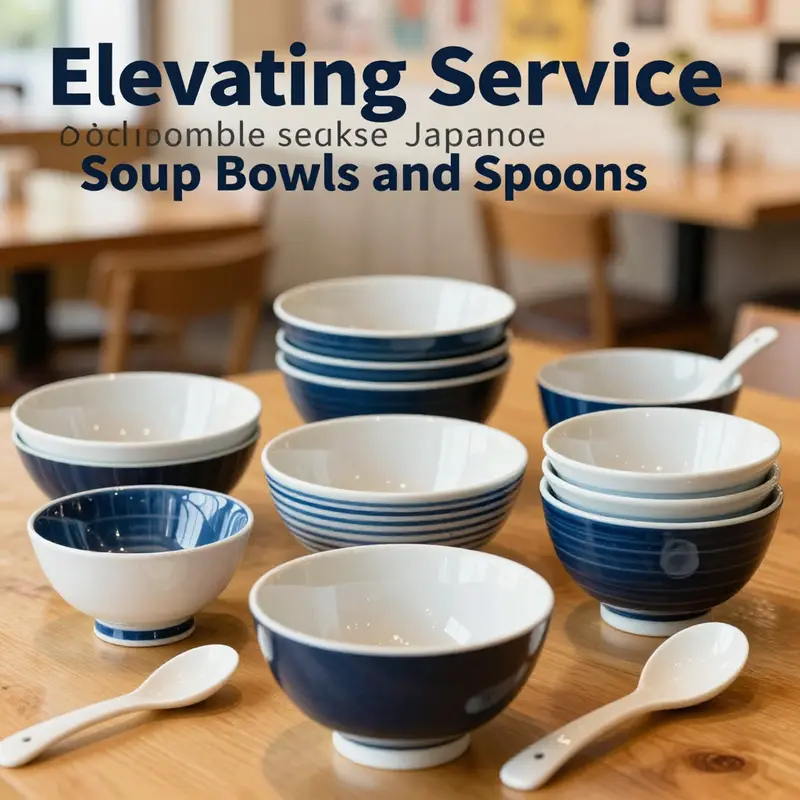
In Japan, the ritual of serving soup has long depended on the wares that hold it. Today, disposable Japanese-style soup bowls and spoons appear in takeout and fast-casual contexts as a pragmatic response to portable meals. These items echo traditional silhouettes—broad, shallow bowls with a generous rim and short, sturdy spoons—while prioritizing leak resistance, microwave safety, and cost. Materials such as paper, molded fiber, and certain plastics are chosen for performance rather than artisan craft, aiming to resist leaks in transit and survive brief hot-hold conditions. While the form can resemble ceramic and lacquer, the disposable version trades depth of craft for efficiency, readability, and disposability. In practice, the goal is to preserve the familiar eating rhythm—the lift, sip, and return of the spoon—without demanding a pristine table setting. The markets and environments that drive these products emphasize bulk packaging, reliability, and quick disposal, from takeout windows to crowded events. Yet sustainability concerns remind designers and buyers that convenience should balance environmental impact, with advances in compostable or fiber-based options and clearer end-of-life labeling. Viewed this way, disposable Japanese-style ware serves modern needs while nodding to tradition, offering a portable expression of warmth and comfort without claiming centuries of hands-on craft.
The Material Language of Disposable Japanese Soup Bowls and Spoons
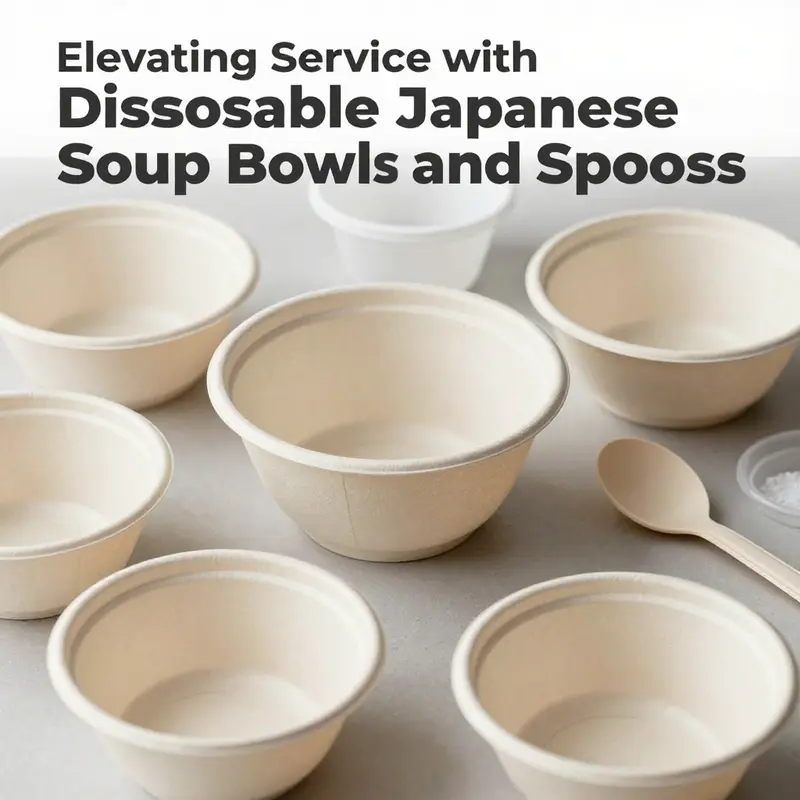
A concise examination of disposable Japanese soup bowls and spoons and the materials that shape their use. Plastic remains the dominant choice for speed, cost, and compatibility with high volume service, but concerns about heat tolerance and waste prompt reconsideration and attempts at improved recycling. Ceramic and ceramic-inspired disposables offer a sense of tradition and refinement, yet they are often imperfect substitutes for true ceramic due to fragility and cost. Wood and bamboo convey warmth and craft, balancing disposability with the aspiration toward reuse and responsible disposal. Paper and molded fiber provide compostable or recyclable alternatives, though barrier performance and life cycle details matter for miso soup. The chapter argues that the best outcomes arise when operators select materials to support the guest experience, minimize waste, and fit within local waste streams, rather than choosing by price alone.
Disposable Dishes in a Shifting Appetite: The Evolving Landscape of Japanese Soup Servingware
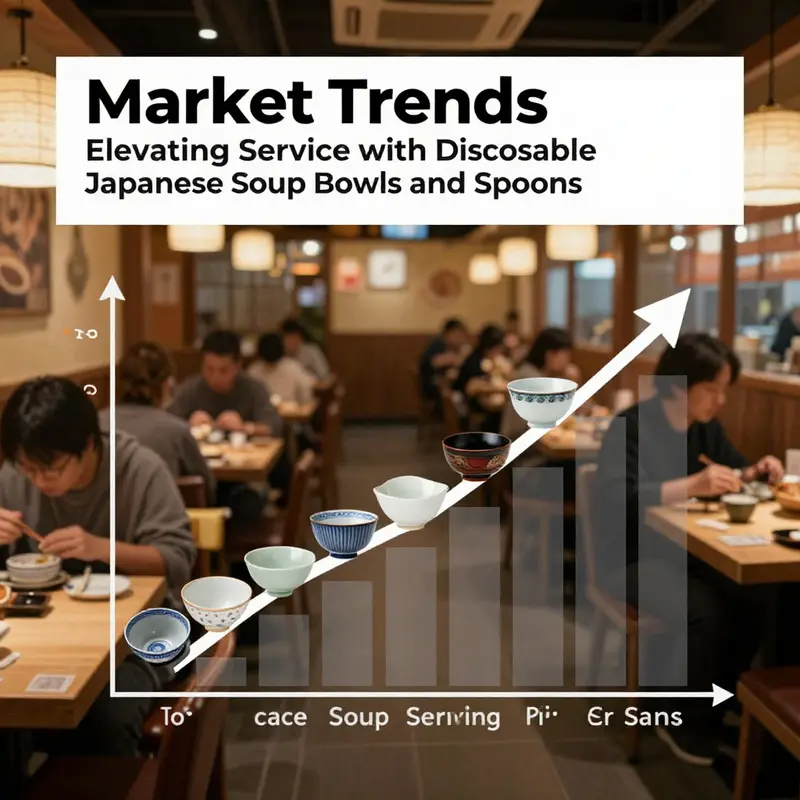
The landscape of Japanese soup serving products sits at a crossroads of tradition and rapid convenience, where the ritual of sharing a warm bowl meets the realities of fast-moving consumer life. Even as households treasure miso-scented rituals and the quiet drama of a steaming bowl, retailers and producers increasingly frame servingware as an extension of taste, aroma, and experience. In this environment, the conversation shifts from whether a bowl is disposable to how packaging supports both the sensory integrity of the soup and the practical demands of the eater. The market trends described in recent observations reveal a broader pattern: categories once dominated by durable, reusable vessels are confronted with an intensified demand for single-serve solutions that preserve flavor while simplifying cleanup and logistics. The tension between durability and disposability is not a simple either/or decision; it is a spectrum where premiumization and convenience sit shoulder to shoulder with sustainability and convenience-driven design choices. Against this backdrop, the very act of serving soup becomes a product narrative—how the vessel, lid, and even the spoon form a cohesive, transportable experience that travelers, office workers, and home diners can trust in equal measure.
Diversification is the throughline. The market is no longer satisfied with traditional, single-purpose vessels. Instead, there is a clear tilt toward formats that accommodate more than miso or broth in isolation. Consumers are increasingly curious about premium canned soups and ready-to-use formats that deliver a sense of luxury and novelty within a convenience framework. In practice, this translates to servingware that can travel—containers designed for single portions, with tight-sealing lids and integrated features that minimize spillage while preserving aroma and heat. The cup, the lid, and the accompanying utensil are conceived as a triad that supports a complete sensory moment, not merely a way to contain soup. The implications for disposable servingware are significant: products must balance heat retention, aroma preservation, and ease of disposal, all while maintaining a clean, appealing aesthetic that communicates quality at a glance. This is where material choice matters. The trend toward premiumized disposables often leans on thoughtfully sourced paper-based or resin-coated materials that resist leakage, yet pair with moisture and steam, ensuring the soup’s character remains intact from kiosk to destination.
The rise of convenience and what some call the “drinkable” soup offers another lens through which to view servingware. Ready-to-drink or ready-to-eat formats have found a thriving niche in vending machines, convenience stores, and transit hubs. These products are not mere bowls in search of a moment; they are cups with lids, sometimes designed with a built-in straw or a sip-friendly mouth, so a consumer can enjoy warmth and flavor with minimal preparation. In such contexts, the packaging becomes a critical element of the product’s value proposition. A well-designed lid, a snug-fit seal, and an ergonomic sleeve can transform a simple container into a trustworthy experience that encourages repeat purchases. From a design perspective, this means that the spoon—if included or expected—needs to be lightweight yet sturdy enough to reach the bottom of a ready-to-drink or ready-to-heat vessel without bending or splintering mid-sip. The practical realities of vending and quick-service formats push manufacturers toward materials and manufacturing techniques that deliver both resilience and cost-effectiveness.
Flavor innovation also informs the evolution of servingware. Japanese companies are experimenting with bold, fusion-inspired profiles that push beyond familiar comfort foods. A lobster-inflected broth or an onion note enhanced with a dairy accent illustrates how flavor storytelling travels in a package. When the flavor column expands, so too does the container’s role. The vessel must be compatible with tastes that include a bright, acidity-driven finish or a creamy, gratin-like finish, without overwhelming the palate or compromising the soup’s delicate balance. This requirement nudges packaging toward coatings and linings that can handle complex sauces and robust seasonings, while still enabling easy disposal. As a result, the design language of disposables shifts away from generic, mass-market visuals toward deeper, texture-rich finishes that signal quality and care at a glance. Consumers interpret those cues as part of the tasting experience, even before the first spoonful touches the lips.
Health and natural ingredients underpin another layer of the trend. The broader global movement toward cleaner labels and functional ingredients resonates in Japan as well. There is growing interest in soups that emphasize natural broth bases, plant-forward elements, and recognizable ingredients like mushrooms, yams, or ginseng. Packaging for these soups often reflects the same philosophy: fewer synthetic additives, more clearly sourced material lists, and designs that communicate freshness. In a disposable format, this translates to a container that looks as fresh as its contents. The effect is a halo around the entire product that reinforces trust; consumers see the vessel and subconsciously map it to high-quality, transparent ingredients inside. The interplay between the product and its container becomes a quiet dialogue about authenticity, one that can influence a shopper’s choice at a glance.
The market’s emphasis on processed and ready-made soups remains strong. Japan’s packaged-food culture has long prized convenience, and trends show continued appetite for soups that offer warmth and nourishment with little preparation. Packaging plays a decisive role here, turning everyday meals into reliably quick solutions. The packaging system—bowl, lid, straw or spoon, and any accompanying accessories—needs to support shelf stability, heat retention, and portable consumption. It also has to align with daily routines, such as commuting or office breaks, where speed and cleanliness matter as much as taste. In practical terms, this means designing liners and seals that prevent leakage during transit, while still enabling a satisfying eating experience when opened. The aim is to deliver a consistent, restaurant-like impression in a compact, disposable form.
Canned soups have evolved beyond mere side dishes to become substantial, meal-like snacks in many households. A multi-ingredient approach—potato, burdock, konjac, and more—finds a home in portable formats where the vessel does the heavy lifting of heat retention and ease of consumption. The packaging must accommodate varied textures, from soft vegetables to chewy edges, without compromising structural integrity or user safety. The inclusion of lids and heat-insulating features becomes a standard expectation, as does the ability to re-seal and reheat without compromising the container. The broader takeaway is that consumer expectations for convenience do not erase the importance of quality or authenticity; instead, they demand packaging that supports both in equal measure.
Quality and authenticity remain central to success in this market. Even as disposables proliferate, consumers do not abandon the desire for genuine, well-crafted ingredients and careful sourcing. Whether it is a broth base built on traditional flavor foundations or a modern blend that preserves the integrity of nuanced seasonings, the product narrative relies on the container to echo those values. In this environment, brands that communicate a clear commitment to sourcing, process clarity, and consistent taste tend to perform better, even in the disposable segment. As such, the container is not merely a practical shell but a storytelling device that signals the product’s character before the first taste.
The packaging ecosystem around disposable servingware continues to evolve with sustainability in view. Increasing attention to recyclability, compostability, and the reduced environmental footprint of packaging materials shapes both product development and consumer perception. The conversation shifts from a binary choice—reusable vs. disposable—to smarter, more responsible options that still deliver convenience. In this transition, material science and design considerations converge. The choice of paper-based substrates, coatings that resist moisture and heat, and lid designs that balance barrier properties with user-friendliness all contribute to a more sustainable, user-centered experience. This is not merely about meeting regulatory demands; it is about aligning with a growing consumer expectation that everyday meals can be both practical and respectful of the environment. In practice, brands are exploring packaging cues that communicate eco-consciousness, from color palettes that evoke natural materials to surface textures that feel more premium, even within a disposable format.
The case for disposables in Japanese soup serving is most persuasive when it highlights synergy between form and function. A well-designed disposable bowl with a snug lid and a compatible spoon can deliver a complete, satisfying experience without the burden of washing up. The narrative of this chapter reinforces that the future of Japanese soup serving ware lies in a continuum where tradition informs design, but modern needs—speed, portability, and sustainability—drive the evolution of the vessels themselves. For practitioners pondering how to marry cultural reverence with contemporary convenience, the answer lies in intentional materials, respectful aesthetics, and packaging that honors both flavor and ease. To illustrate how such choices manifest in practice, consider disposable kraft paper bowls that pair with lids for hot soups, a combination that elegantly balances practicality and presentation. disposable kraft paper bowl with lid.
External resources provide broader context on how packaging trends influence disposable serveware across industries. For readers seeking a wider industry perspective on design ethics, sustainability, and consumer expectations in packaging, a general industry resource offers useful insights that extend beyond a single product category. External resource: https://www.packagingdigest.com
From Miso to Microbes: The Eco-Impact of Disposable Japanese Soup Bowls and Spoons in a Circular Culture
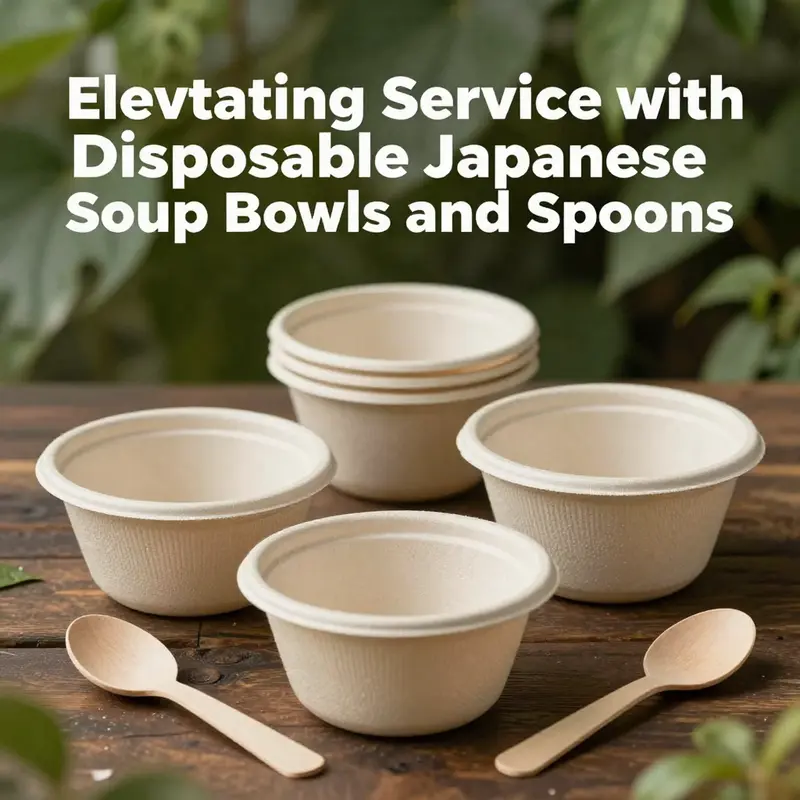
The ritual of a warm bowl of miso soup carries more than flavor; it carries a sense of season, ceremony, and care that has evolved alongside Japan’s long history of tableware. In many kitchens and eateries today, the world’s appetite for convenience has nudged this tradition toward disposability. Yet the research landscape surrounding disposable Japanese soup bowls and spoons reveals a nuanced tension: what seems like a simple shift toward ease carries with it a web of environmental consequences, lifecycle complexities, and cultural trade-offs. This chapter follows that thread, tracing how material choices, end-of-life realities, and infrastructure shape the true footprint of disposables used in a culture that prizes cleanliness, efficiency, and subtly refined aesthetics. The aim is not to vilify convenience but to illuminate how values around sustainability migrate from kitchen practice to waste streams, and how design can better align with circular goals without erasing a culture’s tactile, communal rituals.
At the heart of the eco-impact discussion lies material choice. Disposable bowls labeled as alternatives to traditional plastics increasingly lean on plant-based origins such as bagasse, derived from sugarcane fiber, or polylactic acid, commonly known as PLA. These materials promise a gentler exit from the life cycle of single-use products. Industry observations suggest that bagasse-based bowls decompose significantly faster than conventional plastics—up to about 60% faster—thanks to their plant-based origin and inherent compostability. In practical terms, that faster decay translates into less persistent waste in the environment, a meaningful advantage when millions of servings pass through eateries and events every day. Even beyond end-of-life, bagasse bowls offer heat tolerance—up to roughly 220°F (105°C)—which means they can handle hot soups without warping or losing structural integrity. They also tend to outperform paper containers in strength and reliable form during transport, reducing the amount of waste generated by breakage and spillage. These attributes contribute to a clearer case for plant-based disposables as a more responsible option for hot, take-out dining moments.
Yet the environmental story is not a single thread. PLA-based disposables reduce landfill burden when properly composted, a finding echoed in Sustainable Packaging Coalition discussions about plastic alternatives. The caveat, however, is substantial: PLA relies on industrial composting facilities operating at elevated temperatures—around 140°F (60°C)—to achieve its touted end-of-life benefits. Such facilities are not universally accessible, and gaps in infrastructure mean many PLA-based bowls end up in standard landfills or are incinerated rather than composted. In other words, the theoretical environmental advantage of PLA hinges on systems that must be in place and functioning at scale. When facilities are not available, the real-world impact of these materials diminishes, and the promise of rapid, safe decomposition fades into ordinary waste streams. The same infrastructural limbo can dampen the advantages of other eco-friendly disposables if the surrounding recovery systems are not prepared to receive and process them.
The story of eco-friendly disposables is therefore a lifecycle story. From production to disposal, every stage matters. Certifications and standards play a central role in helping businesses and consumers navigate this landscape. For those aiming to support zero-waste operations or high-integrity composting programs, options bearing certifications such as USDA BioBased and compostable seals provide a signal that a product has been evaluated against specific sustainability criteria. When a product carries such credentials, it offers downstream users a clearer path to responsible disposal and a greater likelihood that the material will enter a composting stream rather than a landfill. Certification schemes are not just marketing badges; they are practical mechanisms to align supply chains with end-of-life infrastructure and consumer expectations.
The conversation about disposable spoons mirrors the bowl story. Spoons, regardless of whether they are made from traditional plastic, PLA, or bagasse fiber, accumulate in the same waste streams unless they are effectively diverted for recycling or composting. Recyclable disposable spoons can lower the burden of non-biodegradable waste, provided there is a robust recycling stream and consumer participation. When they are not recycled, or when composting facilities are not equipped to handle them, even recyclable-looking utensils contribute to pollution and landfill mass. The ethical dimension here is subtle but essential: it is not enough to switch to a “greener” material if the supporting waste-management landscape remains underdeveloped or unevenly distributed. The goal, then, is to design for a circular economy, where materials are kept in productive use and disposed of with minimal environmental cost.
In all these considerations, the Japanese context adds a layer of cultural nuance. The miso bowl—traditionally ceramic or lacquered, chosen for its thermal properties, tactile warmth, and visual calm—embodies a philosophy of reuse and reverence for material mattered by hand. When disposable variants enter the scene, they often do so for practical reasons: crowded events, street food settings, or fast-service models that must balance speed with sanitary expectations. The tension between preserving a ritual of shared meals and embracing a modern, disposable workflow is palpable. The eco-impacts thus become not just technical metrics but questions of how design can honor both cultural practice and environmental responsibility. If disposables are to play a legitimate role in a culture that values cleanliness and ceremony, their production and end-of-life pathways must be integrated with the regions’ composting or recycling infrastructure, and their lifecycle must be designed for circularity rather than linear withdrawal from use.
For readers exploring tangible options in this space, practical choices matter. One route that often appears in supply conversations is the disposable kraft-paper bowl with a lid, a take-away solution designed to integrate with existing paper-based packaging ecosystems. This type of bowl is typically intended to be recyclable or compostable and can be a sensible bridge between convenience and responsibility when paired with appropriate disposal options. The key, however, is ensuring that the entire system—item design, labeled composting streams, consumer guidance, and local facility capability—works in concert. Without that alignment, even well-intentioned products risk remaining stranded in landfills. The dialogue between material science and waste management becomes a dialogue about systems as much as substances, and that dialogue must be ongoing if the benefits of eco-friendly disposables are to be realized in real-world settings.
The lifecycle lens stays essential. Production decisions influence energy use, water footprint, and chemical inputs; transportation and packaging contribute to emissions; consumer behavior governs whether products reach composting facilities or end up in the wrong stream. When viewed through this lifecycle, the eco-advantage of plant-based disposables emerges most clearly in contexts where composting or industrial recycling is accessible and reliably used. In places where the infrastructure is uneven, the same products may underperform relative to expectations. This insight underscores a crucial point for policymakers, business leaders, and knotteled consumers alike: sustainability is not a product label alone. It is a system, and the health of that system determines whether a given disposable banner stands as a true advance or merely a well-intentioned packaging choice.
In Japan and beyond, the design question now becomes how to bridge tradition with modernization in a way that respects both cultural practice and ecological limits. Innovations in material science, such as bagasse fibers and PLA composites, hold promise precisely because they offer tangible improvements in compostability and durability. Yet they must be matched with practical recovery pathways and clear consumer guidance. Public awareness about proper disposal, combined with accessible composting facilities, can tip the balance from uncertain outcomes to verifiable environmental benefits. The evolving story of disposables in a traditional dining culture thus hinges less on a single material decision and more on a coordinated ecosystem that closes the loop—from production and use to collection, processing, and returning nutrients to the soil.
For readers seeking further context on material performance and end-of-life management, a recent external reference highlights how cornstarch-based disposable bowls can contribute to waste reduction when processed in the right facilities. This line of evidence reinforces the central argument: the environmental efficacy of disposable tableware is inseparable from the waste-management infrastructure that receives it. External reference: https://www.alibaba.com/product-detail/DECHEN-Cornstarch-Disposable-Bowls-Eco-friendly_1600673328233.html
To connect this broader discussion back to practical implications, consider how restaurants and event organizers can align choices with local capabilities. If a city has access to industrial composting and clear labeling for compostable products, bagasse or PLA-based bowls and their accompanying spoons can significantly reduce long-term waste. If such facilities are scarce, the same products require careful planning, including partnerships with waste-management services and consumer education campaigns, to ensure that disposal actually yields compostable outcomes rather than landfill. The overarching aim is not merely to substitute one material for another but to advance a system that supports circularity and aligns with cultural expectations of care and hospitality. In this light, the future of disposable Japanese soup bowls and spoons lies in deliberate material selection, transparent end-of-life pathways, and a marketplace that values the full lifecycle as much as the initial use. Only then can the simple act of sharing a warm bowl of miso in a disposable cup be reconciled with the broader pursuit of environmental stewardship and resilient, sustainable communities.
Seeing Through Water and Wood: The Cultural Significance of Japanese Soup Bowls and Spoons in a Disposable World
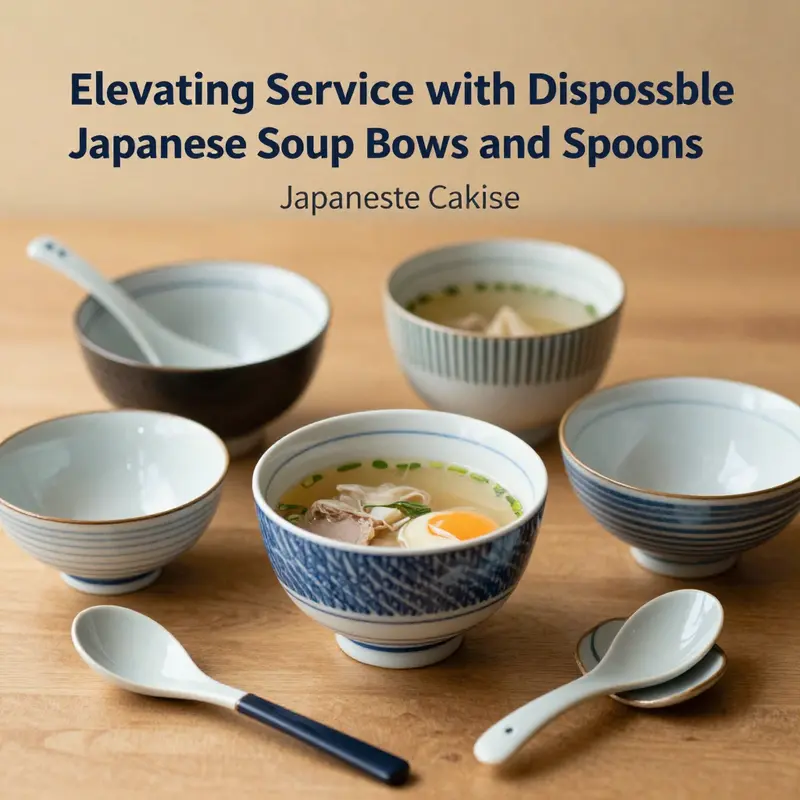
In Japanese dining, the soup bowl and its companion spoon are more than vessels of warmth and nourishment. They are carriers of intention, crafted to choreograph attention, pace, and perception. This chapter threads together the ways form, material, and etiquette collaborate to create a dining experience that feels effortless yet deliberate. It also situates these timeless tools within a modern reality where disposability increasingly shapes how meals are served and consumed. The research landscape surrounding disposable Japanese soup bowls and spoons reveals a different landscape: the items commonly cataloged are either durable, reusable pieces or practical containers designed for repeated use, not single use. Melamine sets marketed as unbreakable, large deep ceramic bowls, and metal spoons—these are built for longevity, for washing, for years of service, not for one-time use. Yet even as the market leans toward durability, the surrounding ecosystem—especially in takeaway contexts—tends to lean on disposables to meet speed, volume, and sanitation demands. This tension, rather than a simple dichotomy, becomes a lens through which to understand how tradition adapts without losing its essence.
The shape of the miso soup spoon, in particular, is a window into a philosophical preference for clarity and visibility. Typically shallow and compact, the spoon invites the diner to see the bowl’s content in a way that deeper spoons would obscure. The onlooker witnesses the broth’s color, the sheen of the miso, the play of steam on the surface, and, crucially, the bottom of the bowl. This is not mere aesthetics; it is a deliberate design choice rooted in the Japanese ideal of seeing through—to truth, to the quality of the ingredients, to the care that went into preparation. The bottom line—literally—becomes a cue for honesty and sincerity in both food and conduct. The spoon’s profile is thus a small but powerful statement about transparency in hospitality. A deeper spoon would interrupt that reading, shifting focus away from the vessel’s interior to its own form, and thereby altering the meal’s emotional tempo.
The material language of the bowl is equally telling. Wooden bowls bring heat and a tactile warmth that invites a slower, contemplative pace. Lacquered interiors provide a glossy, protective surface that keeps flavors contained while echoing the glow of the steam. Porcelain or ceramic bowls, with their cool, pale surfaces, reflect light and carry an impression of restraint and cleanliness. Each material choice—wood, lacquer, porcelain—carries cultural memory. Wood speaks to the earth and the harvest; lacquer embodies craft and longevity; porcelain embodies restraint and refinement. In seasonal kitchens, these choices are not arbitrary. A winter miso might lean toward a lacquered exterior that holds warmth, while a spring clear broth might benefit from a porcelain bowl that highlights the broth’s pale clarity. The interplay of material, temperature, and aroma is a carefully composed sensory vignette, designed to heighten the eater’s awareness rather than overwhelm it.
Within this framework, the ritual of finishing a soup takes on a distinctive meaning. An empty soup bowl signals more than appetite satisfaction; it signals gratitude and fullness of experience. It is a social gesture as much as a personal one. The host’s aim is to craft a meal that invites completion, a moment when the guest’s gesture—returning the empty vessel to the table or placing it aside—becomes a sign of respect for the chef’s labor. This etiquette reinforces social bonds and injects humility into daily life. The act of finishing—quiet, unspoken, almost ceremonial—communicates trust: the meal has met or exceeded expectation, and the diner honors the craft that produced it. In this light, the spoon’s role goes beyond utility. It is a facilitator of taste, aroma, and timing, guiding the diner through the broth’s evolving profile and shaping the moment when the flavors converge into a single, satisfying memory.
Yet the 21st century hunger for convenience challenges these rituals. Disposable options undeniably appear in the periphery of modern dining, especially in takeout, pop-up venues, and bustling offices. The research notes that many catalogued products are not disposable; they are durable or reusable, underscoring a cultural preference for longevity and care in tableware. However, the rise of takeout has created a demand for practical, quick-use vessels that can travel with guests, preserve temperature, and minimize cleanup. In response, some suppliers are innovating eco-friendly disposables that seek to honor the spirit of hospitality without demanding a wash basin and a dishwasher’s mercy. A representative option in this space is a disposable kraft paper bowl designed for food packaging with a lid, balancing sturdiness and convenience while offering a compostable option for those who want to reduce waste. For readers seeking a concrete example, one can explore a model such as this through a supplier that emphasizes sustainable packaging formats in a takeout framework. See: disposable kraft paper bowl with lid.
The question, then, becomes how such disposables can be integrated without corroding the core ethos of Japanese dining. The answer lies in restraint and intention. The best disposable options aim to replicate the function and dignity of their reusable counterparts by providing a stable shape, a clean surface, and a reliable seal that preserves aroma and warmth during transit. They do not try to imitate the exact ritual of a lacquered bowl in a temple-like setting; rather, they seek to preserve the essential experience of savoring a broth—its aroma, its texture, its temperature—within the constraints of convenience. The modern eater benefits from a choice that acknowledges the meal’s cultural heritage while embracing practical needs. In other words, disposables can exist as a bridge, not a replacement, between the timeless language of Japanese soup ware and the logistical realities of contemporary eating patterns.
The ecology of material choice—wood, lacquer, porcelain, metal—and the etiquette surrounding soup consumption also points toward a broader conversation about sustainability. When a culture values the ritual of finishing, it risks making disposables seem like a shortcut that erodes memory. Yet disposables, if designed with care and implemented with respect for the meal’s integrity, can support moments of hospitality in places where a permanent setup is impractical. This is particularly relevant in crowded dining spaces, outdoor festivals, or workplaces where a quick, clean experience is paramount. The aim is to keep the sensory and symbolic core intact: the broth’s aroma, the sparkle of light on a surface, the quiet rhythm of lifting a spoon to the lips, and the moment when the last sip is savored and the bowl is answered with gratitude.
For readers who want to situate these reflections in a practical ecosystem, it is useful to consider the broader packaging landscape that accompanies modern dining. Disposable options such as kraft paper bowls, with their lids and biodegradable coatings, demonstrate how efficiency and environmental concerns can be reconciled with a respect for the eating experience. The emphasis is on design that minimizes waste while preserving the meal’s dignity. In this sense, disposables are not an erasure of tradition but a rearticulation of it for new settings, where the intention behind each action remains intact—the cook’s craft, the host’s hospitality, and the guest’s mindful savoring. The more we understand the cultural grammar of bowls and spoons, the better we can choose and design disposables that honor the ritual without compromising the planet.
To deepen the cultural understanding, one can consult external resources that map the dimensions, etiquette, and cultural use of the Japanese soup spoon in real settings. External resource: https://www.japan-guide.com/e/3028.html
In the end, the cultural significance of Japanese soup bowls and spoons emerges as a disciplined, intimate choreography of form, function, and feeling. The bowl’s shape and material language invite a quiet reflection on season, labor, and memory. The spoon’s shallow profile and its interaction with the broth reveal a philosophy of transparency and honesty. Finishing an empty bowl becomes a meaningful gesture—a sign of gratitude and a social testament to the host’s care. In a world increasingly driven by disposables, these utensils remind us that ritual can adapt without losing its core: the meal as a moment of connection, the act of tasting as a form of respect, and the environment around the table as a shared space where tradition and practicality converse rather than collide. The challenge for the future lies in expanding this language to inclusive contexts, where eco-conscious disposables can coexist with the timeless elegance of design and etiquette that defines Japanese dining.
If readers seek practical packaging solutions that keep pace with contemporary life while honoring the meal’s dignity, exploring eco-friendly disposable options remains a fruitful path. These choices can support the meal’s ceremonial quality in contexts where traditional setups are not feasible, ensuring that hospitality endures in every setting, from a home kitchen to a bustling street market, and beyond.
Final thoughts
The integration of disposable Japanese soup bowls and spoons into food service establishments not only enhances operational efficiency but also resonates with cultural values and sustainability goals. By understanding their nature, the materials involved, current market trends, ecological implications, and cultural significance, businesses can make informed decisions that elevate their offerings and enrich dining experiences. Embracing this knowledge empowers you to serve expertly while honoring tradition and the environment.