
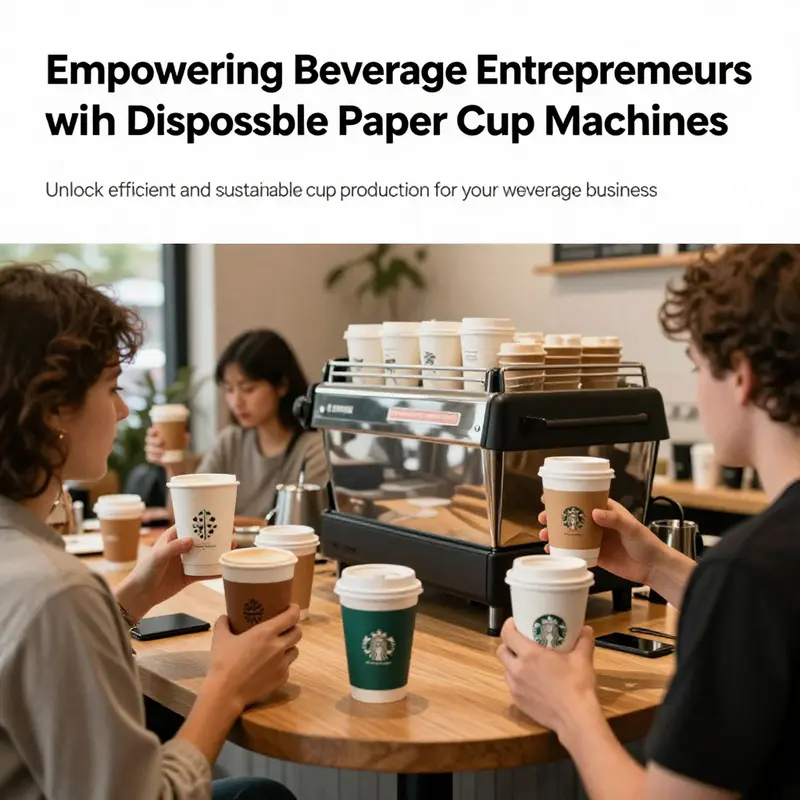
As the demand for to-go beverages continues to grow, disposable paper cup machines represent a crucial investment for bubble tea shops, beverage chains, restaurants, food trucks, catering services, and event planners. These sophisticated machines streamline the production process, allowing your business to keep pace with customer expectations while also addressing economic and environmental challenges. In this exploration, we will look deeply into the technology of disposable paper cup machines, analyze their economic implications, assess their environmental impact, and discover the latest market trends that shape the industry’s future.
From Coil to Cup: The Technology Driving Modern Disposable Paper Cup Machines
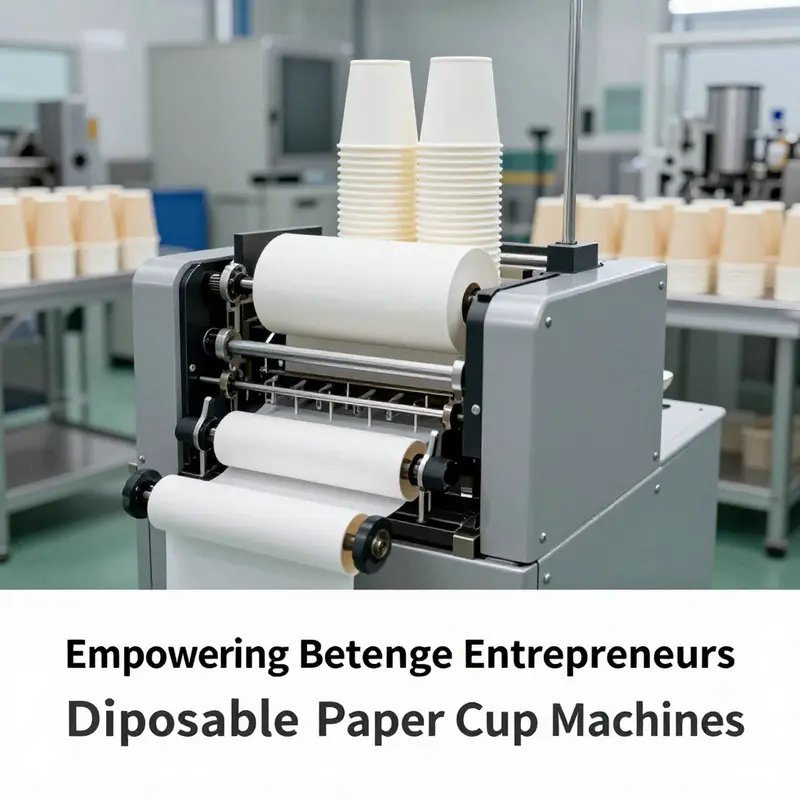
The journey from a flat reel of paper to a ready-to-use disposable cup is a study in precision, automation, and purposeful design. Modern disposable paper cup machines embody a tightly choreographed sequence of operations that transform sheet stock into leak-proof vessels capable of withstanding hot and cold beverages alike. There is a quiet, relentless logic behind each stage: feeding, forming, sealing, shaping, and stacking—each step calibrated to minimize waste, maximize speed, and maintain consistent quality across thousands of cups per hour. In this light, the technology driving these systems reads less like a collection of mechanical tricks and more like a holistic manufacturing philosophy that blends control theory, material science, and advanced process engineering into a single, reliable line of production.
At the heart of contemporary machines lies a sophisticated control ecosystem. Programmable logic controllers (PLCs) with touch interfaces have moved beyond simple sequencing to become operators central nervous systems. The operator no longer manually coordinates dozens of disparate components; instead, the PLC oversees speed, size adjustments, sealing temperatures, and alignment tolerances with a few taps on a screen. The result is a production floor that can switch cup sizes, alter wall thickness, and adjust temperatures for hot drinks in minutes rather than hours. This level of control is not merely about convenience; it ensures uniform wall integrity and sealing performance, both of which dictate how well a cup resists leaks and maintains insulation for extended holding times. In practical terms, the PLC driven interface reduces setup time between batches and minimizes human error, enabling consistent output across multiple runs on a single shift. The broader implication is straightforward: operators spend less time reconfiguring machines and more time monitoring material flow and product quality.
To these control capabilities, manufacturers have added energy-efficient sealing methods that push sustainable performance forward. Ultrasonic welding, for instance, has become a cornerstone in high-speed lines. By using high-frequency vibrations to join the paper and polymer layers, ultrasonic sealing creates a robust bond with less heat input than traditional heat-sealing methods. This matters particularly for hot beverages, where bond strength translates directly into spill resistance and insulation performance. Ultrasonic processes also tend to generate less material waste because the controlled energy pulse can be tuned to minimize excess heat-affected zones around the seam. The practical upshot is a cleaner, more repeatable seam and a cup that holds up under the temperature fluctuations of busy beverage service.
The continuum of automation extends well beyond sealing. Modern lines are designed around a multi-stage workflow that integrates automatic paper feeding, side sealing with precise heaters, bottom punching and feeding, knurling and rimming, and finally automatic stacking. The ingenuity here is not simply in adding more steps but in synchronizing them so that each stage feeds precisely as the next one requires. Consider the bottom punching stage: it must align with the punching cadence, the feed rate of the parent sheet, and the height and angle of the forming dies. Any misalignment can cascade into a stack of imperfect cups with mis-shaped rims or compromised bottoms. Advanced servo drives and gear transmissions, combined with cam indexing, ensure that each cup emerges with uniform top diameter, consistent sidewall profile, and an even curl on the rim. The result is a dependable output stream that minimizes rejects while preserving production tempo.
The material palette of these machines reflects a broader shift in the packaging industry toward sustainability without sacrificing performance. The stock can be single-sided or double-sided polyethylene (PE) coated, which provides the necessary moisture barrier and heat resistance for hot drinks. Yet modern lines have become increasingly compatible with more eco-friendly materials, including recycled or brown papers that feature a double-layer structure. These materials demand careful handling, since their barrier properties, thickness, and surface energy can affect adhesion and heat transfer during forming and sealing. In response, equipment designers have tuned heater geometries, pressure profiles, and coating compatibility to accommodate a range of substrates. Certifications such as CE and ISO, along with third-party quality verification, help ensure that these lines meet stringent safety and environmental standards while remaining adaptable to evolving material formulations.
Beyond material compatibility, high-speed die-cutting and punching represent another pillar of efficiency. The modern workflow often includes a dedicated punching cell that can cut cup blanks with remarkable accuracy and extremely low waste. The blend of microcomputer control, servo motor positioning, and precise sensor feedback enables rapid, repeatable blank production that feeds directly into the forming stage. This is not simply about speed; it is also about yields. By aligning dies, feed segmentation, and stack collection, the system cuts raw sheet consumption and scrap to a minimum, which translates into meaningful material cost savings over the life of the line. In a production environment where dozens to hundreds of thousands of cups may be formed daily, even small gains in cutting accuracy and waste reduction compound into significant bottom-line improvements.
Speed itself is a defining metric in this technology landscape. Mid-speed configurations can deliver tens of cups per minute, supporting medium-scale operations that balance capital investment with throughput. High-speed configurations, however, push well beyond that threshold, with twice- or triple-digit cup-per-minute capabilities that redefine what is feasible for large-volume beverage service and food-to-go applications. The architectural difference between these tiers is not merely the motor horsepower; it is the synchronization architecture that governs how quickly each subsystem can respond to changes in demand without destabilizing the entire line. In high-speed systems, for instance, dual-turntable arrangements and open intermittent indexing mechanisms synchronize the subtle dance of cup formation, sealing, and stacking so that production remains continuous even when parameters shift, such as a change in cup size or a momentary pause in supply feeding. This level of orchestration is what allows manufacturers to scale up operations to handle seasonal peaks or to service multiple customers with varied product sizes.
The design philosophy underlying these machines also encompasses a spectrum of specialized configurations. For more demanding applications, there are dedicated lines that add handles to coffee cups or that tailor production toward eco-friendly or biodegradable stock. These customizations reflect the market’s persistent demand for functional elegance—cups that are both comfortable to hold and disposed of with minimal environmental impact. The same line can be adapted to produce cups in a range of volumes, from small, single-serve portions to larger formats intended for cold beverages or layered desserts. Although the core forming and sealing logic remains similar, the ancillary devices, such as handle-forming modules or tail-end pre-assembly stations for lids and sleeves, must be integrated with care to avoid disrupting the stability of the forming cycle. This integration of modular options highlights how the technology accommodates diversity in product lines without sacrificing the economies of scale that high-volume production requires.
From the supplier floor to the design studio, industry participants emphasize the importance of reliability and serviceability. Warranties, after-sales support, and spare-part availability are not mere afterthoughts; they are essential to keeping lines in production. A machine that runs smoothly for months without unscheduled downtime reduces the total cost of ownership and strengthens a company’s ability to meet client commitments. In this context, the choice of materials, control software, and mechanical components becomes a strategic decision about risk management as much as about capacity. As lines become more automated, the maintenance philosophy shifts toward predictive maintenance, sensor-driven diagnostics, and remote technical assistance. This not only minimizes downtime but also accelerates troubleshooting when issues do arise. The emphasis on serviceability is a practical acknowledgment that the equipment is a critical asset in a broader supply chain that includes raw material sourcing, packaging design, and distribution networks.
Markets, certifications, and accessibility also shape how these machines evolve. The current landscape supports a wide price spectrum, reflecting a continuum from basic, entry-level configurations to fully automated, multi-station systems that can be customized for size, coating options, and per-unit energy profiles. Buyers are drawn to equipment that can be integrated into existing lines, compatible with standard sheet stock and feeding mechanisms, and capable of delivering consistent performance with minimal technical intervention. The global nature of the supply chain means that machines are designed with diverse regulatory environments in mind, which explains the emphasis on CE and ISO marks, along with the possibility of third-party verifications. In practice, this creates a robust market where enthusiasts of high productivity can chase performance while others prioritize cost efficiency and environmental stewardship.
The practical takeaway from these technological trajectories is clear. Modern disposable paper cup machines are not simply lever-and-gear devices; they are intelligent systems that weave control theory, mechanical reliability, material science, and sustainability into a single fabric. They are designed to handle rapid changes in demand, to accommodate a spectrum of materials, and to maintain a hopeful balance between throughput and waste reduction. The result is a manufacturing paradigm that supports a wide range of business models—from medium-size operations seeking predictable, steady output to large-scale manufacturers demanding peak throughput during seasonal surges. For companies evaluating investment, the question is not only how many cups per minute the line can produce, but how the line behaves under varied loads, how quickly it can be reconfigured for different products, and how robust its support ecosystem will be once it is deployed on the factory floor.
In this broader context, the technology behind disposable paper cup machines becomes a lens on the packaging industry priorities: speed, reliability, sustainability, and adaptability. The machines reflect a world where plastic-free or reduced-plastic futures are pursued alongside the practical realities of cost control and supply chain resilience. They illustrate how automation can be harnessed to improve product consistency, reduce waste, and enable a more responsive, flexible production environment. For readers seeking deeper technical specifics or current supplier options, industry marketplaces and supplier catalogs offer extensive specifications and certification details, supporting informed decisions about equipment selection and customization. For instance, supplier listings on major platforms provide the technical depth and compliance documentation that buyers need to mitigate risk and plan their capital investments with confidence. In this sense, the technology of disposable paper cup machines is not a singular invention but a dynamic ecosystem, one that continues to evolve as materials, controls, and markets shift in tandem.
If you are exploring wholesale options for take-away cups destined for quick-service operations, you can find compatible offerings that align with the capabilities described here. For example, a wholesale page focusing on take-away coffee cups with lids presents a practical entry point for buyers seeking standardized stock ready for immediate production integration. See the wholesale take-away coffee cups page for more details on stock sizes, lid compatibility, and pricing, which can help frame equipment requirements and line configurations as you plan a full production solution on a single, scalable platform. https://greendispopack.com/product/wholesale-take-away-8oz-12oz-disposable-coffee-paper-cup-with-lids/
External resource: https://www.alibaba.com/product-detail/SINI-Customization-Fully-Automatic-Paper-Cup-Machine-High-Speed-Disposable-Cup-Production_1600629434242.html
Scaling the Cup Economy: An Integrated View of the Economic Lifecycle of Disposable Paper Cup Machines
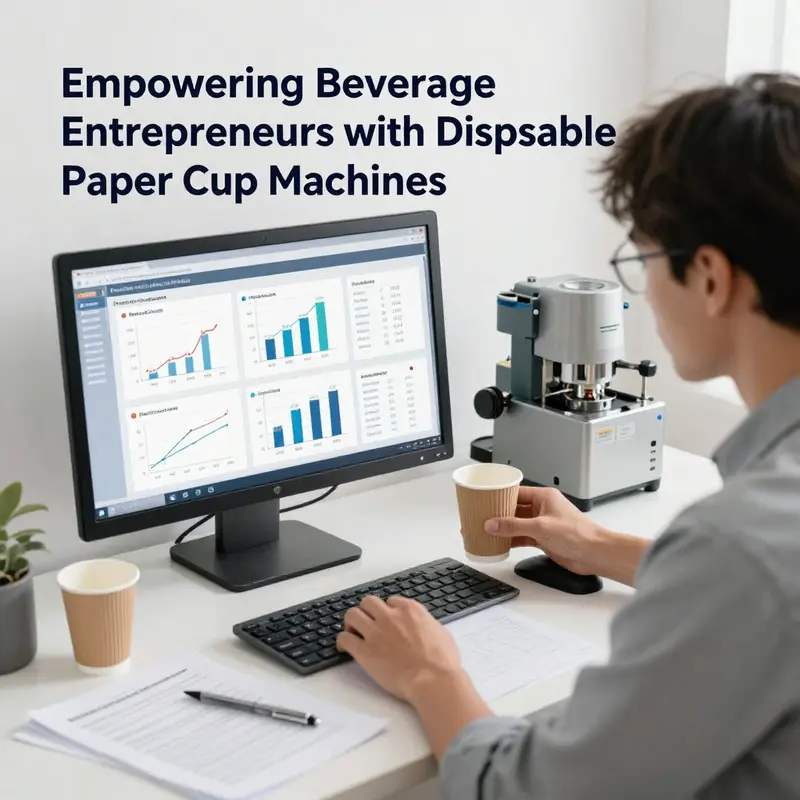
The rise of the disposable paper cup machine marks a convergence of industrial precision and consumer convenience. These lines, once imagined as simple feed-and-seal devices, now resemble fully integrated manufacturing ecosystems that convert raw paper and coatings into a steady stream of leak‑proof vessels. At their core is a straightforward idea: automate a series of tightly choreographed steps—paper feeding, side sealing, subsequent punching and feeding of the bottom, heating, knurling, rimming, and finally stacking—so that a continuous, multi‑stage operation can deliver consistent cups at scale. When viewed through an economic lens, the appeal becomes clearer. The combination of automation, reliability, and throughput reduces dependence on manual labor, lowers unit costs, and creates a predictable cost path that can be modeled, measured, and optimized under varying market conditions. The market dynamics driving this technology are broad and multifaceted, spanning technological advances, regional economic realities, and shifting consumer preferences toward hygienic, single‑use packaging in food service, takeout, and quick‑service environments.
Across the global landscape, the disposable cup machine sector is forecast to maintain robust growth, with a long‑term trajectory that points to more than a decade of expansion. Growth rates in the vicinity of a high single‑digit to low double‑digit pace are often cited for the period from the mid‑2020s into the early 2030s, reflecting strong demand from fast‑food chains, coffee shops, and convenience outlets. This expansion is underpinned by a willingness to invest in automation that can deliver high output with consistent quality. In practical terms, manufacturers on medium to large scales gravitate toward lines capable of turning out tens of thousands of cups per day, while smaller operators seek modular, scalable options that align with space constraints and capital budgets. The story is not merely about speed; it is about the economics of uptime, waste reduction, and the lifecycle cost of the equipment that sits at the heart of a modern packaging operation.
From a production architecture perspective, the economics hinge on several interdependent levers. Throughput, or cups per minute, directly influences the potential revenue relative to fixed costs such as equipment purchase, facility rental, and energy usage. Mid‑speed forming lines can reach around a hundred cups per minute, a throughput that suits many regional markets and mid‑sized brands that want reliable, steady output without the capital intensity of the top tier. In contrast, high‑speed configurations push toward 130–150 cups per minute, enabling mass production for global brands and large contract manufacturers seeking to saturate major channels quickly. Crucially, the story does not stop at speed. These machines often operate with a dual turntable arrangement, automatic paper fan feeding, and sophisticated finished cup collection systems, features that collectively improve line efficiency and reduce the labor burden. Even at scale, such systems rely on smart control architectures—programmable logic controllers, servo motor drives, and automatic fault detection—to minimize downtime and keep the line running smoothly.
The economic calculus of a disposable cup line begins with capital expenditure. The initial purchase price can range widely, from a few thousand dollars for basic, entry‑level configurations to well over thirty thousand dollars for highly automated, high‑throughput systems. The value proposition, however, is not only what the machine costs today, but what it enables over time. A well‑designed line reduces labor costs, increases material yield, and stabilizes production schedules, all of which tighten the gap between cost and price in a highly competitive market. The warranty period and certifications—CE and ISO in many instances—add a layer of financial assurance that lowers perceived risk and can influence financing terms. In practice, the anticipated payback period depends on local labor costs, energy prices, facility utilization, and the mix of sizes produced. Operators often find that the most cost‑effective configurations are those that balance up‑front capital with flexible output that can be tuned to demand fluctuations rather than locked into a single, high‑volume format.
In this setting, the cost structure is as important as the throughput. Material costs for the raw substrate, typically PE‑coated paper within specific grammage ranges, are a primary variable. Paper thickness, coating formulation, and coating process stability directly affect yield and leakage performance, which in turn influence scrap rates and rework. Energy consumption—heating for sealing and forming, powered drive systems, and the ancillary systems for cooling and air handling—constitutes a significant ongoing expense. Maintenance, including routine parts replacement like blades, seals, and sensors, plus the risk of unplanned downtime, rounds out the economics of ownership. Modern lines mitigate many of these concerns through design choices that favor robust components and modular upgrades. For buyers, the appraisal of a machine often includes a service agreement, remote diagnostic capability, and access to spare parts with reasonable lead times. Even with such supports, the total cost of ownership remains sensitive to energy efficiency, downtime costs, and the quality of the incoming paper stock.
Market dynamics also reflect the varied regional realities in which these machines operate. In emerging economies, buyers often prefer compact, partially automated solutions that fit into smaller facilities and demand capital efficiency. The investment ranges in those contexts reflect a balance between upfront cost, achievable output, and the physical footprint of the line. In more established industrial hubs, fully automated systems that push high throughputs dominate, driven by the demand to fulfill large orders with minimal variability. The global value of the sector underscores its economic weight, with market capitalization reaching into the billions in the mid‑2020s and continuing to expand as customers demand reliable single‑use packaging that complies with health and safety standards. The presence of warranties and certifications advances investor confidence, an important factor for banks and equipment financiers evaluating ROI risk in a capital‑intense category.
Sustainability considerations have become more than a passing concern; they are increasingly shaping the design and utilization of these machines. The market now features options to work with recyclable or biodegradable materials, and manufacturers are actively exploring how machinery can adapt to these substrates without sacrificing speed or integrity. The trend toward eco‑friendly cup production influences material handling, waste management, and the downstream recycling of finished cups. Operators aim to minimize waste at every stage—from blank sheet to finished cup—through tighter tolerance control, preciseness in knurling and rimming, and improved edge quality. In the broader conversation, this translates into a lifecycle where the equipment not only produces a superior product but also supports a more sustainable packaging ecosystem. The alignment between machine design and environmental objectives is a major driver of the next wave of innovations, including alternatives to traditional PE coatings and the integration of more recyclable or compostable material streams.
The mechanics of supply and demand further illuminate the financial calculus. Paper supply and coating materials can be volatile, influenced by global energy costs, trade policies, and input material prices. Firms that manage to decouple themselves from price spikes—through long‑term supplier agreements, hedging, or diversified sourcing—tend to enjoy steadier margins. Also, currency dynamics play a role for buyers and vendors in cross‑border markets, with exchange rate movements potentially altering the relative affordability of high‑speed lines and the cost of spare parts procurement. In practice, many buyers approach this space with a staged investment strategy: a modular lineup that can be expanded as volume grows, or a turnkey, fully automated system for immediate high throughput in response to a surge in demand. Both strategies require careful cash‑flow modeling, sensitivity analysis, and a clear view of the break‑even point under different scenario assumptions.
From a product quality perspective, automation does more than increase output. It standardizes performance in a way that manual processes rarely can. A disciplined operator can tune a line to produce cups with uniform wall thickness, consistent knurling, and securely curled rims—attributes that reduce leakage and improve user experience. When these attributes are achieved consistently, brands can command price premiums and secure repeat business in a market where the perceived value of hygienic single‑use packaging remains high. Even cost consciousness can be reframed as a quality initiative here: minimizing scrap and rework preserves material value and reduces waste disposal costs, turning what might be seen as a fixed overhead into an efficiency dividend.
For practitioners evaluating opportunities, a realistic approach involves synthesizing these elements into a coherent business case. The decision to invest hinges on expected throughput, capital availability, and the ability to align production with demand patterns. A mid‑speed line may be the right fit for a regional brand or a contract manufacturer servicing a dozen clients with predictable orders. A high‑speed line targets national or multinational chains with the promise of economies of scale. In either case, the trajectory is clear: improved process control, tighter cost management, and a pathway to sustainable growth through automation. To illustrate the practical side of affordability in a familiar form, consider a representative option in the market that balances cost and capability. For a representative example of a value‑friendly option, see the best-price 8oz double‑wall paper cup product page. This link demonstrates how mid‑market offerings can complement a scalable production approach while keeping entry costs reasonable for new entrants or expanding operators.
As the industry evolves, the combination of automation, material science, and sustainable design will continue to redefine what is economically feasible in disposable cup production. The chapters that follow will build on this foundation by examining how supply chain resilience intersects with line design, how financing structures shape investment decisions, and how regulatory frameworks influence both equipment capabilities and product requirements. Yet the throughline remains constant: the disposable cup machine is not merely a tool for shaping paper; it is a strategic asset that links manufacturing discipline to market access, brand integrity, and long‑term value creation. The path from raw substrate to shelf is a careful balance of speed, precision, cost, and responsibility—and it is a path that increasingly rewards those who master both the science of forming cups and the economics of building a scalable, sustainable manufacturing operation.
External resource: https://www.alibaba.com/product-detail/ZBJ-09-Paper-Cup-Forming-Machine1600386765653.html?spm=a2700.productlist.0.0.3d5a5b23f6e641
Breathing Through the Cup: Unpacking the Environmental Footprint of Disposable Paper Cup Machines
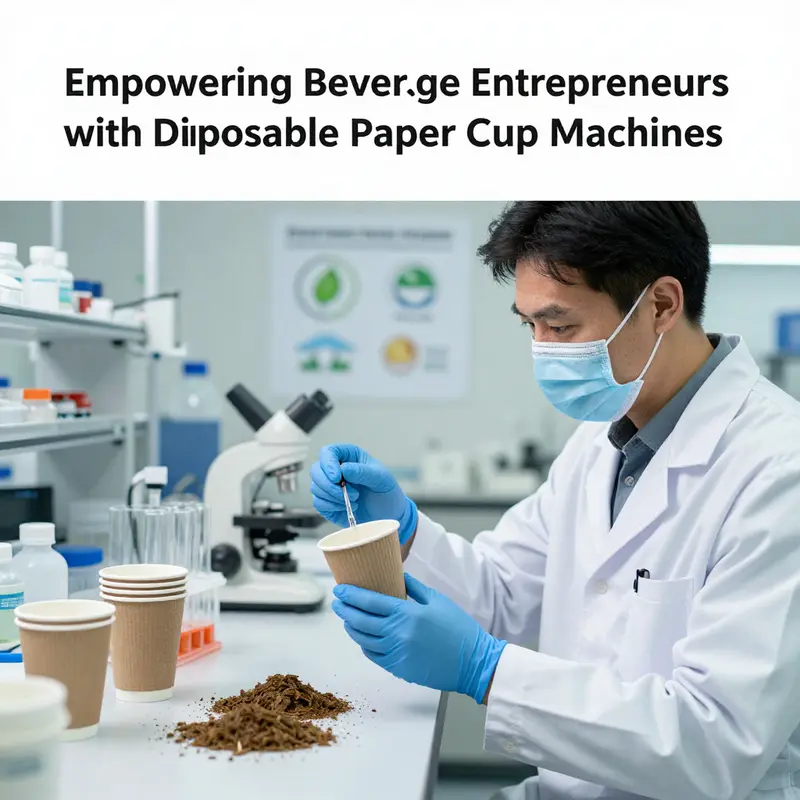
Every roll of paper moving through a disposable cup machine is more than a simple product. It sits at the center of a complex exchange between energy, material choice, and waste management. The modern, automated line is designed for speed and consistency, turning raw stock into leakproof vessels in rapid succession. Yet the environmental story behind that throughput deserves careful attention. When a mid‑speed system runs at its typical pace, it can produce roughly 80 to 100 cups per minute. The energy draw is substantial, with a common configuration demanding around 10.5 kilowatts of power. Operators often feed the machine on a 380-volt, 50-hertz supply, a setup that sustains heavy-duty servo motors, hot-air sealing, and precise control systems. This power demand translates into a notable carbon footprint on the factory floor, especially when run continuously in large facilities. The energy profile isn’t merely about the electricity itself; it mirrors the broader supply chain—generation, transmission losses, and the energy embedded in manufacturing the machine’s many components.
The materials dimension adds another layer to the environmental picture. Cup stock typically ranges from 170 to 350 grams per square meter. This thickness speaks to strength and heat resistance but also to the resource intensity of producing such paper. The process begins with logging and pulping, which ties back to deforestation concerns and substantial water use. Many cups are lined with polyethylene to prevent leakage, a barrier that complicates end-of-life processing. The PE lining can render cups non-compostable and challenging to recycle in conventional facilities. This is not just a technical inconvenience; it shapes how waste is managed after consumers finish their drinks. The combination of paper stock and plastic lining means that a large portion of cups sent to post-consumer streams ends up in landfills or the ocean, contributing to microplastic pollution that travels through ecosystems. For manufacturers, these material choices are a constant reminder that sustainability must be part of design decisions from the outset.
Emissions and waste generation arise from more than energy use alone. The production line, its maintenance, and the supply chain for components contribute to a broader emissions envelope. The machinery’s complexity requires precision engineering, which translates into manufacturing footprints, transportation emissions, and periodic servicing that keeps these systems running at high speed. Even with the sophistication of modern control systems—such as PLCs, servo motors, and integrated computer diagnostics—emissions are inseparable from material production and logistics. The most advanced features on today’s machines aim to reduce waste and improve consistency. PLC control coordinates the timing of feeding, sealing, knurling, and rimming. Servo-driven drives provide fine-tuned motion, which reduces scrap by ensuring precise cuts and seals. Hot-air sealing and drying minimize defects that could otherwise translate into waste. These technologies improve efficiency and product quality, yet they do not eliminate the underlying resource demands.
The environmental trade-offs become more nuanced when considering scalability. High-throughput models can dramatically increase output. A large facility might deploy a dual-turntable design with automatic paper feeding and finished-cup collection, enabling hundreds of thousands of cups per day. In such contexts, throughput can offset some per-unit energy and material costs through economies of scale. But the initial capital expenditure and the machine’s footprint are substantial. These machines require floor space, electrical infrastructure, and ongoing maintenance. In exchange for speed and reliability, operators accept a concentration of capital and energy use in centralized locations. This reality shapes the way factories decide where and how to invest.
If the goal is to reduce environmental impact, the pathway often begins with material innovation and process optimization. One path is to optimize energy use through more efficient motors, smart standby modes, and heat-recovery strategies. Where feasible, replacing conventional hot-air sealing with lower-energy alternatives or optimizing the heating cycle can shave kilowatt hours without sacrificing cup integrity. A second path lies in material choices. A move toward lighter stock where feasible, or toward paper grades that balance strength with lower embodied energy, can lower overall footprints. Importantly, if coatings or coatings alternatives can allow for effective leakage protection with reduced plastic content, recyclability improves. For instance, switching to barrier coatings that are easier to separate from paper at end-of-life can unlock higher recycling rates. In line with this, many manufacturers consider coatings and adhesives that are water-based or derived from more sustainable chemistries. The interplay of coating, sealing, and drying is delicate, but even modest shifts can yield meaningful gains over a plant’s lifetime.
A practical question arises about the end of life for these cups. The post-consumer phase is where most environmental charges crystallize. Cups with PE liners face reuse and recycling barriers. While some regions possess capable paper recycling streams, many still struggle with efficiently separating the paper from the polymer layer. In such cases, the cups end up in landfills, where plastics contribute to long-term persistence and potential microplastic leakage. This reality motivates an expanding focus on design for end-of-life. Designers explore options such as liners that are more compatible with recycling infrastructure, or even entirely alternative barrier technologies that avoid conventional plastics. The broader aim is a cradle-to-cradle mindset: materials should be usable in cycles that minimize waste and energy use across generations of products.
In this context, the industry increasingly recognizes the value of circularity. End-of-life considerations influence choices before the machine ever starts a run. For example, selecting materials and processes that align with local recycling capabilities can reduce downstream waste. The conversation extends to governance and certification. Standards and performance benchmarks influence how machines are built, operated, and retired. In some markets, operators must demonstrate energy efficiency and waste reduction practices to comply with regulations or to qualify for incentives. The connection between machine design and policy becomes a practical driver of sustainability.
The environmental narrative of disposable cup machines is not limited to the factory floor. It reaches into consumer behavior and packaging ecosystems. When a cup’s lifecycle is considered, the benefits of efficient machines multiply if users prioritize cups that are easier to recycle or made from fibers sourced with responsible forestry practices. In practical terms, companies that invest in process optimization and material innovation can offer products that meet demand while also aligning with growing sustainability expectations. Even modest improvements—like reducing waste during cutting, sealing, and trimming, or using coatings that support recycling streams—can alter the environmental profile of a plant over months and years. The cumulative effect of such changes is measurable and meaningful.
Beyond internal improvements, the broader industry conversation is enriched by international perspectives on standards and performance. A comprehensive reference on how paper cup machinery performance aligns with environmental benchmarks in different regions can broaden a company’s decision lens. For organizations seeking to understand global practices, the following external resource offers a detailed guide on standards, grades, and performance in a specific context: https://www.researchgate.net/publication/398765432AnIn-Depth-Guide-to-Paper-Cup-Machine-In-Japan-Standards-Grades-and-Performance. This resource helps illuminate how standards shape efficiency, material choices, and waste handling in real-world settings.
When manufacturers think about sustainability, they also think about opportunity. The market now includes options that address environmental concerns without compromising productivity. One component of this shift is product design that emphasizes end-of-life compatibility. For buyers and users, this means choosing machinery and processes that enable easier recycling or composting where appropriate, and selecting materials that minimize barriers to recovery. It also means acknowledging the value of using eco-friendly cup designs that reduce the environmental burden while maintaining the reliability and efficiency that producers expect. A practical example of this mindset is the kind of eco-conscious option highlighted in an industry page that showcases recyclable or compostable formats without sacrificing performance on the line. For readers who want to explore such alternatives, see the discussion about disposable eco-friendly options here: disposable-eco-friendly-custom-paper-coffee-cups-with-lid.
In sum, the environmental footprint of disposable cup machine operations emerges from a triad of energy, materials, and end-of-life fate. Each cup represents a decision point: how the stock is produced, how robust the sealing and shaping processes are, and how the finished cup is disposed of or recovered. The most responsible path blends technological efficiency with material stewardship and a commitment to systems thinking. As standards evolve and recycling capabilities expand, manufacturers that invest in cleaner energy, lighter yet strong stock, and packaging that travels neatly through recovery streams will reduce the overall burden. This isn’t merely about regulatory compliance; it is about aligning factory performance with a modern consensus that production must respect ecological boundaries while continuing to support the demand for convenient, safe, and affordable packaging. The journey involves engineers refining control logic, suppliers innovating across fibers and coatings, and operators embracing practices that minimize waste and energy use. Each advancement is a step toward a future where the cup remains a convenient, practical object, but one that leaves a lighter trace on the world.
For readers who want a broader international perspective on standards and performance benchmarks, the external resource mentioned above provides a deeper dive into how practices vary across regions and how they influence environmental profiles in paper cup machinery. This larger frame helps connect technology choices on the factory floor with the long arc of sustainable packaging.
Note on continual improvement: as markets evolve and consumer expectations shift, the environmental calculus of disposable cup machines will continue to grow more nuanced. Manufacturers are likely to experiment with alternative fibers, barrier layers, and recycling-friendly designs that maintain reliability without amplifying environmental costs. The path forward is not a single technology or material; it is a portfolio of aligned choices that collectively reduce energy use, lower material intensity, and improve post-consumer outcomes. The future of cup production hinges on that alignment between engineering excellence and environmental responsibility, a collaboration that keeps beverage service fast, safe, and sustainable.
Automation, Sustainability, and Scale: Forecasting the Market Trajectory of Disposable Paper Cup Machines
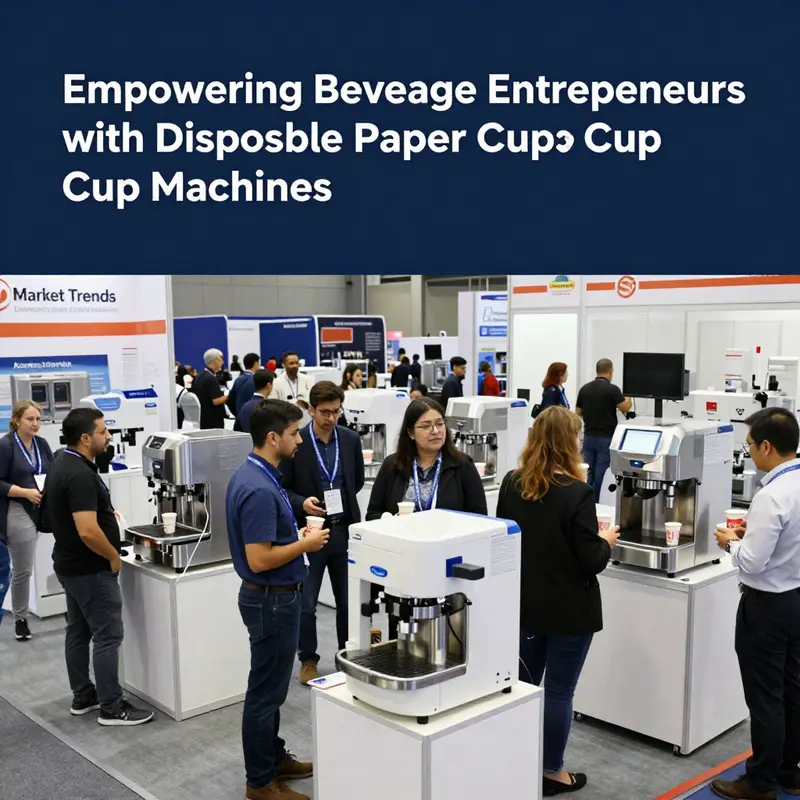
The disposable paper cup machine industry sits at a crossroads of rapid demand, logistical capability, and evolving standards. A dynamic convergence of consumer behavior, brand experience, and manufacturing efficiency is pushing operators to reimagine how cups are produced, transported, and disposed. When a consumer orders a branded coffee, a pastry, or a cold beverage, the cup that holds it is often the silent ambassador of the brand. The modern production line, then, is less a simple machine and more a conduit for consistent quality, traceable safety, and responsible resource use. In markets where disposable income is rising and café culture continues to expand, the appetite for high-volume, reliable cup production is not merely a preference; it is a competitive necessity. The forecast for the global market reflects this reality with a projected growth rate that sits well above many traditional manufacturing sectors. It is not simply about making more cups; it is about making them better, faster, and more sustainably, all within a footprint that matches the evolving expectations of operators, regulators, and end consumers alike.
The future of these machines is inseparable from the broader arc of automation. End-to-end systems that can handle paper feeding, side sealing, bottom punching, heating, knurling, rimming, and final stacking with minimal human intervention have moved from a desirable feature to a baseline expectation for large-scale operations. In practice, this means lines that can adjust to different cup diameters and heights with little to no retooling, that maintain tight tolerances across thousands of cycles per hour, and that integrate seamlessly with downstream packaging and warehousing processes. Even where semi-automatic configurations continue to serve small- to mid-sized enterprises, the emphasis is on control and repeatability. Operators seek modularity so a single line can be reconfigured for a new size or design without sacrificing throughput. The outcome is a spectrum: fully automatic flagship lines for regional suppliers and high-volume restaurants with in-house cup needs, paired with flexible, semi-automatic installations that empower local vendors and craft producers to test concepts and scale gradually.
Alongside throughput, the discipline of precision remains central. The specifications that underwrite performance—feeding accuracy, sealing integrity, and uniform knurling—are not merely about speed. They are about consistent leak resistance, uniform edge finish, and predictable material behavior across different paper substrates and coatings. The industry is thus investing in servo-driven drives, programmable logic controllers, and advanced heating strategies that balance rapid heating with material compatibility. In practical terms, this translates to systems that can handle a range of paper stock—from uncoated or minimally coated to polyethylene-coated variants—without compromising seal quality or stackability. The heating regime, whether air-based or targeted, is calibrated to minimize energy waste while ensuring a stable temperature profile that yields identical cups from first to last cycle. Where some lines once relied on single-function operations, contemporary configurations orchestrate a suite of tasks through synchronized stations, reducing cycle time and error propagation.
Sustainability has ascended from a compliance concern to a core design principle. The industry recognizes that environmental responsibility is now a factor in procurement decisions as decisive as speed or cost. Manufacturers are exploring eco-friendly materials and coatings that enable recyclability or compostability without compromising performance. Energy-efficient components, waste-minimizing process flows, and closed-loop conditioning systems are becoming standard in new installations. The shift toward sustainable practice is not limited to the materials used in cup construction; it permeates the entire production ecosystem. Waste streams are analyzed and re-routed where possible, while scrap reduction programs emphasize real-time monitoring of deviations in diameter, wall thickness, and seam integrity. In addition, the push to reduce the carbon footprint extends to machine design itself. Engineers optimize gear trains, servo efficiencies, and heat recovery opportunities to squeeze more productivity from every kilowatt-hour. In this way, sustainability becomes a competitive differentiator, aligning manufacturer, distributor, and end user in a shared commitment to a responsible packaging loop.
The market also reveals important regional nuances that shape investment and product development. In some markets, the emphasis rests on uncompromising precision and material standards, where stringent requirements define the acceptable tolerances and finish. In other regions, the focus is on cost-effectiveness and rugged performance to cope with variable supply chains and diverse operating environments. North American and European operators often seek high-performance specifications and reliability metrics that translate into longer machine lifetimes and lower downtime. In contrast, markets in parts of Asia see a stronger demand signal for robust throughput at a lower upfront cost, with a preference for scalable, modular systems that can be upgraded incrementally. Across these geographies, the importance of regulatory alignment and quality assurance cannot be overstated. Certifications, traceability, and consistent documentation influence procurement just as heavily as speed and price. The industry thus finds itself navigating a complex landscape where technical prowess and compliance go hand in hand.
The role of automation in scaling production cannot be overstated. In large, regional operations, end-to-end automation reduces the labor burden and enhances repeatability, enabling operations to meet recurring demand peaks with confidence. The ability to schedule, monitor, and optimize across multiple lines creates a resilience that is valuable in volatile markets. For smaller-scale players, semi-automatic configurations provide a pathway to experiment with new designs, test customer concepts, and validate market fit before committing to full-scale automation. This democratization of capability is a meaningful trend, allowing a broader range of players to participate in the market while maintaining the quality and consistency that customers expect. What ties these stories together is a shared objective: to sustain a high-volume, reliable supply of cups that meet safety and quality expectations while minimizing waste and maximizing energy efficiency.
Design thinking is increasingly shaping machine development as well. Rather than a single, monolithic solution, modern lines emphasize modularity, adaptability, and serviceability. This means not only that stations can be upgraded or swapped with minimal downtime but also that machine diagnostics, predictive maintenance, and remote assistance can be deployed to reduce unplanned outages. The result is a lifecycle perspective in which equipment remains productive for longer, with more predictable costs across its operational lifetime. In such an environment, the business case for automation strengthens: higher output with lower per-unit labor costs, improved consistency, and an enhanced ability to meet evolving consumer expectations for customization, branding, and sustainability. The market narrative thus centers on a balance of speed, quality, and responsibility, a triad that defines success in both technical and commercial terms.
As the market grows and evolves, the narrative extends beyond the factory floor to the broader ecosystem of suppliers, customers, and regulators. Multidisciplinary collaboration becomes a strategic asset. Engineers, material scientists, packaging designers, and sustainability experts work together to push the envelope on eco-friendly materials and efficient production methods. The result is not only better-performing machines but also a more coherent supply chain that can adapt to shifting demands, from specialty coffee shops seeking unique cup aesthetics to large-scale catering operations requiring dependable, scalable solutions. In this environment, the race is less about who makes the fastest machine and more about who creates lines that deliver consistent quality, minimize waste, and align with circular economy goals. Those who invest in sustainable practice and cutting-edge automation stand to gain the longest-term competitive advantage, as customers increasingly prioritize suppliers who combine reliability with environmental stewardship.
To connect these trends to actual purchasing decisions, buyers consider several dimensions in concert. Throughput and uptime are weighed against initial cost, total cost of ownership, and after-sales support. The proven ability to switch production rapidly between cup sizes or designs without significant downtime becomes more valuable as brands deploy more diverse beverage concepts and promotional campaigns. Energy efficiency, waste reduction, and recyclability influence not just the environmental footprint but also operating margins. And as regional standards evolve, the ability to demonstrate compliance and provide robust documentation becomes a differentiator in bid competitiveness. The trajectory is clear: growth will be sustained not by a single technology leap but by a continuous, integrated advancement in automation, materials science, and process optimization that allows manufacturers to scale responsibly while meeting the aspirational standards of modern consumer brands.
For readers exploring practical implications, it is worth noting how this trajectory translates into the day-to-day choices of a production facility. A modern plant would approach capacity expansion through modular lines that can be tuned to demand while maintaining consistent quality. It would integrate energy monitoring and waste analytics to drive continuous improvement. It would favor suppliers offering reliable service and parts availability, thereby reducing downtime and extending equipment life. And it would actively pursue collaborations that push eco-friendly materials from concept to mass production, ensuring that the products moving into consumer hands are compatible with recycling streams and waste management systems. In short, the market is moving toward a holistic framework where software, hardware, materials, and service converge to create resilient, high-performance cup production that respects the planet and satisfies growing consumer expectations.
Internal link: For readers curious about how eco-friendly cup designs intersect with production choices, a relevant example of sustainable cups is discussed here: eco-friendly corrugated ripple-wall paper coffee cup with lid. This link illustrates how material choices align with modern automation goals, signaling the broader direction toward sustainability embedded in equipment design and process optimization.
External reference: Market dynamics for disposable paper cup machines are captured in broader market analyses that forecast robust growth and shifting regional emphases. An external resource detailing forecasts and market drivers can be consulted here: MarketsandMarkets forecast. These insights complement the chapter’s synthesis of automation, sustainability, and scale, offering a data-backed perspective on the trajectory described above.
Final thoughts
The growth of disposable paper cup machines reflects a significant opportunity for beverage businesses to enhance their operational efficiency while addressing economic demands and environmental concerns. By investing in this technology, various stakeholders, from bubble tea shops to corporate event planners, can not only streamline production but also engage with sustainability efforts in their operations. As consumer preferences shift towards eco-friendly solutions, embracing advanced cup manufacturing technologies now positions businesses favorably for future success. Keeping an eye on these developments allows for agile adaptation in a competitive market.