
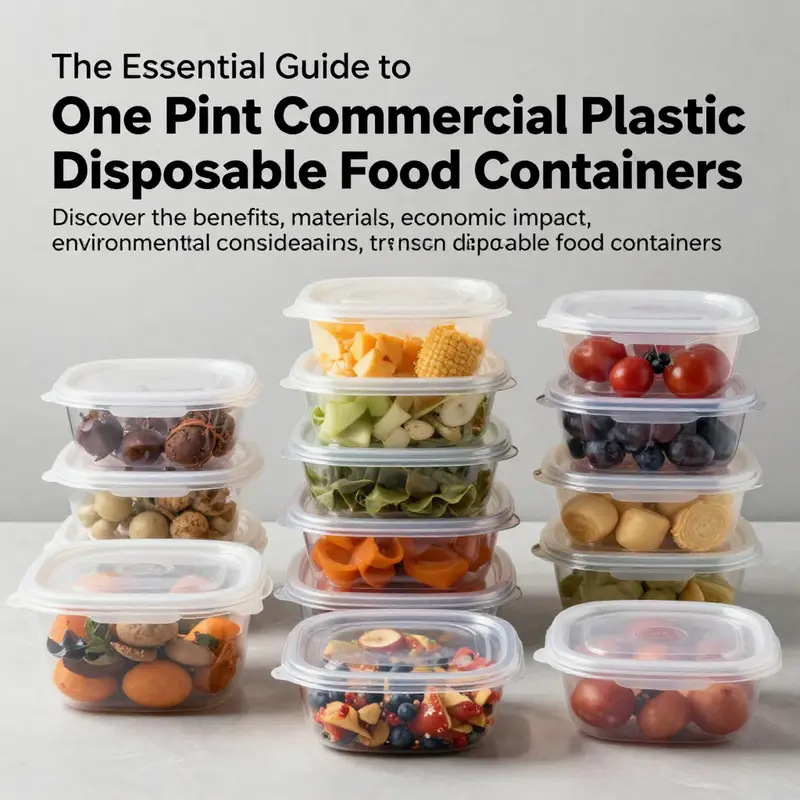
One pint commercial plastic disposable food containers have revolutionized the food service industry, particularly in cafes, restaurants, food trucks, and catering services. These versatile containers not only enhance the presentation of food but also ensure temperature retention and protect against contamination. In a world increasingly focused on sustainability, these containers offer various options to align with eco-friendly practices. This article unfolds the significance of these containers, exploring their versatility and applications, material choices, economic impact, environmental implications, and current market trends. With this holistic understanding, businesses in the food service sector can make informed choices that cater to both clientele and sustainability goals.
How One-Pint Disposable Plastic Containers Become a Go-To Tool Across Foodservice and Beyond
Versatility Anchored in a Standard Size
A one-pint commercial plastic disposable food container is more than a single-use vessel; it is a small, standardized platform that adapts to many operational needs. The 16-ounce size fits common portioning schemes, simplifies inventory, and reduces waste from over-serving. Because this volume aligns with familiar consumer expectations—single servings of ice cream, a soup portion, a side salad—it becomes a default choice for operators trying to balance cost, convenience, and customer satisfaction.
Materials such as PET and PP give these containers practical strengths. They are lightweight yet rigid enough to stack, resisting breakage during handling. Clear variants showcase contents, aiding impulse buys and reducing the need for additional labeling. Opaque or printed versions permit branding and concealment where aesthetics or light sensitivity matter. A well-fitting lid transforms a simple cup into a sealed package suitable for transport, storage, or display, and that sealability is often the deciding factor for takeout, delivery, and catering operations.
This combination of predictable capacity, durability, and sealing capability explains why these pints are common across so many settings. They move seamlessly from prep to point-of-sale to consumer use. In a busy kitchen, the same container can hold a single-serve dessert, a refrigerated sauce, or pre-portioned ingredients. In retail, the same geometry helps retailers display samples and prepared foods without committing to heavy, customized packaging runs. The standard size simplifies supply chains and purchasing: one SKU can cover multiple menu items and sales channels.
Practical Applications in Foodservice and Retail
In quick-service restaurants and food trucks, speed and clarity matter. The wide opening of the pint cup enables rapid filling and easy scooping, which reduces service time and limits cross-contamination. For frozen desserts and chilled items, transparent walls allow staff and customers to preview quality and flavor without opening the container. For hot soups or steaming side dishes, heat-resistant PP variants are often used, while PET remains common for cold and room-temperature offerings.
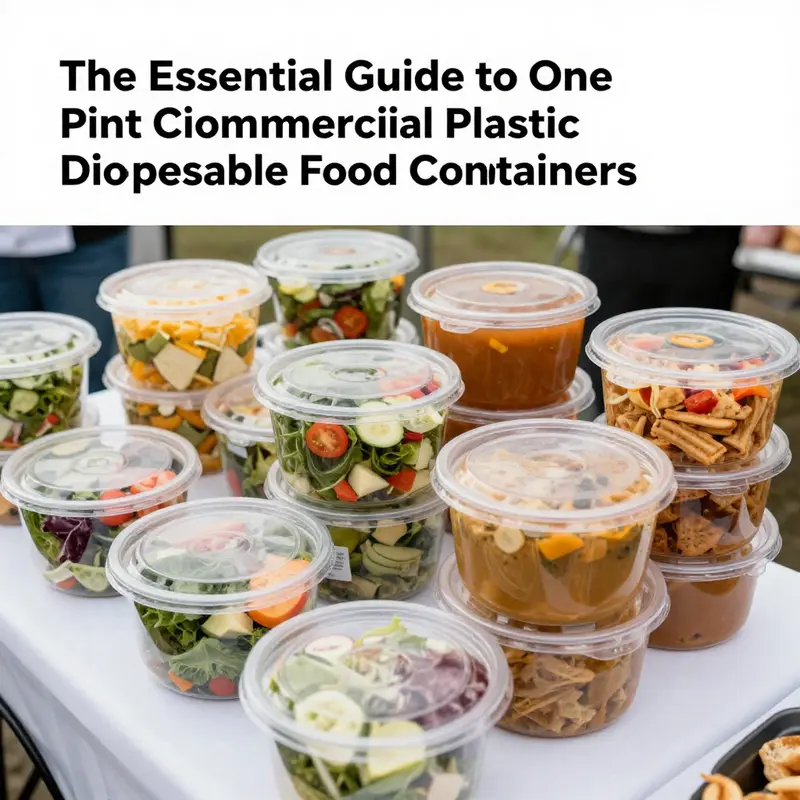
Catering and events benefit from standardized portioning and neat presentation. Stacking uniform pints in transport crates maximizes space and minimizes shifting. Airtight lids keep dressings, dips, and sauces separated until service, preserving texture and flavor. For festivals or outdoor markets, the containers reduce spillage and are simple to hand to customers without bulky plates or cutlery. The same attributes make these containers useful in corporate meal programs and boxed lunches, where consistency and ease of distribution are critical.
Retail packaged foods leverage the visual and protective properties of these containers. Pre-packaged salads, deli sides, and small-batch sauces sit well on shelves when contained in clear pints. The container gives a professional finish while maintaining a low per-unit cost. For artisanal producers, the pint is a practical entry to retail sales because it looks polished, ships well, and fits shelf space designed for common retail sizes.
Household and Industrial Uses
Beyond commercial kitchens, the one-pint container finds purpose in homes and industrial settings. Families appreciate the straightforward portion control for meal prep. Clear tubs make it easy to identify leftovers, and the lids allow freezer stacking without freezer burn when the correct material is used. For hobbyists and small manufacturers, these containers serve as economical storage for paints, small hardware, or mixed components. The clarity and sealability that matter for food packaging also help preserve non-food products that are sensitive to moisture or contamination.
In laboratories or artisanal production, the one-pint size can be ideal for small-batch runs. Clarity lets technicians visually inspect content for separation or particulate matter. A secure lid minimizes contamination risk during short-term storage or transport to the next stage of production.
Operational Advantages for Businesses
From a purchasing and operations perspective, the one-pint container lowers complexity. Standardization reduces training needs—staff learn one fill level and one sealing routine—and simplifies portion costing and recipe control. Because they are economical when bought in bulk, the per-unit cost drops significantly for consistent users. Lids and bases often come as matched SKUs, enabling automated packing processes and reducing handling time at the point of sale.
Logistics also benefit. Uniform dimensions improve palletization, and the lightweight nature lowers shipping costs per unit. When suppliers offer a range of materials—clear PET for display, PP for hot items, or compostable alternatives—businesses can choose the right balance of functionality and sustainability for each application without changing form factors.
Consumer Experience and Marketing
The visual advantage of transparent plastics is more than aesthetics; it supports buying decisions. Customers are more likely to buy prepared foods when they can see freshness, portion, and ingredients. For specialty or seasonal items, clear one-pint containers reduce the need for elaborate labeling. They allow the product to sell itself visually while still providing space for vital information on a lid sticker or base label.
For brands, the pint offers a canvas for identity. A printed band, sticker, or sleeve can communicate provenance, dietary attributes, and serving suggestions. The size itself conveys value: it reads as a single portion but substantial enough to feel satisfying. This perception can tilt a customer toward repeat purchase when the product and presentation align.
Sustainability and Material Choices
Sustainability considerations influence both choice and design. Traditional plastics like PET and PP have established recycling streams in many markets, and manufacturers often emphasize food-safe, BPA-free formulations. However, when recycling infrastructure is absent or consumers prefer lower-impact materials, paper-based alternatives and compostable plastics gain traction.
These alternatives trade some performance attributes for environmental benefits. Kraft paper bowls with lids, for example, offer strong compostable credentials and microwave safety, but they may not provide the same clarity or long-term moisture resistance as plastic. Selecting the right material requires assessing the product, service model, and local disposal systems. For businesses committed to greener packaging, offering the paper option for hot or single-use items while retaining recyclable plastic for chilled display can be a pragmatic mix.
One useful option for brands exploring non-plastic containers is a ready-to-ship kraft paper bowl designed for food packaging and lids. This solution delivers compostable credentials and practical microwavability while keeping portion and presentation consistent with plastic pint alternatives. See more about a kraft paper bowl for food package with lid for a comparable alternative in operations.
Design Details That Matter
Small design decisions have big operational effects. Lid type and sealing method dictate leak resistance. Flared rims make stacking easier while maintaining an easy peel for lids. Texturing or nesting features reduce the chance of stuck bases in automated equipment. Material thickness affects insulation and perceived quality: a thicker wall feels premium but costs more and uses more material. Clear or frosted finishes influence how the product looks under store lighting and in chilled cases.
For businesses that balance display and takeaway, selecting a pint container with a tamper-evident seal can provide consumer confidence without adding large packaging costs. Similarly, choosing lids with integrated sipping or venting options can enhance usability for hot soups or sauces, improving the customer experience while minimizing spills.
Adaptability to Emerging Needs
As consumer preferences and regulations shift, the one-pint container remains adaptable. Its standard size simplifies switching materials, adding printed messaging, or testing new lid technologies. Whether the priority is reducing single-use waste, improving transport resiliency for delivery, or increasing on-shelf appeal, the pint format allows incremental improvements without upending operations.
Because it bridges service styles—from dine-in to takeout to retail display—the one-pint container is a steady constant in packaging plans. Operators can standardize processes around it, and designers can optimize for new materials or consumer habits while keeping a familiar form factor for staff and customers alike.
For technical specifications and a deeper look into material grades and practical applications, consult a detailed industry resource here: https://www.foodserviceindustry.com/pint-plastic-cup-technical-specifications-and-applications
Material Truths and Lids: Designing the Modern One-Pint Plastic Food Container for Safety, Efficiency, and Sustainability
The one-pint disposable plastic food container sits at a quiet crossroads of practicality and policy. In the fast-paced world of food service, a seemingly simple cup with a lid can govern everything from product visibility to spoilage risk, from kitchen workflow to customer trust. The chapter that follows moves through the material choices and design decisions that define how a 16-ounce container behaves under real-world use. It considers not only what keeps food safe and fresh, but also what keeps operations cost-effective, scalable, and increasingly responsible as markets tighten around environmental standards and consumer expectations.
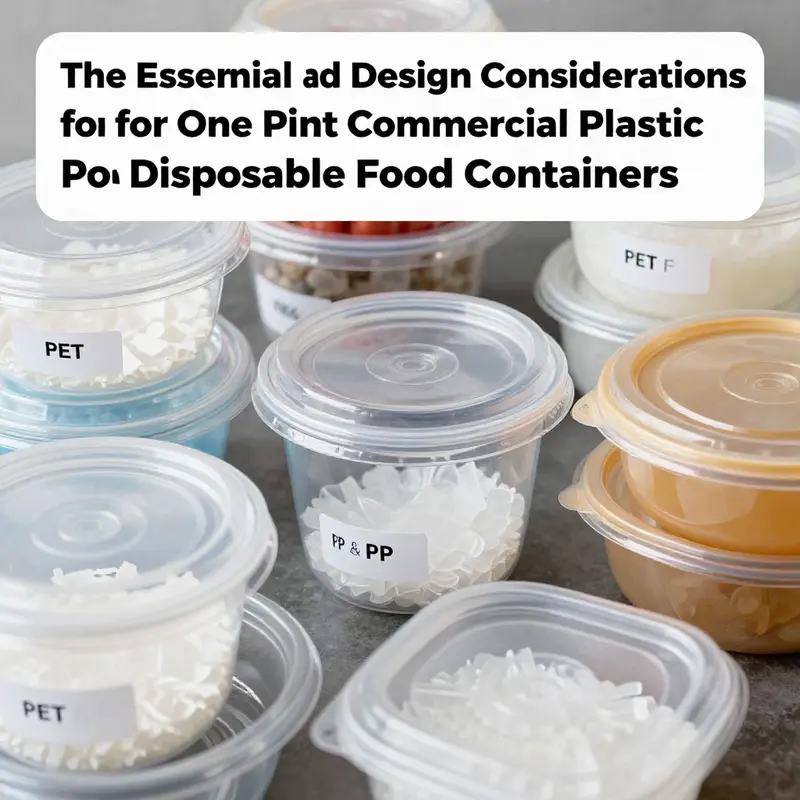
Material choice is the first and most consequential hinge in this equation. The dominant options—HDPE, PP, and PS—each bring a distinct balance of performance and cost. High-density polyethylene shines for its durability, light weight, and chemical resistance. It remains clear enough for product visibility, a valued trait in bustling service environments where staff must quickly identify contents without opening lids. HDPE is also broadly considered suitable for cold and hot applications, and it can withstand repeated use in basic microwave or dishwasher cycles, depending on formulation and lid design. Yet even this resilient polymer bears limitations: it can be sensitive to prolonged UV exposure, which may gradually compromise clarity and integrity if containers are left exposed to light across extended periods.
Polystyrene contributes rigidity, insulation, and a generally low cost. In many clamshell-style and takeout configurations, PS delivers a satisfyingly solid feel and excellent thermal buffering, which is helpful for holding warmth in some menu items. However, its environmental footprint and evolving regulatory stance complicate long-term planning. Not all PS variants are microwave-ready, and ongoing questions about recyclability and end-of-life management weigh into procurement decisions for facilities aiming to optimize waste streams.
Polypropylene, meanwhile, strikes a different balance. It is renowned for higher heat resistance and structural strength, which translates into better performance in refrigeration, microwaving, and dishwashing. PP’s resilience against deformation at elevated temperatures expands the operating window for containers that must perform in transit, at service counters, or in catered events where hot foods may travel in insulated carriers. For many kitchens, PP becomes the workhorse due to its compatibility with rigorous food-safety standards and its ability to endure the heat cycles of commercial dishwashing while preserving seal integrity.
Across all these materials, the regulatory backdrop is clear and increasingly stringent. The Technical Trade Measures Bulletin 2026, Issue 2 outlines that disposable plastic tableware intended for food contact must be fabricated from food-grade virgin materials and should be free of harmful additives such as BPA, lead, or phthalates. The document also prescribes a battery of tests that a compliant container must pass. Drop resistance tests evaluate whether a container survives a 0.8-meter fall onto concrete without cracking or delaminating. Heat resistance assessments verify that objects do not deform, peel, or wrinkle when subjected to hot water or oil at around 100°C with a tolerance of ±5°C. Microbial limits require a total aerobic microbial count not to exceed 10 colony-forming units per item, underscoring the emphasis on hygiene in mass service. Migration testing ensures that total migration of substances into food simulants remains below 10 mg per square decimeter. These benchmarks reflect a growing trend toward rigorous, science-based assurance that the packaging not only holds up visually and mechanically but also remains chemically inert in contact with diverse food matrices.
The practical consequence of these standards is that the most reliable one-pint containers are those designed with a regulated mix of material safety, mechanical robustness, and predictable performance under heat, cold, and mechanical stress. In other words, the best containers are engineered to support a flawless handoff—from kitchen to server, from kitchen to customer, and from the freezer to the consumer’s door. Safety is not only about the material itself but about how the container interacts with its seal, its lid, and its contents through every stage of the product’s lifecycle. That includes the lid design. An airtight seal reduces the risk of contamination and helps preserve moisture and flavor, while also minimizing the chance of leaks during transport. The lid’s fit must be reliable across many cycles of use, which often means designing with tolerances that accommodate slight dimensional changes in the base material caused by temperature swings or repeated washings. A well-sealed container isn’t simply a nice-to-have; it’s a core component of food safety and quality control in high-volume environments.
In addition to safety and performance, transparency remains a practical design feature. Clear or translucent plastics enable staff and customers alike to inspect contents without opening the container, a capability that speeds service, reduces handling, and supports accurate portioning. This is especially valuable for items with visually distinctive textures or colors—yogurt with swirl, layered salads, or frozen desserts where appearance can influence perceived freshness. Yet transparency must be balanced with aesthetic considerations and branding opportunities. While some operators prize the clean, hygienic look of clear containers, others prefer more opaque designs that better hide condensation or give a consistent look to a branded lineup. The trade-off is strategic: visibility versus branding, clarity versus color control, and the extent to which the packaging serves as a canvas for the business’s identity.
A container’s design also shapes how efficiently a kitchen operates. Stackability and space efficiency matter in busy pantries and cold storage where every cubic inch counts. A flat profile, interlocking lid features, and uniform base geometry simplify warehousing, reduce the risk of toppled stacks, and streamline restocking. Durable materials that resist chipping or cracking during stacking contribute to lower replacement costs and fewer service interruptions. Designers must also consider the possibility of limited reuse. Many suppliers emphasize that, while marketed as disposable, certain pint containers are capable of limited reuse when handled with care, which aligns with practices in some kitchens seeking to minimize waste while maintaining safety protocols.
Beyond functional performance, there is a growing urge to align packaging with environmental responsibility. Expanded polystyrene (EPS) has historically offered superb thermal insulation and low cost, but its recyclability is limited and its environmental footprint is significant. In contrast, options like recyclable paper-based packaging have gained traction for their lower environmental impact and, in some cases, their compatibility with microwaving, depending on the design. The market is increasingly shifting toward compostable or recyclable disposables that can meet evolving standards while preserving the user experience of convenience and reliability. For operators weighing these choices, a key question becomes not only whether a container can perform its duties but also whether its end-of-life path aligns with the business’s sustainability goals and local waste-management realities.
All of these design considerations feed into the broader procurement strategy. When evaluating multiple suppliers, operators should consider not only price per unit but also the total cost of ownership, which includes durability, the likelihood of breakage or deformation during transport, ease of recycling or composting at the end of life, and the container’s compatibility with existing equipment, whether that is microwaves, freezers, or dishwashers. Bulk purchasing options can further influence total cost, with unit prices fluctuating based on order size, material choice, and the presence of value-added features such as tamper-evident features or branding capabilities. In a market where sustainability credentials are increasingly scrutinized, brands and food-service providers are compelled to weigh the environmental claims of packaging against the practical realities of daily use, storage constraints, and the pressures of high-volume service.
To illustrate the breadth of packaging possibilities without losing focus on the core topic, one can consider alternatives that travelers through a kitchen might encounter. For instance, consider a transport-friendly option such as a durable, paper-based takeout container designed to be microwavable and recyclable. While not identical to a plastic pint, the comparison helps highlight a universal design principle: the container must enable safe storage, reliable transport, and straightforward disposal or recycling paths. This is why even as some operations diversify their packaging mix, they insist on continuity in key performance features—clear visibility when desired, secure seals to prevent leaks and contamination, and materials that meet rigorous safety standards while remaining cost-effective at scale. The conversation about materials and design is a conversation about control—control over product safety, control over operational efficiency, and control over the environmental footprint that accompanies a modern food-service operation.
For further context on regulatory expectations and to explore the formal criteria that govern disposable tableware, the Technical Trade Measures Bulletin 2026, Issue 2 serves as a foundational reference. It anchors the discussion in internationally recognized standards and reinforces the principle that safe, compliant packaging is built from materials that meet strict definitions of purity and performance. These standards shape not just the containers themselves but the entire ecosystem of supply, testing, and quality assurance that keeps a bustling kitchen functioning smoothly. As markets evolve, the design language of the one-pint container will continue to harmonize safety, practicality, and sustainability, ensuring that a simple, familiar size remains a reliable workhorse in a landscape defined by rapid change.
External resources offer additional guidance and validation. For authoritative, up-to-date regulatory guidelines and trade measures, consult the official sector overview at the WTO’s Technical Barriers to Trade pages: https://www.wto.org/english/tratope/tpre/tp2026_e.htm. disposable octagonal box—kraft paper packaging. This juxtaposition of standards and alternatives helps contextualize why material choices, seal quality, and design features matter so profoundly in the everyday operations of food service teams and their suppliers.
The Cost, Convenience, and Constraints: Unpacking the Economic Currents Driving One-Pint Plastic Food Containers in Food Service
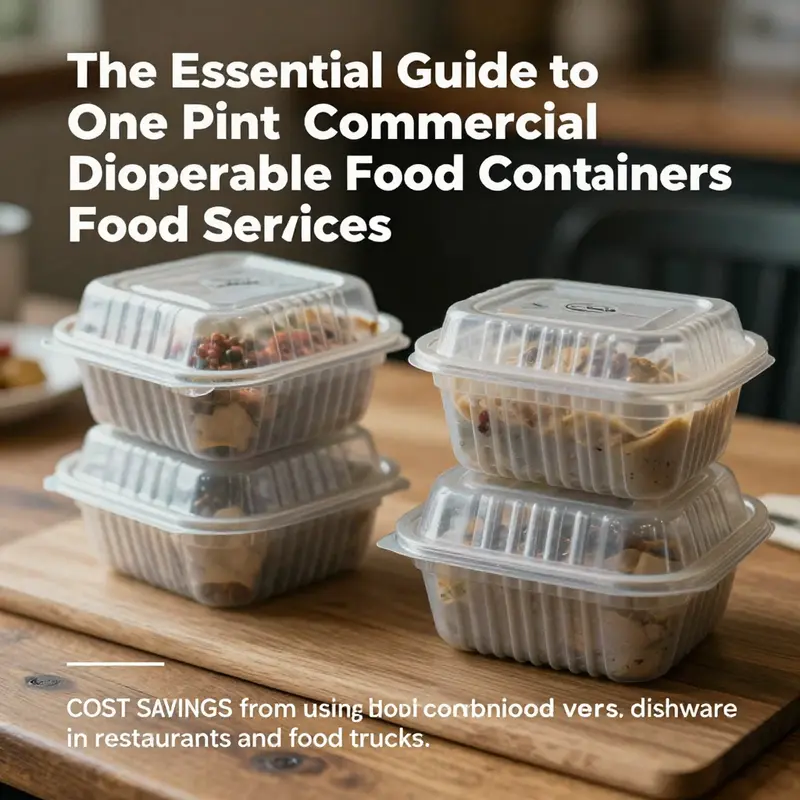
Every day, hundreds of thousands of meals pause at the edge of a plastic, one-pint container before continuing to the customer’s table, door, or desk. The pint-sized clamshell, made from clear PET or polypropylene, occupies a paradoxical space: it is both inexpensive and indispensable, a symbol of efficiency in a fast-moving industry that prizes speed, hygiene, and visibility. The economic appeal is immediate and tangible. The unit price—often discounted when purchased in bulk—appeals to operators who move vast volumes of hot and cold foods, from deli items to ready-to-eat meals. The lightweight design reduces shipping weights, which translates into lower transportation costs and a smaller carbon footprint in transit. The hinged lid and airtight seal translate into faster service, fewer spillages, and longer perceived freshness, enabling staff to plate, seal, and serve with a rhythm that supports high turnover without sacrificing product integrity. In a sector where margins are often tight and customer expectations high, these small, efficient containers help keep the operation lean and the lines moving.
Yet beneath the surface of this convenience lies a dynamic economic tapestry that is increasingly shaped by environmental regulation, shifting consumer values, and evolving waste management infrastructure. The same plastic materials that deliver clarity and durability—PET and PP—also impose a set of long-term costs associated with compliance and end-of-life management. On the cost side, the per-unit price can look attractive in bulk, with wholesale-like pricing supporting large-volume food businesses. The math works in favor of chains, caterers, and delis that can predict and standardize packaging across thousands of daily transactions. But the equation becomes more complex when operators must consider the full lifecycle of the container. If a city or region prohibits or restricts certain foam or polystyrene equivalents due to environmental concerns, the business is compelled to shift toward alternative materials that may offer similar performance but at higher material and processing costs. This shift often involves not just the price of the container itself but the downstream implications for waste separation, recycling, or disposal fees, which can vary substantially by locale.
From a product standpoint, the PET and PP variants provide clarity that doubles as a subtle marketing instrument. The transparent surface allows customers to assess fill levels and, more importantly, perceive freshness and quality at a glance. This “visual appeal” is a marketing lever that can influence purchase behavior in a setting where impulse decisions are common and eye-catching presentation matters. At the same time, the reliance on plastic does place the operator in a tight nexus of regulatory expectations. A broad spectrum of jurisdictions has moved to curb the use of polystyrene foam clamshells and other single-use plastics, citing environmental persistence and pollution concerns. When such bans or restrictions take effect, even a container that looks like a simple cost-saver can become a strategic liability if the business cannot adapt quickly enough. Operators respond by exploring recyclable plastics where feasible and by considering compostable or more sustainable alternatives, even if these options come with higher up-front costs and more complex supply chains.
The economic impact thus bifurcates into immediate operational advantages and longer-term risk management. In the near term, the one-pint container supports rapid service, predictable inventory management, and straightforward labeling for compliance with food-contact regulations—critical features in busy services like catering, quick-service, and retail delis. The sealed system enhances safety during storage and transport, reducing spoilage, which is a meaningful, multiply-reinforcing savings when margins hinge on minimizing waste. The ability to serve a wide range of products—from cold salads to hot items—without swapping containers adds further flexibility to the menu and to the day’s workflow. These factors contribute to an economic moat around facilities that standardize on this packaging, especially when coupled with the scale of procurement that allows favorable per-unit costs.
Yet the countervailing pressures are increasingly visible in financial planning and procurement strategy. The most salient headwinds are the evolving environmental and regulatory expectations that arrive as part of a broader push toward sustainable packaging. In many jurisdictions, environmental concerns have translated into prohibitions on EPS foam clamshells and bans on other non-recyclable options. The economic consequence is not a single price uptick but a cascade of adjustments: alternatives with different material costs, changes in supplier ecosystems, and the need to invest in recycling or composting infrastructure, where available, to support end-of-life handling. For operators who ship or store meals in bulk, the remobilization toward materials that are widely recyclable or compostable can entail higher per-unit costs, even if the base resin price remains favorable. The shift also brings planning challenges: longer lead times for sourcing, greater variability in supplier performance, and the need to educate staff and customers about new packaging choices.
In parallel with regulatory dynamics, the market shows rising expectations around sustainability, a force that increasingly weighs on the economics of packaging. Consumers and procurement teams alike are more mindful of the environmental footprint of disposable items. This does not just influence brand reputation; it influences demand for end-of-life solutions. When a product is viewed as environmentally responsible, sales can benefit from a reputational halo that translates into greater repeat business and, occasionally, premium pricing in certain channels. Conversely, when disposable packaging is perceived as a contributor to waste, buyers may seek alternatives or impose internal costs reflected in supplier scoring and sustainability metrics. Those metrics aren’t superficial; they shape supplier selection, contract terms, and even the willingness of a chain to renew a lease or expand a location.
The economics of alternatives—recyclable PET, PP, and increasingly compostable options—pose a nuanced calculus. Recycling infrastructure, local collection programs, and consumer participation rates all influence actual recyclability and therefore the effective cost per usable unit. When the end-of-life fate of packaging becomes uncertain or uneven across markets, operators face a form of hidden cost: the risk of stranded investment if a chosen material loses its market or becomes legally constrained. Biodegradable or compostable materials—such as bagasse-based or polylactic acid variants—often carry a premium price and, crucially, require appropriate waste streams to deliver their environmental benefits. Without reliable composting streams, the environmental gains can be diminished, and the financial burden of compliance may still fall on the business.
Operationally, many operators consider the broader logistics of packaging strategies. A high-volume operation might explore a mixed approach: continuing with PET or PP for core lines while piloting more sustainable options for specialty menus or for markets with stringent consumer expectations. There is also the potential, in some cases, for a transition toward reusable systems, particularly in a setting that serves a consistent volume of diners or events. The upfront investment—equipment, supply chain reconfiguration, and logistics for cleaning and redistribution—can be substantial. Yet studies and pilot programs suggest that, over time, repeat-use cycles can lower the per-meal packaging costs and reduce waste handling fees. The caveat is that reusable systems require rigorous process controls, reliable collection, and a robust logistics network to prevent breakage and ensure hygienic standards. In many contexts, this complexity translates into higher operating overhead in the short run, even as long-run savings accrue.
For operators weighing these options, the decision often turns on a blend of scale, location, and risk tolerance. A single-store deli may choose to stay with a conventional PET or PP container for consistency and predictable costs, especially if it serves a high turnover of simple items and has limited waste management capacity. A large quick-service chain or a caterer operating across multiple regions may be more inclined to pursue a diversified packaging portfolio, aligning product performance with local waste infrastructure, customer expectations, and procurement leverage. In all cases, the underlying economic logic remains clear: the pint-sized container unlocks efficiency, but its true value is measured in the currency of compliance, sustainability, and lifecycle costs as much as in the price tag at the point of sale.
As the industry navigates this landscape, the chapter of one-pint plastic disposables is less about a static line item and more about a dynamic cost-management strategy. The container remains a workhorse for its simplicity, capacity, and reliability, offering a clear pathway to high-volume throughput that supports a vibrant takeout and hospitality economy. Yet the ongoing evolution of environmental standards and consumer expectations ensures that the container will continually be reassessed—costs weighed against benefits, and future-proofing weighed against current practicality. In this sense, the pint container embodies a broader narrative: the intersection of operational efficiency, regulatory foresight, and responsible packaging design in modern food service.
For readers seeking a closer look at the options that align with sustainability while preserving functionality, consider this related pathway to eco-friendly disposables: kraft paper soup bowl with lid. This link points to a recyclable, microwavable alternative that reflects the market’s shift toward more sustainable disposables without sacrificing usability. While no single choice eliminates risk, a thoughtful mix of materials, end-of-life planning, and supplier collaboration can illuminate a path through the economic complexities described above. The conversation about one-pint containers in food service, then, is not simply about price—it is about aligning cost with value, reliability with responsibility, and speed with stewardship. External resources further illuminate the regulatory and environmental dimensions shaping these decisions, offering additional context for operators charting a course through this evolving packaging landscape.
External resource: https://www.epa.gov/smm/sustainable-management-materials
Weighing the Footprint: Environmental Realities of One-Pint Disposable Plastic Food Containers
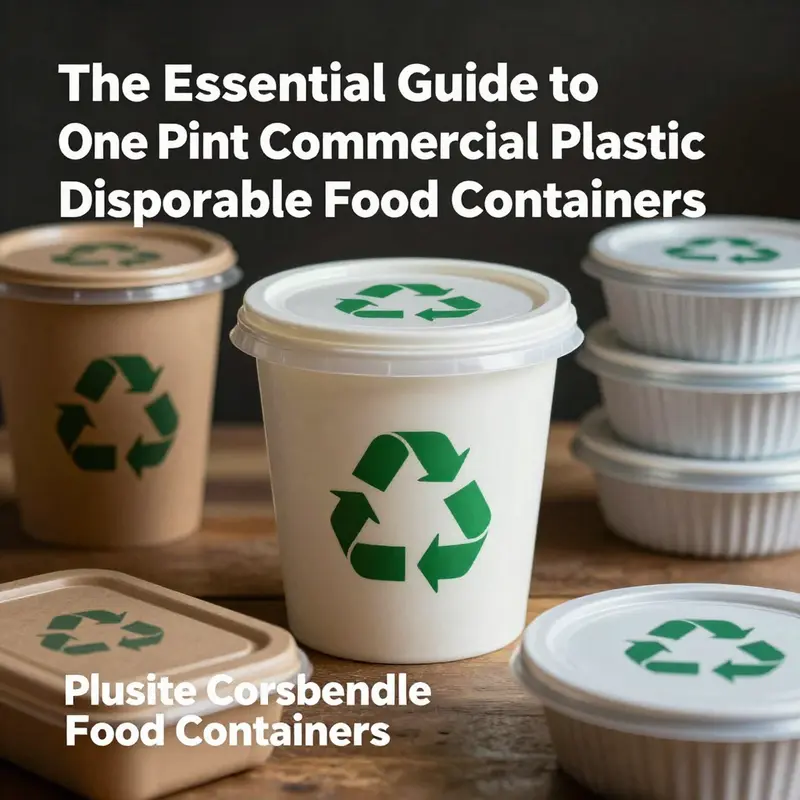
Environmental realities of one-pint disposable plastic food containers
One-pint plastic disposable containers have become a practical staple across catering, fast-service kitchens, and food retail. Their clear walls, secure lids, and low cost make portioning, display, and transport simple. Yet the environmental consequences of choosing a one-time-use plastic pint ripple through the entire life cycle of the product. This chapter examines those consequences—production emissions, waste pathways, ecological harm, and the trade-offs presented by alternatives—so operators and buyers can make informed choices that balance practicality with planetary impact.
The environmental story begins upstream with material extraction and manufacturing. Most single-use pint containers are formed from petrochemical feedstocks. Converting crude oil and natural gas into polymers consumes energy and releases greenhouse gases. Processing steps—polymerization, sheet extrusion, thermoforming, and finishing—add further emissions. While relative efficiencies have improved, the essential reliance on finite fossil resources creates an inherent carbon and resource footprint that does not vanish with improved recycling alone. When assessing environmental cost, it is important to consider not only the energy for manufacture but also the embedded emissions in raw materials and the logistics of distribution to end users.
After a container leaves the factory, its fate diverges based on local waste systems and user behavior. Many plastic food containers are intended to be recyclable, but reality often diverges. Food contamination on used containers is a major barrier to recycling; greasy or wet residues can render batches unusable for mechanical recycling streams. Additionally, mixed-resin designs, small integrated lids, or opaque labels complicate sorting equipment performance. Where curbside programs accept rigid plastics, rates of successful recycling vary widely. Low recycling throughput means a large share of material either becomes refuse destined for landfills or, worse, enters mismanaged waste pathways.
Mismanagement of single-use plastics contributes to persistent pollution. When containers escape collection systems, they accumulate in terrestrial and aquatic environments. Sunlight, abrasion, and biological action break larger items into microplastics—particles small enough to be ingested by wildlife and difficult to remove from ecosystems. Microplastic particles have been detected in soils, rivers, and marine organisms. They also show up in sentinel species that humans eat, raising concerns about pathways back into the food chain. Furthermore, plastics in the environment can transport adhered pollutants and introduce physical hazards to animals, such as entanglement or ingestion that can lead to injury and death.
Temperature and food chemistry also influence the environmental and health profile of pint containers. Some polymer types are stable under cold conditions but can leach additives or monomers when exposed to heat or acidic content. The combination of higher temperatures and fatty or acidic foods can accelerate migration of certain compounds from the container into the food. While many manufacturers use food-contact-approved, BPA-free resins, the complexity of additive chemistries and the sheer diversity of real-world use cases mean that risk assessment must be careful and context-specific. Overheating in microwaves or incorrect use with hot liquids can degrade container integrity and increase potential leaching.
The limitations of current recycling and waste infrastructure underscore the need for systems-level solutions. Material substitution—switching to more readily recyclable polymers, paper-based options with suitable linings, or compostable bioplastics—offers promise but is not a panacea. Paper containers with plant-based linings can reduce fossil feedstock dependence and often perform well in municipal compost systems, provided contamination is managed. Compostable bioplastics, such as those derived from polylactic acid (PLA), require industrial composting to break down effectively; they can contaminate mechanical recycling streams if not properly separated. Each alternative demands compatible collection and processing infrastructure, along with clear labeling and consumer education to avoid cross-contamination between streams.
A pragmatic approach blends material choices with operational changes. Businesses can prioritize containers that fit local end-of-life pathways. If a jurisdiction has strong municipal composting, choosing certified compostable pints can make environmental sense. Where robust recycling exists, selecting single-resin plastics that are easier to process and designing containers to minimize contamination—such as using peel-away lids or larger openings that empty more cleanly—helps increase the chance of material recovery. Operational policies that encourage rinsing, reduce overpackaging, and favor reusable containers for on-premise consumption will reduce the volume of disposables entering waste streams.
Cost considerations often drive packaging choices, but lifecycle thinking reframes cost beyond purchase price. Upfront savings on a cheap one-pint container may be offset by waste disposal fees, reputational risk, or regulatory costs as jurisdictions restrict problematic plastics. Investing in higher-performing recyclable or compostable containers can carry slightly higher unit costs but may reduce waste handling complexity and align with sustainability commitments. For events and catered functions where single-use remains necessary, combining durable, recyclable pints with clear disposal signage can significantly improve end-of-life outcomes.
Supply chain transparency plays an important role. Sourcing containers from manufacturers that disclose resin types, additive contents, and end-of-life recommendations allows buyers to match purchases with local systems. Certifications—such as compostability standards or recyclability labels—provide additional assurance, though they are not substitutes for understanding local acceptance. When a container is marketed as recyclable, verify that the resin code aligns with accepted municipal streams where the product will be used.
Design innovations also reduce environmental impact without eliminating the convenience that makes one-pint containers attractive. Lightweighting reduces the amount of material used while retaining structural integrity. Simplifying product geometry and avoiding mixed-material constructions make mechanical sorting more reliable. Creating lids that double as secondary containers or designing stackable shapes to improve transport efficiency can reduce both material and logistical emissions. Even incremental improvements in container design, when scaled across millions of units, yield measurable benefits.
Finally, broader policy and behavioral shifts can compound positive effects. Policies that foster extended producer responsibility, standardized labeling, and investments in composting and recycling infrastructure enable better material circulation. Education campaigns help consumers and food-service staff sort and dispose of containers appropriately. Where feasible, developing reusable takeout programs with deposit-return systems can greatly reduce single-use reliance. For small businesses, participating in community takeback or commercial composting programs can offer practical, near-term reductions in environmental footprint.
Choosing a disposable container is not purely a functional decision; it carries ecological and social implications. Operators who weigh manufacturing emissions, waste fate, contamination risks, and local infrastructure can make pragmatic selections that preserve convenience while minimizing harm. When plastics remain the chosen solution, favoring designs and materials that align with effective recovery systems, and coupling those choices with operational practices that reduce contamination and volume, delivers the most realistic path to lower impact. For those exploring alternatives, paper-based containers with compatible linings provide a credible option when matched with local processing, as illustrated by available disposable kraft paper bowl with lid solutions that balance durability and compostability.
For a thorough, peer-reviewed analysis of the life-cycle environmental impacts of food packaging materials, consult the lifecycle assessment literature: https://www.sciencedirect.com/science/article/pii/S095965262500347X
From Clarity to Circularity: Trends Shaping One-Pint Plastic Food Containers
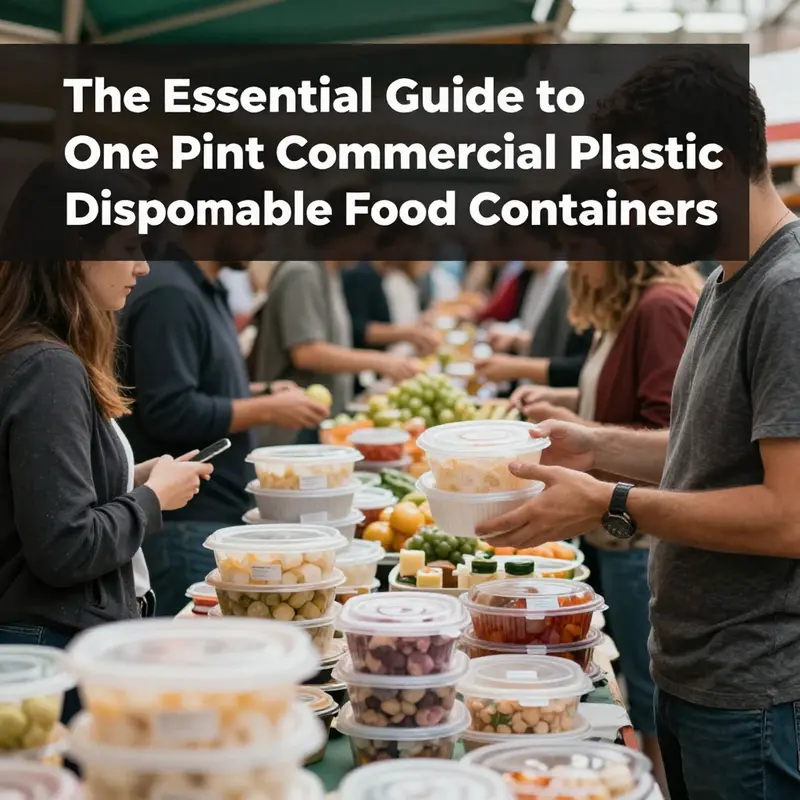
One-pint plastic disposable containers have become a quiet workhorse in the foodservice world. Their clear, familiar shells accommodate a wide range of cold and hot items, from ice creams and yogurts to deli salads and convenient snacks. They offer a practical blend of visibility, secure sealing, and cost efficiency that keeps menus crisp and lines moving. Yet beneath their utility lies a market in flux. The same containers that simplify serving and storage are now caught in a broader shift toward sustainability, tighter regulation, and a heightened demand for transparency from brands and customers alike. This chapter surveys how these forces are reshaping the market for one-pint commercial plastic disposable food containers, and what that means for operators, manufacturers, and suppliers who must balance performance with responsibility in an increasingly scrutinized landscape. The arc of this story is not simply about material choice; it is about how speed, safety, and stewardship intersect in a single, compact package that travels from kitchen to takeaway window, and sometimes all the way to the recycling stream, or beyond it, into a circular economy.
The market backdrop is unmistakable. The global plastic food container market has grown to substantial scale, with a value cited around USD 46.28 billion in 2026, signaling robust demand across foodservice segments. This is more than a measurement of sales; it is a reflection of a service economy that prizes convenience and freshness as a baseline expectation. Yet the sails of growth are catching more wind from sustainability initiatives than from any single product feature. Industry players report that the pace of expansion is tempered by a decisive pivot toward eco-friendly materials and practices. The shift is not a rush to abandon plastic; it is a shift toward smarter, cleaner, and more accountable plastic—a kind of modernization that respects both the needs of operators and the sensitivity of environmental regulations and consumer expectations.
A central axis of this evolution is the adoption of biodegradable and bio-based materials. Materials like polylactic acid (PLA) and polybutylene adipate terephthalate (PBAT) are moving from niche applications to more mainstream, compostable container options. These materials offer end-of-life benefits, especially in industrial composting settings, where they can break down more quickly than conventional plastics. The trade-off, of course, is cost and process complexity. Production costs remain higher, and the market must balance the environmental benefits with practical realities such as supply chain stability and consumer willingness to support premium pricing or take-back programs. Nevertheless, the industry is increasingly aligning these material choices with corporate sustainability goals and regulatory mandates that emphasize extended producer responsibility, or EPR policies that require manufacturers to shoulder a greater share of end-of-life impacts. The result is a market where the ideal container is not merely one that preserves freshness but one that reduces a product’s lifecycle footprint while remaining accessible to high-volume operations.
Regulatory influences loom large in shaping material strategy. Across borders, governments are tightening what can be used and how it must be disposed of. A notable example is China’s more assertive stance on plastic use, which has accelerated the transition away from traditional petroleum-based plastics toward bio-based and recycled alternatives. In markets where regulatory pressure is intense, manufacturers are compelled to innovate more rapidly, not only to meet current standards but to anticipate emerging ones. Innovation in packaging chemistry and design becomes a core risk management practice, allowing brands to stay compliant while continuing to meet performance expectations for containment, insulation, and shelf life. The emphasis is no longer on a single solution but on an adaptable portfolio that can respond to evolving rules, end-of-life infrastructure, and consumer preferences for greener options.
Consumer behavior has grown more demanding in terms of what packaging communicates about a product’s life cycle. There is an increasing appetite for transparency—an unambiguous account of packaging impact from cradle to grave. To meet this demand, some players are piloting or deploying traceability features such as blockchain-enabled QR codes. These codes can be scanned to reveal data about material composition, recyclability, and, in some cases, the estimated carbon footprint of the package itself. The promise of such transparency is twofold: it builds trust with customers who want to understand the environmental story behind their food, and it creates accountability within supply chains that can drive improvements in sourcing, manufacturing, and end-of-life handling. When consumers can see how a container contributes to or detracts from a product’s overall sustainability score, the brand gains a reputational edge through verifiable data rather than vague assurances.
In practical terms, these trends manifest in real-world choices that operators and manufacturers make every day. One-pint containers remain a staple in high-volume settings—coffee shops, food trucks, outdoor festivals, and seasonal events—where durable performance, cost control, and speedy service are paramount. The appeal endures because plastic pint containers typically deliver reliable lid seals that help preserve product quality during short-term storage and transport. Yet the long-term viability of these containers hinges on more than grip and seal. Heat resistance, structural integrity under stress, and compatibility with various reheating or freezing methods are ongoing considerations. Some embodiments of the pint container family can withstand microwaving or freezing, but not all. The risk of warping or deformation under high temperatures remains a challenge for certain formulations, especially when weight and cost targets are tight. This tension between usability and resilience under extreme conditions continues to drive material innovation, including the exploration of advanced composite structures and nanocoating technologies that can boost durability and heat tolerance without adding prohibitively to the price.
Looking ahead, the future of the one-pint commercial plastic disposable container ecosystem is likely to hinge on green innovation, smarter design, and circular economy frameworks. Green innovation will push suppliers to optimize material sourcing, improve recyclability, and expand the share of end-of-life recovery. Smarter design means containers that offer easier disassembly, clearer labeling for recyclability, and modular features that support reuse or multi-channel waste streams. Circular economy models, in turn, imply business strategies that reduce waste, encourage take-back programs, and partner with recycling infrastructure to close the loop. In this context, a container is no longer a discrete item; it becomes part of a broader system aimed at minimizing environmental impact while preserving the reliability needed by fast-paced foodservice operations. The companies that orient themselves toward these goals—through better materials, smarter packaging architectures, and transparent lifecycle data—are most likely to gain advantage as sustainability becomes a decisive factor in purchasing decisions.
To illustrate how this broader landscape interacts with consumer-facing choices, consider the allure of eco-friendly alternatives that do not compromise on convenience. In many cases, operators balance the benefits of plastic with the virtues of recyclable or compostable packaging. For instance, where heat resistance and durability are less critical or where end-of-life infrastructure is strong, kraft paper-based containers can offer a compelling option. These alternatives are often marketed as recyclable and microwavable and can align with sustainability credentials while maintaining the clean, elegant presentation that foodservice environments prize. For example, a disposable kraft paper bowl designed for food packaging with a lid demonstrates how packaging can retain functionality while steering away from conventional plastics. This approach is not about replacing plastic wholesale but about expanding the packaging mix to meet varied consumer expectations and regulatory requirements. For more on this type of option, one can explore a representative kraft paper offering such as the disposable kraft paper bowl for food package with lid. disposable kraft paper bowl for food package with lid
In sum, the market for one-pint plastic disposable containers is navigating a nuanced path. Operators seek reliability and cost efficiency; regulators demand accountability and safer end-of-life outcomes; and consumers increasingly want a clear accounting of environmental impact. The convergence of these interests is propelling material science forward, pushing for adhesives, coatings, and barrier layers that extend shelf life and mitigate leakage, as well as for smarter labeling and data-sharing tools that communicate lifecycle realities. While the precise mix of plastics, bio-based alternatives, and paper composites will vary by geography and product line, the broader trajectory is clear: value creation in this space will hinge on aligning performance with sustainability, and on building credible frameworks that demonstrate responsibility to the eyes of the public and the regulators who watch over it.
For those seeking deeper technical grounding on container performance and material benchmarks, recent studies offer detailed specifications and comparative analyses that can inform procurement and design decisions. External resources can illuminate the nuances of pint-sized plastics, including how formulations influence heat resistance, sealing integrity, and recyclability. See in particular the technical discussion on pint plastic cup specifications and how these properties translate to real-world performance: https://www.sciencedirect.com/science/article/pii/S135983682300754X
Final thoughts
The one pint commercial plastic disposable food container has become a staple in the food service industry due to its convenience, versatility, and cost-effectiveness. As businesses respond to consumer preferences and environmental concerns, understanding the materials and designs of these containers, along with their economic implications and sustainability practices, becomes essential. By embracing these insights, food service providers can enhance their product offerings while also aligning with trends that cater to eco-conscious customers. Ultimately, these containers not only serve practical purposes but also support a greener, more efficient future in the food industry.