
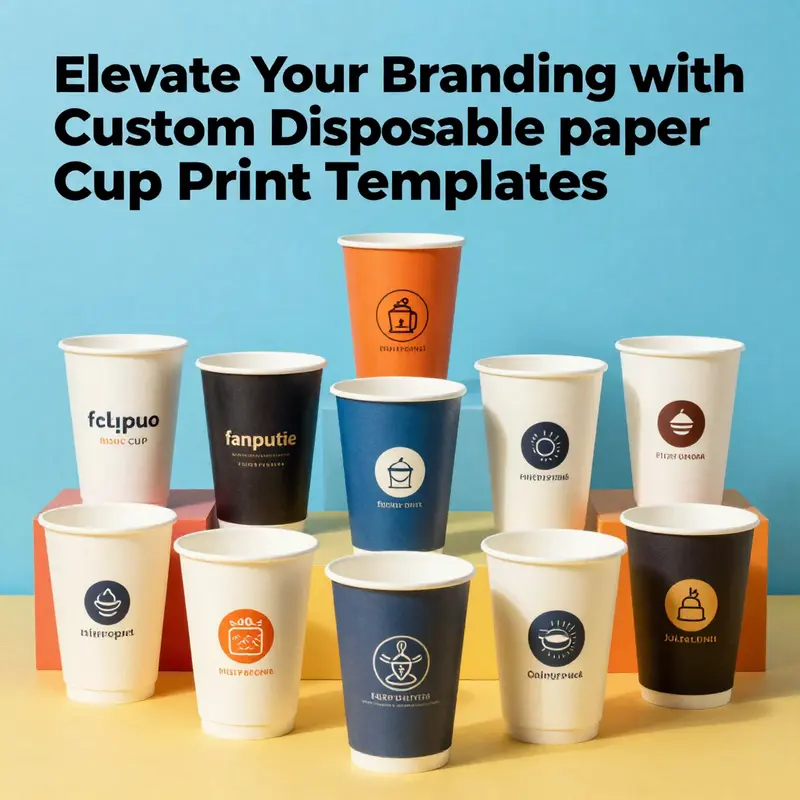
In today’s competitive food and beverage market, the packaging of your products speaks volumes about your brand. Disposable paper cup print templates offer not just functionality but also the chance to creatively express your brand identity. With the rise of personalization in consumer preferences, businesses like bubble tea shops, restaurants, food trucks, and event planners are turning to customized cup designs to differentiate themselves. This article delves into the market dynamics of disposable paper cup print templates, exploring key features, economic impacts, technological advances, and sustainability considerations. Each chapter aims to equip businesses with insights that highlight the importance of effective packaging in engaging customers and promoting brand loyalty.
Print as Brand Voice: Navigating the Dynamic Market of Disposable Paper Cup Templates
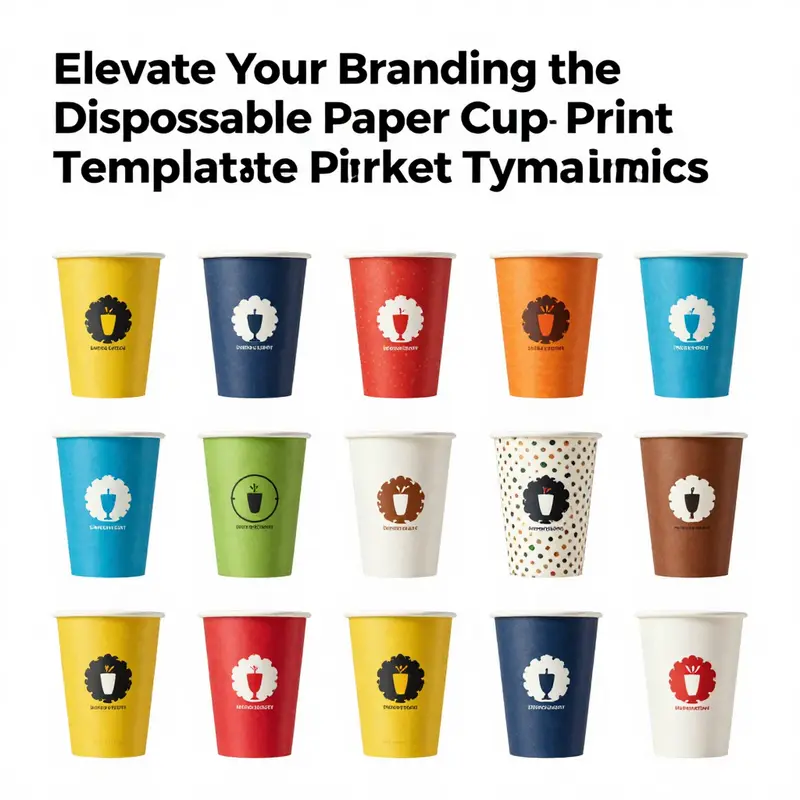
The disposable paper cup print template market has evolved from a functional add-on to a strategic lever for brand storytelling. In an era when consumer choice is influenced as much by on‑the‑go experiences as by the brand promise, the cup becomes a mobile ambassador. It carries identity through color, typography, and messaging, and it does so at the moment of truth where a shopper makes a decision at the counter. This shift reframes the cup from a simple vessel into a canvass that communicates reliability, values, and style, all in the span of a single interaction. As a result, the print template market has grown into a specialized layer of the beverage ecosystem that aligns product design with consumer perception, turning a disposable commodity into a durable touchpoint in a crowded retail landscape. The implications extend beyond aesthetics: print templates synchronize with packaging ecosystems, ensuring that what a cup promises in store transfers seamlessly to the consumer’s daily routine, social media sharing, and even word-of-mouth referrals.
Customization demand sits at the heart of this transformation. Enterprises now expect more than a splash of color or a logo; they seek a coherent design system that can scale across sizes and formats while staying faithful to brand guidelines. OEM services increasingly offer custom logo printing using food-grade inks, and buyers can adjust color palettes, shapes, and prints to reflect evolving identities. The practical reach of these capabilities is broad: templates accommodate a spectrum of cup sizes—from compact 7oz or 10oz servings to larger 14oz–24oz formats—so that a unified visual language remains legible and impactful regardless of volume. This capacity to tailor patterns, motifs, color accents, and regulatory icons within the same framework enables cafes, quick-service operations, and event organizers to craft cohesive brand moments at the point of purchase. Importantly, the ability to execute small-batch runs reduces risk and enables seasonal campaigns or limited-edition collaborations without prohibitive upfront costs. In this sense, the cup becomes a dynamic marketing tool rather than a one-off print job, and the business case for customization strengthens as the cost of change drops.
Technology underpins this broader shift toward personalized packaging. Advances in digital and flexographic printing deliver high-resolution, full-color results with tighter registration and lower setup costs. The economic viability of small-batch orders has expanded, allowing rapid turnaround for seasonal campaigns and test launches. In practical terms, printers can reproduce gradients, photographic imagery, and fine typographic details on cups, even at modest quantities, without compromising safety or performance. The ongoing push for more efficient platemaking, digital proofs, and accelerated prototyping shortens design cycles and fosters experimentation. For marketing and product teams, this means design quality and print fidelity are no longer optional luxuries but core requirements for customer engagement. A well-executed print becomes a tangible expression of brand narrative—visible on shelf, felt at the counter, and reinforced in digital channels when customers share their experiences.
Regulatory and safety considerations anchor the market in reliability. Print templates must conform to food-safety standards, ensuring that inks and materials interact safely with hot or cold beverages. Certifications in line with FDA or equivalent guidelines reassure retailers and consumers that prints will not affect flavor, safety, or performance. The emphasis on food-grade inks and substrates is more than a compliance checkbox; it signals accountability across the supply chain. Templates and the files that drive them carry specifications that prevent ink migration, contamination, or other risks. In response, suppliers emphasize traceability, quality control, and transparent documentation. This transparency builds trust and supports the broader shift toward responsible packaging, where brands communicate safety and sustainability with the same clarity as they communicate aesthetics. The result is a system in which design decisions and safety assurances coexist, enabling faster, more confident adoption of new prints.
Global supply chains shape availability and speed in meaningful ways. The market benefits from scale in major manufacturing hubs, with direct shipping options that reduce lead times and total costs. Large-scale production capacities enable brands to refresh designs across markets quickly, aligning with regional campaigns and seasonal demand. In this global context, the ability to produce millions of units and to coordinate color, ink sets, and compatible cup bodies with freight logistics becomes a competitive differentiator. While the design language remains consistent, operational flexibility allows for region-specific adaptations without disrupting the core brand story. The interplay between design intent and logistics—how a template translates into mass production—defines the reliability and agility that modern beverage programs require. In short, templates are not static files but active components of a tightly integrated supply chain that moves with demand.
Sustainability continues to steer both aesthetics and material choices. Brands increasingly favor minimalistic, impactful prints that communicate green messaging—labels such as recyclable, compostable, or eco-friendly—while aligning with the broader environmental commitments of the company. This emphasis on sustainability informs not only the visual design but also the selection of inks and substrates. Fewer inks and simpler color schemes reduce environmental impact, yet must preserve legibility and brand voice. At the same time, substrates that carry credible certifications for recyclability or compostability reinforce a brand’s environmental stance. The design challenge is to balance aesthetic clarity with ecological responsibility. Designers must consider legibility at small sizes and the practical realities of printing on curved surfaces, ensuring that even a single-color imprint can convey a bold, persuasive message about stewardship without sacrificing performance under beverage temperatures. This balance—between sustainability, readability, and visual hierarchy—defines the cutting edge of template design.
Market dynamics suggest continued growth driven by technology, safety standards, and an expanding global footprint. The broader disposable cup market shares the same arc: consumer demand for personalization, paired with a push toward responsible packaging, creates fertile ground for template-driven differentiation. As the industry scales—coupled with ongoing innovation in materials and inks—the role of print templates becomes more central to brand strategy. For operators, this convergence offers a twofold opportunity: deliver a compelling, recognizable look that resonates with customers while maintaining practical efficiency and safety. The cup affidavit of branding—color, form, messaging, and sustainability—coalesces into a cohesive experience that travels with the consumer from the counter to the curb and into the social stream. In this context, template-driven design is not ancillary, but a core driver of loyalty, perception, and measurable business value.
To ground these ideas in practical terms, the template system supports not just logos but also strategic messaging around environmental credentials, seasonal promotions, and notice requirements such as allergen information. It shapes how cups interoperate with lids and sleeves, how color blocking suggests flavor profiles, and how legibility is maintained when sizes scale from small to large. The result is a holistic packaging ecosystem in which the cup becomes an integrated touchpoint within a broader brand architecture. Thoughtful design translates into stronger recall, more sharing on social platforms, and a heightened sense of consistency across channels. Designers and procurement teams therefore face a delicate balancing act: preserve brand integrity while enabling regional creativity and efficient production. The payoff, when done well, is a seamless consumer journey where the cup’s appearance reinforces the product story at every handoff—from factory floor to consumer table.
As the market matures, template libraries evolve toward modularity. Brands increasingly favor flexible templates that support localization without compromising core identity. A modular approach—where color palettes, logos, and graphic elements can be swapped while preserving structural integrity—offers speed, scale, and consistency. Such systems empower localization teams to adapt prints for regional tastes and partnerships while maintaining a unified brand voice. Economically, the ability to reconfigure designs reduces reprint costs and accelerates time-to-market, making experimentation economically viable. This discipline confirms that the print template market is more than decoration; it is a strategic orchestration of brand conversation across supply chains and consumer touchpoints. The instantaneous nature of modern printing invites ongoing exploration, risk-taking, and reward for brands that invest in cohesive, compliant packaging narratives.
In sum, the disposable paper cup print template market embodies a broader shift in packaging toward storytelling with measurable business value. The cup travels with the consumer and carries color, character, and clarity through multiple channels. It communicates a brand promise at the point of sale, anchors memory for social sharing, and reinforces sustainability commitments in daily life. The convergence of design, printing technology, regulatory compliance, and logistics defines a dynamic, expanding market that rewards thoughtful, consistent, and responsible packaging. For practitioners, the message is clear: treat templates as strategic assets—tools that translate brand values into visible, measurable experiences at scale. And for researchers and planners, the ongoing evolution of this space offers rich opportunities to quantify impact, refine best practices, and deepen the integration of design with production realities.
For further reflection on the eco-conscious dimensions of this approach, you can explore related explorations of sustainable printing and packaging design here: eco-friendly printed logo single-wall paper cup.
External reference: https://www.researchandmarkets.com/reports/708921/disposable-cups-market-size-share-competitive-landscape-and-trend-analysis-report
Impressions That Last: How Printable Templates Shape Branding on Disposable Paper Cups
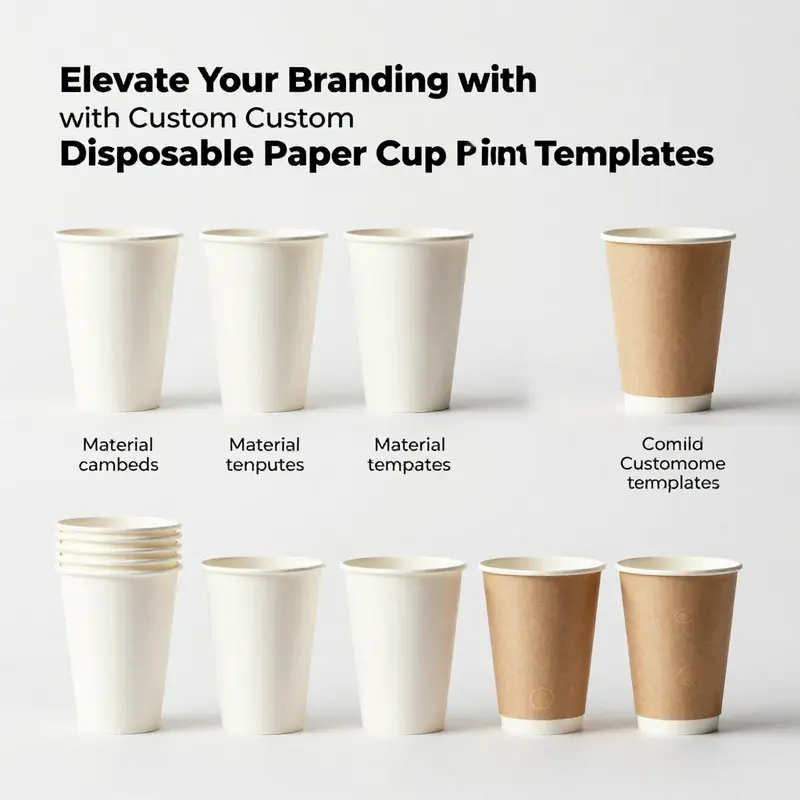
Templates for disposable paper cups are more than mere patterns; they are the silent negotiators between product, brand, and consumer. In a market where a cup can become a moving billboard, templates provide a ready-made framework for identity while preserving the spontaneity of design. The research into printable cup templates reveals a growing ecosystem built around customization, efficiency, and sustainability. The templates are not one-size-fits-all; they are adaptable canvases that respond to the pace of a busy food and beverage landscape, where speed, consistency, and recognizable branding determine which cups get noticed and which memories linger. When a business adopts such templates, it is not merely choosing a look; it is selecting a way to communicate values, mood, and promise in a single, portable package that travels from store to street and beyond.
Customization sits at the heart of the template economy. Templates are designed to accommodate customer-specific logos, color palettes, and design motifs, enabling brands to imprint their visual language directly onto the cup. This capability aligns with a broader trend toward personalized packaging, where the container becomes an extension of the brand’s storytelling. It is possible to request OEM-style logo printing or to opt for site- or event-specific motifs that adapt across campaigns without rewriting production workflows. In practice, this means a single template can support diverse campaigns—from seasonal graphics to limited-edition collaborations—while maintaining consistency in size and form. The result is a seamless fusion of creativity and production discipline that keeps branding coherent even as messages change.
The technology behind these templates supports high-fidelity printing and robust color use. Eco-conscious print processes have become standard, with flexographic printing running on water-based inks. This choice reduces volatile organic compounds and enables broader compliance with sustainability goals without sacrificing vibrancy or durability. The templates are engineered for 1- to 6-color flexo printing, a spectrum that allows simple, clean logos to complex, multicolor illustrations. The emphasis on high-quality printing is not merely about aesthetics; it also affects legibility and consumer perception. A carefully calibrated color set on a durable surface conveys trust, while the subtle textures produced by water-based inks add depth to the master design. The template considers inks, substrates, and finishing layers in a single, coherent system so designers can push creativity without compromising production reliability.
A successful print depends on precise alignment with the cup’s material geometry. Templates are specifically designed to fit various cup types, including single-wall cups with handles and double PE-coated cups. This alignment matters because the physical body of the cup—the lip, the shoulder, the seam—can distort or misplace graphic elements if not accounted for in the template. Designers must account for wrap-around margins, curvature, and potential substrate differences that arise from thickness and coating. The result is a template that guides the artwork to sit cleanly on the structure, ensuring that logos stay legible at a glance and that key design features do not disappear on the curve. In practice, this translates to reliable reproduction across production runs, minimizing waste and reprints, which in turn supports faster go-to-market timelines.
Standardization in size and format further enhances the efficiency of template-based printing. Templates are available for common cup capacities such as 7oz (roughly 200 ml) and 8oz (about 230 ml), with other sizes often represented in standard dimensions like 80x56x92 mm. This standardization helps manufacturers, printers, and brands synchronize their tooling and workflows. A consistent set of dimensions reduces the risk of mismatch during die-cutting or laminating stages and makes bulk production more predictable. It also supports retailers and service points that rely on predictable packaging to streamline stocking and display. The predictability extends to quality control, where predefined tolerances mean a cup can pass a uniformity check without bespoke adjustments for each campaign.
For designers and businesses seeking to jump-start the process, free design resources offer a practical entry point. Free downloadable templates, vectors, stock photos, and PSD files can serve as starting points for customization. These resources enable teams to prototype concepts quickly, test how a logo scales on different cup sizes, and evaluate how color treatments perform under flexographic printing. They also provide an accessible avenue for small operators to experiment with branding without substantial upfront investment. The ability to reuse and repurpose elements across campaigns—while adhering to a common structural framework—can unlock new marketing opportunities and reduce time-to-market. The availability of such resources reinforces the democratization of cup branding, making professional-looking prints feasible even for smaller ventures.
The implications of template-driven printing extend beyond aesthetics. A well-executed print template strengthens brand recall at the point of purchase and during social sharing. The cup becomes a portable ambassador, carrying color psychology, typographic choice, and emblematic shapes that communicate quality and reliability. Consumers form impressions quickly, and a consistent template reinforces a sense of familiarity that can influence repeat purchases. In this context, templates function as strategic assets. They enable brands to scale their presence across multiple outlets—coffee shops, canteens, event kiosks—without sacrificing the integrity of the design language. At the same time, templates support customization for local markets, event branding, or limited-edition cups, preserving the flavor of place while maintaining the backbone of a brand’s visual system.
Sustainability emerges as a critical thread within this narrative. Eco-friendly printing methods align with the larger movement toward responsible packaging. Water-based inks and lean production techniques minimize environmental impact while delivering the crispness needed for legibility and visual impact. The templates themselves also reflect sustainability considerations in their structure. They are crafted to reduce waste during printing, with layouts that optimize color usage and minimize misprints. The interplay of design and process—where template geometry informs ink coverage, which in turn informs material usage—creates a feedback loop that improves efficiency over time. Designers who understand this loop can craft templates that are not only beautiful but also economical and greener by default.
As the ecosystem of templates expands, so does the opportunity for cross-channel consistency. The same template family can support in-store menus, take-away branding, and promotional inserts with minimal adaptation. A retailer can coordinate a seasonal shift by updating the artwork within the same template framework, ensuring that every cup in circulation communicates a cohesive message. This coherence isn’t a luxury; it’s a practical advantage in crowded markets where attention is scarce and memory is a premium. The template thus becomes a bridge between design ambition and operational reality, enabling brands to maintain a memorable presence without compromising on production speed or cost control.
For teams looking to connect with practical supply options, there are perennially relevant resources behind the scenes. Wholesale and distribution channels frequently emphasize compatibility with standard cup sizes and lids, offering bulk pricing and scalable customization without imposing rigid, brand-locked constraints. A representative example of such optioning is evident in wholesale and takeaway offerings that align with common 8oz to 12oz cup formats, streamlining procurement and enabling rapid deployment of new campaigns. When a business chooses to integrate templates into its packaging workflow, it is not merely purchasing a design; it is committing to a modular system that supports growth, seasonal variation, and regional adaptation.
In sum, disposable paper cup templates are the quiet engines of branding in the on-the-go economy. They translate a brand’s identity into a portable form that travels with the cup—from the moment it leaves the coffee bar to its final resting place in a customer’s hand. The combination of customization, high-quality printing, material-aware design, standard sizing, and accessible design resources creates a powerful framework for consistent, compelling, and sustainable packaging. The templates empower designers to tell a brand story with clarity and impact, while empowering operators to produce at scale with confidence. As this template-driven approach continues to evolve, it will likely broaden the palette of what is possible on a disposable cup—without compromising the efficiency and environmental considerations that today’s consumers expect. For practitioners and business leaders, embracing the template as a strategic asset can unlock a future where every cup is a well-crafted touchpoint, a small yet meaningful statement about the brand’s values and aspirations.
Internal resource reference: For practical supply options that align with common cup formats and promotional campaigns, see wholesale-take-away-8oz-12oz-disposable-coffee-paper-cup-with-lids. wholesale-take-away-8oz-12oz-disposable-coffee-paper-cup-with-lids. This link offers context on scalable packaging solutions that work harmoniously with templated designs.
External resource: Designers and printers exploring template-based branding can start from Freepik’s collection of paper cup templates, which provides vectors, stock imagery, and PSD files suitable for commercial use. https://www.freepik.com/free-photos-vectors/paper-cup-template
Branding on the Go: The Economic Power and Practicalities of Disposable Paper Cup Print Templates
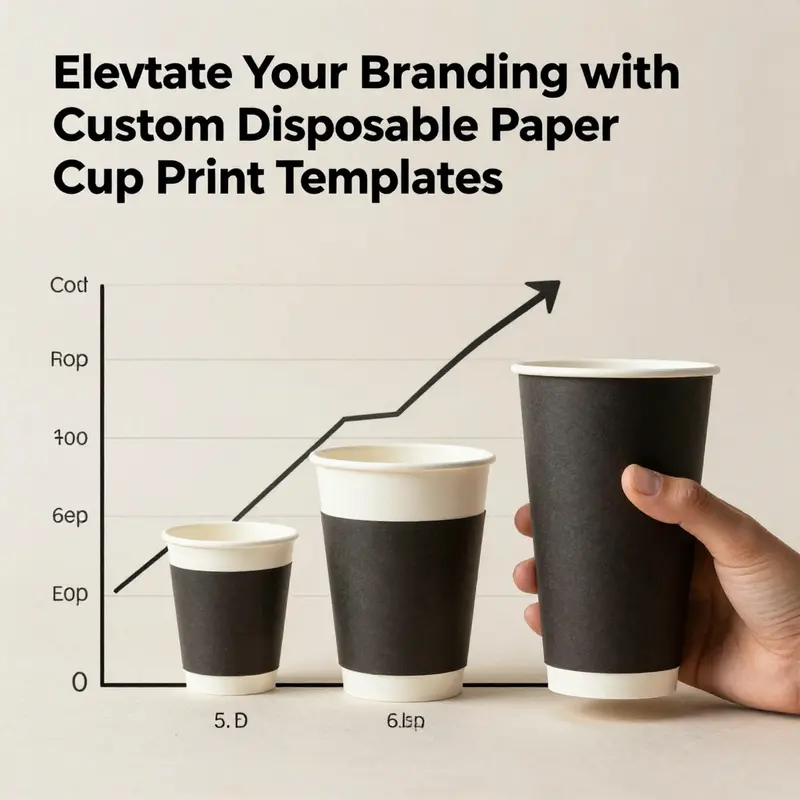
A disposable paper cup, long seen as a mere beverage vessel, has evolved into a portable branding platform. The key driver is the print template: the design blueprint that translates a company’s identity into a tiny, ubiquitous surface. When a business uses a customizable template with logos, slogans, and color schemes, every cup becomes a moving billboard and every sip a potential touchpoint with a customer. This is not mere decoration; it is an intentional extension of the brand designed to travel from café to commute to office break room. The economic logic is subtle but compelling: a well-crafted template leverages the cup’s daily ubiquity to create impression density at a fraction of traditional advertising costs. A single coffee cup can carry brand cues with every sip, turning routine purchases into moments of recognition and recall. The template thus becomes a compact, scalable asset that supports visibility without straining marketing budgets. The breadth of customization options—such as color hits, logo placement, and typography—further enhances value. Templates can be tuned to campaigns, seasonal promotions, or new product lines without a full packaging overhaul. A robust ecosystem of templates and service providers adds to flexibility, enabling motifs for gifts, crafts, or retail packaging in addition to beverages. In practice, businesses can test different visuals, explore regional preferences, and measure which designs prompt engagement while maintaining brand consistency across touchpoints. The economic upside grows as design choices influence perception: a distinctive logo, a succinct slogan, or a concise social handle can anchor a brand in memory. As customers share images or reuse the cup in social feeds, the reach of the original design compounds without additional spend. Such amplification is a natural outcome of branding everyday objects people interact with. The templates themselves are strategic assets that coordinate identity, experience, and value in real time. They come in sizes from small 2.5-ounce portions to large 24-ounce servings, ensuring a match between cup capacity and marketing message. Single- or multi-color printing via flexo with food-grade inks offers practical flexibility: a 1–6 color spectrum can deliver bold branding without overwhelming the surface or increasing costs. Suppliers who provide consistent color management and fast proofs help maintain visual cohesion across product lines. Material choices, such as the option between single and double PE coating, influence consumer experience, product performance, and sustainability narratives. These decisions feed into a broader sustainability conversation that increasingly informs consumer choice. Food-grade materials emphasizing recyclability or compostability can strengthen trust and reduce reputational risk. In practice, sustainable packaging often translates into loyalty and smoother marketing interactions, because the packaging itself serves as a trust signal. For organizations seeking to optimize cost without sacrificing impact, the math is favorable: bulk production can meet demand at disciplined prices, while introductory runs remain affordable. The ability to amortize design and tooling across larger production adds to the economics. When packaging aligns with brand identity, coherence across in-store, online, and out-of-store experiences strengthens trust and preference. The cup becomes a durable facet of the brand ecosystem, contributing to long-term repeat business through recognition. Beyond aesthetics, the templates must deliver reliable printing, color fidelity, and compatibility with coating options. The workflow—from artwork submission to proofs to production—should be streamlined so brands can react quickly to feedback. Providers that deliver quick proofs, robust color management, and consistent output make it easier to scale campaigns. The takeaway for leaders is clear: invest in adaptable templates that reflect brand identity, support scalable production, and align with sustainability goals to unlock a cost-effective, high-visibility channel embedded in daily life. As campaigns evolve, so can the print strategy without sacrificing consistency. The mobile nature of the design means each cup contributes incrementally to brand awareness, especially when customers share experiences or display cups publicly. The long-term benefits accrue as recognition compounds and becomes a shorthand for quality and trust. In an attention-scarce economy, turning ordinary moments into branded experiences through clever template use offers a path to sustainable growth. Practitioners should prioritize templates that are adaptable, color-consistent, and compatible with sustainable materials, balancing costs with reach. Mass customization allows both scale and personalization, enabling a brand to appear local and responsive while maintaining broad presence. Practical considerations—such as color accuracy, food-contact regulatory compliance, and supply-chain resilience—remain essential, but the overarching message is optimistic: well-designed print templates on disposable cups unlock revenue opportunities by turning packaging into a frictionless extension of the brand.
From Template to Brand: The Tech-Driven Evolution of Disposable Paper Cup Printing
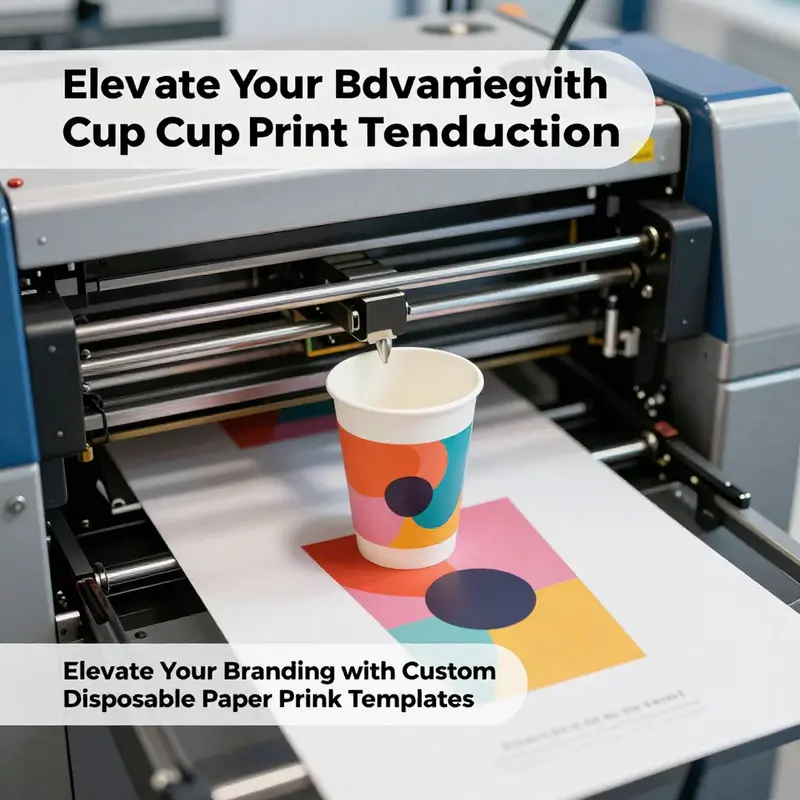
The printed template on a disposable paper cup is no longer a static image or a decorative flourish; it has become a dynamic interface between brand storytelling and manufacturing efficiency. As the packaging landscape shifts toward mass customization, the printable surface of a cup is treated as a strategic asset. This shift is visible across the supply chain, where template design, material choice, and in-process printing converge to deliver bold branding, reliable color reproduction, and sustainable performance. The technological advances described in recent industry observations show how template-driven printing has evolved from a craft to a codified, scalable system. The result is a production cycle that can accommodate a broad spectrum of capacities, from compact 3-ounce servings to generous 24-ounce beverages, while keeping alignment, readability, and visual impact consistent across every unit.
At the heart of this evolution are modern printing technologies that have become integral to cup-making machinery. Flexographic, rotogravure, and offset printing are no longer separate add-ons; they are embedded in the line, weaving high-speed, continuous production with the precision needed for vibrant, brand-forward cups. This integration means brands can pursue intricate designs and complex color palettes without sacrificing throughput. The ability to render precise color matching and render subtle gradients on curved, cylindrical surfaces has historically been challenging. Today, advances in ink formulation, substrate conditioning, and press control enable a level of fidelity that was once reserved for flat packaging. The practical upshot is that logos, taglines, and seasonal themes can be applied directly onto the cup surface during manufacturing, reducing the steps required for post-print labeling and enabling tighter brand coherence across product lines.
The digitalization of print templates marks a parallel transformation in how brands plan, prototype, and deploy cup designs. Digital design software now underpins rapid prototyping, enabling marketers and designers to iterate visuals quickly in a simulated environment before any physical print runs. Seasonal campaigns, limited-time promotions, and co-branding efforts can be assessed for legibility, color accuracy, and legible reproduction at small and large sizes. Crucially, automated systems can translate digital templates into production-ready formats and integrate them directly with the manufacturing line. This automation minimizes setup time, which used to be a significant bottleneck when shifting from one design to another. It also reduces human error, ensuring that a new campaign goes to press with predictable outcomes and fewer reprints. For practitioners, this means faster time-to-market and more nimble responses to consumer trends.
A further layer of sophistication comes from punch and die-cutting technology, which ensures that printed patterns align precisely with cups of various shapes and sizes. As production scales from 3-ounce to 24-ounce formats, the challenge is not just printing on a curved surface but maintaining consistent alignment of repeated motifs, adhesive zones, and color boundaries. Modern die-cutting systems are synchronized with the printing line, using fiducial marks and automated calibration to preserve dimensional integrity even at high speeds. The result is a uniform print footprint—no misregistration, no drift—that preserves the visual impact of the template across every cup in a batch. This precision is essential for brands that rely on strong, recognizable marks at every touchpoint, from the first gaze to the final sip.
Beyond aesthetics, eco-conscious developments are redefining what is possible with disposable cup printing templates. Water-based inks, recyclable coatings, and substrates designed to accommodate both new and recycled paper are becoming mainstream choices. In practice, this means templates can feature vibrant graphics and durable surface finishes without compromising end-of-life recyclability. The industry is moving toward compostable packaging solutions that align with global environmental standards, and these shifts influence template design as well. Designers must consider ink density, coating compatibility, and substrate brightness to ensure ink adhesion and legibility while preserving recyclability. The evolving ecology of printing also invites brands to rethink color schemes and motifs in ways that maximize impact on sustainable surfaces, rather than relying on opaque, non-recyclable finishes.
Smart sensing and real-time monitoring systems bring a new level of operational discipline to template-driven printing. Inline sensors track print quality, substrate tension, ink viscosity, and color consistency, creating a live feedback loop that informs immediate adjustments. Real-time calibration minimizes waste by catching defects early and tuning presses before large runs proceed. The net effect is higher yield and lower environmental impact: fewer discarded prints, less solvent waste, and more predictable material usage. In practical terms, this means fewer reworks, more on-time deliveries, and a stronger ability to meet brand commitments in fast-moving markets. For manufacturers, these systems translate into stable performance even as templates rotate through campaigns with different color profiles, fonts, and artwork scales.
Taken together, these technological advances form a cohesive ecosystem that redefines what a printable surface can do. The template is no longer a static blueprint but a living workflow that travels from digital concept to physical cup with minimal friction. This enables brands to treat cup printing as an extension of their marketing arsenal—an on-the-go canvas that travels from point of sale to consumer, reinforcing identity with every lift of the cup. The efficiency gains are not merely about speed; they are about consistency and adaptability. A single template can be rapidly reconfigured for different markets, seasons, or partnerships, while the underlying printing hardware maintains the fidelity needed to preserve brand equity. As a result, the disposable cup becomes a more potent tool for storytelling, product differentiation, and customer engagement.
For practitioners exploring the practical dimensions of these capabilities, it helps to consider how a credible, scalable approach to template-driven cups can be realized in a contemporary supply chain. The integration of digital templates with automated production means that print files, color recipes, and substrate specifications travel in one coherent package. This orchestration reduces delays caused by miscommunications between design and manufacturing teams. It also creates a clear audit trail for compliance, quality assurance, and sustainability claims, which modern consumers increasingly demand. In such an environment, a cup’s graphics are not simply an image but a documented, controllable parameter of the final product. The implications extend to retail packaging and gift applications, where the same technological toolkit enables a unified presentation across multiple formats while supporting customization at scale through templated design. The potential to coordinate color schemes, logos, and messaging with seasonal campaigns—and to deploy those assets across a spectrum of cup shapes and sizes—signals a new era of branding where the cup is a centralized component of the marketing mix.
As brands and manufacturers navigate this frontier, one practical path to exploring these capabilities is to engage with template-driven production options that align with a brand’s identity and sustainability goals. For readers seeking concrete examples of how these principles translate into real-world options, a related reference point emphasizes the broader technology landscape transforming packaging printing. For further reading on the innovations shaping packaging and printing technology, see the external resource linked here: https://www.aim.org.uk/insights/innovation-in-packaging-printing-technology.
Within the ecosystem of templates and presses, an illustrative internal touchpoint can illuminate how a brand might experiment with a configurable printing workflow. Consider the ongoing exploration of take-away solutions where a cup is designed to carry not only a beverage but a moment of brand experience. In such contexts, a company might leverage a templated cup design that supports rapid swaps of visual motifs while retaining the integrity of the print and the clarity of the message. When teams need to evaluate a new design, they can access a digital template and simulate its appearance across different cup sizes, then push the validated files directly to the production line. The ability to preview and test in a digital sandbox reduces the risk of costly mistakes and accelerates the path from concept to consumer.
To see how these capabilities translate into tangible options for packaging and serving solutions, researchers and practitioners can review sector-specific material on the broader technology stack that underpins modern cup printing. The convergence of digital templates, smart manufacturing, and sustainability-focused substrate choices is redefining what is possible in disposable cup design, enabling brands to tell richer stories without compromising efficiency or environmental responsibility. In this sense, the template has evolved from a decorative shell to a strategic instrument—one that aligns design intent with manufacturing precision, market agility, and responsible stewardship of resources.
Greener by Design: Sustainability in Disposable Paper Cup Print Templates
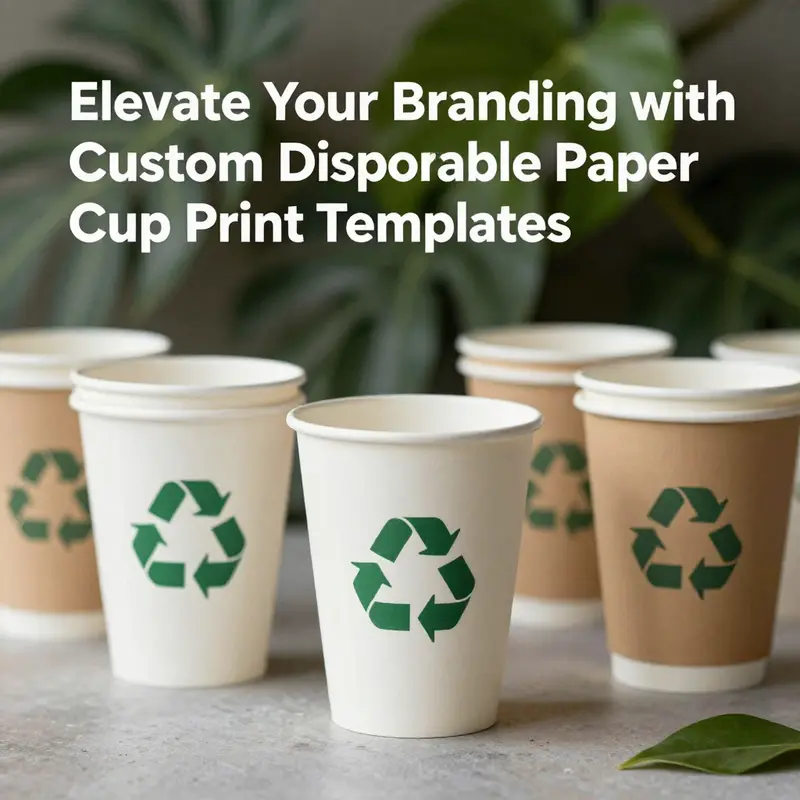
The chapter argues that sustainability must be woven into every design choice for disposable paper cup templates, from ink chemistry to end-of-life options. It explains how supply chains, substrate selection, and production planning can reduce energy use, waste, and emissions without compromising brand impact. It discusses water-based inks, FSC-certified substrates, and the role of coatings in recycling compatibility, while urging designers to minimize ink coverage and avoid multilayer laminates that hinder fiber recovery. It also highlights the value of on-site manufacturing and transparent certifications such as ISO 14001, Cradle to Cradle, and provenance traceability, and frames end-of-life pathways—recycling, composting, or safe disposal—as core to the template’s narrative and performance. The overall message is that sustainable template design is not an afterthought but a competitive asset that aligns brand ambitions with planetary health and consumer trust.
Final thoughts
Custom disposable paper cup print templates are not just a trendy addition; they are an essential element of modern branding strategies in the food and beverage industry. By understanding market dynamics and embracing technological advancements, businesses can significantly enhance their visibility while contributing to sustainability efforts. The investment in these templates leads to better customer engagement, improved brand perception, and ultimately, greater success in a competitive marketplace. By choosing the right customization strategies, businesses can effectively reflect their brand values and connect with their audience, making every sip a memorable experience.