
As the conversation about sustainability continues to gain momentum, the focus on paper packaging recycling has never been more pertinent. For businesses within the bubble tea, restaurant, food truck, and catering industries, embracing paper packaging recycling presents not only an eco-friendly choice but a strategic advantage. This article delves into the importance of paper packaging recycling as a sustainable practice, highlighting advancements in recycling technologies, the economic impacts on various sectors, geopolitical influences shaping recycling initiatives, and the societal benefits and challenges of this pivotal process. By the end, readers will appreciate how integrating sustainable practices through paper packaging recycling can enhance their brand image and contribute positively to the environment.
From Waste to Resource: The Promise of Paper Packaging Recycling in a Circular Economy
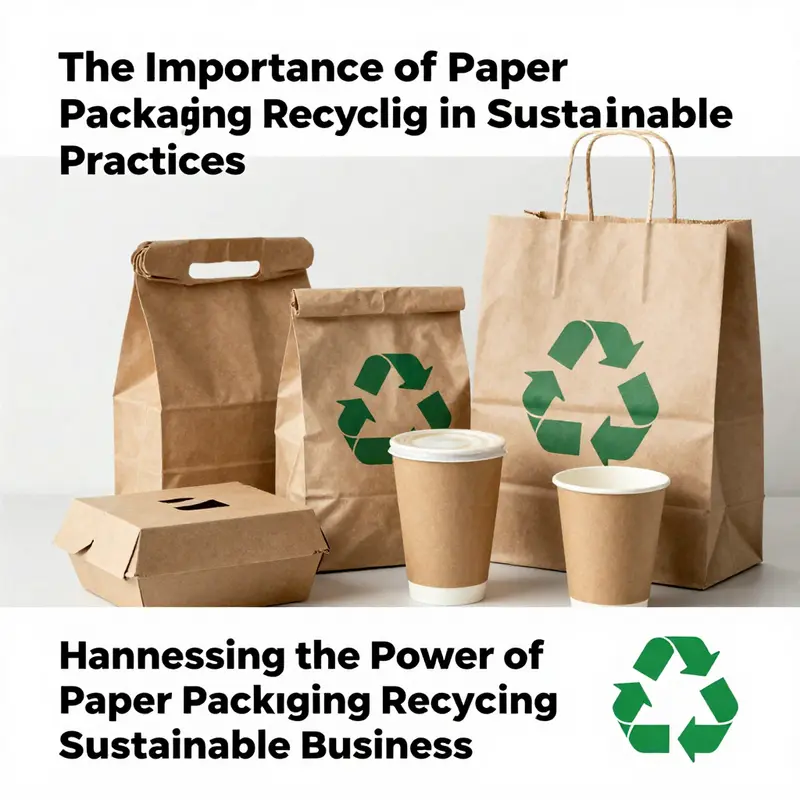
Paper packaging recycling stands at the intersection of environmental stewardship, resource resilience, and economic practicality. It is more than a waste management tactic; it is a strategic reimagining of how the materials we use for shipping, protecting, and presenting goods can be repeatedly reimagined rather than discarded. When we view paper packaging through this lens, the process becomes a scaffold for the circular economy: it decouples production from a one-way path, keeps valuable fibers in circulation, and reduces the pressure on forests and water resources while supporting local recycling infrastructures and jobs. The essence of this approach is simple in principle, though complex in practice: collect used paper packaging, separate it from contaminants, reprocess it into new raw materials, and reintroduce those materials into manufacturing cycles time and again. Each cycle tightens the loop, lowers the need for virgin inputs, and cuts the energy and emissions associated with making fresh paper.\n\nThe environmental case for paper packaging is compelling in part because its production has a comparatively modest carbon footprint relative to many plastics. Industry data place the global carbon footprint of paper production at about 0.8 percent of total emissions, whereas plastics account for a substantially larger share of emissions in their lifecycle. That difference matters because the manufacturing phase typically dominates the environmental impact of many consumer goods, including packaging. Recycling paper en masse therefore does more than divert waste; it reduces demand for virgin timber, minimizes water use, and lowers energy consumption in the transformation of those fibers into everyday packaging formats. When communities and businesses choose recycled paper packaging, they contribute to a chain of energy savings and emissions reductions that accumulate across regions and markets.\n\nRecyclability itself is not a universal constant but a spectrum shaped by material type, coatings, and the precision of sorting and de-inking operations. Within this spectrum, paper packaging generally outperforms many plastic alternatives in recyclability and end-of-life options, especially when designed with circularity in mind. In the European Union, for example, paper packaging recycling rates have climbed to well over three quarters of generated waste, reflecting robust infrastructure, strong consumer participation, and consistent industry commitment. This progress stands in clear contrast to the lower recycling rates seen in plastics, where the recovery landscape remains uneven. The difference is not merely about end-of-life figures; it defines how easily materials can be fed back into production lines and how quickly a system can respond to evolving demands for sustainable packaging. Of course, these numbers mask ongoing challenges—contamination from food waste, or coatings and finishes that complicate de-inking and sorting. Yet the trend is encouraging: innovations in sorting technology, better coating formulations, and more effective closed-loop systems continue to boost recovery rates and improve the quality of recyclate.\n\nA tangible demonstration of paper’s potential comes from a large exhibit built with renewable wood-fiber honeycomb packaging. The installation, conceived as an educational display, showcased how paper-based protective packaging can be both functional and environmentally responsible. It stood as a reminder that eco-friendly packaging is not merely about reducing waste; it is about rethinking how packaging can contribute to learning, engagement, and design innovation. This kind of demonstration matters because it shifts the conversation from recycled content alone to the broader narrative of materials that can be repeatedly repurposed without losing their utility. It is a powerful argument for investment in recycling infrastructure and for the policies, standards, and business models that keep fibers circulating.\n\nAt the heart of the recycling workflow lies a sequence of steps that sounds routine to professionals yet is transformative in its outcome: collect, sort, de-ink, and reprocess into new grades of pulp and paper. The efficiency of this sequence depends on keeping streams relatively clean, with minimal cross-contamination from food residues or non-paper coatings. Coatings—if not carefully chosen and managed—can hinder recyclability by complicating de-inking or by introducing contaminants that degrade the quality of the recovered material. Ongoing innovations in de-inking technologies, as well as advances in coating chemistry that favor recyclability, promise to reduce these bottlenecks. Closed-loop systems, in which the same materials are recovered from one product category and reinvested into similar products, offer the cleanest path to circularity and the most resilient supply chains.\n\nConsumer engagement is a pivotal lever in this equation. The most sophisticated recycling streams can falter if households and businesses do not participate consistently. Clear labeling, accessible collection points, and meaningful incentives have shown real potential to move participation from a nominal level to a behavioral norm. Programs that link swift feedback with rewards—whether through digital platforms, neighborhood drop-offs, or in-store take-back points—can transform recycling from a chore into a valued civic action. It is in this space that branding and communication matter as much as technology, because the clarity of the message about what can be recycled and how to prepare materials for collection determines the integrity of the feedstock. When people understand that a given item is recyclable and know how to prep it for the mill, they become part of a system that saves energy and protects ecosystems. To illustrate the point in a way that resonates with practitioners and consumers alike, consider packaging options that communities readily recognize as recyclable, such as simple, lignin-rich kraft grades or well-designed corrugated materials that maintain performance while remaining easy to separate in sorting facilities.\n\nPolicy and industry leadership play equally critical roles, shaping the incentives and constraints that govern recycling outcomes. Policy frameworks that encourage post-consumer recycling, support de-inking research, and fund modernization of sorting facilities directly affect the speed and reliability of fiber recovery. Corporate responsibility, too, is essential: brands and retailers can demand higher recyclability from packaging designs, invest in recyclability testing across product families, and participate in or fund take-back programs that close the loop. Across regions, notable initiatives emphasize not only the environmental benefits but also the economic resilience that comes with a robust recycling sector—an important reminder that sustainable practice can align with business growth when materials are kept in productive circulation.\n\nThe dialogue around paper packaging recycling also embraces innovations that extend beyond traditional recycling alone. Paper-based strapping and fully degradable paper packaging offer compelling alternatives to plastics in many applications, reducing the overall burden of waste and simplifying end-of-life management. The emergence of sleeving and wrap systems built from recycled fibers further demonstrates that packaging can protect products, reduce spoilage, and still remain compatible with circular processes. In practice, these approaches require coordinated thinking across design, manufacturing, and logistics so that materials destined for reprocessing retain a high fiber value and are not compromised by incompatible additives. In parallel, logistics efficiency and standardized packaging sizes help minimize waste and shrinkage along the supply chain, reinforcing the case for recycled-content packaging as both an environmental and an economic choice.\n\nMunicipal and regional examples continue to illustrate how policy instruments and service models translate into measurable gains. Some cities pursue standardized packaging guidelines and municipal collection schemes that simplify sorting for residents and businesses alike. Others pilot AI-enabled recycling bins and data-driven incentives that reward correct material separation and timely disposal. These efforts collectively contribute to higher recovery rates, accelerated adoption of recycled feedstocks, and greater confidence among manufacturers about using recycled paper in a wide range of applications—from corrugated shipping containers to consumer-facing paper cups and bowls. The broader takeaway is clear: recycling is most effective when it is designed in from the start, with material choices, coatings, and printing technologies aligned to the realities of post-consumer processing.\n\nAs sustainability targets intensify, the ability to scale paper packaging recycling becomes a strategic asset. It supports resource conservation by reducing reliance on virgin wood, protects ecosystems by lowering harvest pressure, and helps communities build resilient waste-management ecosystems. The economic dimension—creating value from recyclables, reducing landfill volumes, and stabilizing supply chains for pulp and paper—often drives policy investment and corporate strategies alike. In this sense, paper packaging recycling is not a niche pursuit but a core element of sustainable production and consumption. For readers seeking a broader perspective on environmental benefits and real-world implementation, researchers and practitioners can consult official sustainability resources of the Paper & Packaging Board, which provide a comprehensive foundation for decision-making across value chains.\n\nIn sum, recycling paper packaging is a pragmatic and ambitious component of sustainable practice. It aligns environmental protection with resource conservation and economic opportunity, while reinforcing the social value of responsible consumption. By integrating design for recyclability, advancing de-inking and sorting technologies, empowering consumers, and supporting policy frameworks that reward closed-loop performance, the industry moves closer to a future in which packaging actively participates in keeping materials in productive use. This is the promise of paper packaging recycling: a pathway from waste to resource that strengthens ecosystems, supports communities, and sustains industry for years to come. For readers seeking a broader perspective on environmental benefits and real-world implementation, the Paper & Packaging Board’s sustainability resources offer valuable context for decision-making across value chains.
null
null
Balancing the Ledger of Sustainability: Economic Currents in Paper Packaging Recycling
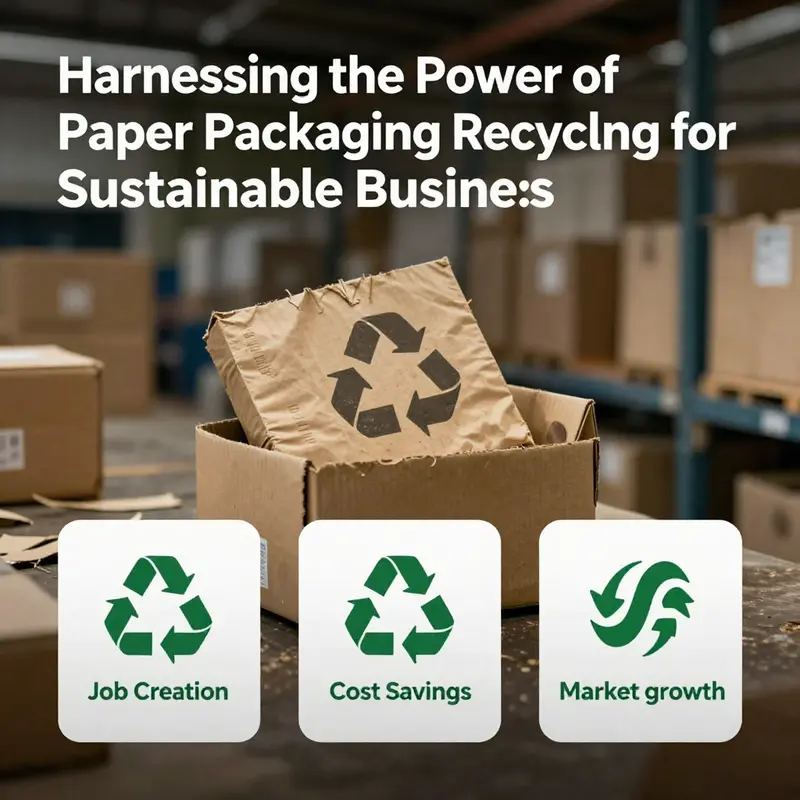
The economic pulse of paper packaging recycling beats not only in waste streams and processing plants, but in the decisions that shape a company’s costs, supply chains, and long-term resilience. When a sheet of recycled content replaces a virgin fiber, the immediate financial story often begins with cost savings from material input and energy efficiency. Yet the broader ledger must account for a matrix of policy signals, energy prices, and regional infrastructure that can tilt the balance toward either more aggressive recycling or greater reliance on energy recovery. The result is context-driven optimization that echoes the circular economy’s promise: keeping materials in productive use while minimizing environmental impact and ensuring economic viability for industry.
A key tool in this analysis is the Optimal Fibre Flow model, a framework that blends optimization with simulation to map how energy recovery and paper recycling interact across a pulp and paper system. By accounting for energy inputs, fiber flows, and material recovery rates, the model illuminates how different recycling intensities influence both emissions and resource use. One clear insight is the reinforcing role of clean energy in amplifying the environmental benefits of higher recycling rates. In regions where renewable electricity dominates the grid, pushing more waste paper back into the production stream tends to shrink the overall environmental load. The Environment Load Unit, or ELU, emerges as a practical metric here. It aggregates emissions and non-renewable resource consumption, offering a tangible gauge of how policy choices and technology investments translate into cleaner production.
Yet the economic story is never universal. The model also highlights how regulatory decisions that seem environmentally aligned can carry subtle costs for the industry. For example, a hypothetical policy shift in a Nordic context designed to reduce the forest industry’s utilization rate of waste paper to boost energy recovery can produce tangible losses on the order of a few dollars per ton. This figure captures the value of diverting fiber from recycling toward energy recovery, even when the overall environmental objective may be laudable. It is a reminder that energy capture, while valuable for reducing waste, does not inherently create the same financial upside as recycling in all energy contexts.
The contrast grows starker when electricity generation depends more on fossil fuels. In those scenarios, the ELU may be relatively stable at low recycling rates, but it begins to rise as recycling rates climb beyond a modest threshold. The model identifies a practical environmental nadir around a 25 percent utilization rate of waste paper. Pushing beyond that point to favor energy recovery more aggressively can incur a higher economic loss, reflecting the shifting value between recycled fiber and energy capture. This dynamic underscores a fundamental trade-off: recycling reduces environmental impact and conserves resources, but the economic burden of shifting away from recycling toward energy recovery becomes more pronounced in fossil-heavy grids.
From these patterns emerge several implications for industry strategy and policy design. First, the regional energy mix matters nearly as much as the recycling target itself. In hydro-dominated regions, ambitions to raise recycled-content rates tend to yield cleaner production with manageable economics. In fossil-reliant grids, the same ambitions can generate higher relative costs unless offset by gains in energy efficiency, carbon pricing, or incentives for advanced de-inking and recovery technologies. Second, policy design benefits from a balanced approach that recognizes the value of both material recycling and energy recovery but calibrates expectations to local energy realities. Rather than blanket mandates, policymakers can foster a staged pathway that first strengthens recycling infrastructure and de-inking capabilities, then gradually expands energy recovery where the grid’s carbon intensity and cost structure justify it. Third, the interplay of design and logistics matters. Packaging developers can influence recyclability and economic performance by selecting fiber types, coatings, and structural designs that maximize fiber recovery while maintaining performance.
In the broader context, these dynamics help explain why paper packaging has ranked highly recyclable in many markets. The interplay between policy incentives, energy sources, and recycling performance is not merely a matter of compliance; it is a driver of competitiveness and resilience for companies in a resource-intensive sector exposed to energy price volatility. The story behind a simple corrugated container or a coated paper envelope is a microcosm of the larger transition toward a circular economy where decisions at the mill, the policy desk, and the product development studio collectively shape the balance between environmental stewardship and economic viability.
To ground these ideas in everyday relevance, consider the world of packaging formats—envelopes, corrugated boxes, protective inserts, and take-out vessels—that collectively determine the stream of fibers returned to mills. The design of these items, together with collection and sorting systems, determines contamination levels and the ease with which recyclers can reclaim fiber. Even at the micro level, choices about coatings, inks, and barriers influence the de-inking process and downstream recycling efficiency. The more a packaging solution is oriented toward recycling without compromising performance, the greater the chance that recycling yields lower lifecycle costs and a smaller environmental footprint.
This is how a shift toward higher recycling inside a grid powered by clean energy translates into measurable economic and environmental gains. The mathematics of the Optimal Fibre Flow model makes that translation explicit, but the story rests on more than numbers. It rests on recognizing that economics and ecology do not have to be at odds. When policy, energy strategy, and material design align, the recycling of paper packaging becomes not only a climate-friendly choice but a financially prudent one. The practical takeaway for industry leaders is to pursue a holistic optimization: invest in recycling capability and de-inking efficiency, strengthen the resilience of energy supply toward low-carbon sources, and calibrate recycling targets to the local energy landscape. In doing so, the sector can advance toward a future in which recycled fiber remains economically attractive, contaminants stay low, and the environmental benefits unfold in tandem with sustained industrial vitality.
External resource: https://doi.org/10.1080/10643389709388520
Shifting Currents: Geopolitics, Freight Routes, and the Resilience of Paper Packaging Recycling
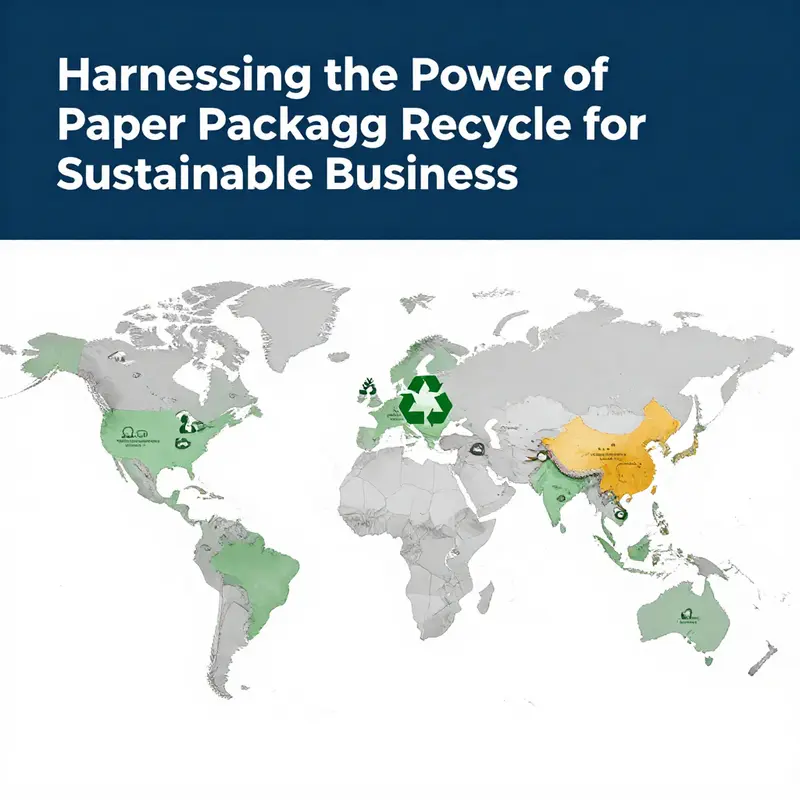
Geopolitics rarely rests in a closed room; it moves through harbors, borders, and policy desks, shaping how societies collect, sort, and reprocess the humble scraps of paper packaging. In the expanding circular economy, recycling is not merely a technical challenge but a geopolitical one. The way nations align or disrupt trade, secure energy, and coordinate regional cooperation determines whether recovered paper becomes tomorrow’s raw material or a stranded stock of carrier bags and corrugated remnants. The story of paper packaging recycling, then, unfolds both in bins and in boardrooms, where decisions about routes, safety, and investment ripple across continents. A robust recycling system depends on resilient networks that can bend without breaking when distant storms roil the seas or policy flags flutter in unexpected directions. When we chart these currents, the intertwined nature of supply chains, energy costs, and regional governance becomes clear: geopolitics is a practical ally or adversary to the clean economy we seek to build around paper packaging.
The ongoing war in Ukraine has underscored a fundamental truth about recycling infrastructure: it is inseparable from energy and transport reliability. Eastern Europe, once a corridor for the steady flow of recovered paper, now wrestles with intermittently volatile freight rates and tightened logistics. Recycling facilities require dependable power and predictable shipments of feedstock, and regional chokepoints can translate into higher operating costs, longer turnaround times, and more complex scheduling for mills hungry for consistent input. Even when the paper itself is a renewable feedstock, the energy mix that powers pulping, de-inking, and drying stages matters. Utilities, fuel, and maintenance costs become a geopolitical variable, shifting the economics of recovery and reuse. In this environment, resilience means more than robust equipment; it means diversified routes, flexible contracts, and the capacity to pivot when a route is blocked or a sanction alters the value chain.
Across the global map, the Red Sea crisis has added a fresh layer of complexity to recovered paper markets. The maritime lanes that underpin international recycling are exposed to risk from regional tensions and the inherent fragility of global trade networks. When ships reroute around Africa or avoid certain ports, delivery times stretch and freight costs climb. The consequence is a tilt in price signals for recyclables and a squeeze on margins for facilities that depend on steady, low-cost supply. For Europe and other importing regions, feedstock consistency—crucial for stable sorting and de-inking processes—can seem like a luxury rather than a given. This pressure creates incentives for policy makers and industry leaders to reevaluate feedstock sourcing. It nudges the system toward regional models that minimize exposure to distant disruptions, while simultaneously raising the potential for localized innovation in sorting technologies, powered by digital traceability and collaborative governance.
The long tail of the COVID-19 pandemic continues to influence waste management seniorities and municipal strategies. Even as case counts fall and societies reopen, the pandemic’s imprint on consumer behavior and facility operations persists. Temporary closures of recycling lines, shifts in municipal collection schedules, and changes in consumer waste patterns have left a lasting mark on the reliability of recycling streams. Some regions built more resilient waste systems by adopting staggered collection windows, modular processing facilities, and cross-jurisdictional agreements that allow material to be redirected quickly during shocks. Others remain vulnerable where capacity was already stretched, especially in markets that rely heavily on imported inputs or on specialized processing steps that require constant maintenance. The lesson is not simply about reacting to crises but about embedding redundancy into the system—ensuring that a disruption in one country does not derail recovery in another.
Even with these challenges, the policy landscape shows that national and regional strategies can dramatically alter a recycling system’s fate. Countries with strong domestic recycling infrastructures and clear regulatory support tend to weather geopolitical shocks more gracefully. In places where policy aligns with investment in collection networks, sorting facilities, and close-loop recycling, the supply chain can absorb external jolts through domestic capacity. This is not a call to retreat from global markets; rather, it is an invitation to balance globalization with regional strength. A move toward regionalized recycling supply chains reduces exposure to international frictions and creates a more predictable feedstock base for mills and converters. It also invites co-operation on standards, data sharing, and best practices that make cross-border collaboration more seamless when it is needed rather than forced.
The interplay of politics, markets, and materials flows is not purely economic; it also bears environmental and social dimensions. The energy intensity of paper recycling, the emissions embedded in long-haul transport, and the lifecycle benefits of recycled fibers hinge on how readily materials can be collected, sorted, and redirected into new products. When geopolitical events push up energy prices or complicate cross-border movements, some regions seize the moment to innovate in de-inking technologies and closed-loop systems that reclaim higher fractions of fiber with lower energy footprints. These innovations are often coupled with policy incentives—such as subsidies for domestic sorting capacity, or mandates that encourage recycled content in packaging—to steer markets toward more resilient configurations. In this sense, geopolitics can act as a catalyst, propelling the industry toward more self-sufficient and efficient operations without sacrificing the benefits of global collaboration.
From a governance perspective, the future of paper packaging recycling depends on a careful calibration of risk and opportunity. Nations that depend too heavily on imported recycled materials face elevated risk during geopolitical frictions or trade disruptions. Conversely, those that invest in domestic capabilities gain a security of supply and a platform for innovation. A trend toward regionalization does not imply isolation; it signals a rebalancing that preserves openness while reducing vulnerability. Such a shift requires thoughtful investment in sorting technologies, supply chain visibility, and standardized practices that allow different regions to exchange material without duplicating effort or compromising quality. When a regional hub can accept feedstock from multiple neighboring markets, it becomes a stabilizing force for the broader system, enabling faster adaptation to changes in demand, price, or policy.
In practice, a resilient recycling network must harmonize three strands: robust material flows, adaptable processing capacity, and compatible policy frameworks. Robust material flows demand comprehensive collection systems, clear consumer guidance on sorting, and high-quality input at the point of recovery. Adaptable processing capacity requires modular facilities that can shift between grades of paper and different coating contexts, paired with energy-efficient equipment and skilled labor. Compatible policy frameworks bind these elements together; they define recycling targets, encourage domestic investments, and foster cross-border cooperation that aligns with environmental and economic goals. When these strands pull in concert, the system can withstand shocks, maintain feedstock quality, and deliver steady performance even as geopolitics churns around it.
As practitioners and policymakers weigh the path forward, there is room for a practical, not romantic, rethinking of packaging networks. The internal packaging ecosystem benefits from the choices made at the point of sale and in the design of the products themselves. Packaging that is easier to collect, sort, and recycle reduces the sensitivity of the system to external disruptions. In this spirit, firms seeking resilient packaging solutions are considering options that emphasize recyclability, domestic sourcing, and standardized materials that align with established recycling streams. For example, safer, more versatile options such as eco-friendly custom paper cups with lids can offer switches between supply chains without compromising performance or sustainability. The emphasis remains on reusability and recyclability in a system that recognizes geography as a factor in risk, not a barrier to opportunity.
To connect policy and practice, it helps to keep a lens on the broader literature about the global recovered paper market. Geopolitical developments are not abstract; they reshape pricing signals, competitiveness, and the feasibility of domestic recycling ambitions. A nuanced view acknowledges that conflicts and crises can reshape the calculus of where and how we invest in collection infrastructure, sorting capacity, and regional processing hubs. It also highlights the importance of collaborative governance, data-driven planning, and flexible procurement that can adapt to evolving conditions. The messaging to businesses and citizens remains consistent: recycling material in a way that preserves fiber value, minimizes contamination, and integrates with local waste systems makes the chain more resilient to external pressures and more capable of delivering real environmental benefits.
For readers seeking a deeper understanding of the shifting dynamics at the global level, ongoing analysis of geopolitical risk and the recovered paper market offers a crucial lens. External resources provide useful context on how disruptions in major trade routes reverberate through price and supply expectations. External reading: Global recovered paper market faces challenges amid Red Sea crisis. https://www.paperlines.com/global-recovered-paper-market-challenges-red-sea-crisis
Circles of Sustainability: How Paper Packaging Recycling Shapes Society, Resources, and Responsibility
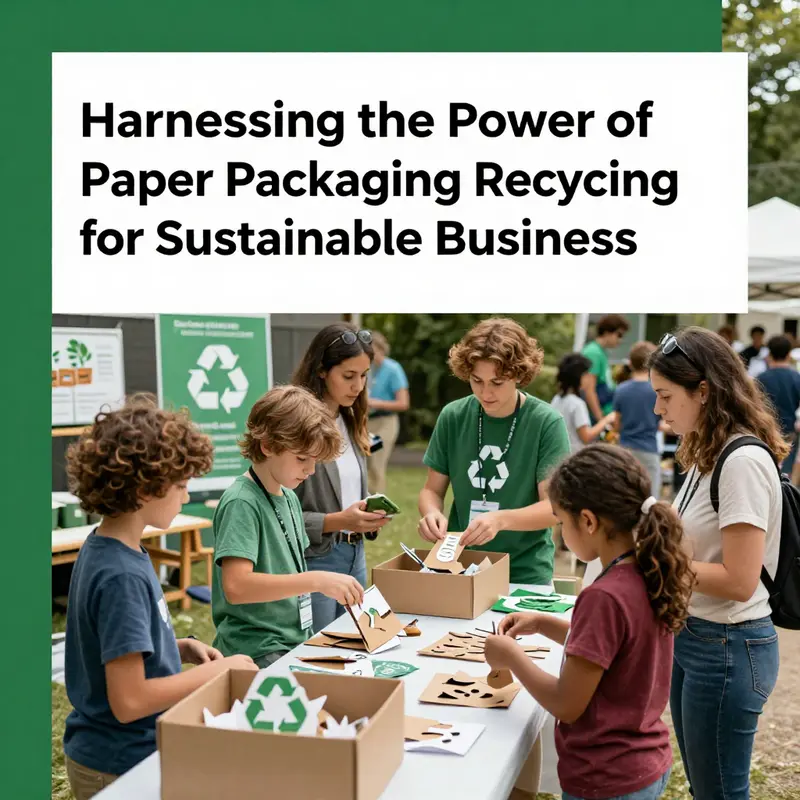
Every piece of paper packaging carries more than a product’s surface appeal or its label. It sits at the intersection of everyday choices and long-term consequences, a quiet ambassador for a broader social contract among producers, consumers, communities, and the environment. When societies invest in recycling paper packaging, they do more than divert waste from landfills; they strengthen the social fabric that underpins a circular economy. In this frame, the act of recycling becomes a collective practice—one that translates into healthier neighborhoods, more resilient local economies, and a shared commitment to stewardship that transcends single-use convenience. The societal benefits are not abstract; they show up as tangible outcomes: less waste, cleaner urban spaces, and a demonstrated capacity to transform discarded materials into valuable resources that loop back into the economy rather than drifting away as pollution.
From a broad vantage, paper packaging recycling advances environmental sustainability by reducing the volume of waste that ends up in landfills and by curbing the emissions released when waste decomposes. Methane, a potent greenhouse gas, is released as paper waste breaks down in certain landfill conditions. By rerouting used packaging into recycling streams, communities cut those emissions and slow the pace of climate change. This benefit sits at the heart of many national and regional sustainability targets, where circularity—reusing materials rather than constantly extracting new ones—serves as a central organizing principle. The social benefit is amplified when recycling rates rise, because higher collection, sorting, and processing rates create more stable jobs in the waste-management sector and foster a culture that values resource efficiency as a norm rather than an exception. In the European Union, for example, paper packaging recycling has hovered around higher levels in recent years, a reflection of coordinated policy, infrastructure, and public participation driving outcomes that are visible in air quality, urban cleanliness, and visible reductions in waste streams. The story is not only about numbers; it is about a shift in public expectations—toward products and packaging designed with recyclability in mind, and toward communities that recognize the long arc of waste becoming feedstock rather than waste becoming waste again.
A second, equally critical dimension is the conservation of natural resources. Recycling paper packaging directly reduces demand for virgin inputs—forests, water, and the energy embedded in extracting and pulping raw materials. This conservation is essential because it helps protect forests that provide, among other values, biodiversity, watershed regulation, and cultural and recreational benefits for communities. Water, a cornerstone of pulp production, often faces stress in many regions. By closing the loop on paper materials, societies can mitigate pressure on fresh-water sources and keep ecosystems healthier for longer. The social ripple effects are clear: communities dependent on forests often gain a clearer pathway to sustainable forest management when paper packaging is recycled rather than harvested anew for every cycle. The message connects to individual behavior as well, because households and organizations that prioritize recycled content help keep forests standing and waters cleaner, benefits that extend far beyond the confines of a single recycling plant.
The recyclability of paper packaging is not uniform; it depends on the type and composition of the material. Kraft paper envelopes, made from unbleached wood pulp, are naturally biodegradable and highly recyclable, making them a straightforward choice for heavy-duty shipping and brands seeking lower environmental impact. Coated recycled paper envelopes can offer improved print quality and moisture resistance, but the coatings must be carefully selected to preserve recyclability. Corrugated recycled paper envelopes provide exceptional cushioning and structural integrity, ideal for protecting fragile items in transit while still remaining part of a recycling stream. This diversity means that social benefits hinge on informed choices by producers and consumers alike, and on the ability of recycling systems to handle different material streams without cross-contamination. The science of de-inking and the development of more effective recovery technologies play a central role here, enabling better separation of fibers and inks and supporting cleaner end products that can re-enter the manufacturing cycle.
The social conversation around paper packaging recycling also touches education and public engagement. When schools, museums, and community groups showcase the lifecycle of a paper package—from disposal to reprocessing to remanufacture—it becomes a vehicle for environmental literacy. The tale of sustainable packaging can be told through memorable, tangible examples, such as large-scale installations that demonstrate recyclable materials in action. In a memorable sense, these demonstrations reveal that paper-based protective packaging can be both functional and environmentally responsible. They foreground the idea that recycled paper is not merely a status or a compliance checkbox; it is an active resource that can spark creativity and innovation within communities. As part of this narrative, practical packaging solutions can be illustrated through real-world materials that are widely available and easily integrated into existing supply chains. For instance, educators and designers have used recyclable paper structures to explore architectural concepts, display design, and interactive exhibits, underscoring how everyday packaging can contribute to learning and inspiration while remaining true to circular principles. One might explore real-world examples that highlight the flexibility and recyclability of such materials by examining resources like disposable-octagonal-box-restaurant-food-kraft-paper-packaging as a case study in how recyclable packaging formats can be versatile across contexts. This kind of linkage not only broadens awareness but also encourages the purchase and use of packaging that aligns with recycling systems already in place.
Yet, alongside these benefits, meaningful challenges remain. Deforestation concerns persist, especially in regions where forest-management practices are inconsistent or insufficiently enforced. Even as recycling reduces pressure on virgin fibers, it does not eliminate the need for responsible sourcing. Public policy and corporate governance must thus continue to emphasize sustainable forestry practices, second-generation fiber sources, and transparent supply chains that allow communities to monitor and improve outcomes. Water consumption presents another hurdle. Pulp and paper production is historically water-intensive, and regions facing scarcity or limited regulatory strength may experience pressure on local resources and ecosystems. In such settings, advancing water stewardship alongside recycling and de-inking technologies becomes critical to ensure that progress in one domain does not come at the expense of another.
Contamination in recycling streams represents a practical and economic barrier to high capture rates. Food residues, non-paper materials, and coatings can degrade fiber quality and complicate sorting lines, leading to higher operating costs and lower overall recovery. The social implications here are twofold. First, imperfect recycling can erode public trust if expectations are not met; second, it can trigger higher costs for municipalities and businesses, potentially slowing the adoption of better practices. Addressing contamination requires a blend of consumer education, clearer labeling, improved bin infrastructure, and faster, more precise de-inking and sorting technologies. The goal is not merely to collect more material but to collect the right material in a state that makes high-quality recycling possible. In parallel, public awareness campaigns that explain how to sort materials, what to rinse, and why coatings matter can help communities lift participation rates and reduce contamination.
To translate these societal dynamics into action, a combination of design, policy, and practice is essential. Product designers and packaging engineers can prioritize materials and coatings that maximize recyclability without sacrificing performance. Policymakers can bolster infrastructure, set targets, and incentivize investments in advanced recycling facilities and closed-loop systems that keep paper fibers circulating longer. At the community level, residents, schools, and businesses can foster a culture of responsibility through straightforward, consistent sorting practices, accessible recycling options, and opportunities to engage with local waste-management programs. This is not about perfection but about continuous improvement—gradual steps that, taken together, yield meaningful social and environmental gains over time. In this sense, recycling becomes a shared responsibility that bridges households, neighborhoods, and economies, reinforcing the idea that sustainable packaging is a social asset as well as an environmental one.
Ultimately, the societal case for paper packaging recycling rests on the intertwining of environmental health, resource stewardship, and community engagement. When systems function well, they enable a virtuous cycle: recycled fibers reduce ecological footprint, protect forests and water bodies, and support jobs and innovation in local contexts. Contamination and public-sorting challenges remind us that progress is incremental and requires sustained commitment across generations. The path forward rests on clear communication, reliable infrastructure, and products designed with end-of-life in mind. As global sustainability targets intensify, paper packaging recycling stands out as a proven, scalable solution that aligns economic activity with ecological responsibility and social well-being. It is a practical expression of a shared human aspiration: to use resources wisely, care for the common good, and leave a healthier world for future generations.
External resources provide broader context for these ideas and their implications. For a comprehensive overview of how paper recycling supports sustainable development, see the United States Environmental Protection Agency’s insights on paper recycling: https://www.epa.gov/sustainable-management/paper-recycling
Final thoughts
The journey towards sustainable business practices starts with conscious choices, such as embracing paper packaging recycling. This not only fosters environmental responsibility but also addresses the growing expectations of consumers who prioritize sustainability. As shown through various chapters, the importance, technological advances, economic impacts, geopolitical influences, and societal benefits of paper recycling create a compelling narrative for stakeholders in the food and beverage industry. By taking steps now, businesses can not only enhance their ecological footprint but also distinguish themselves in a competitive market while contributing to a healthier planet.