
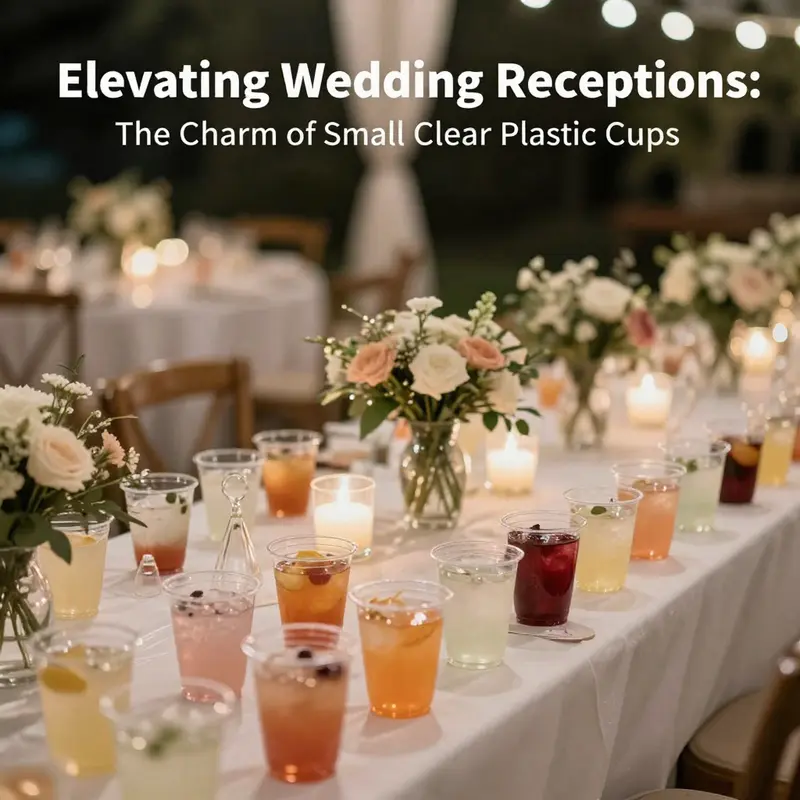
Weddings often blend elegance with practicality, making beverage service a crucial aspect of the celebration. Small clear plastic cups have become a popular choice, not only for their appealing aesthetics but also for their functionality and cost-effectiveness. This article delves into the various ways these cups enhance wedding experiences, beginning with the popular designs that cater to diverse themes and preferences. We will explore their practical uses, economic advantages, and how they fit into the growing conversation about sustainability and environmental impact. Each chapter aims to provide a holistic understanding of why small clear plastic cups are an essential component of modern wedding catering, appealing to professionals in beverage service, catering, event planning, and procurement.
Crystal Clarity: Weaving Style, Convenience, and Meaning with Small Clear Plastic Cups at Weddings
When a couple plans a wedding, the beverage service often sits in the background, quietly supporting the reception’s pace and mood. Small clear plastic cups have emerged as a surprisingly influential element in this orchestration. Their transparency lends a quiet elegance that can harmonize with any palette, while their lightness and durability keep the flow of service steady even as dozens of guests pass through a bustling bar or a sunlit courtyard. What makes these cups especially compelling is not a single standout feature, but the way several practical benefits converge to simplify logistics, elevate photographs, and allow personal style to shine without overwhelming the space.
The first impression happens in the way light travels through the cup. The sheer clarity of the plastic catches the eye and reflects the venue’s ambience—whether it’s the pristine glow of a ballroom, the sun-dappled glow of a garden, or the soft, warm tones of a rustic reception. The effect can be sophisticated or playful, depending on how the cups are used within the overall design. A modern, minimalist wedding might showcase the cups against stark white table linens and metal chiavari chairs, letting the glass-like look speak for itself. A tropical or beach-inspired wedding can use the same cups to mirror the sea and sky, letting color come from the beverages, fruit garnishes, or decor elements rather than from the cups themselves. The result is a versatile, cost-effective vessel that complements a wide range of settings without competing with the centerpiece themes.
A key design consideration with clear cups is the finish. Matte or frosted options bring a soft, refined touch that reduces glare in bright light and under camera flashes. Matte finishes soften reflections, which can be especially beneficial in photographs where harsh highlights might otherwise distract from the couple or the decor. Frosted or matte cups can also convey a sense of formality that aligns with a formal menu or a curated tasting station. Conversely, truly clear cups amplify the purity of the liquid and the color of the beverage, which can be striking for bright cocktails or vibrant mocktails. The choice of finish, then, becomes less about the cup itself and more about how it will interact with the venue’s lighting design, the color story of the tables, and the photographer’s lens.
Beyond aesthetics, customization matters. Couples often look to add personal touches to these cups through labels or wraps that wrap around the cup’s body. Names, dates, monograms, or floral motifs in elegant typography can turn a simple sipping vessel into a keepsake. The labels can be sized to fit the cup’s circumference and color-matched to the wedding palette. When done well, these small touches create a cohesive moment across multiple service points—drinks stations, cocktail bars, and toasts—without feeling repetitive. The result is a unified look that feels intentional rather than borrowed from a generic catering menu. Customization also invites guests to notice the details and, in some cases, to take a small memento home as a reminder of the occasion. In this sense, the cup becomes part of the wedding’s visual narrative rather than a disposable afterthought.
While aesthetics are important, many couples are increasingly mindful of sustainability. Eco-friendly options for clear cups have grown in visibility, including biodegradable or compostable variants that appeal to environmentally conscious celebrations. Materials such as PLA, derived from corn starch, offer a lower-carbon footprint path for guests who expect responsible choices from their suppliers. It’s worth noting, though, that the compostability of cups depends on local waste streams. Some venues and cities can process PLA cups in industrial facilities, while standard municipal composting may not accept them. For couples, this means balancing the desire for an eco-friendly image with practical knowledge about how guests will dispose of cups at the end of the night. When planned with foresight, eco-conscious choices can be part of a broader sustainability narrative—one that includes recycling, proper bin labeling, and clear communication with the caterers and venue staff about waste streams. In this way, the cups become a small but meaningful thread in a larger story about care and responsibility.
Another practical asset of small clear cups is their stackability and stability. Designing with a sturdy base reduces the risk of tipping at the rim, especially in high-traffic areas like cocktail stations or outdoor lounges. Stackable cups save valuable storage space in the days leading up to the event and during setup, where every square foot of a catering pantry counts. This reliability matters when there are long lines, multitiered bar displays, or bustling cocktail tastings that require quick, clean transitions between guests. A well-engineered cup that stacks neatly also speeds service, helping bartenders and servers maintain a smooth rhythm. In turn, a seamless service flow keeps the celebration moving forward, allowing guests to linger at tables or wander between stations without feeling rushed.
Design inspiration often travels through a broad spectrum of themes. Some couples lean into vintage glassware aesthetics, leveraging the illusion of elegance through the cup’s shape, rim thickness, and the way light refracts through the liquid. Others draw energy from tropical motifs, where clear cups catch the sunlight and the color of a bright, fruit-forward punch becomes a centerpiece in itself. The versatility of these cups makes them a reliable canvas for almost any concept. They can be paired with wax seals on labels, hand-lettered fonts, or botanical illustrations to echo a garden wedding. In rustic settings, the simplicity of a clear cup allows rough-hewn tables, burlap runners, and mason-jar accents to take center stage without clashing. The cups, in all their transparent simplicity, offer the blank page that lets other design elements—flowers, lighting, napkins, and queuing signage—shine with greater narrative impact.
The practicalities of implementing clear cups at a wedding are surprisingly nuanced. Size options matter; many couples opt for small tasting or sample-sized portions at a reception, paired with an easy-to-handle serving station. The choice of beverage also informs the design: a bubbly champagne might look radiant in a crystal-clear cup, while a deep, ruby-red sangria invites color drama through the liquid itself. A bright citrus mocktail, garnished with a wheel of orange or a sprig of mint, can create luminous, photogenic moments that look almost like a painting when captured by a photographer who understands field lighting. The cups’ sheer transparency allows the color story to unfold naturally and gives the event a sense of buoyancy, lightness, and shared celebration that resonates with guests regardless of age or background.
In practice, many couples begin with a mood board that places the cups within a broader drinkware ecosystem. They consider how the clear cups will interact with other vessels—perhaps a separate tier for non-alcoholic beverages and a dedicated champagne station for toasts. They also map out the guest journey: from welcome drinks at a dry, airy entry to signature cocktails at a glowing bar later in the evening. The cups become waypoints in that journey, guiding guests from one moment to the next with minimal friction. The value here is not just in the cup’s ability to hold liquid, but in how it supports a feeling: a sense of clarity, calm, and purposeful design that aligns with the couple’s values and the venue’s architecture.
As couples explore the spectrum of options, it helps to anchor choices in a simple, shared philosophy: the wedding experience should feel effortless for guests and effortless to execute for staff. That balance—beautiful, practical, and scalable—often tips decisions toward small clear cups as a reliable backbone of the beverage service. They produce little waste when managed with intention, they photograph well in natural or staged lighting, and they offer a neutral stage that can carry a range of branding or storytelling touches without overpowering other design elements. The end result is a reception that feels cohesive and considerate, with drink service that supports conversation, movement, and joy rather than logistics or clutter.
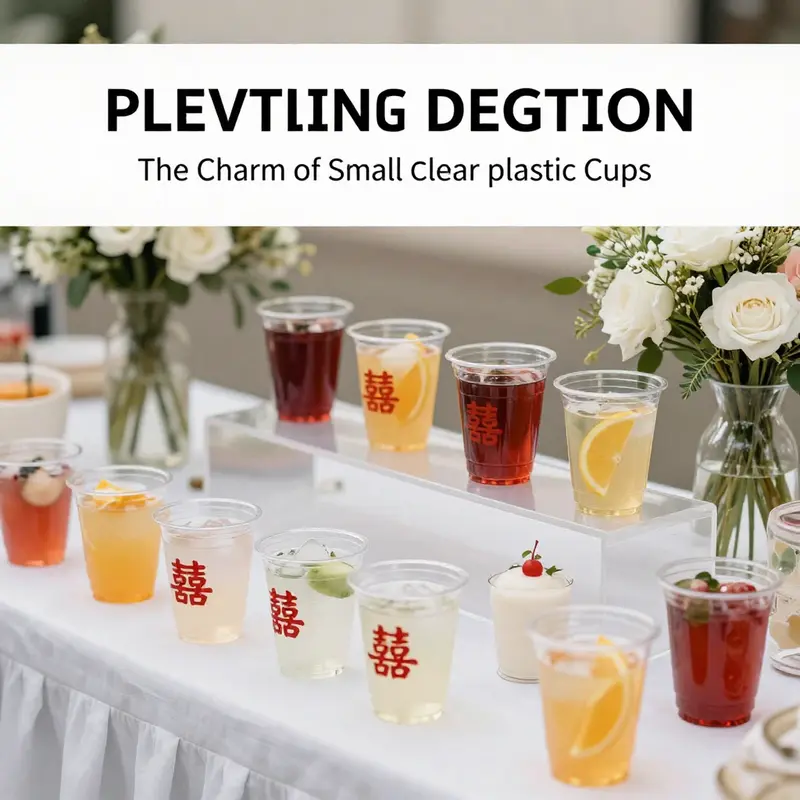
For couples looking to expand the design vocabulary beyond the beverage itself, there is a path that blends practicality with character. Some choose to incorporate meaningful motifs directly onto the cup labels—symbols that tell a story about the couple’s heritage, shared interests, or wedding theme. Others may opt for a catalog of color-coordinated garnishes and label designs that align with each table’s color scheme, creating a subtle tapestry of hues when viewed from above. And in moments of celebration, as toasts rise and guests lift their cups, the transparency of the vessel catches the light and amplifies the mood—breath, laughter, and a soft shimmer of confetti or lanterns in the air. In this way, a simple cup performs three roles at once: it holds a drink, it becomes a design element, and it serves as a small, lasting memory of the day.
Within this landscape, it is worth noting a cultural touchstone that some couples choose to honor. The presence of traditional symbols, such as the double happiness character in certain cultural weddings, can be echoed in label art or monogram styles. Incorporating such motifs through careful typography and restrained color can acknowledge heritage while preserving the clean, modern silhouette of the clear cup. The goal is not to overload the cup with symbolism but to weave a subtle thread that echoes the couple’s story across the reception—from invitation to toast to favor, if a favor is included. In every instance, the cup remains a workhorse with a quiet design presence, capable of harmonizing a myriad of influences without becoming a loud, competing center of attention.
For couples who want to broaden their design horizons, the world of visual references offers abundant ideas. Platforms that host real wedding photos reveal how planners and couples reinterpret clear cups across venues, themes, and lighting setups. In practice, a quick browse can illuminate how even the simplest vessel can contribute to a larger aesthetic, whether through the interplay of glassy reflections on a glossy table surface, the patient alignment of labels along a uniform circumference, or the crisp, clean line of a row of cups that guides guests through a tasting experience. The lesson is simple: clarity is not sameness. When used with intention, clear cups become part of a refined, adaptable toolkit for modern weddings that honors both style and service.
As you plan, remember that inspiration can come from many directions. The juxtaposition of a well-lit dessert station, a lemon-yellow floral centerpiece, and the glint of a clear cup catching a sunset glow can create a moment of stillness amid celebration. The cup’s role is quiet, but its impact can be meaningful. It supports the couple’s story without shouting the narrative, leaving room for guests to contribute their own memories to the evening’s unfolding chapters. If the aim is to show personality through every detail, clear cups offer a flexible, stylish platform. They can be branded, embellished, or kept pristine and unadorned; either approach speaks to a wedding’s wider design intent and helps ensure that the beverage service feels both effortless and memorable.
For those who want to explore related options or discover how brands and wedding teams are integrating such cups with broader packaging and presentation ideas, consider this internal resource as a point of reference: eco-friendly-printed-logo-cold-beverage-cup-paper-cup-with-lid. It demonstrates how branding and eco-conscious choices can be embedded into drinkware in a way that complements a careful wedding narrative, even when the primary vessel differs from clear plastic cups. If you’re curious about how other forms of disposable drinkware are being leveraged in receptions, this example shows the direction in which thoughtful customization and sustainability are moving across the broader catering landscape.
To close, the small clear plastic cup is more than a vessel. It is a flexible instrument for shaping movement, mood, and memory at a wedding. It can be a canvas for branding, a stage for a favorite beverage, and a quiet partner to the couple’s most meaningful moments. When chosen with an eye toward finish, durability, and the wedding’s color story, these cups help create an experience that feels effortless, elegant, and sincere—a celebration of what the couple values most, presented with clarity and care.
External reference for further inspiration: https://www.pinterest.com/search/pins/?q=clear%20plastic%20cups%20wedding
Crystal Clarity and Seamless Service: The Practical Elegance of Small Clear Plastic Cups at Weddings
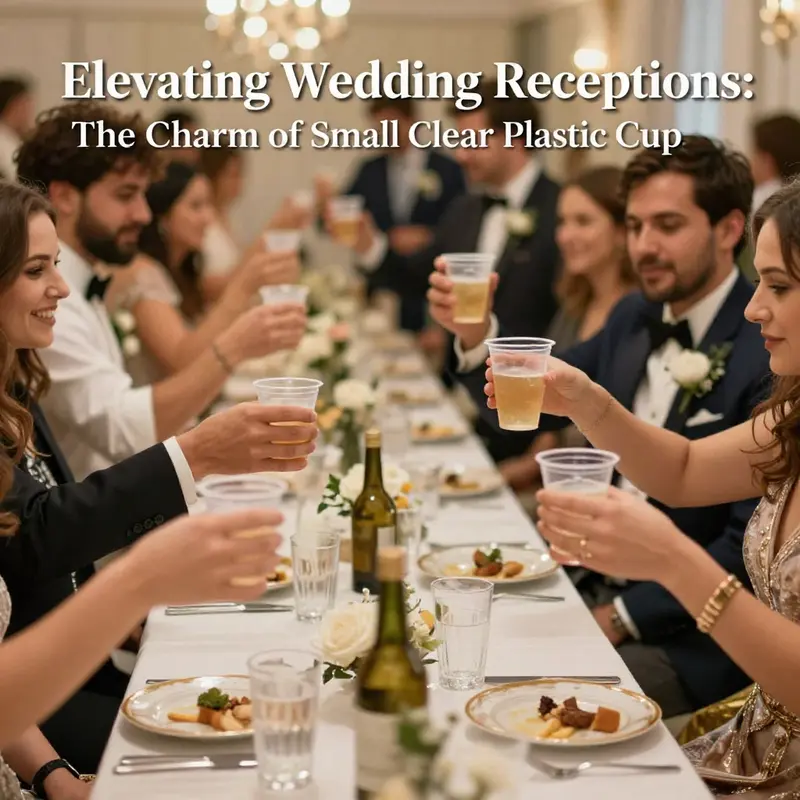
In weddings, small clear plastic cups have quietly become a backbone of smooth beverage service. They strike a careful balance between practicality and presentation, offering a reliable vessel that supports the flow of a reception, from hosted toasts to casual refills at lounge clusters. Guests move through the event with ease, sipping from cups that feel almost invisible in their style yet strongly capable in function. The appeal lies not just in their clear, minimalist look but in the way they simplify a hectic service landscape. Caterers and planners know that when guests can reach a drink without delay, the mood of the entire celebration feels more effortless and intimate, even in a room brimming with activity. The cups, typically made from food-grade hard plastic, deliver this promise with a light touch that never competes with the couple’s decor. They are sturdy enough to withstand a night of clinking glasses and restless dancing, yet light enough to be carried in bulk to all corners of the venue. This combination is precisely what makes them so popular for weddings, where the rhythm of the event matters as much as the drink within the vessel.
One of the most immediate advantages is the cups’ versatility. They are well-suited for a wide spectrum of beverages—refreshing water, vibrant juices, and the more celebratory offerings like sparkling wine or champagne during toasts. In outdoor ceremonies or venues with active foot traffic, the risk of breakage is a constant concern, and here the shatterproof quality of these cups becomes a practical safeguard. Guests can pass cups along the long buffet lines or settle into a quiet corner with a refill, without worrying about fragile glass or sharp shards. The transparency of the material is a quiet design virtue; it enables staff to monitor liquid levels at a glance, a small detail that translates into fewer interruptions for guests who are simply trying to stay refreshed during a long event.
Aesthetically, the clear design is especially forgiving. It harmonizes with any wedding palette, from the most on-trend minimalist schemes to more ornate, lush color stories. Because the cups are nearly invisible against the tableware and linens, they do not compete with florals, lighting, or centerpieces. Instead, they act as a canvas that showcases the drink itself—the rosy tint of a cranberry juice, the pale gold of champagne, or the limpid blue of a signature cocktail—without adding visual noise. In an era when many couples curate every detail to tell a cohesive story, the simplicity of these cups can be a strategic asset. They let the color of the beverage become part of the decor, while the overall table setting remains coherent and elegant. That balance between form and function makes them particularly appealing to planners who aim for a refined, modern table experience.
From a service perspective, the cups offer tangible efficiencies. They are lightweight and easy to handle on crowded service lines, around bar stations, and during guest transitions from cocktail hour to dinner. The risk of accidental spills or dropped glassware diminishes, which is especially valuable in venues with uneven floors, outdoor patios, or stone walkways. The disposable nature of the cups streamlines cleanup after the reception, allowing staff to clear tables more rapidly and with less worry about collecting and returning glassware. In large weddings, where hours of mingling and toasts follow one another in quick succession, this seamless turnover can be as important as the taste of the drinks themselves. A swift, confident service keeps guests satisfied and the timeline on track, which in turn supports a smoother evening for both couple and guests.
Another practical consideration is customization. Couples and planners increasingly view disposable cups as a blank canvas for personal touches. Many suppliers offer options for imprinting wedding details, monograms, or subtle logos on the sides of cups. This is more than branding; it creates a cohesive, personalized feel that travels with guests as they move through the venue. A monogram at the base of a toast-driven moment can become a quiet keepsake, one that guests may remember as part of the day’s aesthetic. Customization can be executed with a restrained hand that enhances the design without overwhelming it, aligning with the minimalist clarity that the cups inherently provide. The result is a practical item that doubles as a small, memorable memento of the event.
Within the broader vocabulary of wedding tableware, these clear cups also reflect the shift toward bulk, turnkey solutions. Bulk packaging is not just a cost-saving measure; it supports the logistical realities of weddings, where the scale of a guest list can stress any service plan. Having ample, uniformly sized cups on hand makes it easier to standardize portions and maintain presentation across multiple serving stations. It reduces the need for staff to juggle a mixed assortment of glassware or to improvise when stock runs low at a pivotal moment, such as during a toast or a mid-reception refreshment break. The clarity of the cups mirrors the straightforward reliability of a well-run reception: guests get what they need, when they need it, with little fuss and minimal disruption.
Design considerations also extend into the practicalities of color and theme. While the cups are inherently clear, they can be used in thoughtful ways to echo the wedding’s color story. For example, the liquid inside may be tinted with a complementary hue, or the beverage station can feature accents in coordinating tones to create a cohesive look. The clear cup thus becomes an adaptable element rather than a constraint. For couples who want to integrate a cultural motif, the cups can still participate without dominating the table—the subtle use of symbolic designs on the cup’s surface or on accompanying signage can nod to tradition while preserving a contemporary aesthetic. It’s a flexible approach that respects both heritage and modern design sensibilities.
Beyond the immediate moments of the reception, the cups carry a longer-lasting value in the form of branding and guest experience. The ability to imprint names, dates, or motifs offers a way to extend the couple’s story beyond the ceremony and into the casual interactions of the evening. Guests often remember the details that stood out—how a toast felt, how the color of the drink matched the decor, or the little touches that signaled care and planning. A small, well-placed monogram on a cup can contribute to that memory, tying together the day’s sensory layers without being overpowering. In this sense, the cups function as both utility and souvenir—manageable, disposable vessels that still carry the personal stamp of the celebration.
The practical value of small clear plastic cups becomes even more evident when considering the realities of event planning. Time is always in short supply, and staff must be able to move quickly between stations, tables, and outdoor terraces. The cups’ ease of use supports a workflow where bartenders and servers can deliver drinks with confidence and speed. Guests experience less hesitation at the moment of selection, a hospitality detail that translates into a smoother, more gracious reception. The net effect is a wedding day that feels organized and effortless, even under the pressure of an ambitious timeline. In an industry where small decisions accumulate into a larger impression, the choice of a reliable disposable cup can be a quietly powerful one.
In closing the thread of practicality and style, it is worth noting how these cups fit into a broader conversation about sustainability and guest expectations. While disposables are convenient, many couples today are mindful of environmental impact and look for options that align with responsible choices. The market responds with a spectrum of such options, from recyclable materials to compostable designs. Even within the realm of clear plastic, suppliers emphasize food-grade safety and durability, ensuring that the product meets stringent hygiene standards while supporting a waste-conscious approach where feasible. The result is a pragmatic solution that honors both the celebratory spirit of weddings and a growing commitment to mindful consumption. For planners seeking a bridge between elegance and efficiency, small clear plastic cups offer a reliable path that respects the moment while simplifying the process of serving.
As you move from planning to execution, consider how these cups can integrate with your venue’s layout, your caterer’s workflow, and your guests’ experience. Balance the aesthetics of a clean, transparent vessel with the practical needs of a busy reception. If branding is part of your story, explore imprint options that align with your theme without overpowering the visual narrative of the event. And for those who want to pair ceremony and reception moments with a cohesive drink narrative, the clear cup’s adaptability can support a staged progression—from an airy, water-forward opening to a sparkling, toast-worthy finale. In short, the small clear plastic cup is not merely a disposable accessory; it is a quiet facilitator of connection—one that helps a wedding feel effortless, polished, and memorable. For planners seeking a complementary option to paper-based alternatives, this choice also invites a broader conversation about how disposable tableware can harmonize with a venue’s sustainability goals and a couple’s vision for their day.
For readers exploring further branding and material options, you can explore related accessory choices that echo the same principles of clarity, customization, and efficiency. While this chapter centers on clear plastic cups, it is useful to note how branding and design considerations translate across similar disposable vessels, including those designed for hot beverages or multi-size event kits. A related resource that discusses eco-friendly, printed, and logo options for cold beverage cups can offer additional context on how to incorporate branding without compromising the clean aesthetic that these cups provide. See the external resource at the end for a practical reference.
Internal link note: for readers curious about branded, eco-friendly cup options that echo the same design language in a paper-cup format, a relevant example can be found here: eco-friendly-printed-logo-cold-beverage-cup-paper-cup-with-lid. This reference demonstrates how branding can be integrated across disposable vessels while preserving a cohesive event look.
External resource: https://www.amazon.com/16-Ounce-Wedding-Mug-Plastic-Cups/dp/B0B8KQYFZ5
Balancing Budgets and Values: The True Cost of Small Clear Plastic Cups at Weddings
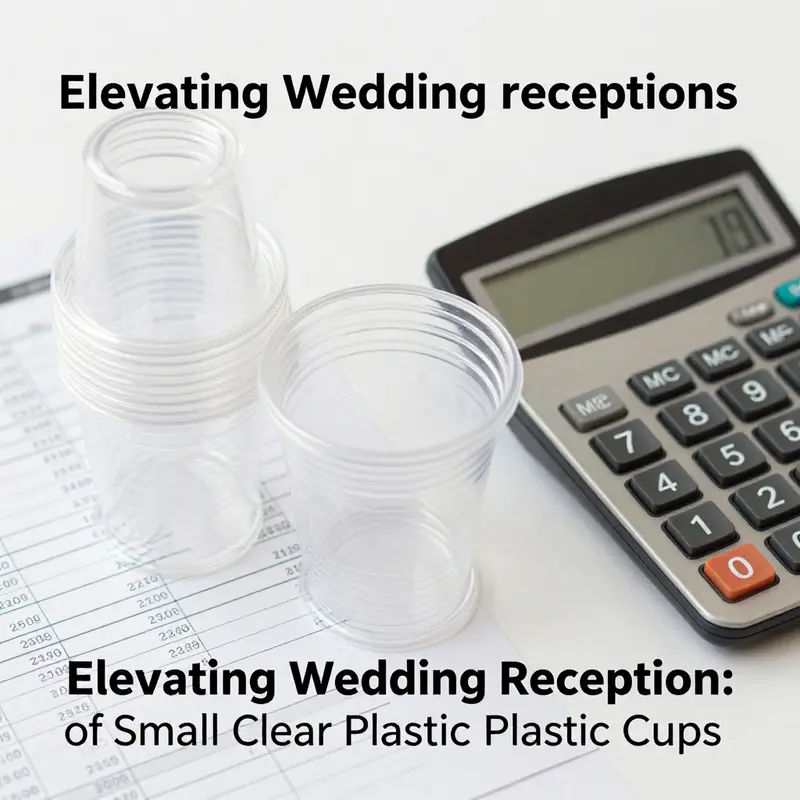
Choosing small clear plastic cups for a wedding feels simple. They are cheap, clear, and easy to stack. They match any color palette. They also reduce the workload for caterers and volunteers. Yet the financial picture is rarely as plain as the cups themselves. When couples, planners, and venues add up every expense and consequence, the initial savings can fade. This chapter examines that fuller cost. It weighs purchase price against waste management, compliance, reputation, and long-term value.
At first glance, a box of small clear plastic cups fits neatly into a modest wedding budget. Bulk pricing drives down per-unit cost. For a reception serving hundreds, ordering thousands of cups looks economical. This immediate saving is tangible. It sits in the vendor invoice and next-day budget reports. But focusing only on purchase price misses the rest of the equation. Several hidden costs accompany single-use plastics at events. Plain purchase cost becomes a smaller part of a much larger total.
Waste disposal is the first of these often-hidden expenses. Large weddings generate large volumes of trash. Venues may charge for additional waste pickup. Municipalities may levy special fees for non-recyclable landfill loads. If a venue lacks the infrastructure for sorting and recycling, the cups go to general waste. Disposal fees can add up quickly. For couples trying to hold costs down, surprise pickup charges can undo earlier savings.
Regulatory risk is another factor. Cities and regions are increasingly restricting single-use plastics. Rules vary by locality, but the trend is clear. Some venues now require event hosts to comply with environmental ordinances. Violating these rules can lead to fines or last-minute changes. That uncertainty imposes its own cost. Planners must spend time verifying local laws, sourcing compliant alternatives, or paying extra to meet venue requirements. Those administrative hours translate to money.
Beyond fees and fines lie reputational costs. Guests notice details as much as they remember the music. Using disposable plastic can send a message that contrasts sharply with modern wedding values: stewardship, thoughtfulness, and authenticity. Many couples prefer experiences over ostentation. Yet a table scattered with single-use plastic undermines that aesthetic. Public perception matters. A small negative impression may not have a line-item cost, but it can shape social media posts, reviews, and word-of-mouth. For couples mindful of how their wedding will be remembered, these intangible costs carry weight.
Environmental impacts also have economic consequences. The lifecycle of plastic includes extraction, manufacture, transportation, and disposal. Each stage consumes energy and resources. As the public becomes more aware, demand grows for sustainable alternatives. That increased demand affects price signals. Reusable rentals and compostable options are more widely available, but their prices reflect demand and material costs. However, when couples run the numbers, these options often look better over the long term, especially for events with hundreds of guests.
Consider the lifecycle cost comparison. A small clear plastic cup might cost a few cents. A compostable cup could cost several times that amount. Renting glassware carries a higher per-unit charge, plus deposits, cleaning, and logistics. But when you account for disposal fees, potential fines, reputational impact, and rising societal expectations, compostable or reusable choices often outpace plastic in total value. Reusables reduce landfill volume, eliminate many disposal fees, and create a more premium guest experience. Compostables lower the environmental footprint and avoid recycling contamination problems. Many venues now support or even require such choices.
A real-world example illustrates how priorities and smart planning change outcomes. A 2026 wedding in China hosted 150 guests with a strict zero-waste approach. The couple avoided single-use plastics entirely, opting for reusable tableware and biodegradable materials. Their total expenditure was modest. They reported savings in areas that mattered most: waste handling, vendor fees, and guest satisfaction. The event attracted positive attention for its values and practicality, showing that sustainable choices need not be more expensive. That case highlights an important lesson. Cost-conscious planning, aligned with sustainable practices, can achieve both economic restraint and social reward. For those who want more details, the story is documented in an article from China Youth Daily: https://www.cyol.com/articles/2026-02/01/content_384567.html
Alternatives to small clear plastic cups deserve careful consideration. Reusable glassware rented from caterers or rental houses creates a sense of occasion. Glass elevates drinks visually and tactilely. It is also durable across multiple events. Renting shifts the burden of washing and storage to professionals. That service has a price, but it often eliminates disposal fees. Renting also reduces the need to predict exact quantities. Deposits and logistical fees should be compared to the aggregated cost of disposables plus waste management.
Compostable cups are another middle path. Made from plant-based materials, they break down under industrial composting conditions. They reduce the landfill burden and often avoid the recycling contamination that plagues mixed-material disposables. Compostable options can be slightly more expensive per unit. Yet they lower disposal costs in some areas and align with guest expectations. They also enable creative branding and customization without the long-term environmental cost of traditional plastic.
For planners seeking both economy and sustainability, hybrid strategies work well. Use reusable glass for main service, compostable cups for late-night snacks, and elegant paper vessels for specialty beverages. Combining options allows tight budget control while limiting single-use plastics. This targeted approach often yields the best economic outcome. It reserves higher-cost choices for moments where they matter most.
Bulk buying remains an unavoidable reality for any option chosen. Whether ordering plastic, compostable, or paper, economies of scale apply. Look beyond sticker price. Negotiate return policies, quality guarantees, and delivery terms. Poorly made cups increase waste and dissatisfaction. For disposables, QA matters: flimsy cups lead to spills and waste, eroding any savings. For reusables, confirm cleaning standards and damage policies. These contractual details protect budgets.
Customization is another avenue that affects cost and value. Many suppliers offer printing or embossing. Custom cups create a cohesive visual identity for a wedding. Yet customization adds cost and complicates returns. Couples should weigh its emotional value against expense. Sometimes simple, tasteful customization adds perceived value without a major budget impact. Other times it becomes an unnecessary extravagance.
Finally, consider long-term trends when making decisions. The market is moving. Younger couples increasingly favor minimal, sustainable celebrations. Surveys show strong support for modest weddings and reduced waste. That shift affects pricing and availability. As demand for sustainable products rises, production scales and prices adjust. Early adopters may pay a premium today but help accelerate supply and lower costs for future events. Decision-making should therefore balance current budgets with anticipated direction of the market.
Small clear plastic cups can still fit into a thoughtful wedding plan. They offer convenience and a neutral visual. But a full economic assessment requires looking beyond the checkout price. Add disposal fees, regulatory risk, reputational effects, quality concerns, and market trends. Compare those factors with the slightly higher upfront costs of compostable cups or the rental fee for glassware. Often, a blended solution provides the best value. It limits waste, keeps budgets on track, and aligns the event with contemporary values.
Choosing wisely means asking the right questions early. What are local disposal rules? What fees might a venue charge for waste? Can a rental company supply and collect reusable glassware? Are there composting facilities nearby? How will guests react to visible single-use items? Answers shape cost calculations more than unit prices do.
When budgeting for beverages, add a contingency for unexpected charges. Include a small line item for waste handling and potential compliance costs. Compare the total projected cost for plastic, compostable, and reusable options. Look for creative solutions that balance economy and values. Couples who plan with the full lifecycle in mind often end up with a wedding that costs less in the long run and delivers more in guest experience and memory.
Clear Choices, Quiet Footprint: Reassessing Small Clear Plastic Cups at Weddings
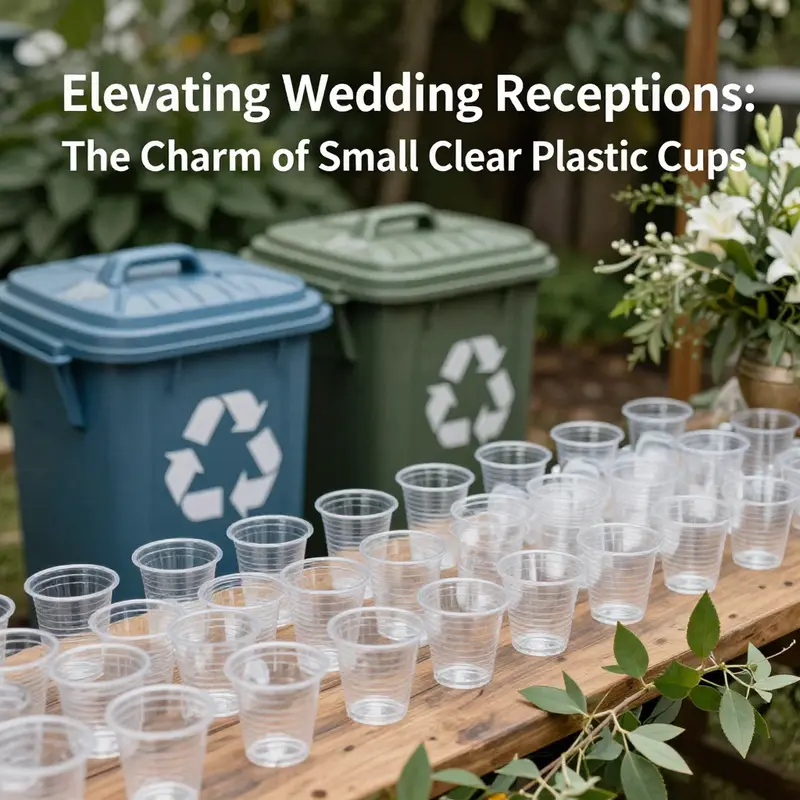
The beverage service at modern weddings often hinges on a trio of efficiency, elegance, and economy, and small clear plastic cups have risen as a practical answer to all three. They are light enough to be handed across crowded dance floors, sturdy enough to survive a day of toasts and mingling, and clear enough to complement any wedding palette without competing with table decor. For caterers and planners, these cups offer a predictable, mass-producible vessel that can be stocked in bulk, labeled for different stations, and disposed of with minimal labor after a long reception. Yet the abundance of use at weddings marks them with a distinctive environmental footprint that is worth scrutinizing as couples plan a celebration that aspires to beauty and responsibility alike. The tension between convenience and sustainability is not a modern complication but a defining one for planning choices that reverberate beyond the final song and last plate of cake. The conversation, therefore, is not about abandoning charm or hospitality, but about aligning what guests enjoy with what the planet can tolerate, even applaud, in the long term. In this light, the small clear plastic cup becomes more than a disposable prop; it becomes a lens for evaluating materials, waste streams, and the possibilities for a more intentional, lasting approach to wedding beverage service.
The material story behind these cups is a practical starting point. Polystyrene, the standard backbone of many clear disposable cups, offers clear visibility, rigidity, and a low cost that suits large events. But recyclability in municipal streams is often limited, and even when a cup carries a recycling symbol, the probability of it being effectively processed depends on local facilities and the availability of high‑quality separation streams. The reality facing event planners is that a significant portion of single-use cups do not complete a circular journey back into useful products; they end up in landfills or informal waste streams that risk entering waterways and ecosystems. The public health and safety assurances that accompany many disposable cups can create a reassuring aura for guests, but those assurances do not automatically translate into a closed-loop system that minimizes environmental harm. The term BPA free appears on many packaging statements, as if that label alone could absolve the broader lifecycle impacts, yet the critical question remains: what happens to these cups after they have served their purpose at a wedding? Do they travel to recycling facilities, or are they swept up in general waste that ends up buried or incinerated? And if a party’s footprint is measured by the sum of thousands of small decisions, what is the aggregate cost of choosing a single-use option day after day, event after event?
A growing segment of the industry is exploring alternatives that offer durability and reuse without sacrificing the celebratory feel of a wedding. Reusable cups—made from more robust materials that can withstand a dishwasher and multiple uses—present a compelling long‑term value proposition. These cups are designed for repeated service across dozens of events, with features such as stronger walls, smoother rims for easier drinking, and sometimes insulation to keep beverages at their preferred temperature. The upfront investment is higher, and the operational requirements more demanding—rinsing, washing, and redistributing after a reception—but the lifecycle benefits can be substantial. When a couple calculates the number of occasions a cup will be used versus the energy and materials required to manufacture and dispose of a single-use alternative, the math often points toward a more sustainable equilibrium over time. The shift toward durable, reusable options also invites a broader conversation about the role of technology in wedding services: can warehousing, rental networks, and on-site washing clear a path for greener celebration logistics without dampening spontaneity or style? And can double-wall insulation and ergonomic designs be integrated without complicating the guest experience or inflating the cost beyond reason?
Even as the case for reuse strengthens, compostable or plant-based alternatives present a different set of advantages and caveats. Cups made from plant-based plastics—frequently labeled as compostable in industrial facilities—offer the allure of a disposables‑with-a-conscience option. They can perform similarly to conventional plastics in terms of clarity and rigidity, but their end-of-life performance is highly dependent on the availability of industrial composting infrastructure. In many communities, home composting or small municipal programs do not accept these items, or they reject them because they are not sufficiently industrially processed. In such contexts, compostable cups can fail to deliver the intended environmental benefit, becoming another form of waste that must still be diverted from landfills through careful sorting and disposal. The reality is not a simple dichotomy between “neat and clean” compostability and “dirty and wasteful” disposables, but a nuanced landscape in which the success of plant-based cups hinges on the waste system that accompanies them. For couples seeking harmony between celebration and stewardship, the question becomes what kind of waste stream exists at the venue and what partners are available to handle it properly. When composting is supported by the venue, cleaners, and waste management partners, plant-based disposables can contribute to a lower-impact profile. When it is not, the same products can end up in the general waste stream, where their potential advantages are muted or lost altogether. A thoughtful approach couples the charm of the cup with a clear map of its destination after the party, a plan that begins long before the first toast is poured.
In this context, the channels through which cups travel after a wedding become almost as important as the cups themselves. The lifecycle analysis of single-use options often reveals an energy-intensive production phase, significant material use, and a reliance on transportation networks to reach venues dispersed across regions. The packaging that accompanies bulk orders adds another layer of impact, as boxes and protective wrap must be produced, shipped, and eventually recycled or discarded. Event planners who optimize delivery schedules, consolidate shipments, and select suppliers that minimize packaging waste can reduce emissions and materials use without compromising service quality. A practical strategy is to coordinate with a venue or catering partner to create a defined waste‑sorting plan, with clearly marked bins for recyclables, compostables where applicable, and general waste. Such a plan reduces contamination in recycling streams, improving the likelihood that materials are diverted from landfills. Clear signage, guest education, and a modest staff presence to guide disposal can transform a potential waste challenge into an opportunity for guest participation and storytelling about sustainable choices. When guests understand how their choices at the bar, the cocktail hour, or the reception contributes to the broader environmental goals of the celebration, the cups become part of a shared commitment rather than a one-off convenience.
The most resilient approach to sustainability in this space is not a single silver bullet but a portfolio of options tailored to the site, the guest list, and the couple’s values. This often means offering a mix of reusable cup sets for the main beverage service, alongside plant-based disposables for certain stations where reuse logistics would be impractical. It can also involve clever design and branding: cups that carry subtle celebratory motifs or cultural symbols borrowed from the couple’s heritage can maintain a wedding’s aesthetic while signaling mindfulness about materials. The symbolism of a wedding is not merely about beauty; it is also about shared responsibility and the idea that a community celebrates with care for its future. In this sense, the cup becomes a small but meaningful canvas for values—an artifact that carries memory and intention long after the party ends. It is here that the decision to lean into reuse or to adopt compostable materials becomes a statement about the kind of world guests are invited to inhabit together.
For planners who wish to explore sustainable alternatives without losing the ease and rhythm of service, there are practical routes to consider. One path focuses on reusable systems that maximize life-cycle value. These systems may involve rental programs or purchase options designed for multiple uses, paired with on-site washing and a logistics workflow that minimizes downtime between events. A second path embraces compostable options, but only with explicit commitments from the venue and waste partners to process the material correctly. In both cases, a transparent, documented plan helps manage expectations, reduce confusion on the day, and document the true footprint of beverage service. It is also essential to educate clients about the realities of end-of-life processing. Even when a product is marketed as compostable or recyclable, actual outcomes depend on how and where it is disposed of, and the local infrastructure available to handle those materials.
As couples weigh the options, they may encounter persuasive arguments about cost and convenience. Reusable systems, while economically favorable over many events, require storage, transportation, and cleaning capacity. Disposable options, including plant-based choices, offer straightforward logistics but demand reliable waste management to minimize leakage into non-target streams. In balancing these trade-offs, the heart of the decision lies in a straightforward question: what is the wedding’s overall sustainability ambition, and what practical steps can be taken to move toward it without compromising hospitality, joy, or the timeless feeling of celebration? The answer is rarely a single choice but a deliberate blend of decisions—one that honors both the moment of joy and the longer arc of environmental responsibility. To those who seek inspiration beyond the immediate aesthetics, the literature on lifecycle impacts provides a sober reminder that the smallest choices accumulate into a collective legacy. For further exploration of lifecycle considerations and viable alternatives to single-use plastics, readers can consult resources such as the Plastic Pollution Coalition, which offers broader advocacy and analysis on sustainable options for plastic use and waste reduction at events.
When the day is over and guests depart, the cups linger as a material trace of a shared experience. The true measure of a wedding’s success, in environmental terms, is not only how elegant the toast looked but how confidently the couple translated their values into action at the moment of choice. The cups, in their quiet clarity, invite a brighter question: what kind of hospitality does the future deserve, and what kind of footprint do we choose to leave behind? In the end, the goal is not to deny beauty or convenience but to expand them—the beauty of a thoughtfully planned celebration and the convenience of a system that respects the planet’s capacity to sustain such moments for years to come. For those ready to explore further, a practical starting point is to consider how a venue’s waste management capabilities align with the options on the table, and to request clear guidance from coordinators about what happens to cups after the party. The path to sustainability can begin with a single, well-considered decision made at the planning table, and the ripple effects of that choice can extend well beyond the last song and the final toast.
External resource: For further reading on the lifecycle impacts of plastic products and sustainable alternatives to single-use items, see the Plastic Pollution Coalition at https://www.plasticpollutioncoalition.org/ and consider exploring related guidance to help shape more responsible event practices. Also, see a practical example of eco‑friendly disposable alternatives at the linked resource: eco-friendly-recyclable-pulp-2-4-cups-coffee-take-away-cup-holder.
Final thoughts
Small clear plastic cups have proven to be more than just disposable tableware; they are a versatile and functional choice that aligns with modern wedding aesthetics and practical requirements. By examining their designs, uses, cost-effectiveness, and environmental considerations, it is evident that these cups play an essential role in enhancing wedding experiences. As the industry continues to evolve, embracing such adaptable solutions will cater to diverse preferences while promoting sustainability, ultimately transforming the way we celebrate life’s most cherished occasions.