
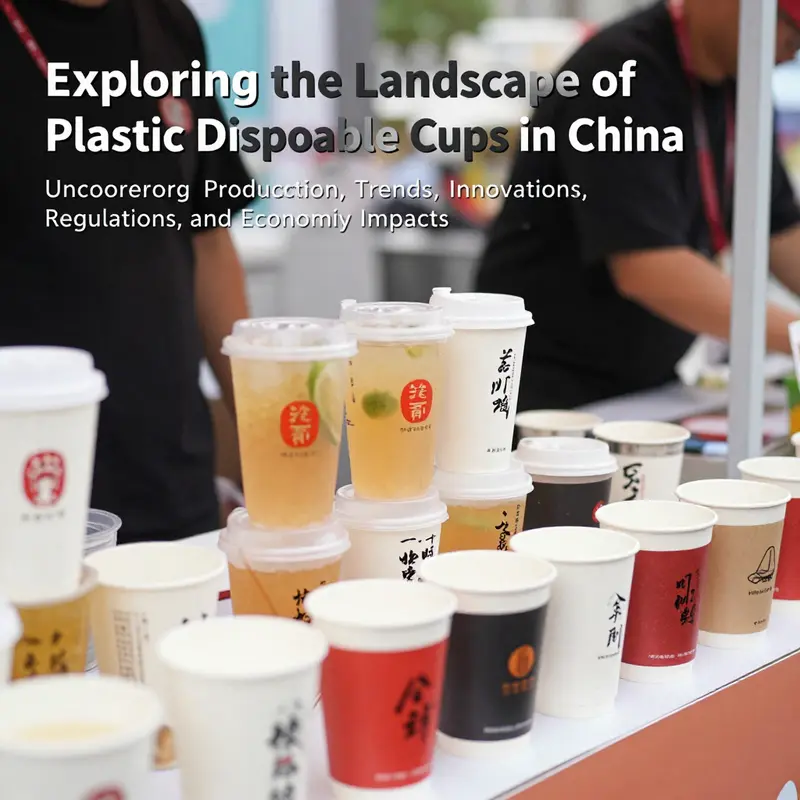
The disposable plastic cup industry in China is a vital component of the beverage and food service sectors. Characterized by a diverse range of products and significant production capabilities, this industry plays an essential role in meeting the demands of bubble tea shops, restaurants, food trucks, and event planners. The production processes of these cups are marked by advancements in technology and strict regulatory oversight to ensure quality and safety. As environmental considerations increasingly influence consumer choices, market trends are shifting towards sustainable alternatives within this landscape. In this article, we will delve into the production methods, current market trends, regulatory frameworks, technological innovations, and the broader economic implications of the plastic disposable cup industry in China, providing insights valuable for professionals across various sectors.
From Melt to Market: The High-Volume Production of Plastic Disposable Cups in China
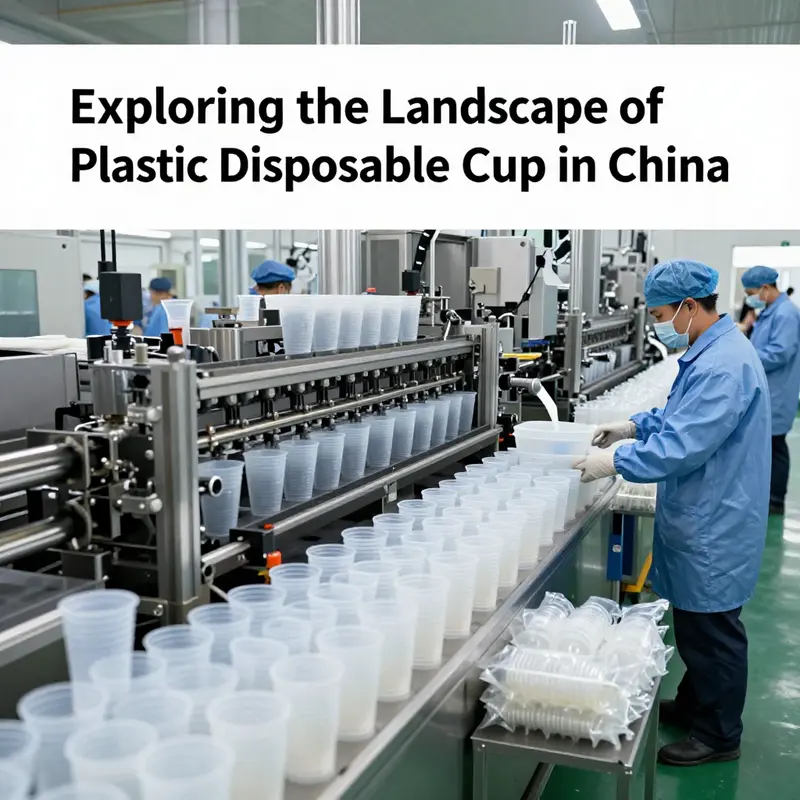
In the vast ecosystem of modern hospitality and food service, plastic disposable cups appear as unremarkable workhorses. Yet behind every transparent or colored cup is a finely tuned choreography of materials science, precision engineering, and relentless throughput. In China, a country that anchors much of the world’s single-use cup supply, this production choreography has evolved into a mature, highly automated system. The narrative begins with raw materials chosen not merely for cost, but for performance in a spectrum of applications—from cool beverages and fruit drinks to creamy milk teas. The most common champions of this process are polypropylene (PP) and polystyrene (PS). PP is valued for its balance of clarity and thermal resistance, making it a reliable choice for cold to mildly warm beverages. PS, sometimes favored for its stiffness and crisp surface finish, can offer speed advantages in molding and high-volume runs. Both materials come with environmental considerations that increasingly guide decisions, especially as regulations tighten and brands seek to align with sustainability goals. The material choice, thus, is the first decision that frames the entire manufacturing itinerary, shaping mold design, cycle time, and end-use performance.
The next movement in this dance is melting and injection, the heart of the production line. An injection molding machine injects molten resin into precision molds that define the cup’s form—the cup body, the bottom contour, the lip that ensures a comfortable seal with a lid, and the delicate wall thickness that must balance rigidity with material efficiency. In many factories, this stage operates at astonishing speeds, with cycles measured in seconds. The choice and calibration of the mold are as critical as the resin itself. Mold design determines not only the wall thickness uniformity but also the potential for features such as embossing, texture, or in-mold labeling that can carry logos or branding without additional handling steps. In this sense, the mold is not just a cavity; it is the blueprint for quality, repeatability, and customization potential.
Cooling follows the filling, a step often overlooked by casual observers but essential to dimensional stability. The freshly injected cup exits the mold only after the plastic has cooled to a solid state that resists warping. Cooling is controlled by carefully tuned temperature profiles, pinning, and sometimes deliberate venting to prevent internal stresses from creeping into the cup walls. Ejection, then, is automated. Robotic arms and synchronized moving plates pluck the rigid, finished cups from the mold, ready to proceed to inspection. This sequence—melt, inject, cool, eject—cycles many times per minute, enabling a scale of output that satisfies both domestic demand and international orders. Every cycle reinforces the core advantage of the Chinese plant: consistent, high-volume production that still preserves a degree of flexibility for small and mid-size runs when necessary.
Quality control is the invisible guarantor of that throughput. Immediately after ejection, the cups pass through inspection stations that screen for warping, thin walls, or excess flash. In modern facilities, vision systems and automated measurement devices scrutinize geometry, surface finish, and even subtle deviations in wall thickness. The aim is not only to reject defective units but also to feed data back into the process. When a batch exhibits a drift in wall thickness or lip evenness, the system can adjust temperature, cycle time, or mold cooling parameters on the fly. The result is a feedback loop that converts a potential bottleneck into a controlled variable, preserving yield and maintaining uniformity across millions of units. Where customization is required—such as a handle option, a cup with a lid, or a subtle brand imprint—the process introduces secondary operations. Handles may be overmolded or attached in a subsequent assembly line, while lids are typically produced by the same injection process and then integrated with the cups in packaging zones. This layered approach allows factories to meet diverse demand profiles without sacrificing efficiency.
The packaging stage, though often visually understated, deserves attention for its role in preserving integrity during transit. Cups are stacked, sometimes nested for space efficiency, and then wrapped or sealed in protective packaging that protects against deformation, dust, and moisture. The packaging line itself is a model of logistics discipline: the aim is not only to minimize packaging waste but also to maximize pallet density and crate stability for long-distance distribution. In one of China’s bustling production hubs, the operational logic blends the compact footprint of a plant with the sprawling reach of a supply chain that extends to both domestic markets and international buyers. Guangdong and Zhejiang, two provinces long recognized as manufacturing powerhouses, host numerous facilities equipped with modern automation, skilled technicians, and a dense network of resin suppliers, mold makers, and ancillary service providers. The synergy among these elements—materials, molds, automation, quality controls, and packaging—creates an end-to-end capability that can deliver standardized cups at scale while still accommodating customization for logos, colors, or print patterns.
If one looks beyond the mechanics of the machine and the molds, a broader set of considerations begins to reveal itself. The industry’s strength in China rests on a robust supply chain: abundant resin options, access to energy at favorable prices, and a cadre of specialized suppliers who can deliver components such as lids, inserts, and printing equipment. The assemblies for cups with lids or additional features follow the same core logic, but the integration points are different. Lids might be produced in separate lines before they are matched to cups on the packaging belt, or in some cases lids are produced inline with the cups through multi-cavity molds. In either scenario, the aim remains the same: maintain the tight tolerances that dictate fit and leak resistance, while preserving the speed that keeps costs in line with demand. The result is a production ecosystem that can scale from small runs of customized cups for promotional events to large-volume orders for chain brands and large-scale hospitality networks.
Behind the practical mechanics lies a more nuanced conversation about material choice and environmental stewardship. The industry’s traditional reliance on PP and PS reflects a balance of clarity, cost, and performance. PP tends to perform well in cold-to-warm beverage scenarios and is easier to recycle in many municipal programs than PS. PS offers clarity that can highlight beverage color and brand aesthetics, and it can be cost-effective when used at high volumes. Yet the conversation in recent years has sharpened around environmental regulations choking some options and pushing others toward biodegradable alternatives such as PLA. While PLA remains more expensive and its processing for recycling less standardized, it sits at the core of ongoing industry debates about sustainability in disposable tableware. In practice, Chinese manufacturers have responded with a mix of strategies: tighter quality controls to minimize scrap, process innovations to optimize resin yield, and diversification of material portfolios to meet evolving regulatory and consumer expectations. These shifts illustrate that the production line is not a static sequence but a living system that adapts to policy landscapes, supply fluctuations, and the market’s demand for eco-conscious packaging.
The historical thread running through this modern narrative anchors the present to a notable milestone. As early as 1968, the East United Plastic Company in Dongyang emerged as China’s first to produce PET disposable cups and cup lids, signaling the industry’s long-standing capability for integrated packaging solutions. While PET cups and their lids occupy a slightly different technical space, the historical significance lies in recognizing China’s propensity to build end-to-end cup ecosystems—from resin handling and molding to assembly and packaging. This early footprint planted a capability that has grown into the current breadth of plastic cup manufacturing, where PP and PS now dominate the daily production chorus. Today, the country’s cup industry is not merely about creating a single, identically shaped product; it is about orchestrating an adaptable system capable of meeting a spectrum of demands with speed and reliability.
Against this technical and historical backdrop, the chapter’s central insight emerges: the strength of China’s plastic disposable cup production lies in the synchronization of multiple, interdependent stages. Materials science provides the baseline properties; injection molding translates those properties into a precise geometry; cooling and ejection ensure dimensional stability; automated inspection maintains consistency; secondary processes enable customization; and packaging completes the journey from factory floor to storefront. The result is a supply chain that can sustain intense demand while preserving the flexibility needed to adjust for customer-specific requirements, from logo imprinting to color variations and lid compatibility. In this sense, the cup becomes more than a simple container; it is the product of a coordinated system designed to deliver uniformity at scale, a system that has evolved to support a globally connected market while anchored in regional hubs that drive efficiency.
For readers who wonder about alternatives, the broader landscape of disposable packaging offers options that may appear similar on the shelf but diverge in materials and end-of-life considerations. A useful reference point is a related option in the packaging space: disposable-custom-double-wall-hot-paper-coffee-cups-with-lid. This link points toward a paper-based alternative that shares the same demand drivers—durability, insulation, branding opportunities, and sanitary convenience—yet operates with different processes, materials, and recycling streams. The juxtaposition highlights how the cup, in all its plastic and paper forms, is a decision about performance, cost, and responsibility as much as it is about form.
External reading that complements this synthesis can be found in the standards and guidelines maintained by national industry bodies. For a detailed overview of manufacturing guidelines that shape the disposable plastic tableware sector, see the China Plastics Industry Association’s technical guidelines, which provide context for quality expectations, process optimization, and regulatory compliance across manufacturers. China Plastics Industry Association – Manufacturing Guidelines for Disposable Plastic Tableware
Between Compliance and Convenience: Navigating China’s Plastic Disposable Cup Market in an Era of Green Transition
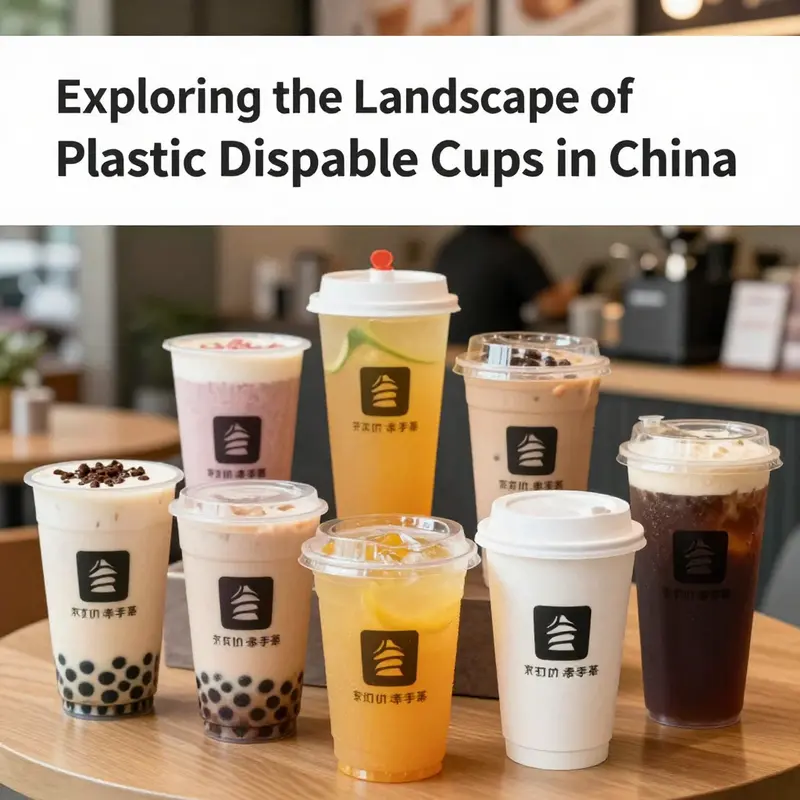
The market for plastic disposable cups in China is not simply a product category; it is a lens on how policy, consumer expectations, and manufacturing capabilities converge to shape a fast-evolving ecosystem. In recent years, the trajectory of this sector has shifted from a focus on sheer volume to a more complex calculus that weighs environmental responsibility, regulatory compliance, and the evolving needs of a food and beverage landscape that relies heavily on single-use solutions. As the country seeks to modernize its packaging infrastructure, the cup—the most visible link in the chain—is becoming a telling proxy for larger shifts in industry norms, consumer behavior, and the hidden costs of rapid, mass-scale provisioning. The story unfolds in three interlocking moves: policy pressure that tightens the rules of the road, a recalibration of consumer expectations toward durability and sustainability, and a swift reconfiguration of production systems that can deliver both scale and smarter materials.\n\nPolicy acts as the decisive first conductor in this orchestral change. The late-2025 tightening of regulatory expectations in major urban centers signaled a turning point. Authorities moved beyond exhortations to enforceable standards that require substitutes for conventional single-use plastics—options that are easier to recycle, more compatible with circular systems, and capable of meeting performance needs in cold-drink and beverage service. The penalties for non-compliance can be severe, including substantial fines and the potential for operation suspensions. This is not merely a compliance concern; it is a signal that the economics of plastic cup manufacturing and distribution will increasingly reflect environmental costs and logistical challenges associated with disposal, recycling, and end-of-life management. Businesses that once optimized primarily for cost-per-use now face a broader equation where the total cost of ownership includes waste handling, regulatory risk, and reputation management. In this context, suppliers and buyers alike must consider how their choices ripple through the system—from raw material sourcing to the final consumer experience.\n\nAligned with these regulatory dynamics is a redefinition of what consumers expect when they reach for a disposable cup. The growth of delivery and takeout has, since the early 2020s, swollen the footprint of single-use containers to a scale that makes the environmental footprint undeniable. Yet within this volume, there is a discernible shift in preferences. Consumers increasingly pair basic functional requirements—leak resistance, temperature tolerance, compatibility with lids and sleeves, and ease of handling—with a heightened sensitivity to sustainability. The modern beverage experience no longer stops at convenience; it extends to the lifecycle of the packaging that carries the drink. This has created a demand for materials that can deliver the same level of performance while reducing environmental impact, even if it means accepting a slightly higher price point or a longer runway for adoption. The consequence is a market where the margin between a standard plastic cup and its greener alternatives is measured not only in cost but in the reliability of supply chains, the clarity of labeling, and the clarity of environmental claims.\n\nAmid these shifts, the market structure itself has begun to fragment in meaningful ways. On the one hand, there is continued demand from high-volume settings—quick-service restaurants, campus dining, and event-based venues—where predictable performance and clean, auditable processes matter. On the other hand, a burgeoning wave of mid- to low-end segments is embracing greener substitutes that can be customized for branding while offering improved end-of-life stories. The push toward biodegradable or compostable options, such as plant-based or bio-based polymers, is gaining traction in environments where disposal streams are well-controlled and where consumer education accompanies the purchase decision. Meanwhile, there is a parallel evolution in the plastic cup sector’s own manufacturing base. Regions with established plastics and packaging clusters continue to optimize for efficiency, accuracy, and scale. Zhejiang and Guangdong, in particular, remain pivotal as hubs of supply-chain activity, where a blend of traditional injection molding prowess and newer, more sustainable material capabilities is enabling a smoother transition from simple polyolefins to more complex, eco-conscious formulations. The ability to produce a range of sizes, from compact 7-ounce cups to larger 500-milliliter variants, with consistent quality across batches, remains a core strength of the domestic ecosystem. In practice, this means that the industry can accommodate a mix of needs—from basic hospitality to more specialized applications in cold-brew and fruit-based beverages—without surrendering the performance attributes that customers rely on.\n\nWithin this evolving landscape, producers are increasingly leveraging advances in manufacturing technology to meet both performance and sustainability goals. Automation, precision molding, and quality-control algorithms have become standard features in modern facilities. These improvements not only raise throughput but also improve consistency in wall thickness, base stability, and seal compatibility with caps and lids. The integration of coating technologies that avoid PFAS-related concerns or other persistent contaminants is part of a broader push to align product specs with stricter environmental expectations. Simultaneously, there is growing interest in materials research that broadens the palette beyond traditional plastics. Bio-based polymers, blends that lower overall carbon footprints, and coatings that enhance surface performance without compromising recyclability are advancing the feasibility of green options in mainstream markets. The result is a spectrum of choices—ranging from refined, high-end cups that can meet exacting standards of taste and aroma preservation to more economical variants designed for high-volume, short-duration use.\n\nEven as substitution accelerates, it is essential to map the practical realities of supply and demand. The market’s demand structure reflects a clear tilt toward higher-value products that blend performance with perceived environmental responsibility. The high-end segment is characterized by emphasis on durability, reliability under cold temperatures, and the ability to maintain beverage integrity during transport. These features matter not only for premium beverage experiences but also for settings that require a consistent consumer impression across thousands of events or daily operations. In the mid-to-lower end, manufacturers are competing on a mix of price, customization, and service. The emergence of bio-based options has opened new doors in this space, with suppliers offering branding flexibility and smaller minimum order quantities that help smaller operators participate in a more sustainable narrative without sacrificing cost efficiency. A growing portion of orders reflects requests for customization—logos, brand colors, and design elements printed or embedded into the cup itself—an area where the structural capabilities of modern production lines prove their value by delivering both scale and specificity. This capacity for rapid, small-batch customization is particularly attractive to shops that aim to keep their aesthetic fresh and aligned with seasonal campaigns, while maintaining consistent performance parameters across batches.\n\nThe green transition in packaging does not imply a wholesale retreat from plastic; rather, it signals a reallocation of roles within the packaging mix. In many cases, plastic remains indispensable for specific use-cases where moisture control, rigidity, and leakage prevention are non-negotiable. Yet, the appeal of alternative materials—such as plant-based pulp or biodegradable blends—grows as the environmental calculus becomes a more central part of procurement decisions. This does not happen in isolation. It coincides with a broader push to improve the circularity of packaging systems and to expand the infrastructure for recycling and composting at scale. The future may look less like a monolithic transition away from plastic and more like a managed, tiered approach where different cups coexist, each serving a distinct function within an optimized lifecycle. Understanding this nuance is critical for suppliers and buyers who must forecast demand, align product development with evolving standards, and maintain resilience in the face of regulatory change.\n\nThe practical implication for manufacturers and distributors is to think beyond the immediate line-item cost of a cup. The total value proposition now includes how easily a cup can be recycled, how clearly its end-of-life pathway is communicated, and how well it sustains consumer confidence in the brand that uses it. This means more attention to the durability of the cup and its compatibility with common lids and sleeves, as well as the reliability of supply chains under shifting regulatory regimes. It also means investing in research and development that can deliver performance parity with conventional plastics while offering clear advantages in recyclability or biodegradability. Even as the market acknowledges that some applications will remain reliant on traditional plastics for the near term, there is a growing emphasis on transparency, traceability, and sustainability claims that can be verified by third-party standards and certifications. In short, the China plastic disposable cup market is maturing into a more deliberate, design-conscious, and environmentally informed sector, where success depends not only on the volume of cups produced but on the clarity of their value propositions across diverse customer segments.\n\nFor readers tracing the arc of this chapter to the broader article, the interconnectedness of policy, consumer preference, and production capability is essential. The shift toward greener substitutes does not erase the demand for single-use cups, but it reshapes how and where they are used. It compels suppliers to rethink packaging ecosystems—from raw material sourcing to the end-use experience—so that each step contributes to a more sustainable narrative. And it invites buyers to balance short-term needs with long-term goals of environmental stewardship and regulatory compliance. As cities and provinces continue to refine their approaches, the dynamic in China’s plastic disposable cup market will likely continue to oscillate between necessity and responsibility, between the convenience of a cold drink served in a familiar cup and the imperative to design packaging that respects resources and waste pathways. This tension, managed well, can drive a more resilient, better-informed industry that serves customers effectively while reducing environmental impact across a broad range of beverage contexts.\n\nTo illustrate a pathway for broader sustainability, some suppliers are exploring flexible design and material strategies that retain performance while expanding options for end-of-life management. In practice, this can include offering eco-friendly alternatives alongside familiar options and ensuring clear guidance on disposal pathways. It also involves cultivating partnerships with recycling and composting networks, so that customers can make informed decisions about the cups they choose. For readers who want a tangible example of the kind of packaging conversations now taking place in the market, consider exploring a supply option that emphasizes eco-friendly custom paper coffee cups with lids, which demonstrates how branding and environmental storytelling can align in a single product line. These solutions illustrate how branding, functionality, and sustainability can converge without sacrificing reliability or consumer experience. See for instance the accompanying material on eco-friendly options and branding capabilities in related packaging offerings: eco-friendly options and branding capabilities in related packaging offerings.\n\nAs the sector moves forward, external analysis and data will continue to illuminate the pace and direction of change. A recent industry outlook emphasizes that the market will not vanish overnight; instead, it will evolve toward a circular economy framework where material choices, design for recyclability, and systemic waste management define competitive advantage. The references from authoritative market research corroborate this trend, underscoring the importance of regulatory environments, consumer education, and investment in sustainable materials and processes. These macro signals help explain why in 2026 the Chinese plastic disposable cup market appears poised to consolidate around higher-value, lower-footprint solutions, while maintaining the essential capabilities that enable the beverage service ecosystem to operate efficiently at scale. The path ahead will require thoughtful collaboration among manufacturers, distributors, retailers, and policymakers to ensure that the packaging we rely on daily can meet present needs without compromising future resources.\n\nExternal reference: https://www.chinacxci.com/report/2026-2030-143278.html
Balancing Use and Stewardship: Regulatory and Environmental Dimensions of Plastic Disposable Cups in China
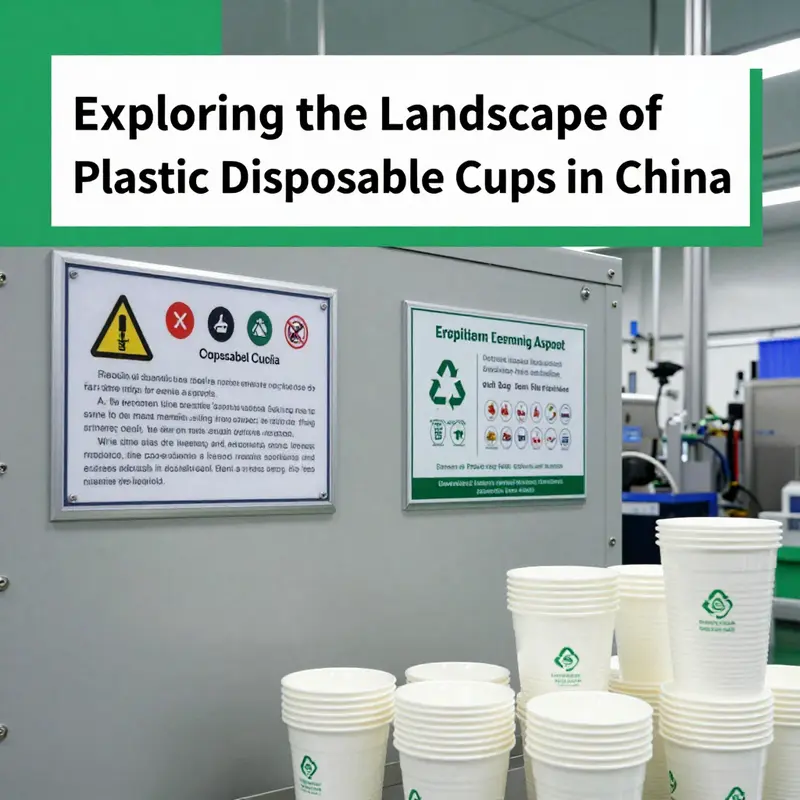
Plastic disposable cups sit at the intersection of daily convenience and planetary stewardship. In China, a vast network of manufacturers, suppliers, and distributors moves cups, lids, and related accessories from factory floors to cafes, offices, and events, making regulation and environmental practice highly consequential. The policy narrative emphasizes reducing leakage into nature and strengthening end-of-life recovery, while preserving affordable, reliable supply for consumers and businesses. The waste-management framework prioritizes materials with higher recyclability or lower persistence, encouraging use of PET for cold beverages and PP for hot beverages, and pushing for better collection, sorting, and recycling downstream. The aim is to expand the circular economy by clarifying disposal pathways and improving data on materials flows. International dialogue, including WTO discussions on plastic pollution and trade, informs domestic practice through harmonized data standards and shared lessons, without compromising supply chain reliability. Manufacturing excellence remains central. Suppliers are expected to maintain tight tolerances, predictable wall thickness, leak resistance, and robust sealing performance, all while enabling easier end-of-life recovery. Guangdong, Zhejiang, and Hubei anchor a dense plastics ecosystem that supports traceability and coordinated logistics, reducing transport fragmentation and enabling design-for-recycling. Industry design increasingly favors modular packaging and labeling schemes that aid sorting without compromising performance. Consumer and business behavior are shaping the transition. Demand for sustainable options is driving investments in recyclable or biodegradable materials, improved waste sorting, and expanded recycling infrastructure. End users now expect cups that perform well in use and are easier to recycle, with clear end-of-life information for brands and retailers. The path forward blends policy, industry innovation, and global standards. Regulators seek to incentivize recyclable materials, enhance waste-management practices, and improve data collection. Manufacturers align product development with environmental goals, leveraging design-for-end-of-life thinking to preserve performance while reducing footprints. As China remains a leading supplier, the challenge is to translate policy ambitions into concrete, scalable design and process improvements that support a circular economy. In sum, the disposable cup becomes a microcosm of sustainable consumption, where every production decision, packaging choice, and disposal action contributes to a cleaner, more responsible future. Looking ahead, international collaboration will continue to shape best practices in design, labeling, and end-of-life management, with ongoing emphasis on data, transparency, and credible environmental performance.
Smart Factories, Sustainable Materials, and Global Reach: The Evolution of Plastic Disposable Cup Manufacturing in China
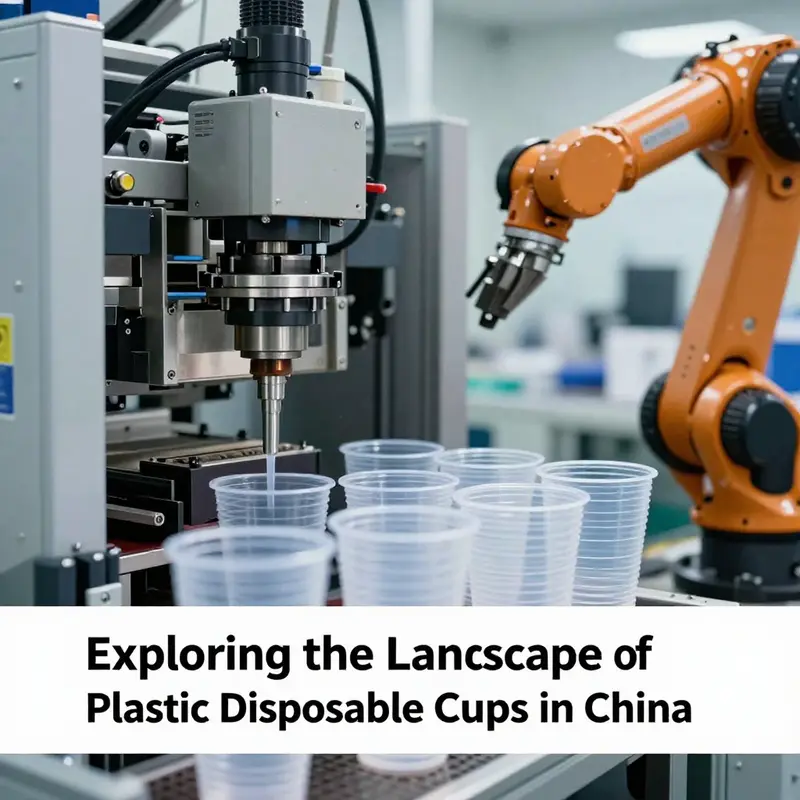
Across China, a quiet revolution is unfolding in the humble plastic disposable cup. It is not a shift in taste or style but a fundamental transformation of how cups are conceived, produced, and delivered. Three forces are driving this change: automation that blends robotics with data-driven control, the steady advance of new materials that balance performance with responsibility, and a market that increasingly prizes sustainable solutions alongside reliability and cost efficiency. The country’s manufacturing heartland for these cups is not a single city but a constellation of regions—Guangdong, Zhejiang, and Jiangsu—each contributing a distinct strength to a broader national capability. In Guangdong, the scale of production and the sophistication of the automation stack turn factory floors into high-velocity ecosystems. Here, cutting-edge injection molding facilities operate in long, continuous cycles, turning raw resin into precise, uniform cups with near-imperceptible variation. The result is not merely volume but consistency; a crucial requirement when supplying global foodservice chains and retailers accustomed to predictable performance. Efficiency in Guangdong isn’t just about fast cycles; it is about the whole value chain coming together. Modern systems synchronize molding, trimming, inspection, labeling, and packaging, with integrated sensors that monitor process parameters in real time. In practice, this means fewer defects, less waste, and shorter times from the factory floor to the shipping dock. Proximity to export terminals further accelerates this flow. Factories in southern China market throughput advantages that translate into shipments moving a full step ahead of many global competitors, with some reports suggesting cycles can be accelerated by as much as a third when measured against other regions. The effect is not merely statistical; it is tangible for buyers who rely on just‑in‑time supply to support high-volume beverage programs or seasonal promotions. The Guangdong model showcases how automation and logistics synergy can compress lead times so that a cup conceived for a new menu can appear in a customer’s hands faster than ever before. The result is a credible path from idea to shelf that reduces both the risk of stockouts and the need for oversized safety buffers in procurement portfolios.
Zhejiang presents a different but equally crucial axis of progress. Where Guangdong emphasizes scale, Zhejiang emphasizes ingenuity. The province has nurtured a reputation as a cradle of R&D in packaging science, with teams focused on pushing the boundaries of what constitutes a plastic cup’s performance envelope. The most notable shifts revolve around sustainable material options that do not compromise heat tolerance or limpness of a cold beverage. Biodegradable and compostable materials, developed from renewable resources such as cornstarch and sugarcane, are transitioning from laboratory curiosity to practical contenders in production lines that once relied solely on conventional polymers like polypropylene (PP) and polystyrene (PS). This is not a theoretical exercise; it is a deliberate retooling of manufacturing recipes to maintain clarity of print, margin stability, and the reliability of seals under hot beverage conditions. In Zhejiang, the integration of material science with process engineering is yielding cups that can withstand hot coffee in a vented lid system or cold fruit beverages in a transparent body, all while presenting a reduced environmental footprint. Such efforts reflect a broader industry trend: the demand for packaging that respects environmental constraints without sacrificing the user experience. It is a delicate balance—machines must handle new resins with different flow properties, shrinkage characteristics, and moisture management, while the downstream equipment, such as molds and printers, must be recalibrated to preserve fit, finish, and brand integrity. Zhejiang’s focus on innovation also extends to end-to-end packaging concepts, where smart design intertwines with sustainable material choices, enabling forms that are both functional and visually engaging. In many factories, the push for green chemistry and renewable feedstocks has led to partnerships with suppliers who can deliver pre‑characterized materials with stable supply and predictable performance across a spectrum of beverage formats. The outcome resembles a carefully choreographed dance: material science informs process tuning, which guides equipment selection, which in turn influences the quality of print and the ease of assembly with lids and printed logos.
Beyond these two hubs lies Jiangsu, a region that often supplies the machinery, tooling, and precision engineering that keep the entire network moving with minimal friction. The Jiangsu belt contributes critical components—high-precision molds, automated inspection systems, and advanced printing technologies—that allow producers to move quickly from concept to pilot run to mass production. A central thread across Guangdong, Zhejiang, and Jiangsu is the tightly integrated nature of the modern supply chain. A remarkable feature of this ecosystem is the degree of vertical integration within a compact geographic footprint. Raw material suppliers, mold designers, printing houses, and logistics providers frequently operate within a 50‑kilometer radius of the manufacturers. The proximity creates a rapid feedback loop that shortens lead times and accelerates prototyping. Designers can test a new cup geometry, iterate on lid compatibility, or revise a branding print within days rather than weeks. This is not mere efficiency; it is a strategic advantage in a market where consumer preferences can shift quickly—from a preference for bolder logos to a demand for more consumer‑friendly barrier properties—driving rapid redesign and revalidation cycles.
On the market side, the story is one of growing demand for sustainable packaging on a global scale. The sector’s trajectory is shaped by a confluence of consumer expectations, regulatory pressures, and the undeniable economics of mass production. Projections point to a market that could reach the vicinity of several hundred million US dollars by the end of the decade, accompanied by a steady CAGR that reflects both resilience and the pull of modernization. In this environment, the integration of sustainability into the hardware and software of manufacturing becomes essential. AI-powered quality control, energy-efficient production lines, and smart manufacturing practices are moving from experimental pilots to mainstream practice in many Chinese factories. These technologies do more than reduce waste; they provide an essential competitive edge. With AI vision systems, for example, cups are inspected not only for obvious defects but for subtler deviations in thickness, corner radii, and print clarity. Energy management systems harvest waste heat and optimize pump and motor loads, further lowering carbon footprints and operating costs. The net effect is a twofold win: manufacturers can meet stringent quality standards while also delivering lower total cost of ownership for customers who require reliable supply over extended contract periods.
The industry’s forward momentum is also closely tied to the broader narrative of sustainability. In Zhejiang, notable effort is directed toward developing and validating materials that offer a practical reduction in environmental impact without sacrificing the performance needed for hot or cold beverages. This includes exploring biodegradable and compostable options derived from renewable sources, paired with careful design to ensure that these cups can withstand the mechanical and thermal stresses of daily use. The debate around sustainability is not purely about materials alone; it also concerns end-of-life handling, recycling compatibility, and the creation of a circular economy around packaging waste. In practice, this means that manufacturers are collaborating with downstream partners, policy bodies, and waste management entities to build systems where cups can be collected, separated, and processed in a manner that minimizes environmental harm while preserving the consumer experience. Such collaborations help address concerns about litter, ocean plastics, and the energy intensity of conventional plastics, without compromising the convenience that makes disposable cups so widely adopted in hospitality, beverage retail, and event settings.
A broader industry current is the ongoing attention to regulatory standards, both domestic and export-related. Governments are increasingly scrutinizing plastic packaging for safety, recyclability, and environmental impact, and the Chinese sector is responding by investing in traceability, standardized production practices, and transparent testing regimes. This regulatory tempo aligns well with the demands of global buyers, who seek consistent performance across diverse markets and climates. In this environment, technology acts as a bridge—enabling compliance through documentation of material provenance, process controls, and batch traceability. As a result, the supply chain becomes not only more reliable but more adaptable to evolving standards and consumer expectations. The phenomenon of vertical integration within a tight network of suppliers and service providers turns responsiveness into a durable capability. If a customer requests a specific gradient print, a brand‑aware cup spec, or a new barrier layer for hot liquids, the nearby ecosystem can respond rapidly with a co‑located team of engineers, mold makers, and quality specialists collaborating in a single geographic area rather than across continents. This is a practical form of resilience—less exposed to global disruptions and better able to sustain consistent service levels during market fluctuations.
As buyers consider the merits of sourcing plastic disposable cups from China, the integrated technology and manufacturing philosophy described above offer a coherent value proposition. The combination of automated throughput, material innovation, and tight cross‑functional collaboration supports a broad array of use cases—from small coffee kiosks and hotel banquet services to large‑scale event operations and international foodservice contracts. Yet the story is not one of uniform sameness. The Guangdong pattern emphasizes scale and speed, Zhejiang highlights sustainability and material science, while Jiangsu contributes precision tooling and process reliability. Together, they form a diversified ecosystem that can tailor solutions to customer needs without sacrificing the economies of scale that make mass production feasible. Even within the same regional cluster, manufacturers can pivot between cup sizes, flavors of resin, and printing styles with relative ease, thanks to modular lines, standardized molds, and digital process controls. That flexibility is particularly valuable as consumer preferences shift toward more differentiated packaging—whether that means clearer visibility of the beverage, better grip textures, or branding that can be updated on a seasonal basis without a costly overhaul of the entire line.
The convergence of these factors—automation, sustainable materials, and integrated supply networks—also naturally opens space for alternatives to plastic where appropriate. A growing segment of packaging ecosystems includes paper cups and other renewable alternatives that appeal to sustainability-minded clients. While the plastic cup remains deeply embedded in high-volume beverage service due to its barrier properties, clear trends toward greener design are visible, and some manufacturers actively explore adjacent markets or hybrid packaging concepts to broaden their offerings. For readers who track packaging ecosystems closely, it’s clear that the discourse around plastics is evolving from a binary ‘plastic good, plastic bad’ debate to a more nuanced landscape that values recyclability, energy efficiency, and end-of-life stewardship as much as performance and cost. In the long run, the successful players will be those who can marry reliable manufacturing with responsible material choices, transparent testing, and agile supply chains that can adapt to shifting global demands.
For buyers in search of cutting‑edge solutions, the Chinese model presents a compelling blueprint. Advanced automation, coupled with a disciplined approach to material science and a tightly integrated local network, creates an ecosystem capable of rapid iteration and scalable production. The region’s evolution underscores an important point: the most effective packaging suppliers are not just producers of a single item but orchestrators of a broader system. They combine extrusion, molding, and printing with smart logistics and environmental stewardship to deliver cups that meet the exacting needs of modern foodservice, while remaining responsive to evolving regulations and consumer expectations. As the industry continues to modernize, the ability to innovate at speed—without losing control of quality or cost—will determine which players gain the most traction in global markets.
Internal link note: for readers interested in adjacent packaging formats that reflect the broader shift toward sustainable design, a recent example of eco-friendly paper cup packaging shows how some suppliers are framing the future of disposable cups across material families. eco-friendly-printed-logo-cold-beverage-cup-paper-cup-with-lid.
External resource for further reading: https://www.reuters.com/business/industries/china-plastic-industry-advances-sustainability-2025-04-27/
Pouring Growth and Pressure: The Economic Footprint of China’s Plastic Disposable Cup Industry
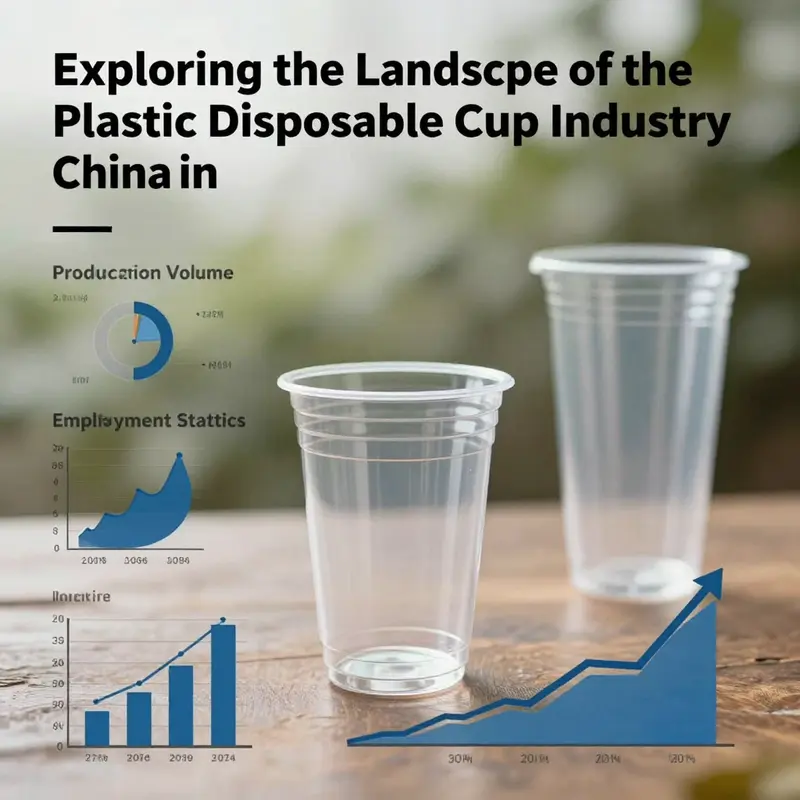
The plastic disposable cup industry in China sits at a crossroads where everyday convenience intersects with national manufacturing capability and pressing environmental considerations. To understand its economic footprint is to trace a path from vast, interconnected supply chains to the rhythms of countless food service venues, beverage retailers, and community gatherings. Across coastal manufacturing belts, especially in provinces known for plastics processing, factories churn out a wide spectrum of cups in multiple sizes, transparencies, and film-like textures. These cups—designed to hold cold drinks, fruit beverages, milk tea, and smoothies—are not merely containers; they are components of a massive logistics ecosystem. They connect raw material suppliers with mold makers, printers, and fill-and-pack operations, then feed distribution networks that blanket urban centers and reach into smaller towns. The scale of production, logistics efficiency, and the ability to customize at scale have become defining features of the sector, enabling rapid response to seasonal demand, promotional campaigns, and the evolving needs of an eating-out culture that prizes speed and reliability.
Market dynamics reveal a sector that has embedded itself deeply in consumer daily life. Estimates project the Chinese plastic disposable cup market to reach around 807 million USD in revenue by 2030, with a compound annual growth rate of roughly 5.4 percent from 2025 through 2030. Presently, plastic cups dominate the market, accounting for more than seven-tenths of sales. This dominance is not accidental. It stems from low production costs relative to many alternatives, the unparalleled convenience of single-use items in fast-service environments, and the maturity of supply chains that feed a vast network of manufacturers, packaging specialists, and distributors. The economics of scale have allowed vendors to offer a broad range of options—from clear, crystal-like transparency that flaunts beverage color to more opaque or tinted variants that shield contents or suggest branding. In many regions, the supply chain for these cups is well established enough to accommodate both large-batch orders and small, flexible runs, supporting functionality for a variety of venues—from busy coffee shops to festival concessions. This versatility has reinforced their market position and strengthened their adoption in both urban gastronomies and rural collectives where on-the-go consumption remains common.
Yet the very factors that have anchored the industry—low unit costs, reliability, and a broad, adaptable distribution—also illuminate the scale of the environmental and social costs involved. The rapid growth of disposable cups translates into a significant increase in plastic waste. In addition to the challenging end-of-life management for countless cups, there are broader ecological considerations, including the accumulation of microplastics in waterways and potential impacts on marine ecosystems. Public discourse and regulatory attention have intensified as consumer awareness of plastic waste grows and as evidence mounts about the long tail of disposables in ecosystems. The economic narrative thus extends beyond revenue figures and production timelines to questions about waste management capacity, recycling infrastructure, and the social cost of environmental externalities. In this context, the industry is being urged to adapt with a sense of responsibility that acknowledges both growth and stewardship.
Regulatory and consumer responses are shaping a transitional trajectory for the sector. Regulators, environmental advocates, and conscientious consumers are pushing for shifts toward more sustainable packaging options. The discourse around eco-friendly alternatives has gained momentum in tandem with broader national and municipal commitments to reduce single-use plastics. One strand of this transition emphasizes biodegradable, compostable, or otherwise lower-impact materials for cups and their lids. A separate but related movement champions reusable cup systems, which can dramatically reduce waste in settings such as tea and coffee shops that experience high turnover and frequent customer visits. In practice, this regulatory and cultural shift translates into pilot programs, industry collaborations, and investment in recycling and circular economy initiatives. The idea is to bend the economic incentives so that sustainability does not come at the cost of growth but rather becomes a driver of innovation, efficiency, and new business models.
The transformation of the business model is already visible in the way producers and suppliers approach product design and service offerings. The industry is experimenting with the full lifecycle of cups—from material choice and manufacturing technique to end-of-life pathways. Advances in modular design, better sealant technologies, and standardized dimensions for lids and insulators enable smoother integration across the supply chain. The integration of printed logos, brand marks, and other customizations has become a common feature, yet these capabilities are increasingly balanced with demands for recyclability and compatibility with upstream recycling streams. In this sense, the sector is navigating a complex optimization problem: maximize product utility and brand differentiation while minimizing environmental impact and waste leakage. This is where the concept of a circular economy begins to exert real influence, encouraging a shift from single-use convenience toward systems that recycle, repurpose, or reuse components wherever possible. Investments in recycling infrastructure and partnerships with municipal waste programs are part of the broader strategic response, enabling better capture, sorting, and processing of plastics at the end stage of a cup’s life.
The local and regional economies tied to the plastic cup sector are substantial. In major manufacturing belts, employment opportunities extend beyond the shop floor to include mold design, toolmaking, quality assurance, and logistics coordination. The capacity to produce a broad array of cup formats, from standard seven-ounce to larger 500-milliliter variants, requires sophisticated tooling and a stable supply of feedstock. Firms in these regions have built resilient networks that can absorb fluctuations in demand and supply, a resilience that comes from diversified client bases including food-service operators, beverage retailers, and event organizers. This industrial backbone also supports ancillary activities—from dyeing, printing, and labeling to packaging and warehousing—creating a wide ripple effect that touches local economies and regional trade. The employment and income linked to these activities contribute to regional development, alter the structure of local labor markets, and shape the competitive landscape for plastics-related industries in China.
Looking ahead, the economic outlook for the plastic cup sector will be shaped by a balance between growth incentives and environmental accountability. The short-term benefits of scale, low-cost production, and robust distribution will continue to fuel output and employment. In the longer term, however, the trajectory will hinge on how quickly and effectively the industry can pivot toward sustainable packaging and circular deployment of resources. This implies not only switching materials or purchasing more environmentally friendly inputs but also reconfiguring production processes to minimize waste and optimize energy use. The potential for innovation is high: new resin formulations, recyclable tiered packaging, and improved recycling technologies can alter the cost-benefit calculus of disposables and open up opportunities in eco-packaging sectors that align economic viability with ecological stewardship. As the conversation about sustainable materials intensifies, manufacturers may explore partnerships with paper-based or bioplastics suppliers, as well as with firms focused on waste reduction and social responsibility. The economic impact, therefore, is not a static figure but a dynamic portrait of adaptation—one that reflects the industry’s capacity to respond to regulatory pressure, consumer expectations, and the imperative to harmonize growth with accountability.
Within this evolving landscape, a useful waypoint for readers is the ongoing discussion about alternative packaging ecosystems. For stakeholders considering a future beyond traditional plastics, the possibility of integrating recyclable or compostable components—such as eco-friendly pulp-based cup holders that support take-away coffee or cold beverages—offers a concrete illustration of how the sector could reconfigure its value chain while maintaining service levels. The idea is not to abandon efficiency but to reframe it, so that the cost of environmental impact is internalized in design, production, and end-of-life management. See an example of this approach here: eco-friendly-recyclable-pulp-2-4-cups-coffee-take-away-cup-holder. This anchor points to a direction where sustainable packaging intersects with existing competencies in plastics manufacturing, enabling a gradual, scalable transition rather than a wholesale replacement of materials.
The broader narrative therefore returns to the essential tension between economic vitality and environmental imperatives. China’s plastic disposable cup industry has established itself as a pillar of manufacturing and service-sector efficiency, delivering cost advantages, consistent quality, and a capacity to tailor products to a wide array of applications. At the same time, the industry faces a growing chorus urging responsibility for waste, a chorus that is increasingly influential in policy settings and consumer behavior. The economic story will be read through the lens of how well the sector can reconcile these threads: preserve the supply chain’s strength and employment while accelerating progress in recycling, waste reduction, and the adoption of alternative materials. The path forward may involve a combination of incremental improvements—improved materials, better manufacturing practices, enhanced end-of-life recovery—and bold shifts into new packaging paradigms that emphasize reuse, durability, and circularity. In this sense, the future of plastics in disposable cups in China is not merely about avoiding a downturn but about reimagining a mature industry so that it remains economically robust while contributing to a cleaner environment and a more sustainable urban lifestyle.
External resources can illuminate the scale and dynamics of this shift. For readers interested in broader market projections and sector-specific analyses, external research outlines a trajectory that includes sustained demand for single-use cups in the near term, coupled with an accelerating pivot toward sustainable alternatives as regulatory and consumer pressures intensify. Such readings provide a macroeconomic context for the micro-level realities described above, showing how policy, technology, and consumer preferences intersect with production economics to shape the industry’s long-run outlook. External resource: China Disposable Cups Market Size & Outlook, 2025-2030.
Final thoughts
The plastic disposable cup industry in China is not only a cornerstone for the food and beverage sectors but also a dynamic ecosystem shaped by innovation and adaptation to market and regulatory changes. As trends shift towards sustainability and advanced technologies improve production processes, businesses in this sector must navigate the complexities of consumer preferences and environmental impacts. Understanding these dimensions will empower bubble tea shops, restaurants, event planners, and corporate procurement teams to make informed decisions, enhancing their operational efficiency and positioning themselves favorably in the marketplace.