
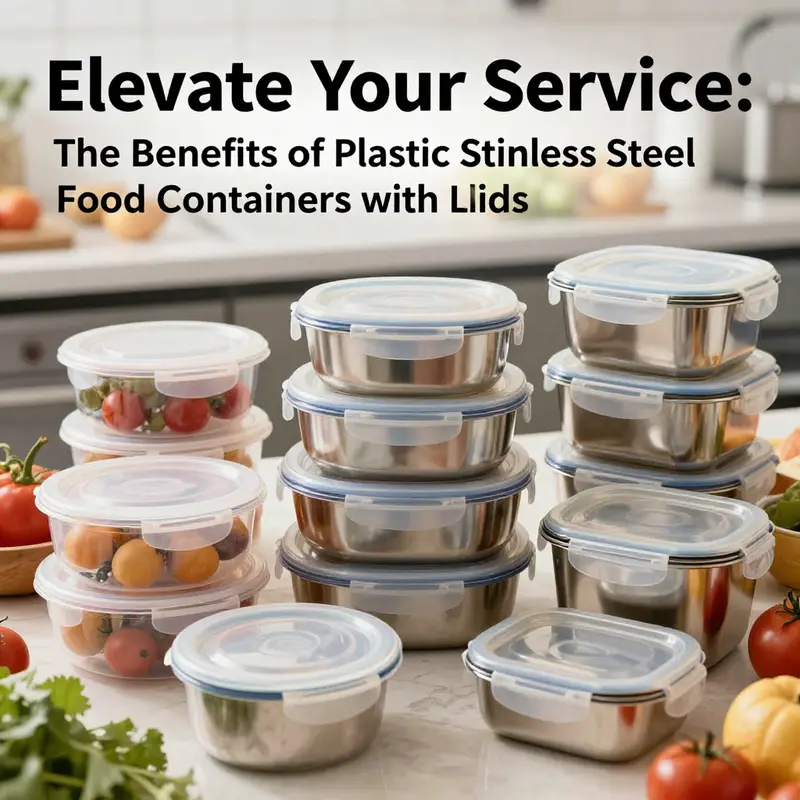
In search of the perfect food storage solutions? Both plastic and stainless steel containers with lids offer unique advantages for businesses in the food and beverage industry. For bubble tea shops, restaurants, food trucks, and catering services, understanding the properties and benefits of these containers is crucial. This guide delves into aspects like material safety for consumer health, economic considerations tied to sustainability, design innovations that enhance usability, and a comparative analysis to empower your procurement decisions. Each chapter builds upon these themes, setting you up for informed choices that improve service quality and uphold environmental values.
Stainless Steel Food Containers with Lids: Safety, Strength, and the Science of Freshness
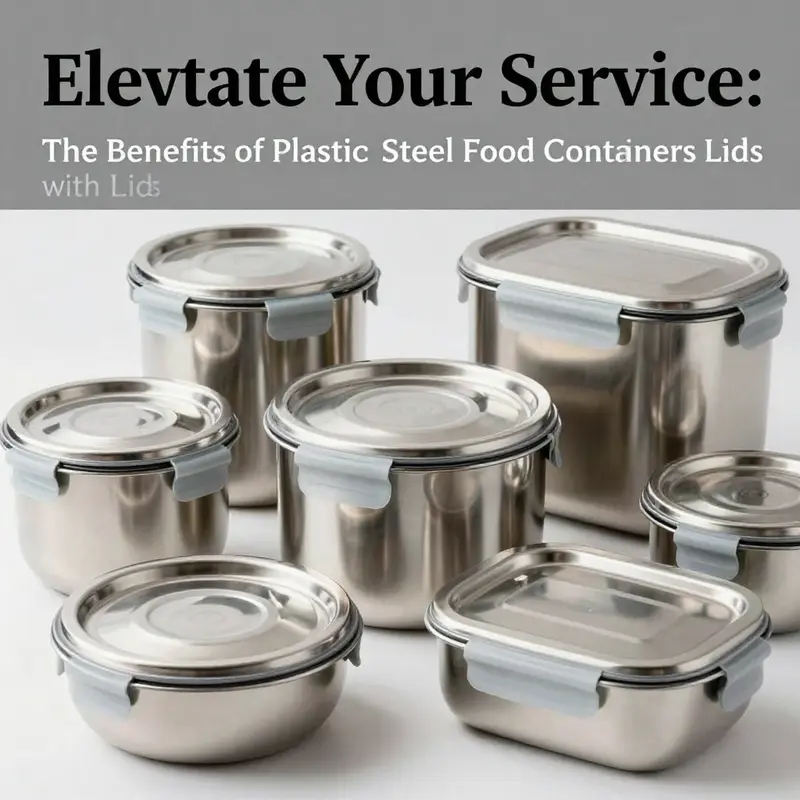
The appeal of stainless steel food containers with lids rests on a simple line of thinking: a durable, nonreactive vessel that protects what you store without introducing unwanted substances. In kitchens from home to professional settings, these containers have become a standard because they address several real needs at once. They are built to resist corrosion and wear, to handle a wide range of temperatures, and to seal in flavors and nutrients while keeping external contaminants out. The material at the heart of this choice is high grade stainless steel, typically 304 or 316 grade, known in the trade as 18/8 or 18/10 depending on its precise composition. What makes these numbers meaningful in everyday terms is their link to safety and performance. Stainless steel is non toxic, non porous, and has a long history of use in food handling because it does not leach chemicals into food, even when the containers hold acidic ingredients like tomatoes or citrus. In a landscape where plastic can degrade over time and micro plastics can become a concern, stainless steel offers a barrier that remains stable through repeated use and multiple cleaning cycles. Certifications such as FDA alignment and ISO 9001 compliance further reassure buyers and operators that the containers meet established standards for safety and quality. The lid, far from being a mere closing device, completes the system. Many modern designs rely on food grade silicone gaskets or lids made from sustainably sourced materials such as FSC certified bamboo. Silicone gaskets play a critical role by forming airtight seals that keep out air and moisture, which helps maintain freshness for longer and reduces the likelihood of food spoilage during storage or transport. Bamboo lids, in turn, offer a renewable and biodegradable option that minimizes reliance on plastic while still delivering the secure seal that users expect. The pairing of a stainless steel body with an eco friendly lid material becomes a practical statement about how households and businesses can pursue durability without compromising on environmental values. When evaluating safety and performance, it is useful to step through how these containers behave across real world scenarios. In terms of temperature resilience, stainless steel proves its mettle. It can handle extremes, with the ability to withstand freezing temperatures down to minus 50 C and warming up to roughly 220 C in certain use cases. This broad thermal tolerance means the same container can be used for refrigerated storage, hot meals, or even oven pre heating in some situations, provided the lid and the body are compatible with heat. The result is a versatility that is particularly attractive to meal prep enthusiasts and professionals who must move meals from fridge to work station and beyond without needing multiple containers. Of course, not every model is designed for every situation. When a container is said to be oven safe, there are realistic limits to temperature and duration, and some designs are intended to tolerate heat only for brief periods or at modest temperatures. Speaking to everyday practice, many containers are microwave safe for reheating if their lids are made from compatible materials or if vents and seals are designed to tolerate microwaves. This is where the label matters most: it is not enough to know that metal can withstand heat, but rather to know that the lid system permits safe heating without pressure build up or lid damage. Double walled vacuum insulated versions extend this capability further. They act as small thermoses for food jars, maintaining hot meals or cold foods for extended periods. They are especially valued for transport and long meal breaks when access to a warmer or cooler environment is limited. In professional kitchens, the standardization of stainless steel containers aligns with equipment such as steam tables, bain-maries, and ovens. The modular, stackable designs optimize space and workflow, allowing small teams to pre assemble meals or bulk servings with speed and consistency. Robust construction resists dents and rust, enabling frequent cleaning and long service life even under heavy daily use. Yet every strength has a caveat. Stainless steel conducts heat and cold readily, so touchable parts like handles can become hot or cold to the touch. Metal utensils used with these containers can nick or scratch the interior surface if care is not taken, though many modern lines incorporate smooth, easy to clean finishes that resist staining and corrosion. It is also important to recognize that while many containers are microwave compatible, lids and seals can determine overall microwave safety. A non metallic lid or a lid with incompatible components can negate the microwave friendly benefit even if the body itself is suitable for heat. Consumers should check the specific guidance from manufacturers, especially when heat processing is involved. The safety story extends beyond the kitchen into the broader supply chain. For buyers who value certification, looking for FDA acceptance for the material, LFGB compliance for silicone or bamboo components used in contact with food, and third party audits can offer additional confidence. While stainless steel itself carries fewer risk factors in terms of chemical leaching, the broader system includes the lid and any coatings, gaskets, or sealing elements. When a container uses silicone gaskets, some shoppers prefer LFGB certified silicone to ensure migration safety is rigorously evaluated in German food contact standards. Bamboo lids add another layer of sustainability, promoting renewability and biodegradability, while still delivering a high level of functional integrity. In terms of life cycle, stainless steel holds an advantage over many plastics when used for extended periods. The cleanability of metal, its resistance to staining, and the lack of micro particles from wear contrast with plastic containers, which can degrade and shed microplastics under heat and heavy use. Yet this advantage depends on how the container is cared for. Dishwashing, drying conditions, and avoidance of harsh abrasives all contribute to keeping the surface smooth and free of micro scratches that could harbor bacteria. This is where user behavior interplays with material performance. The strongest containers in the market are those that combine sturdy construction with thoughtful lid engineering. Airtight seals, reinforced rims, and ribbed or contoured bodies that resist bending under pressure all contribute to reliability in daily use. The design language of these containers—often rectangular or square with rounded corners—maximizes space efficiency in cupboards and on shelves while supporting easy stacking. This kind of rational design matters greatly for meal prep and transport, where space constraints and the need for rapid access collide. The eco story, a prominent thread in contemporary packaging, aligns with consumers who want to minimize waste. Stainless steel with natural lids or bamboo options offers a path away from plastic. The eco friendly message grows stronger when users pair these containers with recycling or composting practices that respect material boundaries. Bamboo lids, when managed responsibly, reflect a renewable resource, and the containers themselves are highly recyclable at end of life. The trade off remains cost and weight. Stainless steel containers are typically heavier than their plastic counterparts and can require a higher upfront investment. This is a practical consideration for families and organizations that juggle budget concerns with long term durability. The weight factor also translates into portability; some users may prefer the lighter plastic option for on the go use, while others prioritize the lifetime value and safety profile of metal. The question then becomes how to balance short term needs with long term goals. A thoughtful approach begins with clarifying use cases. If you store foods that are acidic or long lasting in the container, stainless steel presents fewer concerns about degradation. For hot meals or cold meals on the move, the double walled systems or insulated variants can be a game changer, preserving temperature more effectively than most single wall alternatives. If you anticipate frequent cleaning in high heat, ensure the lids and gaskets are designed for dishwasher compatibility and verify whether the seal materials tolerate repeated exposure to detergents. In practice, many households discover a mixed approach works best: stainless steel for everyday meal prep and transport, supplemented by more lightweight options for brief outings or disposable style meals. This pragmatic view respects the strengths of each material while preserving a unified stance on safety and sustainability. For consumers seeking certified safety and sustainability, look for products with clear labeling that references FDA acceptance, LFGB standards for contact safety, or FSC documentation for bamboo elements. These signals offer reassurance that the product has undergone established checks for environment and health. As the conversation about packaging evolves, the science behind the containers present a compelling argument for steel. The metal’s robustness and non reactive properties help maintain the integrity of stored food over time, while the lid systems protect against air exchange and moisture loss. In commercial settings, where standardized sizes and compatibility with transport and warming infrastructure matter, stainless steel containers with well engineered lids are not just containers but integral components of the kitchen workflow. They interact with steam equipment, warming trays, and cold storage units in ways that plastic alternatives often cannot match in reliability and sanitation. That said, informed consumer choice remains essential. When evaluating a set for home use, consider not only the lid material but how the entire assembly will be cleaned and stored. Look for a consistent finish that resists staining, easy to wipe clean, and a gasket that can be replaced without specialized tools. A good practice is to budget for occasional gasket replacement, since seals wear over time and can compromise airtight performance if neglected. The narrative of stainless steel containers with lids centers on a practical truth: safety and performance are the product of materials, engineering, and careful use. They embody a design philosophy that places food safety, durability, and environmental responsibility at the forefront of everyday storage choices. In this sense, the containers transcend mere function and become a statement about how people live with food day by day. The internal dialogue between home cooks and professional kitchens often arrives at the same conclusion: when you want a dependable, long lasting vessel that can withstand heat, cold, handling and multiple wash cycles without compromising the contents, stainless steel with a well designed lid system stands out. For those who are curious about how these materials compare with alternatives that have historically filled similar roles, a practical exploration of other packaging forms—such as recyclable paper bowls with lids—can illuminate the tradeoffs in weight, cost, and environmental footprint. You can explore a representative option here: disposable Kraft paper bowl with lid. While it does not offer the same durability or temperature resilience as metal, it represents part of the broader conversation about how best to balance safety, convenience, and sustainability in everyday storage. For readers who want a broader, external perspective on stainless steel containment and the materials used for eco friendly lids, a comprehensive supplier reference is available online. External resource: https://www.alibaba.com/product-detail/Stainless-Steel-Lunch-Box-Sets-with-Bamboo_1600729742552.html?spm=a2700.details.0.0.1f9d1c3cKpT6Qw
Lids, Logistics, and Lifecycles: The Economic and Environmental Footprint of Plastic Food Containers
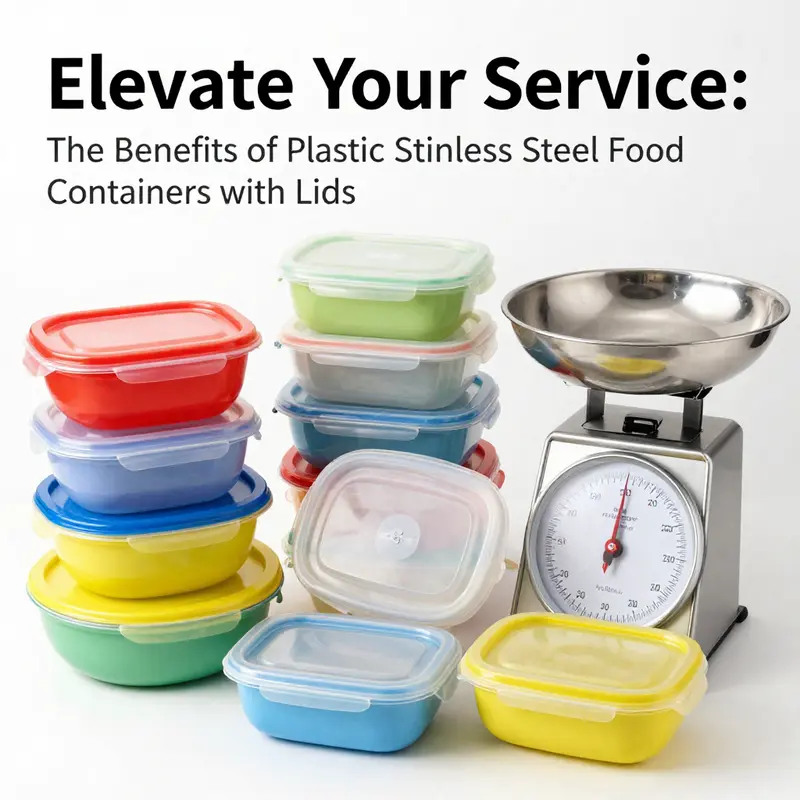
Plastic food containers with lids enable convenient storage and shipping by being lightweight, inexpensive, and easy to stack. This combination supports lower transportation costs and predictable pricing for households, schools, and food-service operations. Yet the same traits that make them popular also shape their lifecycle in ways that matter for the economy and the environment. Production relies on fossil-fuel–based polymers, and while durable designs extend reuse, the actual environmental benefits depend on how long containers last, how often they are reused, how they are cleaned, and how end-of-life materials are managed. When containers are reused many times and properly recycled, the per-use impact can be lower than single-use alternatives; when they fail early or are disposed of under-resourced systems, the hidden costs—waste, emissions, and resource depletion—rise. The sealing performance of a lid, its resistance to heat, and the material’s ability to withstand repeated washing influence spoilage rates and food safety as well as the frequency of replacement. Recycling infrastructure, contamination levels, and consumer participation determine how much plastic actually re-enters productive material cycles. In many regions, plastic codes such as PET, HDPE, and PP indicate recyclability, but local acceptance and processing capabilities ultimately decide outcomes. Alternatives like glass or metal offer durability and inertness but come with higher upfront weight and sometimes greater upfront costs, affecting transport emissions and total life-cycle judgments. The most sustainable path tends to combine durable designs with responsible use, careful washing, and robust systems for recycling and waste management. Policy guidance and consumer education can further shift practices toward reuse and improved recovery rates. In short, the environmental and economic performance of plastic containers with lids emerges from the interplay of design, use habits, cleaning, and the strength of local recycling ecosystems.
Sealed for Freshness: Design Innovations in Plastic and Stainless Steel Food Containers
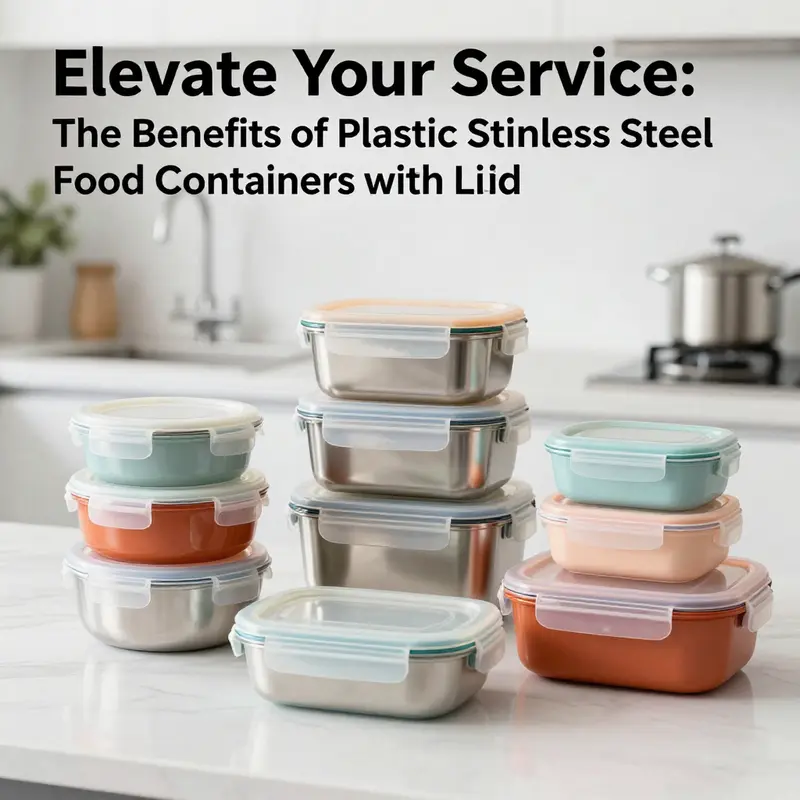
The modern kitchen has become a workshop for material science and everyday practicality. Containers with lids are no longer mere storage boxes; they are designed interfaces between food safety, convenience, and sustainability. In the dialogue between plastic and stainless steel, lids matter as much as the bodies they cap. The design innovations shaping these two families reflect a shared aim: to preserve freshness, simplify use, and minimize environmental impact without compromising durability or safety. Across both materials, the most transformative advances are not about novelty alone but about how form and function align with real-life rituals of cooking, packing, reheating, and sharing meals. When we examine these developments as a continuum, a few threads emerge that illuminate how today’s containers perform better in kitchens, workplaces, and on outdoor adventures, while also challenging us to rethink waste and resource use.
Stainless steel containers with lids have grown in popularity because they address several stubborn issues that once limited practical daily use. Food-grade stainless steel, typically 304 grade, is inherently non-toxic, corrosion-resistant, and free from the health anxieties associated with some plastics. The material’s robustness translates into long service lifespans, which, at scale, can dampen the environmental footprint tied to frequent replacements. Certifications such as FDA compliance and ISO9001 signaling add a layer of reassurance for both home cooks and professional kitchens. Yet even within stainless steel, design decisions matter. Across the spectrum, researchers and manufacturers emphasize that the seal quality of a lid and the geometry of the container are as critical as the metal itself. A well-sealed lidded container does not just keep odors contained; it preserves moisture and nutrients, fights oxidation, and reduces the need for frequent reorganization in the fridge or on a shelf. In addition, carefully chosen lid materials can broaden the container’s safety profile. Silicone seals, for example, deliver reliable airtight performance and can handle repeated washing without losing elasticity, while easy-grip handles and rounded corners streamline stacking and cleaning. In some eco-conscious configurations, even the lid’s construction shifts toward renewable resources, such as bamboo or other plant-based composites, blending the premium feel of metal with a lighter, more sustainable touch.
On the plastic side, the advantages are different but no less important. Polypropylene (PP) and polyethylene terephthalate (PET) remain among the most commonly used plastics in food storage thanks to their light weight, versatility, and cost efficiency. Plastic containers often come with features that stainless steel can struggle to match: ultra-tight seals at a low price point, color variety for easy content identification, and a range of shapes that maximize packing density in a bag or a lunch box. However, the environmental calculus for plastic is more complex. Plastic containers are efficient for short to mid-term storage and are easy to recycle in many regions, but the environmental footprint—especially when single-use or poorly recycled—remains a critical concern. For long-term reuse, the best plastic designs emphasize durability, dishwasher safety, and multi-use resilience. In many designs, lids are engineered with venting systems to release steam during reheating or to prevent pressure buildup in transit. Some modern plastic lids even mimic the see-through advantage of glass by incorporating translucent panels crafted from eco-friendly plastics, which helps users identify contents quickly without opening the container. This kind of transparency answers a practical need: in a busy household or a professional kitchen, knowing what’s inside at a glance saves time and reduces waste.
A particularly telling design thread is the emergence of translucent lids for stainless steel and plastic containers. These lids, produced from eco-friendly plastics, allow users to recognize contents without breaking the seal. The benefit is twofold: it streamlines meal prep and reduces the frequency with which containers are opened, a factor that helps preserve freshness and minimize temperature fluctuations that can accelerate spoilage. In practice, see-through lids support organizational efficiency in meal planning and in settings such as hotel kitchens or catering operations where quick content checks are essential. A case in point from research highlights a 5-piece stainless steel container set with translucent lids available through a major online marketplace. While the exact brands and models matter less than the principle, the pattern is clear: visibility inside the container becomes a design criterion rather than a happy accident. A transparent lid enables a quick content scan across the fridge or during packing, which translates into better inventory control and less food waste.
Another core design trend centers on stackability. Space efficiency is a premium in both domestic and commercial environments. Stackable designs are not merely about vertical storage; they enable containment systems that reduce clutter, improve cold-chain management, and support organized meal prep workflows. In practice, stackability often pairs a corrosion-resistant stainless steel body with a silicone-sealed lid. The silicone not only seals tightly to prevent leaks but also cushions the contact between containers when they nest, reducing wear and scuffing that long-term use might otherwise induce. The practical payoff is substantial: in kitchen cupboards, catering setups, and outdoor environments such as camping trips, containers can be stored compactly, transported securely, and fetched quickly when needed. The airtight seal is central here, helping to preserve the freshness of salads, marinated meats, or pre-cooked components for hours or even days. This reliability makes stainless steel containers particularly attractive to meal-preppers who aim to balance convenience with disciplined freshness control.
Then there is the social and environmental dimension. Across design conversations, there is growing emphasis on environmentally responsible packaging that reduces single-use waste and extends useful life. Some stainless steel options are paired with eco-friendly lid materials, including bamboo or other renewable, biodegradable components. The bamboo lid, for instance, represents a deliberate effort to lower the reliance on plastics while maintaining a premium aesthetic and tactile experience. In collaborative environments like hotels, events, and commercial kitchens, such combinations can communicate value and responsibility at a glance, signaling a commitment to sustainability without sacrificing performance. Yet it would be naïve to position stainless steel as a universal answer. The physical heft of metal makes it less ideal for some users who prioritize ultra-lightweight portability, and the upfront cost remains higher. This is the trade-off that designers constantly negotiate: premium durability and safety versus affordability and convenience for quick, everyday usage.
In parallel, glass containers offer an alternative that some users prefer for non-reactive storage and microwave compatibility. Glass sits at an interesting junction because it is non-toxic and non-reactive, but it carries fragility, higher weight, and typically higher upfront costs than plastics or some metal variants. The evolving design discourse thus leans toward a family of solutions where users can choose based on scenario, not just material allegiance. Home cooks often weigh the advantages of stainless steel’s ruggedness and its heat tolerance against glass’s non-reactivity and clarity; each choice invites a distinct handling routine and care protocol. The result is not a single best container but a curated toolkit aligned with content type, reheating needs, and long-term reuse goals.
All of these design directions speak to a broader shift in how households and institutions think about storage, transport, and reuse. The modern container is judged not only on whether it keeps food safe and fresh but also on how easily it integrates into daily life. How simple is it to disassemble for cleaning, to stack for storage, and to monitor for wear over time? How forgiving is the lid to repeated dishwasher cycles, or to occasional drops without denting the seal? These practical metrics—ease of cleaning, resilience of the seal, and the container’s ability to withstand a range of temperatures—are where most innovations converge. They are not purely aesthetic decisions; they are about reliability that people can count on during a busy week, across different meal routines, and in diverse environments from family kitchens to industrial kitchens and field operations.
In thinking through the design implications for users, it is important to highlight how lids function as the interface between container and climate. A lid is not an afterthought; it is the key to managing microclimates inside the container. A well-designed lid accommodates steam release when reheating without compromising the seal for storage. It resists steam-induced warping, maintains hygienic integrity, and can survive repeated washing without losing its elasticity. When the seal is consistent and durable, users can transport meals with confidence, knowing that sauces will not seep out and that food will stay at the intended temperature for longer periods. The choice of lid material—silicone, plastic, bamboo, or a hybrid—carries consequences for heat resistance, odor retention, and the visual appeal of the product. Each choice interacts with surface finishes, edge geometry, and even the labeling on the lid or body. In short, lid design threads through the entire user experience from selection to daily use, and it is often the deciding factor for how often a container will be reused rather than discarded.
Looking forward, designers are exploring incremental and transformative innovations that promise to push these advantages further. Modular lids that interlock across different container sizes can reduce the number of lids households need to manage. Multi-color or clearly marked measurement scales on the lids can assist portion control and inventory planning. Advances in silicone formulations improve long-term elasticity and heat resistance, reducing the need for replacement. On the materials front, ongoing research into recycled or bio-based plastics aims to soften the environmental impact while retaining the performance users expect. The balance between rigidity, seal integrity, and tactile comfort continues to guide both product development and user education, ensuring that the benefits of durability do not come at the cost of usability or sustainability.
Within this evolving landscape, the chapter of design innovations in plastic and stainless steel containers with lids is not a catalog of features but a narrative about designing outcomes. The outcomes are clearer food safety, longer freshness windows, more efficient life cycles, and a kitchen culture that values reuse over disposal. The practical implications extend beyond personal kitchens into hotels, catering services, and corporate cafeterias where large volumes and high turnover demand robust, reliable systems. In such settings, stackable, airtight containers with translucent lids can transform workflow, enabling better stock control, easier training for staff, and fewer losses due to spoilage.
For readers who want to see how lid design translates into everyday packaging choices, a related exploration of lid-integrated packaging in disposable takeaway products provides a helpful reference point. See the discussion around a disposable takeaway paper cup with lid for insights into how visible content indicators and secure seals influence consumer behavior in fast-paced environments. This cross-material comparison underscores a shared design logic: the lid is a portable gateway to safety, efficiency, and sustainability, regardless of whether the container is metal, plastic, or glass. The insights from such packaging ecosystems reinforce the principle that thoughtful lid design increases the likelihood of reuse, lowers waste, and enhances user satisfaction across contexts.
In sum, design innovations in plastic and stainless steel food containers with lids are not about chasing novelty; they are about realigning form with function. They reflect a growing commitment to healthier ecosystems, where durable materials meet intelligent sealing, where see-through lids reduce wasteful rummaging, and where stackability frees up precious kitchen real estate. They embody a philosophy of everyday engineering—one that treats a lid not as a cap but as a critical control point in the journey from raw ingredients to a finished meal. This is a story of practical elegance: containers that perform when you need them, adapt to your routines, and endure through repeated use. It is a story that will continue to unfold as new materials, new manufacturing methods, and new cultural expectations shape how we store, transport, and savor food in the years to come.
External resource: https://www.alibaba.com/product-detail/5-PCS-Stainless-Steel-Food-Container-Set_1600973849597.html?spm=a2700.7724857.0.0.1c3e3a3dGKzRgQ
Internal reference: For a related look at lid-driven packaging design in lightweight takeaway systems, see disposable takeaway paper cup with lid. The parallel lessons on visibility, sealing, and reuse illuminate how design decisions in one material family can inform the others, guiding manufacturers toward more sustainable, user-friendly outcomes across the board.
Guardians of Freshness: Sustainable Storage Across Materials and Design
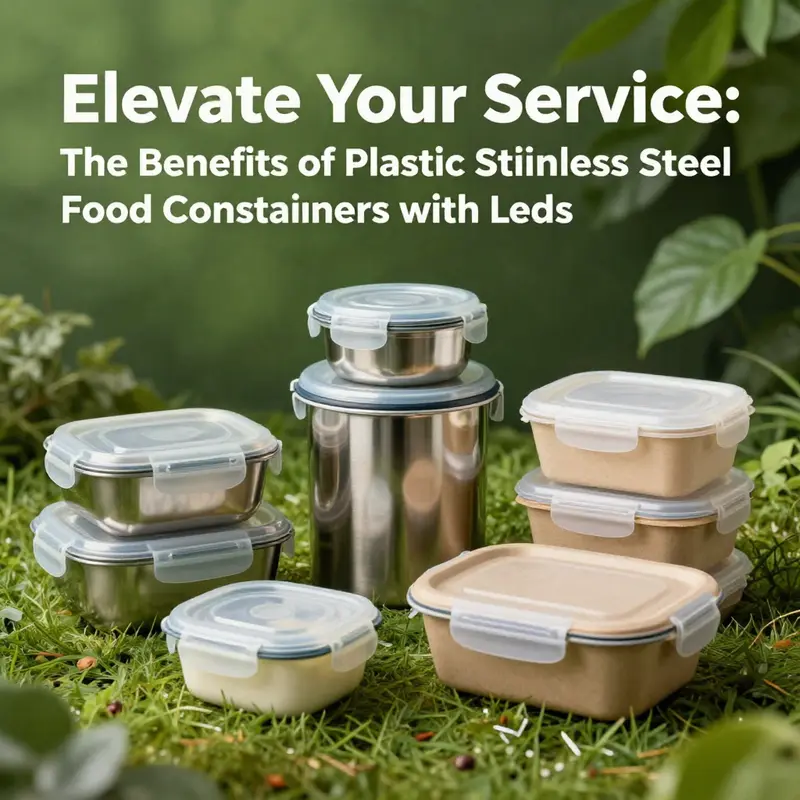
Choosing a container is more than picking a box that fits. It is a decision about how we feed ourselves with care and how we treat the world we share. When we talk about sustainability in the realm of food storage, the conversation moves beyond a single material or a trendy lid. It becomes a meditation on lifecycle impact, on how long a container lasts, how easy it is to clean and reuse, and how options align with broader goals of waste reduction and safe food handling. The core tension lies in balancing convenience and health with durability and responsible resource use. Plastic containers with lids are convenient and inexpensive, but their environmental footprint is tied to fossil fuel origins, chemical leaching concerns, and end-of-life challenges. Stainless steel, especially when built for longevity, offers a resilient alternative that can outlast many plastic options. Yet it arrives with heavier weight and higher upfront cost. Tempered glass with BPA-free lids adds another dimension, delivering inert, non-reactive storage with excellent visibility and, in many cases, compatibility with heating and serving. The chapter that follows invites readers to trace the trade-offs, consider lifecycle thinking, and imagine storage choices as a daily act of stewardship rather than a mere purchase.\n\nAt the heart of sustainable storage is an honest assessment of materials. Polypropylene and other common plastics have long been favored for their lightness and cost. They are routinely recycled, yet the recycling rate for plastics remains uneven globally, and not all plastics are easily recycled in every community. The energy and emissions associated with producing virgin plastics are nontrivial, and plastic waste continues to contribute to pollution when it escapes proper collection systems. The sustainability story here is not that plastic is inherently evil, but that its most effective use comes from minimizing usage, maximizing reuse, and ensuring end-of-life options are clear and practical. In many homes, this means moving away from single-use disposables toward reusables that can stand up to frequent washing, heat exposure, and the rough-and-tumble of daily life.\n\nStainless steel brings a different equation. A high-quality food-grade steel—commonly 304 grade—offers non-toxicity, corrosion resistance, and a lifelong durability that can make it the most economical choice in the long run. Stainless steel containers resist staining and odor transfer better than many plastics. They perform well across a broad temperature spectrum, are often microwave-safe or oven-safe within specific limits, and can endure repeated cycling through freezing and heating without degradation. The lids, often snug and airtight, help preserve freshness and reduce leakage during transport. Yet steel is not a universal cure. It is heavier, which matters for portable meals or long trips. Its initial cost is higher, and some care is required to avoid dents or misalignment of seals over time. The environmental advantage becomes most pronounced when containers are used for years and recycled properly at the end of life. A robust lifecycle approach recognizes that the best container is the one you will actually use for years, not just a few months.\n\nTempered glass with BPA-free seals introduces a different texture to the sustainability dialogue. Glass is inert, non-reactive, and highly recyclable. It doesn’t impart flavors or absorb residues, and when paired with a durable silicone or plastic lid that is BPA-free, it becomes a versatile option for storage, reheating, and direct serving. Glass can handle oven and microwave use in many designs, often up to temperatures that accommodate thawing and reheating without transferring chemicals into food. The trade-offs here are weight, fragility, and the need for careful handling during travel. For households that value minimalist, clean aesthetics and visibility of contents, glass is a compelling choice. The ecosystem around glass—recycling streams, reuse cultures, and consumer education about proper disposal—also matters. When glass products are produced using recycled glass content, or when they are themselves recycled at the end of their life, the environmental benefits compound.\n\nAnother axis of sustainability emerges from the materials that lids and seals are made from. Bamboo, silicone, and plant-based options reflect a broader push toward renewable resources. A lid made from FSC-certified bamboo, for example, couples the long-lasting properties of the base container with a renewable, biodegradable material in the lid’s outer shell. Such combinations can lessen plastic waste and align with growing expectations for ethically sourced components. The trend toward renewable lid materials is not a mere stylistic choice; it is a statement about how we design products to be disassembled and recycled or composted more easily at the end of use.\n\nBut materials are only one part of the equation. The real test of sustainability lies in how we use containers—their durability, ease of cleaning, and compatibility with a broad range of appliances and routines. A container that performs brilliantly in theory but cannot withstand daily wear or is a nightmare to clean will inevitably be discarded sooner, undermining any eco-friendly intentions. In practice, durable containers that resist staining, resist odors, and survive a full cycle of freezer, fridge, microwave, and oven use are the ones that earn a place in long-term reuse habits. This is where design matters as much as the material itself. Shape, stackability, and lid design influence how efficiently a kitchen stores, transports, and retrieves meals. A rectangular or square form with rounded corners can maximize cabinet space and fridge real estate, while airtight seals preserve freshness and minimize spoilage.\n\nThe concept of closing the loop also shapes sustainable choices. Some manufacturers now integrate recycled content into their plastics, or use PCR (post-consumer recycled) plastics in their production. While PCR plastics reduce the demand for virgin resin, they also require robust quality controls to ensure safety and performance. In metal and glass, recyclability is well established, but the end-of-life path still depends on local recycling infrastructure. The goal is to select containers that not only serve users well today but also contribute to circular economies tomorrow. This requires awareness of certifications and labeling. BPA-free claims, FDA approval, and ISO9001 certifications provide signals of safety, quality, and traceability. For the consumer, these markers help separate genuinely safer, more durable options from lines that merely market virtue without substantiating it.\n\nThe market’s push toward eco-friendly materials often borrows from a broader sustainability playbook that includes packaging and shipping. When brands emphasize recyclable or compostable packaging around the container, the total environmental impact of the product—both in the kitchen and in transit—receives due consideration. The goal is to reduce plastic leakage into ecosystems while still delivering practical, convenient solutions for everyday meals and meal prep. Consumers increasingly expect products to be designed for long service lives and for end-of-life options that fit local waste systems. In this context, a container with a bamboo lid, a stainless steel body, or a tempered glass body is not just a practical tool; it is a statement about how we value resources, labor, and the communities that depend on robust recycling and waste management systems.\n\nAs each storage choice is weighed, the idea of durability becomes a form of environmental economics: upfront cost is traded for longevity, and the long horizon reveals a more accurate measure of value. A high-quality stainless steel container might cost more today, but it can reduce replacement frequency and waste over many years. A tempered-glass option may tilt toward a premium price but offers a long service life with the added benefit of easy inspection and less risk of chemical exposure. In contrast, plastic options, while less expensive at purchase, can accumulate waste and require more frequent replacement if they degrade or become stained and difficult to clean. The sustainability verdict, then, hinges on use patterns. If one family uses a stainless steel container for daily lunches for a decade, the environmental cost per meal dramatically declines relative to repeatedly purchasing disposable plastics or short-lived glass pieces.\n\nIn everyday decision making, it helps to look for signs that the product is designed for reuse, repair, and end-of-life clarity. Clear labeling about microwave and oven compatibility, heat tolerance, and dishwasher safety reduces the risk of misuse that can shorten a container’s life. Materials that resist scratches, staining, and gross odors are more likely to maintain performance over many cycles. Lids that seal tightly after years of use preserve freshness and prevent leaks in transit, a practical benefit that reduces waste from spoiled foods. When shopping, consider how the container integrates with your kitchen ecosystem: do you already own compatible sizes that stack efficiently? Can you replace a lid rather than the entire unit if wear becomes evident? These questions focus on actual usage and reflect a mature approach to sustainability that goes beyond quick purchases.\n\nTo illustrate the broader packaging ecosystem, readers may also explore related eco-friendly options beyond rigid storage. For example, a growing segment of the market emphasizes recyclable, plant-based, or compostable take-away packaging, such as pulp-based cups and bowls designed for reuse or easy recycling after use. These choices demonstrate how the conversation about sustainability spans both reusable containers and single-use alternatives that support a circular waste system when properly collected and processed. For readers curious about concrete examples of renewable, low-woss packaging options that support sustainable hospitality and take-out operations, a good point of reference is the broader family of eco-friendly paper and pulp products that are designed to be recycled. eco-friendly recyclable pulp coffee cup holder.\n\nUltimately, the path to truly sustainable storage lies in informed choice and habitual use. We are not asking for perfection, but for consistency: to select durable materials, to prioritize reuse, to clean and maintain containers properly, and to understand end-of-life pathways. The ongoing dialogue about materials—plastic, stainless steel, glass, and renewables—reflects a culture that values health, efficiency, and stewardship. This approach has personal health benefits, from avoiding potential chemical migration to reducing exposure to fragile packaging that can crack or degrade. It also carries communal benefits, diminishing the volume of waste that ends up in landfills and reducing reliance on finite resources. As consumers, we hold the power to influence design and manufacturing choices by prioritizing products built for longevity, seeking certifications that substantiate safety and performance, and supporting packaging innovations that align with circular economy principles.\n\nThe narrative of sustainable storage is not a simple hierarchy of materials, but a spectrum of options that fit different lifestyles, budgets, and values. Stainless steel offers a long-lasting, robust path that pairs well with renewable lid materials and clear design principles to minimize waste. Tempered glass introduces a transparent, heat-tolerant option for kitchens that prize ease of inspection and inert storage. Reusable plastics still have a place, particularly when high durability and low weight are priorities, provided they are used within the boundaries of safe, repeated cycling and ultimate recycling where available. What matters most is choosing with intention, using with care, and recognizing that every meal container is part of a shared system of materials, energy, and labor that stretches far beyond the kitchen shelves. By embracing lifecycle thinking, we move closer to storage solutions that nourish people and protect the planet alike.\n\nExternal resources for deeper understanding, including guidance on how to evaluate the environmental footprint of plastics and alternatives, can offer a more data-driven view of these choices. For detailed information on sustainable materials and certifications in food storage containers, refer to authoritative sources like the EPA’s Sustainable Management of Plastics. EPA Sustainable Management of Plastics
Between Plastic and Stainless: A Clear-Eyed Exploration of Lidded Food Containers for Health, Durability, and a Greener Kitchen
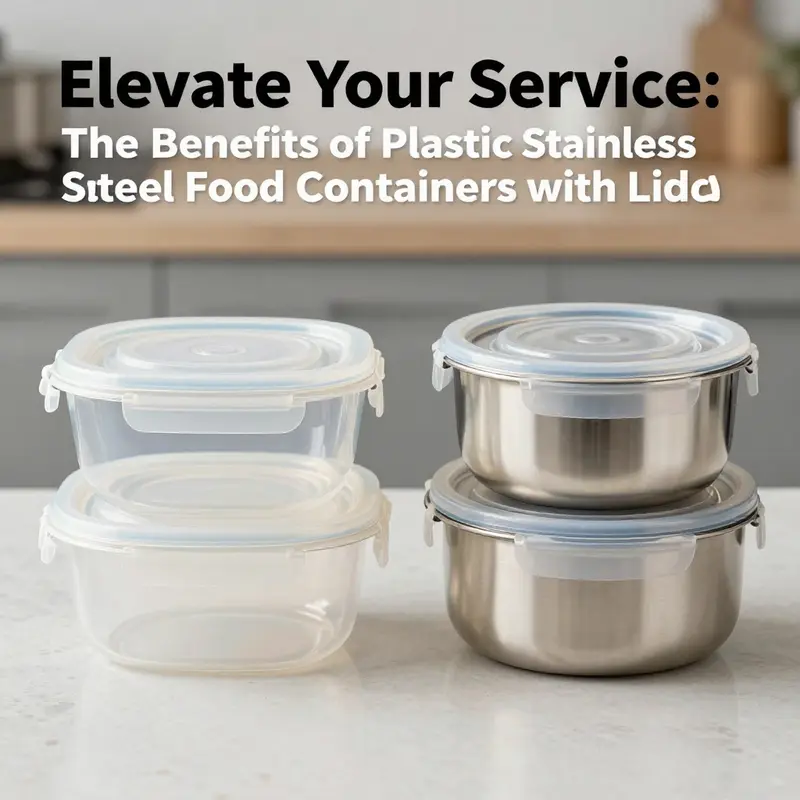
Choosing how to store and transport food starts with a simple question: which container keeps food safe, fresh, and intact over time, while aligning with values around health and the planet? The decision between plastic and stainless steel with lids is not just a matter of cost or color, but a negotiation among safety, durability, practicality, and environmental footprint. When we look closely at the research and practical realities, plastic and stainless steel each tell a distinct story about how households, professionals, and students manage meals, snacks, and leftovers. The choice, in turn, reveals broader patterns in how modern life negotiates convenience with responsibility, and how design can make storage both user-friendly and sustainable. In this chapter, we weave together safety concerns, performance metrics, and the lifecycle implications of both materials, while keeping the everyday needs of users at the center. Rather than treat the decision as a rigid dichotomy, we explore where each option shines and where it falls short, and how thoughtful choices—such as pairing stainless with eco-friendly lids—can tilt the balance toward long-term health and lower environmental impact.
Safety and health emerge as a foundational lens through which to evaluate these containers. Plastic containers have long offered lightweight, inexpensive storage, but their safety hinges on the resins used, whether they are food-grade, and how they are heated. In particular, heating plastics—whether in microwaves or hot dishes—can increase the risk of chemical migration. Bisphenol A (BPA) and related substances have historically drawn scrutiny for potential hormonal effects, and ongoing conversations about microplastics add another layer of concern for long-term exposure, especially when plastic is repeatedly used or scratched. Even when claimed as microwave-safe, those labels must be read with nuance: not all plastics tolerate high-fat or sugary foods, which can exceed the material’s tolerance and encourage leaching. Some sources note that low-quality plastics may release substances into food or interact with certain types of meals, underscoring why material quality matters as much as the labeling on the container. The truth, then, is not that plastic is universally dangerous, but that its safety depends on the specific resin, the product’s design, and the context of use. For many households, that means cautious usage—avoiding high-heat applications, inspecting containers for wear, and limiting long-term storage of challenging foods.
Stainless steel, in contrast, carries a safety profile built on inertness and stability. When food-grade alloys such as 304 or 316 stainless steel are used, they resist corrosion and do not readily leach chemicals into foods—even when storing acidic or fatty meals. In this sense, stainless steel offers a chemical safety advantage, particularly for hot meals and longer storage horizons. The literature emphasizes that metal-based containers, when properly manufactured and certified to safety standards, reduce the risk of unwanted chemical migration and endocrine disruption linked to certain plastics. Experts underscore that stainless steel’s inert nature becomes especially meaningful in scenarios involving repeated heating, long-term use, or transport in varied environments—an everyday reality for many commuters, students, and meal-prep households.
Durability and longevity further sharpen the contrast between these materials. Plastic containers are light and inherently resistant to breakage, which makes them appealing for kids’ lunch boxes or travel-friendly kits. Yet their resilience in the long run is often compromised by scratching, warping, and degradation from repeated washing or microwave exposure. A typical plastic container may endure a few years at best before signs of wear threaten safety or food quality, and many designs are intended for reuse only a limited number of times. In contrast, stainless steel containers exhibit exceptional durability. They resist scratches and dents, tolerate frequent washing, and maintain structural integrity for years or even decades when cared for properly. While heavier, this weight translates into ruggedness that serves busy households, caterers, and outdoor enthusiasts who demand reliable performance in diverse conditions. The cost calculus shifts in this light: the upfront price of stainless steel is higher, but the long-term replacement costs and waste reduction often tip the scales toward stainless as a more economical choice over time.
Functionality and versatility illuminate a practical dimension of the choice. Plastic remains attractive for its portability and broad compatibility with microwaves—though this is not universal and depends on the type of plastic and the product’s labeling. It also tends to excel in variety: a wide range of sizes, colors, and modular compartments helps with organization and meal planning. However, plastic can trap odors and stains, making thorough cleaning more challenging, especially with repeated use. Stainless steel, by contrast, shines in terms of heat retention, cleanliness, and aesthetic appeal. Double-walled or vacuum-insulated steel containers can keep foods warm through commutes or meals on the go, a capability that makes stainless a compelling option for portable, temperature-sensitive meals. A recurring caveat is that stainless steel is not microwave-safe; metal containers in microwaves pose safety hazards and are, by design, not intended for that purpose. Yet even without microwaving, stainless steel launders heat efficiently, resists staining, and leaves no lingering odors—features that many users value for daily lunch storage or long-term meal-prep setups. In terms of sealing, stainless containers often deliver airtight, leak-proof performance, which strengthens their case for transport, refrigerated storage, and portion-controlled meals.
Environmental impact emerges as a decisive factor for many readers. Plastic’s footprint is complex and problem-centered: while lightweight, plastics contribute to a global pollution challenge, and their recyclability varies by resin type and local infrastructure. The reliance on fossil fuels for production and the common practice of short use cycles amplify the environmental cost of plastic storage. Stainless steel, conversely, is often favored for its durability and recyclability. Modern stainless products typically incorporate a high proportion of recycled content and are highly recyclable at end of life, with a lifecycle that tends to produce far less waste over time than single-use plastics. A growing body of work emphasizes that, despite higher energy inputs during production, stainless steel’s longevity and recyclability can yield a substantially lower environmental footprint across the product’s lifespan. The design emphasis on longevity—paired with options like bamboo or other renewable lids—aligns with circular economy principles, reducing the volume of waste associated with daily storage and travel needs. Bamboo lids, in particular, offer a sustainable complement to metal bodies, merging a renewable material with a robust seal and an aesthetically pleasing finish. This combination presents a practical route for households seeking premium performance without surrendering environmental commitments.
User experience and practicality bring the narrative into the everyday. Plastic containers score highly on portability, cost, and aesthetics, offering an enormous range of shapes and colors that appeal to families, schools, and office workers. Cleaning is often straightforward, and many plastic designs are dishwasher-safe, depending on the label. Yet the trade-offs include potential odor retention, staining, and a sense that plastic storage may invite repeated cycle use because of its lower upfront cost. Stainless steel containers tempt with cleaner lines, a premium feel, and a toast to ease of cleaning—especially when dishwasher-safe labels are present. They tend to resist odor retention and staining, which helps preserve flavor integrity over time. The trade-off is weight and cost, as well as the rule that metal should not be used in a microwave, which can constrain how some users incorporate them into quick-four-meal routines. The best choice often reflects a user’s rhythm: for a daily commute with fresh leftovers, stainless steel may win; for a quick lunch and a limited budget, plastic can still be a pragmatic starter option.
In practical terms, a modern approach to storage often looks like a hybrid strategy. For long-term health and environmental benefits, stainless steel with responsibly sourced lids—such as bamboo or other renewable materials—offers a compelling path. This setup preserves the strong safety profile of metal while embracing renewable materials that reduce reliance on conventional plastics. The result is a durable, hygienic container system that supports a wide range of uses—from meal prepping to travel to in-office storage—without surrendering safety or planet-conscious values. For readers looking to explore more about how packaging design handles disposal, durability, and user experience, a related example in the disposable take-away category can illustrate how lids and materials influence waste and usability in everyday contexts: disposable takeaway kraft paper cup with lid.
A balanced conclusion emerges when we connect these threads. Plastic remains attractive for scenarios where minimal weight, cost, and ease of access are paramount—think of quick, everyday lunches or educational settings where parents value affordability and a wide selection of sizes. Stainless steel, by contrast, becomes the go-to option for health-conscious cooks, frequent travelers, and households committed to reducing waste over many years. Its ability to withstand a broad temperature range, its inert behavior with foods, and its capacity for long life good-naturedly align with sustainability goals. The reality, then, is not a strict either/or. The smartest approach combines the strengths of both materials: using plastic containers for short-term, light-use needs and microwave-friendly contexts where appropriate, while relying on stainless steel for longer storage cycles, temperature-sensitive meals, and transport that benefits from robust, leak-proof seals. In this composite strategy, eco-friendly lid options—like bamboo—can extend the green profile of stainless steel, offering a tangible path to a kitchen that is both safer and more sustainable.
From a consumer education standpoint, a practical takeaway is to scrutinize the labels, certifications, and intended usage of any container. Look for food-grade stainless steel and seals that reliably resist leaks without compromising hygiene. Check temperature guidance for any metal option, recognizing that not all stainless containers are designed for microwaving. Consider the context of use: a steady routine of meal-prep and commuting may be well matched with stainless steel, while occasional, short-term storage in plastic may remain convenient when handled with care. Most importantly, weigh the environmental dimension. If a product supports recyclability, minimizes waste, and uses renewable lids, it strengthens the case for choosing stainless steel as a preferred solution for a modern, responsible kitchen. The dialogue between health, durability, and ecological responsibility does not end with a single product choice; it continues with mindful usage, responsible disposal, and ongoing attention to how packaging shapes and supports daily life. External guidance from regulatory authorities underlines that materials used in food contact must meet rigorous safety and migration standards, reinforcing the idea that informed consumers can navigate this space with greater confidence. For those seeking authoritative safety guidance, resources like the U.S. Food and Drug Administration’s Plastics and Food Contact Materials page provide important context on testing, regulation, and expectations for materials used in everyday containers.
External resource: https://www.fda.gov/food/food-contact-materials-industry/plastics-and-food-contact-materials
Final thoughts
As businesses seek to improve food storage solutions, understanding the unique advantages and disadvantages of plastic and stainless steel containers is essential. Stainless steel options provide a sustainable and durable choice, while plastic containers offer immediate economic benefits. Balancing performance, cost, and environmental impact can lead to better procurement decisions that enhance customer satisfaction, reduce waste, and promote a more eco-friendly operation.