
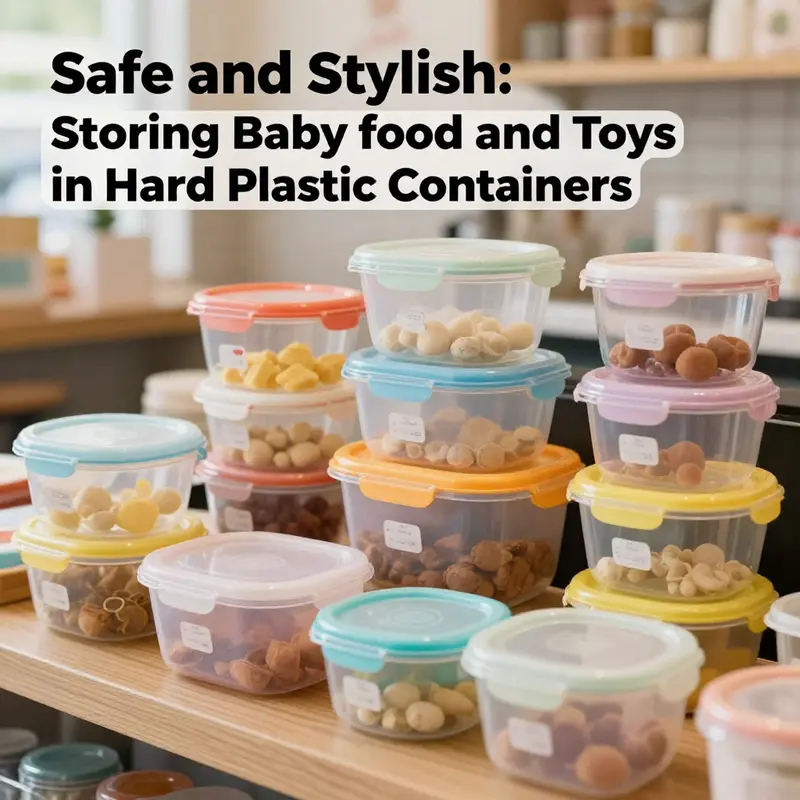
As businesses like bubble tea shops, restaurants, and catering services cater to families, the importance of safe storage solutions for baby supplies and food cannot be overstated. Hard plastic containers provide a reliable and sanitary option for storing delicate items such as baby food, toys, and other essentials. Offering a combination of safety, convenience, and organization, these containers help promote an inviting atmosphere for families, enhancing their experience while ensuring the safety of their children. In the following chapters, we explore the importance of material safety, organizational features that increase efficiency, strategies for maximizing space in small areas, current revenue and market trends, and consumer preferences, all crucial for businesses serving family-oriented customers.
Guarding Tiny Tastes: Material Safety in Hard Plastic Storage for Baby Food and Supplies
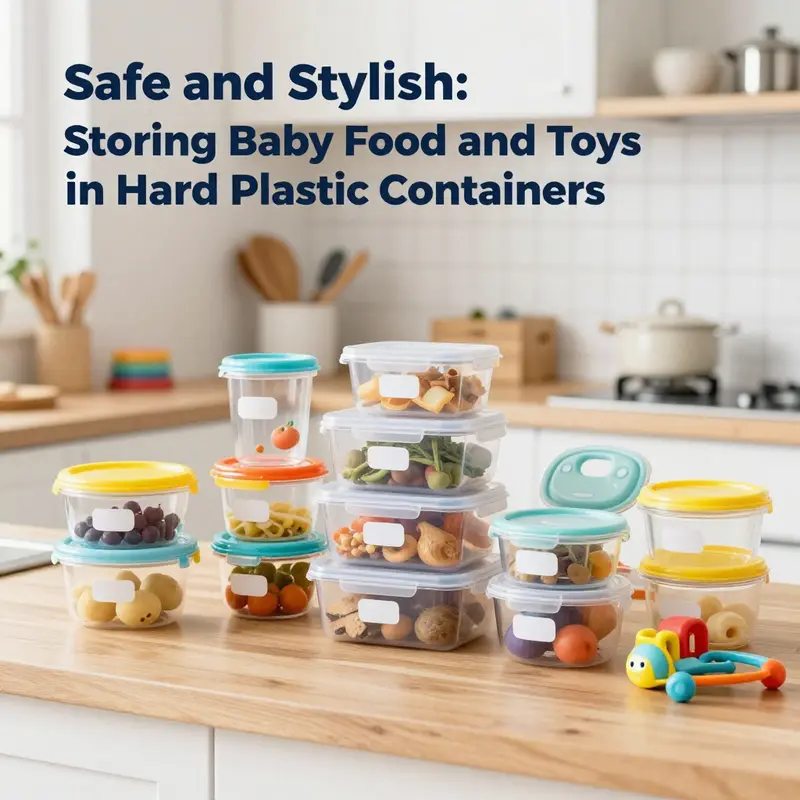
Storing baby supplies, especially food and feeding items, hinges not just on organization but on material safety. Hard plastic containers offer durability and visibility, but safety depends on their composition and testing. Look for food-grade plastics, resin codes for food contact, and BPA-free claims verified by third-party certification. The common safe resins include high-density polyethylene (HDPE), low-density polyethylene (LDPE), and polypropylene (PP), with certain PET variants. Avoid older polycarbonate with BPA or plasticizers that may migrate under heat or after repeated washing. Regulatory standards from FDA and EU REACH require inert, non-toxic materials that resist degradation when used as directed. For caregiving, ensure leakproof seals, durable gaskets, and easy cleaning, and avoid heat exposure beyond what the product specifies. Transparent walls aid content identification and reduce handling, but scratches can harbor bacteria, so choose robust materials and lids. Verify safety data, certifications, and test results rather than relying on marketing claims. In short, select containers explicitly labeled food-contact safe with credible certifications and replace worn items. For further reading see https://www.ncbi.nlm.nih.gov/pmc/articles/PMC10769853/
null
null
Tiny Footprints, Grand Organization: Maximizing Space with Hard Plastic Storage for Baby Toys, Supplies, and Food
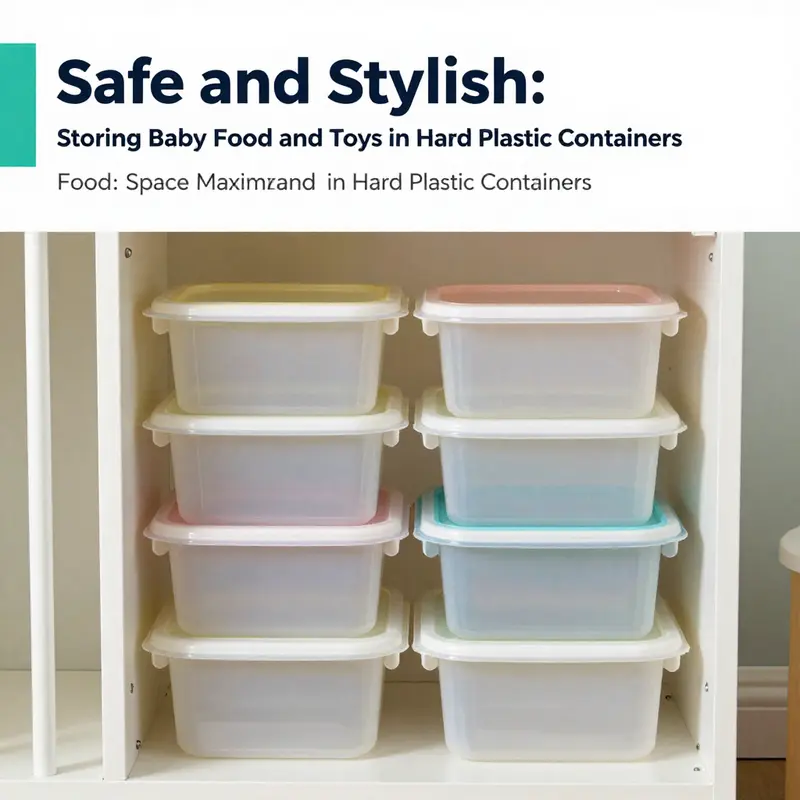
In compact homes where every square foot counts, the way a family stores baby essentials can reshape daily life. Hard plastic containers offer a practical, durable, and safe solution for organizing toys, feeding supplies, diapers, wipes, and even the occasional prepped meal. Their value lies not just in the physical protection they provide but in the discipline they encourage: a predictable, orderly routine that reduces clutter, saves time, and minimizes the risk of contamination. When these containers are designed with small spaces in mind, they become silent workhorses that support parenting as it unfolds in kitchens, nurseries, and hallways that double as everything from playrooms to feeding corners. The core appeal centers on resilience and practicality: tough, moisture-resistant walls that guard against humidity and spills, tight seals that keep out dust and pests, and a form factor that can be stacked, nested, or lined up along a wall to create a clean, navigable map of daily activities. In the early days of a child’s life, when messes expand with every feed and every outfit change, this kind of system isn’t merely convenient—it is essential for peace of mind. The containers themselves are commonly made from sturdy plastics such as high density polyethylene or similar materials known for their durability. They resist dents and cracks that might occur from busy hands and frequent transport, a reliability that matters when a family is constantly on the move, whether between living spaces, parks, or daycare drop-offs. Beyond strength, these containers must meet a practical standard: the ability to stay closed when needed and to admit air only when intended, so that contents remain fresh and uncontaminated. That is where secure lids and child-safe closures become more than a feature; they become a safeguard in the rhythm of daily life. A well-sealed container makes diaper changes calmer, snack time simpler, and travel less fraught. It also supports the delicate balance between keeping foods safe for little mouths and maintaining the energy and time parents invest in meal planning. A transparent wall, another hallmark of good storage design, allows caregivers to quickly assess what is inside without rummaging through a pile of items. In a busy home, where minutes matter, the ability to identify items at a glance reduces the likelihood of misplacing essential items or opening the wrong container at the wrong moment. This visibility is especially important when managing a rotating set of supplies: bottles and parts, pacifiers, wipes, creams, spare outfits, bibs, and the array of feeding gear that accompanies daily routines. When space is tight, every inch gained through clear, stackable design translates into a hallway with fewer obstacles and a nursery that feels calmer and more organized. The real magic, however, occurs when hard plastic storage evolves from a single-issue solution into a versatile, all-in-one system that serves both baby supplies and food-related storage. A basic, robust container becomes a ally to a wide spectrum of needs: storing formula scoops, ready-to-assemble bowls for meals, or pre-portioned snacks for outings, all kept sealed against moisture and pests. Of course, the sensitive nature of infant food asks for careful attention to safety standards. For a container to be genuinely reliable in this role, it should be labeled as food-grade and free from toxins such as BPA. In many jurisdictions, the materials should comply with recognized food safety regulations, and there is value in seeking products that carry non-toxic certifications or third-party testing. When a container earns those marks, it signals a commitment to protecting the health of the youngest family members and to honoring the trust placed in caregivers. A practical consequence of these safety concerns is the reliance on materials that can be cleaned thoroughly and quickly. Hard plastics that resist staining and are easy to wipe down help keep feeding gear sanitary between uses. In a space where the same container might cradle intact wipes one day and small snack portions the next, the capacity to transition without introducing new hazards is a meaningful advantage. The containers’ lids contribute equally to this risk management. A tight-sealing lid not only preserves freshness but also reduces the chance that curious hands will spill the contents during a rapid switch between diaper changes and snack time. For families who navigate frequent relocations—moving between apartments, grandparents’ homes, or daycare centers—this aspect becomes part of a larger portability strategy. A secure closure can make a unit confident enough to travel, reducing the anxiety that often comes with transporting baby supplies. The design language of modern hard plastic storage, therefore, is not merely about containment but about creating a portable, dependable mini-station for care routines. In some configurations, space-saving innovations extend beyond simple stacking. Some models incorporate safety rails or even built-in changing pads, transforming the container into a compact care station. In a small apartment, where every surface is precious, such an integrated approach can consolidate several functions into one footprint. The result is a versatile solution that allows a family to reorganize a room quickly as needs shift—from a diaper-changing nook to a snack station, then to a toy organizer, all without expanding the furniture count. The practical benefits of transparency, seal integrity, and modularity become even more apparent when considering the everyday choreography of caring for a baby. Babies grow fast, and so do their needs and the ratios of toys to clothing to feeding accessories in a given home. A well-considered storage system handles this dynamic by allowing easy reconfiguration. It supports simple reclassification of items: moving seasonal clothing to a higher shelf, transferring diapering supplies to a more accessible position, or consolidating baby food portions into clearly labeled sections for quick access during a hectic morning. The flexibility of stackable and modular designs is especially important for small households that want to avoid constant reorganizing as the baby’s routine evolves. Another factor that matters in tight living spaces is the environmental footprint of the storage solution. Durability reduces waste by extending the life of each unit, while the choice of recyclable materials or plastics certified as responsibly sourced supports broader sustainability goals. Consumers increasingly prefer containers that can be recycled at the end of their life cycle and that avoid materials known to leach chemicals under typical kitchen and nursery conditions. The combination of safety, durability, and the potential for recyclability makes hard plastic containers a sensible long-term investment for families who must live within modest footprints. It is worth remembering that even with robust containers, thoughtful organization remains essential. A practical approach is to reserve clearly defined zones within bins and on shelves for distinct categories: feeding gear, diapers and wipes, clothes, toys, and food. A simple labeling system—color-coding or short, legible tags—can accompany the physical structure without turning storage into a chore. When a space feels orderly, it also feels safer. The sense that every object has a home reduces mishaps, helps maintain hygiene, and supports a calm environment for both parents and children. The dialogue between storage design and daily life becomes a feedback loop: as you discover what works in a small area, you adapt, refine, and simplify. In that sense, the value of hard plastic containers extends beyond their immediate function. They become a framework for mindful living within constrained spaces. They encourage a rhythm where feeding times and play unfold with fewer interruptions, where babies can access their essentials with minimal disruption, and where adults can manage essentials with clarity and confidence. For families who balance care with limited space, this approach is less about choosing one tool and more about embracing a system that grows with the household. It is a quiet but powerful form of spatial literacy—an awareness that a well-chosen container can shape routine, reduce stress, and make the home a more hospitable environment for infants and caregivers alike. As the day progresses and the household reshapes itself around meal times, diaper changes, and play, the containers stand as steady companions. They reduce the friction of daily tasks, protect fragile contents, and support a lifestyle in which care remains steady even when space is tight. In the larger arc of home organization, this is more than a storage solution. It represents a practical philosophy: that durability, safety, and thoughtful design can coexist with compact living, turning small rooms into efficient, nurturing spaces for families with young children. For those seeking to expand their options, a growing number of storage solutions emphasize food-grade safety, transparent visibility, and seamless stacking, all while keeping a modest footprint. The result is a cohesive ecosystem where baby toys, supplies, and food coexist in a well-regulated, accessible habitat that honors both the young and the busy adults who care for them. For further options and ideas, see the external resource here: https://www.amazon.com/s?k=plastic+storage+containers+baby+food+safe
Safe, Stackable, and Fresh: Revenue and Market Trends in Hard-Plastic Storage for Baby Food and Toys
Hard-plastic containers have become more than just a place to stash bottles and snacks. In households with babies and young children, these durable, food-contact-safe boxes are central to everyday routines. They blend the practical needs of hygiene and organization with the emotional pull of safety and predictability. When families choose storage for baby supplies and accompanying snacks or toys, they look for products that seal tightly to guard against moisture, dust, and insects. They want containers that are easy to clean, that resist staining and odor retention, and that stand up to the bumps and drops that come with early childhood. Materials like polypropylene and high-density polyethylene are favored because of their balance between toughness and lightness, along with their compatibility with dishwashers and sanitizers in many homes. In this space, the non-negotiables accumulate quickly: non-toxic formulations, absence of BPA, and clear assurances from manufacturers about food-contact safety. These assurances transform everyday storage into a matter of trust for guardians who juggle feeding schedules, nap times, and the constant risk of little hands testing limits.
From a product-design perspective, hard-plastic storage for baby food often aims to do more than simply contain. The very best designs are multi-functional, offering secure, leak-proof lids, ergonomic handles, and lids that are easy for adults to operate but difficult for curious toddlers to pry open. The most compelling iterations combine transparency with modularity. Clear walls let parents see contents at a glance, while stackable configurations optimize space in compact kitchens, playrooms, and changing areas. These boxes frequently feature separate compartments or dividers, enabling parents to organize different types of foods, bottle parts, or snacks within a single unit. Such features do not merely improve order; they support healthier routines by simplifying portion control and reducing food waste. The idea of organization as a developmental activity is increasingly embraced by families who want children to participate in tidying tasks. In this sense, storage systems can serve a dual purpose: maintaining freshness and supporting early organizational skills.
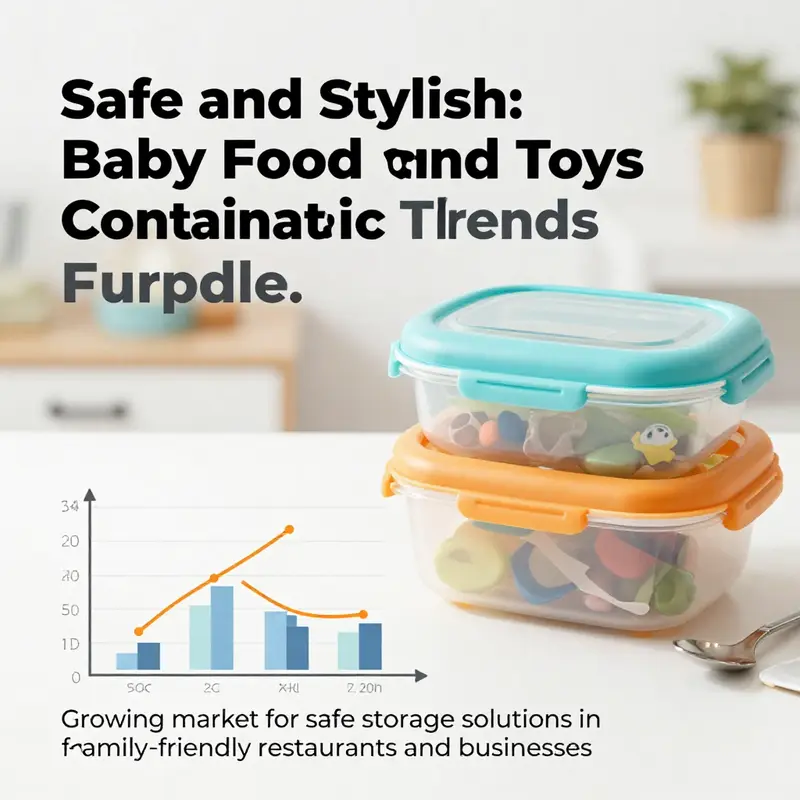
The market for hard-plastic containers used in baby supplies, particularly for food storage, reflects broader shifts in packaging and consumer behavior. The global baby food packaging market, which includes these hard-plastic storage solutions, was valued at approximately 12.5 billion dollars in 2023 and is projected to grow at a compound annual growth rate of around 6.5 percent through 2030. This trajectory points to a robust demand not only for containers themselves but for the protective role they play in preserving nutrition and safety as families navigate busy lifestyles. In practical terms, this means more families are seeking durable, reusable options that can endure frequent use, washing, and travel—from picnics to daycare drops-offs. The continued emphasis on health and safety elevates the importance of certifications and standards. Products that clearly advertise food-contact approval, and that showcase compliance with recognized safety frameworks, gain a competitive edge in a crowded marketplace.
One of the defining trends shaping this market is the rising demand for eco-friendly materials and packaging approaches. Consumers increasingly look for recyclable or biodegradable plastics, and manufacturers are responding with formulations that blend durability with sustainable end-of-life options. Alongside environmental considerations, designers are exploring how to reduce the overall footprint of storage solutions. Recyclability, lightweight construction, and modularity are not merely features but strategic differentiators. An emphasis on life-cycle thinking—how a container travels from manufacturing to home use and, eventually, disposal or recycling—has become a meaningful selling point for many families who want to minimize waste without sacrificing reliability.
Innovation in design is closely tied to both safety and play. The most popular configurations offer transparent, stackable, and child-safe designs that combine practical functionality with playful versatility. Innovations such as leak-proof lids that pass a simple twist-and-pull test, ergonomic handles that make carrying easier for adults, and color-coded compartments that help train memory and organization are increasingly common. These features do more than improve performance; they invite children to participate in daily routines. A child who helps sort snacks into a labeled, color-tagged box is practicing categorization and sequencing, laying early cognitive groundwork while also satisfying a desire for independence. In this light, packaging becomes educational as well as protective.
From a revenue perspective, the market’s expansion is driven by a steady blend of retail and e-commerce channels. Consumers want ready-to-use, broadly compatible storage solutions that fit existing kitchen and diaper-station layouts, with the flexibility to scale up as families grow. The pricing of these premium products often reflects their added functionality. While market dynamics vary by region, many households find value in products priced in a mid-range bracket that balances quality with affordability. The best offerings combine robust construction with simplicity in cleaning and maintenance, a combination that resonates with busy caregivers who must balance safety with convenience. The argument for such products grows stronger when retailers and manufacturers emphasize safety, durability, and the ability to maintain freshness across multiple uses and storage conditions.
An important facet of this market is the emphasis on safety standards, which helps to build trust with guardians. Certifications that attest to food-contact safety, and the absence of toxins in the material, are crucial signals. When a container can claim that it is BPA-free and that it meets applicable regulatory guidelines, caregivers feel more confident about using it to store anything from prepared formula to soft foods for babies, or even to house small toys and accessories that accompany feeding routines. The broader packaging ecosystem has begun to intersect with consumer education as well. Clear labeling about what the container can safely store, how to clean it, and how long contents can be kept fresh is increasingly valued by families who want transparency and predictability in their daily rituals.
For households juggling multiple responsibilities, the portability and stackability of hard-plastic storage are particularly appealing. A well-designed, stackable box can transform a small kitchen or a shared apartment into a more navigable space. It allows caregivers to group items by function—bottles and nipples in one tier, snacks in another, cloths and wipes in a third—creating a rhythm that reduces the cognitive load of everyday care. In this sense, storage devices become an extension of the caregiving environment, shaping how families interact with food safety and with their own routines. They also contribute to a calmer home ambience by reducing clutter and by providing predictable, repeatable setups that children can learn to navigate.
The market’s evolution also reflects how families source and interact with products. Retail remains a dominant channel, but online shopping continues to gain share as parents look for a wider array of configurations and more detailed product information. The ability to compare dimensions, liner materials, lid-lock mechanisms, and dishwasher compatibility online accelerates decision-making, especially for first-time caregivers who want to optimize space and safety. Across channels, there is a clear preference for containers that are easy to sanitize, resistant to staining, and capable of maintaining freshness over time. The integration of clear product labeling about material safety and washability is not just advantageous but essential to a positive consumer experience in this space.
In addition to performance and safety, designers are paying attention to the way these containers complement the broader ecosystem of baby and toy storage. The same principles that guide food storage—clear visibility, modularity, and secure sealing—translate naturally to toys and small accessories. A modular set that can double as a snack box and a toy organizer appeals to families who want to minimize purchases while maximizing functionality. The ability to adapt a single system to support both food storage and toy organization is a compelling value proposition in small homes, where space efficiency translates directly into everyday practicality. When a family can rely on a single storage architecture to hold syringes, formula, snack cups, and compact toys, the perceived value increases, reinforcing consumer loyalty and boosting the likelihood of repeat purchases.
To illustrate how packaging design translates into consumer confidence without naming specific models, consider the emphasis on safety, ease of use, and cleaning. A box that resists staining, resists odors, and dries quickly after washing supports a consistent feeding routine. A lid that locks securely with a simple mechanism reduces the risk of leaks when a box travels in a diaper bag or car seat pocket. Color-coded compartments help parents and older siblings coordinate tasks, such as preparing snacks or distributing small toy components, which in turn reduces daily friction. All these attributes collectively influence purchasing decisions, and they subtly shape the trajectory of revenue growth by aligning product capabilities with the realities of modern family life.
Within this context, a single ecological consideration—material choice—can ripple through the entire market. Recyclability and reduced environmental impact are not only responsible choices; they are market signals. Families increasingly expect packaging to adhere to environmental as well as health standards, and they favor brands that demonstrate ongoing investment in sustainable technology. This expectation pushes manufacturers to explore innovative formulations and processing methods that preserve functionality while easing end-of-life disposal. The result is a cycle of continuous improvement, where safety, usability, and environmental stewardship reinforce each other and collectively expand the addressable market. The story of hard-plastic storage in baby food and toy ecosystems, then, is not solely about containers; it is about how households perceive value, safety, and order—and how those perceptions translate into sustained market growth across channels and regions.
For readers who want to explore a broader market context beyond these narrative trends, a comprehensive external resource offers detailed data and projections. Global market researchers report robust growth in the baby food packaging segment, with continued emphasis on safety, convenience, and sustainability. See the external resource here: https://www.grandviewresearch.com/industry-analysis/baby-food-packaging-market
Within the chapter’s broader discussion of materials and design, there is also room to acknowledge related packaging options as part of a cohesive family storage strategy. When considering how the packaging landscape intersects with everyday routines, one can appreciate how a seemingly small decision—choosing a particular box design—can influence overall household efficiency, child development, and even long-term waste reduction. A sense of continuity emerges: the same principles that govern safe food storage also guide how families think about organizing play and care tasks. In that sense, the hard-plastic container becomes a quiet partner in daily life, enabling nutrition, learning, and play to unfold with less friction and more consistency.
If you are looking to explore practical examples of materials and design choices that align with these trends, consider examining options that blend visibility with durability and safety. A strong emphasis on transparent walls, secure locking mechanisms, and compartmental flexibility helps families customize storage to their own rhythms and spaces. The driving force behind market growth remains clear: consumers want reliable, reusable, and safe storage that can adapt to the evolving needs of a growing family. As the landscape continues to evolve, the interplay of safety standards, sustainable materials, and user-centric design will likely define the next phase of revenue and innovation in hard-plastic storage for baby food and related supplies.
Guardians of Freshness: Navigating Hard Plastic Storage for Baby Toys, Supplies, and Food
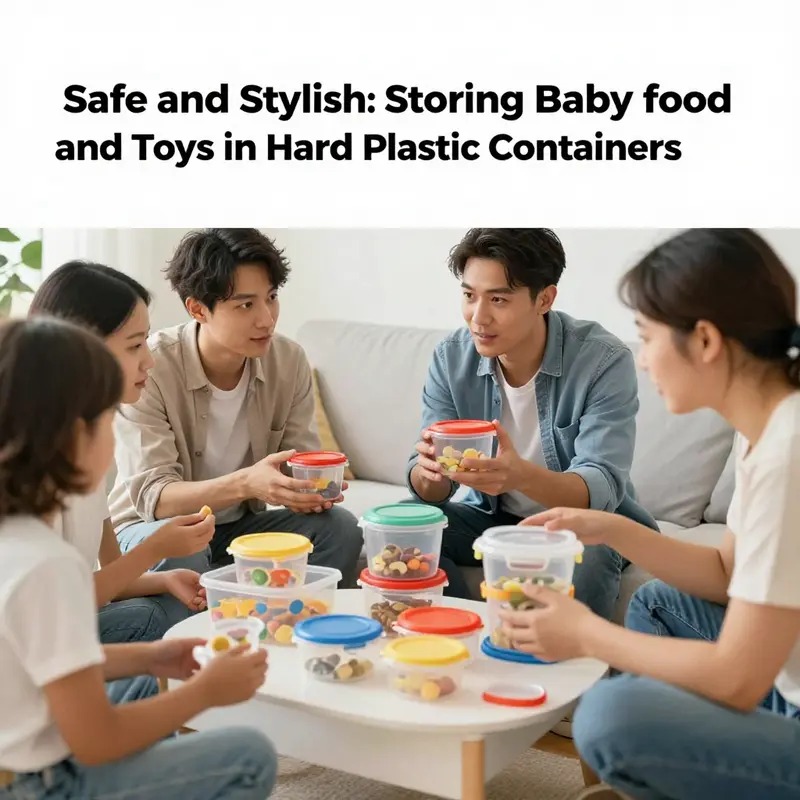
When a household welcomes a baby, the daily choreography of storage becomes more than tidiness; it becomes a safeguard for health, a shield against contamination, and a practical interface that helps caregivers respond quickly to hungry or tired moments. This chapter explores how hard plastic containers designed for durability safety and efficiency shape the way families store toy sets, baby supplies, and food related items. The emphasis is on the broader ecosystem they inhabit: choosing materials that resist moisture and pests, design features that reduce the risk of accidental openings, and how a well organized space supports calmer routines and healthier outcomes for infants and their caregivers alike. The conversation extends beyond stacking boxes or labeling bins toward an inquiry into how storage design influences caregiving choices, feeding hygiene, and the child centered aesthetics of modern homes. At the heart of this topic lies material science and its implications for safety. Hard plastics used for baby and toy storage are typically chosen for their strength, light weight, and resistance to everyday wear. The most common workhorse materials are similar to those found in food safe applications: high density polyethylene HDPE and other durable polymers that can withstand bumps frequent handling and the occasional drop. The safety story however does not end with durability. For items that touch or come close to food like snack containers cereal bins or storage containers for prepared meals the material must adhere to food grade standards. Consumers increasingly look for labels such as food grade and BPA free along with certifications that reassure not only parents but also child care providers who rely on these containers in shared spaces. The aim is to minimize any possibility that migrating substances could reach a baby s food or an infant s bottle components especially in environments where containers are opened and closed many times a day. In practice this translates into a cautious selection process: a preference for containers that explicitly state food safety compliance, are free of toxic residues, and are designed to minimize the risk of warping under typical room temperatures. Design elegance often arises from a blend of practicality and aesthetics. Modern hard plastic storage solutions for baby goods fuse multi function with visual appeal. A family might reach for rectangular stackable bins that nest when not in use, while their lids seal tightly to keep out humidity and dust. Some designs incorporate safety latches or child resistant locks, giving caregivers confidence that curious little fingers will not easily open a container in a chaotic playroom or kitchen corner. The sealed environment is not just about cleanliness; it is about extending the shelf life of items that matter most breast milk powder substitutes ready to eat baby foods and dry snacks that sustain an afternoon nap or a car ride. A transparent or lightly tinted shell helps caregivers quickly identify contents without sacrificing privacy or introducing brittle labeling systems. The convenience of seeing inside is a small but meaningful advantage, allowing parents to track expiration dates portion sizes and remaining quantities at a glance. This is especially important in small living spaces where every inch of storage and every decision counts. In parallel with safety and practicality there is a clear push toward versatility and space efficiency. Families juggle a spectrum of needs: new toys that proliferate after a birthday, accessories for feeding that require frequent organization, and a rotating supply of baby foods that must be kept sanitary and accessible. The most successful hard plastic containers in this space tend to be multi tiered and modular, encouraging categorization without corraling everything into a single drawer. A few containers offer folded or collapsible elements to maximize deep storage or to transform a play area into a quick clean zone after a mess. Even when the containers are rigid the philosophy is to design them so they can stack neatly reducing the footprint on a shelf or closet floor. For households on the go portability matters: secure latches ergonomic handles and compact shapes that fit car trunks or stroller compartments all contribute to the practicality of daily life with a baby. The environmental dimension of these choices is increasingly salient. More households are mindful of the lifecycle of plastics and the implications for a planet that hands down a world to the next generation. In response manufacturers are experimenting with biobased plastics or recycled content options that align with a broader sustainability ethos. The goal is not merely to recycle more at the end of a product life but to design for longevity so that a container remains useful for years through countless diaper changes feeding sessions and toy rotations. Yet sustainability is not a single choice but a spectrum of practices: selecting materials with low toxicity, using durable coatings that resist staining and odor absorption, and setting up clear simple recycling instructions so families can participate in a circular economy without guesswork. As with safety the practical implication for the consumer is straightforward: choose containers that clearly communicate their material composition, recyclability, and any relevant certifications. This reduces the cognitive load on families and fosters a more predictable storage routine which in turn supports healthier feeding and play patterns. Within this landscape best practices for consumer decision making crystallize into a few accessible principles. First prioritize products labeled as food grade, BPA free, and recyclable. These markers though sometimes imperfect in practice offer a baseline for minimizing risk when containers store food or touch items that will eventually be eaten. Second inspect containers for signs of wear hairline cracks, warping from heat exposure, or compromised seals. A bowl with a compromised seal might welcome dampness and pests even in a kitchen cabinet far from the stove. Third avoid exposing plastic containers to direct heat hot liquids, microwaves, sunlight, or boiling water without explicit guidance from the products safety notes. Heat can alter the structure of some plastics, increasing the potential for chemical leakage or changes to the container s integrity. Fourth maintain a regular cleaning cadence. A quick rinse with mild soap followed by air drying is often enough to preserve the container s surface and seal integrity. For items that carry strong odors or stains a gentle non abrasive cleanser helps preserve clarity and avoid the lingering scent that can transfer to new foods toys or fabrics. The chapter would be incomplete without acknowledging the role of design language in shaping family life. Some designers lean into playful cartoon inspired shapes to attract children and make storage feel less like a chore and more like a familiar part of home life. The visual appeal of storage units can influence how willingly caregivers incorporate them into daily routines. A storage solution that harmonizes with a room s decor soft edges bright but non irritating colors and clear labels can transform the often overlooked act of organizing into a sustainable habit. In households where the kitchen and playroom share space the aesthetics of the containers contribute to a calm orderly environment that supports predictable mealtimes and safe toy play. That calm in turn reduces stress for caregivers who often balance multiple responsibilities at once. From a practical standpoint the intersection of toy storage baby supplies and food containment is ripe for thoughtful design careful material selection and responsible use. The same container that protects a baby bottle nipple or a set of sippy cup parts can with equal care shield crackers crackers or a pouch of prepared snacks from moisture and pests. The common thread across these uses is a commitment to hygiene safety and ease of access. For caregivers managing a demanding routine a few well chosen containers can be a quiet source of confidence the knowledge that a sealed lid keeps the pantry clean that a sturdy bin protects delicate items during a move and that a transparent shell reveals what s inside without requiring a full rummage through a crowded cabinet. Such clarity builds efficiency which in turn supports the essential work of caregiving tending to a child s needs with patience precision and presence. As readers move through the rest of the article the conversation about storage in hard plastic continues to unfold. The most successful solutions reflect a synthesis of safety durability and thoughtful design with an eye toward sustainability and practical everyday use. They acknowledge that the home is a dynamic space where toys move in and out feeding supplies shift between kitchen and nursery and small hands constantly reach toward what matters most nourishment comfort and play. The containers in their quiet reliability become the scaffolding that upholds these moments and support safe practical everyday life for caregivers and their children.
Final thoughts
Utilizing hard plastic containers for baby food and toy storage significantly contributes to creating a safe environment in restaurants, food delivery, and event planning. Their durability and organizational design help streamline operations and create an appealing experience for families. By focusing on material safety, implementing efficient storage solutions, and understanding market trends and consumer preferences, businesses can enhance their service offerings in a family-friendly market. Adopting these strategies will not only ensure safety but also contribute positively to the business’s bottom line and reputation.