
In the modern beverage industry, ensuring that drinks are served hot is crucial, especially for shops specializing in teas, coffees, and other hot beverages. While paper cups have become a common choice due to their convenience and disposability, the big question remains: how effective are they at maintaining temperature? This comprehensive exploration delves into the insulation properties of paper cups, the impact of materials and coatings used in their production, concerns about microplastic release from these cups, and a comparative analysis of insulated versus traditional paper cups. Understanding these aspects not only enhances your offerings but also guides you toward providing a safer and more satisfactory experience for your customers.
Between Thin Walls and Boiling Water: Unpacking How Paper Cups Keep Drinks Hot
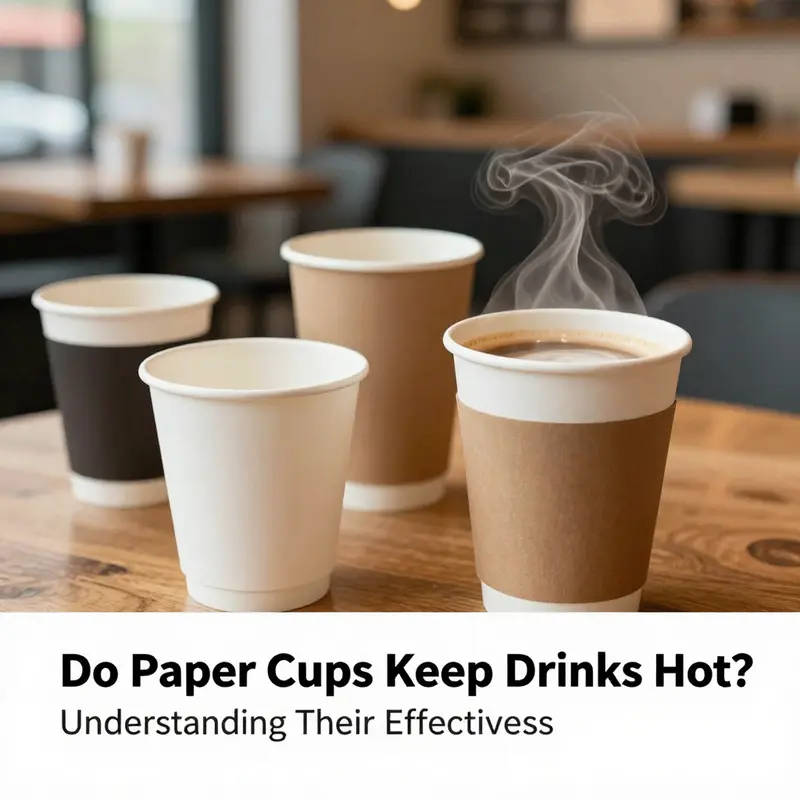
Holding a hot drink in a paper cup is a common, almost everyday ritual. The steam, the warmth at the rim, the feel of the cup warming the fingertips—these small sensations shape our perception of a beverage’s comfort and readiness. Yet behind that familiar experience lies a chain of design choices that determine just how long a drink stays hot and how easy it is to handle it without burning hands. The question do paper cups keep drinks hot invites a layered answer. On the surface, a standard single-wall cup does little more than hold liquid. Its paper wall conducts heat away from the liquid toward the outer surface and into the air more readily than an insulated mug would. The result can be a drink that cools faster than we expect, a cup that becomes too warm to hold with bare fingers too soon, and a sense that the heat is slipping away with every passing minute. But the story is more nuanced. Many paper cups now available in the market are engineered with specific insulation features designed to slow heat transfer. These are not miracles of heat retention, but targeted improvements that matter in real-world use, especially when beverages are carried during commutes, delivered to offices, or queued at a cafe counter where time is a factor.
A foundational element in this story is the construction of the cup itself. Insulated paper cups most often employ a double-walled structure. Inside the cup sits a thin inner layer, and outside is a corresponding outer layer, with a dedicated space in between—the air gap—that acts as a thermal barrier. The inner layer is frequently made from polypropylene (PP). The outer layer is typically a food-grade white cardstock that provides the handling surface and structural rigidity. Between these layers, the air gap minimizes direct contact between hot liquid and the outer surface, reducing the rate of heat transfer by conduction and convection. This architectural choice is subtle, yet it dramatically changes the experience of holding a hot drink. An air gap, when carefully implemented, can lower the heat flux from liquid to surface, making the outer wall feel cooler to the touch for longer and giving the drink a better chance to stay hotter for a longer period while remaining comfortable to handle.
The materials themselves complement this design. The inner lining of many insulated cups is polyethylene (PE), chosen not only for its waterproofing properties but also for its temperature tolerance. PE’s thermal characteristics help prevent leakage and swelling while maintaining a stable boundary against the hot liquid. The line between insulation and safety is delicate: while PE provides a reliable interior seal, it must remain stable under typical use. The common claim that these cups can withstand contact with liquids near boiling temperatures hinges on the knowledge that, under ordinary conditions, the materials do not degrade or release problematic substances. This is important because the cups are shelf-stable and designed to perform in busy settings where temperatures can fluctuate. In sum, the wall system’s geometry—the roundness of the air pocket, the alignment of inner and outer layers, and the choice of plastics and paper—works together to slow heat loss while preserving structural integrity.
From a safety and environmental standpoint, there is more to the story. When we talk about the coatings and linings that keep liquids from seeping through, we must acknowledge their dual role. On one hand, coatings like PE lining prevent leaks and enable hot beverages to travel without incident. On the other hand, there is ongoing scrutiny about how these linings interact with heat and what happens when a cup encounters very hot liquids. A 2025 study highlighted concerns that standard paper cups used with hot beverages at high temperatures—above 95°C—could release a substantial number of microplastic particles into the drink, up to about 25,000 particles per cup after just 15 minutes of contact. While this figure has sparked important discussions about health and long-term exposure for frequent consumers, it also underscores why some manufacturers pursue thicker, more robust paper stock and better insulation as a pathway to safer, longer-lasting warmth. The study reflects a broader conversation about the trade-offs between convenience, safety, and environmental impact. In response, newer eco-friendly or heat-retaining cup designs have emerged. These designs often rely on thicker, food-grade paper and enhanced, engineered insulation to preserve heat while maintaining the cup’s integrity even when faced with boiling liquids.
But how much of a difference does insulation really make in practice? The literature suggests that insulated designs can achieve meaningful gains in thermal resistance. In some cases, manufacturers claim heat retention improvements of up to 40 percent compared with standard designs. That figure is not a universal guarantee; it reflects performance benchmarks reported by certain producers who focus on transport and quick-service contexts where the cup may need to endure several minutes before the drink is consumed. The practical implication is that an insulated cup can keep a drink noticeably warmer for a longer time without making the outer surface uncomfortably hot to touch. This translates to a more satisfying drinking experience for customers who want to savor their beverage at a steady temperature as they move from one task to another. The same construction that preserves warmth also helps limit the chance of accidental burns, a factor not to be overlooked in busy environments where hands are already busy with bags, purses, or laptop sleeves.
The science behind these claims invites careful testing, and scholars and industry professionals alike encourage consulting third-party testing bodies that specialize in food contact materials. Independent assessments can provide a clearer understanding of how the cup’s materials interact with hot liquids, how quickly heat is conducted through the wall, and how resilient the cup remains under practical conditions: for example, when exposed to a rapid temperature change or when held with a moist hand. In this realm, an external verification framework such as SGS Food Contact Materials Testing becomes a useful reference point for consumers and businesses seeking assurance about safety and performance. If readers want to explore standardized assessments and nonpartisan evaluations, they can review the guidelines offered by these testing organizations that focus on real-world use scenarios and the durability of the cup’s insulation under varying temperatures. Such documentation helps separate marketing claims from measurable performance.
An interesting thread in the ongoing discussion concerns the environmental and disposal aspects of insulation. In some cases, the protective coatings and the additional layers in insulated cups still pose questions about recyclability and end-of-life options. The Shanghai United Daily, among others, has noted that when disposed of properly, these cups can be recyclable as waste paper rather than being treated as pseudo-environmental products. That designation matters because it frames a lifecycle perspective: the cup is designed to function well in use, yet it should also be handled responsibly after use. The environmental narrative is nuanced. Insulated designs can be a small step toward improved user experience, but their full impact depends on how the cups are produced, used, and ultimately recycled or repurposed. In the broader sense, the most sustainable path is often to combine improved single-use options with a broader shift toward reusable solutions where feasible, especially in high-volume settings where heat retention improves service quality and reduces waste from discarded cups.
For those who seek a more tactile, real-world sense of how heat retention plays out in daily life, examining practical product lines can be instructive. A growing class of cups combines a thicker paper stock with a careful, engineered interior to resist heat loss while ensuring the cup remains comfortable to handle. These cups are designed to stay structurally sound when faced with hot liquids, including those near boiling temperatures, and they aim to maintain form without leaking or deforming during transport. In scenarios like a long coffee delivery route or a busy catering service, the difference between a standard single-wall cup and a thick, double-wall system can translate into several minutes of warmth and a more reliable drinking experience. Readers who want to see this principle in action can explore examples of double-wall hot paper cups that are widely used in foodservice settings, bearing in mind the critical caveat that any hot-cup solution carries trade-offs between insulation, cost, and environmental considerations. For a practical look at how these double-wall designs function in real use, see this example set of double-wall hot paper cups.
When contemplating heat retention, it is also useful to acknowledge the broader context of consumer expectations and behavior. People often judge a cup’s warmth not only by the beverage’s temperature but by the sensation of holding the cup. If the outer wall remains cool to the touch for longer, the user feels that the drink is safer to handle and potentially hotter inside. If the outer wall heats up too quickly, a user may judge that the cup is losing heat too rapidly or that the cup cannot support safe handling. In this sense, the insulation design acts on both thermal performance and human factors. The best insulated papers do not merely trap heat; they manage heat transfer in ways that preserve drink temperature while reducing the risk of accidental contact burns. This balance—heat retention with hand-friendly handling—is the practical essence of modern paper-cup insulation technologies.
The market’s direction toward eco-friendly, heat-retaining cups is not a universal verdict. It reflects a spectrum of solutions, from traditional single-wall cups that rely on external lids and careful pouring to the latest thicker, double-wall configurations that claim to keep drinks warm for longer while resisting leakage and maintaining structural integrity. For consumers, the takeaway is not to seek an immortal heat source but to understand the trade-offs involved in any cup choice. If heat retention is a priority, insulated or double-wall cups stand out as a meaningful upgrade over basic designs. If recyclability and environmental concerns are higher on the list, then thicker paper stock with optimized coatings may still offer benefits, provided disposal practices align with local recycling streams. In all cases, the cup should be selected with the beverage’s context in mind: the duration of expected heat, the likelihood of handling while moving, and the environmental framework within which the cup will be disposed or recycled.
Ultimately, the story of whether paper cups keep drinks hot is not a single verdict but a spectrum of outcomes shaped by design, materials, and use. The insulated variants—whether through a true double-wall configuration or via thick, well-sealed single-wall constructions—offer a practical path to better warmth without the fragility of conduction-dominated, thin-walled cups. The empirical message is clear: with thoughtful engineering and responsible material choices, paper cups can deliver a more comfortable, safer drinking experience while still aligning with contemporary environmental and safety expectations. For consumers, this means asking questions about what kind of cup you are handed or choose to purchase, paying attention to how it feels to hold, how long it keeps heat, and how it fits with your plans—whether you are sipping at a desk, in transit, or sharing a hot beverage with friends. For professionals in food service and packaging, the implication is to weigh improved insulation against cost, waste management, and the goals of a broader sustainability strategy. As the dialogue around hot beverages continues to evolve, the humble paper cup remains a focal point where science, safety, and everyday practice intersect in a surprisingly tangible way. External standards, independent testing, and transparent environmental commitments will continue to shape which designs rise to the top and become the new baseline for warmth, safety, and convenience in hot-drink service.
External resources and practical demonstrations can offer further illumination. For readers seeking a more technical lens on how heat retention is measured and verified, professional testing bodies provide detailed methodologies and benchmark results. These resources help distinguish marketing claims from demonstrable performance, ensuring that businesses can select cups that meet their specific needs while upholding safety and environmental expectations. If you would like a concrete example of how a double-wall design translates into real-world performance, you can explore the practical range of options described above and consider how their insulation properties might apply to your own use case. To learn more about standard testing practices and how they assess heat transfer and material safety, consult independent testing guidelines and industry reports that compile empirical data across multiple cup designs.
External reference: For safety and performance standards, see SGS Food Contact Materials Testing guidelines and reports at https://www.sgs.com/en/services/food-contact-materials-testing. For a concrete example of insulated cup solutions in practice, you may review a representative product line that demonstrates how double-wall construction can enhance heat retention while preserving structural integrity and safe handling in everyday use.
Internal reference: For a practical look at how double-wall heat-retaining designs perform in real use, see this representative line of double-wall hot paper cups with lids. double-wall hot paper cups
In summary, the capacity of paper cups to keep drinks hot is not a fixed attribute but a result of thoughtful design decisions. The double-wall approach, the choice of plastics and papers, and the careful management of heat transfer all converge to determine how long a beverage stays warm and how comfortable it remains to hold. When these cups are used as part of a broader system—whether in cafes, offices, or on the go—they can deliver a noticeably more satisfying thermal experience than their single-wall counterparts. Yet, this improvement does not nullify the larger considerations of safety, health, and environmental impact. The evolving conversation around heat retention in paper cups continues to push manufacturers toward better insulation, safer materials, and more sustainable practices, ensuring that the humble cup remains a durable, practical component of modern beverage culture.
The Heat on the Edge: Coatings, Linings, and Heat Retention in Paper Cups
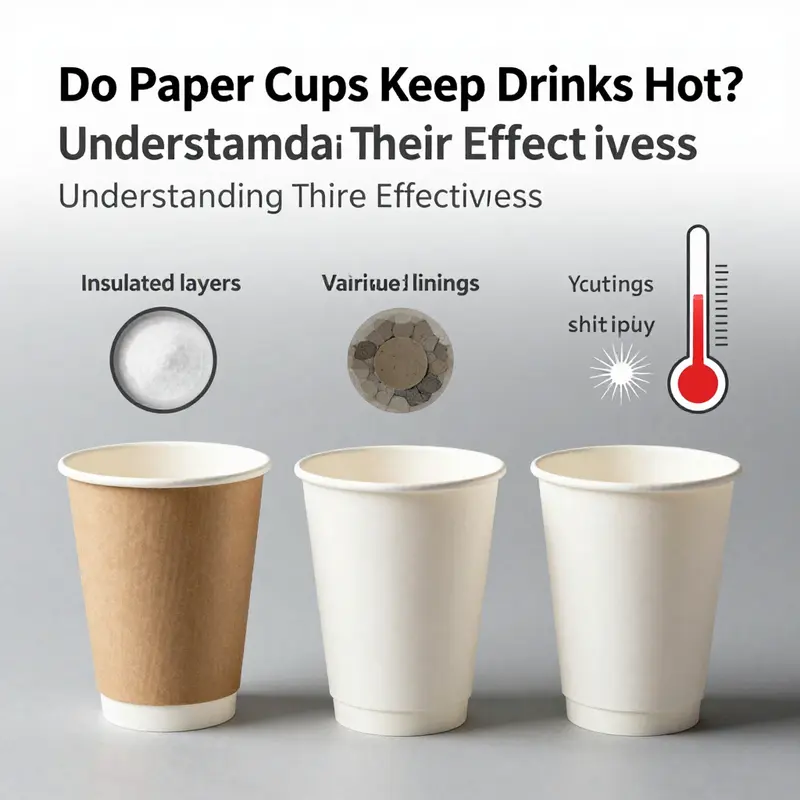
The question of whether a paper cup can keep a drink hot is not a simple yes or no. It depends on the cup’s architecture, the materials that line and seal it, and the moment at which heat loss begins to outpace heat gain. In practice, a standard paper cup feels adequate for a few minutes of warmth, but that warmth is not being held with the same stubborn persistence as it would be in a purpose-built insulated container. In a broader sense, the behavior of heat in a cup is a story of surfaces and barriers, of the thinness of walls and the cleverness of what sits just inside them. The outer shell is often only a sheet of paper thick enough to contain the beverage and resist the occasional splash; the real work happens at the boundary between liquid and air, and between the cup’s interior and the surrounding environment. When we examine the elements that influence heat retention, coatings and linings become central characters in a story that most people only notice when a drink goes cold too quickly or a cup betrays a leak that stains a sleeve or a desk.
The core function of the inner coating in a paper cup is to prevent seepage. It protects the paper from liquid and, in many cases, from the disruptive effects of hot beverages that can soften or warp the wall. Yet this barrier is not just about moisture; it has thermal consequences as well. Traditional coatings, such as polyethylene, build a modest barrier that helps keep heat in but does not fundamentally alter the rate of heat transfer through the cup wall. Polyethylene is a familiar material in many disposable cups because it is cost-effective, durable, and provides reliable moisture resistance. In the language of heat transfer, PE’s insulating capability is limited. It slows some heat loss, but it does not dramatically reduce conduction through the cup’s wall. The result is that a hot drink in a single-wall paper cup will feel warmer for a shorter time than it would in an insulated vessel, simply because heat is free to escape through the wall with less impedance.
What changes the equation is the introduction of advanced coatings. Polylactic acid, or PLA, represents a different path. Derived from renewable resources, PLA coatings bring several thermally favorable properties to the table. PLA tends to exhibit a higher melting point than traditional PE and offers better insulating characteristics. In practical terms, when you pour a hot drink into a cup with a PLA-based lining, you are working with a boundary that is less conductive to heat flowing outward. The temperature gradient between the hot liquid and the surrounding air becomes more gradual, giving the drink more time to retain its heat before the cup and the air around it come to a common, cooler temperature. Over the course of minutes, the difference can be meaningful. A PLA-coated cup may keep a drink hotter longer than its PE-coated counterpart, and this is a central reason why some manufacturers have begun to emphasize eco-friendly, heat-retaining materials that balance performance with environmental considerations.
In addition to coatings, the structural approach of the cup matters. The inner boundary is not the only surface capable of affecting heat transfer. There are designs that intentionally introduce an air gap or a second wall, creating insulation through a double-shell system. Insulated paper cups, including double-walled or foam-lined variants, complicate the heat-transfer pathway in a deliberate way. The air between layers serves as an insulating barrier, reducing heat flow from the hot beverage to the colder external environment. The foam layer, where used, adds a layer of resistance that can significantly slow heat loss. In the consumer landscape, such designs have become common in take-away settings where the speed of service collides with the consumer desire for warmth. A double-walled, insulated cup often performs better in practical terms than a single-wall cup, particularly when the cup is held for longer periods before drinking. Yet even within insulated variants, the performance is not uniform. The quality of the insulation, the tightness of the seals, and the integrity of the lining all influence how effectively heat is retained.
Against this backdrop, the latest material innovations are not purely about keeping heat in; they are also about safeguarding the cup’s structural integrity under hot conditions and addressing safety concerns surrounding recyclable and biodegradable materials. A growing body of evidence points to both opportunities and trade-offs. On one hand, thicker, food-grade paper combined with a robust insulation layer can maintain structural integrity even when filled with very hot liquids. Some of these newer cups are designed to withstand boiling water temperatures without deforming or leaking, which is critical for consumer trust and the overall experience of a hot beverage. On the other hand, there are important safety considerations related to coatings that may degrade over time when exposed to high temperatures. Recent studies have drawn attention to how the linings of paper cups can behave under stress from hot liquids. In particular, when beverages reach high temperatures, some coating materials may begin to break down, potentially releasing microscopic particles into the drink. This is not a theoretical concern; it has been documented in research that certain hot beverage scenarios can lead to microplastic migration from the cup’s lining into the beverage itself. The consequence is not simply a change in flavor or appearance but a potential health consideration for frequent or sensitive consumers. The numbers cited in some studies underscore the severity of the issue: under certain conditions, tens of thousands of microplastic particles per cup have been observed after extended exposure to hot liquids well above 60°C. The takeaway is not that every hot drink is inherently dangerous, but that the coating’s durability under real-world usage matters. If a cup is expected to perform for a long period in a hot beverage environment, its materials must resist slow degradation while maintaining safety and cleanliness.
In response to these concerns, the industry has leaned into materials that deliver improved thermal resistance while remaining within environmental and safety constraints. One path is the development of eco-friendly, heat-retaining cups that rely on thicker, food-grade paper combined with enhanced insulation. These cups are designed to hold up under hot liquids without the risk of deformation; their thicker walls provide a passive form of insulation that reduces the rate of heat loss. When such designs are paired with optimized linings—such as PLA-based coatings or resin-flashing techniques applied to the interior surfaces—the result can be a cup that not only preserves warmth longer but does so with a decreased risk of undesirable chemical release or barrier failure. Resin-flashing techniques, involving the treatment of interior surfaces with a glossy, durable barrier, are particularly noteworthy. They offer a uniform barrier that can improve heat retention by limiting pathways for heat to escape through minute imperfections in the surface and by reducing moisture migration at the boundary. The result is a smoother interior that is easier to clean and less likely to trap liquids that might compromise insulation over time.
The practical implications of these developments are multifold. For consumers, the choice between a traditional paper cup and an insulated or eco-friendly alternative becomes a decision that balances heat retention, safety, and environmental considerations. In the most straightforward terms, basic paper cups retain heat poorly when compared with insulated options. A standard single-wall cup will typically lose heat quickly when filled with hot beverages, particularly at higher initial temperatures. The contrast with double-wall or foam-lined variants is pronounced. These insulated cups slow heat loss, allowing drinks to stay warmer for longer, an effect that is not merely about comfort but also about the quality of flavor and the overall experience of the beverage. In settings where a cup is held for several minutes before drinking, or where a consumer might pick up a beverage an hour after purchase, the difference becomes especially noticeable. The trade-off, of course, lies in the cost, weight, and disposal considerations associated with thicker or double-walled designs. As with any packaging evolution, several factors must be managed: sourcing materials responsibly, maintaining product safety, and ensuring that the cup remains practical for its intended use, whether for hot coffee, tea, or other warm beverages.
Another layer of nuance concerns the longevity of heat retention. Even with insulated cups, the temperature drop is not entirely arrested. The beverage continues to lose heat through the lid, the rim, and any seam that seals the cup. The lid’s effectiveness becomes a critical detail. A well-fitting, heat-retaining lid can drastically reduce convective and conductive losses around the opening, while a poor seal or a vent that is incorrectly designed can offset the benefits of insulation. The cup’s design must consider how the consumer will interact with it: grasping the cup, sipping the drink, or placing it on a surface. Each of these interactions alters the rate at which heat dissipates. In practice, even the most efficient insulation cannot overcome all modes of heat transfer if the cup is used in a cold, breezy environment, or if the drink is agitated, cooled by air, or left to cool with the lid off. Those conditions remind us that heat retention is not a property of the cup alone but the result of a dynamic interaction between the cup, its contents, and the user.
Across the industry, there is growing interest in coatings that offer a middle ground: robust barrier properties, safer degradation products, and improved thermal resistance. PLA coatings represent an important milestone in this regard. Because PLA is derived from renewable feedstocks, it aligns with sustainability goals while contributing to performance gains. Its higher resistance to heat transfer compared with PE translates into a perceptible improvement in keeping beverages warm. The thermal boundary becomes more resistant to temperature differentials, and the drink remains hotter for longer in a way that is noticeable to everyday users. This combination of performance and renewability makes PLA-coated cups a focal point in many modernization efforts. Yet the surface chemistry and transport properties of the inner lining can never be divorced from safety considerations. The microplastics concern is a reminder that improvements in one dimension can reveal new questions in another. As research evolves, the industry may need to refine formulations, test protocols, and lifecycle analyses to ensure that improvements in heat retention do not come at the expense of consumer safety or environmental integrity.
From a consumer perspective, what matters most is a practical verdict: when you pour a hot beverage into a cup, do you feel the warmth endure longer than in the past? Do you notice less heat escaping through the sides before you reach your mouth or take a sip? Do you notice that a cup holds its shape when filled with boiling water, without deforming or leaking? If you live in a culture where takeaway cups are used repeatedly in the same day, these distinctions can accumulate into real differences in experience and cost. The bodies that design and test these products are increasingly mindful of the everyday ritual of drinking: the moment you lift the cup, the way the warmth travels from the lips to the tongue, and the lingering aroma of steam that hints at the drink’s temperature. It is not merely about “hot” versus “cold” but about maintaining the drink in a safe, palatable range for as long as possible without sacrificing practicality or safety. When we think about the trade-offs—insulation versus material safety, cost versus performance, or discard versus reuse—the conversation becomes a longer-term view of hospitality packaging. It is about how modern packaging can support the goal of enjoying a hot beverage with less waste and more confidence in the cup’s integrity.
In the broader arc of this discussion, the implication for environmentally minded consumers is significant. The move toward thicker, eco-friendly papers and PLA-based coatings is not just a response to a single functional criterion. It is part of a broader shift toward packaging that respects environmental constraints while still delivering performance that matters in daily life. The adoption of thicker walls and smarter coatings can coexist with responsible waste management and recycling goals, especially when the materials chosen lend themselves to easier separation in modern recycling streams. The industry must continue to balance the thermodynamics of heat retention with the realities of disposal, recyclability, and the evolving expectations of environmental stewardship. The promise, in short, lies in the possibility that you do not have to choose between warmth and responsibility. Advances in coating technology and paper science are pushing toward cups that satisfy both demands.
The practical message for readers who might be choosing between cups for home, office, or a café is this: if heat retention is a priority, look for cups that advertise insulation or double-wall construction, and consider eco-friendly options that pair thicker paper with optimized inner coatings. In the same breath, be mindful of the material’s safety profile, particularly for repeated use or long exposure to very hot liquids. A cup that maintains warmth for longer is valuable, but not at the cost of releasing microplastics or compromising safety during consumption. The most reliable path may be a combined approach: select insulated designs when warmth is essential, and opt for reusable, double-walled containers for daily routines that demand sustained temperature and higher reuse potential. The spectrum of materials—from traditional PE linings to advanced PLA coatings and resin-flashed interiors—offers a continuum of choices, each with its own set of advantages and caveats. The conversation about heat retention in paper cups thus becomes a conversation about materials science in action: how the smallest design decisions—the choice of coating, the arrangement of walls, the presence of a lid—shape the everyday experience of a hot drink.
External resource: https://www.researchgate.net/publication/384567120TechnicalDetailsQualityStandardsandApplicationsofPaperCupRawMaterialCoatings
Heat, Habits, and Microplastics: Rethinking How Paper Cups Keep Drinks Hot
The simple ritual of pouring a hot drink into a cup is more than a moment of comfort; it is a negotiation between temperature, texture, and the unseen chemistry of materials. Every sip carries with it questions about how long the heat will last, how the cup will feel against the lips, and what the cup itself might be doing to the drink beyond serving as a vessel. For most people, a disposable paper cup seems like a temporary, convenient solution designed to hold a steaming beverage and then be discarded. Yet the reality behind that convenience is more nuanced. Standard paper cups, with their thin walls and single-layer construction, are efficient at containing liquid and enabling portability. But they are not optimized for heat retention. The wall materials conduct heat to the surrounding air with relative ease, and the mismatch between the cup’s thin barrier and the hot liquid leads to rapid heat loss once the beverage is poured. In a world where a few extra minutes of warmth can alter the sensory experience of a drink, this limitation matters for comfort and for the consumer’s perception of value. The design world has responded with innovations aimed at slowing heat escape, notably through insulated paper cups that employ double walls or foam liners. In practice, these designs create a stiffer barrier to heat flow, reducing the rate at which the liquid’s energy escapes into the surrounding air. They can keep a hot drink noticeably warmer for longer than a standard cup. Yet even within insulated families, there is a spectrum of performance. The double-walled configuration, the thickness of the inner and outer walls, and the presence of any insulating gas layer all influence the thermal profile. Some cups also incorporate a broader approach: a sleeve combined with the cup to minimize heat transfer to the hand, while the inner structure works to preserve temperature. The net effect is a more stable temperature, an experience of warmth that endures longer, and a drink that remains at a more satisfying temperature for sipping rather than hurried consumption. But the same innovations that improve heat retention bring with them a cascade of safety considerations that are not always visible at the counter. The most common liners in disposable cups are polyethylene (PE) or other plastics, chosen to prevent leakage and to keep the cup structurally robust. These coatings, while effective at keeping liquids from seeping through, also introduce a new dimension to the cup’s interaction with hot liquids: thermal resistance is marginal, but it is real. More importantly, the chemical fate of these coatings under heat is an area of active study. Evidence from recent work indicates that when liquids reach high temperatures, especially nearing boiling, the polymeric components of cup linings can undergo physical changes. Surface cracking and chemical modification can occur, altering the way the material interacts with the liquid. In some cases, this degradation can release microplastics into the drink. The magnitude of release is not uniform; it depends on temperature, contact time, and the specific materials involved. A growing body of work points to a striking conclusion: even cups designed to be safe and convenient can contribute microplastics to beverages, particularly when the beverage is hot and the cup is used for extended periods or subjected to repeated heating. The implications of this are not simply about taste or texture. They touch health, safety, and regulatory responsibility in ways that invite careful reflection about everyday choices. In this evolving landscape, the tension between heat retention and material safety becomes central to the broader question: do paper cups keep drinks hot, and at what cost? To answer that, it helps to separate the factors at play. First, heat retention is a function of the cup’s insulating structure. Standard cups are thin and porous enough that heat is readily conducted away through the paper and into the surrounding air. Insulated designs, whether double-walled or foam-lined, slow that heat loss by creating a more resistant barrier. In practical terms, this means a drink may stay warmer for a longer stretch of time in an insulated cup, a difference that many users notice during a commute or in a meeting where a hot beverage is part of the routine. Second, the presence of a liner is a separate variable with its own consequences. Linings prevent liquid from seeping through the wall, which is indispensable for consumer safety and handling. But these linings are not merely passive barriers; they are active components in the thermal dynamics of the cup. The same properties that shield liquid from leaks can influence heat transfer. A coating with higher thermal resistance can contribute to modest improvements in heat retention, but the gains are typically incremental. What becomes far more consequential is what happens when the cup is exposed to high temperatures. In the context of hot beverages, temperatures can exceed 60°C and often approach or surpass the point of boiling for tea or coffee. Under such conditions, some linings may experience deterioration that not only accelerates heat transfer into the cup walls but also raises concerns about microplastic shedding. The discourse around microplastics in disposable packaging has grown as researchers try to understand how common materials behave under stress. A pivotal thread in this conversation concerns the release of microplastics from paper cups when they contact hot liquids for sustained durations. Several strands of evidence converge on a troubling possibility: heat accelerates material breakdown, and breakdown yields microplastic fragments that can disperse into the beverage. This is not a hypothetical risk; it has become a focus of rigorous inquiry in independent laboratories and peer-reviewed journals. Turning to the more specific findings, one line of research reports that standard disposable cups can release significant quantities of microplastics into liquids, with the rate increasing with temperature and contact time. The quantity cited—up to 0.7 million microplastics per 100 milliliters of liquid—serves as a stark reminder that heat does not merely alter the sensory warmth of a drink; it also influences the microscopic particulate load entering the body. The materials commonly involved—polypropylene, polyethylene terephthalate, and polystyrene—are typical components of cup linings and closures. When exposed to heat, these materials can crack, shed fragments, and undergo surface changes that facilitate particle release. The health implications, especially for the most vulnerable populations, have rightly drew attention. In the context of pregnancy, research has documented that microplastics can traverse biological barriers in ways that were once thought unlikely. In animal and human studies, microplastics have accumulated in various organs, including the placenta and fetus, raising concerns about developmental toxicity, metabolic disruption, and potential influences on reproductive health. In practical terms, pregnant individuals may be advised to minimize exposure to certain microplastic sources to reduce potential risk to the developing fetus. Even beyond pregnancy, the evidence links microplastic exposure to shifts in gut microbiota, which can influence metabolic function and immune responses. Some studies indicate that even moderate consumption, such as a daily intake within a narrow range, can lead to measurable changes in the gut microbial ecosystem and in gene expression related to oxidative stress and reproductive health. The interplay between heat and microplastic release becomes especially salient when considering real-world practices. In a subsequent line of inquiry, temperature was identified as a key driver for the rate of microplastic shedding. Exposed to higher temperatures, particularly around 70°C and in chemical environments that simulate alcoholic beverages, polystyrene cups have demonstrated increased particle release, including a shift toward smaller, more bioavailable particles. The practical takeaway from these findings is not merely about the moment of pouring but about the lifecycle of a cup in domestic or workplace settings. If cups are reused and repeatedly heated, or if beverages are served at extreme temperatures, the exposure risk escalates significantly. This dynamic is further complicated by regulatory gaps. Current food safety standards in many jurisdictions do not comprehensively address microplastic exposure from packaging materials used in everyday beverages. The 2024 study that highlighted the placenta and fetus exposure scenario also underscored the narrow window of safety for pregnant consumers, with a benchmark dose analysis suggesting a safe intake of roughly two to four cups per day during pregnancy. That recommendation sits in tension with common consumer habits, particularly for people who rely on hot coffee or tea across the workday or for morning rituals. The message that emerges from this convergence of heat retention performance and microplastics risk is not a binary call to abandon disposable cups. Rather, it is a call to recognize the trade-offs that come with different designs and to consider safer pathways for enjoying hot drinks. If one value is heat retention for comfort, another value is safety for long-term health, especially for those who rely on these cups frequently. The literature invites a few decisive directions. First, there is a need for revised safety standards that explicitly address microplastic exposure from beverage packaging materials. Second, transparent labeling could empower consumers to make informed choices based on their own risk tolerance and health considerations. Third, there is room for the development of non-plastic alternatives that deliver heat retention without introducing microplastics into the beverage. In the meantime, practical strategies can help balance warmth with safety in everyday life. For instance, choosing insulated cups or double-walled containers—regularly used in many workplaces and café settings—offers a more reliable barrier to heat loss without the obvious reliance on thin paper walls. When possible, opting for non-plastic linings or materials that have demonstrated lower microplastic shedding under high temperatures is another prudent step. For those who already habitually rely on disposable cups, there is value in rethinking serving contexts. Shorter contact times between hot beverages and the cup wall can reduce the window during which heat-driven material changes might occur. And where possible, limiting the use of cups for boiling liquids or highly hot beverages may be a prudent precaution. The question of how to reconcile heat retention with safety also invites a broader conversation about packaging design and consumer protection. The industry has begun to explore eco-friendly or heat-retaining paper cups that emphasize thicker, food-grade paper and improved insulation while seeking to minimize the potential for harmful interactions with hot liquids. These innovations promise to deliver temperature stability with a more conservative approach to material safety. In practice, this means a move toward designs that maintain structural integrity even when filled with boiling water and that demonstrate robust performance under real-world handling—without compromising safety or sustainability goals. The shift toward safer, non-plastic alternatives is also consistent with growing consumer demand for environmentally responsible packaging. A relevant option is an eco-friendly pulp-based cup holder that supports take-away needs while reducing reliance on conventional plastic coatings. Such a solution aims to allow for a responsible, low-toxicity approach to hot beverage service while preserving the convenience that has made single-use cups so ubiquitous. For readers who want to explore practical options in this space, a related resource highlights several such alternatives, including environmentally conscious take-away cup holders designed for hot beverages. This pointer can serve as a bridge to practical considerations in café operations, workplace break rooms, and consumer choices alike. eco-friendly recyclable pulp cup holder. This emphasis on safer packaging aligns with broader public health goals and with the responsibility of producers to reduce risk without sacrificing usability. As research advances, the relationship between how a cup keeps heat and how it may contribute microplastics will continue to shape both policy and practice. The conversation will likely extend into manufacturing standards, labeling requirements, and consumer education about safe handling of hot beverages. The essential tension remains: there is value in a cup that keeps a drink warm for longer and reduces the need to reheat, but there is equally compelling reason to curb exposure to microplastics, especially for pregnant people and other vulnerable groups. In navigating this, individuals can make choices that reflect both personal comfort and precautionary health measures. In this sense, the future of paper cups lies in designs that marry thermal efficiency with safety, and in a system that makes the trade-offs explicit rather than implicit. The knowledge we accumulate about heat transfer, material degradation, and microplastic exposure should inform how cups are engineered, how they are used, and how information about risk is communicated to the public. The chapter above points toward a holistic approach: optimize heat retention through robust insulation; minimize microplastic shedding by selecting safer liners and barrier materials; and empower consumers with clear, actionable guidance. For researchers and practitioners alike, the challenge is to translate laboratory findings into practical standards that protect health while preserving the convenience that makes disposable cups appealing for daily use. The bigger story is not simply about whether a cup can hold heat, but about how everyday packaging intersects with health, environment, and behavior. A cautious path forward may involve prioritizing heat-retention strategies that rely on inert or low-shed materials, promoting reusable or double-walled options for daily routines, and fostering transparent communication about what is known—and what remains uncertain—about microplastics in hot beverages. In time, this integrated approach could redefine the way a simple cup is perceived: not only as a passive container, but as a thoughtfully engineered interface between warmth, safety, and sustainability. The journey from cup design to consumer health is ongoing, and the chapter we have examined shows why the question of temperature is inseparable from the question of material safety. It invites ongoing inquiry, multidisciplinary collaboration, and a renewed commitment to packaging that respects both the comfort of hot drinks and the health of those who drink them. For readers seeking further context on the health implications of microplastics in hot beverage contexts, additional perspectives from peer-reviewed research and public-health guidance can be explored through established scientific literature. External resource: Microplastics from disposable paper cups are enriched in the placenta and fetus, leading to metabolic and reproductive toxicity during pregnancy.
null
null
Final thoughts
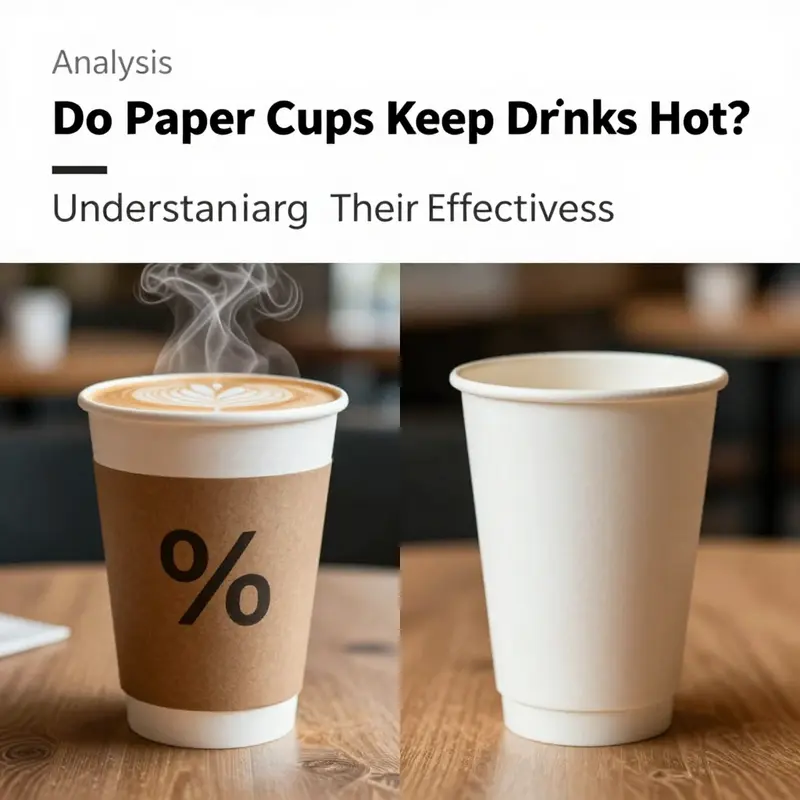
Ultimately, while traditional paper cups provide some level of heat retention, their design and materials significantly impact their effectiveness. The emergence of insulated paper cups offers a promising solution for businesses that prioritize customer satisfaction. In a landscape increasingly concerned about health and safety, understanding the implications of microplastic release is also critical. By opting for enhanced materials and designs, beverage providers can ensure that they not only serve delightful hot drinks but also contribute to consumer health and well-being. As the landscape of beverage service continues to evolve, making informed choices about disposable cups will remain paramount for success.