
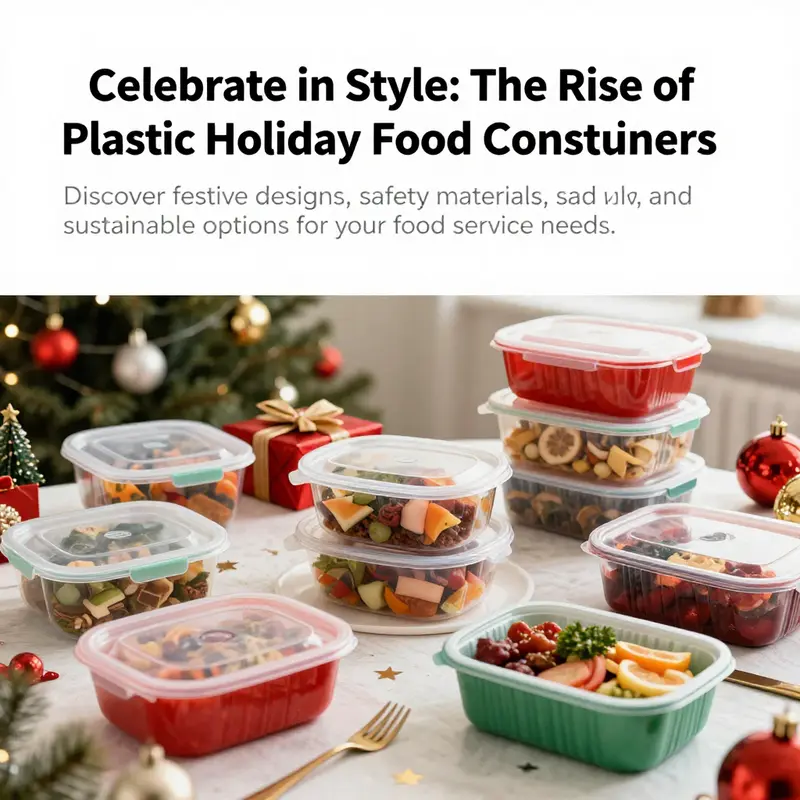
As the holiday season approaches, businesses across the food and beverage industry are presented with ample opportunities to enhance their offerings with aesthetically pleasing and functional packaging. Plastic holiday food containers have become essential for restaurants, bubble tea shops, food trucks, and catering services, providing not only practical solutions for food storage but also festivity and charm during celebrations. In this article, we will delve into the various aspects of plastic holiday food containers—from their festive designs and material safety to market supply influences, purchasing channels, and the role of sustainability in their production. Understanding these facets will help businesses make informed decisions that enhance their services and delight their customers during the joyous holiday season.
在节日氛围中塑形与情感:塑料节日食品容器的类型与设计
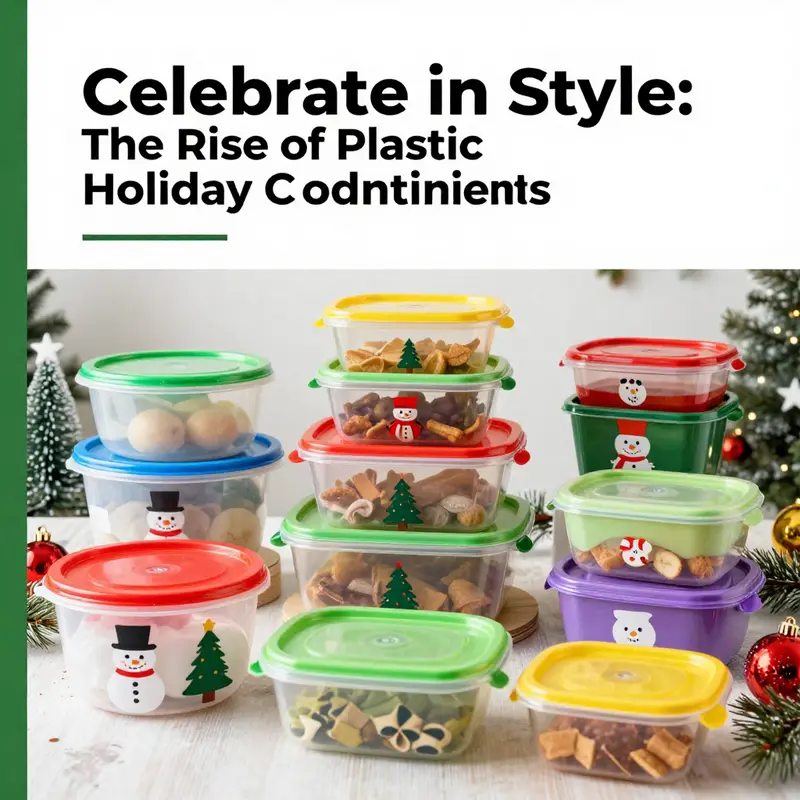
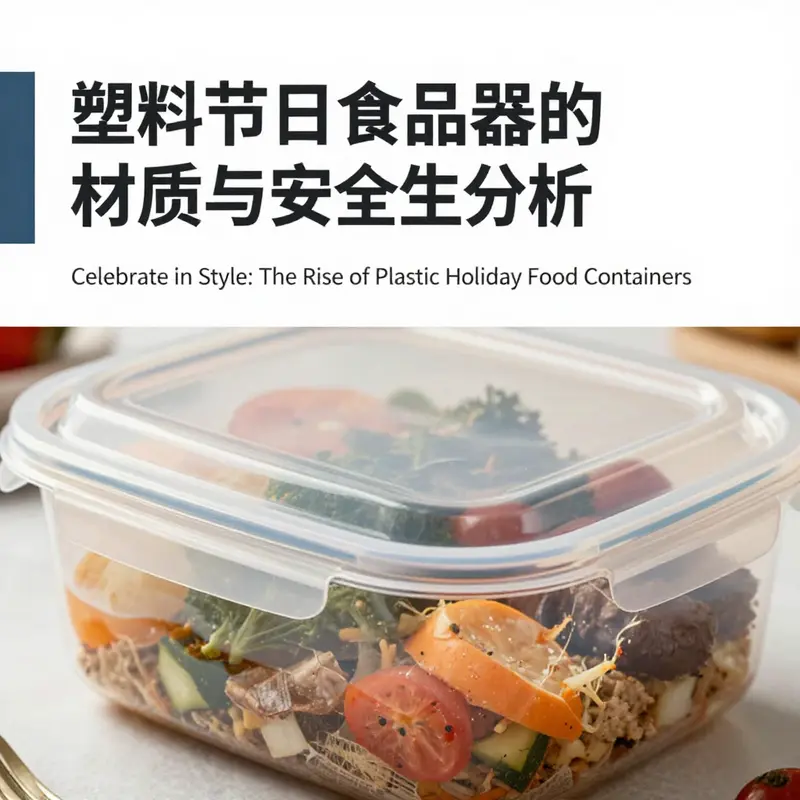
当人们在节日宴席前准备共享的时刻,塑料节日食品容器不仅是盛装食物的工具,更是一种环境的载体,承载着场景的色彩、情感的传递与记忆的镌刻。它们通过形态、材质、开封方式和视觉呈现,把千家万户的节日气氛汇聚在同一个桌面上。正因如此,产品类型的选择与设计并非简单的包装外观问题,而是一个综合性决策,涉及到场景、食品特性与消费心理的交互。节日场景的多样性要求容器具备一定的灵活性:在冬季的寒冷里,保温与防裂的需求提高;在夏季的高温与湿度环境中,避光、防潮与密封性成为关键。这些因素共同指向一个核心原则——容器要既能保护食物的品质,又能以可视性和美学提升购买与分享的愿望。透明或半透明的材料因其高透光性而成为节日食品容器设计中的重要选择之一。透过清晰的盒身,内部食品的色泽、纹理与新鲜度可以一眼被感知,增强“可视化品质”的信任感。设计师往往会通过镜面抛光模具来提升盒体的光泽与透光率,使之在货架和餐桌上都具有更高的视觉冲击力。与此同时,结构设计的精密度也在提升顾客体验方面发挥着决定性作用:易开启的封膜、圆润的边角、以及高度在不同陈列环境中可定制的灵活性,都会直接影响消费者的使用便利性与陈列空间的利用效率。通过这些设计的微调,节日容器不仅承载食品,更强化了礼品的仪式感,成为“礼”与“品”并重的载体。
null
null
Seasonal Dynamics and Plastic Holiday Containers
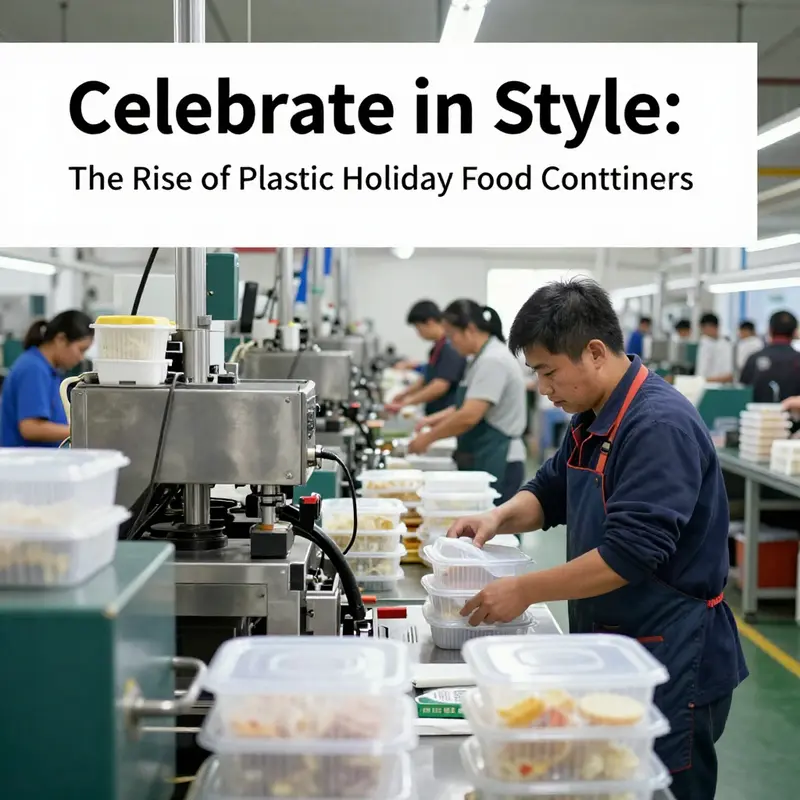
During the holiday season, demand for plastic food containers rises as households prepare meals, gifts, and party platters. Retailers and foodservice operators expect reliable availability, consistent performance, and packaging that feels festive without compromising safety. For manufacturers, the challenge is to meet peak volumes while maintaining quality. Seasonality drives capacity planning: production lines run longer, shifts increase, and procurement is timed to reduce stockouts. The result is a supply chain that must be agile, with warehousing, logistics, and shelf replenishment aligned to holiday rhythms.
Material choices matter: common holiday containers use polymers such as polypropylene and polystyrene, chosen for heat tolerance, clarity, or barrier properties. Design focuses on leak resistance, stackability, and visual appeal that supports gift and table presentation. Quality control is a differentiator, with tests for seal performance, temperature resistance, and migration, plus third-party verification to meet food-safety standards.
Sustainability considerations push for recyclable or lower-footprint options, while maintaining performance. Geography and ecosystem structure influence resilience and the ability to switch between sizes, colors, and lid designs. The best players couple forecasting with flexible manufacturing, enabling traceability and efficient response to shifts in demand. Looking ahead, the market will prize agility, transparency, and responsible packaging choices as retailers seek reliable supply during peak periods.
节日塑料食品容器的购买路径与价格脉动:从渠道选择到可持续升级的市场透视
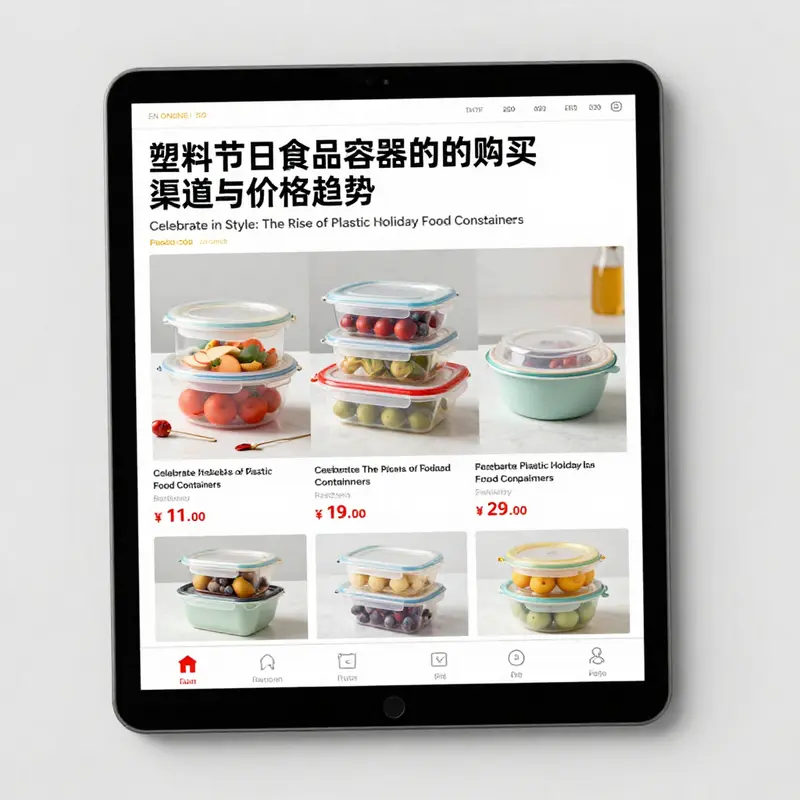
在节日季的喧嚣中,塑料食品容器的选择并非简单的买卖行为。包装不仅承载食物,还承载节日的气氛、品牌传递与可持续承诺。不同的购买渠道提供不同的功能与体验:电商平台以丰富的选择和便捷的物流著称,批发市场以大宗采购的价格优势和多样规格见长,而直接从厂家采购则在定制化、交货时间与供应链弹性方面占有优势。对于商家而言,这三条主线往往需要并行考量,以实现成本控制、视觉效果与品牌一致性的综合平衡。节日场景的需求往往在短时间内急剧放大,任何一个环节的延迟或质量问题都可能放大对销售与口碑的影响,因此掌握渠道间的差异、价格结构与供货稳定性成为核心能力。 议题的核心并非单纯追求最低价,而是在保证功能性与美观的前提下,尽量实现成本可控与可持续性的提升。电商平台的价格快速变动与促销活动,是小批量采购的主战场。商家可以在不同店铺、不同时间段比较同类容器的单价与运费,快速聚合成一个有弹性的购物清单,确保在节日前后有足够的分装与展示材料。与此同时,批发市场则以大宗折扣和规格组合的优势,为餐饮业、活动策划方和连锁门店提供稳定的供应链。批量采购往往带来更低的单位成本,但对交货时间、最小订购量和运输安排的要求也更高,需要与供应商建立更紧密的协作关系。厂家直供,则在定制化与品牌表达方面显示出独特的价值。通过直接与生产方对接,企业可以按用途、尺寸、色彩与印刷标识量身定制,这在节日主题包装中尤为重要,有助于形成统一且具有记忆点的视觉语言。为了实现成本与创意的双赢,越来越多的采购策略是在不同渠道之间进行组合:基础日常需求通过电商或批发渠道完成,节日主题与礼赠场景则通过厂家直供的定制方案来实现。 在价格层面,结构性差异仍然显著。低附加值、通用型容器的价格波动通常较小,提供了预算友好、快速周转的解决路径。相对而言,带有节日图案、可重复使用或采用环保材料的高端产品,往往因为设计附加值、材料创新与回收潜力而具备上行压力。市场研究在未来几年对价格结构进行了预判:总体需求将保持稳定增长,但价格的分层将更加明显。简单的、大规模生产的容器可能维持较为平缓的价格曲线,而高端、主题性强或可持续材料替代的产品则可能出现价格上调,反映出消费者对节日包装的升级诉求以及绿色包装的市场推进。 在一个具体的采购场景中,这些差异会迅速显现。某些类型的长方形塑料容器在批发市场的起价常见于较低的区间,最新市场信息显示起价约为 ¥23.99 左右,属于可直接进入门店或活动现场分装的常规选项。这个价格水平说明,在节日季的需求叠加下,批发渠道仍具备明显的成本优势,适用于需要大批量、周期性替换的场景。对于追求更多自定义与品牌表达的客户,厂家直供的价格往往以定制件为单位进行报价,单位成本会因为材质、印刷、密封性以及包装设计的复杂度而显著提高,但相应地也带来更强的视觉冲击力与市场区隔度。 价格趋势的另一维度来自外部因素。环保政策的推进、原材料成本的波动和回收市场的发展共同塑造市场的价格结构。低附加值容器的价格可能保持相对稳定,而高端设计与环保属性的产品则更易受到成本传导的影响,同时随着绿色包装理念的深入,消费者对可重复使用、可回收材料的偏好也会推动 premium 级产品的价格弹性。对于企业而言,这意味着在预算内实现节日包装升级的路径更偏向于组合式采购:以基础容器满足日常需求,以主题设计和环保材料的产品提升节日礼赠的附加值。 市场的区域差异也不可忽视。沿海地区的物流网络和仓储能力通常优于内陆地区,交货周期更短、库存周转更快,这直接影响到节日周期间的响应速度和成本控制。相应地,区域性的采购策略往往需要结合物流安排、库存管理和供应商的区域服务能力进行优化。疫情后的供应链韧性讨论持续升温,材料短缺、运输瓶颈及国际贸易波动仍会在短期内对价格造成波动,但长期趋势则指向材料创新与多元化供应的稳步提升。 从消费者角度看,市场对包装的认知正在从单纯美观转向综合价值的考量。可追溯性、回收便利性、以及对二次使用的友好性成为新的评估指标。品牌在节日市场中的传播也开始从单纯视觉冲击转向讲述可持续理念的故事,这一点在高端产品线中尤为突出。因此,价格并非唯一驱动因素,包装的整体体验、耐用性与环境友好性共同决定最终的购买决策。随着社会对环境议题的日益重视,企业需要在设计与采购阶段就融入循环经济的原则,以减少浪费、提升可回收性,并通过透明的材料信息、清晰的使用指南来增强消费者信任。 对于正在筹划节日活动的采购团队与企业而言,建立一个可操作的采购框架尤为重要。首先,明确预算分配:将基础分装需求与礼赠包装分离,确保常态与节日需求的分离采购,以避免短时间内的成本冲击。其次,设定优先级:以品牌一致性、视觉冲击力与可持续性为核心指标,对不同渠道的产品进行综合评估。第三,建立对比模型:整理不同渠道的规格、材料、印刷、运输与交货周期,形成一个跨渠道对比表,以便在节日前后灵活调整订单结构。最后,关注供应链风险:建立备选供应商名单、设定最低备货量与安全库存水平,并对关键部件如密封性与盖合结构做严格测试,以降低退货与投诉风险。 值得注意的是,这一章节所讨论的趋势与案例,均来自综合性的市场研究与行业数据。它们强调需求的持续增长同时也提示价格将经历结构性调整。企业应关注材料创新、供应链弹性与品牌增值因素对价格的影响,并洞察消费者在节日包装中的偏好变化。对读者而言,理解这些维度能帮助在不同渠道之间做出更明智的选择,在预算、时间与美感之间实现更高效的平衡。 为了帮助读者把理论转化为实际操作,下面给出一个可操作的内部参考路径:从综合平台筛选合格供应商,比较同类产品的规格、材质、耐用性与密封性,在此基础上结合厂家直供报价,评估性价比与交货周期。你也可以通过多渠道的混合采购来优化成本与创意输出。并且,在设计阶段就纳入可回收与再利用元素,例如盖子密封性、标签的易拆卸性以及对二次使用的兼容性。这种全链路的考量有助于提升活动的专业形象,同时减少环境足迹。 作为对读者的导向,若希望深入了解更多关于节日包装材料与设计趋势的具体案例,可以参考一个相关的资源来扩展视角:disposable-takeaway-paper-kraft-rectangular-square-rectangle-salad-paper-bowl。 此外,若希望追踪行业发展的权威基线,请参阅外部参考资源: https://www.baike.com/wiki/%E4%B8%80%E6%AC%A1%E6%80%A7%E5%8D%8E%E5%A1%94%E9%A3%9F%E5%93%81%E5%8C%85%E8%A3%85%E5%AE%B9%E5%99%A8
Green Sparks in Festive Packaging: Reimagining Plastic Holiday Food Containers for a Cleaner Season
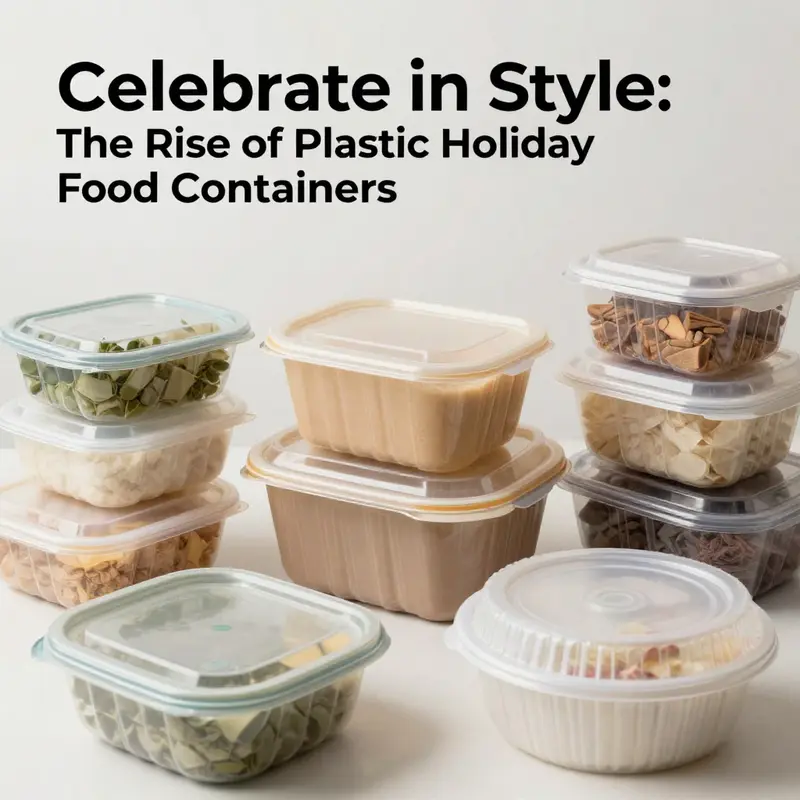
The holiday season always arrives with a familiar shimmer, a sense of abundance, and a tide of convenient, ready-to-use packaging. Plastic holiday food containers sit at the center of that tide: practical, stackable, and designed to preserve freshness through long celebrations, travel, and family reunions. Yet beneath the twinkling lids and bright exteriors, a quiet shift is taking place. Consumers increasingly connect the sparkle of festive foods with a slower, cleaner footprint. The result is not a simple swap from one material to another, but a rethinking of how containers are designed, used, and valued from the moment a dish is prepared to the moment a container is recycled, repurposed, or returned to a supply chain that prizes responsibility as much as convenience.
Historically, the appeal of holiday containers rested on durability and convenience. Food-grade plastics, typically polypropylene or polystyrene, offered a reliable balance of heat resistance, leak prevention, and resilience against drops and mishandling during crowded kitchens and bustling gatherings. The seasonal appeal seldom engaged with the full lifecycle of those materials; the focus was on whether the container could survive microwaving, keep sauces from leaking, and present a festive appearance. The design language—transparent or vividly colored plastic, often with decorative lids—was intended to entice, to make a party look organized and cheerful. This is where the current evolution begins: the recognition that sustainability is not a separate consideration but a core criterion woven into every facet of the packaging system.
The core of this evolution lies in material science and systems thinking. On one front, there is a clear push for materials that offer comparable performance while reducing environmental impact. Recyclability becomes a design requirement rather than a post hoc consideration. Containers conceived with recyclability in mind aim to minimize composite layers, simplify closures, and feature clear labeling that guides proper separation at the end of life. On another front, there is exploration into bio-based or biodegradable alternatives that can deliver similar functionality without persisting in landfills for centuries. These efforts are not about erasing the festive feel but about aligning it with a lifecycle that respects soil, water, and air.
At the practical level, manufacturers are reimagining container architectures to support a circular economy. The most effective proposals emphasize modular, reusable forms that can be rinsed and stored and that resist deformation even after multiple cycles. The lids are designed to seal tightly, with predictable tolerances that prevent leaks under transport and during microwaving, all while remaining easy to open and close for busy hosts. The aesthetics—holiday motifs such as trees, snowflakes, or cheerful patterns—continue to play a role, but they no longer come at the expense of end-of-life clarity. A well-conceived design communicates not only how the container should be used but how it should be disposed of or recycled. When these intentions are explicit, consumers experience a coherent experience: the same instinct for sharing and gift-giving that characterizes the holidays, now paired with a mindset of stewardship.
The consumer dimension is central to this story. People want to protect their families and friends from foodborne illness, yet they also want to reduce waste and to feel confident that their choices align with personal values. This has created a demand for packaging that is not merely “safe for food” but safe for the planet. Consumers increasingly scrutinize what happens after a party ends. They want to know whether the packaging they choose can be returned to a recycling stream, whether it can be collected with other recyclables, or if it can be composted where facilities exist. The challenge is not only the availability of facilities but the consistency of local recycling programs and the clarity of labeling. Without reliable infrastructure, even well-intentioned choices may fail to yield the desired environmental benefits. In this context, a key role falls to education and transparency. Brands, retailers, and municipalities must communicate clearly about what can be recycled, where to take it, and how to prepare containers for reuse or return.
Amid these conversations, the seasonal impulse toward sharing and generosity can be aligned with sustainability through concrete design and behavior. For instance, containers that are explicitly built for reuse can be offered alongside one-time-use options, giving households the choice of a ritual that reduces waste over future holidays. In settings like potluck dinners or family feasts, standardized, durable storage boxes can be passed around as a shared resource, breaking the cycle of single-use disposal even during peak entertaining periods. Analogously, the shift toward recyclable or compostable materials does not mean abandoning the festive look; it means integrating aesthetic language with practical lifecycle information. A bright lid can still evoke a winter scene, but it can also feature a straightforward recycling emblem and a reminder to separate components before disposal.
Beyond the tangible products themselves lies the broader system of supply chains and policy signals that shape what is feasible. The United Nations Environment Programme has championed reducing single-use plastics for years, arguing that policy action and collective behavior change can dramatically lower the volume of holiday waste. This framing matters because it elevates sustainability from a niche consideration to a shared societal priority. In practice, this means that designers and manufacturers collaborate with recyclers, waste managers, and regulators to align material choices with what local infrastructure can handle. The goal is not only to create containers that perform during the party but to ensure that the end of life is predictable and responsible. The path forward includes setting standards for labeling, improving the market for recycled content, and incentivizing closed-loop programs where containers are collected, cleaned, and reprocessed into new products.
In the field, several practical strategies illustrate how sustainability can coexist with the festive spirit. One approach is to pursue materials and configurations that minimize mixed materials, as disassembly becomes a barrier to recycling. Simplified structures—single-material bodies with clearly separable lids, or entirely monomaterial designs—can significantly improve recycling rates. When a container is easy to process, it reduces the energy and cost barriers to recovery, encouraging more households to participate in recycling programs during the busy holiday period. A parallel strategy emphasizes durability coupled with end-of-life clarity. If a container lasts through multiple uses but is clearly marked for recycling, it can bridge the gap between indulgence and responsibility. The emphasis shifts from a waste-averse attitude toward a design-for-recovery mindset, where the container’s purpose extends beyond a single feast to multiple cycles of use and recovery.
The conversation is incomplete, however, without acknowledging the tension between demand for convenience and the push for sustainability. In some markets, the pressure to meet hygienic and health standards during and after disruptions—such as pandemics or supply shocks—can tilt decisions toward disposable solutions. Yet the industry is responding with smarter, safer alternatives that do not sacrifice the holiday experience. For example, some producers are experimenting with coatings and barrier technologies that enable recyclability without compromising food safety or microwavability. Others are exploring post-consumer recycled content and durable, reusable kits that align with recurring holiday use, from family gatherings to community events. In each case, the designer’s challenge is to preserve the sensory and emotional cues of the season—the bright color, the festive shape, the sense that a gift is being given—while embedding a message of responsible consumption that resonates with both hosts and guests.
An often-overlooked but essential component of this shift is how information travels with the product. Clear labeling, simple disposal instructions, and a visible lifecycle story can empower households to make informed choices in the middle of the holiday rush. It is not enough to tell consumers that a container is recyclable; it helps to show them where to take it, how to prepare it for recycling, and what the potential end products might be. When packaging communicates these steps in a calm, informative voice, it reduces confusion and builds trust. Consumers can then see the container not as a disposable artifact but as a link in a circular journey that begins in the kitchen and ends in a recycling facility, a compost site, or a new product made from recovered materials.
Within this evolving narrative, alternative materials such as biodegradable or compostable options do not appear as antagonists to plastic; rather, they function as complementary paths within a broader, more resilient packaging ecosystem. For hosts who want to reduce waste without compromising the party’s warmth, such alternatives can provide practical, attractive choices. And for designers who must meet performance standards under variable holiday conditions—from melting frost to portable storage—these options offer new levers to optimize both safety and sustainability. To illustrate the broader sentiment, consider a sentence that could anchor a future packaging ethos: even in a season defined by abundance and exchange, the most enduring gift we offer is a cleaner, healthier world—one parcel, one plate, one decision at a time.
For readers who want to explore non-plastic integration while preserving the festive ritual, an example of a practical alternative is available through sustainable packaging suppliers. These offerings show that biodegradability and compostability can be engineered into the holiday toolkit without sacrificing convenience. In this context, a notable example is a biodegradable eco-friendly take-away Kraft paper bowl line, designed for durability and easy disposal, which demonstrates how non-plastic options can align with the same social expectations that shape holiday sharing. Such products remind us that the holiday table is not only about keeping food warm and intact; it is also about modeling how communities can treat materials with respect and foresight. For readers curious about such options, this kind of packaging serves as a tangible demonstration that sustainable design can coexist with festive abundance.
The chapter toward a more sustainable holiday packaging future closes with a practical takeaway that ties the narrative to everyday decision-making. First, design for recyclability and clarity in labeling, so households can participate in the recovery system without guesswork. Second, prioritize durability and reusability where possible, offering hosts reliable containers that can be used year after year or returned to a responsible program. Third, stay open to material innovations—bio-based, biodegradable, and recycled-content solutions—that maintain performance while reducing life-cycle impact. Fourth, pair consumer education with transparent supply-chain communication, so the public understands not only what to do with a container after a party but why the choice matters for the planet. Finally, recognize that regulatory signals and industry collaborations will shape what is feasible and affordable, requiring ongoing partnership among designers, manufacturers, retailers, waste managers, and policymakers. In this shared space, the holiday season can keep its magic while advancing a deeper, more lasting sustainability.
External resource: https://www.unep.org/news-and-stories/story/say-no-single-use-plastics-valentines-day
Internal reference: For readers seeking a concrete example of non-plastic, eco-friendly take-away options that align with the broader sustainability goals described here, consider exploring biodegradable eco-friendly take-away Kraft paper bowls as a practical alternative to traditional plastic holiday packaging. biodegradable eco-friendly take-away Kraft paper bowl.
Final thoughts
In closing, the use of plastic holiday food containers presents a wonderful opportunity for businesses in the food service industry to elevate their offerings. The key factors of design, material safety, manufacturing supply chains, purchasing options, and sustainability trends underscore the significance of these products during the festive season. By choosing the right containers, businesses can not only enhance their food presentation but also resonate with environmentally conscious consumers. As the holiday season is a time for celebration and giving, selecting suitable packaging will ultimately reflect positively on a brand’s image and customer satisfaction.