
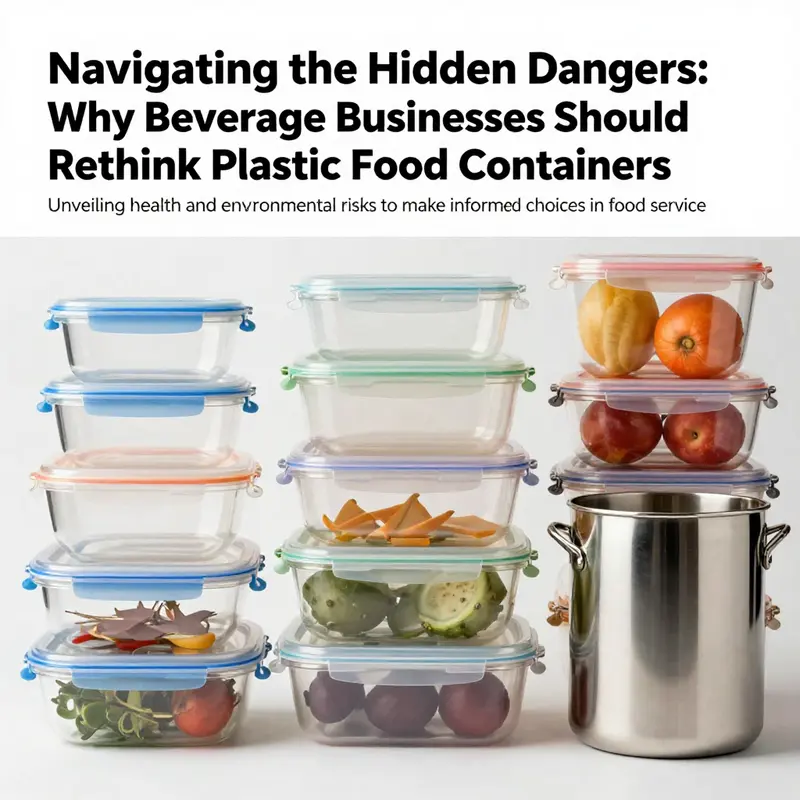
Every day, beverage businesses—from bubble tea shops to catering services—rely heavily on plastic food containers for ease and convenience. However, lurking beneath the surface are significant health and environmental risks associated with these materials. This article explores the critical dangers of plastic food containers in four distinct chapters. First, we’ll delve into chemical migration and how improper storage can transfer harmful substances into beverages and foods. Next, we’ll investigate the growing concern over microplastics and their potential health effects when ingested. Following this, we’ll discuss the increased risks linked to heating and reusing these containers, shedding light on why practices commonly accepted in the industry may be hazardous. Lastly, we’ll address the broader environmental implications of plastic waste, emphasizing the importance of sustainable practices. By the end, readers will gain comprehensive insights on how to navigate these risks and implement safer alternatives.
Visible Risks, Hidden Migrants: Chemical Migration from Plastic Food Containers Under Heat and Fat
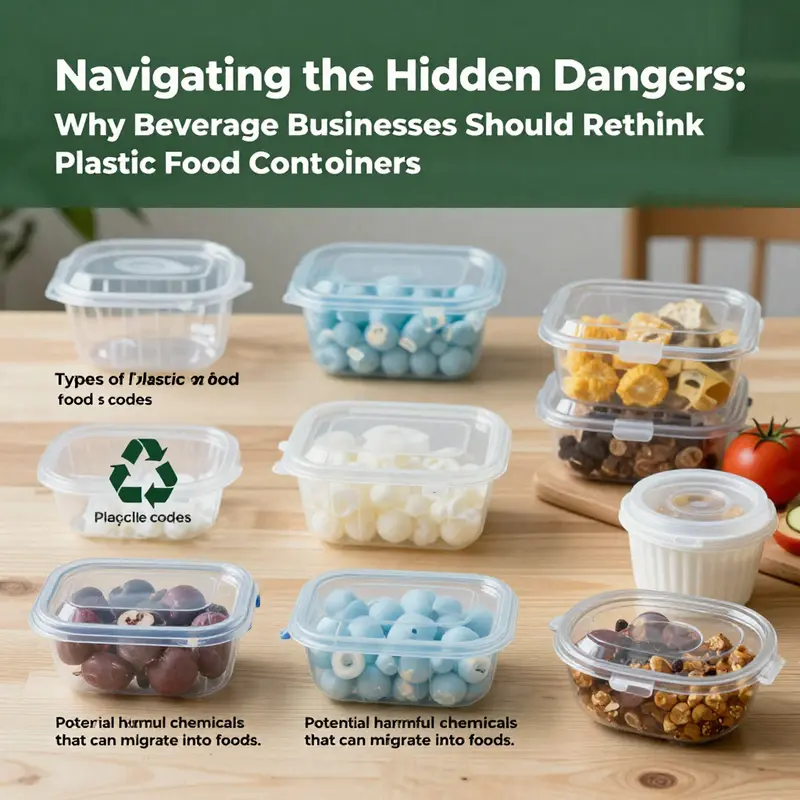
Chemical migration from plastic food containers is a real yet often unseen risk that increases when foods are hot or high in fat. When plastics contact heated oils or fatty sauces, additives and breakdown products can leach into the meal, a pattern supported by safety reviews and public health guidance. To reduce exposure, practical steps include avoiding heating foods in plastic containers, transferring hot foods to glass or ceramic vessels, and replacing damaged or discolored containers. Choosing safer plastic options or moving to glass, stainless steel, or ceramic can lower risk, as can cooling and storing leftovers promptly in nonplastic vessels. Consumers should stay informed about labeling, heat tolerances, and regional guidance, and practice mindful use rather than relying on plastic storage alone.
Invisible Carriers in Your Kitchen: Microplastics and Nanoplastics from Everyday Plastic Food Containers
Microplastics and nanoplastics have moved from the cluttered margins of environmental science to the familiar territory of the home kitchen. The plastic packaging that encases the meals we heat, store, and transport is not a silent shield but an active participant in a cycle of degradation and migration. When plastics are subjected to heat, acids, or oils, their molecular structure loosens its grip on the additives and fragments within. The result is not merely a risk of chemical leaching into food, but the release of minuscule particles that have the potential to travel from a container into a beverage or a meal, and ultimately into the body. The most urgent and eye-opening aspect of this issue lies in the particles themselves—microplastics and nanoplastics—that can be released in the thousands and even billions from everyday containers when subjected to routine handling, heating, and reuse.
A pivotal examination from the University of Nebraska-Lincoln brings the scale into sharp relief. In a study published in Environmental Science & Technology, researchers microwaved plastic containers made of commonly used polymers and observed dramatic releases of particles. In just three minutes, millions of nanoparticles per square centimeter and hundreds of thousands of microplastics per square centimeter migrated into the contained liquid. The researchers used deionized water and a simulant of food—acetic acid at a modest concentration—to mimic real-world conditions. The combination of thermal stress, hydrolysis, and the gradual effects of ultraviolet light on aging materials significantly accelerated the breakdown of polymer matrices. The numbers produced by this experiment are not abstract; they quantify a dramatic, immediate transfer of particles under a typical household habit: heating plastic to prepare a meal or a drink.
But this phenomenon is not isolated to one set of circumstances or one type of plastic. Corroborating investigations have reported similar patterns across a range of materials. Li and colleagues, in a separate line of inquiry, found that plastic feeding bottles, food containers, and disposable cups can release on the order of ten thousand microplastics and ten million nanoplastics when exposed to hot water. These estimates underscore that the heat-driven release of particles is a broad concern, not a narrow one, and that even plastics approved for contact with food and water carry latent risks when they encounter thermal stress. A further set of studies has confirmed that heat acts as the principal driver of particle emission, with the release markedly amplified when containers experience temperatures above ambient conditions. The implication is explicit: ordinary kitchen practices—reheating leftovers in a plastic container, pouring hot beverages into a plastic cup, or using a plastic bottle for hot water—can intensify exposure to these tiny particles.
The health implications of those particles extend beyond the moment of exposure. Research conducted in academia and clinical settings has begun to trace the journey of microplastics once inside the body. A striking line of evidence comes from a study by Yang Xiu-bin and Hua Kun at Beijing Anzhen Hospital, which detected microplastics directly in heart tissue from patients undergoing cardiac surgery. This finding marks a troubling milestone in our understanding of human exposure: microplastics can reach and be found in vital organs, not just pass through the digestive tract. While the exact health consequences of microplastics embedded in a heart or other organs are still being mapped, the signal is clear enough to warrant concern about chronic exposure and cumulative effects.
In vitro experiments reinforce the gravity of potential health impacts. When human embryonic kidney cells were exposed to high concentrations of microplastics, cell viability declined markedly, dropping to about 23 percent after 72 hours of exposure in controlled conditions. Although laboratory settings cannot precisely replicate the complex biology of a whole person, such cytotoxic effects illuminate plausible pathways by which microplastics might disrupt cellular function, provoke inflammatory responses, or interfere with metabolic processes when exposure is repeated or sustained.
The picture that emerges from these findings is not a simple tale of risk in a single setting but a narrative of everyday risk that compounds over time. The plastics we rely on for packaging and convenience do not become inert once they perform their primary function. Instead, under heat and contact with fats and acids, they shed particles that can travel through the digestive system and beyond. The detection of microplastics in human tissue, coupled with observable cellular toxicity in vitro, suggests a potential for systemic effects that deserve careful attention from researchers, health professionals, and policymakers alike. In this context, the everyday act of storing hot food or reheating leftovers inside a plastic container ceases to be a routine convenience and begins to resemble a precaution with real implications for long-term health.
The risk profile is further complicated by the reality that plastic products are not monolithic in safety. The literature emphasizes that not all plastics perform identically under heat, and not all are equally free from additives and degradation products. Even materials that are widely deemed acceptable for contact with food can release substantial numbers of particles when heated, or when subjected to aging and repeated use. The same class of materials can exhibit dramatically different behaviors depending on the presence of other substances in the food, the duration of heating, and the specifics of the container’s age and condition. This nuance is essential for understanding how consumer habits influence exposure and why simply avoiding one single hazard—say, BPA or phthalates—does not automatically eliminate the broader risk landscape associated with microplastics and nanoplastics.
As this body of evidence accumulates, a consistent theme emerges: heat is a primary amplifier of particle release. The everyday kitchen is a site of potential exposure, not by design but by practice. The data from Nebraska and corroborating studies emphasize that the mere existence of plastic packaging does not equate to safety; the context of use—the warmth of a microwave, the presence of oil in a fatty sauce, the duration of storage—transforms ordinary containers into sources of tiny travelers. And these travelers, in large numbers, may accumulate with repeated meals and beverages over time. The health implications are not fully mapped, but the signals—systemic distribution in human tissue, cytotoxic effects in lab models, and the sheer scale of particle release under common conditions—are strong enough to warrant serious consideration of safer alternatives and more cautious usage guidelines.
What does safe practice look like in light of this emerging science? The practical answers lie in both personal habits and structural choices. It begins with recognizing that heating plastic—even containers marketed as food safe—should be avoided whenever possible. The simplest step is to transfer hot foods to glass, ceramic, or stainless steel containers before heating. This single change has the potential to dramatically cut exposure, because it removes the hot surface that catalyzes polymer breakdown and hydrolysis. Similarly, storing hot foods in plastic containers, even those labeled as suitable for freezer use or microwave heating, should be avoided. The heat-sensitivity of these materials means that the safe use-case can evaporate with thermal stress. Don’t reuse single-use containers for food storage. The single-use bottle, once emptied, is not meant to endure the rigors of repeated contact with food or liquids, and the risk of ongoing particle release is not a trivial concern.
Damage to a container—cracks, scratches, discoloration, or an odor—should prompt immediate replacement. Small surface imperfections can accelerate degradation and, over time, contribute to higher particle release. Choosing safer alternatives is a practical strategy. Glass, stainless steel, and ceramic storage options offer robust performance over repeated heating, washing, and aging. Beyond personal choices, there is also a role for safer packaging design and regulatory standards that push manufacturers toward materials with lower propensity to shed microplastics and nanoplastics under normal household use. The aim is not to demonize plastics outright but to privilege materials and practices that minimize exposure in everyday contexts.
For those seeking safer packaging options in practical terms, there are intermediate pathways between convenience and safety. One approach is to favor packaging and serving solutions made from paper-based materials designed for takeout and reuse in ways that do not involve direct heating of plastic coatings or layers. For those exploring such options, the disposable kraft paper bowl and related containers offer alternatives that reduce reliance on plastic and potentially lower exposure to plastic particles. See a representative example here: disposable-kraft-paper-bowl-take-away-kraft-paper-salad-bowl-with-pet-lid. This internal link provides a concrete resource for readers considering packaging choices that align with a precautionary approach to microplastics and nanoplastics in the home.
Ultimately, the path forward involves a combination of informed consumer behavior and structural shifts in packaging design. The studies outlined here highlight heat as a central driver of particle release, a finding that intersects with everyday practices that many people routinely undertake. Reducing exposure requires a simple reallocation of risk: to the extent possible, minimize heating plastic, avoid hot storage in plastic, and favor safer materials when feasible. It also demands ongoing attention from policymakers and manufacturers to ensure that the safety of food contact materials is evaluated not just for immediate chemical leachables but for the broader, particle-based micro- and nanoplastic pathways that emerging science is beginning to map. Only with such a dual focus—practical changes in daily habits and proactive improvements in material science and regulation—can we reduce the invisible passage of microplastics and nanoplastics from containers to cuisine, from cups to cells.
For readers seeking a comprehensive account of the underlying research, the Environmental Science & Technology study provides the foundational data and methodological context that informs these conclusions. For the full study, see Environmental Science & Technology: https://pubs.acs.org/doi/10.1021/acs.est.3c04896.
Heat, Reuse, and Hidden Dangers: How Temperature Elevates Health Risks in Plastic Food Containers
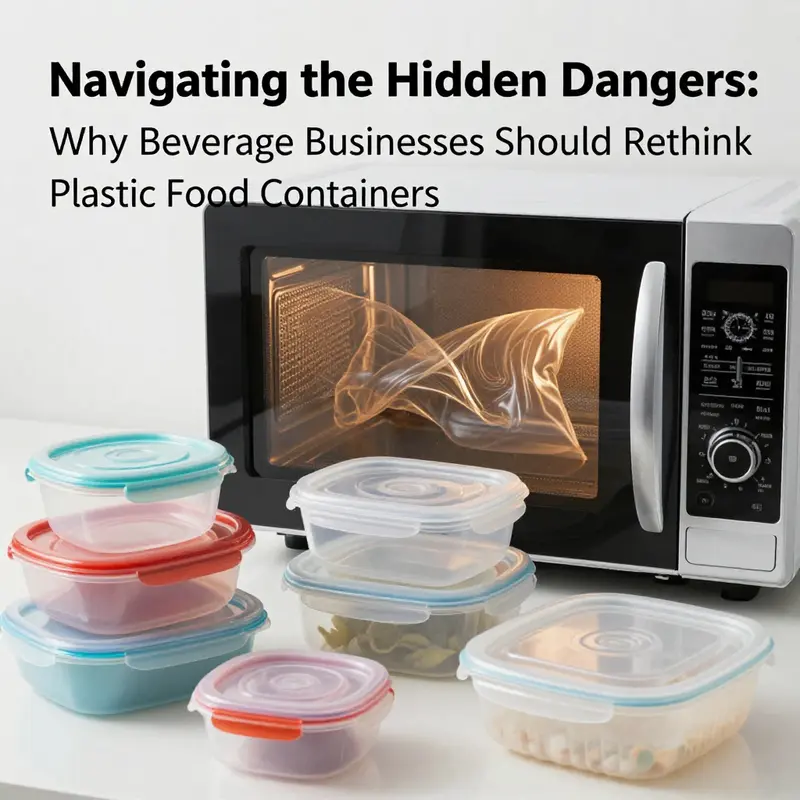
Plastic food containers offer convenience, cost savings, and the perception of real practicality in a world defined by quick meals and on-the-go lifestyles. Yet beneath that surface lies a web of risks that intensify when heat is involved and when containers are reused beyond their intended life. The chapter that follows does not merely catalog hazards; it threads together how temperature, material composition, consumer habits, and environmental pressures converge to elevate health risks for countless people. It speaks to a future where the consequences of our storage choices are not abstract but tangible in the form of bodily stress, disrupted hormones, and a heavier burden on health systems in warmer climates and hotter work environments. In this sense, the danger is not just chemical leaching in a lab test but a real-world consequence of everyday decisions about what we store, heat, and reuse.
Central to the concern about chemical migration is the way heat accelerates the movement of substances from plastic into food. When packing, storing, or reheating meals in containers that are not designed to withstand elevated temperatures, the barrier that keeps additives and fillers from entering food becomes more permeable. Among the chemicals most frequently discussed are Bisphenol A (BPA), phthalates, ethylene oxide, and antimony. BPA, once common in older polycarbonate plastics marked with the #7 recycling code, has long been linked to endocrine disruption. Its effects are most worrisome in developing bodies, where hormonal signaling guides growth and reproductive maturation. Phthalates, used as plasticizers to soften polyvinyl chloride (PVC), are known to migrate into oily or acidic foods and have been associated with hormone-related health concerns across the lifespan. When plastics are heated or contacted with fatty-rich foods, the rate of migration can rise substantially, turning a kitchen routine into a potential exposure event.
But chemical migration is not the only hazard to note. As plastics age and break down, tiny particles—the realm of microplastics and nanoplastics—can shed into the food they contact. Once ingested, these particles can travel through the gut and accumulate in tissues, a process that many researchers consider potentially inflammatory and harmful over time. The prospect of chronic exposure to microplastics raises questions not only about the materials themselves but about how they interact with the complex biology of the human body. The challenge is compounded when we consider the inconsistent quality of many plastics on the market. Not all containers meet safety standards, and recycled or salvaged plastics may harbor hidden contaminants or additives that heighten the likelihood of leaching, especially under heat or repeated use. The cumulative effect of these factors—chemical migration, microplastics, and varying material quality—creates a layered risk profile that is far from negligible.
The practical implications of these risks become more pressing when we situate them within the broader forces shaping our environment. Global temperatures are rising, and the health implications extend beyond the kitchen. Heat intensifies physiological stress, especially for outdoor workers, the elderly, and people in regions where cooling resources are scarce. The United Nations and other agencies have warned that heat does not affect only comfort and productivity; it escalates the risk of heatstroke, dehydration, kidney dysfunction, and even neurological disturbances when exposure is sustained or severe. While these warnings often address occupational settings, they illuminate a connection to the everyday choices that determine how and where we store food. If a container is subjected to heat—whether through microwaving, hot storage, or long exposure to a sunlit kitchen—the potential for chemical migration increases. Read together, the data invite a broader view: protecting health in a warming world requires material choices that reduce exposure and a shift toward safer storage habits.
When we look at reuse, the risk dynamics shift again. Reusing a container beyond its original design life is not a mere matter of wear and tear; it is a change in the container’s chemistry and surface integrity. Scratches, dulling of labels, and micro-abrasions create microenvironments where residual foods and cleaning agents can interact with plastics differently than when the container was new. These changes can alter how additives are released into food, especially when heating is involved. The practice of reusing single-use containers—common in households and food-service operations—further magnifies the problem. A container intended for one-time use is not structurally equipped to withstand repeated cycles of washing, scraping, and heating. The degradation process does not just compromise the container’s physical integrity; it can alter the material’s barrier properties, allowing greater migration of chemical constituents or the release of unfamiliar compounds that may not have been present in the container’s early life.
The debate about safety standards is not only about the presence of a single chemical but about a mosaic of variables that includes temperature, contact time, food type, and the age of the container. Fatty foods, acidic mediums, and hot liquids all interact with plastic matrices in ways that can hasten chemical migration. Environmental and consumer behavior factors complicate the picture. For instance, a container marked with a safer code may still pose risks if it is cracked or scratched, or if it has been subjected to high heat more than once. The recycling codes provide useful guidance, and the general rule—favor containers marked for food use and avoid those with ambiguous labeling—helps reduce risk. In practice, this means prioritizing containers made from materials known to perform better at temperature variations and resisting the assumption that all plastics are equal simply because they are labeled as “plastic.” The key is recognizing that safe storage is not a universal trait of plastic; it is a property that depends on material composition, safe usage, and the careful avoidance of heat and reuse in ways they were not designed to endure.
The environmental dimension intersects with these health considerations in meaningful ways. Plastic waste remains a global pollution problem, contributing to oceanic contamination and wildlife harm. Yet the human health angle—how exposure to degraded plastics and their chemical successors may affect immune function, endocrine balance, and organ systems—adds urgency to the conversation about safer storage practices. In a warming world, where heat stress becomes a daily risk for workers, families, and communities, the choice of storage materials takes on a different moral weight. It is not simply about convenience; it is about reducing a chain of exposures that can culminate in health problems that are costly to individuals and to society.
What, then, are the practical steps that can meaningfully lower risk without sacrificing the benefits of modern food storage? The guidance is straightforward, though not always easy to implement. Foremost, avoid heating plastics unless the container is clearly labeled as microwave-safe. When heating is necessary, transfer food to glass, ceramic, or stainless steel containers designed to withstand high temperatures. Do not store hot foods in plastic containers, even if they appear sturdy; the combination of heat and food acidity or fats increases migration potential. Refrain from reusing single-use plastic bottles or containers that were not engineered for extended use. If you must reuse, choose containers made from materials known for better thermal stability and safety profiles, and replace them if they show cracks, scratches, discoloration, or odors that cannot be removed by cleaning. Vigilance about condition matters because small imperfections can become pathways for migration.
In parallel, be mindful of the broader supply chain influences. The safety of plastics begins with manufacturing practices and ends with consumer handling. When possible, opt for safer alternatives in the home and consider packaging choices that minimize the need for plastic altogether. For meals on the go that spare plastic, look toward safer packaging options such as kraft paper bowls and other sturdy, heat-resistant materials. A practical example is choosing paper-based vessels with lids for take-away meals, which can significantly reduce exposure risk when heat is involved and align with safer food-contact practices. For further exploration of safer packaging options, see resources that discuss disposable kraft paper bowls and related products. See for instance the disposable kraft paper bowl for food packaging with lid, which illustrates how packaging materials can be redesigned for safety without sacrificing convenience.
The synthesis of these considerations also implies a need for policy and workplace protections. As heat increases due to climate trends, the risk of heat-related illness rises for workers who handle food storage, transport, and preparation in hot conditions. The UN’s policy notes on heat stress and workers emphasize the urgency of safeguarding health through better protections, hydration, and cooling strategies. This broader context reminds us that the health risks associated with plastic containers are not isolated to the kitchen. They are part of a larger environmental and occupational health landscape in which temperature becomes a critical amplifier of risk. The call to action is twofold: reduce exposure in daily practices by choosing safer materials and reheating habits, and strengthen protections for workers in hot environments so that heat does not translate into preventable illness.
As we consider the future of food storage in a warming world, the imperative is to align convenience with health security. That means shifting away from reliance on plastics for heat exposure and repeated use, and toward practices that preserve the integrity of both food and the human body. It is not merely about avoiding a handful of chemicals; it is about rethinking the material culture around what we eat, how we heat it, and how we care for our most vulnerable populations in environments where heat becomes a daily stressor. In that sense, the danger is not abstract but immediate, and the path toward safer storage is practical, repeatable, and within reach for households and institutions alike. The dialogue about plastic containers, heat, and reuse is a dialogue about responsibility—responsibility to health, to workers who bear the heat of the day, to the planet that bears the waste, and to future generations who will inherit the outcomes of today’s choices.
For readers seeking a tangible starting point in reducing plastic exposure, consider safer packaging options as part of a broader strategy. For example, choosing disposable kraft paper bowls for take-away meals can reduce plastic contact in high-heat scenarios while maintaining practicality for service settings. This approach aligns with safer food-contact practices and complements broader efforts to minimize heat-related health risks in a warming world. If you want to explore this packaging option further, you can find relevant products at the following page: disposable kraft paper bowl for food packaging with lid. This resource offers practical examples of how safer materials can be integrated into everyday food handling and service.
External resources and further reading can sharpen our understanding of the climate-health nexus that underpins these concerns. A comprehensive UN report on heat stress and workers provides context for why safeguarding health in hot environments matters beyond the kitchen. It underlines the urgency of improved protections, hydration strategies, and policy measures designed to avert heat-related illness among vulnerable populations. For those seeking to examine the broader implications of heat and health, the UN report is a crucial reference and can be accessed here: https://www.un.org/development/desa/policy/wsp/wsp2025/heat-stress-and-workers-2025.html.
From Use to Impact: The Global Environmental Toll of Plastic Food Containers and the Road Toward Safer Alternatives
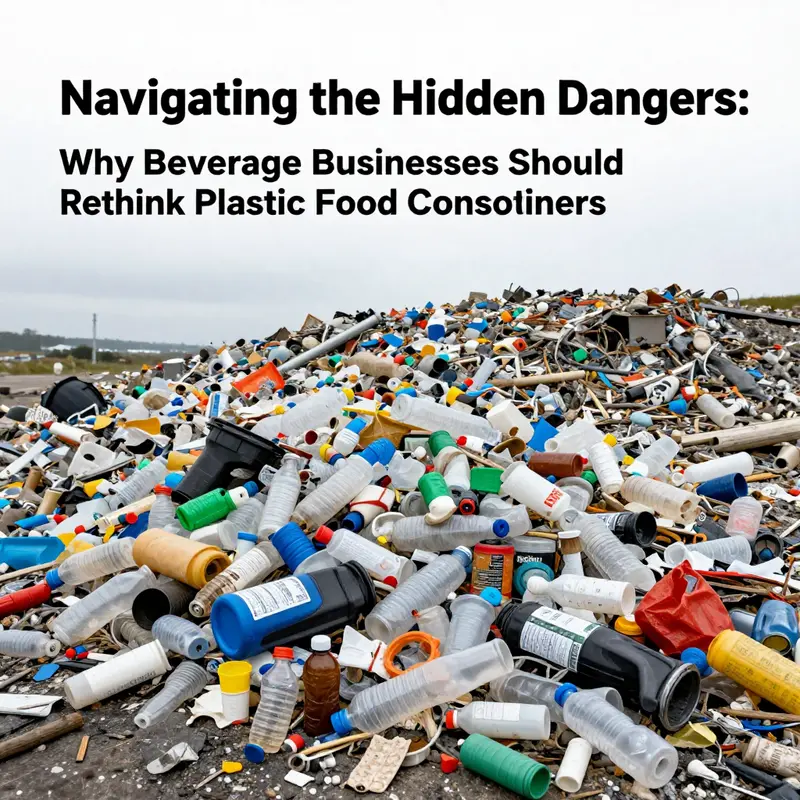
Every meal carried to a desk, a classroom, or a street stall carries with it a trace of the planet’s life support system. Plastic food containers, praised for their lightness and convenience, are also linked to a cascade of environmental consequences that ripple through air, water, soil, and the creatures that share our ecosystems. A life cycle view shows that the environmental burden begins long before a container reaches a kitchen counter. Virgin plastic, derived from fossil fuels, requires energy-intensive processing, resin production, and heavy transportation. This is not a one-off cost; it is a pattern that compounds as demand for convenience foods grows. In life cycle assessments, single-use polypropylene containers emerge as high-impact options in seven of twelve evaluated categories, including global warming potential. The energy required to extract, refine, and convert raw materials into usable packaging translates into measurable quantities of greenhouse gases and broader environmental stress. The picture grows more complex when we consider scale. Takeout and ready-to-eat meals multiply the use of these containers, and the magnitude of waste that follows can overwhelm local waste streams and municipal recycling systems. The result is a pressure that extends from the curbside to the farthest reaches of marine environments, where waste can travel thousands of miles and accumulate in delicate ecosystems that once supported a wider range of species and life histories.
Part of the environmental toll lies in the end-of-life stage. Even when containers are collected for recycling, the system that processes them must navigate a maze of material types, contamination, and economic fluctuations. Not all plastics are created equal in this regard. Some forms, like extruded polystyrene, may boast lower manufacturing footprints due to simpler production steps, yet end-of-life challenges remain significant. The industrial reality is that separation, sorting, and actual recycling rates for different plastics vary widely across regions, and the final destination for much packaging waste remains poorly defined. In many places, a large share of plastic packaging ends up in landfills or informal dumps, where moisture, heat, and sunlight accelerate breakdown and leaching, rather than true material recovery. Even when a container is recycled, the process often yields downcycled products with limited reuse potential, perpetuating the need for virgin plastic and the associated environmental costs.
The ecological dimension extends beyond direct emissions. Plastic packaging adds to the volume of waste that infiltrates aquatic environments, a problem that carries consequences for wildlife and, ultimately, human health through food webs. In marine habitats, plastics pose physical risks to animals that mistake fragments for food or become entangled in discarded packaging. But the environmental harm also includes chemical and physical deterioration of habitats. The presence of plastics interferes with the functions of coastal ecosystems, alters sediment dynamics, and can change the distribution and behavior of organisms that are crucial for nutrient cycling. These environmental changes, in turn, influence the resilience of ecosystems to climate variability and pollution, creating a feedback loop where the resource needs of a growing human population collide with the capacity of natural systems to absorb waste and continue functioning.
A key takeaway from the environmental analysis is that durability and reuse matter more than the label on a single package. Reusable containers, especially those built from durable materials like polypropylene, show stronger environmental performance when used repeatedly. The science points to a threshold: a reusable option must be employed a certain number of times—between roughly three and thirty-nine uses depending on which impact category is weighed—to match, or exceed, the environmental benefits of a single-use alternative. This range reflects the nuanced trade-offs among global warming potential, energy use, water footprints, and other categories assessed in life cycle studies. If a reusable container is used only once or twice, its advantage over a disposable may be minimal or even negative, once cleaning, transport, and return logistics are factored in. The implication for consumers and policy makers is clear: the environmental advantage of reusables hinges not only on material quality but on consistent, sustained use and the infrastructure that supports reuse.
Achieving these benefits in practice requires more than a choice at the point of purchase. It demands a shift in behavior and in the systems that enable reuse. Household routines, workplace cultures, and foodservice operations all influence how often a container is used before it is retired. If washing, drying, and returning cycles are inefficient, or if packaging waste streams do not prioritize reusables, the potential gains shrink. The environmental advantage of reusables grows when communities invest in accessible, reliable take-back or return programs, and when cleaning and storage practices minimize energy and water use. In places where reuse infrastructure is robust, the aggregate impact can be substantial, particularly when the same container is employed across multiple meals, not just a single event. The broader question then becomes one of systems design: how to align consumer habits with production and logistics networks so that reuse is convenient, economical, and sustainable at scale.
The material choice for packaging matters, but it is only one piece of the puzzle. There is no universal “green” plastic, because each polymer type carries its own mix of production costs, recycling feasibility, and end-of-life behavior. Even within a single family, such as polypropylene, variability in resin quality, stabilizers, and colorants can influence recyclability and contamination risk. This is why end-of-life management remains a central challenge. In many regions, the recycling chain is not fully equipped to sort, clean, and repurpose mixed plastics, and contamination from food residues reduces the quality of recovered materials. Microplastics and nanoplastics, the tiny remnants that break free from degradation, are increasingly recognized as ubiquitous pollutants that can migrate from packaging into the environment and then into living organisms over time. The cumulative effect of these processes—production emissions, inefficient recycling, landfilling, and fragmentation into micro- and nanoplastics—contributes to the broader planetary footprint of modern food systems.
If we trace a chain from production to consumption to disposal, it becomes evident that the environmental impact of plastic food containers is not simply a linear problem but a web of interconnected pressures. The waste streams that carry these containers into oceans and landscapes reflect a mismatch between output and the capacity of waste management systems to process and reuse materials. Even where recycling is technically feasible, the economics of collection, cleaning, and processing can determine whether plastic packaging becomes a resource or a burden. In many environments, low-value plastics end up as litter or sediment-bound debris, gradually breaking down into smaller fragments that persist for decades. Marine ecosystems, already stressed by climate change and overexploitation, bear a disproportionate share of the burden. The presence of plastics at the bottom of the food chain can alter habitat structure, hinder foraging areas, and affect the distribution of microbes and plankton that form the base of marine food webs. The resulting shifts can cascade through trophic levels, with potential implications for fisheries, biodiversity, and ecosystem services that people rely on for livelihoods and nutrition.
Addressing these environmental challenges requires both innovative materials and smarter systems. Designers and manufacturers are exploring safer, paper-based and alternative packaging options that reduce reliance on plastics. The shift toward kraft paper packaging in some segments illustrates how packaging choices can align with broader sustainability goals. For readers seeking concrete examples of how packaging formats can change the environmental arithmetic, consider safer packaging platforms that emphasize recyclability and compostability without compromising performance. disposable-octagonal-box-restaurant-food-kraft-paper-packaging provides a lens into how paper-based options may cut down on end-of-life complexity while still meeting functional needs for take-out and dine-in services. Such alternatives are not a panacea; they require synchronization with waste infrastructure, public policies, and consumer behavior to realize genuine environmental gains. Still, they offer a practical path to reduce the planetary burden of meal packaging while preserving the benefits of convenient, ready-to-serve foods.
Beyond material substitutions, there is value in reframing how we think about packaging—shifting from “disposable” to “service-based” models that prioritize reuse, repair, and long life. If a system can reliably bring containers back into circulation for multiple meals, the energy and resource costs per use decline markedly. This is not merely a technical challenge but a social one: it calls for coordinated action among households, foodservice operators, waste managers, and policymakers. Investment in reuse logistics—efficient pickup networks, standardized container designs, standardized cleaning protocols, and accessible drop-off points—can convert a high-volume, low-value stream into a durable resource loop. The environmental payoff is greatest when reuse is supported by clear consumer incentives, consistent quality control, and transparent reporting on performance metrics. The path forward is collaborative and context-specific; what works in one city or region may require adaptation in another, yet the guiding principle remains constant: reduce the total footprint by extending container life, improving end-of-life outcomes, and reducing leakage into ecosystems.
In the broader arc of the danger posed by plastic food containers, the environmental argument complements health considerations. A polluted environment increases the likelihood of human exposures to toxins released during production, use, and degradation of plastics. Wildlife that ingests plastic fragments or accumulates chemical residues can, in turn, affect human health through the food chain. While this chapter emphasizes ecological and systems-level impacts, the threads connect back to the central worry of the article: plastic food containers are not neutral actors in our daily lives. They shape the air we breathe, the water we drink, and the biodiversity that sustains food security. The challenge is to align consumer desires for convenience with planetary boundaries and social equity. The evidence from life cycle assessments—and the practical experiences of cities and businesses experimenting with reuse—suggests that meaningful improvements are possible when decisions are guided by data, enabled by infrastructure, and supported by policies that reward durable designs and responsible disposal.
For readers who want to explore this topic further within the broader ecosystem of packaging design and waste management, the literature on life cycle assessment offers a rigorous framework for evaluating trade-offs among materials and methods. A comprehensive study published in ScienceDirect, Environmental impacts of takeaway food containers (2018), provides a detailed account of how different packaging options perform across multiple environmental dimensions. It underscores the importance of considering the full life cycle, rather than isolated production or disposal steps, when assessing environmental performance. External reference: https://www.sciencedirect.com/science/article/pii/S095605421830427X
Final thoughts
In the food and beverage industry, understanding the dangers associated with plastic food containers is crucial for protecting both customer health and the environment. Awareness of chemical migration, the rise of microplastics, risks associated with heat and reuse, and the overall environmental impact can empower businesses to take actionable steps towards safer practices. By opting for safer alternatives, such as glass or stainless steel, and promoting awareness within their teams and customers, businesses can significantly reduce health risks while also contributing positively to environmental sustainability. Making informed decisions today can lead to a healthier future for both consumers and the planet.