
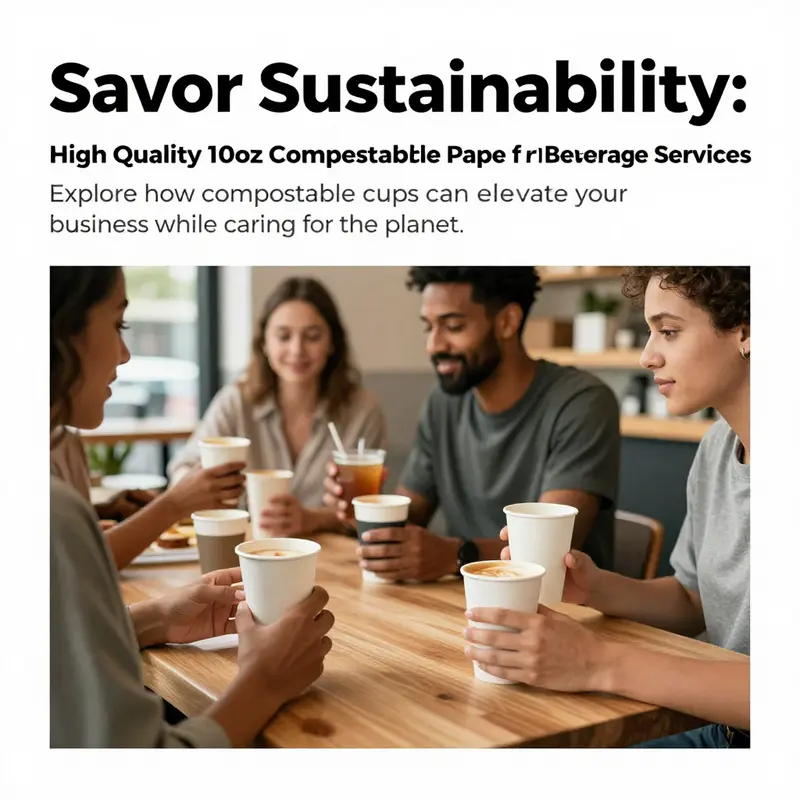
As the global call for sustainable practices intensifies, businesses in the food and beverage industry face mounting pressure to embrace environmentally friendly options. Among these, 10oz compostable paper cups are rapidly emerging as a favorite choice for bubble tea shops, restaurants, food trucks, catering services, event planners, and corporate procurement teams. Featuring durable materials and excellent insulation, these cups provide both functionality and sustainability. In the chapters that follow, we’ll explore their key features, the environmental impact, shifting market demands, manufacturing processes, and the regulatory landscape surrounding these cups. By understanding each aspect in detail, you can make informed choices that resonate with eco-conscious consumers and align with your operational goals.
Heat Without Waste: The Craft and Commitment Behind High-Quality 10oz Compostable Paper Cups
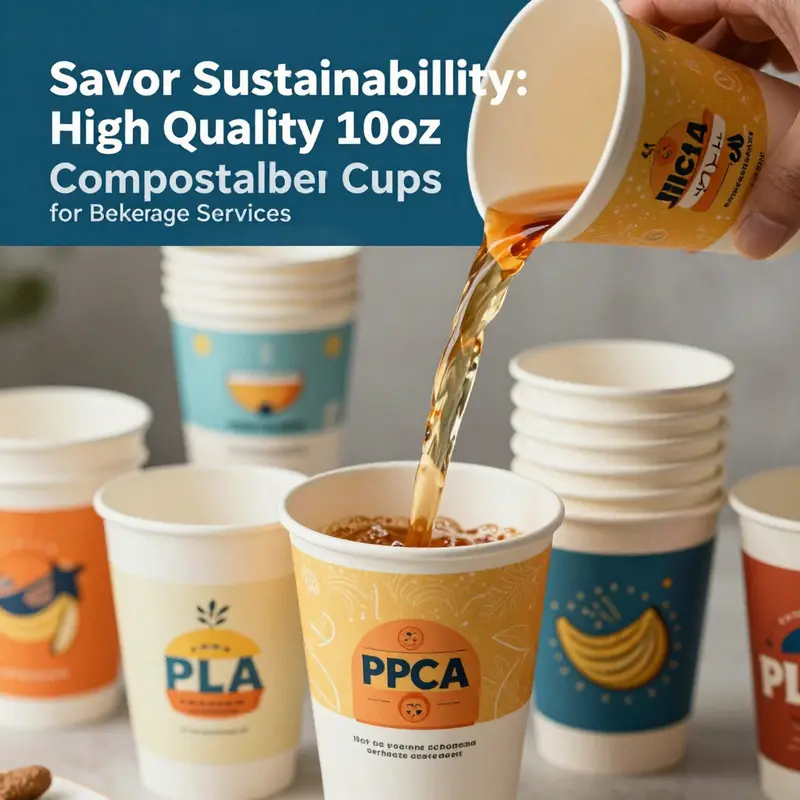
A shift in hospitality and everyday consumption has placed compostable solutions at the core of responsible packing, and the 10oz size has emerged as a versatile bridge between convenience and sustainability. This chapter threads together the material science, the practical design, and the broader environmental implications of high-quality compostable paper cups that carry hot drinks without compromising the planet. The conversation begins with a simple, nonnegotiable premise: cups should perform reliably while leaving as light a footprint as possible. In the best iterations of these cups, performance and responsibility fuse into a seamless user experience. A double-wall configuration forms the backbone of that experience. The exterior layer is a robust sheet of food-grade paper, engineered to keep hands comfortable and protected from heat. The interior, whether protected by a PLA-based coating or a plant-based, starch-derived lining, is chosen to ensure the product remains fully compostable in the setting it is designed for. The double-wall structure does more than insulate; it provides a secure grip, reducing the chance of slips or spills during the rush of morning coffee runs. This is not merely a convenience feature. It is a notable safety attribute that promotes confidence among servers, baristas, and customers alike. Small design choices, such as the precise gap between layers or the way the inner lining interacts with hot liquids, accumulate into a tangible user benefit: warmth without the burn. The result is a cup that holds its temperature and its user’s comfort for longer, a factor that can influence sipping behavior, perceived beverage quality, and overall satisfaction. The material story behind these cups is equally deliberate. The outer shell relies on sustainable paper that is both strong and compatible with modern recycling and composting streams. The internal lining, depending on the production line, may be a bio-based coating or a plant-based starch formulation. The PLA coating, when used, is a bio-based alternative to petroleum plastics, designed to degrade in commercial composting facilities rather than persist in landfills. However, it is essential to recognize that true compostability is contextual. Some facilities equipped to handle industrial composting are able to process PLA-coated cups efficiently, while home composting is unlikely to achieve the same results. This nuance matters, because it underlines the importance of aligning product design with the appropriate end-of-life infrastructure. The certification landscape reflects this alignment and provides a rigorous external validation of environmental claims. In the case of high-quality compostable cups, certification bodies and standards bodies often verify that the product can break down within established commercial composting timelines. The TÜV OK Compost INDUSTRIAL mark, for instance, signals compatibility with industrial composting operations. But beyond a single certification, a suite of recognitions—from SGS to ISO9001 and LFGB—helps build trust across supply chains, regulators, and end users. These certifications are not decorative badges; they are practical assurances that safety, performance, and environmental stewardship are integrated from raw materials through finished product and packaging. The provenance of the cups also matters. People look for a reliable supply chain that can meet bulk demand without compromising on sustainability or quality. Trusted sources often maintain relationships with verified suppliers who understand both the regulatory landscape and the practical realities of mass production. In this space, bulk opportunities are common, with order quantities designed to support both large-scale events and ongoing cafe operations. Understanding the flow from raw material to finished cup helps explain why the 10oz size has proven so adaptable. Ten ounces is a practical capacity for a wide range of beverages—from a robust espresso to a comforting tea. It is large enough to satisfy casual drinkers, yet compact enough to keep waste in check when compared with larger options. For hot drinks, heat retention is a central performance metric. The double-wall structure contributes to this by minimizing the transfer of heat to the outer surface, enabling a more comfortable hold without requiring excessive sleeve use. The inner lining also plays a crucial role in maintaining beverage temperature and preventing moisture transfer that would otherwise soften the cup wall and compromise grip. The result is a dependable, spill-resistant experience that can be relied upon in busy cafes, offices, or at events where throughput matters. In the realm of design, customization emerges as a natural extension of brand strategy. A chalkboard-style surface offers a versatile canvas for logos, messages, or seasonal campaigns. This feature allows an establishment to convey identity or promotions directly on the cup in a way that complements the aesthetic of the drink and the space. It is a subtle but powerful opportunity to reinforce brand recognition and customer engagement without adding waste or hardware. A more functional customization comes in the form of secure white lids that align with the cup’s physiology. The lid’s fit is integral to preventing spills, and the choice of a white lid—clean, defined, and familiar—travels well across different beverage applications. The lid itself becomes an accessory that can be adapted to varying contexts, from fast-paced take-away to more measured in-store service. The cup’s versatility extends beyond coffee and tea. While it is naturally suited to hot liquids, its construct and lining can support a spectrum of beverages and even non-beverage applications. Consider cold drinks, where condensation can challenge grip, or dessert-oriented uses where a sturdy cup helps preserve the integrity of the product. There are also potential uses in pharmaceutical packaging or gift-oriented presentations where a clean, compostable vessel aligns with safety and sustainability objectives. The supply chain story behind these cups emphasizes reliability and scalability. For businesses migrating away from petroleum-based disposables, the option to source in bulk is crucial. Industry players often offer wholesale arrangements that accommodate seasonal peaks and rolling campaigns. The ability to secure a steady stream of cups without sacrificing environmental commitments becomes a strategic advantage for operators who want to minimize both logistical headaches and ecological impact. A robust sourcing strategy would typically couple material assurance with traceable origin certificates and third-party validations, ensuring that every layer of the cup—from the fiber mill to the finished cup—meets established standards. In this context, the interplay between performance and environmental responsibility becomes a daily practice rather than a marketing claim. The environmental promise of compostable cups does not exist in a vacuum. It relies on a network of facilities and programs designed to manage material end-of-life efficiently. Industrial composting, compostable mulch programs, and municipal waste streams all contribute to a landscape where compostable cups can transform into compost rather than waste. Consumers, businesses, and regulators benefit from clear guidance about how to dispose of these products. This alignment reduces confusion in busy settings, enabling teams to communicate expectations and ensure that end-of-life outcomes match the product’s promise. The educational dimension is essential, because compostability hinges on the presence of appropriate facilities and processes. When a cup enters the right channel, it returns to a cycle that supports soil health and resource recovery. When the system is incomplete, the opportunity to close the loop is diminished. This is why credible certifications and transparent labeling matter so much; they help ensure that the product’s environmental benefits are achievable in practical use. The story of a high-quality 10oz compostable cup is thus a story of careful material selection, intentional design, and a realistic appreciation of waste management infrastructure. It is a story that respects the customer’s need for reliable performance while honoring the planet’s longer-term health. Within this narrative, the chalkboard-style customization stands out not as a gimmick but as a practical tool for communication—an inexpensive, recyclable surface that can carry branding without adding waste. The promise of a secure lid, a comfortable grip, and durable construction converges with a philosophy of responsibility that permeates every stage of the product’s life. For readers exploring real-world applications and design variations, a closer look at double-wall configurations with optional finishes can illuminate how a simple cup becomes a carrier of brand, quality, and stewardship. A real-world example can be seen in this product page: disposable-double-wall-gold-foil-stamping-coffee-cups-with-lid. This reference demonstrates how contemporary suppliers pair structural integrity with premium finishes to elevate perceived value while maintaining a clear environmental footprint. As businesses weigh options, the goal remains clear: deliver a superior beverage experience without compromising ecological integrity. The 10oz format offers a practical compromise between portion control and waste minimization, supporting operators who want to balance guest satisfaction with sustainability metrics. The path forward calls for continued attention to end-of-life infrastructure, ongoing optimization of material formulations, and transparent conversations with customers about what compostability means in practice. When a cafe or event greets patrons with a cup that is reliable, comfortable to hold, and genuinely compostable, the experience resonates beyond the drink itself. It conveys a commitment to responsible consumption and to a future where single-use does not necessarily equate to waste. In this sense, the cup becomes more than a vessel; it becomes a statement about values, a small but visible step toward a circular economy. External reference: https://www.amazon.com/10-oz-Compostable-Paper-Cups/dp/B0CZQXKJ4Y
Heat, Hold, and Harmony: The Sustainable Promise of 10oz Compostable Paper Cups in Everyday Beverage Service
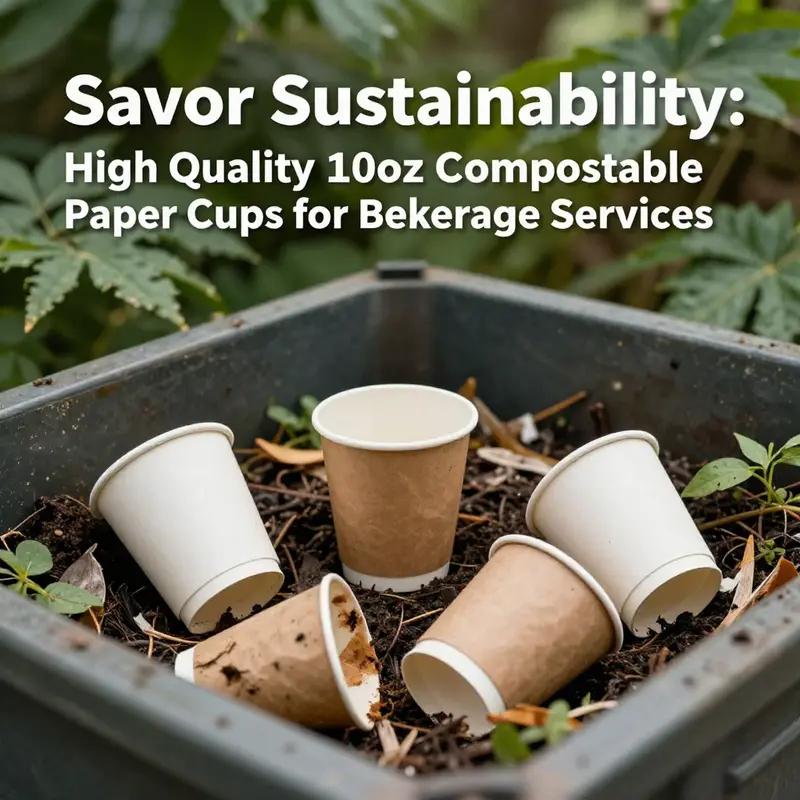
The 10oz compostable paper cup has emerged as more than a single-use vessel; it is a practical statement about how small, everyday choices can align heat, usability, and environmental responsibility. In a landscape crowded with disposable options, this cup type stakes a claim on performance without compromising ecological aims. Its core appeal lies in a double-wall construction that provides a reliable buffer against heat transfer, letting customers cradle a hot drink without danger of burns or discomfort. Beneath that familiar shell, a plant-based, food-grade foundation rests on a coating that signals a departure from traditional petroleum-based plastics. The combination—biobased coatings and a packaging system designed for compostability in industrial facilities—transforms a moment of carry-out consumption into a step toward a more circular economy. The cup’s 10-ounce size has long held a balanced place in coffee culture, large enough to offer a satisfying beverage, yet compact enough to keep waste volumes manageable for both retailers and waste management facilities. In this light, the cup becomes not merely a container but a connector: between warm, aromatic moments and the broader commitments customers increasingly seek from the brands they support.
Material science anchors this balance. The double-wall design, while invisible to the casual user, is a technical achievement that merges insulation with tactile comfort. The outer and inner plies cooperate to preserve drink temperature while keeping the cup cool to the touch on the outside. A key to its environmental narrative is the lining, which often derives from plant-based starches rather than petroleum-derived polymers. This lining is paired with a coating—industrially compostable in certified facilities—that avoids the waxes and plastics traditionally found in single-use cups. The result is a product that can break down alongside other compostable materials once it reaches the appropriate processing stream. Consumers and operators alike benefit from a packaging system that feels familiar in use yet aligns with stricter sustainability criteria, a combination that can help shift behavior toward more responsible disposal without sacrificing the everyday practicality customers expect.
Certifications play a crucial role in translating this technical promise into credible, policy-wide adoption. The environmental benefits of compostable cups are validated not merely by marketing claims but by standards that institutions and regulators trust. In the industrial composting space, certifications such as TÜV OK Compost INDUSTRIAL provide independent verification that the cup can decompose under controlled, facility-based conditions. Beyond compostability, many of these cups carry additional attestations— SGS, FDA, ISO9001, and LFGB certifications—that reassure buyers about food-contact safety and the consistency of quality management. Such credentials are particularly meaningful for cafés, schools, healthcare facilities, and event organizers who must meet stringent sanitation requirements while presenting a consistently sustainable message. They also help clarify the product’s position within national and regional frameworks that emphasize extended producer responsibility and recyclable or compostable waste streams. The emphasis on standards reflects a broader shift in packaging: buyers are increasingly seeking products that not only perform but are traceable through transparent supply chains and verifiable life-cycle outcomes.
The environmental impact of these cups extends beyond the material composition to the systems that handle them after use. A compostable cup that relies on a plant-based lining and a compostable coating is most effective when it is collected with other compostable packaging and processed in an industrial facility designed to handle such materials. In practice, achieving the circular benefits depends on clear consumer guidance and coordinated waste management. When the cup reaches the right facility, the organic components can break down, helping to reduce the volume of residual waste that would otherwise persist in landfills. This trajectory supports a circular economy, where materials are kept in productive use for as long as possible and then reintegrated into new products or soils rather than discarded. For beverage operators, the implication is more than environmental ethics; it is a strategic opportunity to align product design with growing expectations from customers who value responsible sourcing and waste stewardship.
The design flexibility of compostable cups is a practical advantage for businesses seeking to reinforce their environmental commitments without sacrificing brand visibility. Among the features that speak to this balance is the capacity for customization through graphics that print cleanly on the exterior. Some operators choose chalkboard-style graphics that can convey sustainability messages or seasonal promotions without increasing the cup’s environmental footprint. This kind of customization leverages the cup as a promotional instrument rather than treating it as a disposable afterthought. Crucially, these design choices must remain compatible with compostability; ink formulations and surface finishes are selected to avoid impediments to the biodegradation process. In other words, the cup can carry a powerful brand story while still advancing the broader goal of waste reduction.
Operationally, the 10oz compostable variant suits a broad spectrum of venues—from intimate cafés and university kiosks to conference centers and pop-up events. The 10-ounce size provides a familiar footing for hot beverages, and when paired with the right lid, it maintains a leak-proof experience that customers expect in take-away service. The double-wall feature supports that expectation by offering reliable insulation, which preserves beverage quality while minimizing heat transfer to the consumer’s hands. The absence of petroleum-based plastics in the lining and coating strengthens the cup’s environmental narrative, aligning with retailers’ commitments to reduce fossil fuel dependence. For operators, the decision to adopt this cup often hinges on a blend of cost considerations, supply chain reliability, and the capacity to communicate a consistent sustainability message to customers. In the real world, this means balancing procurement volumes, lead times, and the ability to meet seasonal demand without compromising the integrity of compostable waste streams. Bulk orders, frequently starting at tens of thousands of pieces, reflect the scale at which many foodservice and event operations operate, underscoring that sustainable packaging is not just a niche choice but a scalable system.
The path from single-use convenience to sustainability involves a subtle shift in how businesses frame their packaging choices. Rather than presenting the cup as a disposable problem, operators that embrace compostable cups can position themselves as participants in a broader environmental program. The plant-based lining is a reminder that what ends up in the bin need not linger in a landfill for decades. The compostability certification ecosystem helps ensure that the product can complete its lifecycle responsibly, provided that the waste streams and facilities exist to receive it. In markets where regulatory expectations are evolving, the presence of certifications such as the OK Compost INDUSTRIAL standard and related quality assurances becomes a signal to customers that the organization takes lifecycle impact seriously. This signal reinforces trust: consumers who want to see action on plastic pollution are more likely to support brands that provide clear, credible sustainability credentials.
To connect the practical and the promotional, consider how a retailer or event organizer can extend the message beyond the cup itself. A café or show venue might employ a simple, eco-friendly display that explains the cup’s composition and its role in reducing plastic waste. The ability to brand the cup while maintaining compostability is not incidental; it is an invitation for customers to participate in a shared environmental objective. In this sense, the cup becomes a touchpoint that records the interaction between a customer, a beverage, and a responsible choice. The result is a more deliberate shopping or dining experience, one where the container reinforces the value proposition of sustainability without imposing any extra cognitive burden on the user.
For readers seeking a tangible sense of how this category fits into a larger product ecosystem, consider the broader range of hot beverage disposables that share these design principles. A related category emphasizes double-wall functionality and compostable linings, complemented by a range of sizes and lids to accommodate different beverage profiles. The key takeaway is that the 10oz compostable cup stands as a versatile platform for sustainable hot and cold beverage service. It is robust enough for everyday use and adaptable enough to scale with the demands of larger venues, while also presenting an authentic environmental narrative that can be conveyed through in-store signage, packaging, and customer interactions. The result is a coherent, credible story: one in which performance, safety, and sustainability converge in a single, well-engineered packaging solution.
For readers who want to explore adjacent product categories that support sustainable takeaway service, note how the broader family of compostable and eco-friendly options can complement cups with lids, sleeves, and associated accessories. The narrative extends beyond a single cup to the system it inhabits, including the packaging, waste streams, and consumer education that turn a momentary purchase into a long-term commitment to responsible consumption. In practice, this means that a business can communicate a clear, consistent environmental message across all touchpoints—from the cup in hand to the waste bin at the end of the counter—strengthening the overall impact of their sustainability program. The 10oz compostable cup thus serves not only as a practical tool for serving beverages but also as a strategic vehicle for environmental storytelling and responsible brand stewardship.
External resource for further context: https://www.alibaba.com/product-detail/Custom-Printed-10-oz-12-oz-16-oz_1600548174727.html?spm=a2700.1.women.3.7f5d3a1bVqZQrX
Internal link: For additional context on related hot beverage packaging options, see this category page offering disposable double-wall hot paper cups with lids: disposable double-wall hot paper cups with lids.
Sustainability in Every Sip: Market Demand and Consumer Preferences for 10oz Compostable Paper Cups
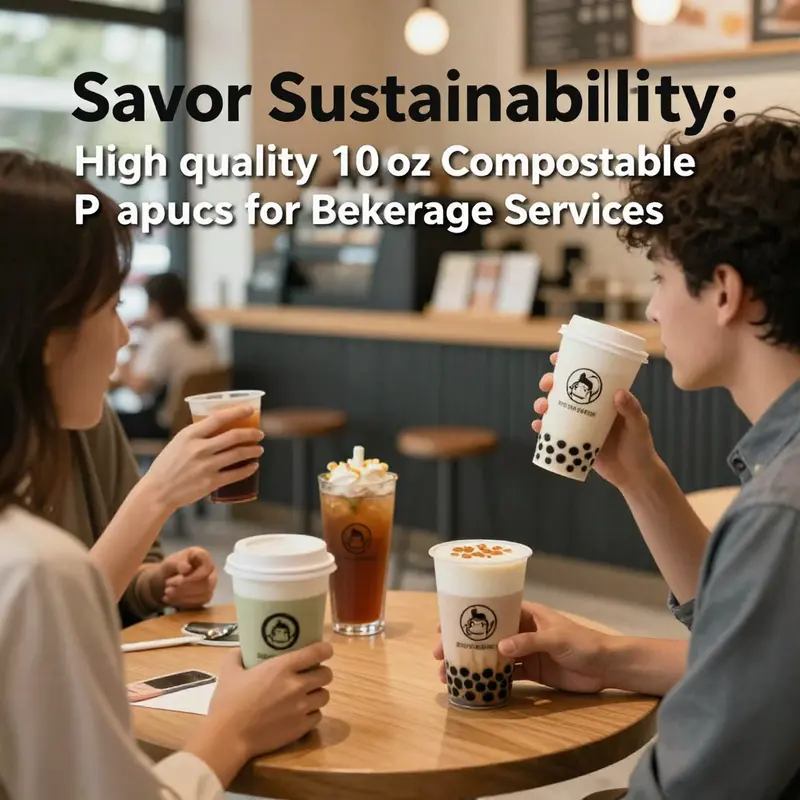
Across the landscape of modern food and beverage service, the humble cup has become a focal point for sustainability, performance, and branding. The 10-ounce size stands out as a versatile middle ground—large enough for a robust hot beverage, yet compact enough for on-the-go consumption. When this seemingly ordinary vessel is paired with a compostable, paper-based construction and a coating that enables industrial biodegradation, it signals a shift that goes beyond material choice. It embodies a broader commitment to reducing single-use plastic and diverting waste from landfills while preserving the sensory and practical benefits customers expect from a well-made cup. In markets where consumers are increasingly aware of the lifecycle of the products they buy, the rise of high-quality 10oz compostable cups is less about a single feature and more about the integration of design, material science, and supply chain practicality into a coherent sustainability story. The cups that are now entering mainstream hospitality and takeaway sectors are designed not only to perform under heat and handling stress but also to reassure buyers that their purchases align with long-term environmental goals. Heat retention, leak resistance, and comfortable grip are not merely functional accolades; they are signals of reliability that support repeat business and stronger brands in highly competitive settings.
From a consumer standpoint, the decision to choose compostable, paper-based cups over plastic alternatives rests on several intertwined preferences. First is the expectation that materials come from responsibly sourced paper that can be traced back to renewable or recycled origins. Consumers want to know that the cup’s paper content supports a circular economy, reducing dependence on virgin plastics and diminishing the environmental footprint of disposable packaging. Second is performance: a cup that holds up to hot liquids without leaking, maintains temperature enough to enjoy the beverage, and offers a comfortable touch—particularly through a double-wall design that minimizes the outer surface heat. Third is verifiable compliance. Certifications that verify compostability in commercial facilities offer a tangible assurance that the product will break down where it is intended to—and within a reasonable timeframe. These certifications build trust and enable retailers to communicate a credible sustainability promise to customers who are increasingly skeptical of green claims.
The way a cup communicates its environmental intent matters as much as its physical performance. Brand identity and consumer perception intersect at the point of use. For many operators, the cup becomes part of the brand’s sustainability narrative. Customization options, such as logo printing or color customization, provide a practical path to integrate green branding without sacrificing the cup’s ecological value. The ability to print branding directly on the cup allows businesses to extend their environmental messaging into the user experience—every sip reinforcing a commitment to responsible packaging. In this sense, the cup is not a disposable afterthought but a component of a broader brand story. The right combination of aesthetics and ethics helps convert occasional buyers into loyal customers who associate the brand with thoughtful packaging choices.
Practicality is another essential axis for consumer choice. A key driver is compatibility with lids and accessories that support both hot and cold beverages. The 10-ounce format often pairs with standard flat or dome lids, enabling a seamless take-away experience that does not compromise the cup’s structural integrity. For venues that host events or operate in high-traffic spaces, the ease of use and reliable performance translate into operational efficiency. In addition, practical considerations—such as the availability of a range of paper weights and coatings—allow operators to tailor their packaging to different beverage profiles and handling conditions. For instance, some facilities require coatings that are free of petroleum-based plastics while maintaining barrier properties against moisture and leaks. In others, a double-wall construction provides a more comfortable grip and enhanced insulation, which can be pivotal when serving hot drinks in cooler climates or during busy service periods.
For buyers seeking to optimize both sustainability and margin, the economics of bulk purchasing and customization matter. OEM (Original Equipment Manufacturer) printing capabilities enable brands to embed their identity without compromising environmental goals. When a supplier can offer customization in color and logo applications at scale, operators can maintain a consistent, eco-conscious aesthetic across a range of venues—cafés, fast-casual outlets, and large event spaces alike. This capability is particularly valuable in a market where consumer trust is tied to visible green cues. The perceived integrity of a brand’s packaging can influence willingness to pay and preference over competitors that rely on less transparent or less durable packaging. The supply side also matters. A reliable partner that can accommodate standard 10-ounce cups, while offering flexible weights and coatings, makes it easier for businesses to standardize their take-away ecosystems. In practice, operators appreciate a supplier who can deliver predictable lead times, consistent quality, and scalable options for color, size, and branding. The result is a smoother integration of sustainable cups into daily operations, reducing friction between environmental objectives and commercial realities.
Market dynamics in this space are shaped not only by consumer demand but also by regulatory and waste-management considerations. As policymakers increasingly scrutinize single-use packaging and push for higher rates of diversion from landfills, compostable cups that can perform under demand pressure while meeting industrial composting standards become more attractive. This regulatory backdrop encourages cafés, restaurants, and events to rethink packaging strategies and adopt solutions that align with local waste-management infrastructure. The consumer response to these shifts is telling: a growing willingness to pay a modest premium for packaging that is advertised and certified as compostable, alongside expectations that vendors provide full lifecycle transparency. In other words, the market rewards cups that can deliver on performance, branding, and environmental stewardship without creating friction in the supply chain or complicating operations.
A broader trend shaping the trajectory of the 10-ounce compostable cup category is the rising emphasis on end-to-end sustainability. Consumers are not only evaluating the cup in isolation but assessing the entire takeaway experience—from sourcing and production to disposal and recovery. In practical terms, this means operators increasingly consider the cup’s role in their waste-stream strategy, including how facilities handle compostable containers and how easily the cups break down in appropriate industrial environments. The integration of robust materials with an identifiable, verifiable path to composting reassures customers who want to minimize their environmental impact while still enjoying the convenience of a disposable service. This alignment of product performance with environmental accountability helps explain why retailers and foodservice operators are embracing compostable cups as a core component of responsible brand stewardship.
The consumer and business narratives converge most clearly at the intersection of customization, reliability, and transparency. When a cup carries a sustainable design, communicates its compostable nature through credible certifications, and supports a brand’s visual identity, it becomes more than a utility. It serves as a daily reminder that sustainability can coexist with efficiency and style. In practice, this means shoppers are more likely to choose a beverage served in a compostable cup that looks and performs well, even if it costs a little more upfront. Businesses, in turn, can translate this preference into customer satisfaction and loyalty, while also advancing their environmental objectives without sacrificing ease of service. The result is a market that rewards products offering a balanced blend of material integrity, heat management, user comfort, and verifiable compostability. A practical example of how these elements come together can be seen in the to-go cup category, where a single design can support a range of beverages, branding opportunities, and waste-management outcomes. For readers exploring practical product options in this space, a sample of the takeaway cup category can be reviewed here: to-go paper cup with single-wall and double-wall options.
Ultimately, the future of high-quality 10oz compostable paper cups rests on the continued alignment of material science, consumer confidence, and operational practicality. As the benefits of compostable coatings—such as reduced reliance on petroleum-based plastics—become more widely understood, more customers and businesses are likely to embrace these cups as an ordinary part of responsible service. The growth will be reinforced by ongoing innovations in paper quality, barrier properties, and printing technologies that enable vibrant branding without compromising compostability or performance. In this continuum, the 10-ounce format serves as a practical benchmark: large enough to support a satisfying beverage experience, small enough to fit the cadence of busy take-away service, and robust enough to stand up to daily handling while remaining compostable in appropriate facilities. The result is a packaging choice that meets today’s expectations for ethical business practice and tomorrow’s demand for systems-level sustainability. As more venues adopt uniform standards for compostable disposables and as supply chains become more adept at delivering consistent quality at scale, the 10-ounce compostable cup stands as a powerful symbol of how thoughtful design and responsible material selection can reshape the everyday act of enjoying a drink.
External resource for broader context on current market offerings and features: https://www.alibaba.com/product-detail/10oz-Logo-Printed-Disposable-Paper-Ice-Cream-Cups_1600534257938.html
null
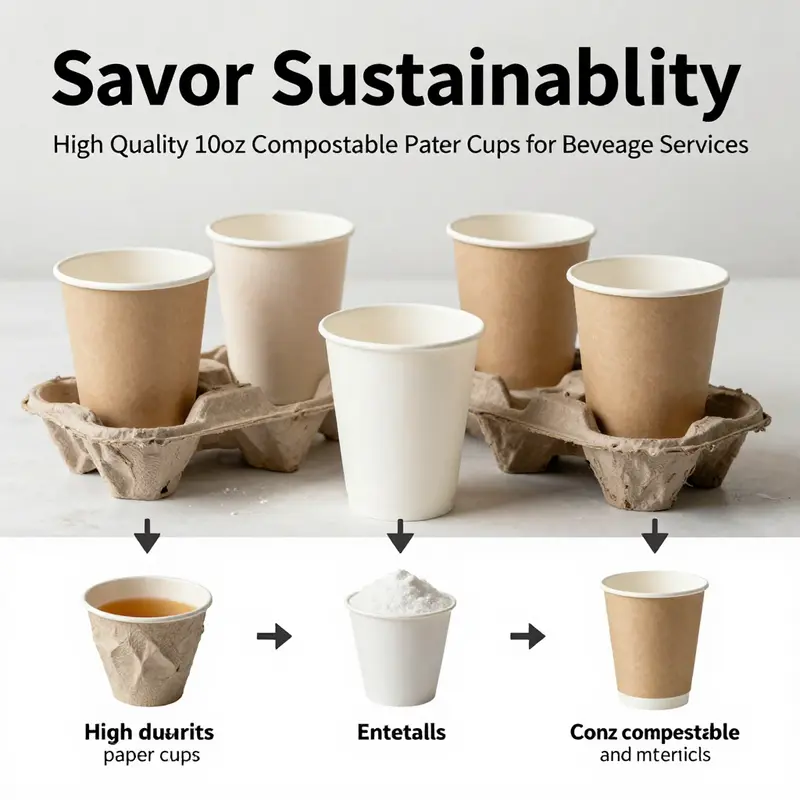
null
Standards That Back a Quality Cup: Regulatory Certification for 10oz Compostable Paper Cups
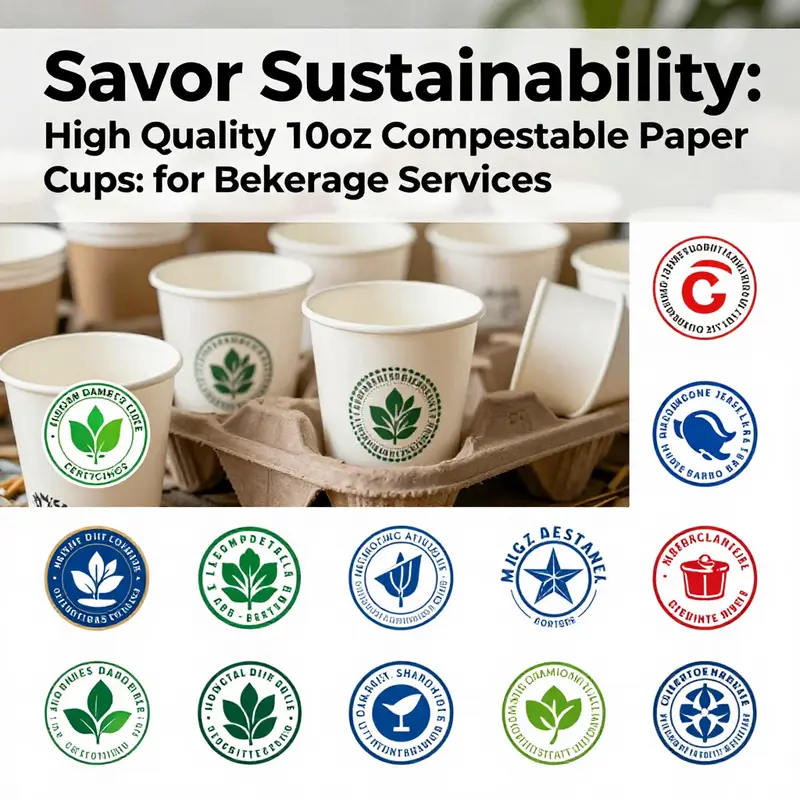
A high-quality 10oz compostable paper cup is more than a convenient single-use container. It is a carefully engineered packaging solution that must prove its environmental promises and its safety under the heat of a hot beverage. In this chapter, we follow the regulatory pathways and the kinds of certifications that build credibility for these cups. The goal is to understand how a cup moves from a raw material idea to a validated, auditable product that pizza shops, cafés, and event organizers can confidently serve to their customers, knowing the cup aligns with both environmental goals and public health standards. The advance of compostable cups hinges on clear definitions of what “compostable” means in practice, a robust framework for testing, and a transparent system of third-party verification that can stand up to the scrutiny of large buyers and environmental regulators alike. The packaging world has learned, sometimes the hard way, that green claims must be backed by rigorous, independent data.
At the heart of the regulatory conversation are standards that define what makes a plastic or paper packaging item truly compostable. Two pivotal standards are ASTM D6400 and EN 13432. Both set out directions for disintegration, biodegradation, and absence of ecotoxicity in the resulting compost. In essence, they describe what happens to the material when it is placed in a composting environment, including how completely it breaks down, how fast it does so, and what residues it leaves behind. While the paths differ slightly by region, both share a fundamental promise: a compostable cup should not become a persistent piece of waste that pollutes soil or water. In practical terms, certification against these standards signals that the cup will break apart and contribute to a usable compost in a commercial facility, typically within a defined timeframe. In many cases, certification conversations reference a target window around six months or, for industrial facilities, roughly 180 days to meet disintegration and biodegradation criteria. This timeframe is not an invitation to ignore compliance in home-composting contexts; it reflects the realities of industrial composting infrastructure that can support the rapid heat, moisture, and microbial activity required to complete the process.
The focus on industrial composting facilities matters for hot-beverage cups like coffee cups, where the product is exposed to heat during use. Materials used in contact with food must not transfer harmful substances to drinks, especially when temperatures rise. In the United States, this is where the FDA—through its food contact materials program—plays a central role. The FDA does not simply regulate a generic “plastic” or “paper” label; it evaluates the specific material composition, coatings, and adhesives used in the cup. The regulatory criteria under FDA guidelines scrutinize migration of substances from the cup into hot liquids and ensure no harmful chemicals leach into beverages under typical serving temperatures. In Europe, the regulatory landscape is anchored by EU Regulation (EC) No 1935/2004, which establishes that materials and articles intended to come into contact with food must be safe for use in those conditions and not alter the food in an unsafe manner. The broad objective across these regimes is to protect consumer health while enabling sustainable packaging choices.
A compostable cup often relies on a bio-based coating—commonly a PLA (polylactic acid) coating—so that the paper can maintain a barrier against moisture during use and transport, yet still break down under industrial composting conditions. The coating and the paper must together meet the standards, in addition to the adhesives and any inks used for branding. Certifications such as TÜV OK Compost INDUSTRIAL are frequently cited to confirm compliance with the relevant compostability standards in industrial facilities. This certification is a trusted signal to buyers that the product can be responsibly diverted to compost rather than ending up in landfills. However, certification alone is not enough. A robust supply chain demands independent third-party testing and ongoing documentation that demonstrates consistent adherence to the standards across batches and over time.
Beyond the core compostability criteria, safety for feeding and contact with hot liquids remains non-negotiable. In practice, many suppliers pursue third-party testing and certifications to validate both material safety and compostability. CertiChem and SGS are examples of independent bodies that provide verification of material safety and environmental performance. The combination of material safety validation and compostability certification offers a more complete package for buyers who must satisfy internal sustainability targets and external supplier requirements. Fortune 500 companies, in particular, expect a vendor to furnish certificates of compliance and to undergo regular audits. These audits reinforce trust by confirming that production processes remain aligned with the documented standards and that any changes to formulation or coating are re-evaluated for safety and compostability.
The regulatory conversation also emphasizes the meaning of “commercial compostability.” This distinction is crucial because it acknowledges that different composting streams operate under different conditions. A cup certified OK compost INDUSTRIAL is validated for industrial facilities that provide higher temperatures, specific moisture levels, and controlled aeration. It does not imply universal home compostability. Buyers who operate cafes or event services, especially those that serve in urban centers or coastal regions with varied waste management infrastructure, need to understand where their cups are likely to be accepted for composting. Accountability here extends beyond the packaging itself to the broader waste management system and local facilities. In other words, the claim is not only a product attribute but also a participation in a waste-management pathway.
Third-party documentation is a critical aspect of credibility. A supplier who can present certificates of compliance, batch-specific test results, and audit summaries provides a transparent account of how the cup performs in real-world contexts. These documents often accompany purchasing agreements, enabling procurement professionals to verify the product’s status with confidence. The ecosystem that underpins these processes is increasingly interconnected; audits and certifications aren’t static artifacts but living attestations that evolve with changes in raw materials, coatings, or manufacturing processes. When readers encounter terms like OK Compost INDUSTRIAL or EN 13432, they should understand them as signals backed by a comprehensive evidentiary trail rather than bumper sticker slogans. This evidentiary trail might include disintegration and biodegradation data, ecotoxicity assessments, and a demonstration that the contained materials do not migrate into the compost in harmful quantities.
For those seeking deeper practice, the FDA’s resources on food contact materials offer a detailed map of what constitutes safe practice for materials that contact hot beverages. The guidance helps manufacturers align their testing programs with regulatory expectations, ensuring that the content and processing of the cup do not introduce unintended risks. Meanwhile, European guidance under EU 1935/2004 ensures harmonization across member states, reducing the likelihood that a cup will face regulatory friction in different markets. The combination of United States and European standards creates a robust, global framework that helps suppliers design cups that can be trusted across borders. In addition to the major regulatory milestones, many manufacturers pursue certifications such as CertiChem or SGS to provide independent verification of both material safety and compostability. These certifications add a layer of assurance that reduces purchasing risk for businesses that must maintain compliance across international supply chains.
With all these standards and certifications in play, what does the practical journey look like for a high-quality 10oz compostable cup? It begins with material selection and formulation: the base paper, the bio-based coating, and the adhesive system must collectively meet the designated standards. The next stage involves laboratory testing to confirm disintegration and biodegradation profiles under industrial composting conditions, alongside ecotoxicity assessments. In parallel, migration tests verify that no harmful substances migrate into hot beverages under typical serving temperatures. The resulting data package—complex but essential—supports the supplier’s certifications, which in turn enables customers to request certificates of compliance and batch-level test reports. When buyers review these materials, they are not simply checking boxes; they are validating that the cup’s environmental and health promises are supported by objective, externally verifiable evidence.
For businesses exploring packaging options that align with their branding and environmental goals, consider the option to customize a take-away cup with branding while maintaining a certified compostable profile. An internal reference point might be a wholesale or contract offering that includes a logo or design on a compostable cup, which demonstrates the feasibility of combining marketing objectives with sustainability commitments. For example, a disposable take-away paper cup with a custom logo demonstrates that a brand can deliver a recognizable identity without compromising the integrity of the compostability claims. This kind of option demonstrates how the regulatory framework intersects with practical business needs, allowing a brand to communicate its values both visually and through a responsible end-of-life story. For practical reading on packaging options that blend design with sustainability, see the detailed product range at this internal reference: disposable-take-away-paper-cup-custom-logo-kraft-coffee-cup-with-lid.
As we move through the market and the regulatory landscape continues to mature, it remains essential to approach compostable cups as part of a broader system. The system includes the paper supplier, the coating and adhesive chemistries, the coating’s interaction with hot liquids, the testing laboratories, the certification bodies, and the waste-management infrastructure that ultimately accepts the compost. Transparent communication about what the cup is and is not capable of doing is the best way to set proper expectations with customers. A cup may be certified to break down in industrial facilities within a defined window, but if the local waste stream cannot reliably accept compostable packaging, the environmental benefit may not be fully realized. Conversely, a brand that can point to strong certifications and a clear understanding of local facilities communicates maturity in sustainability practice that can inspire trust in customers and partners alike.
In sum, the regulatory standards and certifications surrounding high quality 10oz compostable paper cups are not mere formalities. They are essential guardrails that ensure environmental claims are meaningful, that safety for food contact is maintained under heat, and that the end-of-life outcome aligns with the intended composting pathway. The standards, while technical, translate into real-world assurances for food-service businesses and consumers who want to reduce plastic dependence without sacrificing performance or safety. The presence of third-party testing and audit readiness further strengthens the reliability of these cups in diverse markets. And as brands seek to balance compelling design with environmental responsibility, the regulatory framework acts not as a barrier but as a benchmark for trust—one that helps customers feel confident in choosing a sustainable option for hot drinks and everyday use. External resources for broader context on food-contact materials and safety considerations remain a valuable reference for practitioners navigating compliance and quality assurance in real time: https://www.fda.gov/food/food-contact-materials
Final thoughts
Investing in high-quality 10oz compostable paper cups is not just an environmentally responsible choice; it’s a strategic business decision. These cups meet the growing demand for sustainable solutions while enhancing customer satisfaction through their design and functionality. By understanding the product features, sustainability benefits, market trends, manufacturing processes, and regulatory requirements outlined in this article, businesses can align their practices with ecological values. It’s time to embrace a future where your beverage services are not only enjoyable but also kind to the planet.