
Food delivery services play an integral role in modern urban living, providing convenience and accessibility to countless consumers. However, a concerning trend has emerged: the theft of food delivery packages, which not only affects individual consumers but also poses significant challenges for restaurants, beverage shops, food trucks, and event planners. This article delves into the impact of stolen food packages on urban safety and security, examining how such incidents can undermine trust and eviscerate the positive experiences associated with food delivery. Following this exploration, we will discuss the economic implications that food delivery theft can have on local businesses and the ripple effect it creates in the food service ecosystem. Finally, we will highlight technological advancements and preventive measures that can help combat this issue, safeguarding both consumers and businesses alike. Through these discussions, we aim to empower the food service community with insights to bolster their operations against theft and enhance their overall service experience.
Locking the Door, Securing the Street: Reimagining Urban Safety in the Age of Stolen Food Delivery Packages
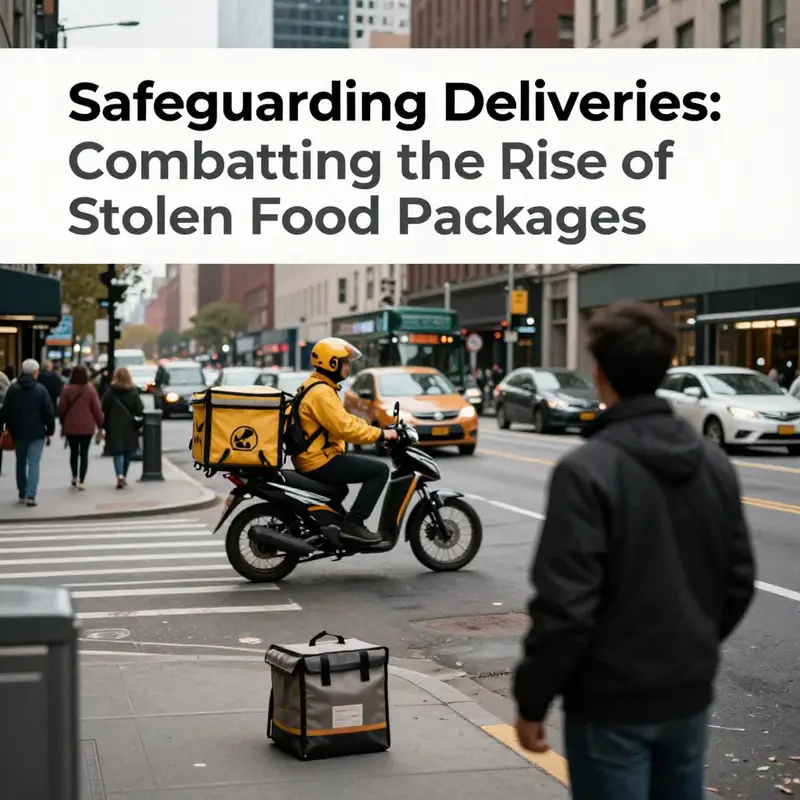
In many cities, the nightly routine of receiving a meal or a package has become a test of urban resilience. The theft of unattended deliveries exposes a core tension in modern life: the desire for speed and convenience sits beside the need for personal security and trust in shared spaces. A well publicized case from Shanghai in 2018 illustrates how an individual can exploit a delivery workflow without immediate detection, reminding us that vulnerabilities in a global logistics system can concentrate at the street level. As online ordering continues to grow, the abundance of doorstep drop offs creates windows of opportunity for theft, yet it also highlights an opportunity for reform that protects both value and urban social fabric. The immediate losses are painful, but the longer impact is a sense of insecurity that alters how people move through the city and how they shop for essentials.
The consequences extend far beyond the price of a stolen item. When residents hear that a delivery was compromised, trust in the delivery ecosystem erodes. They may guard porches more closely, choose to receive packages at work, or opt for signatures and secure pickup points rather than leaving items unattended. Over time, these small adaptations can reshape neighborhood dynamics, influencing patterns of movement, the timing of errands, and the allocation of communal space for package storage. The net effect is a city that feels more vigilant and, at times, more fragmented as people seek to avoid risk rather than embrace opportunity.
To address these challenges, policymakers, planners, and communities are exploring a suite of practical responses. Central to this effort is the idea of secure, organized drop off points that take packages off street frontages and reduce the likelihood of theft. Locker networks and parcel pickup hubs offer tangible benefits by providing predictable locations and access controls that verify recipient identity. When designed well, such systems improve safety without creating unnecessary friction for users, and they can be made accessible to people with disabilities and residents of diverse housing types. At the policy level, the goal is to align incentives among couriers, building managers, and residents so that secure delivery becomes a standard rather than an exception.
A second strand focuses on the design of the delivery ecosystem itself. Modern logistics can be made more resilient by improving tracking fidelity, shortening the window in which a package sits unattended, and enabling official handoffs from courier to recipient. Building access controls, digital verification, and transparent notification practices can all contribute to a safer experience. However, privacy concerns must guide the adoption of surveillance and data collection: data should be used to deter theft and improve service, not to enable profiling or overreach. Transparent governance, clear data retention rules, and community oversight help maintain trust while deploying security technologies.
Equity considerations are essential. Security investments should not privilege only those with paid for locker access or in buildings with advanced ingress controls. Planners can pursue inclusive models that bring secure options to underserved neighborhoods through micro-fulfillment hubs, partnerships with local businesses, and flexible delivery options that support multiple modalities of pickup. The aim is a balanced safety outcome that distributes protection across different urban environments, thereby avoiding a two tier system where only some residents benefit from enhanced security.
Operationally, safeguarding deliveries requires attention to the consumer experience. Convenience and safety should not be mutually exclusive. For instance, curbside pickup, lobby lockers, and flexible pickup windows can preserve the ease of modern shopping while reducing exposure to theft. Clear, timely notifications, simple access procedures, and reliable handoffs help reinforce positive user behavior, such as choosing secure pickup when feasible and not leaving packages exposed in plain sight. When people feel that safety features are reliable and unobtrusive, they are more likely to rely on delivery services with confidence.
The analogy of a city as an organism helps illuminate how to strengthen the delivery fabric. Courier networks, lockers and pickup points, building access controls, and community norms must work in concert. If one element falters, others can compensate, but the overall resilience improves when there is redundancy and interoperability. A unified system that supports multiple secure options reduces cognitive load for users and makes it easier to comply with best practices. That, in turn, feeds better data about where theft risk is highest and informs targeted improvements.
The Shanghai episode remains a cautionary tale about the human dimension of theft, yet it also acts as a prompt for collective action. Lessons include recognizing that unattended deliveries are a service design problem as much as a criminal one, and that effective safety rises from collaboration among residents, property managers, delivery companies, and city agencies. Building a culture of mutual accountability, where neighbors look out for one another and share security practices, can deter opportunistic theft without resorting to suspicion or profiling.
In sum, the future of urban safety in this domain lies in a thoughtful blend of technology, design, policy, and social practice. Safer delivery ecosystems enable reliable access to meals, medications, and other essentials while preserving the convenience people expect. The objective is not to harden the city into a fortress but to create a network of trusted touchpoints that preserve openness and inclusivity. When communities, governments, and private actors align around secure handoffs, transparent data use, and accessible options, the street can remain a welcoming threshold rather than a zone of risk.
The Economic Toll of Stolen Food Deliveries on Local Shops and Communities
The losses that follow stolen food deliveries extend far beyond the immediate value of a single missing order. They ripple through a local economy, reshaping pricing, investment, staffing, and even consumer trust. When a delivery is intercepted or diverted, the business bears a cascade of costs. There is the obvious hit to gross profit—the cost of goods and the cost of replacement orders for the same customers. But there are quieter, slower consequences too: the strain on cash flow from repeated losses, the need to hire extra staff to manage order verification and hold times, and the incremental expense of new security procedures. Taken together, these factors can push small, locally owned restaurants and grocers toward a threshold where growth—planned menus, expanded delivery windows, or greater geographic reach—becomes financially precarious rather than aspirational. The numbers from recent research illustrate a broader pattern. A National Retail Federation report published in 2023 found that more than four in ten small retailers had experienced at least one delivery theft in the previous year. The average loss per incident hovered around 250 dollars, a figure that may seem modest in isolation but becomes a sizable drain when multiplied across a year and across many storefronts. If a dozen shops in a neighborhood contend with similar thefts, the cumulative impact is enough to delay upgrades to equipment, delay rent payments, or curtail marketing efforts that would otherwise draw new customers.
The economic consequences extend beyond the shop floor to the very structure of last-mile logistics. Theft interrupts smooth delivery cycles and generates additional failed deliveries and failed return pickups. In such instances, carriers and platforms incur extra labor costs, fuel, and administrative overhead to reprocess orders, reattempt deliveries, or reroute packages. Research in the field of logistics and supply chain management has shown that failed last-mile activities—whether from theft, misrouting, or customer unavailability—can elevate overall last-mile costs by as much as 30%. That increase does not disappear at the provider level; it is often passed along to consumers through higher delivery fees or, less transparently, through higher menu prices or smaller portion sizes to maintain margins. The downstream effect on pricing erodes the price competitiveness of independent retailers, particularly when they compete with larger chains that can spread these costs more broadly across a network of stores and a larger customer base.
The economic pressure is particularly acute for small and locally owned restaurants and grocery stores, which tend to operate on thinner margins and with tighter cash reserves. When theft becomes a recurring risk, owners must weigh every new investment against the certainty of another loss on the ledger. This is not just a concern about protecting revenue but also about protecting the viability of the business model itself. If a neighborhood bistro can no longer absorb the cost of secure drop-offs or real-time tracking, it may either retreat from delivery altogether or shift to a more conservative model—limited delivery hours, fewer delivery zones, or a reduction in menu items that are easier to deliver securely. Each of these choices reduces the value proposition to the customer and reshapes the competitive landscape in a way that consolidates market power in larger, better-capitalized players. In turn, customers may experience longer wait times, fewer options, and higher total costs for the same meals and groceries.
There is a human cost embedded in these numbers as well. Theft of packages can derail a customer’s trust in the reliability of a local business. When a customer orders a favorite dish or a weekly grocery bundle and experiences a missing delivery or a delayed replacement, the frustration can erode loyalty. In markets where word-of-mouth remains a powerful driver of patronage, reputational damage can spread quickly through social networks and local forums. The result is not just a one-off incident replacement; it is a potential downward spiral where decreased repeat business and slower word-of-mouth growth compound the initial financial loss. The risk is not limited to the shop’s current customers. Prospective customers who observe or hear about inconsistent delivery experiences may choose to patronize other venues, fearing that the same risk of theft and the same delays will mar their experience. This dynamic, although diffuse, is a potent driver of lost growth and can disproportionately affect communities that rely on small, locally owned establishments to anchor the neighborhood’s social and economic fabric.
The 2018 incident in Shanghai—where a man admitted to placing stolen goods into delivery bags—offers a stark, concrete illustration of how theft can move through the delivery chain. It underscores that risk is not isolated to a single actor in the ecosystem. Instead, it can emerge from gaps in custody, transparency, and verification that cross the boundaries between the kitchen, the delivery rider, and the recipient. Such cases highlight an essential policy tension: how to protect customers and businesses while keeping delivery convenient and affordable. The Shanghai episode also emphasizes the asymmetry of information in the delivery process. Consumers rarely know whether a bag has been tampered with or whether a package contains the intended item. This uncertainty creates an environment in which risk is underpriced—businesses assume more security cost to defend against theft, while customers demand reliability and speed without always understanding the underlying security costs.
To mitigate these economic strains, many local operators have begun adopting a mix of strategies designed to harden the delivery chain without sacrificing efficiency. One approach is to require signature confirmations for high-value orders or for deliveries made to apartment complexes with complex access. Another is to invest in real-time tracking and secure drop-off options that create a chain of custody from the kitchen to the recipient. A growing number of operators are experimenting with tamper-evident packaging and secure storage solutions that restrict access to the contents after they leave the kitchen. These measures can serve as a deterrent to theft and provide verifiable evidence of delivery success, which can be crucial in the event of a dispute with a customer or an insurer. Yet, these investments come with their own price tag. For small businesses, upgrading packaging, implementing digital verification steps, and training staff to handle new procedures require capital outlays that may not easily fit within tight budgets. In many communities, these costs are borne unevenly—larger vendors with established capital reserves can endure the adoption of robust security measures, while independent operators sometimes rely on loans, community grants, or platform subsidies to cover the expense. The result is a divergence in security adoption across the market, with the smallest shops bearing a disproportionate share of the burden.
The broader economic impact also spills into the design of delivery ecosystems themselves. When last-mile costs rise, platforms and logistics providers respond with adjustments that reallocate costs along the chain. Some of these changes are visible to customers in the form of higher delivery fees, longer delivery windows, or fewer delivery options per neighborhood. Others are more subtle, such as the normalization of slightly longer wait times or the consolidation of deliveries to fewer stops per trip to reduce exposure to theft risk. Over time, these changes can shift consumer expectations and alter the supply chain’s efficiency and resilience. In the long run, sustained increases in last-mile costs can prompt retailers to reexamine sourcing decisions, inventory levels, and supplier diversification. Businesses may choose to stock more staple items locally to reduce the frequency of last-minute transfers between facilities, thus dampening some theft-related volatility but increasing carrying costs. The net effect is a transformed cost structure that shapes pricing power, product assortment, and the ability to invest in growth initiatives that would otherwise expand the local economy.
Mitigation strategies exist, but their effectiveness depends on scale, collaboration, and affordability. Requiring signatures can protect the most valuable orders, but it also introduces friction that can frustrate customers who expect instantaneous, effortless delivery. Real-time tracking helps, but it can’t prevent theft if the point of interception occurs away from the customer’s view, such as inside a rider’s kit or at a delivery hub. Secure drop-off options—such as locked boxes, smart lockers, or recipient-authenticated pickups—offer promise by reducing door-to-door exposure. The practical challenge is implementing these systems across a network of small operators with varying cash flows and technical capabilities. For many, the cost of smart lockers or advanced tracking is prohibitive without external support. In some communities, there is a growing recognition that improving security and reducing theft cannot rest on the shoulders of small businesses alone. Platforms, insurers, and municipal programs have started to explore shared security infrastructure, subsidies for secure packaging, and data-sharing collaborations that allow exhibitors to learn from each other’s experiences without exposing sensitive commercial information.
A concrete example of how security-oriented packaging can fit into the broader strategy is the use of sturdy, tamper-evident packaging that creates an additional barrier to theft and a clearer signal of delivery integrity. When a customer receives a package that is visibly intact and sealed, it reduces the likelihood that a would-be thief sees value in tampering. Packaging that is easy to verify, hard to tamper with, and simple to open by the intended recipient can lower the perceived reward of theft and increase the probability of a successful resolution when a theft occurs. In this regard, design choices that emphasize both security and practicality matter. A practical, cost-conscious approach may involve selecting packaging that is strong enough to deter casual theft while remaining affordable for small operators. A balance must be struck between the cost of additional security and the potential savings from reduced theft losses. For operators exploring this balance, consider options that optimize both custody and usability. The concept is not to complicate the customer’s experience but to provide a reliable, verifiable delivery that protects both the consumer’s expectations and the business’s bottom line. In some regions, this approach has become a mutual aid effort: retailers collaborate to pilot secure-breakdown packaging and shared delivery hubs that reduce the risk of theft while maintaining efficiency. When executed thoughtfully, these strategies can preserve the integrity of the delivery experience without imposing prohibitive costs on small businesses.
Even as efficiency and security advance together, the financial arithmetic remains challenging for many small operators. The NRF’s 2023 security trends report underscores a key point: security investments do not automatically translate into proportional profit gains. They are enablers of stability, trust, and reliability, but they require capital that many small firms simply do not have on hand. This is where policy designs and industry supports become essential. For example, targeted subsidies for secure packaging, cost-sharing for smart-locker deployments, or insurance models that reward proactive security measures can help equalize the playing field. In markets where such supports exist, small businesses report greater confidence in expanding delivery operations and in maintaining customer satisfaction across a broader geographic area. Without these supports, the added security costs can become a ceiling on growth, leaving neighborhoods with fewer locally owned options and a market that tilts toward larger, resource-rich players. This is not just about protecting revenue from theft; it is about ensuring the continued vibrancy of local commerce and the social capital that small businesses create in their communities.
The concrete takeaway for stakeholders across the delivery ecosystem is that reducing the economic burden of stolen packages requires coordinated action. Retailers need affordable, scalable security enhancements that fit their cash flow realities. Insurers and platforms must design products and policies that reward proactive security investments rather than penalize shops that can least afford them. Delivery partners should provide transparency about where losses occur and collaborate on practical solutions that minimize disruption to customers. Consumers, meanwhile, can help by promptly reporting irregularities, supporting businesses that take security seriously, and understanding the tradeoffs that come with enhanced delivery security. When all stakeholders share the cost and responsibility of securing the last mile, the neighborhood economy benefits. Prices can remain stable, service levels can be preserved, and the risk of theft can be reduced through a combination of better packaging, smarter logistics, and community investment. The Shanghai incident remains a reminder that theft is not a problem isolated to one link in the chain; it is a systemic challenge that tests the resilience of local businesses and the communities that depend on them. The path forward lies in blending practical security measures with supportive policies and collaborative industry practices that collectively raise the bar for everyone involved. The end result is not only a safer delivery system but a healthier, more sustainable local economy that can thrive even in the face of theft.
For readers seeking a technical glimpse into how packaging choices intersect with delivery security, a reference point is the broader ecosystem of take-away packaging. A specific example of how packaging design can support secure delivery is available here: disposable-octagonal-box-restaurant-food-kraft-paper-packaging. This kind of packaging choice can form part of a layered approach to security—one that combines physical barriers with process controls to reduce theft risk while maintaining customer convenience. While no single solution eliminates theft, a thoughtful combination of measures—significant yet affordable—can change the economics for local shops, enabling them to compete more effectively and sustain the livelihoods of people who depend on neighborhood dining and grocery services.
In sum, the economic toll of stolen food deliveries touches revenue, costs, customer perception, and market structure. The numbers from recent research are not just abstract statistics; they translate into real-world decisions and trade-offs for small businesses. The Shanghai case offers a cautionary tale about chain-of-custody gaps, while the NRF’s findings anchor the argument in a current national context. The solution landscape is not monolithic; it requires a composite strategy that blends secure packaging, improved delivery controls, data sharing, and policy support. Only through coordinated action can local shops protect their margins, sustain employment, and preserve the social and economic fabric that makes neighborhoods vibrant. External resources that synthesize these security trends provide additional guidance for policymakers, platform operators, and community leaders seeking to bolster the resilience of the last mile. For further reading, see the National Retail Federation’s 2023 retail security trends report and related analyses that explore how theft risk translates into costs, pricing, and investments across the retail landscape: https://www.nrf.org/research/retail-security-trends-2023
Guardians of the Last Mile: Redesigning Safe Delivery
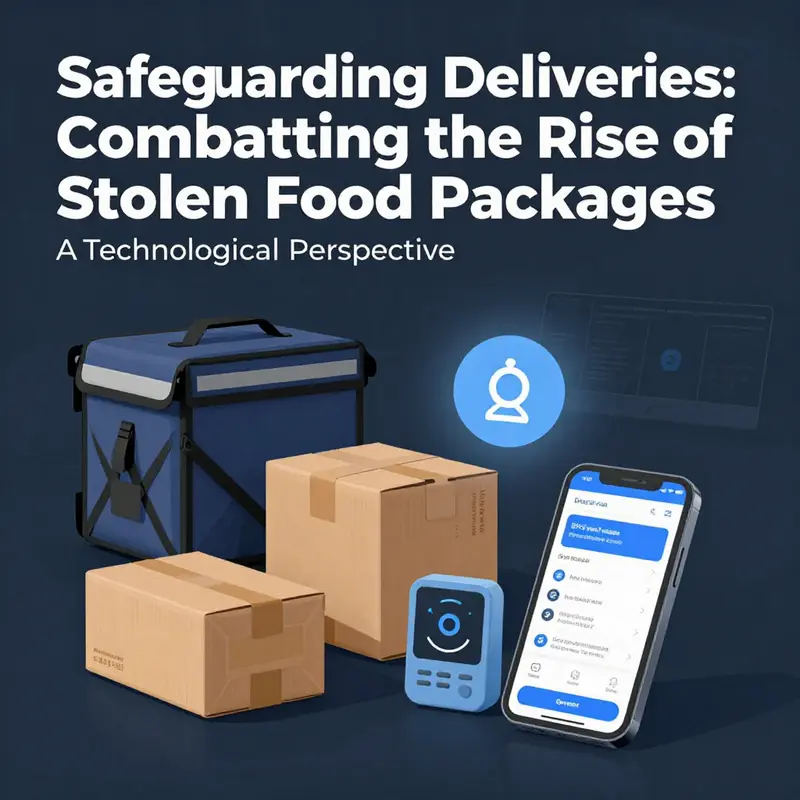
The problem of stolen food delivery packages has grown from a neighborhood nuisance to a citywide concern, especially in high-traffic districts, apartment complexes, and university campuses where the handoff window is tight and misalignment between delivery peak times and security staffing creates opportunities for theft. A layered, adaptive security architecture treats the final mile as a living system rather than a passive conduit, weaving together dynamic authentication, sensor rich lockers, and data driven routing to deter theft and speed recovery.
At the outer edge, dynamic authentication replaces static codes with ephemeral digital fingerprints that evolve with every minute, turning a one time code into a living credential. A locker access token may encode time stamps, order identifiers, and device fingerprints so that what is captured becomes useless within moments if intercepted. This approach relies on standardized cryptographic practices tuned to the tempo of delivery, ensuring that opportunities for misuse are brief and narrowly targeted. A dual trigger further strengthens the barrier: the rider scans a locker to release a package, and the customer confirms presence via proximity or a mobile app. The choreography of access becomes a probability-based security model where each verifiable step lowers the odds of theft.
Beyond the door, the lockers themselves have become intelligent nodes. They couple with a suite of sensors – pressure, accelerometers, and motion detectors – that feed real time data into monitoring systems. Alerts can trigger if tampering is detected, and adjacent cameras or AI vision pipelines provide context for events such as unusual sequences of openings and reseals. A tamper resistant ledger records actions, enabling investigators to reconstruct a trustworthy delivery narrative. In pilot deployments, operators report reductions in theft and improvements in consumer confidence as the smart locker layer proves its value.
The inner ring focuses on smarter routing and risk informed logistics. Delivery paths now adapt to fading risk signals gathered from local crime statistics, weather, crowd traffic, and event calendars. The system reconfigures routes to minimize exposure windows, balancing efficiency with safety. The practical benefits include shorter detours, lower energy use, and tighter delivery windows that shrink the opportunity for opportunistic theft while preserving service quality.
A traceable, auditable layer ties actions to a secure ledger in real time. The ledger anchors rider check-in, locker interaction, and product pickup, creating an immutable sequence that supports investigations and governance. Central to this approach is a privacy mindful posture: clear data retention policies, transparent user consent, and governance processes that balance security with customer trust. The result is a safer last mile that preserves convenience and respects individual rights while underscoring the shared responsibility of operators, riders, and campuses.
This vision is not a utopia but a practical framework for ongoing improvement. It invites iterative pilots, continuous monitoring, and regular audits of both technology and policy. When designed well, the last mile becomes an intelligent, resilient interface that protects packages without eroding the everyday rituals of delivery and consumption.
Final thoughts
The rising trend of food delivery package theft presents a multifaceted challenge for urban safety and local businesses. As restaurants, beverage chains, food trucks, and event planners face increasing risks, it is crucial to address the implications of these thefts head-on. By understanding how these incidents affect not only consumer trust but also the economic viability of businesses, the food service community can better prepare and implement strategies to protect against such losses. Technological advancements offer promising solutions that can enhance the security of food deliveries, ensuring both customer satisfaction and business sustainability. Ultimately, collaborative efforts to safeguard deliveries will foster a safer urban environment, contributing positively to the broader ecosystem of food services. Businesses must remain proactive in adopting these measures to navigate the ongoing challenges and deliver exceptional services.