
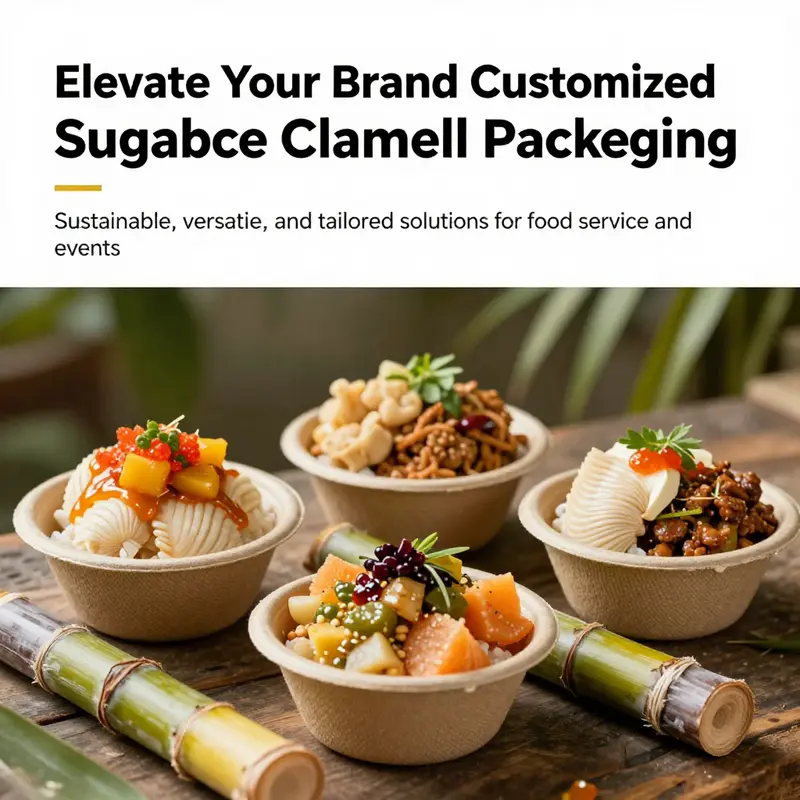
In an era where sustainability and functionality drive consumer choices, customized sugarcane clamshells are redefining packaging in the food service industry. Made from bagasse, the fibrous residue of sugarcane, these clamshells are not only fully biodegradable but also customizable to meet diverse application needs—from bubble tea shops and caterers to restaurants and event planners. This article will explore their material and environmental performance, functional design, and available customization services, demonstrating how these eco-friendly packaging solutions support businesses in enhancing their brand identity while complying with safety standards.
From Bagasse to Brand: Material Precision and Environmental Promise in Customized Sugarcane Clamshells

In the evolving landscape of sustainable packaging, the sugarcane clamshell stands as a telling example of how material science, environmental stewardship, and brand strategy can align in a single product. The journey begins with bagasse, the fibrous residue left after juice is extracted from sugarcane. Far from waste, this byproduct becomes the foundational material that enables a fully biodegradable, high-performance container. The transformation from agricultural byproduct to a sturdy, food-safe clamshell is not merely a tale of substituting one material for another. It is a narrative about how design, chemistry, and logistics intersect to produce a packaging option that serves the needs of restaurants, takeout operations, events, and retailers while advancing a circular economy. The material facts—how bagasse pulp becomes a solid, heat-tolerant shell—are the backbone of the chapter that follows. Yet the chapter also foregrounds the environmental performance that frames the clamshell’s appeal to forward-looking brands. When a business asks for a container that can handle hot grease and cold salads, that same container must not compromise the planet. The sugarcane clamshell seeks to reconcile both demands, delivering performance, safety, and sustainability in a single, adaptable package.
At the heart of this material story is 100% bagasse pulp. The sugarcane fiber yields a pulp that is inherently non-toxic and devoid of synthetic additives that could compromise food safety or flavor integrity. The fiber’s natural strength arises from its seemingly ordinary composition: a mesh of long, stiff fibers bound by a network of lignin and other natural polymers. This intrinsic architecture translates into a product that feels solid in hand and remains rigid under pressure, even when holding greasy or wet foods. The design engineers exploit these inherent properties to create clamshells with multi-compartment configurations, a feature that prevents cross-contamination and flavor mingling between diverse cuisines. For instance, a two-compartment layout can keep a miso-glaze from muddying a delicate greens compartment, while a separate sushi section preserves delicate fish profiles from overpowering sauces. The customization potential is amplified through embossing and the option to apply logos and branding via silkscreen or offset printing. The result is a material that not only serves the functional demands of food service but also becomes a surface of brand storytelling.
Beyond the surface, the material’s performance is defined by its thermal tolerance. Bagasse-based clamshells can withstand temperatures up to 120°C (248°F) when exposed to oil and up to 100°C (212°F) for water-based content. This range makes the clamshell suitable for microwave heating and freezer storage, a feature that is increasingly prized in busy service environments where foods must be kept hot or cold for variable durations. The ability to tolerate such temperatures is not a trivial achievement; it is a function of the fiber matrix and the absence of plastics that would melt or deform under heat. The natural fiber structure contributes to both rigidity and impact resistance, ensuring that the container remains intact when dropped or stacked, even when it must cradle oily or watery fare. This resilience matters for operators who juggle multiple orders, transport delays, and crowded takeout windows. When a clamshell arrives at a table or a curbside pickup point, it should not crumble or warp; the material supports a reliable consumer experience while maintaining form during shipment and handling.
The design language for customization is a direct reflection of a broader shift in packaging that prioritizes brand personality alongside performance. Sugarcane clamshells can be produced in various sizes and shapes—ranging from compact, egg-shaped silhouettes to two-compartment and bento-style formats. Embossed details and branded decorations breathe individuality into a material that is otherwise utilitarian. Printing can be executed through silkscreen or offset methods, allowing a brand’s color palette and logo to live on the container itself. This confluence of aesthetic versatility and material reliability is crucial for operators who want to extend brand visibility from the storefront to the dining table. A takeout order, wrapped in packaging that echoes a restaurant’s identity, becomes a tiny ambassador for sustainability. The clamshell’s capacity for customization extends to the lids as well, with tight seals that ensure leak resistance—the kind of reliability customers notice when their sauce stays put and their salad remains pristine. The same seal design supports a broad temperature spectrum, enabling hot foods to be transported without compromise and cold foods to arrive with preserved texture. The packaging thus serves as a platform for culinary expression while preserving function.
In discussing material properties, it is essential to connect the dots between performance and end-of-life. A defining advantage of bagasse clamshells is their compostability. When disposed of in properly managed industrial composting facilities, the clamshells break down within a defined window—often cited as 90 to 180 days. This decomposition process leaves no microplastics and contributes to soil fertility in the form of organic matter. The environmental story becomes clearer when framed against the lifecycle of traditional plastics or foams, which can persist for centuries and fragment into microplastics that accumulate in ecosystems. Bagasse clamshells, by contrast, are designed to re-enter the natural cycle with minimal residue, transforming waste into a valuable input for soil and plant growth. The environmental benefits extend beyond a single product: the material is a byproduct of a sugar industry that already processes crops on a large scale. By valorizing bagasse, producers avoid adding pressure to forests and reduce reliance on plastics derived from fossil fuels. The net effect is a cradle-to-cradle possibility: the same feedstock that nourishes energy and sweetness in sugarcane now nourishes a container that safeguards meals and the planet.
The environmental performance story is further strengthened by metrics that speak to climate and resource efficiency. Because bagasse is plant-based and biologically active in the soil cycle, the lifecycle yields a carbon profile notably different from that of petroleum-derived plastics. As the plant grows, it photosynthesizes, absorbing carbon dioxide and storing energy in its fibers. After harvest and processing, the clamshell, once disposed of properly, returns to the environment through composting rather than lingering in landfills or breaking into microplastics. In practical terms, this means a lower net carbon footprint across the product’s lifecycle, especially when compared with foam or rigid plastic alternatives that rely on fossil feedstocks. The circular economy model comes into sharper focus when these clamshells are seen as part of a larger system: the byproduct material becomes feedstock for packaging, customers receive a functional and aesthetically adaptable container, and the resulting compost can enrich soils, closing the loop in nutrient cycling.
Safeguarding safety is essential in any packaging narrative, and here the design and material selection align with stringent standards. The absence of PFAS and heavy metals in the formulation is not an afterthought but a foundational criterion embedded in the manufacturing process. This safety emphasis dovetails with compliance to regulatory frameworks governing food contact materials. The clamshell’s compatibility with a wide temperature range, from cold storage to microwave reheating, is balanced with careful attention to seal integrity and leak prevention. A well-sealed lid reduces the risk of spills and cross-contamination, a critical capability for mixed menus that include high-fat sauces, brines, or delicate dressings. The design thereby supports food safety in high-demand environments—food trucks, cafeterias, and event catering—where speed and reliability must coexist with rigorous health standards.
In discussing environmental and material performance, it is useful to acknowledge the scale and reach of the supply chain. The bagasse clamshell has proven its viability in global markets, scaling from local production to international distribution. The model is compatible with certification ecosystems that scrutinize environmental performance and safety. SGS assessments and EU standards, among others, provide third-party verification of material composition, compostability, and regulatory compliance. This external validation helps brands communicate credibility to consumers who are increasingly attentive to sustainability claims. The narrative of scalability is important because it reinforces how a material that began as a byproduct can become a mainstream option for food service providers seeking to reduce their environmental footprint without sacrificing performance or brand identity. The story of supply and demand is also a reminder that the clamshell is not an isolated solution but part of a larger transition toward plant-based, fiber-derived packaging materials that can meet diverse culinary needs.
The most tangible way to understand the environmental performance is to consider the end product in a real-world context. A clamshell that withstands the rigors of a fast-paced service environment, performs reliably under heat, and then exits the waste stream as compostable material embodies a practical model of sustainability. This model resonates with operators who are juggling multiple priorities: cost, brand perception, regulatory compliance, and environmental stewardship. The clamshell’s design process is oriented toward flexibility, enabling a spectrum of batch sizes and customization options. Prototyping can begin with modest quantities, which makes it accessible for testing new menu items, seasonal offerings, or co-branding opportunities. The ability to tailor shapes—from egg-like silhouettes to two-compartment or bento-inspired configurations—means operators can optimize portioning and presentation while still delivering a consistent, ecology-conscious message to customers. In this sense, the material and environmental performance are not mere scientific descriptors; they are practical levers that help businesses differentiate themselves in crowded markets while meeting evolving consumer expectations.
To connect these material realities with broader packaging trends, consider the design implications that arise when a clamshell is treated not just as containment but as a communication medium. The natural texture of bagasse, visible through embossed motifs or subtle grain patterns, can reinforce a brand’s environmental commitments. This tactile dimension reinforces the perception of quality and responsibility, extending the value chain from product to packaging to consumer perception. The practical implication is clear: a well-executed clamshell does more than protect food; it signals to customers that a brand is serious about sustainability without compromising performance. The choice to adopt bagasse clamshells also communicates a willingness to participate in a circular economy framework, where product lifecycles are designed to minimize waste and maximize material recovery and recirculation.
For readers seeking a convenient touchpoint to related packaging conversations, this chapter invites a broader look at similar fiber-based packaging options. Operators and designers exploring these alternatives may draw inspiration from existing kraft paper packaging families that emphasize durability, printability, and sustainable credentials. Within this space, the sugarcane clamshell distinguishes itself through its integrated design for multi-compartment meals, its robust heat tolerance, and its certified compostability. These attributes combine to present a cohesive value proposition: a high-performance, safe, and brand-enhancing container that aligns with a commitment to environmental integrity. The lessons extend beyond the clamshell itself. They suggest a framework for evaluating future packaging innovations—assessing raw material origin, end-of-life pathways, and the possibility of closing the loop through composting or other recovery streams. In practice, the success of customized sugarcane clamshells rests not only on material science but on how well brands communicate the story of sustainability woven into the product’s form, function, and lifecycle.
In closing this material and environmental performance narrative, the underlying message is that bagasse-based clamshells offer a rare combination of mechanical reliability, thermal resilience, and ecological accountability. They address the real-world constraints of busy food-service operations while delivering a compelling environmental case that resonates with consumers and regulators alike. Their capacity for customization means they can be tuned to different menus, branding, and service formats without sacrificing the core ecological benefit. The material choice—bagasse pulp—embeds the product in the natural cycles of agricultural byproducts, turning what might have been waste into a valuable, soil-returning asset. In a marketplace increasingly wary of plastic alternatives, these clamshells stand as a tangible example of how thoughtful material selection, rigorous safety standards, and flexible design can converge to create packaging that is both practical and principled.
As the packaging conversation continues to evolve, the sugarcane clamshell models a future where performance, safety, and sustainability are not competing imperatives but mutually reinforcing elements. The material’s intrinsic properties, coupled with an adaptable design language and governance that ensures environmental compliance, position customized bagasse clamshells as a viable path forward for brands aiming to reduce their environmental footprint while maintaining the aesthetic and functional qualities that customers expect. In this sense, the clamshell becomes more than a container; it becomes a statement about how a business approaches resource use, product design, and responsibility to the ecosystems that support both agriculture and urban life. The chapter thus anchors a broader conversation about how plant-based packaging can harmonize with consumer demand for convenience, safety, and a cleaner planet, all within a single, well-engineered product that travels from production floor to consumer table with purpose and poise.
Internal link note: For readers exploring related packaging formats that echo the emphasis on fiber-based materials and design flexibility, see the broader range of kraft-paper packaging options such as the disposable octagonal box for restaurant food kraft paper packaging, which illustrates how form and function can align in a single, sustainable vessel. disposable-octagonal-box-restaurant-food-kraft-paper-packaging.
External reference: For a comprehensive technical overview of biodegradable sugarcane clamshells, their material properties, and industrial uses, see the external resource that documents the latest research and practical implications of these sustainable containers. https://www.sustainablepackaging.org/biodegradable-sugarcane-clamshells-overview/)
From Bagasse to Brand: The Functional Precision and Market Reach of Customized Sugarcane Clamshells
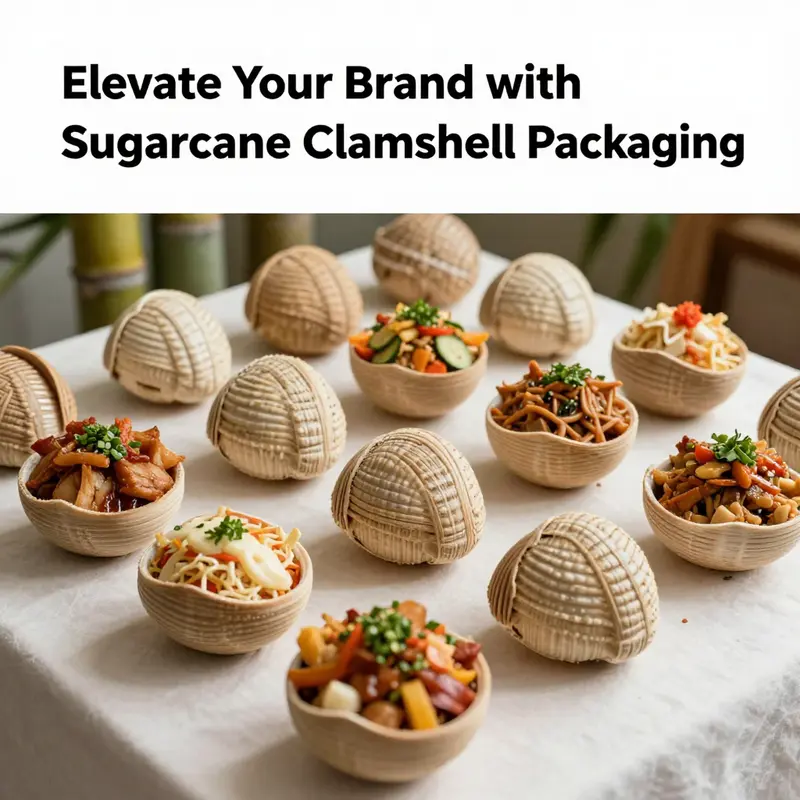
The sugarcane clamshell emerges as more than a food packaging option; it stands as a calculated answer to the dual pressure of serving wearied, high-demand kitchens and meeting a rising standard for responsible materials. At its core lies bagasse, the fibrous residue left after juice extraction from sugarcane. This byproduct is repurposed into a container that is not only sturdy enough to cradle meals through transport and service but also fully biodegradable and compostable, aligning with a growing expectation that packaging should return to the earth with minimal residue. The environmental arithmetic is compelling: no deforestation, a lower carbon footprint from a resource that is already generated by the sugar industry, and a pathway to a circular lifecycle when industrial composting facilities are available. The material science behind bagasse provides a lattice of benefits—rigidity, heat resistance, and a surface that can be finished to accept branding, all while avoiding the harsh additives that commonly accompany conventional plastics. It’s a material choice that signals intent before the first bite—an upfront commitment to sustainability without sacrificing performance.
Designers and producers recognize that a container is seldom evaluated in isolation. It must survive hot foods, cold storage, and the rigors of daily transport while preserving flavor integrity and avoiding cross-contamination. The three-compartment configuration is not merely a clever arrangement; it’s a functional solution to modern menus that blend flavors and textures. By keeping salads separate from main dishes and sides, the clamshell reduces the risk of flavor mingling and moisture transfer that can compromise the quality of a meal. This level of segmentation supports diverse cuisines—from delicate sushi components to robust Western entrées and vibrant salads—without demanding a different vessel for each scenario. The snap-on lid forms a tight seal that prevents leaks during transit, a feature customers often notice first when their takeout is jostled by busy streets, a crowded lobby, or the vigorous pace of a catering event.
The temperature tolerance of these clamshells—ranging roughly from -20°C to 120°C—speaks to the breadth of applications they accommodate. Hot meals can be taken to go without fear of distortion or seepage, and the containers remain safe for both microwave reheating and refrigeration. This versatility is not a marketing line; it is a practical capability that reduces the need for multiple packaging formats within a single operation. The surface of the bagasse shell is typically pre-polished and smooth, a small but meaningful detail. It streamlines customization, eliminating additional sanding steps and enabling a cleaner, more durable print or embossing. When a brand chooses to imprint its logo or a seasonal message on the lid or body, the result is a container that doubles as a mobile billboard—visible not only at the point of sale but throughout the entire delivery journey. The design language is careful, balancing a clean aesthetic with the functional necessities of hot, cold, and humid food environments.
Safety remains a central pillar of the design process. The modern consumer insists that packaging not contribute any harmful substances to food or the environment. In response, bagasse clamshells are engineered to be PFAS-free and free of heavy metals, aligning with FDA standards for food safety. The absence of these substances is not a mere compliance checkbox; it is a meaningful assurance for kitchens that aim to protect both guests and staff. Certifications further reinforce trust: some clamshells are certified for industrial compostability by recognized bodies, ensuring they break down under controlled composting conditions rather than persisting as waste. The regulatory landscape in Europe, governed by frameworks such as OK Compost and EU EPR, provides additional guardrails that help businesses communicate to customers that their packaging is part of a broader environmental solution, not an afterthought. In practical terms, that means a restaurant or event operator can tell a story about responsibility that extends beyond the dish to its packaging, reinforcing brand values while addressing consumer demand for transparency.
Beyond the core material properties, the functional design focuses on adaptability. The clamshell’s dimensions can be tuned to host different portions, with options for 6 to 10 inch diameters and configurations that include two or three compartments. This modularity supports a spectrum of menus—from compact snack boxes to more elaborate multi-course presentations—without compromising the integrity of the packaging. The lid’s seal is engineered to be leak-proof, a critical feature for sauces, dressings, and moisture-rich components. The multi-compartment approach also aids in portion control and waste management, because it makes the eating experience predictable and stable, which in turn reduces plate waste at the consumer level. The interplay of form and function is subtle yet decisive; it ensures that the container remains dependable from kitchen to consumer, even when subjected to rough handling or temperature fluctuations during transit.
Branding and customization sit at the intersection of utility and marketing strategy. A packaging solution that is both process-driven and visually distinctive can strengthen a brand’s narrative, support promotions, and communicate a tangible commitment to sustainability. The bagasse clamshell offers multiple avenues for customization: printing, colors, logos, and even eco-friendly markings that signal compostability or carbon-neutral goals. The surface finish is conducive to branding without sacrificing the smooth feel and tactile appeal that consumers expect from premium packaging. A well-executed imprint can make a simple takeout container feel like a premium experience, contributing to customer recall and loyalty long after the meal is finished. In practice, businesses leverage this capability to weave their environmental story into everyday packaging, turning what would otherwise be a disposable asset into a visible marker of values. This alignment between packaging aesthetics and corporate identity can translate into higher interaction rates, more social media engagement, and stronger brand associations in crowded markets.
The customization ecosystem surrounding these clamshells goes beyond surface design. Prototyping options accommodate testing across menu types, enabling chefs and operators to trial new configurations with minimum order quantities before committing to larger runs. This flexibility is particularly valuable in catering and events where menus can shift from season to season and from client to client. With bagasse clamshells, the barrier to experimentation drops, empowering operators to refine packaging in parallel with culinary experimentation. The result is not just a better box but a more responsive service model. It’s easy to imagine a café that rotates branding seasonally—an autumn motif on a pre-pestle, a winter emblem on a hot-lunch promotional box, or a limited-edition colorway for special events—while preserving the core environmental benefits.
The applicability of this packaging solution spans a broad spectrum of sectors and occasions. In restaurants and fast-food contexts, the ability to offer a sturdy, heat-tolerant takeout option with reliable containment supports the rise of delivery and hybrid dining formats. It becomes a practical extension of service design, where the packaging enhances the customer experience rather than merely serving as a container. Catering and event services gain a sustainable alternative for multi-course or buffet-style service, with modular sizes and compartment configurations that accommodate diverse dietary needs and menu compositions. The packaging can be tailored to reflect the event’s theme or the client’s branding, turning a logistical requirement into a cohesive aesthetic element of the experience. In retail and grocery settings, the natural, organic appearance of bagasse resonates with clean-label positioning, making these clamshells a ready-made platform for product storytelling—especially for prepared foods that emphasize freshness and minimal processing. Mobile vendors, from food trucks to pop-up carts, benefit from a lightweight yet sturdy option that withstands transit while remaining compliant with waste-management norms. Even home users discover value in these containers for meal-prep, portion control, and gift packaging that communicates responsibility alongside taste. The common thread across these scenarios is a packaging system that respects both the culinary workflow and the broader environmental implications of everyday consumption.
The chapter on customization and application is not a parlor trick; it reflects a strategic shift in how packaging can interact with brand, consumer perception, and waste stewardship. The ability to print and customize while maintaining a robust barrier against leakage and temperature stress creates an integrated solution: packaging that supports the kitchen’s throughput, honors the consumer’s dining expectations, and communicates a credible environmental commitment. In imagining the future, brand teams may see bagasse clamshells as a canvas for co-branding with seasonal campaigns, or as a platform for partnerships that highlight sustainability metrics—materials sourced from byproducts, production processes optimized for energy efficiency, and end-of-life outcomes clearly traceable to composting infrastructures. This synthesis of design, manufacture, and market relevance makes the customized sugarcane clamshell more than a container; it is a strategic component of the dining ecosystem, a facilitator of responsible operations, and a visible sign of a company’s prioritization of planetary health without compromising dining quality.
At the junction of material science, design discipline, and market demand, the sugarcane clamshell demonstrates how packaging can be a deliberate, value-adding facet of the brand experience. The lifecycle narrative of bagasse—from byproduct to biodegradable vessel—frames an adoption path that many operators are seeking: a supplier relationship built on consistency, safety, and sustainable performance. This is not about replacing plastics for the sake of novelty; it is about embracing a packaging paradigm that serves the culinary program while delivering measurable environmental benefits. The combination of a three-compartment, leak-proof, heat-tolerant, and print-friendly shell with a verified compostable end-of-life profile represents a holistic approach to modern packaging challenges. It is a model of how design choices, material realities, and business objectives can converge to strengthen a brand’s responsibility quotient while enhancing the dining experience.
For readers considering integration into their operations, the path is clear but not simplistic: pursue coatings and finishes that preserve print quality and moisture resistance; engage with suppliers to test prototypes across a range of menu items and service formats; align packaging choices with environmental certifications that reassure customers and regulators alike; and embed branding opportunities into packaging decisions so that every box reinforces a commitment to sustainability. In practice, this means collaborating from the kitchen through to the point of sale and beyond, ensuring that every interaction with the clamshell—opening, eating, disposing—feels intentional and consistent with the culture the brand seeks to project. The result is a packaging system that does more than contain food; it communicates, protects, and participates in a circular economy that respects the resource lifecycle and the guests who choose to dine with intention.
As a final reflection, consider the broader implications: the sugarcane clamshell is a tangible reminder that sustainable packaging can be designed for performance and aesthetics at scale. It demonstrates that the byproducts of one industry can become the cornerstone of another’s responsible practices, creating value across supply chains and markets. The practical design features—the multi-compartment structure, leak-proof seal, broad temperature tolerance, and branding-friendly surfaces—translate into real-world benefits: improved meal integrity, reduced waste, enhanced brand visibility, and stronger alignment with evolving regulatory standards. The packaging thus serves as a bridge between culinary artistry and environmental stewardship, enabling operators to tell a coherent story—one that resonates with customers who want delicious food and a livable planet. The chain from bagasse to brand is not merely a technical transition; it is a narrative of stewardship, ingenuity, and resilience in the packaging landscape.
In short, customized sugarcane clamshells embody how modern packaging can perform better, travel farther, and speak more clearly about sustainability—all while supporting the chef’s craft and the business’s growth. They encourage a mindset where every choice—down to the lid’s fit and the surface finish—contributes meaningfully to the consumer experience and the environment. The next chapters will explore how these containers integrate with supply chains, quantify environmental savings, and help brands articulate their commitments to customers who value responsible consumption as part of everyday life. To imagine the future is to recognize that packaging is not a passive vehicle but an active participant in a more sustainable food system.
For those who wish to explore related opportunities in packaging customization and eco-friendly takeout solutions, see examples of engineered, design-forward designs and their branding possibilities at this example of customized design eco-friendly packaging: customized design eco-friendly 1300ml kraft soup-salad paper bowl with lid. In the broader landscape of sustainable packaging innovation, both the practical performance and the narrative potential of bagasse-based clamshells position them as a resilient choice for operators seeking to balance guest satisfaction with environmental accountability. External resources that discuss comparable compostable packaging approaches and certification standards can be valuable references for readers pursuing deeper diligence, such as peer-reviewed guidance and industry benchmarks that corroborate the practical benefits described here. External reference: https://www.amazon.com/dp/B0CZJ7XQYK
Weaving Brand Identity with a Circular Agenda: Customization and Supply-Chain Mastery in Sugarcane Clamshell Packaging
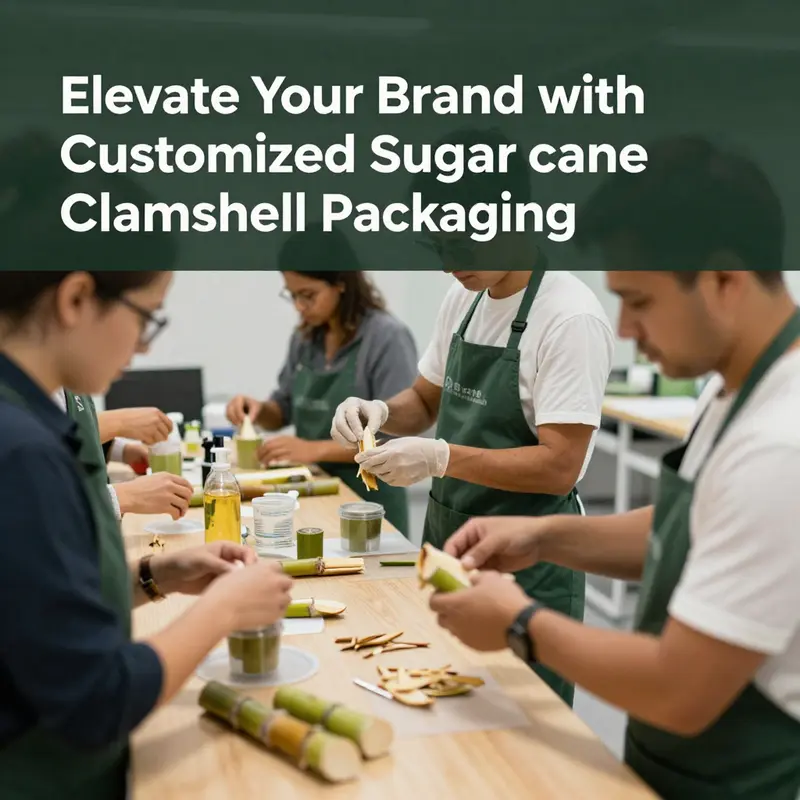
The shift toward circular, regenerative packaging has moved beyond a simple material choice. It has become a way to fuse brand storytelling with responsible operations, and the customized sugarcane clamshell sits at the intersection of design freedom and supply-chain resilience. These clamshells are not merely containers; they are a platform for brands to express values, logistics teams to optimize flow, and chefs to safeguard flavor. At the heart of this opportunity lies a material story rooted in the byproduct of sugar production—bagasse—which offers a renewable, compostable alternative to conventional plastics. The beauty of this material is that its sustainability is not merely about end-of-life outcomes. It becomes a design constraint and an opportunity, steering how compartments are arranged, how lids seal, and how temperatures are managed during transport and service. In practice, customization is the catalyst that turns a biodegradable shell into a branded experience that customers recognize, trust, and reuse in their daily routines, whether they are dining in a restaurant, grabbing a takeout order, or catering a special event.
The customization services available for these clamshells are expansive, yet they are delivered through a cohesive system designed to support brands from concept to shelf. At the most basic level, there is the ability to imprint a brand logo on the outer surface, transforming a functional container into a portable advertisement that travels from kitchen to customer’s table and into their home. Beyond logos, the options extend to bespoke size and compartment designs, enabling two- or three-compartment configurations that fit diverse cuisines and menus. This is more than just a matter of aesthetics; it is a practical response to the realities of modern food service where flavors must stay distinct and sauces must not mingle in ways that compromise taste or texture. For instance, a multi-compartment layout can isolate a soy-glazed entrée, a delicate sushi component, and a side salad within a single clamshell, preserving integrity and reducing confusion at point-of-sale or during delivery.
Color is another lever in the customization toolkit. Natural white or light brown tones can be selected to reinforce environmental messaging, while more vibrant hues or muted palettes can align with seasonal promotions, event branding, or limited-time menus. The ability to tailor color also supports quick-response campaigns and seasonal launches without requiring a costly retooling of packaging lines. The result is a more cohesive consumer experience: packaging that visually communicates care for the planet, a clear connection to a brand’s identity, and a consistent cue about what is inside. The consumer benefits are tangible—less cross-contamination risk due to better-segmented compartments, more predictable food quality upon arrival, and a perception of premium value rooted in thoughtful packaging.
From a supply-chain perspective, the depth of customization is matched by the strength of production and logistics capabilities. A robust supplier network can produce at scale—well into hundreds of thousands of units per day—while still honoring the minimums that allow small cafés and events to participate without prohibitive upfront costs. The logistics pipeline is designed to be flexible, offering options for rapid prototyping and testing with low minimum order quantities, enabling a brand to iterate on design, print, or color before committing to a larger run. This combination of design freedom and rapid iteration reduces risk and speeds time-to-market, an essential advantage in a marketplace where consumer expectations evolve quickly and packaging must be able to support both everyday use and special occasions.
Environmental integrity remains central to the value proposition. The bagasse-based clamshells are fully biodegradable and designed to decompose under industrial composting conditions within a relatively short timeframe, often cited around 90 days. Certifications from recognized compostability programs help ensure compliance with stringent environmental standards across multiple jurisdictions. This is not a mere checkbox; it is a practical framework that informs the entire lifecycle of the product, from sourcing to end-of-life management. In practice, brands can align with Extended Producer Responsibility (EPR) obligations in markets such as Germany and France, knowing that their packaging choices contribute to a broader, policy-driven movement toward responsible waste stewardship.
Safety and performance are integrated into every design decision. The clamshells are engineered to avoid harmful substances, including PFAS and heavy metals, aligning with regulatory expectations and consumer safety concerns. This emphasis on safety informs the selection of materials and the manufacturing processes, creating a foundation of trust with customers who rely on packaging that does not compromise food quality or safety. Functionality follows safety: the lids seal tightly for leak-proof performance, and the temperature tolerance spans from -20°C to 120°C, enabling use in microwaves and refrigerators alike. Such thermal resilience is crucial for diverse service contexts—hot meals, cold bowls, or semi-frozen offerings—where performance must be consistent across delivery, pickup, and on-site dining. The practical impact of these design constraints is a packaging solution that not only protects food but also reinforces brand messages about reliability and care for patrons.
A central theme in the rise of customized bagasse clamshells is the opportunity for brands to reinforce their sustainability commitments without compromising operational efficiency. The compostable nature of the material translates into clear marketing narratives about responsible purchasing and the reduction of plastic waste. Yet the conversation should not end with end-of-life success. The supply chain for these clamshells is designed to be transparent and traceable, with suppliers offering secure payment systems, detailed quotations, and flexible packaging options that can be tailored to meet brand specifications and distribution models. This transparency extends to packaging within the supply chain itself: carton variations, branding on outer packaging, and the inclusion of eco-friendly markings that signal environmental intent to retailers and customers alike. For events or retail pop-ups, the ability to print event-specific branding or seasonal artwork directly onto the clamshells can turn a simple meal into a memorable, shareable moment that reinforces a brand’s voice.
The practical implications for operators are significant. A restaurant can choose a clamshell size that matches its portion standards, while also selecting a two- or three-compartment layout that handles different menu items without compromising the integrity of any single item. This approach minimizes waste, reduces the likelihood of cross-contamination, and enhances customer satisfaction by delivering meals that arrive as designed. For takeout and delivery services, the leak-proof performance under both hot and cold conditions translates into fewer complaints about spills and a more reliable customer experience. For catering and events, the ability to brand packaging at scale ensures consistency across hundreds or thousands of servings, turning packaging into a marketing asset that travels with the meal.
Yet the advantages extend beyond the immediate consumer encounter. The supply chain support that accompanies customization is a strategic asset in a world of evolving regulatory landscapes and shifting consumer expectations. Large-scale production capacity means resilience in the face of demand surges, whether from holiday periods, school events, or corporate gatherings. Efficient logistics minimize lead times, support just-in-time inventory strategies, and reduce stockouts that undermine a brand’s reliability. The combination of customization and supply-chain excellence enables brands to pursue broader sustainability goals without sacrificing speed or quality. It creates a virtuous loop: brand differentiation through design and messaging, enhanced consumer trust through safety and performance, and operational confidence through dependable supply chains. All of these components come together to create a packaging ecosystem that is not merely about containment, but about communicating a brand’s values and delivering a consistent, high-quality experience at every touchpoint.
To illustrate how these elements cohere in practice, consider the role of testing and prototyping within the customization process. A brand can request a prototype with a specific compartment configuration and color palette, evaluate its performance in real-world service contexts, and iterate quickly based on feedback. This rapid feedback loop reduces risk, lowers the cost of failure, and shortens the path from concept to commercialization. It also aligns with the broader move toward circular economy principles by enabling more precise material usage, reducing waste in the development phase, and ensuring that every design choice contributes positively to both user experience and environmental outcomes. The ability to tailor the outer shell with logos and marketing messages also supports brand storytelling in a way that simple end-use packaging cannot achieve. When a customer interacts with the product, they encounter a deliberately crafted narrative—one that speaks of care for the planet, accountability in sourcing, and commitment to safe, high-quality food experiences.
Within this integrated approach, the choice of material and the attention to safety are inseparable. Bagasse is not just a renewable input; it becomes a platform for responsible innovation. The design process actively avoids PFAS and heavy metals, aligning with stringent food safety standards and providing a reliable foundation for brands that must meet diverse regulatory requirements across markets. This careful material selection supports a broader strategy of transparency and traceability, which is increasingly demanded by consumers and retailers alike. When combined with certifications for compostability and compliance with EPR in key regions, the packaging becomes an enabling technology for sustainable business practices rather than a mere compliance checkbox. Brands can, therefore, invest with confidence, knowing that the packaging not only performs technically but also communicates the company’s environmental commitments to the end user.
The internal logic of customization and supply-chain support is one of coherence rather than collision. Design decisions inform production capabilities, and production realities shape design options. The capacity to produce in large volumes while offering low MOQs makes this solution accessible to a broad spectrum of buyers—from small cafés testing a new menu to large event organizers delivering thousands of meals in a single week. The flexibility to scale up or down, to print a logo or to adjust the compartment layout, becomes a strategic tool rather than a logistical burden. As brands pursue more ambitious sustainability claims, the packaging must be capable of delivering on those claims in a credible, verifiable way. The integrated ecosystem described here—sustainable materials, customizable design, robust certifications, and scalable supply chains—constitutes a practical pathway for brands to operationalize their environmental commitments while enhancing customer delight and retention.
For teams evaluating this packaging option, the emphasis should be on alignment across several dimensions: product performance, environmental responsibility, brand fidelity, and supply-chain reliability. Start with a clear mapping of menu items to a clamshell design that preserves flavor and texture, then validate the proposed colorways and branding elements to ensure legibility and impact in real-world settings. Confirm the enclosure’s leak resistance and temperature tolerance against service scenarios—hot meals, cold salads, sauces, dressings—and seek prototypes to test under delivery conditions. In parallel, assess the sustainability certifications and end-of-life pathways to ensure market compliance and coherent messaging in marketing materials. The most successful implementations do not treat customization as an ornamental layer but as an integrated strategy that harmonizes product design, customer experience, and responsible business practice.
Ultimately, the narrative around customized sugarcane clamshells is not only about what the packaging can hold, but how the packaging helps tell a brand’s story in a way that resonates with modern consumers. It is about turning every meal into an ambassador for sustainability, safety, and quality. It is about how the practicalities of compartment design, sealing integrity, and temperature resilience translate into reliable experiences for diners, whether they are ordering through a casual takeout window, dining in a bustling restaurant, or attending a catered event. It is about supply-chain resilience that can weather demand spikes, logistics disruptions, and evolving regulatory demands without forcing brands to compromise on values. And it is about the clarity of choice: brands can select packaging that is not only compatible with a circular economy but also capable of amplifying their identity in a crowded marketplace. When these elements align, customized sugarcane clamshells become more than a packaging option; they become a strategic asset that supports growth, meets regulatory expectations, and enhances the everyday act of sharing a meal with others.
For readers seeking a practical glimpse into how design choices translate into branding and operational outcomes, consider the example of a customized design eco-friendly kraft soup bowl with lid, which illustrates how branding, functionality, and sustainability can be woven together in a single container. This reference point helps ground the broader discussion in tangible options while highlighting how a thoughtful combination of logo treatment, size configuration, and color selection can contribute to a cohesive consumer experience. customized design eco-friendly kraft soup bowl with lid
In sum, the path to effective customization lies in an integrated approach that marries material science, design freedom, brand storytelling, and supply-chain excellence. The sugarcane clamshell becomes a chassis for sustainable business practice, enabling brands to communicate responsibility, deliver consistent performance, and scale with confidence. It is a model of packaging that is not merely used up and discarded, but one that travels forward as part of a circular economy, with the potential to influence supplier choices, retail partnerships, and consumer expectations for years to come. As markets continue to demand packaging that aligns with environmental priorities without sacrificing reliability or aesthetics, these clamshells offer a compelling blueprint for how to achieve that balance through deliberate customization and robust supply-chain support. External resource: https://www.alibaba.com/product-detail/Craft-Biodegradable-Takeaway-Bagasse_1601348987354.html?spm=a2700.15902851.0.0.3f2c4e6b23c4d4
Final thoughts
Customized sugarcane clamshells represent a significant advancement in sustainable packaging for the food service industry. Their eco-friendly attributes, combined with functional designs and extensive customization options, empower businesses to elevate their brand while contributing positively to the environment. By choosing these innovative packaging solutions, food service operators can not only enhance their operational efficiency but also engage customers who value sustainability. As the industry moves towards a greener future, embracing such packaging choices is essential for businesses aiming to thrive.