
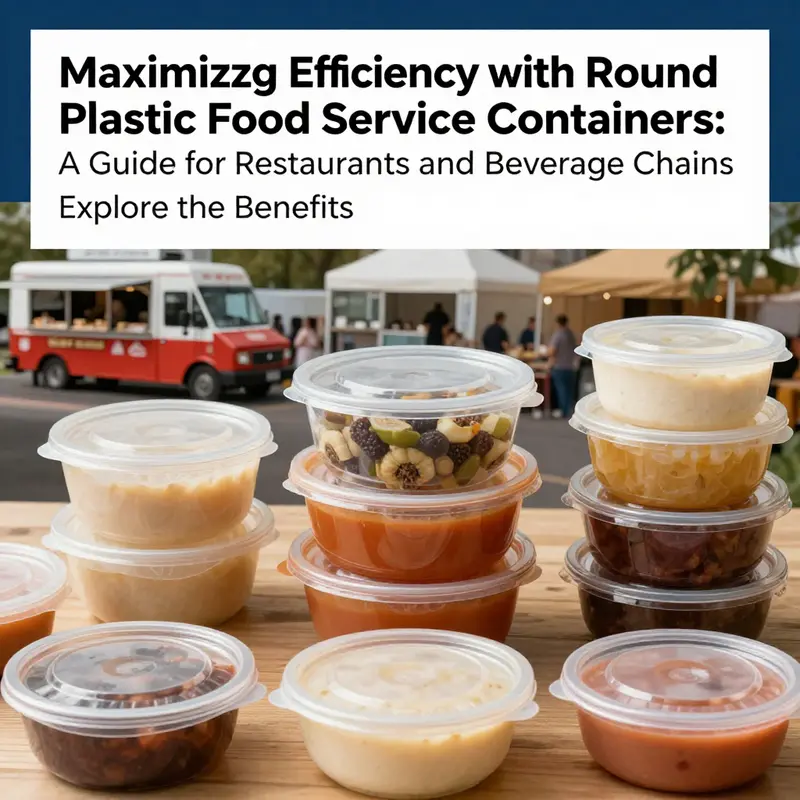
In an ever-evolving food and beverage landscape, the right packaging solutions play an essential role in operational efficiency and customer satisfaction. Round plastic food service containers with lids stand out for their versatility and adaptability, catering to various segments from bubble tea shops to catering services. This article will delve into the advantages of such containers, with a particular focus on applications in different settings. In the first chapter, we will examine IKEA’s 365+ round containers and their benefits for household and commercial use. Following that, we will discuss the growing market demand for disposable containers suited for takeout and delivery, then explore custom industrial-grade solutions that meet vibrant business needs. Finally, a practical guide will help readers choose the right product based on their specific requirements. Through this exploration, we aim to cement the importance of selecting appropriate food service containers to optimize performance, sustainability, and customer engagement.
Circular, Sealed, and Sustainable: The Quiet Power of Lid-Top Plastic Food Containers for Everyday Kitchens
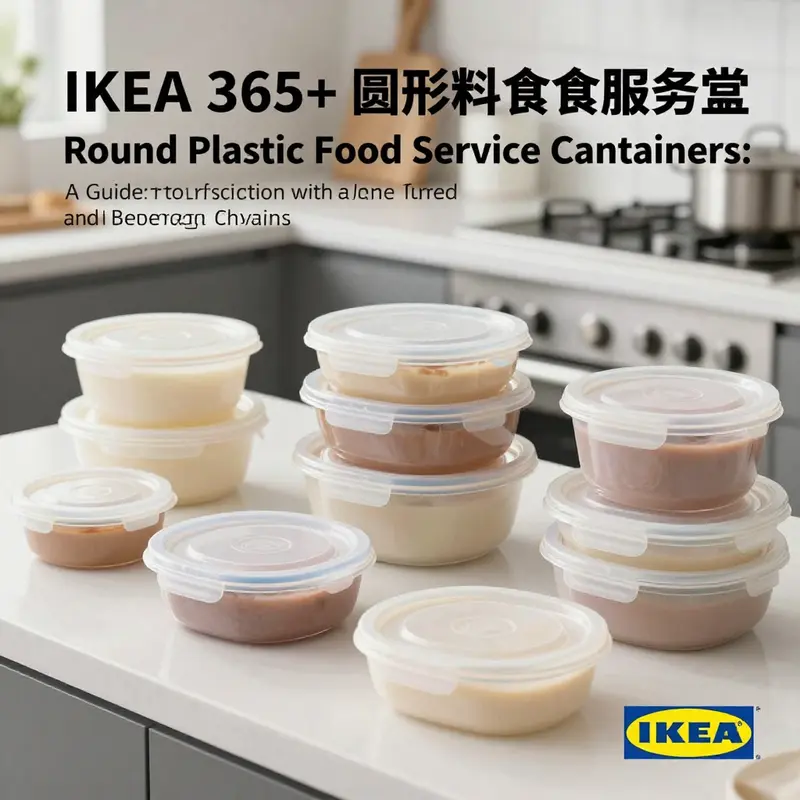
A round plastic container with a lid is more than a simple vessel for leftovers. It is a small, well-engineered system that shapes how households, offices, and even small food-service operations manage food, waste, and routine service tasks. The circle, simple as it seems, offers a unique combination of space efficiency, sealing performance, and ergonomic handling that makes it a persistent fixture in kitchens around the world. Think of it as a quiet multiplier of everyday efficiency: a container designed with a lid that locks in freshness, a shape that stacks neatly, and a material that aligns with modern expectations of safety and sustainability. In this chapter we explore the core design logic behind the round lid-top container, why its practical features matter across different settings, and how careful selection can reduce waste, save time, and improve food safety without compromising convenience.
At the heart of a successful round container with a lid is its sealing performance. A good seal does more than keep sauce from creeping along the rim; it minimizes evaporation, reduces contamination, and preserves texture. The lid is often engineered with a gasket or an elastic interface that distributes pressure evenly around the rim. This uniform contact helps resist leaks when the container is tipped or carried in a bag, and it also supports consistent heating in microwaves. For households and office environments, where leftovers frequently make the jump from plate to fridge and back to the plate, a reliable seal translates into less waste and more predictable results during reheating. It is not merely about keeping liquids in; it is about maintaining the original integrity of foods, from crisp vegetables to creamy sauces, during storage and transport.
Material choice plays a pivotal role in both safety and performance. The most common option for durable, reusable round containers with lids is BPA-free plastic. This choice reflects a broader consumer demand for materials that are tough enough to withstand daily use—being squeezed into bags, stacked on shelves, and washed in dishwashers—while remaining safe for contact with food. BPA-free plastics are typically formulated to resist staining and odor transfer, which matters when containers are used for a variety of foods, from curry to fruit, across many weeks. The durability of the material supports repeated cycles of use, which in turn aligns with an increasing preference for long-lasting kitchen tools that help people limit disposable waste. The combination of BPA-free resin and a robust lid system creates a platform capable of daily resilience without compromising health standards.
Capacity matters, too, because the size of the round container governs how it integrates with meal routines. A 750 ml option, for example, is large enough to hold substantial portions, yet compact enough to fit into most refrigerators and lunch bags. The size supports practical portion control, making it easier to manage leftovers or batch-prepared meals. When a container is just the right size, it reduces the temptation to overfill bowls or to revert to multiple smaller containers. The result is a simpler, cleaner storage system that minimizes clutter and simplifies meal planning. In workplaces and homes alike, such a size often becomes a default choice for daily use because it supports a full meal for one or a modest share for multiple people.
One must also consider heat tolerance and cleaning compatibility. A container that is both microwave safe and dishwasher safe offers a practical convenience that converts routine washing into a quick, low-effort task. When users can heat food in the same container without transferring to a different dish, the workflow becomes smoother. This alignment with modern kitchen rhythms—prepping, storing, reheating, and cleaning in a single, familiar vessel—reduces friction and encourages more sustainable habits. In many households, the ability to place the container directly in the microwave, then into the dishwasher, removes a barrier that might otherwise push people toward disposable options. The same logic applies in small catering settings or corporate canteens where quick turnover and easy sanitation cycles are essential for maintaining service standards.
The round form factor contributes to a noteworthy set of practical advantages beyond sealing and heat safety. A circular container can be stacked with minimal wasted space, both in refrigeration units and in transit. The geometry supports efficient, stable stacking, which reduces the risk of tipping and spilling when containers are stored in tight fridge shelves or during transport to a meeting or event. When a team needs to distribute meals or organize bulk ingredients for a week, the ability to nest and stack these containers cleanly improves storage density and minimizes handling time. Even the lid design complements this efficiency. Flat lids that rest securely atop the round rim simplify the stacking process and cut down on misalignment during loading. The visual simplicity of a circle—without the corners that can trap residue or become difficult to seal—translates into fewer maintenance issues over time and a more forgiving user experience for all ages and abilities.
Economics and sustainability also color the decisions around which round container with a lid to choose. Reusable options that are durable enough to withstand daily use typically carry a higher upfront cost than disposable, single-use alternatives. However, when evaluated on a per-use basis over months or years, the longer-term financial and environmental dividends become clear. A reusable 750 ml container that is BPA-free and dishwasher-safe reduces the recurring expense of buying disposables for leftovers, take-out, or meal-prep programs. It also lowers waste generation, a factor many households and businesses increasingly weigh in their purchasing decisions. The environmental argument strengthens when the container is designed for long service life, easy repair if a lid or seal wears out, and compatibility with standard dishwasher cycles. In addition, such containers can often be repaired or refurbished rather than discarded, further reducing their lifecycle footprint.
Yet the market for round containers is not monolithic. It includes a spectrum of solutions designed for different priorities. For households that want to minimize waste from day one, a sturdy, reusable round container provides an appealing baseline. For office kitchens or student residences, a mid-size option can balance portion control with portability. In food-service settings, where speed and hygiene matter, a mix of sizes makes sense. A smaller capacity—such as 250 ml—serves as a reliable, leak-resistant option for sauces, dressings, and small servings, while larger capabilities—up to 2.5 liters or more—support bulk ingredient management and ingredient prep for catering or industrial use. Each tier speaks to a distinct workflow, but the common thread remains: a round container with a lid that prioritizes seal integrity, safe materials, and practical usability.
Brand narratives often sit behind these practical advantages, with some popular lines emphasizing a balance of everyday reliability and sustainability. While the exact branding can vary by market, the underlying design philosophy tends to converge on several shared principles. First, the lid is more than a cover; it is a purpose-built interface that creates a reliable seal and a predictable heating environment. Second, the container’s material selection focuses on food safety and longevity, with BPA-free formulations that resist staining and odors over repeated use. Third, the geometry—a circle—delivers housing efficiency, easier handling, and more intuitive stacking than many other shapes. These elements combine to create a tool that does not shout for attention but quietly amplifies the quality of daily routines.
In practical terms, the everyday kitchen benefits most from a container that balances features without requiring a long onboarding period. The design should minimize the number of pieces to keep clean, offer a reliable seal to prevent leaks in transit or on desks, and be compatible with common cleaning machines. A 750 ml capacity is often a sweet spot because it accommodates generous leftovers and mid-sized portions, yet remains compact enough to fit into most chillers. For families and individuals who are mindful of waste, this size also aligns well with one-portion meals that can be reheated, repackaged, or repurposed with minimal waste generated from unused food. The interplay of size, seal, and material quality drives a loop of efficiency: better seals reduce waste, stronger materials extend life, and a simple, circular shape makes daily tasks faster and more predictable.
To illustrate how these principles translate into user experience, consider the routine of meal-prep and lunch logistics. A well-chosen round container with a lid can store all-day portions in a way that preserves moisture and prevents cross-flavor contamination. It can be moved from kitchen to desk without fear of leakage, making it easier to carry sauces and salads together, each in its own sealed vessel. When reheating, the same vessel retains its integrity, and the absence of a transfer step reduces the risk of spills or burns. The round shape also helps in organizing a crowded fridge, where a tidy stack of identical vessels creates a calm, efficient storage system rather than a chaotic jumble of different-shaped containers. In short, the container becomes a facilitator of better habits—easier planning, less waste, and more reliable meal experiences.
For those exploring the broader market, it is helpful to recognize how the round container with a lid fits with other packaging formats. In food-service operations that require bulk distribution or disposable considerations, smaller-capacity round containers with secure lids remain indispensable for soups, sauces, and portion-controlled servings. In bulk handling scenarios, larger circular containers with robust lids become essential for ingredient storage, bulk packaging, or mixing tasks in production lines. The common thread is that the same fundamental design language—round geometry, a trusted seal, and a durable, food-safe material—permeates across scales and use cases. This continuity allows kitchen staff and procurement teams to standardize on a handful of sizes while still accommodating a wide range of needs, from a quick lunch to a complex catering event.
Selecting a round container with a lid thus comes down to aligning a few practical questions with the realities of the kitchen or operation. How much food needs to be stored at once? Which foods demand the most secure seals due to moisture, fat, or acidity? Will the container be heated, and if so, is it compatible with the oven or microwave as well as the dishwasher? How easy is it to clean around the lid interface and gasket? And finally, what is the expected lifecycle—how many uses does the container need to provide before replacement becomes more economical or sustainable? Answering these questions helps identify the right balance between size, seal quality, heat tolerance, and durability. In doing so, it becomes clear that the round container with a lid is not an extravagance but a practical investment that improves everyday food handling and aligns with a growing emphasis on responsible consumption.
As we broaden our view to include other segments of the market, the contrast becomes clearer. In catering or takeout settings where single-use options dominate, a compact, leak-resistant 250 ml round container with a lid can deliver hygiene and convenience at scale. In contrast, industrial and wholesale circles may favor 2500 ml or larger round containers with customizable features such as printed branding, color options, or specific chemical resistance requirements. Each tier serves a particular workflow, yet all are anchored in the same design logic: round, seal-focused containers built from safe plastics, capable of supporting repeated use where possible and clean disposal where needed. The challenge for designers and buyers is to balance the short-term needs of speed and cost with the long-term goals of safety, durability, and environmental responsibility.
The final takeaway is not about any single container or brand; it is about recognizing the value of thoughtful design in everyday tools. A well-made round container with a lid translates into better portion control, safer food handling, and more efficient routines. It supports a philosophy of cooking, storing, and sharing food that minimizes waste and maximizes usability. When you pick a container with a proven seal, a durable, BPA-free body, and a cap that seats confidently, you are choosing a small but powerful enabler of sustainable, sane kitchen life. And in a world where every daily choice matters—from the leftovers in the fridge to the meals packed for a busy day—the humble round container with its lid proves to be both practical workhorse and quiet champion of responsible consumption. For those interested in related packaging formats and practical take-away solutions that complement this approach, a related example in the packaging ecosystem can be explored through a compatible takeaway kraft paper bowl with lid, which demonstrates how lid-integrated designs contribute to hygiene and portion control across materials. 750ml disposable takeaway kraft paper bowl.
External reading can expand understanding of how manufacturers balance safety, performance, and sustainability in round containers with lids. For further insights into contemporary packaging options and consumer expectations, see the external resource provided here.
Round Containers with Lids: Form, Function, and Modern Food Service
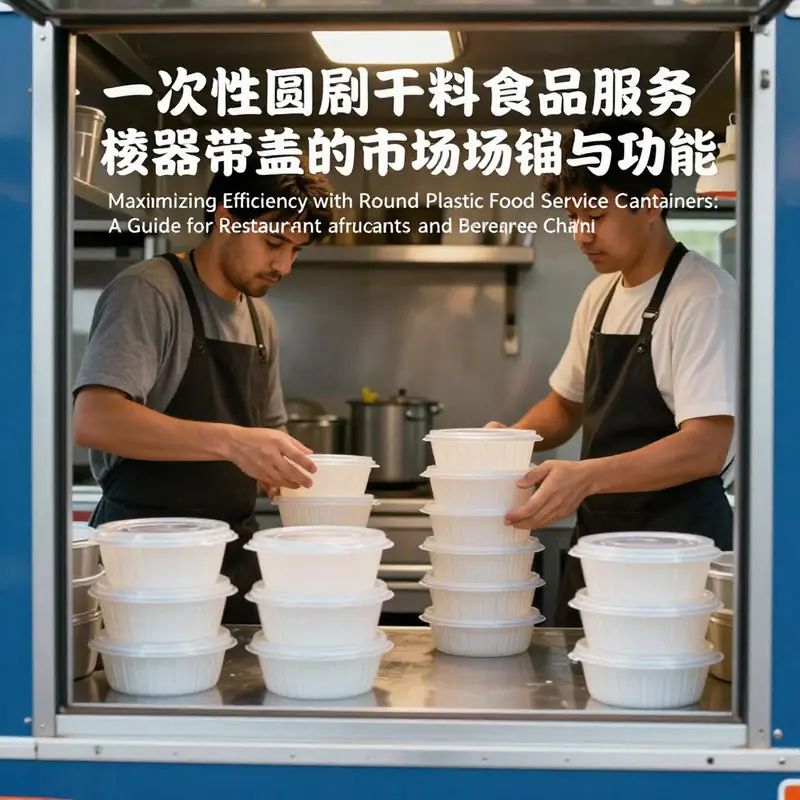
The round container with a lid has emerged as a practical backbone of modern food service, informing how kitchens prep, store, transport, and present meals. Its circular footprint supports efficient stacking and predictable volumes, while its lid provides a convenient seal for on-the-go consumption and safe transit.
The lid’s seal helps preserve temperature and moisture, minimizes spills, and reduces odor transfer, making these vessels suitable for hot dishes, soups, salads, and multi-item orders. Material choices emphasize food safety, microwave tolerance, and recyclability, with durability for reuse or cost-effective single-use options as needed.
In homes and workplaces, reusable round containers extend longevity and versatility, while disposable variants address speed and sanitation in high-volume contexts. Standardized dimensions and reliable closures improve interoperability across menus, supply chains, and service channels.
Branding, sustainability, and policy trends shape design, driving innovations in barrier properties, printing, and recycling compatibility. Collectively, these trends reaffirm the round container with a lid as a flexible, scalable backbone of contemporary packaging.
Beyond the Seal: Unraveling Customization, Performance, and Industry Practice for Round Plastic Food Containers with Lids
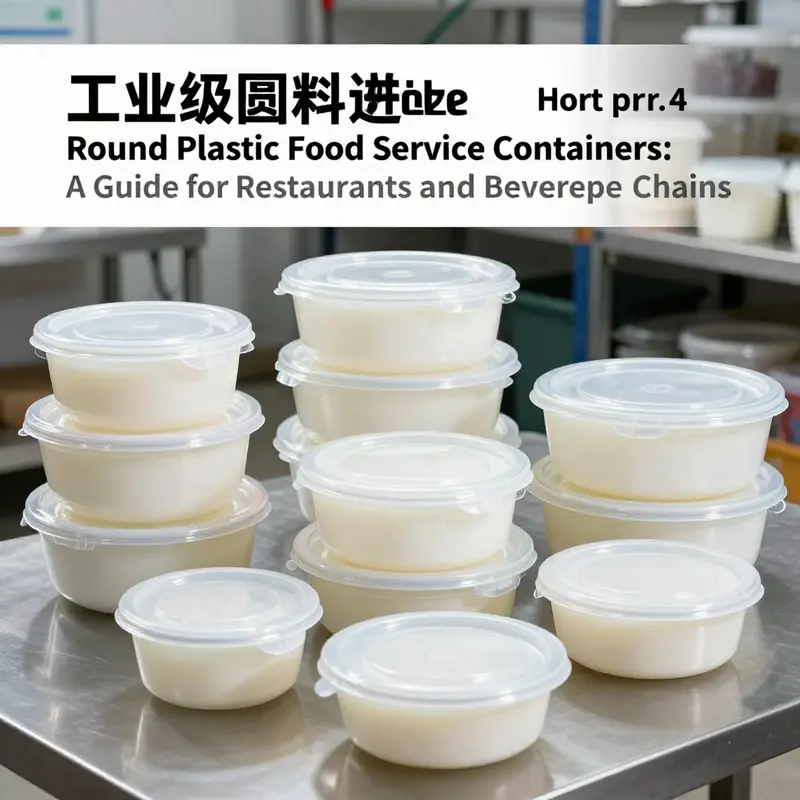
Round plastic food service containers with lids sit at an intersection of hygiene, efficiency, and scalability. They are not mere receptacles; they are critical components of operational workflows that govern how ingredients are stored, portions are prepared, and meals arrive at service points in a condition that preserves flavor, texture, and safety. In many modern facilities—whether a bustling catering kitchen, a large food processing plant, or a distribution hub feeding schools and hospitals—the round form is favored for its stacking efficiency, uniform dispersion of contents, and predictable handling characteristics. The lid, far from being a cosmetic add-on, functions as a seal that guards against contamination, minimizes moisture loss, and enables controlled reheating or cold storage where appropriate. This is a space where material science, product design, and supply chain logistics converge to deliver predictable performance under varying conditions of temperature, agitation, and transport. The narrative of these containers is not just about how they hold food; it is about how they enable safer operations, reduce waste, and support scalable production in an industry that moves in large volumes and tight timelines. The discussion that follows threads together material choices, structural design, customization possibilities, practical applications, and the strategic considerations that guide procurement at an enterprise level, all while keeping a consistent eye on safety, sustainability, and cost efficiency.
At the heart of any round plastic container with a lid lies material selection. In industrial contexts, the most common food-contact plastics are high-density polyethylene (HDPE), polypropylene (PP), and polyethylene terephthalate (PET). Each material brings a unique balance of properties that suit different uses. HDPE offers robust chemical resistance and impact strength, which makes it a reliable choice for containers that must withstand rough handling during stacking, warehouse moves, or transit between processing stages. PP, meanwhile, brings excellent fatigue resistance and a higher heat tolerance, enabling more flexible use in environments where containers cycle through cold storage and light reheating, though it may present different behavior with certain acidic or fatty contents. PET can provide clarity for inspection of contents and can offer good barrier properties in some configurations, though its application in heavy-duty warehousing contexts often emphasizes transparency rather than sheer toughness. Across these materials, the box-like geometry of a round container helps distribute forces evenly, reducing the risk of deformation when containers are nested or stacked. When we speak of safety, the focus tends to be on food-grade standards and regulatory compliance that ensure contents do not migrate into the container and that additives or residues in the plastic do not pose a risk to health. In many industrial supply chains, you will find that the materials chosen for round containers are specified as food-grade and BPA-free, a reflection of broad consumer and institutional expectations for product safety. Moreover, the versatility of these plastics supports a broad range of contents—from water and milk to sauces, soups, and semi-solid products—without compromising structural integrity or taste. The emphasis on BPA-free formulations is not only a regulatory shield but also a market signal that aligns with a growing demand for safer packaging across the supply chain.
The design of the container and its lid is a study in balance. The versatility of the round shape facilitates uniform filling and easy dispensing, while the lid’s geometry and sealing mechanism determine the container’s operational envelope. A tight seal is essential to prevent leaks during horizontal transport, to minimize evaporation of volatile aromas, and to protect contents from external contaminants. In practice, you will encounter a range of sealing approaches: screw-on or snap-fit lids, gasketed designs for enhanced liquid retention, and even locking features for six- to twelve-hour shelf life during transits. Structural integrity is also tied to wall thickness and reinforcement features that help the container resist impacts, resist crushing under load, and maintain dimensional stability through cycles of freezing, cold storage, or gentle microwaving when appropriate. The design extends beyond the lid, with features such as a smooth interior finish to ease cleaning, a skirted base to promote stable stacking, and sometimes textured exteriors that improve grip in cold or wet environments. There is a practical dimension to these choices as well: thicker walls and heavier lids may yield superior durability but increase weight and storage space requirements. Conversely, lighter designs may reduce handling effort and freight costs but demand tighter quality controls to prevent leaks and deformation. The practical takeaway is that the “best” design depends on the intended use—whether the container will be filled at a plant, portioned in a kitchen, or merchandised in a warehouse for quick distribution. In all cases, compatibility with automated filling systems, ease of cleaning, and resistance to repeated temperature changes are central criteria that shape the final form.
A standout feature of this domain is customization, which becomes essential when containers must align with brand guidelines, operational processes, or regulatory labeling. Industrial providers typically offer a spectrum of customization options that address size, color, lid variant, and surface treatment, along with the opportunity to imprint logos, batch codes, or production dates for traceability. Dimensions are not arbitrary; they are tuned to the layout of storage racks, the capacity of filling lines, and the space constraints of palletized logistics. Color options, while sometimes chosen for brand alignment, can also serve a functional role—different colors can indicate contents or hazard categories, aiding compliance and safety protocols in large-scale operations. Printing techniques can span silkscreen, hot stamping, or more advanced laser marking, enabling a clear and durable brand signal that withstands washing and temperature cycling. The lid itself may come in different variants to accommodate diverse workflows: some lids provide a tight seal that excels in liquid retention, while others are designed for a quick release during fast-paced service lines. The ability to customize lids—whether through a tighter gasket geometry, a venting mechanism for steaming contents, or a specialized hinge that reduces lid loss in transit—adds a layer of practicality that can dramatically affect throughput and risk management. For procurement teams, customization offers a way to optimize for efficiency and traceability—an investment that pays back in reduced waste, simpler inventory control, and clearer quality assurance records. The options extend into surfaces and finishes, with treatments or coatings that resist staining, cling residues, or odors, depending on the anticipated contents. In short, customization in this space is not mere decoration; it is a key lever for aligning packaging with specific production lines, distribution patterns, and compliance requirements.
From a workflow standpoint, the container’s performance is defined by how well it integrates with the broader operational ecosystem. In food processing and catering contexts, containers are part of a chain that begins with receiving ingredients, moves through portioning and packaging, and ends with distribution to retail points or end customers. The seal and the interior finish directly affect hygiene outcomes, as smooth surfaces reduce places where bacteria might harbor and where residues could linger between cycles of washing. The ability to withstand repeated disinfecting, whether through high-temperature washing cycles in industrial dishwashers or through chemical sanitation processes, is a practical attribute that influences lifecycle cost and downtime. In environments where contents vary from sauces to ready-to-eat items, the container should handle shifting densities and viscosities without deformation or leakage. This dynamic demands a thoughtful approach to wall thickness, edge radii, and the mechanical tolerances of the lid’s mating surfaces. When containers are used in bulk at scale, predictability becomes essential. Facilities rely on standardized sizes that streamline inventory, reduce errors during picking, and enable faster loading and unloading. The round geometry contributes to this predictability by maximizing space efficiency in shelving and on pallets. The lid’s performance under stacking pressure is equally critical; a well-designed lid won’t warp under load, enabling reliable nested storage and minimizing damage during transit. The result is a packaging system that supports consistent throughput, more reliable quality control, and a reduced rate of product returns due to spoilage or leakage.
The topic of customization naturally dovetails with considerations about sustainability and lifecycle management. In many large operations, containers are valued for their reusability multiple times, which reduces single-use waste and supports corporate environmental goals. Reusability, however, is contingent on the container’s durability, ease of cleaning, and resistance to chemical exposure. A thick-walled container with a sturdy lid and a well-fitted seal can withstand numerous cycles of washing and reloading before exhibiting any signs of wear. At the same time, recyclability remains a critical factor in end-of-life planning. Some plastics offer higher recyclability or are easier to reclaim within municipal streams, making the environmental calculus more favorable for certain material choices. Yet it is essential to acknowledge that the actual recyclability of a container depends not only on the polymer type but also on local recycling capabilities, sorting technologies, and demand for recycled resin. Consequently, procurement strategies often balance operational performance with end-of-life considerations, choosing materials and designs that align with a company’s broader sustainability commitments while still delivering reliability in day-to-day use. As a result, suppliers frequently present options that optimize for both hygiene and lifecycle value—such as materials with strong chemical resistance yet compatible with widely available recycling streams, or designs that support high reuse rates without complicating cleaning protocols. In this way, the choice of a round container with a lid becomes part of a broader strategy to minimize waste, extend product shelf life, and maintain safety across a spectrum of storage and distribution scenarios.
Cost, lead times, and supply chain reliability are persistent realities that shape decisions in this space. Industrial buyers must weigh the trade-offs between standard, off-the-shelf configurations and highly customized solutions. Standard designs offer the advantage of lower unit costs, shorter lead times, and predictable performance across a broad range of applications. Customized options, while more expensive and time-intensive to develop, deliver exact fits for particular workflows, brand requirements, or regulatory labeling needs. The procurement process often includes validation steps—sampling, performance testing, and pilot runs—to ensure that the chosen design meets expectations before committing to large-volume orders. Quality assurance is non-negotiable; end-to-end testing may cover seal integrity, drop resistance, chemical compatibility, and cleanliness over multiple cycles. Providers who can deliver consistent quality, clear specifications, and reliable after-sales support typically emerge as preferred partners in high-volume settings. The total cost of ownership emerges not simply from the price per unit but from the package of savings that the container enables: reduced waste, improved throughput, easier compliance reporting, and lower risk of product loss due to leakage or contamination. When these financial and operational values are considered together, the container design reveals itself as a strategic asset rather than a simple container. The industry’s ability to scale—through standardized production runs, modular customization, and efficient logistics—directly influences how well an organization can meet demand spikes, seasonal peaks, or large events that require rapid turnover of materials.
In evaluating the broader ecosystem of options, it is useful to contrast round plastic containers with lids against alternative packaging formats. For instance, some operators explore eco-friendly or compostable options as part of a broader strategy to reduce landfill impact. While these alternatives may offer compelling sustainability narratives, their performance in high-volume storage, long-distance transport, or high-temperature environments may not yet match the durability and reusability profile of conventional plastics in industrial contexts. The decision often comes down to aligning packaging choices with the specific constraints of a given operation—volume throughput, storage footprint, sanitation protocols, and the physical demands of handling during busy service windows. For teams that require a precise balance of performance, cost, and brand visibility, the customization pathways described above provide a practical framework to tailor containers to precise specifications while maintaining compatibility with existing processing lines and storage infrastructures. The outcome is a packaging solution that not only protects and preserves contents but also supports efficient operations, clearer traceability, and responsible resource use across the lifecycle.
As this chapter moves toward broader comparisons and future-oriented considerations, one recurring theme stands out: the round container with a lid is a flexible platform rather than a one-size-fits-all object. Its value emerges from the combination of robust material science, careful structural engineering, and thoughtful customization that responds to real-world workflows. Users who understand these dynamics can select configurations that optimize retention of quality, minimize waste, and support rapid, reliable service across diverse environments. They can also appreciate how the container’s lifecycle—spanning design choices, manufacturing processes, routine cleaning, and eventual recycling—fits into a larger system of safety, efficiency, and sustainability. In practical terms, this means engaging with suppliers who offer clear data on material compatibility, seal performance, and labeling options; validating that chosen designs conform to local regulations and industry standards; and planning for scalable production that can adapt to demand cycles without compromising quality or timelines. The round shape, paired with a robust lid, remains a cornerstone of efficient food service packaging, enabling precise portioning, reliable transport, and disciplined storage. It is a design that has evolved from simple containment to a strategic tool that supports operational excellence, brand integrity, and sustainable practice in an increasingly complex logistical landscape. And as technology advances, future iterations are likely to bring smarter seals, more energy-efficient manufacturing, and materials that further optimize recyclability without sacrificing performance, further closing the loop between what is stored, how it is handled, and what ends up in the bin.
Internal link for further reading on packaging alternatives in sustainable formats can be helpful for teams weighing options. For a comparative look at alternative disposable packaging, consider exploring kraft paper bowls and their lids as part of a broader packaging assessment, such as this resource: disposable kraft paper bowls.
External reference: for a broader, industry-level view of industrial plastic packaging options and lid-integrated designs, see the following outside resource: https://www.alibaba.com/showroom/industrial-plastic-food-container-with-lid.html
A Practical Compass for Selecting Round Plastic Food Service Containers with Lids: Safety, Design, and Everyday Usability
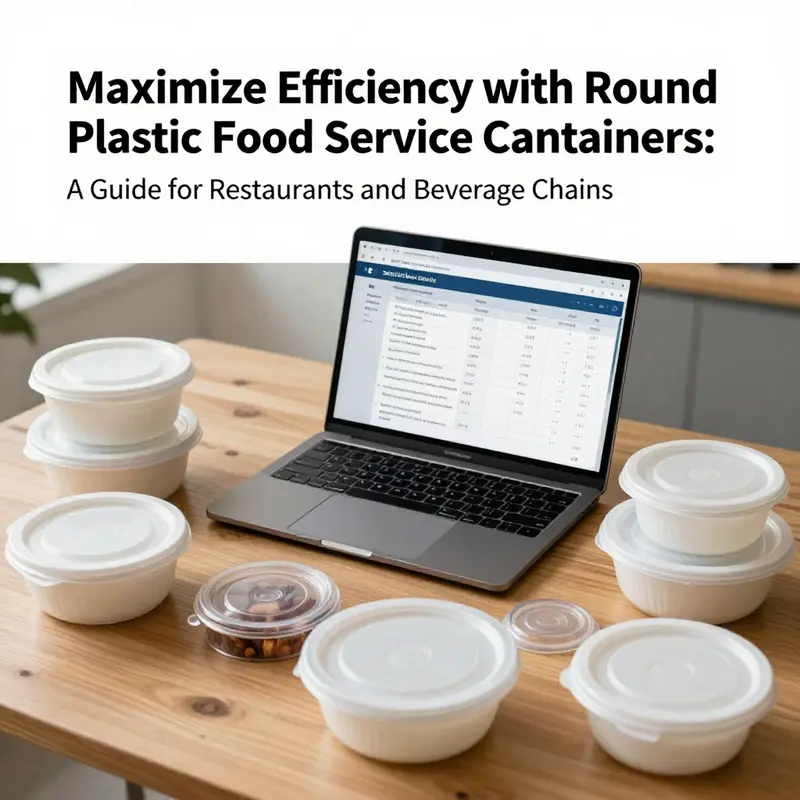
Choosing the right round plastic food service container with a lid is more than a simple matter of appearance or capacity. In daily operations, from home kitchen routines to professional catering and take-out services, these containers become part of a chain that touches safety, efficiency, and sustainability. The core challenge is translating a market with a wide range of materials, thicknesses, sealing systems, and sizes into a single, coherent decision that matches a specific use case. In this chapter, we weave together practical criteria drawn from current market offerings and authoritative guidelines to outline what a thoughtful buyer should look for when selecting a round container with a lid. The discussion centers on three interlocking questions: what material is safest for food contact, how the container is built to withstand real-world handling, and how its size and sealing performance align with intended uses. Although the landscape includes reusable options for home storage, disposable containers for catering, and large-capacity industrial vessels for manufacturing and distribution, the thread that ties them together is the relationship between safety, durability, and operation needs.
At the heart of material choice is food-grade safety. Among commonly used plastics,聚丙烯 (PP) emerges as the most recommended for direct food contact. PP combines robust heat resistance with a chemical simplicity that reduces the risk of migrating substances into food. It remains stable under typical household and commercial temperature ranges, including the ability to withstand reheating when used appropriately. Crucially, PP demonstrates compatibility with microwave heating when used with lids that are either vented or removed during heating. In practical terms, when you pick a 750 ml or similar round container for leftovers, sauces, or prepared meals, a PP-based product offers a favorable balance of safety and convenience. This aligns with widely cited safety standards that govern food contact plastics in many jurisdictions, including national guidance that outlines what constitutes acceptable materials and finishes for containers intended to touch or hold edible items.
It is equally important to recognize materials to avoid. Polystyrene (PS) and polyvinyl chloride (PVC) have come under increasing scrutiny due to higher risk profiles for certain heat conditions and additives. PS can become less stable when heated, potentially releasing substances into hot foods, while PVC carries well-documented concerns around additives and migration. For buyers aiming to minimize potential health risks and long-term safety concerns, prioritizing food-grade PP and avoiding PS or PVC where heat or prolonged contact is expected is a prudent strategy. This is especially relevant for containers intended to hold hot meals, soups, or sauces that may experience microwave or hot-water exposure during storage or transport.
Material safety intersects with product design, thickness, and the structural language of the container. A practical rule of thumb is that thickness matters as soon as you move beyond simple short-term use. In many high-quality round containers, wall thickness falls into the 0.8–1.2 mm band. This range offers sufficient rigidity to resist deformation when filled with liquid or semi-solid foods, while also maintaining a reasonable weight for handling and stacking. Thick-walled designs tend to perform better under impact during transport and are less prone to denting when shoved into crowded storage spaces or delivered in bulk. In addition to wall thickness, structural features such as reinforcing ribs, a well-defined base, and a lid with a secure fit all contribute to durability. A lid that seals along the rim and integrates some form of locking action—be it a simple snap mechanism or a more robust bayonet-style closure—helps prevent accidental leaks during transit and vigorous handling. For premium lines, a silicone or elastomeric seal embedded around the lid’s inner edge can further enhance leakage resistance, especially for liquids or viscous sauces. Together, these characteristics determine how well a container preserves the integrity of its contents from loading to unloading, which in turn impacts consumer trust and operational efficiency.
The question of capacity is not merely about filling up volume. It is about aligning the container’s size with the intended workflow. Small to mid-size portions—think 360 to 500 ml—are often ideal for single servings, salads, or snack components. They suit compact stacking and are efficient for display in retail settings or for single-serving take-out. Standard meal portions typically land in the 500 to 650 ml range, striking a balance between user convenience and the container’s structural resilience. Large-volume options, from 800 ml to 1000 ml (and beyond in some lines), are common for soups, noodle dishes, or meal-prep bundles. The shape—a circle, rather than a square or rectangular silhouette—offers uniform contact with heat and can be advantageous for certain types of food presentation and heating patterns. Yet the trade-off is space efficiency: circular containers can require more shelf or freezer footprint per unit compared to boxier shapes. In practice, the choice is not a single best option but a calibrated decision that considers expected portion sizes, typical transport distances, and the available storage layout. A well-considered mix of sizes in a kitchen or catering operation often yields the greatest overall efficiency, enabling both everyday use and versatility for special events.
Sealing performance—how a lid and body interact to prevent leakage and contamination—emerges as a critical determinant of suitability for storage, transport, and customer experience. Basic, no-frills lids that rely on a snug rim fit can suffice for short-term storage or dry products. When liquids or sauces are involved, or when long-distance transport is anticipated, more sophisticated sealing solutions become important. A lid that snaps into place with audible feedback signals a reliable seal, while an inner sealing element, such as a gasket, offers a second line of defense against leaks and odor transfer. The presence of a gasket often correlates with the container’s ability to withstand transit stress and varying ambient conditions. For operators who ship hot liquids, soups, or chili-based foods, choosing a container with a robust locking mechanism and a sealed interface can dramatically reduce the risk of leaks and spills, protecting both workers and customers. It is also wise to consider how the lid interacts with the container when cold or frozen; thermal contraction and expansion can impact seal integrity, so high-quality designs factor in these dynamics for multi-temperature use.
Beyond safety and function, maintenance and lifecycle considerations deserve attention. Reusable containers—especially those made from PP with sturdy construction—offer long-term cost benefits and a reduced environmental footprint when treated with care. The ability to withstand repeated cycles in refrigerated storage, re-heating, and dishwashing can translate into meaningful savings and fewer disposal events. At the same time, disposable options have their place in certain operational contexts, such as events, large catering runs, or scenarios requiring quick turnaround without the burden of cleaning. In these contexts, material choices still matter: even disposable pieces should be manufactured to food-contact standards, with clear labeling about heat tolerance and microwaving capabilities. The broader sustainability conversation invites a careful assessment of the trade-offs between reusability, cleaning resources, and waste impact. A well-designed reusable container that is robust enough to endure daily use aligns with sustainable practices by reducing single-use waste and lowering per-meal environmental cost over time. Conversely, high-volume disposable solutions can be critical for speed and hygiene in busy service settings, provided they meet safety standards and are responsibly sourced and disposed of.
To bring these considerations into a practical frame, it helps to think about real-world scenarios. A home kitchen that plans to store leftovers and perhaps heat meals in a microwave benefits from a 750 ml round container made of BPA-free PP, with a vented or easy-to-remove lid. The container’s thickness should feel sturdy in the hand, with reinforcing ribs that resist warping when sauces are involved. An office lunch program or a small cafe might combine medium-size, 500–650 ml units for daily offerings with a few larger 800–1000 ml options for soups or noodle bowls. In a catering context, where batches are portioned for distribution and travel, a set that includes both sealed, leak-resistant lids and a dependable locking mechanism can help maintain product integrity through transit and set-up. In industrial or manufacturing settings, larger, multi-liter circular containers with compatible lids and clear labeling may be used for ingredient staging, bulk portions, or product packaging. Across these situations, the underlying pattern remains constant: safety and durability justify the initial capital outlay, while thoughtful capacity planning and sealing performance translate into tangible gains in efficiency, customer satisfaction, and waste reduction.
Market evidence suggests a spectrum of options that buyers can navigate with relative clarity. A widely available, reusable, round container around 750 ml—a common family-size workhorse—illustrates how design priorities align with practical needs. It offers a balance of heat resistance, chemical stability, and ease of cleaning, and it often comes with a well-sealed lid that reduces the risk of leakage during transport. For operators seeking immediate, one-off solutions, there are disposable round containers with lids designed for quick fulfillment and hygienic handling. These are typically made from polypropene and configured in smaller capacities, such as 250 ml, which makes them well-suited for portion control and bulk distribution for events. For enterprises that require scale and customization, large-capacity round containers—around 2500 ml in some industrial lines—provide the necessary volume, with materials and finishes capable of standing up to chemical exposure, washing cycles, and repeated handling in a production or distribution environment. The overarching lesson is not to chase a single best option, but to assemble a small, compatible family of containers whose sizes, sealing profiles, and heat-tolerance align with the realities of daily operations and the expected lifecycles of the contents they cradle.
When the conversation turns to brands and product lines, the landscape often reveals a preference for combinations that emphasize safety and reuse. A robust, BPA-free reusable round container with a thick wall and reinforced base sits at the core of many households and small businesses, paired with a lid that provides secure retention without being fiddly. In contrast, for those times when speed and hygiene trump sustainability, well-certified disposable options serve as a reliable fallback, especially for large-scale events or temporary take-out services. In all cases, the most reliable path is a deliberate assessment of material safety, structural design, and use-case fit before purchasing. A practical approach is to map your typical workflows—storage duration, heating needs, transport methods, and cleaning capabilities—and then translate those requirements into a set of material and design criteria. That way, the chosen containers work not as standalone items but as integrated components of a well-managed food service system.
For readers who want a concrete example of a nearby option without losing sight of general principles, consider a widely used, round 750 ml container that is designed for repeated use and easy cleaning. It emphasizes BPA-free plastic and strong seal integrity, making it a dependable choice for leftovers, portable lunches, and small office meals. If your needs tilt toward rapid catering or event logistics, a disposable 250 ml round container with a secure lid can deliver the hygiene and speed required for bulk service while keeping waste manageable through proper disposal channels. In contrast, when scale and customization are necessary, large-capacity round containers offer the efficiency of bulk handling, with options to tailor dimensions, colors, or labeling for branding and compliance needs. The principle remains consistent across these examples: safety, durability, and fit to task determine the long-term value of a round container with a lid.
An actionable detail emerges when considering accessibility and online inventories. You can source disposable round containers with lids in a variety of configurations to meet event or service requirements. For example, a compact 250 ml version is often chosen for sauces, bite-sized desserts, or samples, while a 500–650 ml range is ideal for combined meals that a customer can easily carry. The larger 800–1000 ml size is frequently employed for soups, stews, or noodle dishes, where maintaining heat and preventing leakage become critical. In any case, ensure the product labeling provides clear information about microwave compatibility, dishwasher safety, and any restrictions on heating with the lid in place. This transparency helps avoid accidental misuse and protects consumer safety, which remains the ultimate priority.
From a purchasing perspective, one practical path is to build a basic framework that prioritizes PP-based, BPA-free, round containers in the mid-size range for everyday use, paired with a smaller set of disposable options for events or occasional needs. If your operation emphasizes environmental responsibility and repeated use, invest in thicker-walled, ribbed designs with integrated seals. For temporary or high-volume deployments, a well-made disposable line with reliable heat tolerance and leak resistance should be selected. In all cases, maintain a simple, clear policy on heating, cleaning, and lifecycle management to ensure containers perform consistently from day one through multiple cycles.
To link these considerations back to tangible resources, one practical option is to explore a disposable kraft paper bowl with lid for certain non-plastic or mixed-material workflows. This particular internal reference can provide a contrasting perspective on handling, sealing, and consumer expectations when different materials are used in tandem with plastic options. The combination of plastic and paper solutions can be appropriate in mixed-service environments where both sustainability goals and practical performance matter. This approach can be especially relevant for events, lunch programs, and retail settings seeking to diversify packaging while maintaining user-friendly handling and dependable sanitation.
For readers who want to reference a concrete example while exploring the broader landscape, the following internal link offers a detailed look at a disposable option with a lid in a 700 ml category. It provides a real-world instance of how a lid, a simple seal, and a practical size come together to support efficient service workflows while addressing disposal and post-use handling. You can read more about that option here: disposable 700ml Kraft paper bowl take-out octagonal rectangle paper bowl. This link serves as a point of reference for thinking about how alternative packaging formats intersect with the core plastic-container narrative and can inform a balanced packaging strategy that respects both function and sustainability goals. As you weigh your choices, remember that the best container is the one that integrates safety, durability, and the realities of your operating environment into a cohesive, efficient system.
On a broader regulatory note, maintaining awareness of national standards for food-contact materials helps anchor these decisions in solid public policy. Standards such as GB 4806.7-2016 provide a baseline for what constitutes safe materials and finished containers for food contact. Consulting these standards helps ensure that the choices you make meet formal safety expectations and that you can communicate clearly about compliance to partners and customers. For a deeper dive into the regulatory framework, you can consult authoritative sources that summarize the requirements and offer practical guidance for manufacturers, vendors, and users. See the external reference below for a concise overview of the standard and its implications for everyday packaging decisions.
External reference: GB 4806.7-2016 as a national standard governing food-contact plastic materials and articles, outlining safety and compliance expectations for containers used with edible products. See https://www.gov.cn/zhengce/content/2016-10/19/content_5148876.htm for details.
Final thoughts
Selecting the right round plastic food service container with lid is crucial for optimizing operations in the food and beverage industry. From IKEA’s versatile containers ideal for home meal prep to disposable options that cater to busy food trucks and restaurants, every choice impacts sustainability and customer experience. Similarly, industrial-grade containers offer durability and customization, making them ideal for larger operations. By understanding the unique advantages and applications of each type, businesses can refine their packaging strategy to enhance efficiency, reduce waste, and ultimately boost profitability. As the demand continues to grow, adopting the right container can provide a significant edge in a competitive market.