
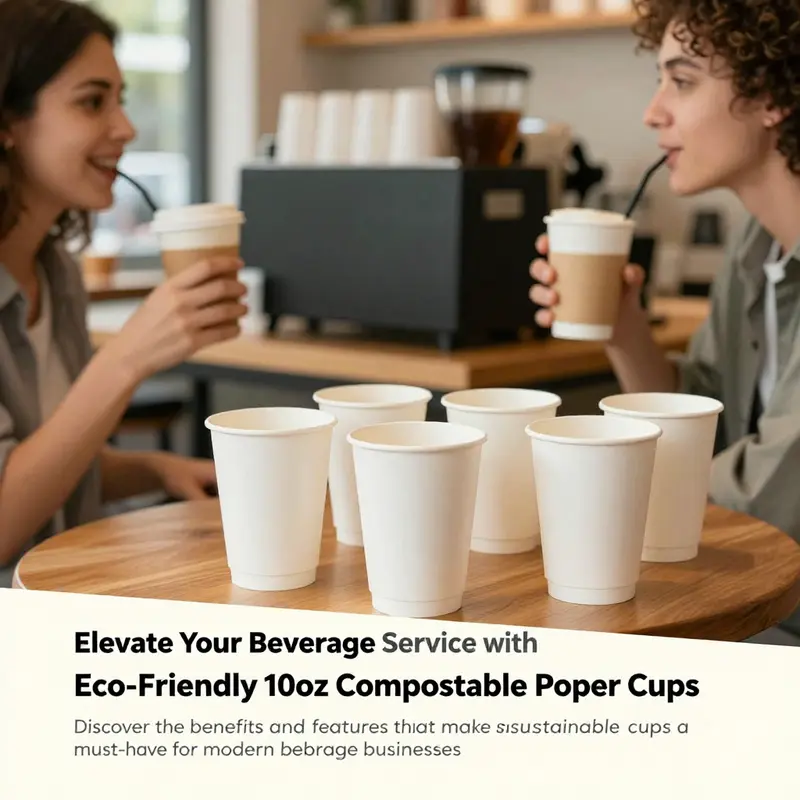
As the world increasingly prioritizes sustainability, the demand for eco-friendly products continues to rise. Among these, 10oz compostable paper cups have emerged as a popular choice for bubble tea shops, restaurants, and catering services looking to enhance their environmental credentials. This article explores the multifaceted advantages of these cups in five key areas: their unique product features and eco-friendliness, the branding opportunities they offer through customization, their functional performance across various scenarios, compliance with international standards, and practical insights into procurement and pricing. By delving into these aspects, beverage businesses can make informed decisions that align with customer values and operational requirements.
null
null
Branding on a Green Cup: Customization and Storytelling with 10oz Compostable Paper Cups
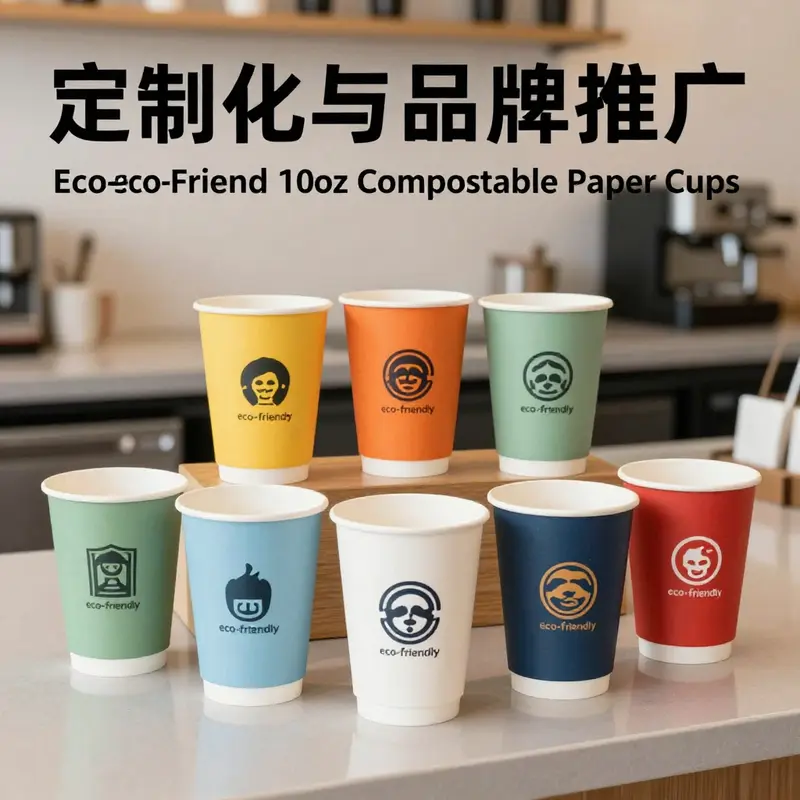
As sustainability becomes a measurable driver of consumer choice, the humble 10oz compostable paper cup emerges not merely as a vessel for coffee but as a canvas for brand storytelling. The shift from disposable, single-use objects to design-forward, environmentally responsible packaging reframes everyday moments into opportunities for connection. In this chapter, we explore how customization turns a practical beverage accessory into a portable marketing vehicle that aligns with a company’s environmental commitments, enabling brands to communicate values as clearly as they convey flavor.
Customization begins with printing. Depending on factory capabilities, the cup body can carry full-color imagery with high fidelity using silk-screen, flexography, or offset printing. Silk-screen offers bold, tactile results; flexography suits high-volume runs with tight color matching; offset provides crisp detail for complex logos and multilingual text. The result is a surface where logos, campaigns, and cultural motifs travel with the consumer. In practice, a brand can present a consistent palette—nature-inspired textures, seasonal motifs, or bilingual slogans—without compromising compostable integrity. Designers even experiment with chalkboard-inspired finishes, inviting on-site messages during events or celebrations, adding a moment of interaction without compromising end-of-life considerations.
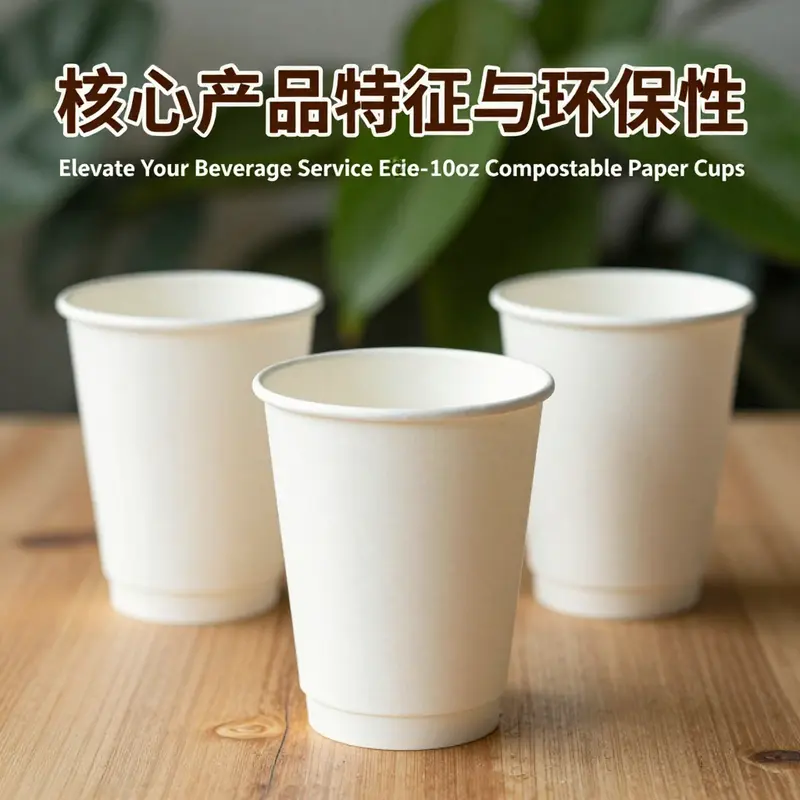
Material choices influence both appearance and performance. Cups are typically crafted from food-grade paper pulp sourced from sustainable forests, often reinforced with a plant-based inner lining to improve water resistance. This lining enables the cup to hold hot beverages safely while keeping the exterior smooth for printing. The combination of kraft paper and a bio-based lining is designed to decompose in industrial composting streams within months, reducing landfill impact when disposal follows proper channels. Manufacturers offer both single-wall variants and double-wall options. The latter adds an exterior air gap and an extra wall to provide insulation, making hot drinks easier to handle and helping preserve temperature longer. The trade-off is a modest increase in material cost and weight, but in venues with long queues or brisk service, the double-wall design translates into a better user experience while still meeting compostability standards.
Customization also extends to accessories. A tailor-made lid—flat or domed—can be matched to the cup design, and even hole size or straw compatibility can be managed to fit the intended service. Some programs go further by offering plant-based lids and optional compostable straws, creating a cohesive, end-to-end eco solution. The aim is to avoid mismatched components that undermine the sustainability narrative. When a brand invests in a unified system—cup, lid, and straw made from compatible, compostable materials—the packaging streamlines waste management for customers and simplifies compliance with municipal guidelines. The result is a packaging experience that remains faithful to environmental commitments while enabling creative branding across channels.
From a marketing perspective, the most powerful aspect of customization is its potential to extend the brand beyond the storefront. A cup becomes a mobile billboard circulating in offices, campuses, airports, and neighborhoods. The presence of a logo on a compostable cup signals more than taste; it communicates responsibility and product quality. For consumers who value sustainability, seeing a brand embrace earth-friendly materials strengthens trust and loyalty. The ability to print seasonal messages, limited-edition imagery, or local collaborations makes the cup a storytelling device that can be tailored to events, campaigns, or regional flavors, reinforcing the brand narrative over time.
Practical use cases span cafés, tea shops, pop-up markets, and corporate gift programs. In hospitality, a well-printed, compostable cup supports loyalty initiatives by providing a consistent visual identity across channels. At events, it acts as a tangible reminder of the host’s green promises and can incorporate multilingual cues to welcome diverse audiences. For gift-oriented campaigns, high-end finishes or chalkboard-style surfaces create a keepsake feel that extends the life of the brand message beyond the beverage. The beauty of compostable cups lies in their ability to marry flavor with responsibility, so customers feel they are participating in a sustainable practice simply by choosing a drink.
Compliance and trust matter as much as aesthetics. Reputable manufacturers align with international standards for environmental responsibility and food-contact safety. Certifications and regulatory programs reassure buyers that the cup not only looks good but performs safely throughout use and disposal. These credentials help ease cross-border sales, essential as retailers seek to reach European and North American markets where packaging stewardship is tightly regulated. In this context, the choice of printing method and material composition must balance color quality with composting performance and regulatory compatibility, ensuring the final product delivers on both marketing and environmental promises.
Procurement dynamics play a practical role in how brands scale customization. Suppliers typically set minimum order quantities, while offering variations in wall construction, coating, and branding coverage. A common starting range is in the thousands, with per-unit costs influenced by print complexity, color count, and the presence of PLA coatings. Double-wall or coated variants naturally sit at a higher price point, reflecting the additional material and processing requirements. For brand managers, the economics hinge on the trade-off between premium presentation and broad adoption; when a campaign demands visibility, investing in high-impact customization can yield substantial returns in brand recall and environmental attribution. Market dynamics also reward standardized packaging ecosystems, where cup, lid, and accessory align under a unified design language.
To illustrate the practical approach without naming specific suppliers, consider the steps a brand might take when evaluating customizable cups in the 10-ounce range. Start by examining product sheets for full-bleed printing capabilities, color accuracy, and whether the coating supports water-based inks appropriate for compostable substrates. Request samples to assess print quality and material performance under typical beverage temperatures. Ensure the lid options—flat or domed—are compatible with the chosen cup and that straw or hole configurations align with service needs. A reliable partner will provide both the necessary documentation and a hands-on opportunity to test fit and finish before committing to a large run. For brands ready to begin, the next step is to brief the supplier with clear parameters: target beverage type, daily volume, disposal channel, and any multilingual requirements. As a practical anchor, see this customized cup option: custom-printed-logo-disposable-6oz-8oz-9oz-paper-coffee-cup.
Ultimately, customization is not merely about aesthetics; it is a deliberate strategy that aligns brand perception with environmental stewardship. When a cup communicates care for materials, suppliers, and disposal, it reinforces a message that resonates with consumers who demand transparency and accountability. In the end, the most successful campaigns treat the cup as a shared surface where taste, responsibility, and culture meet. The chapter traced here shows how a single product—crafted from sustainable fibers, printed with care, and offered with thoughtful lids and accessories—can amplify a brand’s values in tangible, measurable ways. Lifecycles, disposal infrastructure, and consumer education all shape the ultimate impact, turning a simple beverage moment into a experience of trust and shared responsibility.
As trends continue to evolve, the role of the compostable cup will extend beyond a static brand asset. Digital storytelling and traceability—through QR codes linking to sustainability data, recycling guidance, or producer stories—could elevate the cup from a passive vessel to an active participant in a company’s sustainability narrative. Brands that embrace this potential will not only satisfy ecological commitments but also invite customers to participate in a broader conversation about responsible consumption. In that sense, the 10-ounce compostable cup is more than a packaging choice; it is a deliberate, portable instrument of brand integrity that travels with the product and travels with the consumer, long after the last sip.
External reading: https://www.alibaba.com/product-detail/Custom-Printed-10-oz-12-oz-16-oz_1600527897725.html
10oz Compostable Paper Cups: Performance, Safety, and Real-World Use
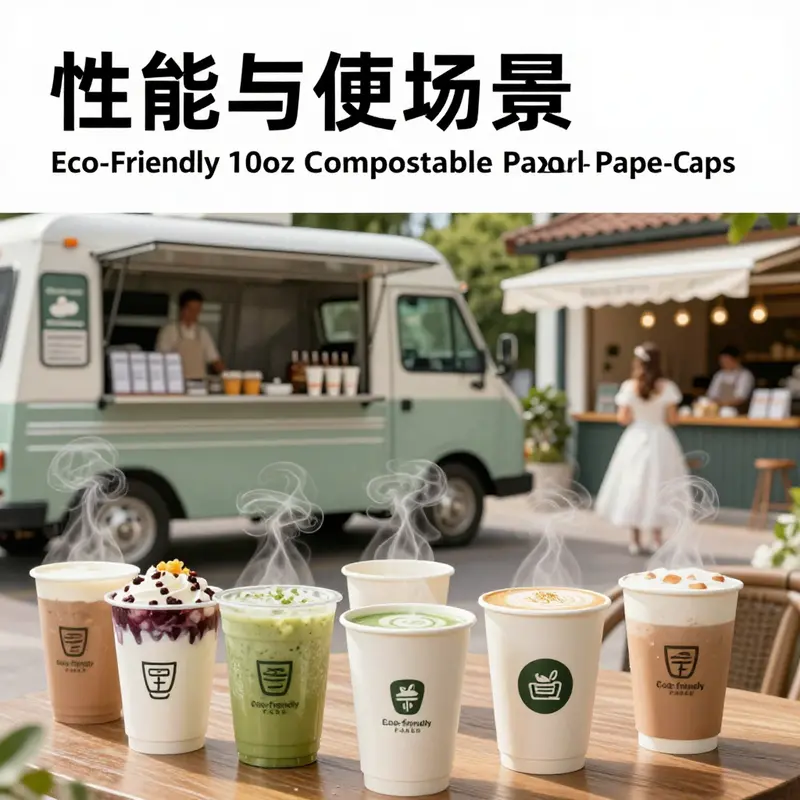
The 10-ounce compostable paper cup is designed for everyday use in cafes, offices, events, and on-the-go service. Made from fiber-based materials such as 100% biodegradable paper pulp or Kraft paper, with optional PLA inner coatings for moisture resistance, these cups are engineered to break down in industrial composting facilities within a matter of months. Compared with traditional foam or plastic, they offer a more sustainable end-of-life option in settings that have access to composting infrastructure. There are single-wall and double-wall constructions; the double-wall variant adds thermal insulation to keep hot beverages comfortable for customers while reducing heat transfer to the hand, while single-wall cups are lighter for high-volume service. In addition to performance, safety and regulatory compliance are important: many cups meet FDA or EU food-contact standards, and certifications related to responsible sourcing, such as the Forest Stewardship Council (FSC), help confirm material origins. In markets with packaging-waste rules, producers may carry Extended Producer Responsibility (EPR) certifications. Branding opportunities abound through printing and labeling, enabling logos and messaging to align with sustainability goals. Lids and seals are designed to minimize spills during transit, supporting a smooth take-away experience. The economics depend on wall construction, coatings, volumes, and customization; larger orders often reduce per-unit costs. For operators without robust composting networks, planning for end-of-life collection with local waste handlers is essential. Overall, these cups aim to balance practical performance with environmental responsibility, reinforcing a brand’s commitment to sustainability while meeting everyday service needs.
Certification as Compass: The Real Impact of Standards on 10 oz Compostable Cups
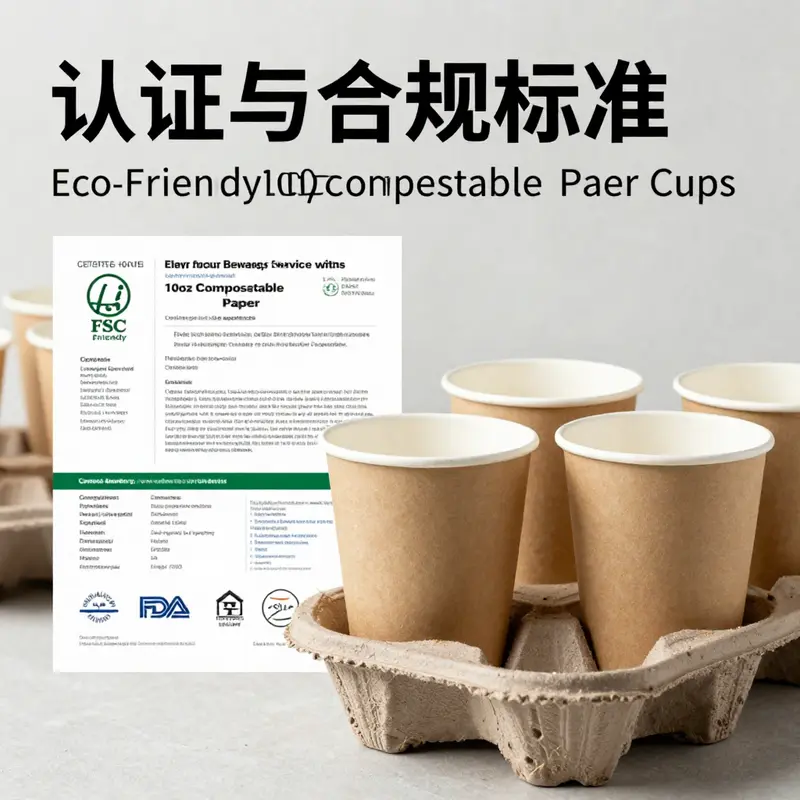
Certifications are more than badges on packaging; they are navigational tools guiding buyers, suppliers, and end users through materials, processes, and end of life outcomes. When choosing a 10 oz compostable cup, appearance and heat resistance matter, but the real work shows up in how the cup is made, what it’s made from, and where it goes after disposal. Certifications and compliance standards become the backbone of a credible green story. They signal that a product can perform during use, comply with regional rules, and meet the expectations of environmentally conscious consumers who want clarity.
At the core, extended producer responsibility shifts some packaging waste management onto producers. In places with strong EPR schemes, packaging is designed for recyclability or compostability and there are defined pathways for end of life. For buyers, this means partnering with suppliers who have waste management considerations built into product development and who can provide the documentation and data to support claims.
FSC certification adds a layer of assurance about fiber sourcing. Kraft paper is often used for compostable cups; FSC helps ensure fibers come from responsibly managed forests and that chain of custody is maintained from forest to cup. This reduces risks of deforestation and supports biodiversity and water quality.
ISO 14001 focuses on organizational environmental management. It signals that a supplier actively manages energy, water, emissions, waste, and continual improvement. For compostable cups, ISO 14001 helps ensure that improvements in one batch do not undermine others and provides a framework for reporting progress to customers.
Food contact safety remains essential. FDA and EU compliance attest that coatings and adhesives are compatible with heated drinks. Many cups use PLA inner layers to improve water resistance; while PLA can be industrially compostable, buyers should look for compatibility statements and migration testing results to ensure safety during real world use.
Practically, a compliant cup includes a verifiable package of documents: EPR filings appropriate to the markets, FSC chain of custody certificates, and ISO 14001 evidence. It should include compatibility statements for food contact and heat exposure. When a cup carries these credentials, buyers gain confidence that it will perform as claimed in the right waste streams and align with broader sustainability commitments.
When brands demand EPR, FSC, and ISO 14001 together with clear food contact assurances, they build a transparent narrative that can support responsible purchasing and reliable communications with customers, regulators, and investors. Certifications become a translator that converts material choices and manufacturing processes into trust that lasts from production to disposal.
Sipping Sustainably: Sourcing and Value of Eco-Friendly 10oz Compostable Paper Cups
Across the landscape of single-use drinkware, eco-friendly 10oz compostable paper cups have emerged as more than a trend. They are a practical bridge between everyday convenience and a corporate commitment to lower environmental impact. These cups, crafted from 100% biodegradable food-grade paper pulp or kraft paper, with some variants featuring a PLA inner lining for enhanced water resistance, are designed to break down in industrial composting facilities within a matter of months. This degradation timeline matters because it translates to a reduced legacy of lingering waste compared with traditional foam or waxed cups. The choice of materials is deliberate: the paper’s origin, the potential for compostability, and the presence or absence of a water-repellent inner coating all play into lifecycle considerations, end-of-life infrastructure, and the scope of a brand’s environmental claims. In practice, the PLA lining can offer a reliable barrier against soggy bottoms and leaks, enabling reliable use in high-temperature beverages while preserving the cup’s compostable promise. The balance between performance and sustainability is at the core of these products, guiding brands toward options that meet both operational needs and environmental expectations.
From a design standpoint, the spectrum includes single-wall and double-wall configurations. The double-wall structure—illustrated by widely available options in the market—provides superior insulation, keeping drinks hot longer and protecting hands from heat. This feature is particularly valuable for cafés, takeout venues, and events where customers expect both temperature retention and a clean, insulated grip. At the same time, single-wall cups remain appealing for quick-service settings where weight and cost are pivotal. The material choice and wall architecture influence not only user experience but also compatibility with branding and customization programs. The ability to scale the printing and branding process across both wall types enables a range of marketing strategies, from simple logos to more elaborate artwork that conveys a brand’s story. In this sense, the cups become canvases that extend a business’s sustainable narrative from the counter to the consumer’s mindset.
Customization plays a decisive role in translating environmental stewardship into everyday consumer behavior. Many suppliers offer printing options that span silkscreen, flexographic (flexo), and offset printing, enabling high-precision graphics, brand marks, or cultural motifs such as floral patterns or multilingual texts. The capacity to deliver on-brand visuals without sacrificing compostability is a key differentiator in crowded food-service markets. Some designs even embrace interactive elements, such as chalkboard-style aesthetics that invite customers to sketch a message or sign a toast at events. This interactive dimension is not merely aesthetic; it heightens perceived value, fosters social sharing, and reinforces a brand’s hands-on, community-oriented image. The result is a product that meets functional requirements while also becoming a part of a brand’s storytelling framework.
Compliance and certification are not afterthoughts but strategic assets in expanding markets. These compostable cups commonly align with EPR frameworks in France and Germany, signaling adherence to stringent packaging-waste management standards. FSC certification ensures that raw materials come from responsibly managed forests, reinforcing claims of sustainability from source to sleeve. In addition, FDA and EU food-contact compliance assurances address safety concerns, facilitating entry into North American and European markets. Certification is more than a seal; it’s a promise to customers that the product’s environmental and safety claims are verifiable. For brands seeking to reduce risk and build trust, these credentials are a foundational component of the value proposition.
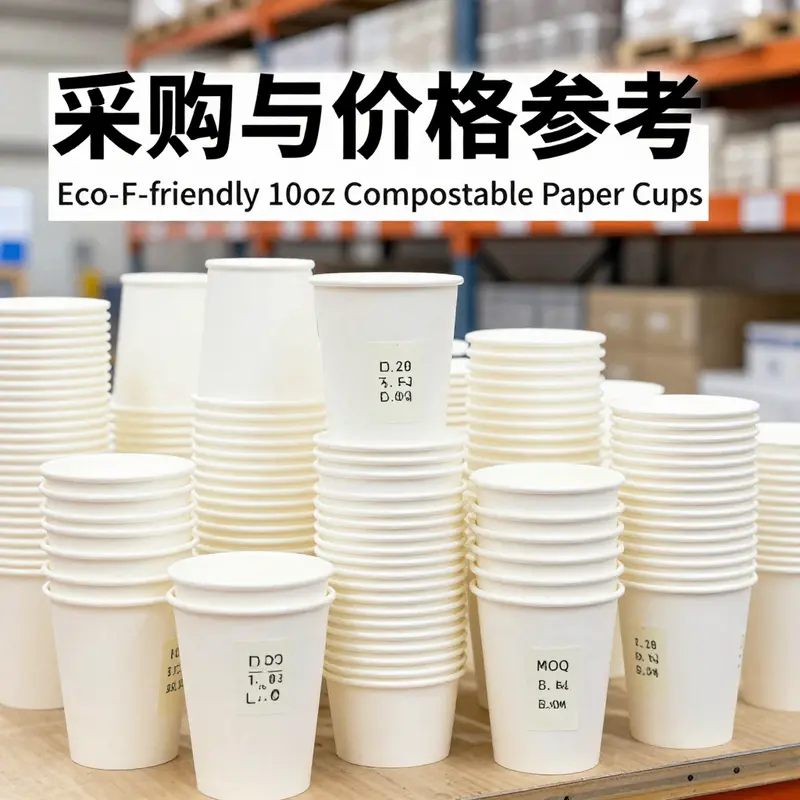
The market dynamics around procurement and pricing reflect the ongoing balance between performance, customization, and scale. Lead times and minimum order quantities typically sit in the thousands, with MOQs commonly in the range of 5,000 to 10,000 cups. When comparing unit costs, the price per cup commonly falls within a broad band, roughly from a low teens of a cent to a few tenths of a dollar, depending on material choices, wall construction, and the extent of customization. For example, base-level single-wall cups without coatings tend to be more economical, while double-wall designs or cups with PLA coatings carry premium costs. As a general reference, even though certain sources quote prices around 0.012 to 0.055 dollars per cup at larger volumes, the exact pricing is highly sensitive to the specifics of the order—glass-clear factors such as printing color depth, logo complexity, and the number of impressions per cup can shift the cost. Importantly, larger orders—50,000 units and above—tend to unlock meaningful unit-cost reductions, making these cups a viable option for mid-to-large scale operators seeking sustainability without sacrificing profitability.
Sourcing channels reflect the globalization of supply chains for eco-friendly disposables. Alibaba remains a primary platform for exploring options, testing samples, and negotiating large-scale production. The ability to specify cup size, wall construction, and branding parameters within a single sourcing session accelerates iteration and procurement planning. For brands prioritizing hot-drink performance, a robust option is the disposable kraft thick paper cup designed for hot beverages. This category demonstrates how kraft-based cups can blend insulation, user comfort, and compostability in a single package. To explore a practical example of this approach, you can peruse a dedicated product page that highlights customization and performance characteristics alongside certification information. The page provides a reference for material choices, printing capabilities, and compliance considerations that underpin a compelling sustainability story while meeting everyday service needs.
Beyond the specs and numbers, the strategic value of eco-friendly 10oz compostable cups lies in how they integrate into a broader sustainability program. Modern consumers increasingly expect brands to demonstrate transparent supply chains, responsible sourcing, and credible end-of-life solutions. By pairing compostable cups with verified certifications and clear messaging about industrial composting pathways, a business can communicate a credible environmental trajectory without overclaiming. In practice, this translates to packaging not just as a container, but as a signal—one that reinforces a brand’s commitment to circularity, engages customers in sustainable behaviors, and differentiates the business in a crowded market. The sensory experience of drinking from a well-designed, heat-insulated cup becomes part of a more extensive narrative about care for communities and the planet. Adapting this narrative requires careful alignment across product design, procurement, branding, and operations so that claims remain accurate, traceable, and substantiated.
For a firsthand look at practical hot-drink cup options and the potential for branding through printing and customization, a relevant internal resource discusses a disposable kraft thick paper cup designed for hot drinks. This page illustrates how suppliers can tailor material choices, wall thickness, and branding to meet specific service contexts while preserving compostability and safety. By examining such examples, brands can translate sustainability commitments into tangible consumer experiences that drive loyalty and advocacy. The link below points to a page that reflects these capabilities and can serve as a practical reference during procurement discussions. disposable kraft thick paper cup for hot drinks.
On the external side of the spectrum, for a broader view of supplier options, certifications, and product specifications in an international marketplace, a comprehensive listing on a major sourcing platform offers a detailed snapshot of double-wall compostable take-away cups. This external resource provides insight into customization capabilities, material choices, and the interplay between cost, scale, and sustainability credentials. For readers seeking a concrete procurement example with published parameters, the listing can serve as a practical reference point as strategies move from concept to contract. See the external reference here: Alibaba listing for custom printed 10 oz 12 oz 16 oz double wall compostable take-away cups.
Final thoughts
Eco-friendly 10oz compostable paper cups provide a brilliant opportunity for beverage-related businesses to enhance their sustainability efforts while meeting customer demands for high-quality, functional products. By understanding their unique features, branding possibilities, performance characteristics, compliance standards, and procurement options, businesses can confidently integrate these cups into their operations. Adopting such eco-friendly practices not only positions your brand favorably in today’s competitive market but also takes a vital step toward a more sustainable future.