
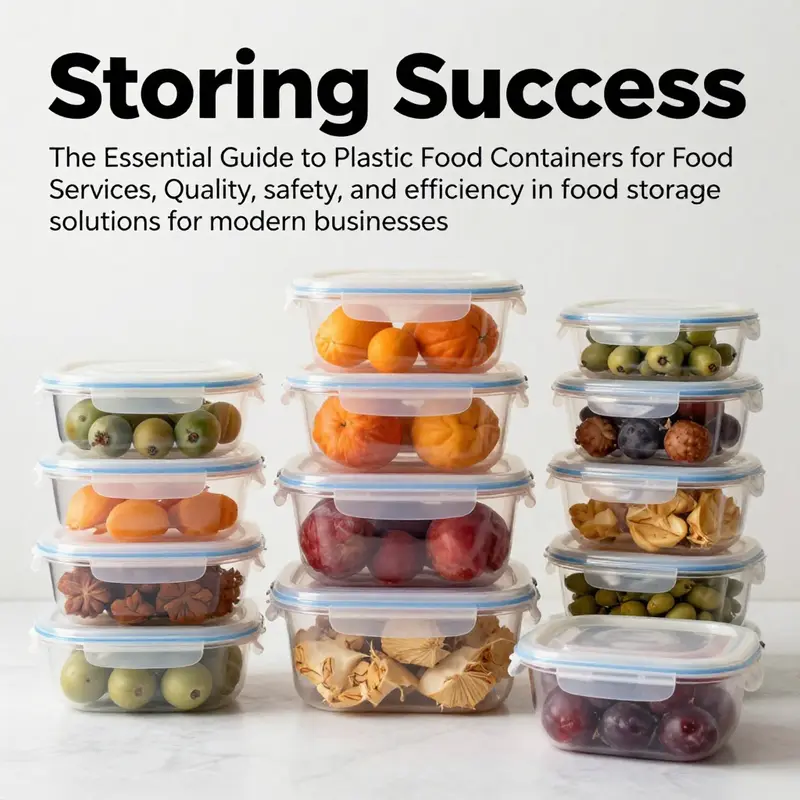
Food storage is an essential component of any beverage or food service operation, and the choice of containers can dramatically impact safety, performance, and customer satisfaction. For bubble tea shops, restaurants, food trucks, catering services, event planners, and corporate procurement teams, the materials and quality of food containers can influence everything from operational efficiency to life-cycle cost and branding. This guide explores the vital aspects of plastic food containers—including material safety, performance longevity, economic impact, and consumer preferences. By understanding these factors, businesses can make informed decisions that not only enhance their operations but also support their commitment to quality and safety.
Material Safety in Everyday Packaging
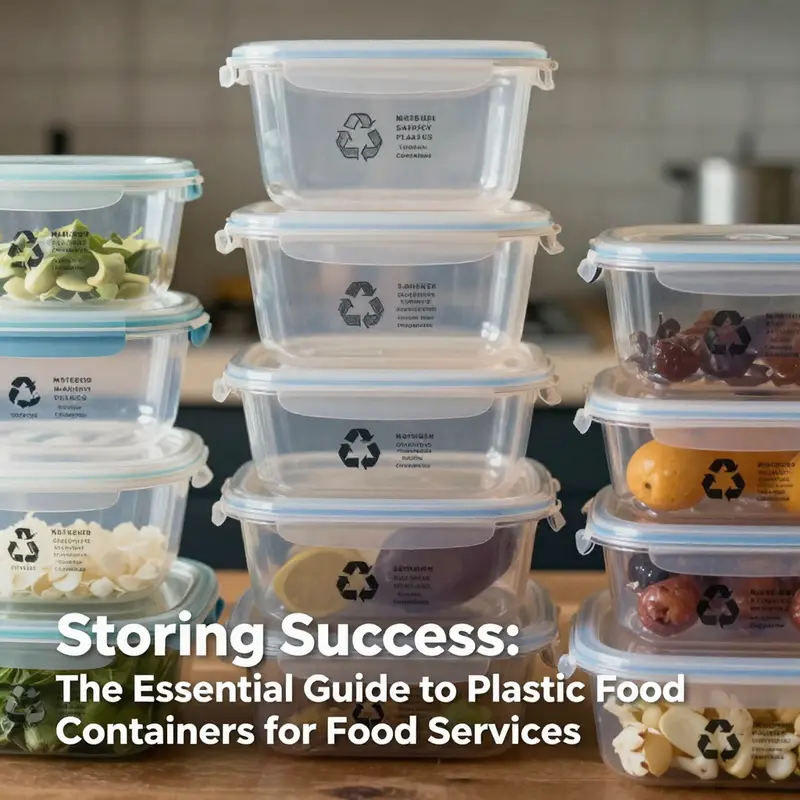
Plastic food containers are common in kitchens and cafeterias, yet questions about safety linger in households, laboratories, and regulatory offices. The core issue is migration: small amounts of additives and other components can move from the container into food, especially when heat is involved or when acidic or fatty foods are stored.
Early concerns focused on BPA, a chemical used in many polycarbonate plastics and epoxy linings. In response, manufacturers adopted BPA free labels and introduced substitutes such as BPS and BPF. Science shows that these substitutes can also interact with biological systems, though the effects depend on dose, timing, and context. Regulation relies on safety margins and labeled use conditions, but real world scenarios can differ from lab tests.
Practical guidance for households includes avoiding heating plastics not approved for hot foods, discarding containers that show scratches, clouding, or deformation, and preferring glass or steel for reheating or long term storage of fatty or acidic foods. Replacing old containers and considering paper based or recyclable options for takeout packaging can further reduce cumulative exposure.
The overall message is a balanced approach: plastics play a useful role when used as directed, but safety comes from choosing appropriate materials for each use case, maintaining containers in good condition, and staying informed about evolving science and regulatory guidance.
Holding Fast: How Plastic Food Containers Endure Heat, Handling, and Time

Plastic food containers sit in the liminal space between everyday routine and long horizons of use. They are not glamorous, but they are designed to perform under the constant tests of kitchen life: loading, stacking, washing, reheating, refilling, and sometimes dropping. The chapter you are about to read traces the arc from material selection to real-world durability, exploring how the most common plastics—primarily polypropylene (PP) and polyethylene (PE) in its high- and low-density forms—are engineered to handle repeated cycles of contact with food, heat, and detergents. It is in this everyday choreography that the true story of performance and longevity unfolds. Plastic containers promise lightness and resilience, yet their long-term behavior depends on subtle interactions among polymer chemistry, lid design, and handling practices. When viewed through this lens, durability is less a single specification and more a dynamic balance—between what a container is designed to endure and how carefully it is used over months and years of meal prep, leftovers, and commercial throughput.
The choice of material underpins how a container behaves when hot, cold, or in between. The most common food-grade plastics, PP and PE, offer a broad spectrum of performance. PP is celebrated for its rigidity and relatively high heat resistance among plastics used for consumer food storage. It tends to resist deformation when exposed to typical dishwasher temperatures and can better hold its shape during gentle reheating. PE, whether in high-density (HDPE) or low-density (LDPE) forms, provides a softer, more forgiving alternative that can absorb impacts and resist cracking when dropped. These materials are widely marketed as safe for food contact and are often presented as BPA-free and FDA-approved, reflecting a regulatory and consumer demand for minimizing chemical exposure. Yet the story is never that simple. While heat resistance is a critical factor, it is not the sole determinant of longevity. Real-world use subjects containers to cycles of heat and moisture that can gradually erode performance, especially for lower-grade plastics or imperfect manufacturing.
Heat resistance operates on a gradient rather than a fixed line. Repeated exposure to high heat—such as long dishwashing cycles or microwave reheating—can soften plastics and, over time, cause warping or distortion. Warping is more likely when containers are not properly positioned on the rack, allowing hot water and heated air to bathe certain zones more intensely than others. This not only looks unattractive but can interfere with stacking and sealing, compromising the container’s ability to sustain a tight seal around its lid. The subtlety of this degradation matters: small shifts in the geometry of a container or its lid can translate into reduced airtightness, more rapid heat transfer, and the potential for spills or loss of aroma and moisture, especially when food is stored for extended periods. Durability, then, is a function of how the container handles these micro-stresses day after day.
As performance evolves with time, some plastics exhibit a hazy film, discoloration, or even a brittle feel after only a few months of regular use. Cheaper or lower-grade plastics are particularly susceptible to such changes, which do not simply affect aesthetics; they can indicate deeper microstructural alterations that degrade impact resistance and dimensional stability. The lifeworld of a container—how often it is washed, whether it is stacked with heavy lids, or if it is subjected to rough handling—plays a decisive role in this wear. Microfractures can accumulate around the corners and along the rims, especially where stress concentrates during repeated opening and closing. Once microfractures exist, they can become pathways for micro-migrations of moisture or food residues, subtly encouraging bacterial harborage in the nooks and crannies that are harder to inspect. In long-term use, these tiny fissures can undermine the very integrity of the seal, transforming a once-airtight system into something looser and less dependable.
The vocabulary of safety in plastics has grown more nuanced as researchers have tried to map out how different substitutes behave under real-world conditions. Polycarbonate (PC) gained fame for its strength and clarity, but it has historically raised concerns about the migration of bisphenol A (BPA) when exposed to high heat. Even though many modern PC items claim BPA-free formulations, the broader family of bisphenol substitutes—such as BPS and BPF—has drawn scrutiny for potential endocrine-disrupting activity. The narrative of safety, therefore, is not a simple checklist but a landscape where substitutes may still present risks, especially when subjected to the same stressors that degrade performance over time. This tension between safety labels and actual material behavior underscores a central point about longevity: a container may survive the physical rigors of daily use yet still harbor subtleties about chemical exposure that require ongoing attention from manufacturers, retailers, and consumers alike. That is why it is important to evaluate not only whether a container is labeled BPA-free but how robustly its materials maintain their integrity in real kitchen environments.
Sealing performance, a crucial determinant of both longevity and usability, hinges heavily on lid design. The best plastic lid can slip toward inefficiency if it is not engineered to maintain a tight seal through repeated cycles of opening and closing. Over time, the snapping mechanisms that secure the lid may loosen a touch, or the gasket-like features may compress, reducing airtightness. In practical terms, this means that even containers made from otherwise resilient plastics can lose some of their protective function if their lids degrade. This degradation matters not only for keeping foods fresh but also for preventing cross-contamination and preserving the container’s ability to function as a reliable unit in a stack or on a shelf. The lid’s geometry—whether it relies on a flat gasket, a separate silicone seal, or a precise tongue-and-groove interface—will determine how resilient the seal remains as the container ages. The best practice is to select lids designed to tolerate high-temperature cycles and to handle them with care: avoid forcing lids beyond their intended travel, and keep gaskets clean and free of crusted food residue that can prevent a proper seal.
Beyond the laboratory bench and the kitchen sink lie another crucial dimension: how plastic containers compare with alternatives such as glass in terms of longevity and safety under practical use. Glass, with its non-reactive surface and stability under heat, often outlasts plastic in many households, especially where heavy reheating or freezing is routine. Glass does not degrade in the same way that plastics do, and it tends to maintain its shape and seal without the microfracture risks that plastics accumulate. Yet this resilience comes at the cost of weight, fragility, and the potential for breakage. Plastic, by contrast, remains the pragmatic choice where weight, durability against drops, and resistance to sudden temperature changes—within the bounds of safe use—are paramount. The decision is not a simple one of health versus practicality; it is a nuanced calculus that weighs the likelihood of breakage and the need for microwave and freezer compatibility against the benefits of lightness, flexibility, and lower cost. For many households, the plastic option remains indispensable, particularly for bulk storage, meal-prep routines, and institutional settings where the economics of scale and rigorous reuse cycles are central to operations.
Handling and care intersect with material science in meaningful ways. The longevity of a container is shaped by how it is stacked, how it is cleaned, and how regularly it is replaced. Stacking damaged containers or forcing sharp utensils into tight storage can precipitate microfractures along rims and corners. These fractures not only affect the seal but also create microenvironments where bacteria may persist, challenging even thorough washing. Regularly inspecting containers for signs of wear—deformation, haziness, chips, or cracks—can help preempt problems before they escalate into leaks or contamination risks. The quality of detergents, the temperature of the wash, and the order in which containers are placed in a dishwasher can all influence their lifespan. In high-heat dishwasher cycles, it is prudent to avoid the top rack where exposure to the most intense heat can accelerate material fatigue. While many containers are marketed as dishwasher safe, the cumulative impact of repeated heat and detergents can still erode the polymer matrix over time, especially for lower-grade plastics. This is a reminder that the information printed on a package is a guide, not an oracle; real-world performance remains sensitive to how containers are treated in daily life.
What, then, constitutes a prudent path toward longevity? The recommendations align with a few clear priorities. First, select containers explicitly rated for higher heat exposure if reheating in the same vessel is a common practice. Look for directional cues on heat tolerance rather than generic claims about dishwasher safety, as the latter can mask vulnerabilities under prolonged cycles. Second, practice mindful placement in dishwashers. Avoid the top rack and keep plastic containers away from direct heating elements whenever possible. Third, maintain the integrity of seals by keeping lids and gaskets clean and free of crusted residues that can compromise a tight seal. When lids begin to show persistent wear—even if the container itself appears intact—it may be time to consider replacing both to preserve performance and reduce risk. Fourth, differentiate between storage needs and reheating needs. Some containers are excellent for cold storage, while others are better suited to reheating with compatible lids and heat-stable rims. Finally, acknowledge the trade-off between durability and practicality. The most durable option may not always be the most convenient or the most affordable, but informed choices about materials, design, and care can extend the useful life of containers and reduce waste over time.
In the end, the lifespans of plastic food containers are a story of balance. They deliver on the promise of lightness, flexibility, and cost-effectiveness, especially in households that routinely prepare, portion, and store meals. They also reveal their vulnerabilities to heat, mechanical stress, and repeated washing. The objective for users is not to seek perfection but to cultivate durable practices: select well-rated materials, maintain seals, store safely, and replace when wear becomes evident. For manufacturers and designers, the challenge is to engineer plastics that resist wear without sacrificing safety or increasing cost, to anticipate how lids interact with containers over many cycles, and to provide clear guidance on safe use across a spectrum of temperatures and detergents. The ongoing conversation about performance and longevity thus sits at the intersection of material science, everyday routine, and responsible stewardship of resources. It is a conversation that will continue to evolve as new formulations and testing methods reveal more about how plastics behave over time, and as consumers demand storage solutions that sustain freshness, safety, and convenience without compromising the planet.
External resource: https://www.packagingplastics.com/
The True Price of Convenience: The Economic Footprint of Plastic Food Containers
The economic footprint of plastic food containers extends far beyond the price tag of a single box or clamshell. In many food service operations, the initial cost advantages of plastic—low unit price, light weight, and reliable logistics—have driven widespread adoption. Restaurants, catering services, and delivery platforms can stock vast quantities of these containers without locking up heavy capital or burdening cold storage with bulky inventory. Yet when the full spectrum of costs is accounted for, the financial calculus changes. The immediate savings offered by single-use plastics often mask a cascade of downstream expenses that accrue to municipalities, health systems, and the broader economy. It is this complex interplay between short-run savings and long-run externalities that defines the real economic impact of plastic food containers.
A cost–benefit perspective that foregrounds only purchase price and labor efficiency misses crucial dynamics. A 2023 analysis by Li illuminates a paradox: while plastic containers shave operational costs in the moment, they simultaneously inflate the long-run bill through environmental degradation, waste management pressures, and public health considerations. In practical terms, the ease of using disposables translates into more waste that municipal systems must collect, transport, treat, and ultimately dispose of. The downstream costs are not abstract; they manifest as higher landfill fees, expanded sorting facilities, and, in some regions, additional subsidies or mandates to cope with mounting plastic output. When viewed through this lens, the true cost of a single-use container can exceed its apparent saving by a wide margin.
These downstream costs are not evenly distributed across stakeholders. Municipal budgets shoulder the recurring expense of waste collection and landfill management, which must scale with population growth and consumption intensity. Higher volumes translate into more trucks on the road, increased fuel consumption, and expanded processing infrastructure. Taxpayers ultimately bear these costs, even when the waste originated in a private business setting. At the same time, environmental cleanup efforts—ranging from shoreline mobilizations to oceanic plastic recovery campaigns—require substantial financial commitments. While public sentiment and ethical considerations push for cleaner ecosystems, the corresponding budgets must be found somewhere in public accounts, often competing with investments in health, education, and infrastructure.
Health implications add another layer of fiscal weight. As research into microplastics continues to unfold, questions about their ingestion and long-term health effects persist. Should microplastics contribute to health burdens, the associated healthcare costs could become a material portion of the economic picture. While causality and magnitude remain debated, the precautionary impulse adds a potential risk premium to the cost structure of disposable packaging. In short, even when a container costs only a few cents to manufacture, the societal price tag can be considerably higher once externalities are included.
Regulatory responses to plastic waste are a critical driver of the economic equation. Across the European Union, Canada, and several U.S. states, policymakers are restricting or outright banning certain single-use plastics. Compliance demands force businesses to rethink packaging choices, often raising material and logistics costs in the short term. Companies face a spectrum of new obligations, from redesigned lids and closures to serialization for recycling streams and extended producer responsibility schemes. The financial impact of these shifts depends on the regulatory landscape of each market and the speed with which firms can adapt without interrupting service.
In this evolving environment, the allure of disposable plastics is partially eroded by the rise of reusable systems. A 2024 examination of the economic feasibility of reusable container networks suggests that the long-run economics can tilt decisively in favor of reuse. The argument rests on three pillars: reduced material consumption, lower waste disposal fees, and opportunities to cultivate customer loyalty through sustainable practices. When containers are used repeatedly, the per-use material cost declines, while the costs of collecting, washing, and redistributing containers can be optimized through scale economies. The business model shifts from a one-way flow of goods to an asset-intensive system that requires robust logistics, standardized handling, and reliable return channels. Yet the transition is not automatic. It demands upfront capital, process re-engineering, and a willingness to restructure labor and supply chains around a reusable paradigm.
The interplay between regulation, consumer preference, and supplier capability creates a dynamic market for packaging. As health and environmental concerns reshape consumer attitudes, demand patterns begin to favor durability, safety, and end-of-life manageability. Not all reusable systems are created equal; the most successful models balance sanitation standards, convenient return mechanisms, and efficient wash-and-reuse loops. For many operators, the strategic choice is not simply plastic versus glass or metal; it is whether to embed a mixed approach that leverages the strengths of each material class in specific applications. High-throughput, high-volume environments may still rely on plastic for certain servings where temperature stability, moisture resistance, and stackability matter. Meanwhile, corporate sustainability programs increasingly steer procurement toward materials with stronger circularity credentials, even if the unit price is slightly higher.
The economic narrative also moves through the supply chain and touches the design and sourcing decisions that shape costs. Bulk purchasing power can reduce per-unit prices, but volume alone cannot guarantee long-term savings if a packaging system locks a business into high disposal costs or fragile supply lines for recycling. To illustrate, consider the broader ecosystem: manufacturers, distributors, waste haulers, and recycling facilities each bear a slice of the cost pie. When downstream costs rise, waste management fees and processing fees can compress margins across the chain. In the aggregate, this alters the incentive structure for product designers and retailers, nudging them toward materials that enable easier separation, higher recycling rates, and less environmental leakage.
One practical implication of this cost mosaic is the potential for a gradual diversification of packaging portfolios. Many operators find the middle ground through a portfolio approach: using plastic where its performance and cost advantages are strongest, and opting for safer, more sustainable alternatives in contexts with higher exposure to heat, acidity, or lengthy storage. This hedges risk for both health and financial performance. It also creates market openings for innovations in durable, recyclable, and reusable packaging that can meet performance needs while reducing external costs. In this sense, the economic pressure points created by externalities do not simply threaten the status quo; they catalyze a recalibration of packaging strategies that align cost efficiency with social and environmental value.
The consumer side also shapes the economics of plastics in food service. As buyers become more mindful of health risks and environmental footprints, willingness to pay for safer packaging and for packaging that supports a circular economy increases. Retailers and outlets that can transparently trace the lifecycle of their packaging—its recyclability, its reuse potential, and its end-of-life outcomes—appeal to a growing segment of consumers who are prepared to pay a premium for responsible choices. This shift can reallocate value in the supply chain, moving some of the cost burden from public systems to market-driven incentives that reward responsible packaging design and disposal. Yet for such shifts to crystallize, policy signals, consumer education, and reliable waste infrastructure must work in concert to avoid fragmentation and confusion across markets.
A crucial point in the economic conversation is the role of innovation in reducing the total cost of ownership for packaging systems. Advances in materials science, improved sterilization and washing technologies, and smarter return logistics can collectively shorten the payback period for reusable solutions. If a city or region can demonstrate that a reusable program lowers waste disposal fees, reduces litter, and broadens the tax base through improved recycling rates, the fiscal case becomes compelling even for stakeholders who previously favored disposables. The experience of regions that pilot such programs shows that the economics are sensitive to the design of the business model. Successful implementations emphasize recoverability, durable materials, and a distribution network that minimizes leakage and breakage. The net effect is a reframing of packaging as an asset rather than a disposable cost center.
From a policy and planning perspective, the Li study offers a cautionary but hopeful lens. It reminds policymakers that the economic benefits of disposables are not automatic victories when externalities are ignored. The true cost of plastic containers must reflect municipal burdens, health considerations, and the costs of cleaning up polluted environments. This broader accounting helps explain why regulatory regimes are tightening and why municipalities are increasingly selective about which packaging streams they fund and support. At the same time, the same research points to pathways for achieving better outcomes through reuse and redesign. When communities, businesses, and innovators collaborate to create scalable, safe, and economically viable reuse systems, the economics can tip toward long-term sustainability without sacrificing service levels or profitability.
For readers who want a tangible glimpse into the packaging alternatives that accompany this economic shift, a practical waypoint is to consider the packaging options that blend performance with recyclability. In some contexts, customers may gravitate toward packaging formats that strike a balance between convenience and environmental responsibility. The adoption of recyclable, compostable, or easily separable materials can reduce disposal costs and support higher recycling rates, which, in turn, can improve the overall cost structure of a business operating in a regulated environment. In short, the economics of plastic food containers are not a fixed ledger; they are a living system that responds to policy, technology, and consumer demand. The direction of travel will be shaped by how effectively these forces align to reduce externalities while preserving the efficiency and reliability that modern food service depends upon.
If you are seeking options that align with a growing emphasis on responsible packaging without sacrificing operational efficiency, explore the packaging formats that blend durability with end-of-life manageability. For instance, Wholesale Kraft paper food storage bowls can illustrate how a sustainable alternative can be integrated into a high-volume workflow. Such solutions show that the market is not bound to a single material class; rather, it is expanding toward configurations that support reuse, recycling, and minimal environmental leakage while maintaining the service levels customers expect. The economic narrative thus shifts from a choosing-by-price to a choosing-by-value, where long-term costs—and benefits—are measured on a timeline that fully accounts externalities and opportunities for innovation.
Ultimately, the story of the economic impact of plastic food containers is a story of transitions. It reflects how societies price convenience, weigh health risks, and invest in systems that can absorb waste responsibly. The core tension remains: how to achieve the benefits of lightweight, reliable packaging while curbing the hidden costs that accrue far beyond the checkout counter. The path forward likely involves a mosaic of practice—mixed material strategies, investment in reusable logistics, regulatory clarity, and consumer education—that together reframe packaging from a simple product into a system with measurable financial, environmental, and health values.
External resource for further reading: a comprehensive synthesis on the economics of reusable versus single-use takeaway containers is available in the sustainability literature, which consolidates findings from multiple studies and case analyses. https://www.mdpi.com/2071-1050/15/8/6898
From Convenience to Conscious Choices: Navigating Consumer Preferences in Plastic Food Containers
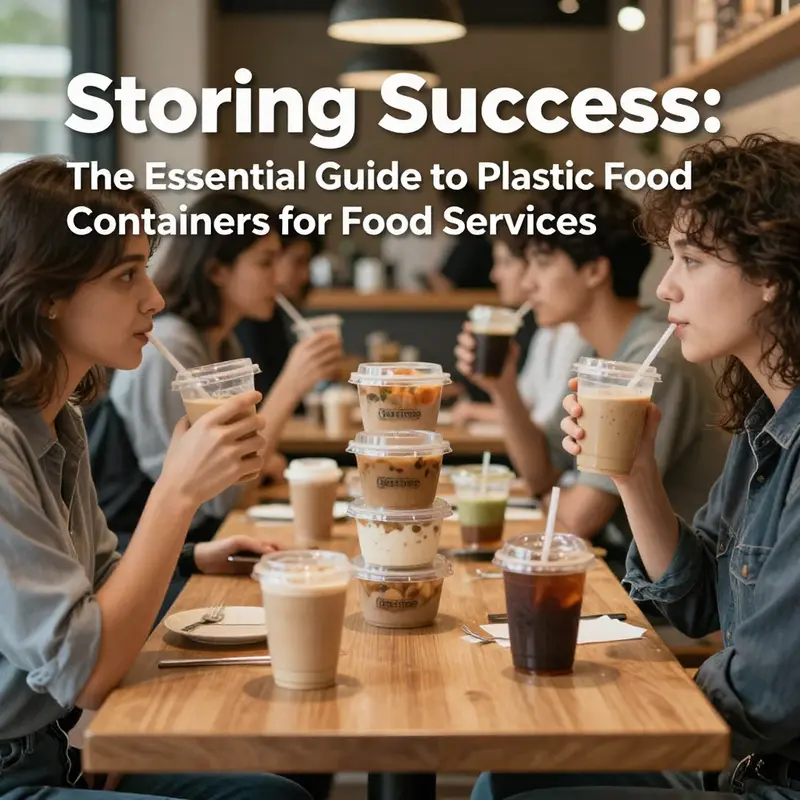
Consumer preferences in plastic food containers are not static; they shift in conversation with health worries, environmental ethics, and the rhythms of modern life. The everyday act of selecting a container for a meal—whether it is a takeaway box, a home-use storage tub, or a bulk purchase for a family kitchen—has become a small but telling indicator of broader values. In recent years, the field has moved beyond simple performance metrics like strength and seal integrity. It now includes a constellation of concerns: long-term safety, the ability to recycle, the transparency of material composition, and the ease with which households can sort waste. This evolving mix of priorities has real consequences for manufacturers, retailers, and consumers alike, shaping everything from product design and labeling to pricing strategies and brand promises. The result is a market that prizes not only durability and convenience but also responsible choices and honest communication about what is inside each container and what happens to it after use.
A pivotal driver behind these shifts is environmental awareness. Consumers increasingly seek packaging that minimizes waste and supports a circular economy. Biodegradable and bio-based plastics have gained traction in many regions, driven by policy signals, sustainability campaigns, and the practical desire to reduce environmental footprints. Yet adoption is uneven. In some markets, institutions actively encourage switching to more environmentally compatible options, while in others, cost and performance trade-offs slow the transition. This regional variability matters because consumer expectations are not uniform. What a city dweller values in a take-out box—rapid access, light weight, and a forget-it-later disposal routine—may differ from what a suburban shopper prioritizes, such as ease of home recycling, resistance to leaks during conveyance, and the ability to re-use containers for meal-prepping. Across borders, the thread remains the same: people want packaging that aligns with their daily routines and their long-term hopes for a cleaner planet.
Alongside environmental considerations, health safety has become central to consumer decision-making. For years, the public conversation around plastic food containers centered on BPA. Today, awareness has matured into a more nuanced understanding: while many products are labeled BPA-free, questions linger about the safety of substitute chemicals like BPS and BPF. Research indicates that these substitutes can still disrupt hormone signaling, even at low exposure levels. The phrase “BPA-free” no longer functions as a blanket guarantee of safety in consumer minds; it signals an ongoing, evolving search for truly safer solutions. This awareness does not erase the convenience that plastic brings—lightweight containers that resist breaking, ease of stacking, and compatibility with microwaves and freezers—but it reframes how that convenience is evaluated. Consumers now weigh the trade-offs between ease of use and potential long-term risks, often leaning toward options that minimize chemical exposure while still delivering practical performance.
Yet convenience remains a powerful magnet. In dense urban centers, polypropylene (PP) containers for take-out and meal-prep dominate the landscape, often representing a striking majority of the market share. The data show a national foothold around 60 percent, with communication about temperature resilience, affordability, and multi-use durability driving adoption. In some cities, that dominance climbs as high as 90 percent, reflecting how local consumer ecosystems harmonize with the practical needs of fast-paced lifestyles. This reality anchors the market: plastic remains indispensable for many users who value reliability, quick access, and the ability to heat and reheat foods without compromising container integrity. The challenge is not simply to offer plastic that works but to align that plastic with evolving expectations about safety, sustainability, and clarity.
With health, environment, and convenience interwoven, consumers increasingly demand clarity in labeling. Studies from Europe and other regions highlight how the perceived convenience of a product—paired with a transparent, easy-to-understand labeling system—can influence disposal behavior. When messaging is clear about material type, recyclability, and end-of-life options, households are more likely to sort correctly and participate in recycling programs. Conversely, when labels are vague or overwhelming, the burden of decision-making can lead to passivity or improper disposal. The insight is not merely about information; it is about trust. Consumers want packaging that speaks plainly about what it is made of, what it can safely hold, and what happens after use. The more this information can be conveyed in an accessible way, the more likely people are to integrate proper disposal into their routines.
In parallel with labeling and transparency, brands are testing the boundaries of sustainability through new materials and design concepts. There is growing interest in recyclable and reusable plastic solutions that can deliver high performance without compromising end-of-life outcomes. Some manufacturers now offer multi-compartment, recyclable plastic containers designed to accommodate different foods while preserving lid integrity and seal performance. The pricing context matters here as well; large orders for recyclable sets can be highly affordable, with estimates around ten cents per set for bulk purchases. This kind of price point matters because it lowers barriers for institutions, take-out services, and households that might otherwise settle for less sustainable choices. When sustainability becomes economically viable, it moves from a niche concern to a mainstream criterion in the decision calculus of buyers.
Even as plastic persists, the consumer gaze is widening to consider non-plastic options. The market is increasingly populated with eco-friendly alternatives that promise reduced environmental impact, heightened recyclability, or simpler end-of-life processes. In conversations about consumer preferences, these alternatives are not framed as a binary choice between “plastic bad” and “paper good.” Rather, they form part of a spectrum of solutions that buyers evaluate based on their own values, needs, and logistics. For example, recyclable pulp-based cup holders and similar eco-friendly packaging components are showcased as part of a broader trend toward designing for circularity. The argument is not that plastic should disappear overnight, but that packaging ecosystems must diversify so that shoppers can select an option that aligns with their own thresholds for environmental responsibility. This diversification is not simply about materials; it is about system design, including better sorting instructions, improved recycling streams, and more intuitive consumer experiences.
A key takeaway from consumer research is that brand owners must adapt quickly to shifting values when communicating with customers. The successful packaging of the near future will balance four elements: performance, safety, sustainability, and transparency. On the performance front, plastic remains indispensable for its light weight, impact resistance, and versatility in form factors. In the safety realm, the emphasis continues to be on chemical risk, with consumers seeking assurances that materials are free from substances with suspected hormonal activity and that alternatives are evaluated under rigorous safety frameworks. The sustainability dimension pushes for materials that fit within robust recycling schemes, as well as products designed for multiple uses or extended lifespans. Finally, transparency demands clear, accessible information about material choices, recycling options, and the practical implications of disposal. When a product can demonstrate strength, safety, and a coherent story about its environmental impact, it earns a stronger foothold in consumer decision-making.
The German and broader European research on waste sorting behavior offers a crucial reminder. Consumer behavior is not solely about preference; it is also conditioned by how easy and clear the disposal process appears. Sorting plastic packaging becomes a more straightforward habit when labeling is intuitive, when recycling streams are well-demarcated, and when the consequences of mis-sorting are made comprehensible. This insight matters for plastic packaging manufacturers because it underscores the need for collaboration with municipalities, retailers, and education initiatives. If packaging is designed with the end user in mind—clear symbols, simple accepted materials, and consistent messaging—the likelihood of correct disposal increases. This is not merely a marketing consideration; it directly affects the environmental performance of the packaging system.
Against this landscape, companies are exploring both incremental improvements and transformational shifts. Incremental changes include better lid designs to preserve airtight seals over repeated use, improved heat resistance to withstand microwaving without warping, and more robust barrier properties to protect food quality. Transformational shifts point toward modular, multi-compartment systems that maximize reuse potential and simplify recycling. They also point toward a broader ecosystem that encompasses waste collection, sorting fidelity, and consumer education. The consumer-facing implication is clear: buyers expect supportive packaging ecosystems. They want products that work reliably, communicate clearly, and fit into their personal ethics without compromising the everyday practicality that makes plastic containers so convenient.
To illustrate the lived reality of these preferences, imagine a busy household where meals are planned around a strict schedule and a rotating cast of leftovers. In such a setting, the container’s lid integrity, resistance to heat, and cleanability become as important as the material itself. A container that warps after a few uses, or one whose lid loses its airtight seal after repeated washing, quickly becomes a source of frustration and even food waste. The desire to avoid waste couples with concerns about safety, prompting some consumers to favor containers that advertise BPA-free status and provide transparent testing data. Yet the consumer who reads that label must also parse what the substitutes actually do. This is where the narrative around risk communication becomes essential: packaging claims need to be credible, consistent, and supported by independent evaluation to earn lasting trust.
In summary, consumer preferences in plastic food containers are a composite signal. They reflect the necessity of practical packaging for daily life and the growing insistence that those packaging choices align with personal health, environmental ethics, and social responsibility. The market responds to this signal with a mix of durable plastic solutions and a broadened toolkit of alternatives, each evaluated through the same lens: safety, recyclability, ease of use, and honesty in communication. The balance is delicate. Too much emphasis on one dimension can erode trust in others. Too little attention to end-of-life realities can undermine the perceived value of even the most convenient container. The most successful products will be those that do not force a choice but rather offer pathways—clear labeling, reliable performance, and accessible options that enable households to reflect their own values in everyday choices.
For readers seeking a concrete glimpse into the broader packaging ecosystem, consider how the market is presenting non-plastic options alongside plastics in a way that supports informed decisions. The integration of recyclable pulp-based cup holders into the packaging landscape signals a willingness to diversify while still meeting the demand for functional, safe, and affordable conduits for food. This integrated approach—where materials, design, communication, and end-of-life planning converge—is the crux of modern consumer-centric packaging. It is not merely about choosing one material over another; it is about crafting packaging that acknowledges the daily rituals of modern life while upholding a shared commitment to health and the environment. The conversation will continue to evolve as new materials emerge, as recycling infrastructures expand, and as consumer education deepens, but the core aim will endure: to offer packaging that respects both convenience and conscience.
External resource: https://www.husky.com/insights/industry-trends/how-changing-consumer-preferences-are-influencing-plastic-packaging-trends/
Final thoughts
In conclusion, understanding the multifaceted role of plastic food containers is vital for businesses in the food and beverage industry. Prioritizing material safety ensures compliance with health regulations, while a focus on performance and longevity enhances service efficiency. Additionally, recognizing the economic implications of container choices can lead to smarter budget decisions. Finally, staying attuned to consumer preferences around packaging can directly influence customer satisfaction and brand loyalty. Embracing these insights allows businesses to thrive in an increasingly competitive landscape.