
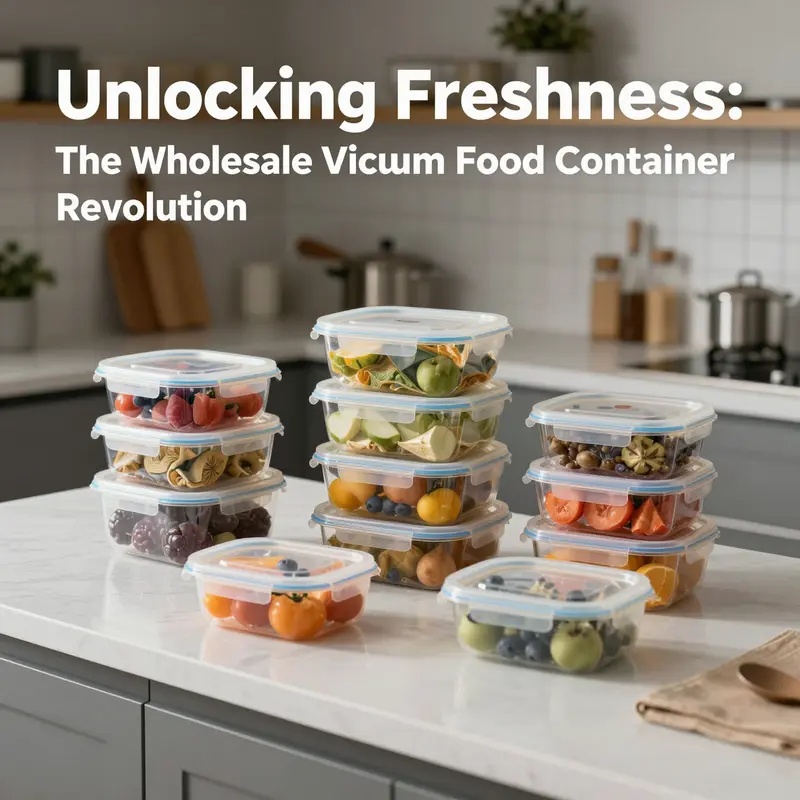
In today’s ever-evolving food landscape, the demand for efficient food storage solutions has skyrocketed, making wholesale vacuum food containers a hot commodity for businesses in the beverage and food service industry. Vacuum food containers play a pivotal role in maintaining food freshness, minimizing waste, and catering to environmentally conscious consumers. This article dives deep into the market dynamics, technological advancements, and economic benefits of these containers. The following chapters will equip Bubble Tea shops, restaurants, food trucks, catering services, event planners, and corporate procurement teams with valuable insights to enhance their operational efficiency while contributing to sustainability.
Fresh Futures in Bulk: Market Dynamics and Materials in Wholesale Vacuum Food Containers
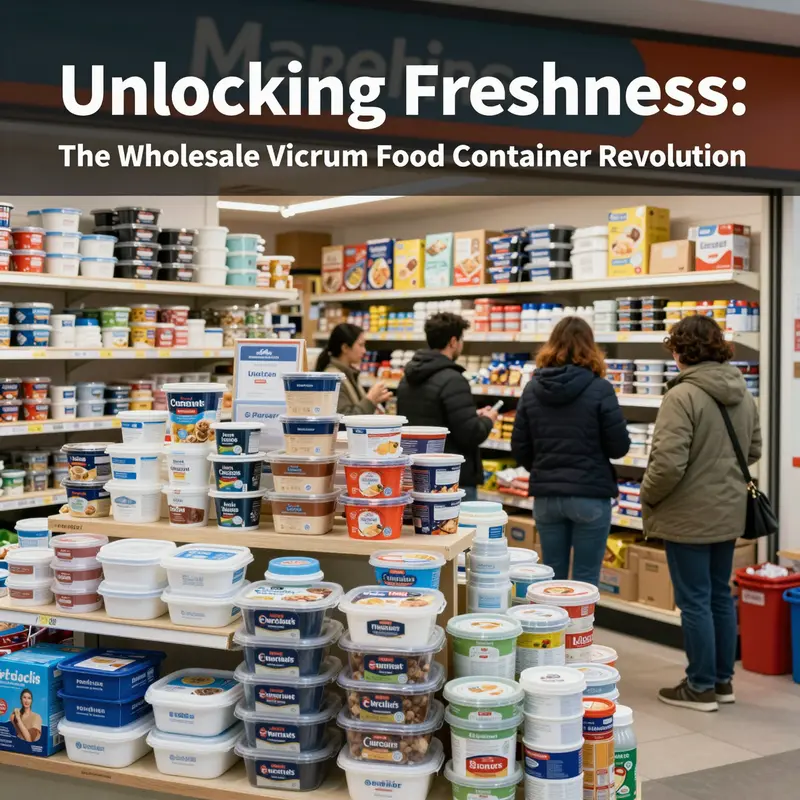
The wholesale vacuum food container market stands at a juncture where efficiency, reliability, and responsibility converge. In 2024, the global arena registered a market value of approximately USD 1.8 billion, a figure that signs not just current demand but the momentum behind future adoption. Projections suggest a steady climb, with the market expected to reach USD 1.92 billion in 2025 and to continue expanding toward a robust horizon through 2033. A compound annual growth rate of about 9.5% from 2026 to 2033 signals that the drivers of demand are not fleeting but embedded in how food service, retail, and home storage conceive of freshness, convenience, and waste reduction. This trajectory is not a mere numerical exercise; it maps the evolving logic of modern food preparation, service, and consumption, where bulk procurement by wholesale channels translates into tangible advantages for operators and brands alike. The narrative of wholesale vacuum containers, then, is less about a single product than about a system of storage, handling, and experience that reshapes how food stays safe, appealing, and economical from kitchen to consumer door.
To understand this market’s rhythm, one must first recognize the core forces propelling growth. Operational efficiency emerges as a primary impetus. Restaurants, meal-prep services, caterers, and retail operations increasingly structure their procurement around bulk purchases. In the wholesale segment, bulk orders unlock economies of scale, reducing per-unit costs and enabling faster replenishment cycles. This is not simply about lowering the initial price; it is about creating predictable supply lines, streamlined warehousing, and more uniform packaging for distribution. When a business can standardize containers across a menu or service line, the complexity of inventory management diminishes. Less variance in containers means fewer misfits in transit, fewer spoilage incidents caused by inconsistent seals, and a clearer path to brand consistency across multiple touchpoints, from cold storage to take-out packaging. The capacity to purchase in bulk also supports better negotiation leverage with suppliers, which in turn feeds into a broader commitment to sustainability by enabling longer usage cycles and reduced waste.
A parallel driver is the demand for thermal performance. The market’s growth is closely tied to containers that can retain heat or cold for extended periods—24 hours or more becomes a practical baseline for many operators seeking to maintain product integrity during delivery windows and while in transit. This performance is not merely a technical perk; it directly impacts customer satisfaction, reduce waste from spoiled meals, and supports complex supply chains that involve staggered delivery times. In the wholesale setting, brands and distributors increasingly prioritize materials and designs that minimize thermal leakage without compromising other values such as durability or ergonomics. The choice of material, the airtightness of the seal, and the overall geometry of the container all contribute to a predictable temperature profile that helps operators confidently commit to extended delivery ranges or large catering events. In turn, consumers experience meals and ingredients that retain flavor, texture, and color closer to the moment of packaging, which reinforces trust and repeat business.
Packaging quality is another cornerstone of the wholesale market’s evolution. Businesses seek packaging that protects contents during transport, preserves brand integrity, and communicates a clear message about safety and value. For wholesalers and retailers, this translates into standardized packaging that can withstand the rigors of distribution but remain user-friendly for end customers. The container becomes a silent ambassador of quality, signaling that the contents were handled with care from kitchen to consumer. In practice, this means that manufacturers are investing in airtight seals, robust lids, and reliable vacuum systems that resist accidental loss of vacuum during stacking or rough handling. The net effect is a reduction in product returns, fewer complaints about leakage or spoilage, and a smoother omnichannel experience that integrates seamlessly with e-commerce, curbside pickup, and traditional dine-in or take-out settings.
Material preferences in this market reveal a careful balancing of durability, safety, and sustainability. Vacuum-insulated containers made from stainless steel with airtight seals have become a benchmark for many buyers, thanks to their resilience and long-term performance. Stainless steel’s inherent strength supports repeated heating and cooling cycles, while its inert characteristics minimize interactions with flavors or odors. For some operators, the reliability of metal surfaces also translates into easier compliance with food safety standards, a crucial factor when containers are reused across hundreds or thousands of meals. Yet, plastic options remain popular for their lower upfront costs and lighter weight, particularly in markets where price sensitivity is acute or where containers are part of a broader value proposition based on affordability and accessibility. The plastics used for vacuum containers continue to evolve, with a clear trend toward BPA-free formulations and more durable polymers that resist cracking and maintain vacuum integrity even after frequent use. Still, the market is increasingly conscious of environmental footprints, prompting a shift toward eco-friendly solutions.
Eco-conscious consumers and businesses alike are pushing the market toward sustainable repetitions rather than disposable alternatives. The shift toward reusable, long-lasting vacuum containers aligns with broader sustainability narratives that permeate packaging and food service. In wholesale terms, this means wholesalers are not merely selling a tool for storage but offering a long-term investment in waste reduction and lifecycle value. Reusability becomes a key differentiator in a crowded field; products that can endure routine cleaning, safe reheating, and repeated sealing win loyalty from operators who are grappling with rising waste disposal costs and ever-tightening sustainability regulations. In this climate, materials such as glass and stainless steel gain traction for their recyclability, inertness, and compatibility with various heating methods, including microwaves, ovens, and freezers in many cases. While glass can be heavier and more fragile, when used appropriately within a robust warehousing and distribution framework, it can offer a premium feel and a high-end perception of quality. Stainless steel, meanwhile, remains the stalwart for durability and long-term use, with modern designs focusing on user-centric features such as easy-to-operate lids, secure vacuum seals, and ergonomic stacking.
The material mix, however, continues to reflect a spectrum of trade-offs. Plastic vacuum containers deliver cost efficiency and lightness, letting wholesalers offer accessible entry points to smaller operators or start-up food businesses. Yet the market’s gradual tilt toward eco-friendly solutions means more buyers are evaluating alternatives like glass and stainless steel, even if these come with higher upfront costs or weights. In the wholesale context, the key is to present a balanced portfolio that helps customers choose based on application, not just price. A serviceable approach might blend a core line of durable stainless steel containers with a curated range of glass options for premium offerings and a leaner plastics assortment for budget-conscious buyers. This approach supports a broader set of customer needs, from high-volume catering and meal-prep services to micro-fulfillment warehouses that demand reliable, compact packaging that travels well and preserves product integrity across long distribution networks.
But no market discussion is complete without acknowledging challenges. Cost considerations sit near the top of the list. Higher upfront costs for vacuum containers, particularly those crafted from stainless steel or glass, can deter some buyers, especially smaller enterprises or those with tight cash flows. Weight is another practical barrier, complicating shipping, handling, and the manual processes required to load and unload bulk orders. For wholesalers, these challenges translate into a need for transparent pricing bands, bundled offers, and clear demonstrations of total cost of ownership, including longer product lifespans, fewer replacement cycles, and lower waste-management expenses. Handling requirements also matter. The vacuum seal is a delicate feature that can be compromised by careless stacking, over-tightening, or exposure to extreme temperature fluctuations. Operators benefit from training and robust after-sales support to ensure that seals remain airtight and performance remains consistent across cycles. In addition, regulatory and safety considerations—such as ensuring food-grade materials, proper labeling, and compliance with regional packaging standards—become an integral part of the sales conversation, particularly for wholesale buyers who serve hospital cafeterias, schools, and other institutions with stringent audits.
On the supply side, the wholesale market’s expansion hinges on the ability of manufacturers to deliver consistent quality at scale. This implies tighter quality control, standardized dimensions, and better compatibility across product lines. It also means more transparent communication about materials, cleaning guidelines, heating and cooling tolerances, and care instructions. When a buyer can rely on a single supplier to provide a family of vacuum containers with interchangeable lids, sealed tops, and compatible accessories, operational efficiency improves dramatically. This reduces the cognitive load for procurement teams, minimizes the risk of mis orders, and enhances the speed at which new menus or service formats can be rolled out. A well-orchestrated supply ecosystem supports not only stability but also innovation. As wholesalers experiment with modular designs, multi-size offerings, and stackable configurations, they create opportunities to tailor packaging to the exact needs of a brand or event, whether that means compact travel-ready sets for delivery partners or oversized containers for large catering operations.
The market’s future will also be shaped by sustainability narratives across consumer segments. The adoption of reusable and recyclable materials resonates with both business operators and end consumers who seek to reduce waste. In markets where environmental awareness is high, the willingness to invest in long-lasting packaging increases, and the perceived value of a high-quality vacuum container grows. This is not merely about keeping food fresh; it is about delivering a dependable user experience that aligns with a broader commitment to responsible consumption. For wholesale buyers, this translates into a compelling value proposition: high-quality containers that curb spoilage, lower disposal costs, and elevate brand messaging through durable, reusable packaging that can be featured in-store and online. The convergence of efficiency, thermal performance, and sustainability creates a virtuous cycle, where wholesalers can justify premium pricing for top-tier lines while also offering accessible options to smaller operators through bundled pricing strategies and tiered product families.
If the market is to sustain its upward arc, the interplay between price, performance, and environmental impact will remain central. Price sensitivity is not going away; buyers need clear demonstrations of total cost of ownership, including the frequency of replacements, the energy implications of repeated heating, and the potential savings from reduced spoilage. Performance remains non-negotiable—containers must deliver consistent vacuum integrity under real-world handling, stacking, and transit conditions. Environmental considerations are increasingly non-negotiable as well; the industry must continue to push toward materials that are recyclable, inert, and safe for use across multiple heating methods whenever feasible. In practice, wholesalers confront a balancing act: offering a range of options that covers cost-effective plastics for entry points, mid-tier stainless steel for durability and reliability, and premium glass or steel lines for brands seeking a premium consumer image and extended reuse cycles. The result is a diversified catalog that addresses a broad spectrum of use cases while maintaining a coherent narrative around freshness, convenience, and sustainability.
A nuanced look at the materials in play helps explain why this market remains robust. Plastic vacuum containers retain a foothold because they are light and cost-effective, making them a practical choice for growth-stage businesses or regions with constrained logistics. The ongoing shift toward eco-friendly plastics and the development of BPA-free formulations reflect a cautious but persistent willingness to preserve performance without compromising safety. Yet the broader trend is toward materials that lend themselves to recycling and long-term reuse. Glass and stainless steel are favored for their inertness and durability, and both are compatible with a wide range of heating methods in consumer contexts. These materials also communicate a premium sense of quality, which can be leveraged in wholesale marketing as part of a brand’s identity. The ideal wholesale portfolio, then, strategically blends these materials, offering clear guidance on when each option is most appropriate. A well-curated selection helps buyers map their service models—whether it is in-store, take-out, or multi-channel fulfillment—to the most suitable containers while keeping a sustainable stance at the core.
From a strategic standpoint, wholesalers must also consider how container design interacts with the broader packaging ecosystem. The container is not an isolated item; it is part of a chain that includes lids, seals, inserts, and accessories designed to optimize seal integrity and user experience. A future-ready catalog emphasizes modularity and compatibility, ensuring that lids and bases can be swapped or upgraded without forcing a complete system overhaul. This approach reduces total cost of ownership for buyers and minimizes waste across the product lifecycle. It also invites collaboration with clients on customization opportunities—branding surfaces, color codes for perishable categories, or label-friendly profiles that align with store aesthetics and shelf presentation. The ability to offer customized, scalable solutions adds a layer of value for wholesale players who can translate design thinking into measurable business results for their customers.
In tandem with this design sensibility, the wholesale market must address the realities of operations. Warehousing strategies, fleet management, and staff training all influence the success of a vacuum container program. Containers that stack securely, resist impact during transit, and are easy to clean are not merely conveniences; they are essential to consistent performance. Operators benefit from practical guidance on handling the vacuum seals during loading and unloading, as well as clear instructions on cleaning and reusing containers without degrading their performance. For wholesalers, that translates into value-added services: user manuals, training modules, and after-sales support that reduces the learning curve for new customers and helps ensure long-term satisfaction. It also supports a more resilient supply chain that can weather fluctuations in demand, seasonal spikes, or disruptions in raw materials without compromising quality.
The price spectrum for these containers reflects the market’s diversity. Consumers and small businesses can find sets that start at modest price points, often around the lower end of the spectrum, while more premium, higher-capacity, or more durable options command higher price bands. The wholesale channel, in particular, plays a critical role in modulating price through bulk discounts, tiered pricing, and bundled offers that can lower the barrier to entry for new entrants while preserving the perceived value for established operators. In this pricing geometry, it becomes vital for wholesalers to articulate the long-term value proposition: reduced waste costs, longer shelf life, lower replacement frequency, and a brand-enriching customer experience. The optimal strategy is to present a spectrum that segments by performance tier and material choice, enabling customers to choose a configuration aligned with their service model and liquidity position. In this way, price becomes not a barrier but a differentiator tied to measurable outcomes—less spoilage, steadier delivery performance, and clearer brand storytelling.
Beyond product basics, the wholesale market is increasingly mindful of the broader ecosystem in which these containers operate. The shift toward sustainable practices resonates with consumer behavior, which increasingly favors brands that demonstrate environmental stewardship. This alignment between business operations and consumer expectations can translate into enhanced loyalty and a competitive edge for partners who invest in durable, reusable packaging. The wholesale channel, therefore, becomes a vehicle for disseminating sustainability narratives at scale. It can promote reusable practices, educate clients about the lifecycle of containers, and encourage the adoption of circular models in which packaging returns and refills become standard operating procedures. The impact of such strategy extends beyond the warehouse floor; it influences marketing narratives, in-store packaging aesthetics, and the experiential context in which customers encounter food offerings.
As we look ahead, it is clear that the wholesale vacuum container landscape will continue to diversify in response to evolving needs and tighter resource constraints. The most resilient players will be those who balance cost with performance and align packaging choices with environmental imperatives. They will cultivate a portfolio that accommodates high-volume demands and high-visibility branding while maintaining practical flexibility for varied cuisine types and service formats. The future belongs to suppliers who can deliver consistent quality at scale, support their customers with robust after-sales care, and provide clear, actionable guidance on how best to use and reuse containers across a spectrum of settings. In short, the market appears poised for continued expansion, guided by an enduring commitment to freshness, efficiency, and responsibility. And because this is a wholesale-focused chapter of a longer narrative, it is worth noting that these dynamics are not isolated; they echo trends in consumer demand, supply chain resilience, and the ongoing evolution of how food is stored, transported, and enjoyed.
For those evaluating entry points into this market, a practical lens is to consider both the range of materials and the total cost of ownership across the product lifecycle. A well-rounded wholesale offer should span at least a core stainless steel line for durability, a plastics-based option for cost-sensitive buyers, and a glass or hybrid line for premium presentations where reuse cycles are long and customer expectations are high. The capacity to provide guidance on care, cleaning, and reuse—along with transparent information about heat tolerance and safety compliance—will distinguish leadership players in the wholesale space. Also, the ability to deliver onbulk orders with consistent lead times, efficient packaging configurations, and reliable after-sales support becomes a critical differentiator in a market where performance and reliability translate directly into customer satisfaction and sustainable growth.
In sum, the wholesale vacuum container market is evolving into a more sophisticated ecosystem. It is no longer enough to offer a vacuum seal; buyers expect a reliable, scalable, and sustainable packaging solution that supports their operational ambitions and aligns with consumer values. By embracing a balanced material portfolio, investing in airtight and durable designs, and delivering robust support to clients, suppliers can thrive in a market that remains buoyant and increasingly strategic. The numbers illuminate the path: steady growth through 2033, driven by efficiency, thermal performance, and sustainability. The narrative that emerges is not merely about keeping food fresh; it is about enabling a more resilient, cost-effective, and responsible way to store, transport, and enjoy meals in a world that prizes convenience without compromising quality.
To connect this discussion with tangible choices, consider the broader packaging ecosystem that surrounds vacuum containers. In the wholesale and retail channels alike, sustainability is more than a trend; it is a criterion used by procurement teams to evaluate supplier partnerships and product lines. A thoughtful assortment that emphasizes durability, safety, and recyclability will resonate across market segments, from hospital cafeterias to urban meal-prep services and grocery store delis. In practice, this means offering modular systems that can be scaled up or down depending on demand, while ensuring that the core attributes—airtight seals, vacuum integrity, and safe materials—remain uncompromised under normal handling. The conversation around packaging quality then expands beyond the container itself to the way it integrates with lids, seals, and ancillary components, all of which contribute to a cohesive, reliable user experience.
Operational excellence in the wholesale channel thus becomes a central theme. The supply chain must align with demand cycles and inventory management realities, enabling predictable fulfillment even as consumer preferences swing toward more sustainable and premium packaging options. That alignment hinges on reliable manufacturing processes, consistent material sourcing, and stringent quality control that ensures uniform performance across thousands of units. It also depends on clear communication with customers about the appropriate use cases for each container, the expected lifespan under typical service conditions, and the best practices for cleaning and reuse that preserve vacuum integrity. When wholesalers can deliver on these promises, they unlock a virtuous cycle: satisfied customers generate repeat orders, which justify further investment in product development and process improvements, while better packaging reduces waste and elevates the perceived value of every meal or product they carry.
For readers seeking a concrete sense of where this market sits and what to expect next, the indicators are compelling. The combination of growth, material diversification, and sustainability emphasis suggests a wholesale environment that rewards thoughtful curation, strong supplier relationships, and a clear value proposition centered on freshness and efficiency. The strategic takeaway is that wholesale buyers should look for partners who can offer not only a range of container options but also a coherent support package that helps them optimize their operations, educate their teams, and communicate a compelling story to their customers about how packaging choices contribute to less waste, better product quality, and stronger brand integrity.
On the consumer-facing side, the public’s tolerance for price variability will likely evolve as product performance proves its worth over time. The most persuasive narratives will articulate the cost of spoilage avoided through superior vacuum performance, the energy savings associated with more stable temperatures, and the long-term value derived from durable containers that can be reused across multiple meals and service settings. In a marketplace where sustainability and responsibility increasingly shape purchasing decisions, wholesale vacuum containers emerge not merely as storage devices but as strategic enablers of efficiency, quality, and environmental stewardship. Taken together, these factors sketch a market that is not only expanding but maturing, with suppliers and buyers learning to balance competing pressures while staying focused on the core objective: keeping food fresher, safer, and more sustainable from kitchen to consumer and back again through reuse and responsible disposal.
For ongoing insights and forecasts, industry observers point to reputable market research analyses as essential guides. Real-time data and detailed forecasts can offer a more granular view of regional variations, product type shifts, and the evolving mix of materials that wholesalers deploy to meet local demand. As the sector continues to evolve, those who stay close to data and remain adaptable in their sourcing strategies will find opportunities to differentiate themselves through quality, reliability, and a persuasive sustainability narrative that resonates with both operators and end users. The market’s arc remains positive, anchored by a growing appetite for efficient, safe, and responsible food storage solutions that align with contemporary expectations around waste reduction and supply chain resilience.
Internal link reference for further reading on eco-friendly packaging options in the broader take-away ecosystem: Eco-friendly recyclable pulp cup holder.
External resource: For real-time data and detailed forecasts, consult Grand View Research’s Vacuum Food Containers Market report: https://www.grandviewresearch.com/industry-analysis/vacuum-food-containers-market
Preserving Freshness at Scale: How Technological Innovations Are Redefining Wholesale Vacuum Food Containers
The wholesale market for vacuum food containers has moved beyond a niche of premium kitchens and small cafés. Today, it supports a vast ecosystem of foodservice operations, corporate catering, meal-prep services, and grocery retailers that prize reliability, efficiency, and sustainability at scale. The core appeal remains simple and powerful: by removing air from a vessel, these containers slow oxidation, curb bacterial growth, and minimize moisture-related degradation. The result is a product line that can extend shelf life, protect flavor, and significantly reduce waste across supply chains that operate under tight margins and demanding timelines. As consumer expectations shift toward better stewardship of resources, wholesale buyers—whether they are a regional distributor or a national hospitality chain—seek solutions that combine robust performance with predictable pricing, scalable production, and straightforward integration into existing workflows. The current trajectory of this market is animated not just by improved materials, but by a continuum of design innovations that push the envelope of how food is stored, transported, and even presented to end users at the point of sale or service.
At the heart of these innovations is a move toward materials and constructions that optimize thermal retention while remaining practical for mass manufacturing. Stainless steel remains a stalwart in the higher end of the market, prized for its durability and inert character. Yet consumer and industrial buyers alike now demand a broader material palette: BPA-free plastics and borosilicate glass are common alternatives or complements, each offering its own blend of weight, transparency, and nutrient safety. In wholesale contexts, the price spectrum mirrors these material choices. Sets built from economical plastics can begin around modest price points, while multi-layer stainless options and glass configurations command higher price bands. The economics of bulk purchasing—often accompanied by tiered discounts, pre-assembled sets, and complementary packaging lines—enable businesses to plan for both initial rollout costs and ongoing cost-per-serving efficiency. In practice, wholesale buyers weigh not only the sticker price but the total lifecycle cost: durability, cleanability, compatibility with existing equipment, and the ease with which products can be stacked or nested during storage and transport.
A defining characteristic of modern wholesale vacuum containers is how closely technology is aligned with everyday usability. The most visible advancements center on thermal efficiency. Double-wall vacuum insulation, which creates a near-perfect vacuum between two layers of metal or composite materials, has evolved from a niche feature to a practical standard for mass production. When designed with precision seals and carefully engineered gaps, these installations dramatically reduce heat transfer through conduction and convection. The result is an impressive capability: containers that can preserve hot or cold contents for 24 hours or more under typical store-to-table or event-to-catering scenarios. For wholesale buyers, this endurance translates into meaningful value. Catering companies can stage long events with fewer replenish points, schools and workplaces can offer reliable hot meal programs without constant re-therming, and retailers planning for peak demand seasons gain a wider buffer against weather-induced spoilage and logistic delays. The impact on waste reduction is not merely theoretical. In bulk operations, discarded food due to spoilage remains a persistent cost vector. When products stay within safe temperature ranges longer, fewer items are discarded, and the overall waste footprint of a program diminishes. This aligns directly with broader sustainability goals that many operators now publish in annual reports and supplier scorecards.
Beyond the static performance of insulation, the wholesale landscape is being reshaped by intelligent systems that monitor, manage, and even predict the condition of stored contents. The integration of smart features into vacuum containers mirrors a broader trend toward connected kitchen ecosystems. In wholesale and B2B contexts, the benefits come from two directions: first, the ability to monitor temperature and freshness at the consumer level reduces the risk of receiving or serving compromised products; second, data collected across thousands of units can inform supply chain decisions, from inventory turnover to cold-chain reliability. Smart capabilities can range from sensors that log ambient conditions to microprocessors that communicate with a smartphone app to alert operators when temperatures drift or when seals weaken. Even in bulk packaging lines, the option to pair containers with software platforms helps distributors track batch performance, conduct quality audits, and meet rigorous traceability requirements that are increasingly demanded by retailers and regulatory bodies.
Another notable strand of development concerns eco-conscious materials that support a more sustainable store-and-serve cycle. Reusable silicone marinating bags, designed to be used alongside vacuum storage systems, exemplify a shift toward durable, reusable components that replace disposable plastics. Such bags are not merely add-ons; they extend the utility of the vacuum ecosystem by enabling rapid, controlled marinade processes for batch cooking without introducing environmental hazards from single-use plastics. In wholesale pricing models, these accessories often appear as bundles or add-on options that encourage customers to adopt a more holistic storage and preparation approach. The idea is not to lock buyers into a single configuration but to offer modular systems that can scale from a compact kitchen to a full-service catering operation. The emphasis on reusability and recyclability is not only a nod to environmental stewardship; it is also a practical strategy for reducing total cost of ownership as product lifecycles lengthen and maintenance routines become more standardized across large fleets of containers.
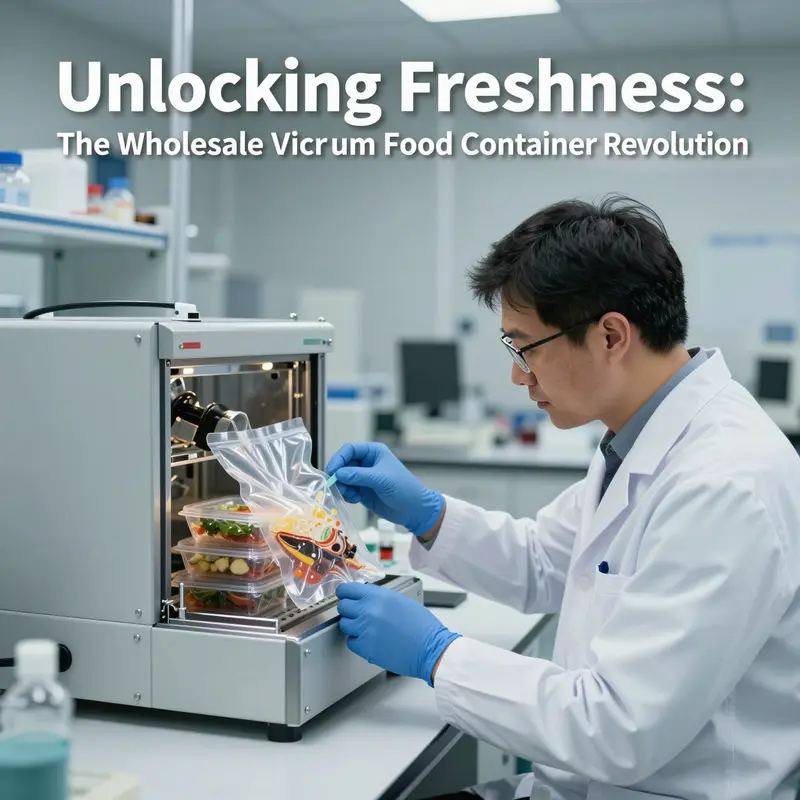
Industrial applications of vacuum technology in wholesale food packaging extend the conversation beyond everyday dining and home storage. Precision-engineered vacuum containers, including desiccators, ovens, and bell jars, are increasingly deployed in laboratories and research environments where controlled atmospheres matter for material processing, food science experiments, and quality assurance testing. This cross-pollination underscores how vacuum principles—air removal, moisture control, and oxidation suppression—translate across domains. For wholesale suppliers, the ability to demonstrate and supply containers that meet the demands of both consumer-facing foodservice and scientific or industrial settings broadens the addressable market and reinforces the message that vacuum storage is not a single-use niche but a robust, multi-sector capability. It also invites a careful attention to regulatory compliance and product safety standards, since different environments impose different expectations for materials, seals, and interoperability with other equipment.
From a packaging-design perspective, the industry’s wholesale players are gravitating toward solutions that balance ruggedness with portability and easy handling. Lightweight, yet robust designs reduce shipping costs and improve handling efficiency in warehouses. Airtight seals are becoming more resilient across temperature extremes, a feature that is essential when containers move repeatedly between warehouses, transit hubs, and point-of-sale environments. Moreover, modular designs that enable scalable production and distribution reflect a demand for flexibility in supply chains—an attribute that resonates with retailers and foodservice operators navigating seasonality, promotional campaigns, and evolving consumer preferences. This modularity also supports customization programs at the wholesale level, enabling bulk buyers to tailor configurations to specific service models, whether it is a chain of cafeterias, a university kitchen, or a corporate catering fleet.
Price remains a practical dimension that anchors decision-making in wholesale procurement. The pricing map for vacuum containers varies with material, capacity, and construction quality. Sets made from budget-grade plastics can start at around the lower end of the spectrum, while premium double-wall stainless steel configurations, especially those with advanced seals and integrated accessories, may command higher price points. In many wholesale contexts, price is negotiated in the context of long-term contracts, volume commitments, and bundled offerings that couple storage containers with lids, seals, and compatible accessories. Those incentives can translate into meaningful savings over the typical lifecycle of the product, particularly when a company operates a fleet of units that requires regular maintenance, repair, or replacement. It is not unusual to see tiered discounts tied to annual purchase volumes, with the most meaningful reductions accruing to businesses that commit to cross-category ordering—combining vacuum storage with complementary packaging or carry-through lines that align with the retailer’s sustainability initiatives and in-store merchandising strategies.
A practical reality of wholesale procurement is the importance of compatibility with existing equipment and workflows. Containers that fit standard rack systems, standard dishwashing processes, and common transport carts simplify integration across a network of sites. Wholesale buyers favor designs that minimize the need for specialized handling equipment or bespoke cleaning protocols. And because many facilities aim to minimize downtime, products that can be quickly filled, vacuum-sealed, labeled, and stacked into uniform arrays stand out in audit trails and performance reviews. In the end, the most successful wholesale programs are those that reduce friction at every step—during procurement, in daily operations, and through end-of-life management—while delivering the consistent, predictable performance that operators rely on when serving large and diverse audiences.
Cultural and policy shifts also shape wholesale adoption. As sustainability reporting becomes more central to retailer and corporate governance, wholesale suppliers are pressured to demonstrate transparent material sourcing, recyclability, and end-of-life pathways. The vacuum container ecosystem is responding by offering recyclable components, clearer labeling about material safety, and clearer guidance on cleaning and sanitization. These elements matter not just for consumer trust but for the logistics of returns, refurbishing, and resale in a mature wholesale market. In practice, the best-performing suppliers cultivate ongoing dialogues with buyers about how to measure impact, document performance, and implement continuous improvements that align with broader environmental goals while preserving the integrity of the stored contents.
For those navigating the breadth of options, a single, well-considered decision framework helps steer procurement toward durable, scalable outcomes. First, define the service model—whether the containers will primarily support long-duration storage for catering events, or rapid turnover in a grocery or convenience-channel setting. Second, map the total cost of ownership, including purchase price, maintenance needs, cleaning cycles, and the potential savings from reduced spoilage and waste. Third, assess compatibility with existing equipment and processes, such as dishwashing guidelines, stackability for efficient warehouse storage, and the ability to integrate with any smart-monitoring components that might be desirable. Fourth, consider sustainability objectives—whether the materials, manufacturing footprint, and end-of-life scenarios align with corporate responsibility goals and consumer expectations. Finally, account for supplier reliability, including lead times for bulk orders, the flexibility of returns, and the quality-control processes that govern mass production. Taken together, these considerations help wholesale buyers build a coherent, future-ready program that can adapt to evolving consumer behavior and regulatory landscapes without sacrificing performance.
In this context, the practical strength of wholesale vacuum containers lies in their ability to reconcile two seemingly competing priorities: the discipline of a standardized, scalable operation and the flexibility needed to respond to changing customer expectations. A well-structured wholesale offering makes it possible for a food service organization to deliver consistent temperature-controlled experiences from kitchen to consumer, whether the journey includes a through-line of cold-snapped salads for a weekday lunch service or a hot-served meal for an afternoon conference. The degree to which a wholesale program succeeds depends not only on the raw insulation or seal quality but on the full spectrum of considerations—from procurement economics to post-use sustainability and the ability to capture data that informs future product iterations. As manufacturers push the envelope on materials science and sensor integration, wholesalers gain access to a richer set of tools to manage risk, optimize returns, and communicate value to their customers with clarity and assurance.
To illustrate how these elements translate into tangible wholesale strategies, consider a scenario where a regional distributor updates its catalog with a new line of vacuum containers designed for versatile meal-prep services. The distributor would likely emphasize double-wall insulation for extended hot or cold performance, a range of sizes to accommodate different meal portions, and a sealing system engineered to withstand the rigors of daily handling in large kitchen operations. The value proposition would be reinforced with support services—cleaning guidelines, warranty terms, and an ecosystem of compatible accessories that extend the containers’ life and expand their use cases. In such a setup, the wholesale model becomes more than a catalog of products; it becomes a structured solution that integrates logistics, quality assurance, and customer support into a cohesive purchasing journey. In practice, this means a buyer can confidently scale a program across multiple sites, secure in the knowledge that the containers will perform consistently, maintain food safety, and align with sustainability commitments.
The narrative here is not purely about advancing technology in isolation. It is about translating technical gains into real-world value for a broad network of stakeholders—manufacturers, distributors, restaurateurs, corporate caterers, and even end-consumers who benefit from reduced waste and improved food quality. The wholesale market’s evolution toward smarter, more sustainable vacuum storage solutions reflects a broader industry trend: the demand for better performance embedded in a framework of cost efficiency, scalability, and environmental responsibility. As cold chains strengthen and food-service operations scale up or down with greater agility, the capacity to store and transport safely preserved food with minimal waste becomes a strategic differentiator. The challenge for wholesalers and their customers is to curate a portfolio that captures the benefits of innovation without introducing complexity that erodes operational efficiency. The best portfolios do not force a single path but offer multiple, well-integrated options that can be tailored to the needs of diverse operations—while preserving the simplicity and reliability that users expect.
In framing a future where wholesale vacuum storage becomes a core capability across many channels, it helps to keep sight of a central principle: technology should serve practicality. The most successful developments will be those that improve the real-world experience of food storage and service while reducing the burden on operators—not just by delivering better insulation or smarter sensors, but by delivering a holistic package that integrates with procurement ecosystems, aligns with sustainability goals, and remains cost-effective at scale. When these conditions are met, wholesale vacuum containers are more than a storage solution. They become a strategic platform that supports efficiency, accountability, and responsible consumption across the entire supply chain.
For readers who wish to explore adjacent packaging categories and discover how these innovations align with broader packaging trends, a related resource on sustainable packaging and storage technologies provides deeper technical context and industry examples. This resource offers a broader view of how vacuum-based storage sits within a spectrum of thermal, structural, and materials innovations that collectively drive efficiency in wholesale food packaging. You can learn more here: https://www.insulatedcontainersolutions.com/technical-resources/vacuum-insulated-food-containers. In addition, for those curious about how packaging ecosystems intersect with consumer-facing formats, a related overview of take-away and paper-based serving solutions illustrates how wholesale packaging strategies can inform in-store merchandising and end-user experience. See for example the wholesale-take-away-8oz-12oz-disposable-coffee-paper-cup-with-lids, which demonstrates how complementary packaging lines support a cohesive, sustainability-minded program across channels. The combined view helps wholesalers craft a compelling narrative for retailers and operators who seek reliability, efficiency, and responsible stewardship in every link of the cold- and hot-chain.
External resource: https://www.insulatedcontainersolutions.com/technical-resources/vacuum-insulated-food-containers
Preserving Profit at Scale: The Economic Imperatives of Wholesale Vacuum Food Containers in Modern Food Systems
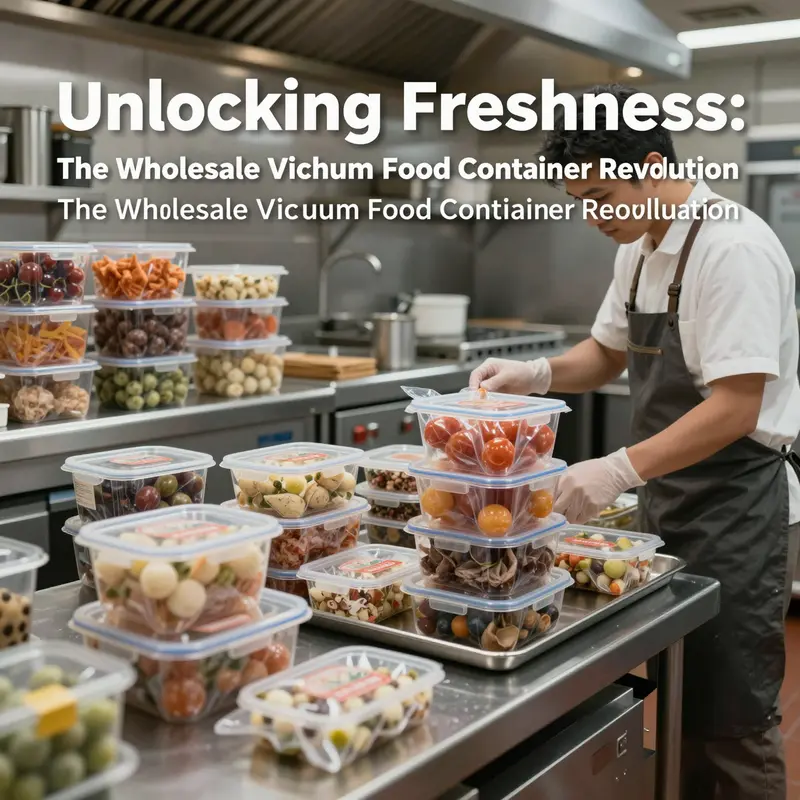
The economics of wholesale vacuum food containers sits at a quiet crossroads where storage science meets business pragmatism. As retailers, restaurants, and distributors seek ways to extend shelf life without sacrificing safety or quality, the role of vacuum containers has grown from a niche convenience to a strategic lever. The heart of this shift lies not only in the science of removing air, but in the way sustained storage efficiency reframes cost structures, margins, and the risk profile of the entire food supply chain. In markets that prize freshness and trust, wholesale access to durable, bulk-sourced packaging becomes a backbone for profitability, resilience, and sustainable practice. What begins as a packaging decision ripples outward, influencing procurement rhythms, labor allocation, and even consumer perception of value, all while helping to curb waste that has long haunted margins and operational reliability.
At the core of the economic argument is shelf life. Vacuum packaging dramatically reduces oxidation and microbial activity, two forces that drive spoilage in diverse product categories—from delicate produce and dairy to proteins and ready-to-eat meals. When air is removed, moisture migration and oxygen exposure drop, slowing pathways to deterioration. This extension of freshness translates into several tangible financial advantages. First, there is a direct reduction in spoilage and waste. For retailers who grapple with the last few days of a case or the unpredictability of seasonal demand, every additional day of stability translates into fewer markdowns and fewer wasted units. For restaurants and meal-prep services, the ability to store bulk ingredients safely means predictable menus, fewer last-minute substitutions, and steadier labor costs associated with sourcing and preparation. The ripple effect is a reduction in the cost of quality loss—a metric that often appears as a line item in margins yet rarely gets the attention it deserves in procurement decisions.
Market analyses frame this value in the language of growth and capital efficiency. The global vacuum food containers market is projected to grow at a robust compound annual growth rate, underscoring sustained demand across value chains. This growth reflects not only consumer interest in safer, longer-lasting products but also a broader shift toward premium positioning. When food can be kept fresher longer, brands can justify higher price points and stronger warranties around product integrity. Consumers often equate shorter perceived spoilage risk with higher quality. That perception translates into willingness to pay a premium for freshness and safety, even as the underlying packaging costs are amortized across bulk purchases. For wholesalers and large buyers, the arithmetic is favorable: even modest improvements in waste reduction or product yield can yield meaningful improvements in gross margin, especially when operating across multiple SKUs and seasonal cycles.
The economics of bulk purchasing play a central role in this calculus. Wholesale access to sets of vacuum containers, offered at lower unit costs than small-volume purchases, makes long-term storage economics more predictable. For enterprises that face seasonal spikes—think catering services, food trucks, and event-driven pop-ups—the advantage is twofold. Inventory is readily available, avoiding costly stockouts during peak periods, and the procurement cycle can be consolidated to reduce administrative overhead. Larger orders also unlock supplier flexibility around lead times and product specification, allowing buyers to tailor material choices—such as BPA-free plastics, glass, or stainless steel—to the operational realities of their business models. Lightweight yet durable plastics, for example, offer practical advantages for high-volume operations: they minimize handling fatigue, reduce shipping weight, and enable reuse in some workflows, all of which contribute to a more favorable total cost of ownership when assessed over a procurement horizon.
Price ranges for wholesale vacuum containers reflect the diversity of materials and configurations, and they illustrate how cost discipline compounds with lifecycle benefits. The chart of value begins with affordable, entry-grade plastic sets that balance cost against performance. For broader durability and compatibility with busy kitchens, higher-priced options such as glass or stainless steel variants offer improved longevity, heat resistance, and reuse potential. Each material carries its own balance of weight, impact resistance, and environmental considerations. Plastic options tend to be lightweight, durable, and microwave-safe, which is advantageous for in-restaurant workflows and batch reheating. Glass and metal variants, while heavier and sometimes pricier, can appeal to premium segments or brands that emphasize sustainability and long-term reuse. In a well-structured wholesale program, these tiered options enable buyers to tailor investments to specific lines of business, product categories, and storage environments. Importantly, bulk purchasers can often negotiate favorable terms that extend beyond unit price to include shipping consolidation, on-site support, or bundled maintenance and replacement parts, further lowering the effective cost per preserved item over time.
Beyond raw cost and material choice lies the operational discipline of storage and handling. Vacuum containers enable a consistent, scalable approach to cold chain management. When a business stores a mix of fresh produce, meats, dairy, and prepared meals, the ability to standardize containers across departments reduces the complexity of inventory control. Uniform containers simplify labeling, tracking, and rotation, which reduces waste through better first-in-first-out (FIFO) practices. This standardization also shortens training time for staff and contractors, a subtle but meaningful saving in labor-intensive environments like catering kitchens and commissaries serving multiple venues. The reduction in waste is not merely about cost savings; it also cushions the business against variability in supply and demand. A robust, bulk stock of vacuum containers can bridge the gaps created by delays in deliveries or sudden shifts in consumer preferences, ensuring that the kitchen or storefront can execute at peak performance without forcing costly substitutions or last-minute sourcing changes.
Material choice, too, has an economic dimension that extends into risk management. Durable plastics offer resistance to impact and a degree of flexibility for microwaving or reheating, which aligns with the workflows of many food businesses. However, plastics carry environmental considerations and evolving regulatory scrutiny. Stainless steel and glass provide advantages in terms of durability and perceived sustainability, but they require careful management of weight, breakage risk, and cleaning regimes. Across categories, the lifecycle economics must account for replacement cycles, sanitization costs, and potential depreciation for accounting purposes. In many wholesale programs, suppliers recognize these realities and structure tiered options that let buyers mix materials to optimize both cost and performance. The holistic view, then, is not simply the sticker price of a set but the integrated cost of ownership that includes waste reduction, labor efficiency, product yield, and customer satisfaction.
The retail and food service sectors have increasingly integrated vacuum packaging into broader strategies of supply chain resilience. In a system that prizes continuity of supply, ability to respond to demand surges, and reduction of spoilage risk, vacuum containers act as a financial stabilizer. They enable more predictable procurement planning because they decouple some variability from the product’s shelf life. With longer shelf life, a retailer can map promotions and assortments with improved confidence, reducing the need for emergency orders or costly last-minute allocations. For operators whose margins hinge on precise portioning and predictable intake, the stability provided by vacuum-sealed storage translates into steadier revenue streams and more reliable cash flow. The economic logic extends to the distribution side as well: longer-lasting packaging can ease the pressure on cold chain logistics, allowing for more flexible routing, fewer spoilage-based losses while in transit, and better utilization of warehouse capacity. In a world where demand patterns can swing with seasonality, weather, or public health considerations, the buffering effect of storage efficiency becomes a strategic asset rather than a passive cost reduction.
One vivid way to understand this dynamic is to imagine a mid-sized operation that runs a rotating portfolio of prepared meals for daily pickup, alongside bulk ingredient storage for multiple menus. On the procurement side, the operation purchases vacuum container sets in bulk and stockpiles different sizes to suit a variety of product lines. The containers are used to portion, store, and transport meals, proteins, and produce with minimal air exposure. The result is a measurable drop in daily waste and a reduction in unsold inventory that must be discounted at the end of the day. The savings accumulate not just from reduced spoilage, but from the administrative burden of managing fewer SKU variants and a simpler FIFO tracking system. In this scenario, the economics are layered: lower per-unit waste, more predictable labor needs, improved product quality in the hands of customers, and the possibility of marketing advantages tied to freshness and safety. The sum is a stronger bottom line and a more resilient business model.
The consumer’s preference for fresh, safe, and sustainable food has a direct economic signal for suppliers and retailers alike. Vacuum packaging supports premium product positioning by preserving sensory attributes and nutrient content, which can translate into higher perceived value and brand loyalty. For retailers and brands, that means the ability to command higher margins on certain lines or rely less on aggressive discounting during slow periods. The premium positioning is not purely aspirational; it is grounded in measurable outcomes: fewer spoilage-related returns, reduced waste across the supply chain, and a more dependable product experience for the end consumer. In a market where price competition can erode margins, the ability to differentiate through product quality and reliability becomes a critical buffer against margin compression.
In addition to market dynamics, there is a strategic layer related to scalability. Wholesale procurement scales more easily when the packaging is standardized and widely available in bulk. This scalability interacts with distribution networks that must support varied geographies and client types—from urban retailers to rural distributors and mobile vendors. The procurement strategy then becomes less about chasing the latest novelty and more about building a dependable, repeatable process for storage and distribution. The operational discipline extends to packaging maintenance: routine inspection of seals, replacement cycles for worn lids, and the periodic evaluation of container integrity. While these maintenance tasks may seem mundane, they contribute to a measurable reduction in waste and a stabilization of service levels. In aggregate, the discipline around storage containers becomes an understated driver of reliability, quality, and profitability across the entire food ecosystem.
The broader sustainability narrative also intertwines with the economics of vacuum containment. Consumers increasingly expect brands to minimize waste and operate with environmental responsibility. Wholesale buyers can align packaging choices with this expectation by selecting materials that offer durable reuse potential, recycling options, and lower environmental footprints over the product life cycle. While plastics pose ongoing environmental questions, the longer shelf life offered by vacuum packaging helps reduce spoilage waste, which is itself a form of resource waste. The net effect can be a more favorable environmental index for the business, which resonates with investors, regulatory bodies, and customers alike. This alignment of sustainability with profitability is not an abstract ideal; it translates into tangible brand equity, improved customer retention, and, in many cases, access to incentives, grants, or preferred supplier status that reward responsible procurement practices. The resulting financial arithmetic strengthens, not weakens, the argument for wholesale adoption of vacuum storage technologies in food systems.
In the wholesale context, suppliers often deliver more than containers. They provide a framework that supports continuous operation under pressure. For instance, a well-managed wholesale program includes clear lead times, reliable stock levels, and predictable pricing for bulk purchases. Buyers benefit from stability in their own cost structures, which makes budgeting more straightforward and forecasting more accurate. And because containers are designed to withstand the daily demands of busy kitchens and transport networks, the operational risk associated with packaging failure declines. Fewer incidents of compromised product integrity, fewer returns due to spoilage, and reduced liability from mislabeled or contaminated items all contribute to a healthier cost structure over time.
The economic landscape described here is not a static snapshot but a dynamic, evolving pattern. The growth of the vacuum container category signals ongoing investment in storage science and a broader trust in durable packaging as a backbone of modern food retail and service. As buyers become more adept at balancing cost, durability, and performance, the market morphs toward more sophisticated configurations: containers optimized for stacking and space efficiency, multi-use designs that accommodate both cold storage and reheating, and material mixes that balance weight, durability, and environmental considerations. This complexity is manageable within a well-structured wholesale program, where strategic sourcing, quality control, and supplier partnerships align with the organization’s goals around waste reduction, time-to-market, and customer satisfaction.
The interplay between supply chain resilience and consumer expectations roots the economic impact of wholesale vacuum containers in a broader narrative about value, efficiency, and trust. When a retailer or service provider can assure customers that meals remain fresh, safe, and appealing after days in storage, the consumer experience improves—often translating into repeat visits, longer dwell times, and higher likelihood of recommendations. In this sense, the economic impact goes beyond the balance sheet. It shapes the way a business builds relationships with customers and suppliers, how it plans for volatility, and how it markets its product quality at each touchpoint. The chain of benefits cascades from container design and material choice to labor practices and brand storytelling. The result is a cohesive system where storage efficiency, waste minimization, and customer value reinforce each other in a virtuous cycle.
As emphasized in the broader research context, wholesale vacuum containers are a strategic instrument in modern food ecosystems. They enable long-term storage of a broad range of foods with fewer spoilage losses, support premium positioning, and contribute to a more resilient and scalable distribution network. The economic benefits—lower waste, higher product value, improved margins, and enhanced customer loyalty—are not incidental. They are the consequence of deliberate procurement choices, thoughtful material selection, and disciplined operational practices. In a market that continues to prioritize freshness, safety, and sustainability, the wholesale model for vacuum containers emerges as a critical infrastructure for profitability and sustainability alike. For buyers, the lesson is clear: investing in scalable, durable packaging is not a cost to be minimized, but a strategic asset that enables a more efficient, reliable, and customer-centric food system.
Internal link reference: As part of a broader ecosystem of sustainable packaging solutions, related articles on eco-friendly take-away packaging illustrate how brands and managers navigate a landscape where durability, reuse, and consumer perception intersect. See this example of eco-friendly recyclable take-away cup holders for context and analogies about how durable, reusable containers can function within a broader sustainability strategy. eco-friendly recyclable take-away cup holder.
External resource for further reading: For a comprehensive external overview of vacuum containment and market adoption, see the global information on wholesale vacuum containers. External link: https://www.aliexpress.com/w/wholesale-vacuum-food-containers.html
Final thoughts
Wholesale vacuum food containers not only serve as an essential organizational tool for a variety of food service industries but also align with the increasing demand for sustainability and freshness. By investing in these innovative solutions, businesses can significantly enhance their food preservation practices while catering to eco-conscious customers. The economic benefits and technological advancements surrounding these containers present an invaluable opportunity for food retailers, ensuring their operations remain competitive and conscientious.