
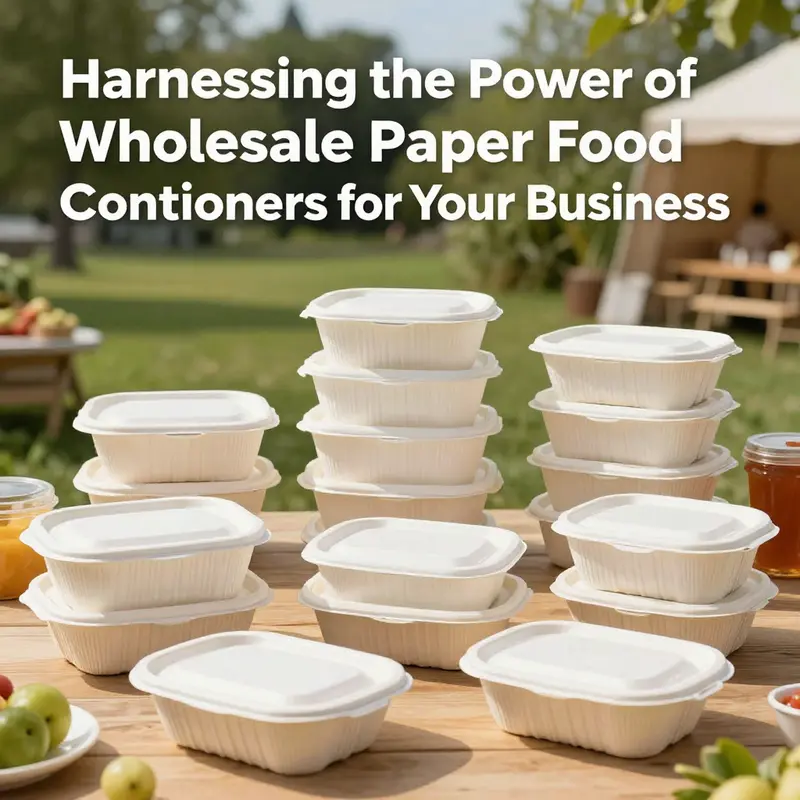
The rise of eco-conscious consumerism is reshaping the food service landscape. Bubble tea shops, restaurants, food trucks, catering services, and corporate procurement teams are increasingly focusing on sustainable solutions. Among these, wholesale paper food containers stand out as versatile, durable, and environmentally friendly options. This article delves into four crucial aspects: the safety and environmental benefits of these containers, the manufacturing processes behind them, the latest market trends and pricing structures, and the flexibility offered by suppliers in customization. By understanding these factors, businesses can make informed decisions that enhance their offerings while contributing positively to the planet.
Guardians of Freshness: Safety Standards and Environmental Considerations in Wholesale Paper Food Containers
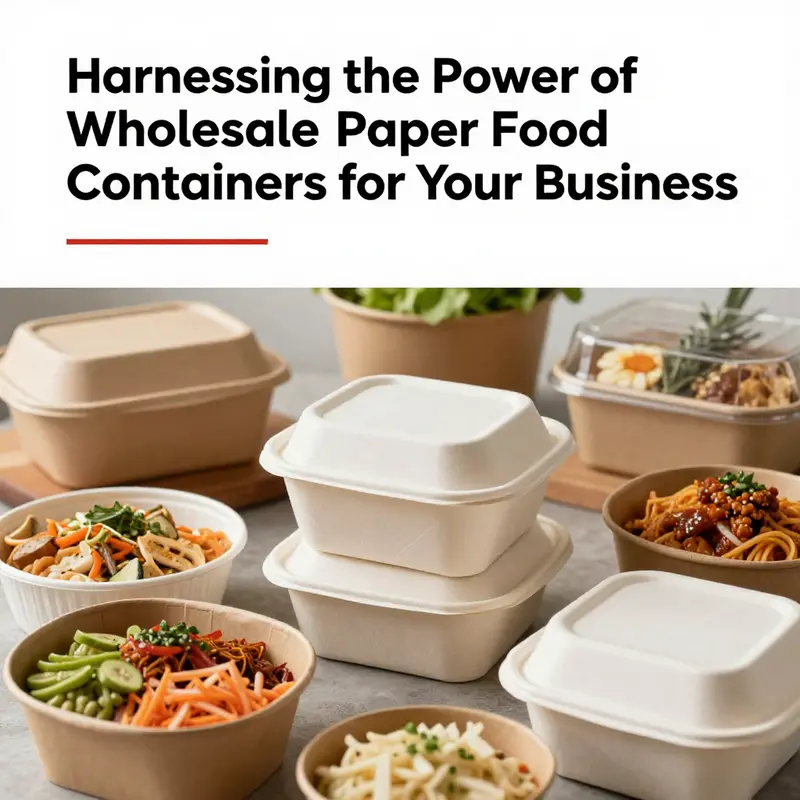
The surge of demand for eco-friendly packaging has placed wholesale paper food containers at the center of a delicate balancing act. On one side sits the urgent drive to reduce plastic pollution and cut greenhouse gas emissions; on the other, the non-negotiable need to keep foods safe, appetizing, and free from harmful migrants. In this landscape, the chapter weaves together the threads of safety performance, regulatory compliance, and environmental stewardship to illuminate how wholesale paper packaging can truly serve both people and the planet. The conversation begins with the realities of quality control and regulatory oversight, moves through the environmental case for paper, and then turns to practical considerations for buyers who seek reliability at scale while upholding sustainability promises. It is a narrative of how every choice in materials, coatings, inks, and coatings, as well as every shipment and test report, shapes the ultimate truth of a container’s safety and its environmental footprint.
At the heart of safety is a rigorous standard for materials that come into contact with food. Paper containers, whether crafted from food-grade kraft or coated papers, must not only be clean and non-toxic from the moment of manufacture but also maintain their integrity during use. This requires a multicenter approach to quality: robust raw material sourcing, controlled production processes, and solid end-product testing. National standards, such as GB/T 27591–2025, provide a framework for evaluating food contact paper containers across multiple dimensions. They outline 24 evaluation criteria, including total migration, heavy metals, and temperature resistance, all of which protect consumers from hazardous substances that could migrate into food under typical serving and storage conditions. Compliance is not merely a checkbox; it signals that a product has endured a battery of tests designed to mirror real-world exposure—from hot soups and gravies to chilled desserts and moist salads.
Yet safety is only as good as the consistency of the supply chain. Recent findings from national quality supervision inspections underscore this truth with a stark reminder: substandard products can reach markets. In a January 2026 report, a broad sweep of 116 batches of food contact paper containers tested across 18 provinces revealed that 9 batches failed to meet required safety standards. The deficiencies spanned several critical areas. Fluorescent substances, including migratable optical brightening agents, can accumulate in the body with repeated exposure and are associated with potential health risks. The very presence of OBAs in a consumer’s meal packaging raises questions about long-term exposure and cumulative effects. Sensory quality matters as well; when coatings fail to deliver the intended odor, taste, or texture, consumer trust erodes and the perceived safety of the entire category is called into question. Structural shortcomings—compressive strength and cup wall rigidity—also surfaced in some batches. A container that fails under the weight of a hot liquid or a dense sauce increases the risk of leaks and spills. Leaks can lead to burns, cross-contamination, and exposure of coatings that may migrate into foods. All of these consequences highlight why manufacturers and suppliers must invest in higher-grade coatings, strict process controls, and transparent documentation.
This regulatory backdrop matters for the wholesale market because it defines the baseline from which all businesses must operate. The emphasis on 24 evaluation criteria, including migration tests and temperature resistance, ensures that paper containers can withstand typical food service scenarios without releasing unwanted substances. For buyers, this translates into a need for third-party testing reports, robust supplier audits, and visible traceability from raw pulp to finished product. The most reliable partners are those who publish comprehensive test results and can demonstrate ongoing compliance with GB/T 27591–2025. Verifiable documentation becomes a strategic asset, turning a packaging purchase into a risk-managed investment rather than a mere cost item.
Beyond the safety equation lies the environmental argument for paper packaging. Paper-based materials offer a lower carbon footprint in several key sectors when compared with alternatives such as plastic, metal, or glass. A 2025 comparative study highlighted that paper-based composite packaging reduced emissions in dairy, pure fruit juice, and non-carbonated beverages compared with those other materials. This advantage is not automatic, however. It rests on the entire lifecycle of the product: responsible forestry practices, the use of recycled fibers where feasible, and coatings that avoid persistent, hazardous substances. The environmental narrative becomes more compelling when we consider end-of-life outcomes. Paper can be recycled and is biodegradable, which, in theory, simplifies waste management and reduces long-term environmental impact. The caveat is that not all coatings and inks are equally benign. The environmental benefits hinge on choosing materials that are compatible with recycling streams and do not introduce contaminants that complicate processing or degrade recyclability.
Sustainability, then, is a balance. It is not enough to claim eco-friendliness based solely on paper’s nature; buyers must scrutinize the entire supply chain. The safest and most sustainable choices arise when suppliers use renewable, FSC-certified paper and water-based inks rather than solvent-based or oil-based inks. A comprehensive green profile also includes the prevention of migration risks, which are not merely safety concerns but environmental ones as well. When a container fails to meet safety standards, it must be discarded or reworked, neutralizing some of the ecological benefits of a recyclable format. Thus, the integrity of the manufacturing process—how ink is applied, how coatings are cured, and how coatings and substrates interact under heat and moisture—becomes central to the overall environmental performance of the packaging.
The practical implications for buyers and operators in food service are clear. First, there is a need to source from manufacturers who are certified under GB/T 27591–2025 and who can provide third-party test reports confirming the absence of hazardous migrants. This is not simply a regulatory obligation; it is a commitment to safety that also reduces the risk of costly recalls, reputational damage, and operational disruptions. Second, a focus on process controls matters. Manufacturing facilities should employ appropriate coatings that prevent softening when exposed to liquids, maintain integrity during microwaving or freezer storage, and minimize any risk of migration of potentially harmful substances. Third, buyers should demand transparency around the pulp source and the paper’s lifecycle. Preference should be given to suppliers who can demonstrate FSC-certified fiber sourcing and the use of water-based inks that align with recycling streams. In this regard, a coherent supplier strategy will couple product safety with environmental stewardship, turning packaging from a transactional purchase into a stewardship partnership.
Economic considerations naturally accompany safety and sustainability. The wholesale market for paper containers is price-sensitive and highly competitive, but the economics are not fixed. The data landscape shows a spectrum of price points tied to quality, volume, and customization. Basic disposable paper bowls in the 750–1000 ml range might be available at relatively low unit costs when ordered in large quantities, while higher-end items with robust coatings, leak-proof lids, or customized branding command higher prices. However, the broader value proposition includes resilience and reliability. A packaging solution that meets safety and environmental standards minimizes the risk of waste and liability, increases consumer confidence, and can streamline regulatory compliance across multiple jurisdictions. For businesses expanding into new markets, the capacity to access small minimum order quantities (MOQs) or flexible production runs matters as much as the per-piece price. In a market characterized by dynamic food service demand—from street-food stalls to catering services—the ability to scale production without compromising safety or sustainability is a critical differentiator.
From a supply-chain perspective, the wholesale ecosystem benefits from a diversified network of suppliers that can deliver both safety-compliant products and sustainable credentials. In practice, buyers can expect to encounter a range of capabilities—from standard molds and sizes to fully customized designs with logos, unique shapes, or specialized coatings. The ecological and regulatory stakes elevate the importance of supplier vetting and quality assurance programs. When evaluating potential partners, buyers should seek evidence of certifications, routine third-party audits, and documented quality management systems. They should also request product specifications that detail material composition, coating systems, adhesives (if any), and the exact nature of any optical brighteners or additives used in the paper or coatings. This level of scrutiny is essential not only for compliance with GB/T 27591–2025 but also for ensuring a reliable, scalable supply chain that can weather regulatory changes and market shifts.
In terms of consumer-facing implications, safety testing translates into tangible assurances for customers who rely on disposables for daily meals, takeout, and catering events. A container that keeps soups hot without degrading the coating, that resists leakage during transport, and that does not impart off-aromas or flavors, earns trust through consistent performance. Simultaneously, an environmentally conscious brand promises to minimize waste and maximize recyclability. This dual assurance—safety and sustainability—forms the bedrock of consumer confidence in wholesale paper food containers, and it is the lens through which retailers and foodservice operators evaluate potential suppliers.
To illustrate how these elements converge in practice, consider the lifecycle of a typical wholesale order. A buyer begins with a specification: a 750–1000 ml paper bowl with a leak-proof lid, designed for both hot and cold foods, produced from food-grade kraft paper with a water-based coating. The supplier provides GB/T 27591–2025 compliant documentation, third-party test reports, and a description of the coating system, including curing temperatures and barrier properties. The environmental profile is disclosed: FSC-certified pulp, recycled content where feasible, and inks chosen for recyclability. The buyer reviews this data, cross-referencing it with an internal risk matrix and a supplier audit checklist. When the order is placed, the partnership moves into the implementation phase: batch testing, incoming inspection on receipt, and spot checks on packaging for quality consistency across runs. If any anomalies arise, there is a predefined escalation path to trace the batch, identify the deviation, and implement corrective actions. This is how safety and sustainability translate into measurable performance, predictable supply, and protected reputations.
For readers seeking concrete sources of inspiration in the marketplace, it is valuable to explore a range of supply options that align with these principles. One accessible path is to examine suppliers that offer standard models alongside customizable solutions, allowing businesses to balance cost with safety and environmental goals. An example within the broader ecosystem includes disposable kraft paper bowls with various lid configurations and sizes, which can be tailored to branding needs while preserving barrier performance. When evaluating such options, the emphasis should be on the combination of materials, coatings, and inks, as well as the capacity to demonstrate compliance through third-party verification and lifecycle transparency. A well-structured procurement strategy for wholesale paper containers thus becomes a portfolio of best practices: select products with proven safety profiles, insist on independent testing, prefer renewable and recyclable materials, and maintain a flexible approach to MOQs that suits business scale without compromising standards.
As the chapter closes on safety and environmental impact, the message remains clear: paper packaging holds real potential to curb plastic pollution while sustaining food safety when executed with discipline and transparency. The safest and most sustainable choices emerge where standards, audits, and environmental stewardship converge with practical business considerations. Buyers who insist on GB/T 27591–2025 compliance, demand third-party testing, and favor FSC-certified materials are not merely purchasing a container; they are endorsing a system that respects consumer health, supports responsible forestry, and helps reduce the footprint of food service operations. This is the path to a wholesale paper container market that champions both protection and preservation—safeguarding today’s meals and tomorrow’s ecosystems.
To explore a practical example aligned with these principles, consider a disposable 700 ml kraft paper bowl designed for takeout and catering. It represents a category of products that can balance performance with environmental responsibility, provided the supplier can demonstrate proper coatings, safe inks, and verifiable certifications. You can learn more about such options here: Disposable 700ml Kraft Paper Bowl Takeout Octagonal Rectangle.
For readers who want to deepen their understanding of the regulatory and environmental context, the English-language resource from the national market supervision authority offers detailed testing parameters, non-compliant product lists, and regulatory guidance that anchors the discussion in real-world oversight. See the official report for a comprehensive overview of the testing framework and its implications for manufacturers, suppliers, and buyers: https://www.samr.gov.cn/xxgk/gzdt/sjxx/202601/t20260126_388472.html
From Pulp to Plate: The Precision Craft Behind Wholesale Paper Food Containers
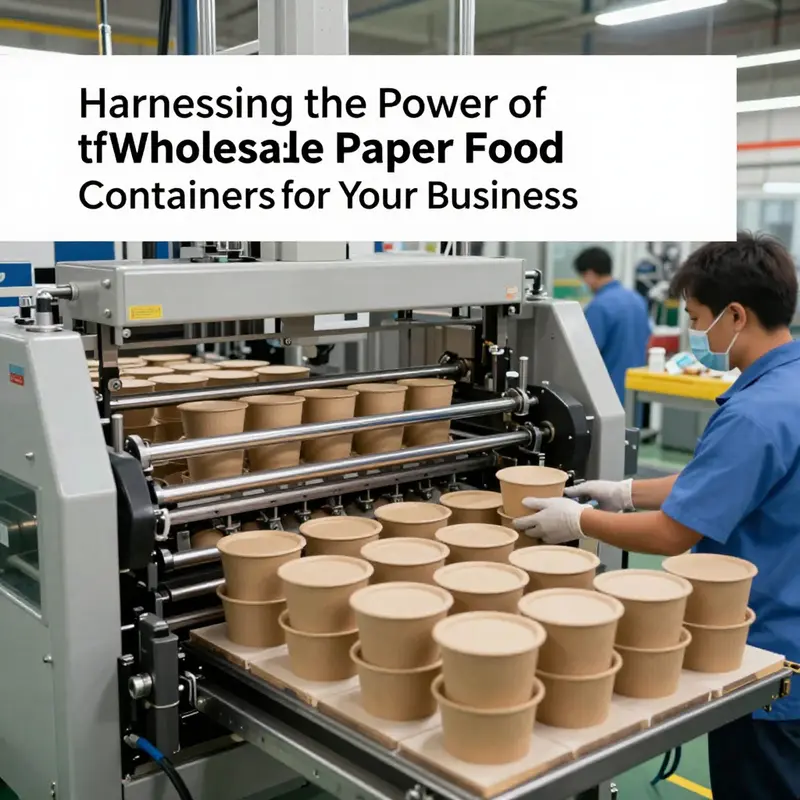
The journey of wholesale paper food containers begins long before they are stacked on a loading dock or spotted on a restaurant’s takeout shelf. It starts with a careful orchestration of materials, a disciplined rhythm of processes, and a relentless focus on safety, sustainability, and performance. In a market shaped by rising consumer expectations for eco-friendly packaging, the path from raw paper to the finished container is both a technical challenge and a logistical art. Each step is deliberate, designed not only to protect and preserve food but to do so in a way that aligns with international standards, reduces environmental impact, and remains economically viable for wholesalers and food service operators alike. This is the backbone of a flourishing wholesale ecosystem where demand for reliable, scalable, and customizable paper packaging continues to grow across takeout, catering, meal prep, and retail contexts.
The initial decision point in material selection anchors the entire manufacturing chain. The base stock must be food-grade and safe for contact with a wide range of foods, from salads and soups to pastries and garnishes. Bleached kraft paper and recycled paper are common choices, each offering different strengths in strength, printability, and cost. Some papers are specially formulated to resist grease or oil, a crucial feature for products that encounter sauces, dressings, or juicy fillings. In addition to the base sheet, a moisture and grease barrier is usually required to prevent leakage and maintain the integrity of the container through handling, transit, and short-term storage. Here, a thin layer of polyethylene (PE) has traditionally provided a robust moisture barrier, while more innovative, compostable alternatives such as polylactic acid (PLA) coatings are increasingly explored to improve environmental performance. The choice between these materials is never purely mechanical; it reflects regulatory expectations, market positioning, and the desired end-of-life scenario for the packaging.
The material preparation stage is more than just selecting a stock; it is about ensuring uniform quality across every roll, sheet, and batch. Suppliers perform rigorous quality control on base paper for basis weight, tensile strength, and surface smoothness. This is critical because a small variation in substrate can cascade into downstream defects during coating, lamination, or forming. In parallel, barrier and exterior coatings are selected to achieve a balance between barrier performance, printability, and heat resistance. The coatings must withstand the typical thermal exposure of food containers—hot contents, microwave or oven use in some cases, and freezing in storage. The coating technology often involves a controlled extrusion or adhesive lamination process that binds a polymer layer to the paper substrate. The result is a laminated structure that behaves like a composite—strong, with predictable flex, and capable of withstanding the rigors of transport and handling while still providing a consumer-friendly user experience. The barrier layer protects against moisture and oxygen ingress and helps preserve food freshness during the container’s service life.
Following material preparation, the coating and lamination stage becomes a central axis of performance. In modern lines, the bare paper is converted into a laminated substrate through a combination of extrusion coating and adhesive lamination. This creates the familiar layered architecture of many paper cups, bowls, and food boxes. The laminated structure is engineered to achieve specific barrier properties, heat resistance, and mechanical strength. For instance, additional internal coatings or multi-layer constructions may be added to improve heat retention for hot foods or to increase stiffness for handling and stacking in high-volume wholesale environments. The precision of this step matters: the coating must be uniform to prevent weak spots that could lead to leakage or delamination. The lamination process also influences surface gloss and printability, which are important for brand communication and consumer information. In this way, the coating and lamination stage is not merely about protection; it is about shaping the customer experience through tactile quality, visual appeal, and reliability under pressure.
Once the laminated sheet has achieved the necessary barrier and strength characteristics, the next phase—die-cutting and forming—transforms flat material into three-dimensional containers. Die-cutting machines pattern the coated sheet into precise shapes, from round cups to rectangular or contour-shaped trays and boxes. The die-cut patterns are optimized to minimize waste while maximizing stacking efficiency and ease of assembly. The cut pieces are then moved to forming stations where automation takes over. A typical cycle curls a flat sheet into a cylinder for cups, seals seams, and presses the bottom into shape. For boxes or trays, multiple panels are folded, locked, and glued to form rigid, reliable enclosures. The forming process must be tightly controlled to achieve uniform wall thickness and seam integrity. Any deviation can manifest as leaks, weak seams, or warping during later stages of handling and use. Modern lines often employ a combination of mechanical and robotic handling, with sensors and precision actuators ensuring repeatable results across thousands or hundreds of thousands of units per shift. The result is a three-dimensional container whose geometry supports efficient stacking, stable transport, and predictable performance in service.
Printing, when employed, is integrated with speed and precision to meet commercial needs without compromising safety. High-speed presses can print branding, nutritional information, or decorative patterns directly onto the paper substrate. In some lines, printing occurs before forming to ensure consistent surface coverage and alignment with the final geometry; in others, printing happens after forming when multi-panel products require complex graphics across curved surfaces. The choice of printing method and ink system takes into account food-contact safety, odor transmission, and the durability of the print under moisture and heat. Color fidelity, sharpness of graphics, and legibility of information—especially handling instructions and shelf life data—are all important to consumer perception and regulatory compliance. The integration of printing within the manufacturing line requires careful synchronization with forming to avoid marks or misregistrations that would render a container unsuitable for wholesale resale.
After forming and any printing, final assembly and quality control are the gatekeepers that ensure each piece is fit for distribution. Containers are subjected to leak tests, drop tests, and visual inspections for defects such as tears, weak seams, insufficient lamination, or misaligned graphics. The QAProcess commonly includes random sampling from each batch, along with automated in-line inspections that detect microscopic delamination, coating inconsistency, or surface defects that could affect performance. In a high-volume wholesale environment, a robust QA regime reduces returns, protects brand integrity, and ensures consistent user experience across thousands of units. Finished containers are then stacked and packaged in bulk for shipment, with packaging designed to protect them from moisture and abrasion while optimizing warehouse throughput and transport efficiency.
The technology landscape driving these steps is as important as the steps themselves. High-speed automation has transformed throughput, enabling continuous web-fed processes that convert rolls into finished products with minimal downtime. At the same time, sustainability remains a central design constraint. The industry is increasingly leaning toward recycled paper inputs, bio-based coatings like PLA, and evolving barrier technologies that support compostability or recyclability without compromising safety. The development of advanced coatings focuses on improving heat resistance, maintaining barrier integrity during hot-fill or reheating, and preventing any migration of substances into food. As consumer expectations shift toward greener options, manufacturers are experimenting with multi-layer architectures that enable compostable or recyclable end-of-life outcomes while preserving performance during use. In parallel, data-driven monitoring, digital ink management, and traceability systems help ensure compliance with food safety standards and enable wholesale buyers to track batch histories and certifications across the supply chain.
Standards and certifications play a critical role in marrying performance with safety. Containers intended for contact with food must meet stringent guidelines and certifications that demonstrate non-toxicity, user safety, and environmental responsibility. In practice, this means seeking papers that comply with food-contact regulations and can be certified under schemes such as FSC for responsible forestry, ISO-based quality management systems, and FSSC22000 or similar food-safety frameworks. Even the coatings and adhesives used must be selected with care to prevent any migration of chemicals into food, especially when containers undergo heating or extended contact with hot or fatty foods. In many markets, there is a growing emphasis on lifecycle assessments, recyclability credits, and compostability certifications as customers increasingly prioritize end-of-life outcomes.
A note on customization and scale helps connect the manufacturing science to the wholesale business model. For wholesalers, the ability to tailor sizes, shapes, and finishings—while maintaining low minimum orders and predictable lead times—defines competitiveness. The typical wholesale pricing structure reflects a spectrum of options: basic disposable 750–1000 ml bowls may carry lower unit costs when produced in large volumes, while more elaborate or customized options—such as specialized shapes, interior coatings, or branded graphics—command higher prices and larger minimum orders. Suppliers often accommodate a range of volume commitments, offering flexibility for small businesses and startups that are testing market demand or pilot programs. The cost dynamics are further influenced by the choice of materials, coating technologies, and the complexity of the forming and printing steps. In practice, a buyer weighing options will consider not only the upfront price per piece but the total cost of ownership: leakage risk, product performance during transit, ease of use for customers, and alignment with sustainability goals.
The manufacturing narrative above is not enclosed within a single factory floor; it is an interconnected ecosystem that relies on global supply networks, machinery suppliers, and quality governance. For buyers seeking reliable partners with verified credentials and transparent logistics, digital marketplaces and trade platforms can be valuable. They provide access to vetted manufacturers with payment protection, return policies, and detailed shipping information, helping wholesalers plan procurement with greater confidence. Within this ecosystem, the path from raw stock to wholesale-ready packaging is continually optimized by process engineers, sustainability specialists, and quality managers who together ensure that every container not only protects food but also advances environmental and economic objectives over time. In this context, the value of a well-structured manufacturing process extends beyond the individual carton, bowl, or tray. It becomes a reliable conduit for brands and foodservice operators to deliver consistent experiences while meeting the demands of a market that increasingly values responsible packaging.
For readers seeking further immersion into the evolving machinery and equipment that power these transformations, trade shows and industry forums remain a credible avenue for最新 advances and demonstrations. PACKCON International Packaging Exhibition offers a centralized platform for exploring equipment and technologies that optimize throughput, coating performance, and material innovation. This event underscores the practical realities of bringing new barrier chemistries, high-speed die-cutting, and precision forming from concept to production floor. You can learn more about these advances at the official PACKCON site: https://www.packcon.com.cn/.
In addition to industry-level sources, the narrative of manufacturing also benefits from direct case studies and supplier content that illustrate how factories translate theory into practice. As a practical illustration within the wholesale packaging landscape, one may consider a representative operational flow that begins with inspection-ready base papers and ends with leak-tested, branded containers ready for distribution. An internal reference point for readers exploring product designs and packaging formats can be found on supplier websites that highlight durable, grease-resistant paper bowls and accompanying lids, which reflect the ongoing value proposition of paper-based packaging in diverse food service contexts. For instance, a close examination of octagonal and rectangular paper bowl designs shows how geometry influences stacking efficiency, handling comfort, and loading density in warehouses. An octagonal design, in particular, might balance surface area, rigidity, and visual differentiation on a retail shelf, even as production economics favor designs that minimize waste and maximize yields on automated lines. While the specific product lines are important for buyers evaluating options, the underlying principle remains the same: a well-engineered resin- or paper-based barrier system paired with precise forming and robust quality checks yields containers that perform reliably from the moment they leave the line to the moment the consumer opens the lid at table or counter.
The chapter’s throughline ties to the broader wholesale paper container topic by emphasizing that every container is not only a vessel for food but a calculated means of communicating quality, safety, and sustainability. The integrated chain—from base stock to finished item—embodies a commitment to responsible sourcing, consistent performance, and scalable production. The design decisions, material choices, and process controls together determine whether a container will meet the demands of busy kitchens, comply with stringent health standards, and support the circular economy that many retailers and manufacturers now champion. This cohesive perspective helps readers appreciate why investment in modern coating technologies, precision forming equipment, and rigorous QA protocols pays dividends in reliability, customer satisfaction, and long-term profitability. As the wholesale market continues to evolve toward more sustainable and customizable packaging solutions, the manufacturing story remains a dynamic synthesis of science, engineering, and pragmatic logistics—a story that becomes, with every batch, a little more efficient, a little greener, and a little more capable of turning simple paper into protective, practical, and presentable packaging.
Internal link note: for a practical example of container design in action, see a detailed entry on octagonal kraft paper packaging at a wholesale supplier’s site: disposable octagonal box for restaurant kraft paper packaging.
External resource for further reading: PACKCON International Packaging Exhibition provides current market insights and equipment showcases relevant to paper container production. https://www.packcon.com.cn/.
Rising Tides in the Wholesale Paper Food Container Market: Trends, Pricing, and the Push Toward Sustainable Scale
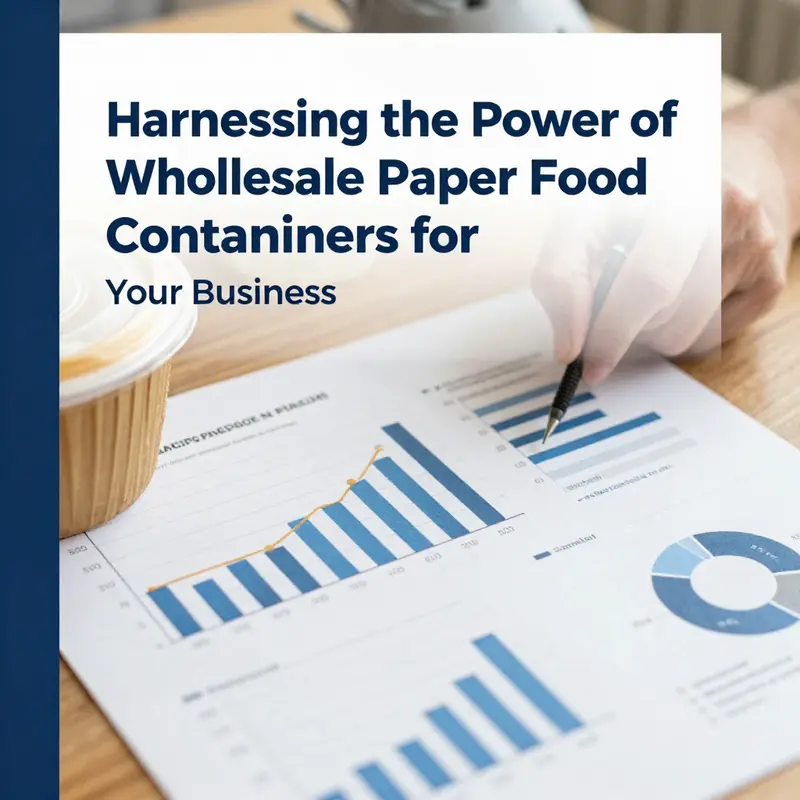
Across North America and Europe, the wholesale paper food container market is not merely growing; it is reshaping how food service businesses think about packaging. Regulatory pressure to curb plastic waste, combined with a rising consumer demand for brands that demonstrate environmental stewardship, has accelerated a shift toward paper-based solutions. In many segments of the food service ecosystem—from takeout outfits to caterers and meal-prep services—paper containers are replacing or augmenting traditional plastics. This transition is not a temporary blip but a structural change in design, manufacture, and pricing. The market is expanding the array of formats, coatings, and finishes that balance food safety, moisture control, and shelf life with end-of-life options such as recycling and compostability. For suppliers and buyers alike, the critical challenge is not only what to stock but how to source it in a way that aligns with sustainability commitments while preserving margin and reliability.
Material science sits at the heart of this evolution. Food-grade kraft remains a dependable core due to its strength, safety, and natural aesthetic. Coated papers extend performance by resisting sogginess and leaks, enabling soups, salads, and desserts to travel without incident. Yet the field is widening beyond traditional kraft and simple coatings. Sugarcane pulp, or bagasse, is increasingly present in packaging lines as a plant-based option with a smaller carbon footprint. PLA-lined paper offers a biodegradable alternative that can fit composting programs where permitted. Suppliers present a menu of choices—from standard single- or double-wall designs to multilayer constructions—each calibrated to the level of liquids, fats, or sauces the container will encounter. The outcome is a spectrum of formats matched to different use cases, whether a hot soup needs a heat-proof barrier or a dry pastry must resist greasiness.
Manufacturing resilience and scale are central to this sector, and much capacity now sits in major production zones in China. Integrated logistics networks and mature injection-molding ecosystems enable mills to churn out millions of units each month. Turnaround times for standard orders typically range from 15 to 25 days, a window that supports both small trial batches and large private-label runs without forcing customers into extended planning cycles. For buyers, that translates into predictable inventory planning and the ability to respond quickly to seasonal spikes or promotional campaigns. For suppliers, offering broad product lines with tight lead times, dependable quality, and transparent delivery schedules becomes a competitive differentiator that helps food-service operators sustain service levels during peak periods.
Performance, beyond mere containment, is the bedrock of trust. A container must preserve temperature, resist moisture, and safeguard contents from contamination. Many models incorporate moisture barriers, leak-proof lids, and options that are microwave-safe or freezer-safe, broadening their utility across both business and home contexts. The strongest solutions are backed by recognized safety and management certifications—FSC for responsibly sourced fiber, ISO 9001 for quality management, BSCI for social compliance, and FSSC 22000 for food safety management. These credentials are more than marketing tags; they provide a verifiable framework for buyers to audit suppliers, document conformity with safety standards, and reduce risk in cross-border shipments. In a market where traceability and transparency matter as much as price, such certifications often correlate with more reliable performance and longer-term supplier relationships.
Price remains a moving target, reflecting material inputs, processing complexity, and the economics of scale. A typical base scenario for an economical disposable bowl in the 750 to 1000 ml range trades at roughly 0.02 to 0.045 USD per piece when ordered in quantities around 50,000 pieces. The calculation shifts quickly when features such as decorative printing, stronger coatings, or larger capacity come into play. A higher-end or customized option—such as a premium finish or enhanced barrier—may command around 0.10 USD or more per piece, with MOQs in the 20,000 range. For premium segments that emphasize recyclability or compostability, costs rise further because the raw materials and production steps meet higher standards. In adjacent categories, recyclable plastic containers with lids sit around 0.192 USD per set, with much larger MOQs that reflect the scale of the packaging ecosystem. These pricing bands illustrate that buyers pay not only for a container but for a bundle of attributes: reliability, environmental credentials, and supply-chain compatibility with product portfolios and retailer requirements.
Strategic sourcing in this sector hinges on aligning supplier capabilities with sustainability targets, consistent quality, and dependable delivery. Buyers increasingly demand supply chains that demonstrate not just a one-time certification but ongoing compliance with environmental and social standards across their supplier base. Regulators in advanced markets continue to tighten requirements for packaging used in contact with food, pushing for better testing documentation and traceability. The EC No. 1935/2004 framework remains a touchstone for what constitutes safe material in contact with food. Suppliers able to furnish documented test reports and third-party attestations reduce validation time for buyers and speed time to market for new products or rebranded lines. The future will reward those who invest in digital traceability, flexible manufacturing, and scalable production lines that gracefully adapt to evolving regulatory expectations and shifting consumer preferences.
Beyond the regulatory and compliance layer, market dynamics are driven by consumer demand in takeout, catering, and meal-prep ecosystems, with a growing interest in packaging that signals responsibility. As brands strive to differentiate themselves through sustainability, they seek containers that can be integrated with standardized lids, liners, and sleeve options, while also supporting customization through color, branding, and messaging. The competition among suppliers is increasingly about total value rather than unit price: the ability to offer assurances on lead times, batch-to-batch consistency, and the carbon footprint of the manufacturing process weighs as heavily as the stated cost per piece. In this environment, economies of scale deliver meaningful savings, and exporters that coordinate production, packaging, and logistics across regions achieve the most reliable cost structures and shortest cycle times. The shift toward fully automated lines reduces variability, which in turn lowers waste and scrap, boosting efficiency and margins for both producers and buyers.
As the market matures, innovation accelerates. Recyclable and compostable materials become standard in many segments, while others test hybrid designs that combine recyclable paper with bio-based liners. The trend is not merely substitution; it is about optimizing entire packaging systems for performance, end-of-life pathways, and regulatory alignment. Customization remains a powerful lever for private-label programs, enabling retailers and food-service chains to maintain brand coherence across menus and delivery channels. The ability to tailor sizes, shapes, and closures supports flexible menus and seasonal offerings, making it easier for operators to scale up or down in response to demand. In this context, the option to explore varied formats online demonstrates how choices extend beyond aesthetics to operational impact. For example, octagonal kraft paper packaging can be explored in detail here: octagonal kraft paper packaging.
Looking ahead, pricing will continue to reflect the balance between efficiency and value. Producers achieving greater automation and supply-chain coordination will push unit costs down, but premium materials, stronger certifications, and end-of-life guarantees will sustain differentiated price bands. Buyers should weigh the long-term value of certified, scalable packaging against near-term unit costs, particularly as private-label programs expand and retailer requirements tighten. The market’s trajectory points toward deeper collaboration and more transparent disclosure, with suppliers sharing test results, life cycle data, and end-of-life guidance to help brands meet sustainability pledges without sacrificing performance. In the end, this is not a race to the cheapest option but a guided ascent toward packaging that supports safe, appealing products and resilient supply chains across borders.
External reference: https://www.sourcingguide.com/wholesale-disposable-food-containers-china
Brand-Docused Scale: Customization and Supplier Networks in Wholesale Paper Food Containers
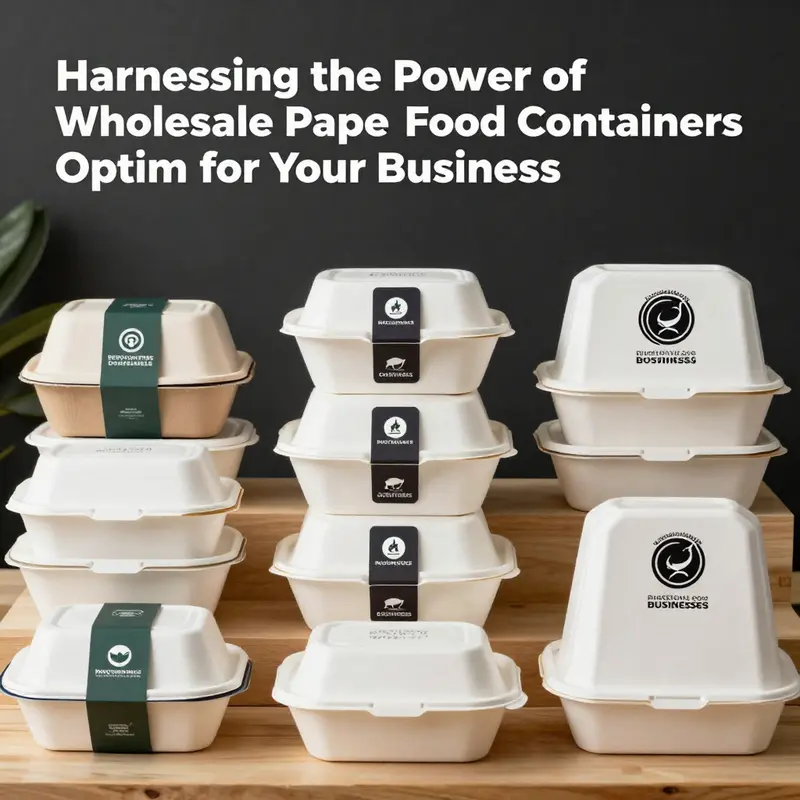
The market for wholesale paper food containers is not just about what sits on shelves; it is increasingly about what a brand communicates through packaging. As foodservice, retail, and e-commerce converge, the value of customization grows from a practical need—fit, durability, and safety—to a strategic tool that differentiates a brand in crowded markets. Modern buyers demand packaging that protects freshness, travels well, and carries a story about sustainability and responsibility. Customization becomes the bridge that links operational efficiency with brand perception. Every square inch of a container can become a canvas for a brand’s message, whether through color, texture, or a subtle tactile finish. In turn, suppliers respond with capabilities that scale from small pilots to mass production, balancing cost, speed, and quality across an expanding array of formats and uses.
The sourcing landscape for wholesale paper food containers has become more complex and more capable at the same time. China remains the primary engine of production for this category, but success is no longer defined by a single factory floor. It now rests on a network of regional hubs, each with distinct strengths that align with different business models and timelines. Understanding these regional clusters helps buyers design a sourcing strategy that matches product needs with supplier capabilities, capacity, and market dynamics. In coastal Fujian, the emphasis is on vertical integration and material versatility. Here, manufacturers weave together kraft-based packaging with corrugated components, drawing on a longstanding ecosystem of paper mills, printing networks, and finishers. The advantage is a steady supply of durable, recyclable containers that can handle takeout, bakery items, and frozen foods. The focus on sustainable materials makes this region especially attractive to brands prioritizing environmental credentials and life-cycle responsibility. Cost efficiency tends to emerge from proximity to raw materials and established distribution channels, which helps reduce waste in transit and shorten lead times for bulk orders.
Guangdong stands as the pace setter for speed and volume. It is the region most associated with automation and scalable production lines. In this cluster, factories harness high-speed die-cutting, precision folding, and inline printing to turn around large orders rapidly. For brands running time-sensitive campaigns, seasonal promotions, or rapid market rollouts, Guangdong’s capacity translates into shorter production windows and the flexibility to adjust mix and quantity on short notice. The model here favors modularity—standard container formats that can be quickly customized with logos, colorways, or theme graphics while maintaining tight tolerances for lids, seals, and compatibility with heating or chilling. The outcome is a reliable supply line that can support evolving menus and packaging aesthetics without sacrificing performance, from moisture resistance to leakproof closures.
Shanghai, by contrast, leans into design complexity, premium finishes, and higher-value formats. This hub attracts suppliers who invest in digital prototyping, advanced finishing techniques, and multi-layer lamination. The result is packaging that can support luxury or premium positioning, with features such as UV coatings, embossing, window fronts, and even magnetic closures. For brands seeking distinctive packaging for giftable sets, desserts, or chocolate lines, Shanghai offers capabilities that elevate the perceived value of the product. The challenge here is aligning development timelines with more intricate production steps and ensuring that the higher costs still align with the overall brand strategy and expected return on investment. This region’s strength is research-backed design iteration and the ability to push packaging beyond functional constraints into experiential packaging.
Across these regions, customization options form the core language of wholesale packaging decisions. Size and shape are the most immediately apparent levers—contours tailored to specific servings, from salads and bowls to soups and full meals. Material choice remains a balancing act among safety, sustainability, and performance. Buyers often choose among 100% eco-friendly kraft paper, white paper variants, or biodegradable coatings and films such as PLA options that offer a compostability narrative. Printing capabilities extend from simple one-color logos to full-color graphics and branded themes that span the entire container surface. The option to add custom finishes—ranging from gloss or matte UV to debossed textures and multi-layer laminates—gives brands the chance to craft tactile experiences that communicate quality and care even before the first bite. Lids and closures are more than convenience features; they are critical design elements that preserve freshness, prevent leaks, and reinforce the brand feel. Lids can be designed to fit snugly with 300gsm kraft base material or other specifications, while closures may offer functional features like snap-fit locks or venting channels to handle steam and moisture effectively.
Material safety and environmental stewardship form non-negotiable criteria in supplier selection. Reputable manufacturers emphasize food-grade standards, coatings that prevent liquids from weakening the structure, and processes that minimize chemical migration into foods. Certifications that signal compliance with international safety and quality expectations help buyers reduce risk and build consumer trust. In practice, this translates into formal attestations or recognized quality management systems that cover procurement, production, and end-user use. When a supplier highlights environmental performance, it often encompasses responsibly sourced fiber, reduced waste during manufacturing, and end-of-life considerations like recyclability or compostability. Buyers increasingly align supplier choices with sustainability reporting and third-party verification to support corporate social responsibility goals and to respond to consumer demands for greener packaging.
The economics of customization are shaped by volumes and the degree of differentiation a brand requires. Baseline, entry-level options commonly sit in lower price bands, but come with longer lead times or higher MOQs, given the need to amortize setup costs across large runs. Basic disposables in the 750 to 1000 ml range, which are well-suited to takeout meals and snack-sized portions, typically price toward the lower end of the spectrum when produced at scale. Higher-end or more fully customized formats—such as uniquely shaped trays, colored surfaces, or extensive branding—enter higher price bands driven by specialized die-cutting, color matching, and finishing steps. The supplier landscape reflects this: for dense customizations, MOQs may be in the tens of thousands or higher, while more modest, pilot-ready projects might negotiate smaller starter quantities. The practical implication for buyers is to plan for a staged approach: begin with samples and small runs to test consumer reception and logistics, then scale to larger orders as brand resonance and operational reliability are proven.
Sourcing teams now commonly navigate a spectrum of engagement models. Flexible MOQs and dynamic pricing structures allow brands to move from pilot programs to large-scale launches with reduced friction. Early-stage collaborations often involve short-run prototypes, digital proofs, and physical samples to validate fit, texture, and performance across temperature and handling conditions. Once a concept is validated, mass production proceeds with tight process controls, in-line inspection, and clear communication channels about changes in raw material supply, coatings, or mechanical tolerances. The most successful programs build a cross-functional workflow that couples product development with supply chain planning, procurement, and marketing. This integrated approach ensures that customization choices not only meet aesthetic and functional requirements but also align with budgeting cycles, packaging timelines, and retail or foodservice rollout plans.
Trustworthy supplier partnerships are anchored in transparency about capabilities, capacity, and compliance. Buyers increasingly insist on visible proof of capability—clear specifications, test data, and lead-time estimates—before committing to multimillion-piece runs. They also seek visibility into the supplier’s quality assurance programs, from incoming material checks through finished-product testing to post-delivery performance feedback. Given the complexity of customization projects, it is common to request samples and to perform independent testing on moisture resistance, heat stability, and leakproof performance. The process of verification helps minimize post-launch surprises and supports a smoother transition to full-scale production. In practice, this means a disciplined approach to supplier vetting, which may include requesting documented certifications, facility tours, or third-party audit results. While this adds upfront effort, it pays dividends in reliability, consistency, and long-term cost control.
The path from concept to container is collaborative. Design exploration often benefits from rapid prototyping and digital tooling. Some suppliers invest in digital prototyping and test packaging for brand teams to visualize how a given motif, color, or finish will appear on multiple sizes and shapes. This capability shortens iteration cycles and helps ensure that the final specification delivers the intended brand impact. For those pursuing premium finishes, designers may explore UV coatings, embossing, or lamination to create a premium tactile and visual language that differentiates the product on a crowded shelf or online catalog. The combination of design flexibility and manufacturing discipline underpins a successful customization program, enabling brands to maintain consistent quality across seasonal campaigns and regional markets.
From a practical standpoint, buyers looking to source customizable, sustainable containers should start with a plan that maps product requirements to supplier capabilities. A well-defined specification sheet becomes the single source of truth for shape, size, material, texture, printing, and closure details. It should include required certifications, food-safety standards, moisture resistance performance, and expected shelf life under typical handling and transport conditions. A well-prepared specification reduces back-and-forth, accelerates procurement, and helps ensure that the final product aligns with both consumer expectations and logistical realities, such as stacking efficiency and palletization.
When it comes to evaluating supplier options, consider the value proposition beyond unit cost. Space, timing, and quality stability matter as much as price. A partner who can offer flexible MOQs, scalable lead times, and consistent quality across high-volume runs may deliver greater total value than a supplier with a lower sticker price but less reliability. The best relationships are built on clear communication, collaborative problem solving, and shared attention to environmental and safety commitments. In this sense, customization is less about a flashy feature and more about a dependable, scalable framework that supports a brand’s ambitions—from single-product launches to ongoing programmatic packaging updates across markets.
For buyers who need a practical reference point as they explore supplier options, the process can be reinforced by real-world guidance from sourcing guides and industry resources that map typical capabilities to market needs. These resources point to widely available options for obtaining samples, understanding MOQ structures, and sizing quotes against exact material choices and finishing requirements. A thoughtful sourcing approach also considers logistics: the ability to ship to multiple regions, the traceability of shipments, and the reliability of delivery windows. The end goal is a synchronized system where product development, procurement, and distribution move in concert, delivering packaging that meets safety standards, supports sustainability goals, and enhances brand storytelling without compromising on price or delivery.
As brands weigh trade-offs between speed and customization, it helps to keep a clear view of the lifecycle story for a given packaging format. The container’s design must support the food product’s journey—from kitchen to consumer and back into waste streams. By choosing coatings that protect integrity without compromising recyclability, or by selecting fiber sources that align with environmental commitments, brands can maintain performance while speaking authentically to their sustainability promises. The regional strengths described above can be leveraged strategically. If a launch requires rapid scale and a broad distribution network, Guangdong’s automation-driven capabilities may be a natural fit. If a campaign calls for complex finishing, interactive design, or premium presentation, Shanghai’s design-forward studios can help translate a concept into an elevated, market-ready solution. If a brand seeks durable, cost-effective containers for a steady, long-run program with strong sustainability messaging, Fujian’s integrated approach offers efficiency and material versatility that support ongoing optimization.
For buyers who want to see how these principles play out in practice, a range of sourcing options exist to connect with verified suppliers and obtain sample configurations that reflect different customization paths. The right partner will offer not only a breadth of format choices and material options but also a collaborative development process that helps translate a brand brief into a tangible container design. They will provide clear timelines, quality assurances, and transparent pricing that accommodates volume discounts as orders scale. In this way, customization becomes a strategic asset—one that enables brands to articulate their values, engage consumers, and manage packaging costs across a spectrum of seasonal demands and regional markets.
Internal link example for further exploration of practical product formats and sample opportunities can be found here: disposable-700ml kraft paper bowl take-out octagonal rectangle paper bowl. This reference offers a concrete sense of how a designed container translates into a finished package, including aspects of size, shape, and finish that brands frequently experiment with during early-stage development. While it is just one of many potential formats, the example underscores the degree to which customization strategies shape the packaging you bring to market.
As buyers contemplate external sources of knowledge and capability, they should also consider external resources that provide practical guidance on supplier evaluation, quality assurance, and market trends. A representative external reference offers a broader perspective on best practices in sourcing, certification, and supply chain risk management for packaging materials. This broader context can help teams benchmark their supplier conversations and set realistic expectations for timelines and performance. External resources, when used judiciously, support a more resilient approach to packaging development and procurement, enabling brands to navigate the complexity of global supply networks with greater confidence.
In sum, the landscape for wholesale paper food containers is defined by the interplay of customization technology, regional production ecosystems, and disciplined supplier partnerships. Buyers who align their packaging strategy with brand identity and consumer expectations—not merely with cheapest unit costs—tend to achieve stronger market differentiation, better shelf impact, and improved lifecycle performance. The regional clusters that underpin production deliver complementary strengths: Fujian for material versatility and sustainability, Guangdong for rapid-scale production, and Shanghai for premium finishes and innovative design. Together, they provide a spectrum of options that can be matched to a brand’s value proposition, target markets, and growth trajectory. The result is a more agile, scalable, and brand-conscious approach to packaging that protects product integrity, communicates sustainability, and delivers on the promise of a memorable consumer experience.
External resource: https://www.alibaba.com/showroom/wholesale-customized-kraft-food-containers.html
Final thoughts
Wholesale paper food containers are not just a trend; they are a smart investment for businesses looking to align with consumer values on sustainability and safety. By prioritizing materials that meet high safety standards and are biodegradable, food service providers can enhance their brand image and appeal to environmentally conscious customers. As markets continue to evolve, understanding the manufacturing processes, pricing structures, and customization options available will empower businesses to select the most suitable solutions for effective packaging and service delivery.