
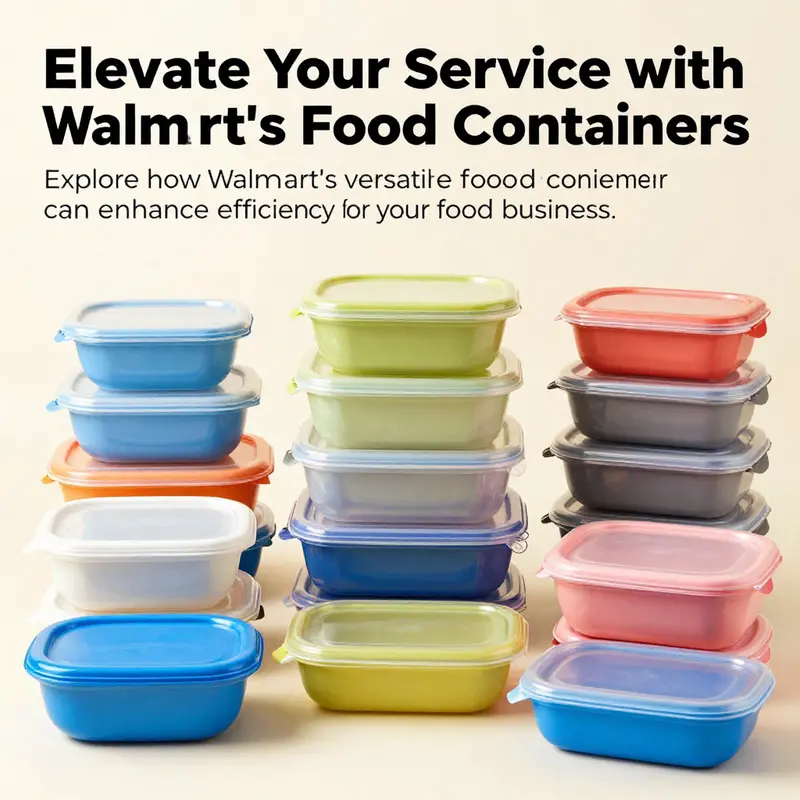
For beverage chains, restaurants, food trucks, catering services, and event planners, effective food storage and organization are essential for operational success. Walmart offers a range of plastic containers perfect for various needs, from meal prep to leftovers. In this article, we delve into Walmart’s selection of containers, highlighting the benefits they bring to businesses, their sustainability aspects, and insights from customers who have benefited from these products. Whether you’re a corporate procurement team looking for reliable options or an event planner seeking efficient solutions, understanding these offerings can help streamline your operations and enhance your service quality.
Choosing Walmart Plastic Containers for Food: Reusable vs. Disposable and Smart Alternatives
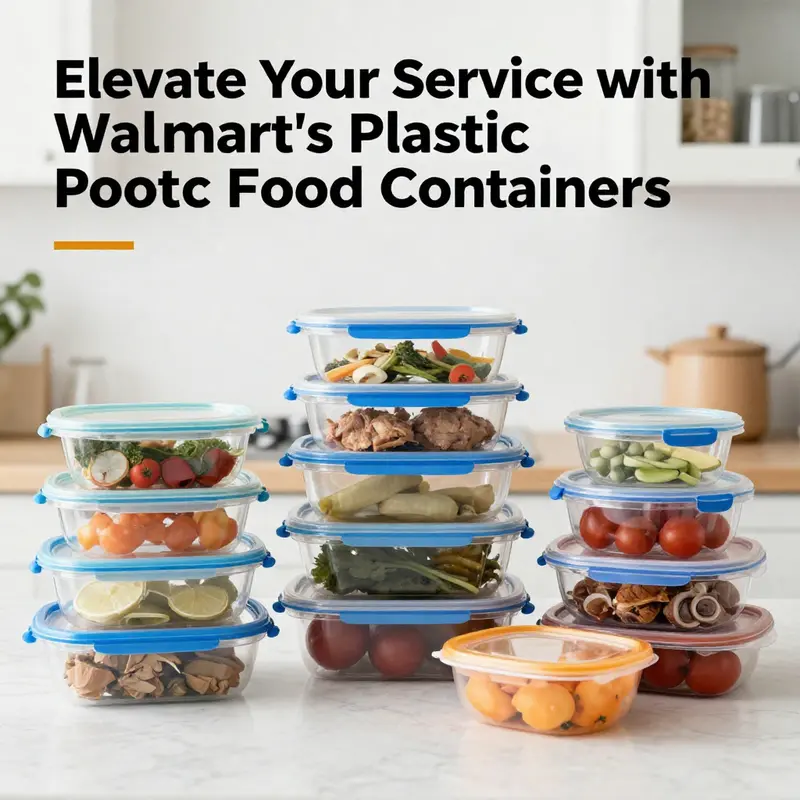
Choosing the right plastic container at Walmart means matching form to function. The store’s selection spans reusable, heavy-duty sets meant to last years, and single-use packs designed for convenience. Both types share basic features — stackability, leak resistance, and compatibility with common kitchen appliances — but they diverge in lifecycle, cost-per-use, and environmental impact. This chapter examines the practical differences, trade-offs, and buying signals you should watch for when selecting containers for meal prep, storage, or transport.
Start by thinking about how you use containers day to day. If you portion lunches, pack post-workout meals, or prepare weekly dinners, durability matters. Reusable containers typically emphasize sturdier plastics labeled as free from harmful additives, and they often promise microwave, freezer, and dishwasher safety. These claims are useful, but you should check the fine print. Look for clear labels indicating the container is safe for microwave reheating rather than long-term heated cooking. Freezer-safe marks tell you the plastic handles low temperatures without cracking. Dishwasher-safe icons confirm that routine cleaning won’t degrade seals or warp bases.
Form factor influences convenience. Rectangular containers with wide mouths are efficient when filling from pots or ladling sauces. Shallow, broad containers cool quicker and are better for storing prepared salads or single-layer protein. Tall, narrow tubs conserve fridge shelf space and suit layered meals. Many sets in big-box assortments come in stackable designs with uniform footprint lids. Stackability isn’t a small detail; it reduces wasted space in crowded refrigerators and lets you stack dozens of prepped meals for easy grab-and-go access.
Lids and locking systems are the unsung heroes. Snap-and-lock lids with silicone gaskets deliver reliable leak resistance for liquids. Simple press-fit lids may work for dry goods but often fail when soups or dressings are involved. Hinged or compartmentalized lids offer convenience for bento-style packing but add complexity when cleaning. When buying a multipack, inspect whether lids are included for every base and confirm that replacement lids are available separately. Sets sold in bulk can be economical, yet mismatched lids across different sets create clutter.
Material matters beyond the BPA label. Many modern reusable containers are marketed as free from specific chemicals. That reduces one health concern, but it does not guarantee equal durability across brands. Thicker, high-density plastics resist scratching and staining, extending usable life. Lighter, thinner plastics save on upfront cost and are ideal when you expect to discard after limited use. If you prefer non-plastic alternatives for long-term storage, some retailers offer glass options with airtight lids. These provide excellent longevity and avoid plastic odor retention while offering oven-safe capabilities.
Disposable containers have their place. When hosting events, shipping takeout, or handling overflow during busy weeks, single-use packs reduce washing and speed cleanup. They come in various capacities — small, portion-sized wells for sauces and snacks, and larger 16 to 32 ounce trays for full meals. Disposable options often advertise leakproof lids to protect against spills during transport. During seasonal sales, bulk disposable packs become particularly affordable, allowing planners and caterers to stock up without a big budget hit.
However, disposable convenience carries environmental trade-offs. Even when recyclable, single-use plastics often end up in landfill due to contamination with food residue. If disposal is a concern, consider compostable or fiber-based disposable alternatives for events. Some suppliers offer kraft paper bowls with lids that balance convenience and recyclability. For a disposable option that prioritizes compostability and a lower plastic footprint, explore offerings such as the disposable kraft paper bowl with lid.
Cost-per-use drives many purchasing decisions. Reusable containers have higher initial costs but produce a lower cost per use over months and years. Disposable packs appear cheap upfront, but frequent purchase quickly adds up. When calculating value, estimate how often each container will be used, washed, and replaced. Also consider the time savings for disposable choices: fewer dishes, less sanitizing, and simpler logistics for large gatherings.
Sizing and pack counts are central for different needs. Single-household cooks often prefer small sets with multiple sizes: one-cup, two-cup, and larger 24 to 32 ounce options. Meal preppers tend to favor uniform-capacity sets, which simplify portion control and nutritional tracking. Families or catering needs benefit from bulk packs offered in dozens per box. When buying online, check whether bulk packs are intended for single use or repeated use; the descriptions usually indicate material thickness, expected durability, and safe-temperature ranges.
Seals and leakproofing are often the deciding factor for commuters. If a container will be tossed into a bag alongside electronics or papers, prioritize options with locking lids and silicone seals. Some lids also include venting tabs for microwave steam release. Venting is a useful feature when reheating, but it should not compromise the overall leakproof integrity when closed.
Practical care extends product life. Even dishwasher-safe plastics warp if exposed to high-heat cycles repeatedly. Use the top rack when possible. Avoid prolonged exposure to acidic or highly pigmented foods if staining is a concern. For stuck-on residue, soak in warm soapy water rather than abrasive scrubbing. Replace seals once they show signs of wear; damaged gaskets are the main cause of leaks in otherwise serviceable containers.
Visibility and labeling help keep a busy kitchen organized. Clear or translucent plastics let you see contents without opening containers. Many dedicated meal prep sets include lids with small label areas. A simple peel-and-stick label or masking-tape system speeds rotation. For freezer storage, include the date and meal type to avoid freezer-burn surprises. When stacking in deep shelves, consistent container footprint makes retrieval predictable and efficient.
Warranty and return policies are worth noting. Many retailers back reusable sets with short warranties or satisfaction guarantees. That can matter when buying large, multi-piece sets online. Check whether individual components are sold separately. Spares for lids or bases save money as your set ages. Bulk or promotional packs might omit such support, so confirm return windows and warranty scope before purchase.
Price fluctuations and stock availability affect timing. Seasonal promotions often lower prices on both disposable and reusable containers. Bulk disposable packs are commonly discounted during big sale events. If you find a deal on a reusable set with the right features, consider buying extra lids or a supplemental small set to match evolving needs. Conversely, limited-stock items appear then disappear. If continuity matters — say, for meal-prep consistency across months — prioritize sets that are consistently stocked.
Safety certifications and labeling should be treated as factual data, not marketing. Icons indicating microwave, freezer, and dishwasher compatibility have practical meaning. Avoid assumptions about oven safety unless explicitly stated. When in doubt, consult product descriptions or ask customer service about temperature limits and composition.
Finally, consider how plastic containers fit into broader kitchen habits. If you often reheat, freeze, and transport meals, a robust reusable set typically yields the best balance of performance and sustainability. If you host frequently or need temporary solutions for catering, disposable packs provide unmatched convenience. For those aiming to reduce single-use plastics while retaining convenience, hybrid approaches work well: reusable containers for home and workdays, and compostable or fiber-based disposables for events. For an alternative disposable option that emphasizes eco-friendly materials, see the disposable kraft paper bowl with lid.
For the full selection and current availability of plastic food containers at the retailer, visit the store’s product search page: https://www.walmart.com/search?q=plastic+food+containers
Practical Advantages of Walmart Plastic Containers for Smarter Food Storage
Practical Advantages of Walmart Plastic Containers for Smarter Food Storage
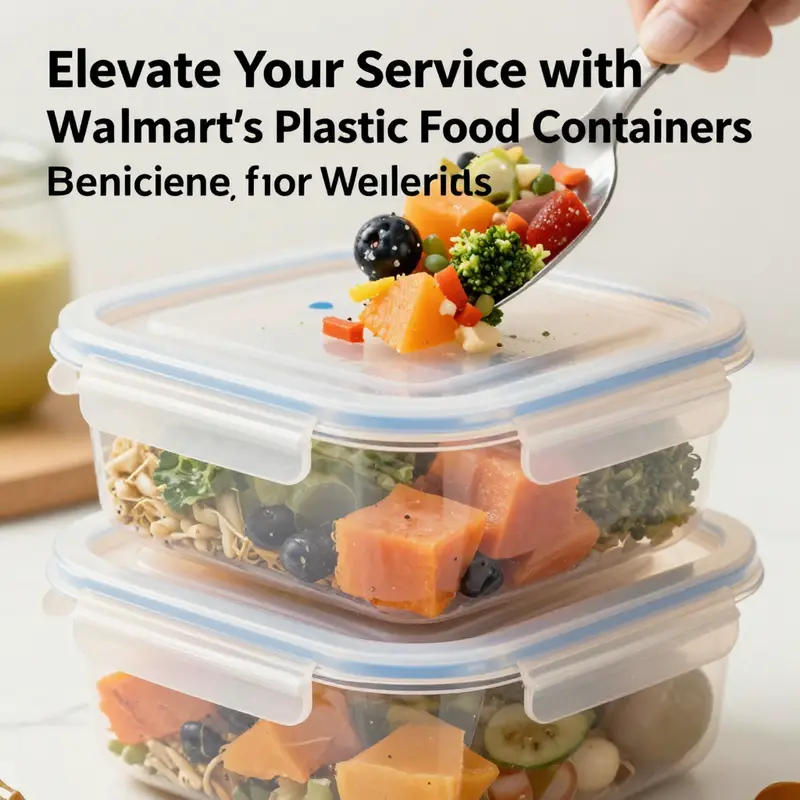
Plastic food containers found at Walmart deliver a compelling mix of practicality, safety, and value for everyday kitchen life. They are engineered to solve common storage headaches: keeping leftovers fresh, simplifying meal prep, fitting neatly into crowded refrigerators, and surviving repeated use. The real appeal lies in how these containers blend convenience with features that matter: materials that avoid harmful chemicals, lids that prevent leaks, designs that stack, and price points that suit families and single households alike. This chapter explores the benefits these containers bring to daily routines, and offers concrete guidance on choosing and using them well.
One cornerstone benefit is the move toward safer plastics. Many offerings are explicitly free from bisphenol A and similar additives. This matters when food and containers interact under heat in a microwave or over long storage periods. When plastics are labeled free from such chemicals, they reduce the risk of unwanted compounds seeping into food. That safety reassurance changes how people use plastic containers. Instead of limiting them to cold storage, they feel comfortable reheating soups, stews, and cooked grains in the same container. The result is fewer transfers between dishes, less clutter in the sink, and faster cleanup.
Versatility is another strong advantage. A majority of containers on offer are designed to handle multiple environments. Microwave-safe ratings allow safe reheating. Freezer-safe construction resists cracking from cold. Dishwasher-safe finishes make cleanup efficient. Oven-safe options exist in some ranges, though users should still confirm maximum temperature limits. This flexibility means a single container often serves several roles: portioning and freezing meals, transporting lunches, reheating at work, and storing leftovers for a few days. Using the same container across tasks reduces the number of storage items needed, saving cabinet space.
Airtight and leakproof lids translate into real-world convenience. Containers with reliable lid seals prevent spills during transport and guard against air exposure that accelerates spoilage. An effective seal also protects pantry items from moisture and pests. For meal preppers, airtight lids keep sauces and dressings from leaking in a lunch bag. For bakers, they preserve the crispness of cookies and crackers. The engineering behind effective seals—snap-lock edges, silicone gaskets, and precision-fit rims—creates confidence. Users spend less time wrapping dishes in foil or plastic wrap, and waste from spoiled food declines.
Space efficiency matters in cramped kitchens. Many plastic containers are stackable and nest inside one another when empty. The stackable design makes better use of vertical fridge and pantry space. Clear plastic construction aids visibility, helping users quickly find what they need. Rectangular shapes often fit more efficiently than round options, making them ideal for shelving and drawer systems. The clarity of the containers also reduces food waste. When contents are visible, leftovers are less likely to be forgotten and thrown away.
Bulk packs and affordable sets are especially useful for households that require many containers at once. Larger sets provide matching lids and uniform sizes for organized storage. When all containers are consistent, labeling and rotating food becomes simpler. Multiple identical containers also make portion control and meal planning more systematic. The savings from buying a set can add up when compared to purchasing single pieces over time. Affordability makes it easier to replace worn lids or expand a collection as needs grow.
Beyond the pragmatic features, these containers support routines that save time and money. Meal prepping becomes straightforward: cook in a single session, portion into containers, and freeze or refrigerate. On busy days, meals are ready to reheat, reducing reliance on takeout. Better storage also means less food spoilage. A container that locks out air keeps leftovers edible longer. Families can stretch groceries further and reduce weekly food waste. For anyone tracking calories or managing portions, uniform containers simplify measuring and tracking.
Safety and durability for repeated use are central concerns. High-quality plastic containers resist staining and retain shape after many cycles through the dishwasher. That longevity makes them a practical investment. Users should still follow care instructions: avoid high heat above recommended limits and replace lids when seals degrade. Proper care maintains both appearance and function. For items that retain strong odors, occasional baking soda or vinegar rinses help neutralize smells and refresh containers.
Choosing the right sizes and shapes improves usability. A mix of shallow and deep containers covers a range of needs. Shallow containers suit salads and meals intended for immediate consumption. Deeper containers are ideal for soups, stews, and batch-cooked grains. Small round or rectangle containers work well for snacks, sauces, and dressings. Containers with compartments suit users who prefer separated meals or bento-style portions. Matching lids across sizes simplifies storage and reduces the chance of mismatched pieces.
Mobility is another practical benefit. Containers with secure lids travel well in backpacks, gym bags, or coolers. They support on-the-go lifestyles without sacrificing freshness. Leakproof seals ensure liquids stay contained, while rigid walls protect delicate foods from getting crushed. Reusable containers also reduce reliance on disposable packaging. For people packing lunches daily, the investment in sturdy containers lowers the recurring cost of disposable bags and single-use tubs.
Despite these advantages, some shoppers consider sustainability. Plastic containers have a role, but they are not the only choice. Glass alternatives often provide similar features—airtight lids, oven-safe durability, and easier recyclability—but at a higher upfront cost and with greater breakage risk. A balanced approach can work well: use plastic containers for transport and active meal prep, and use glass for long-term storage and reheating when durability and recyclability are priorities.
Organization strategies amplify the benefits of the containers themselves. Labeling containers with contents and dates reduces food waste. Rotating older meals to the front of the fridge helps use older items first. Grouping similar items together—sauces in one shelf section, snacks in another—makes the refrigerator more navigable. For pantry use, clear containers keep staples visible and pest-resistant. When pantry staples are visible, grocery shopping becomes more efficient and less wasteful.
Value-conscious shoppers also benefit from the price variety. Economical sets offer core functionality without premium cost. Mid-range options include additional features, like reinforced lids or modular designs that click together. Premium lines often emphasize thicker plastic or specialized seals, but many households find mid-range options balanced in cost and function. The best choice depends on usage patterns, household size, and storage preferences.
Finally, routine maintenance prolongs usefulness. Washing containers promptly helps prevent staining and odor retention. Avoiding high heat beyond stated limits preserves lid seals. Inspecting lids periodically for cracks or looser seals prevents leaks. When lids wear out, replacing only the problematic lids can be a cost-effective repair. With basic care, many plastic containers provide years of reliable service.
For shoppers who want to contrast plastic choices with other materials, a clear comparison helps. Glass offers long-term resilience and recyclability. Paper-based disposable bowls and compostable packaging can be useful for single-use needs, especially when an eco-friendly disposable solution is desired. One such option is a disposable kraft paper bowl for food package with lid that can serve as a compostable single-use choice for events or takeout: https://greendispopack.com/product/disposable-kraft-paper-bowl-for-food-package-with-lid/.
For further product details and options that include non-plastic alternatives, consult the retailer’s listing for large glass food storage containers with airtight lids: https://www.walmart.com/ip/Large-Glass-Food-Storage-Containers-with-Lids-Airtight-Meal-Prep-Container-with-Lid-Lock-Freezer-Microwave-Oven-Safe-Clear-Lunch-Bowl-for-Microwave-Oven-Freezer-and-Dishwasher-BPA-Free/1234567890
The practical strengths of these containers—safety, versatility, airtight design, space efficiency, and affordability—make them useful tools for everyday household management. When selected and cared for thoughtfully, they simplify meal prep, reduce waste, and bring order to refrigerators and pantries.
From Shelf to Cycle: How Walmart’s Plastic Food Containers Fit Into a Sustainable Strategy
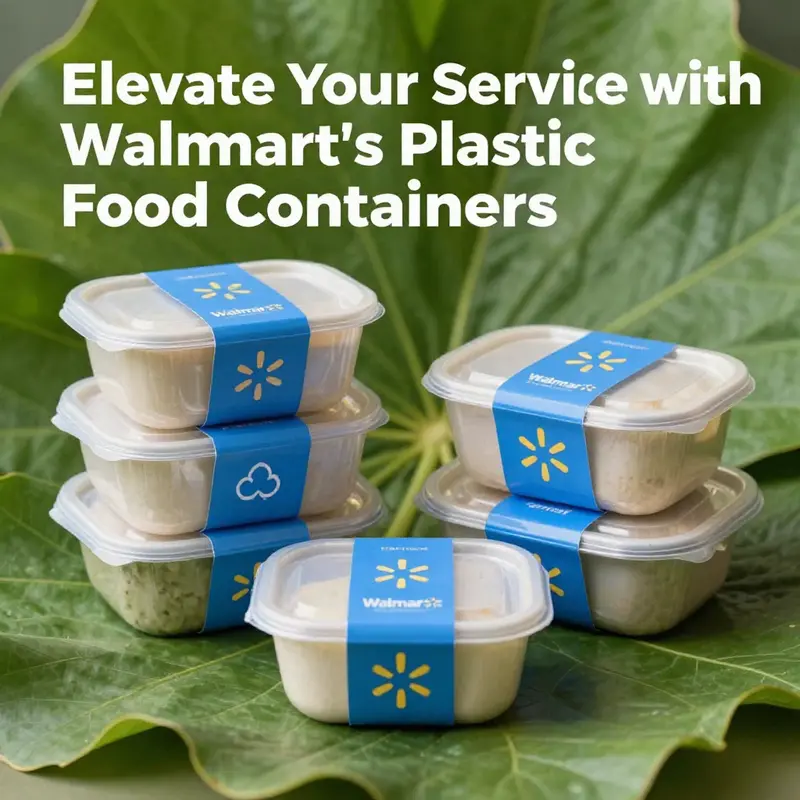
Walmart’s range of plastic food containers sits at the crossroads of convenience and responsibility. Plastic containers are valued for durability, low cost, and versatility. At the same time, they raise urgent questions about waste, resource use, and end-of-life management. This chapter examines how a large retailer’s choices shape the sustainability profile of everyday food containers. It explores material options, lifecycle trade-offs, retail policies, and practical steps consumers can take to reduce impact.
Plastic for food storage has evolved. Current offerings often use food-grade plastics that avoid certain additives. Many containers marketed for food storage are BPA-free and safe for microwave, freezer, and dishwasher use. Those attributes extend product life. Reuse reduces waste from disposable packaging. Yet reuse is only part of a broader story that includes production, transportation, labeling, and disposal.
A central goal for retailers is to shift from single-use thinking to a circular approach. Circularity means keeping materials in productive use. For food containers, this can look like increasing recycled content in new containers, designing parts so they are easier to sort and recycle, and offering compostable alternatives where appropriate. Retailers can also influence collection systems by partnering with recyclers and waste managers. When a retailer promotes reusable or recyclable options, that nudges suppliers and consumers toward better choices.
Not every “eco” label carries the same benefits. Compostable materials can be useful for specific applications, but they require proper facilities. Materials like polylactic acid (PLA) break down under industrial composting conditions. Without access to those facilities, compostable items may linger in landfill environments. That disconnect between product claims and real-world disposal undermines intended benefits. Effective sustainability strategies therefore combine product innovation with infrastructure support.
Design for recyclability matters. That means minimizing mixed materials and avoiding elements that impede sorting. Lids and seals create challenges when they are made from different polymers than container bodies. Clear labeling helps consumers separate components. Choosing a single polymer for both container and lid increases the chance the item will be accepted by municipal recyclers. Using recycled resin in the container itself reduces demand for virgin plastic and helps close the loop. But recycled-content thresholds, compatibility of recycled resins, and food-contact safety standards all require careful testing and supplier transparency.
Retail-led initiatives can accelerate change. A major retailer can set supplier standards that prioritize recycled content, recyclability, and reduced packaging. It can also pilot take-back programs for used containers. Such programs help recover materials that would otherwise be lost to landfill. They provide data on contamination rates and consumer behavior. Insights from pilots guide larger rollouts and partnerships with local recycling entities. By sharing best practices through supplier portals, a retailer can scale improvements across the supply chain.
Alternatives to traditional plastic deserve attention. Reusable containers made from recycled plastic extend usable life and reduce single-use consumption. Plant-based materials, such as certain compostable polymers, offer renewable feedstocks. Non-plastic alternatives, like glass or stainless steel, perform well when durability and long-term reuse are priorities. Each option involves trade-offs. Glass is heavier to transport and more energy-intensive to produce. Stainless steel requires significant material inputs but lasts for decades. Assessing environmental performance requires lifecycle thinking rather than a single metric.
Real-world recycling systems present constraints. Collection varies by region. Even when containers are technically recyclable, local programs may not accept them. Contamination from food residue further limits recycling success. Clear consumer instructions help. Prominent, accurate labeling that aligns with municipal guidance reduces confusion. Retailers can support that clarity by testing packaging for recyclability under common local conditions and by providing disposal guidance on product pages.
Consumers play a vital role in improving outcomes. Choosing reusable containers and avoiding single-use disposables reduces demand for virgin materials. When reusable plastic is selected, its durability and microwave or dishwasher compatibility encourage repeated use. For disposable models, prioritizing compostable or paper-based alternatives makes sense only if composting infrastructure exists locally. If it does not, recyclable options that match local programs may produce better results. Small behaviors, such as rinsing containers before recycling, make a measurable difference.
Transparency and supplier accountability are essential. Retailers can require suppliers to disclose material composition, recycled content percentages, and end-of-life recommendations. Suppliers can validate claims through third-party testing and certification. That improves trust and guides shopper decisions. When retailers publish commitments and progress updates, they make it easier for customers to choose lower-impact options. Open data about packaging weight, material type, and recyclability moves the entire category forward.
Innovation should be pragmatic and measurable. Promises to increase recycled content are valuable when paired with timelines and verification. Pilots in labeling, in-store recycling, and circular partnerships are most effective when they include metrics. Metrics might track pounds of recycled material used, diversion rates from landfill, or consumer adoption of reusable options. Retailers can also collaborate with municipal systems to ensure policy and infrastructure support product shifts. Without that collaboration, well-intentioned product changes can fail to deliver net environmental benefits.
Alternative materials available through retail channels provide practical choices for shoppers seeking lower impact. For takeout and one-time use, paper-based bowls and other fiber-based containers offer a renewable feedstock. When produced with water-resistant coatings that are compostable or readily recyclable, these items can reduce reliance on petroleum-based plastics. For example, biodegradable fiber bowls are an available option for single-use needs. They perform well when collected in composting streams or when designed to be recyclable in local systems. Exploring these options helps households balance convenience with environmental stewardship. (See biodegradable eco-friendly take-away round kraft paper bowl for an example.)
Ultimately, progress hinges on systems thinking. Product design, materials selection, supply chain standards, recycling infrastructure, and consumer behavior must align. A retailer can accelerate improvements by setting clear supplier expectations, investing in circular pilots, and educating shoppers. Consumers, in turn, can favor reusable and recyclable choices, and advocate for better local recycling services. Together, these steps reduce waste and extend the useful life of materials.
Walmart’s commitments reflect this multifaceted approach. Their focus on reducing single-use waste, increasing recycled content, and supporting alternatives shows how a retail strategy can influence material flows at scale. For shoppers, the takeaway is straightforward. Prioritize reusable containers when possible. When disposables are necessary, favor options that match your local disposal infrastructure. Pay attention to labels and choose materials with realistic end-of-life pathways. These choices, multiplied across millions of households, shape the future of food storage packaging.
For more detail on corporate packaging commitments and supplier resources, visit Walmart’s sustainability information.
https://www.walmart.com/sustainability
What Shoppers Really Want from Walmart Plastic Food Containers: Safety, Savings, and Smart Storage

Customer priorities shape product design and purchasing at the grocery and home goods aisle. When shoppers look at plastic food containers on Walmart’s site and in stores, several practical needs guide their choices. They want containers that protect health, simplify routines, and deliver a clear value proposition. These priorities show up repeatedly across product listings: emphasis on safety, versatility for different kitchen tasks, stackable organization, leak protection, and cost savings for families who buy in bulk.
Across descriptions, safety often takes center stage. Many listings promote the absence of harmful chemicals and label containers as BPA-free. That promise reassures people who store meals for children, elders, or for long-term use. Buyers commonly interpret BPA-free claims as a baseline expectation. From a shopping perspective, products that lack clear safety language risk being passed over, even if they offer other advantages. Clear labeling about food-safe plastics, plus instructions for microwave, freezer, and dishwasher use, reduces uncertainty. It also narrows the decision down to features like size, shape, and lid design.
Versatility follows closely. Shoppers favor containers that function across several steps of daily food routines. They want one solution that handles reheating, freezing, and cleaning without extra effort. Listings that highlight microwave-safe, freezer-safe, and dishwasher-safe properties signal convenience. For someone who prepares meals for the week, those claims mean fewer transfers between dishes and less risk of accidental damage. Leakproof lids and secure seals are another key aspect of versatility. Containers that can transport soups or dressings without mishap extend utility beyond the fridge. That utility matters for office lunches, school meals, and takeout-style portions.
Bulk packaging resonates with frequent meal planners and larger households. Many shoppers see value in multi-piece sets that supply a month of lunches or reorganize an entire pantry. Retail assortments that offer sets from small five-piece collections up to 60-piece packs meet a variety of use cases. Bulk packs reduce per-unit cost and remove the need to mix and match sizes from different brands. They also support small businesses and cater to community needs where multiple portions are prepared at once. When bulk options are temporarily unavailable, listings often show they are out of stock, which signals strong demand and can shape purchasing urgency.
Organization and durability pair naturally in consumer expectations. Stackable containers reduce wasted shelf and fridge space. Rigid sides that hold shape, even when packed tightly, help maintain clean stacks and simplify retrieval. Airtight lids preserve freshness and help control odors inside refrigerators. Consumers often describe these physical attributes as the difference between a storage solution and a convenience tool. Durable plastics that resist staining and warping also extend the product lifespan. When buyers read that a set resists discoloration from tomato-based sauces, their confidence in repeated use improves.
Price sensitivity drives many purchases. Promotional pricing, limited-time discounts, and visible per-piece calculations influence choices heavily. Customers often compare sets by size and cost per container, not just by headline price. That means a discounted larger set can outperform several cheaper small packs in buyer preference. Because price matters, retail assortments position value packs and occasional sales to capture budget-conscious shoppers. Listings that include clear savings messaging, or show a former price beside a discounted rate, help shoppers rationalize larger purchases.
Environmental considerations are increasingly part of the decision process. Some shoppers prefer long-lasting plastic for repeated use. Others seek alternatives that reduce single-use waste. Within the plastic category, the ability to clean and reuse containers is a practical environmental benefit. Clear labeling about recyclability, material composition, and expected lifespan helps shoppers align products with their values. For those open to non-plastic options, a comparison often appears in their decision matrix. Paper-based bowls and compostable packaging are common alternatives for single-use needs, while glass receives attention for durability and heat resistance. For shoppers exploring non-plastic options, consider this example of a disposable kraft paper bowl for food package with lid as a compostable alternative.
Shopping behavior also reflects the role of convenience. Buyers weigh ease of opening lids, clarity of nesting, and the predictability of storage space. Lids with simple click locks or twist seals remove friction during daily use. Containers that nest inside each other when empty save cabinet space. When lids are stackable on their own, they simplify reassembly after washing. Small details like textured lids, translucent walls for content recognition, and printed capacity markings affect perceived usability. Listings that describe these thoughtful features better match buyer expectations.
Product photography and descriptive specifications shape trust. Clear photos that show lids closed, containers stacked, and scale relative to common items reduce hesitation. Detailed specs—internal dimensions, fluid ounce capacities, and clear guidance on temperature limits—help buyers predict real-world performance. Without clear specs, shoppers imagine worst-case scenarios. A container labeled microwave-safe but missing maximum temperature guidance leaves doubts. Providing use-case scenarios in descriptions can help: examples like portioning meals for adults, packing baby food, or freezing single servings give clarity.
Retail assortments that cover a range of sizes and lid styles capture a broader audience. Some buyers need meal-prep compartments, while others need large mixing bowls with lids. Versatile collections that include multiple shapes and capacities provide immediate solutions for diverse tasks. Shoppers appreciate mix-and-match sets, where a single purchase supplies containers for snacks, entrees, and bulk storage. This flexibility reduces the need for additional purchases later.
Customer service and return policies influence online purchases. When warranties or return options are visible, shoppers feel safer choosing less familiar items. In e-commerce, rapid restocking updates and clear out-of-stock notices shape urgency. Listings that include packing lists and exact piece counts lower the risk of disappointment. For repeat buyers, subscription-style replenishment options for disposable liners or replacement lids strengthen loyalty.
Maintenance advice and practical usage tips add value. Simple care instructions, such as how to avoid lid warping, what detergents to avoid, or whether to allow hot food to cool before sealing, reduce user errors. Buyers often look for guidance on stain removal and how to handle greasy residues. Educational content that pairs with a listing turns a container from a commodity into a reliable kitchen tool. It also extends perceived lifespan and improves post-purchase satisfaction.
Finally, trade-offs matter. Lower-priced plastics often mean thinner walls and a shorter lifespan. Premium plastics can resist stains, handle thermal stress, and maintain seals longer. Some shoppers prefer to pay more for durability, while others prioritize immediate savings. By presenting clear comparisons and emphasizing the primary use case—short-term disposable packaging or durable long-term storage—retailers can help buyers choose more confidently.
The shopper insights present a coherent picture. Buyers seek safety, convenience, and value. They want containers that reduce friction in daily routines, protect health, and organize space efficiently. Retail assortments that address these needs through clear labeling, versatile products, bulk options, and transparent pricing perform best. For those exploring alternatives to plastic for single-use meals and events, compostable paper bowls provide a practical option. For further browsing and inventory updates, shoppers often check the retailer’s product pages directly: https://www.walmart.com
These combined preferences explain why certain product features appear consistently across listings. A clear alignment between customer needs and product design reduces returns and increases satisfaction. For manufacturers and retailers, listening to these priorities informs better packaging, clearer descriptions, and smarter promotions. For shoppers, understanding what to look for shortens decision time and increases the likelihood of a purchase that fits daily life.
Final thoughts
Walmart’s plastic containers for food provide a multitude of options that cater to the diverse needs of food service businesses. From supporting meal prep to ensuring freshness during transport, these containers not only enhance organization but also contribute positively to sustainability efforts. Understanding the benefits and insights from real users equips procurement teams, event planners, and food businesses with the knowledge needed to make informed decisions. Choosing the right food storage solutions ultimately leads to improved efficiency and customer satisfaction in every operational context.