
Introduction to Monosodium Glutamate (MSG)
Monosodium glutamate, often referred to as MSG, is a flavor enhancer commonly used in the food industry to improve the taste of various dishes. It is particularly popular in Asian cuisine, where it enhances the umami flavor profile-one of the five basic tastes, alongside sweetness, sourness, bitterness, and saltiness. MSG is not just limited to restaurants; it’s also widely used by food trucks, catering services, and bubble tea shops to create flavorful beverages and snacks that appeal to a broad audience.
For bubble tea shops and restaurants aiming to stand out in a competitive market, understanding and utilizing MSG can be a game-changer. This ingredient allows for a remarkable depth of flavor, making drinks and food items not only more enjoyable but also more memorable for patrons. Additionally, event planners and corporate procurement teams often seek flavorful, enjoyable meals that accommodate different tastes and preferences, making MSG a relevant consideration in menu planning. As such, the application of MSG spans various culinary contexts, promising potential benefits for those in the foodservice industry. To explore eco-friendly alternatives for your food packaging needs while incorporating flavors that enhance your dishes, check out our collection of paper packaging solutions.
Making informed choices about flavors and ingredients can elevate your offerings, providing a more satisfying experience for your customers.
The Benefits of Using MSG in Food
Monosodium Glutamate (MSG) is a flavor enhancer that has been widely used in various cuisines around the world. Its primary benefit lies in its ability to intensify the savory quality known as umami, which is fundamental in many dishes. By enhancing this flavor profile, MSG not only improves taste but also transforms the dining experience, making meals more enjoyable and satisfying.
Flavor Enhancement
MSG works by stimulating specific taste receptors on the tongue, particularly those associated with umami. This results in a richer, fuller flavor profile and can be especially beneficial in dishes that may otherwise taste bland. For instance:
- Soups and Stews: Adding MSG can elevate the flavor of these comforting foods, making them more appealing.
- Vegetable Dishes: Incorporating MSG can counteract the natural blandness of many healthy vegetables, encouraging diners to embrace healthier options.
When used appropriately, MSG can also reduce the need for additional salt, making it a great choice for health-conscious individuals learn more about MSG here.
Menu Offerings for Beverage Chains and Food Trucks
For beverage chains and food trucks, incorporating MSG into menu items can bring significant advantages:
- Diverse Flavor Profiles: MSG can be utilized in marinades, dressings, and sauces, making it easier to create unique flavor combinations that stand out to customers.
- Enhanced Taste of Beverages: In drinks like bubble tea, MSG can accentuate the flavors of additives like fruit syrups or matcha, creating a more immersive taste experience that can attract repeat customers.
- Cost Efficiency: By enhancing flavors without relying heavily on expensive ingredients, MSG can help food trucks and beverage businesses maintain quality while managing costs effectively.
Overall, MSG is not only a versatile ingredient that can enhance flavor but also plays a crucial role in optimizing menu offerings for food service businesses. As the demand for flavorful yet health-conscious choices grows, embracing ingredients like MSG can prove to be advantageous for many food entrepreneurs.
Common Foods Containing MSG
Monosodium glutamate (MSG) is a popular flavor enhancer used in many cuisines around the world. It is commonly found in various foods that could be appealing for menus in bubble tea shops, restaurants, food trucks, and catering services. Here’s a list of some common foods that contain MSG:
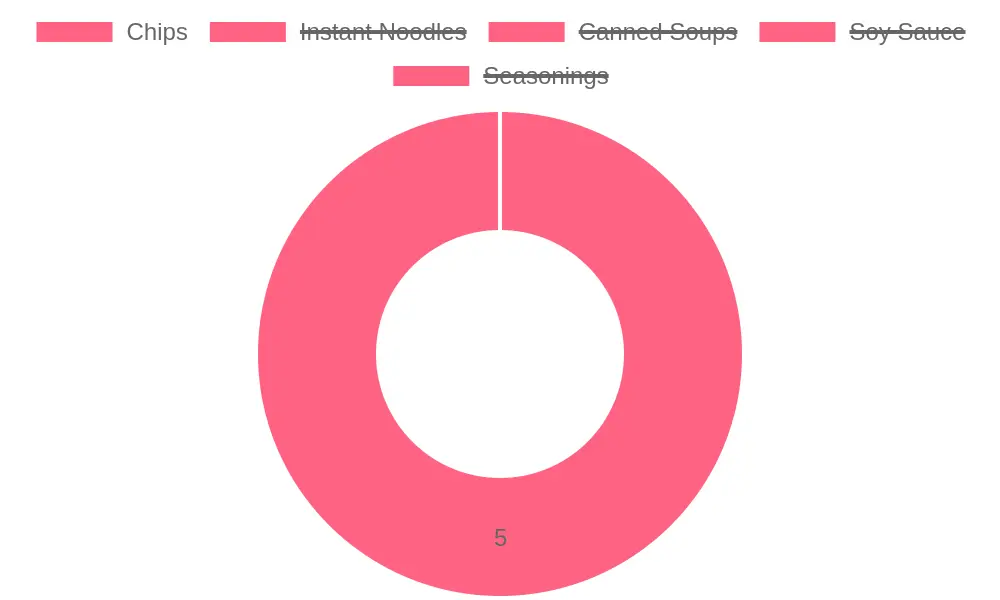
- Processed Meats: Hot dogs, sausages, and deli meats often contain MSG for enhanced flavor.
- Snack Foods: Chips, popcorn, and savory crackers may be seasoned with MSG to boost their taste.
- Instant Noodles: Many brands use MSG in their seasoning packets to add a savory flavor.
- Canned Soups: MSG is frequently added to enhance the flavor profile of canned soups.
- Sauces and Condiments: Soy sauce, teriyaki sauce, and salad dressings commonly contain MSG.
- Frozen Meals: Many frozen dinners use MSG to improve their taste and appeal.
- Restaurant Dishes: Some popular dishes in Chinese and Asian restaurants, like stir-fries and fried rice, may contain MSG.
Using MSG in your menu items can bring a burst of umami flavor, making them more appealing to customers. For your packaging needs, consider our paper bowls that are perfect for serving these delicious offerings!
Understanding the Safety of Monosodium Glutamate (MSG)
Monosodium glutamate, commonly known as MSG, has long been a subject of controversy regarding its safety in food consumption. Recent studies continue to explore its effects, often leaving both consumers and professionals in the food industry questioning the facts.
What the Research Says
-
U.S. FDA Perspective
According to the Mayo Clinic, the U.S. Food and Drug Administration (FDA) recognizes MSG as a safe food ingredient when consumed in typical amounts. While some individuals report sensitivity reactions, these instances are not widespread enough to deem MSG unsafe for the general population. -
Comprehensive Reviews
A recent review by ToxStrategies has examined the safety of MSG as a food additive, assessing its historical context along with the findings of various studies. The review emphasizes the extensive use of MSG in dishes, particularly in Asian cuisines, and its safety status. -
European Assessments
The European Food Safety Authority (EFSA) conducted a study that concluded MSG is safe for human consumption. It states that there are no significant health risks associated with MSG when ingested in normal quantities (EFSA Journal). -
Ongoing Controversies
Despite these affirmations, discussions around MSG are not entirely settled. An article from Medical News Today points out that while many studies validate the safety of MSG, there remain concerns about potential health effects for a minority of the population. These contradictions create a gray area that food businesses must navigate carefully.
Conclusion
For businesses in the food service industry, including bubble tea shops, restaurants, and catering services, understanding the implications of using MSG is essential. While the consensus among health authorities leans towards its safety for general consumption, addressing customer concerns transparently can enhance trust and satisfaction. Therefore, staying informed about the latest research on MSG can allow you to provide safe and delicious offerings without hesitation from customers.
To ensure the best presentation of your dishes, consider utilizing high-quality paper packaging for take-out or dine-in services, which enhances your brand’s image while being environmentally friendly.
Sourcing MSG Wholesale for Your Business
When it comes to integrating monosodium glutamate (MSG) into your product offerings, sourcing it in bulk can be a vital step for your food business. Here are some important insights and tips on how to effectively procure MSG for your bubble tea shop, restaurant, or catering service.
Potential Suppliers
There are several reliable suppliers where you can source MSG in bulk:
- TradeWheel: This platform provides a marketplace for bulk MSG suppliers and wholesalers, featuring products sourced from reputable manufacturers.
- Accio: Accio offers access to verified suppliers of MSG, ensuring competitive pricing and quality products for bulk purchases.
- Global Sources: Here, you’ll find various MSG manufacturers that emphasize factory prices and bulk options, connecting businesses to cost-effective seasoning solutions.
- SST: A prominent supplier in the UAE specializing in the export of high-quality MSG in compliance with industry standards.
Factors to Consider When Purchasing
Before making a purchase, consider the following factors:
- Certifications and Quality: Look for certifications such as USP (United States Pharmacopeia) to ensure quality and safety. Opt for brands with reputable stands in the market (Black Atlantic).
- Ingredient Composition: Check the ingredient list to avoid allergens. Ensure that you are not intolerant or allergic to MSG.
- Dietary Restrictions: Pay attention to certifications like kosher or halal, especially if your customer base has specific dietary needs.
- Supplier Reputation: Investigate the supplier’s standing by reading reviews and seeking recommendations.
By sourcing high-quality MSG and considering these factors, your food business can enhance flavor profiles effectively while meeting the needs of diverse clientele. For more products that complement your offerings, you can explore our paper packaging options.
Comparing Key Suppliers of Monosodium Glutamate (MSG)
When it comes to sourcing monosodium glutamate (MSG), it’s essential to evaluate different suppliers based on price, delivery options, and product range. Below is a detailed comparison of several key suppliers to help you make an informed decision:
| Supplier/Manufacturer | Price (per unit) | Delivery Options | Product Range | Source |
|---|---|---|---|---|
| 21Food | Negotiable | Within 25 days | MSG: 99%, 80%, 70% | link |
| ACCIO | Competitive Pricing | Fast delivery | Food-grade MSG | link |
| Alibaba | Trade Assurance | Shipping from China | Factory direct supply MSG, 99% purity | link |
| Made-in-China | Not Specified | B2B Supply | Monosodium Glutamate Manufacturers & Suppliers | link |
| TradeIndia | Price Not Specified | Varies by manufacturer | Monosodium Glutamate from multiple suppliers | link |
| ExportHub | $1.81 /Metric Ton | Quick Shipment | Bulk MSG, variations available | link |
| Globalsources | Factory Prices | Direct Sourcing | Different grades and sizes of MSG | link |
| Chemger | Not Specified | Global distribution | Monosodium Glutamate as food additive | link |
| EC21 | Varies by seller | Competitive Pricing | Various quality options | link |
| GNF Chemical | Not Specified | Accept OEM/ODM | Range of food additives including MSG | link |
This table allows you to quickly assess which supplier might best suit your needs based on pricing and service offerings. For more information on paper packaging for your products, you can learn more about our paper bowl options.
Additionally, expect competitive pricing and a variety of options when considering orders. Don’t forget to check availability and request quotes to ensure you get the best deal possible!
Alternatives to MSG for Flavor Enhancement
For those looking to avoid monosodium glutamate (MSG) while still enhancing the flavor of their dishes, several alternatives can achieve similar savory effects. These alternatives are not only effective but also often come with health benefits, making them an appealing option for chefs and food service providers alike.
Yeast Extracts
Yeast extracts have become increasingly popular as a natural substitute for MSG. They are derived from yeast proteins and provide a rich umami flavor, similar to what is achieved with MSG, but without the potential sensitivity issues that some people may have. Yeast extracts can enhance the taste of soups, sauces, and seasonings, adding depth and richness to various dishes.
- Health Benefits: According to Healthy Home Economist, while yeast extracts do contain some glutamate, they are generally seen as safer for those who are sensitive, as they are derived from natural sources and contain nutrients such as B vitamins.
Natural Seasonings
Natural seasonings and spices provide another avenue for flavor enhancement. Options such as garlic powder, onion powder, and herbs like basil and oregano can add complexity and depth to dishes without any additives. These ingredients not only provide flavors but also come with additional health benefits, boosting the nutritional profile of meals.
- Utilization Tips: Experimenting with a blend of herbs and spices can create unique flavor profiles. As suggested in the article from Food Scan Genius, combining different natural seasonings can replicate that umami taste and make dishes more appealing.
Umami-Rich Foods
Incorporating naturally umami-rich foods such as mushrooms, tomatoes, and fermented products like miso and soy sauce can enhance flavor significantly without resorting to MSG. These foods can easily be integrated into various recipes, offering an exciting alternative that appeals to health-conscious consumers.
- Enhancing Culinary Practices: It’s important for restaurants and food trucks to be aware of their flavoring options, promoting dishes that utilize natural enhancements. As discussed in sources like Tenger Chemical, many chefs are now looking to flavor enhancers derived from natural ingredients, which not only meet dietary preferences but also resonate well with today’s informed diners.
Conclusion
In today’s competitive food and beverage industry, the inclusion of monosodium glutamate (MSG) as a flavor enhancer in trendy offerings can significantly elevate customer satisfaction. As discussed, MSG is celebrated for its ability to amplify umami flavors, making it a staple in numerous culinary traditions, particularly in fast food and Asian cuisine. This makes it a vital consideration for bubble tea shops, restaurants, food trucks, and catering services aiming to deliver delicious and memorable dining experiences. Furthermore, while concerns about MSG’s health impacts have been raised, reputable sources assert it is generally regarded as safe when consumed in moderation. Still, staying informed about customer preferences and ongoing research will help businesses tailor their menus responsibly. By artfully incorporating MSG alongside quality ingredients and sustainable packaging options-such as those from Green Dispo Pack’s paper packaging solutions-businesses can cater to the evolving tastes and health consciousness of their clientele. Embracing MSG wisely not only enriches flavor profiles but also enhances the overall appeal of food offerings, ensuring a competitive edge in the marketplace.
Choose Eco-Friendly Disposable Tableware
As interest in food products containing Monosodium Glutamate (MSG) continues to rise, bubble tea shops, restaurants, and catering services must consider the packaging that aligns with their menu offerings. The global monosodium glutamate market is projected to reach $9.2 billion by 2028, driven by increasing demand across various applications in the food industry. This presents an opportunity to elevate customer experience not only through flavor but also through presentation and sustainability.
At Green Dispo Pack, we understand the growing need for effective and eco-friendly disposable tableware solutions. Our range of sugarcane tableware is not just functional but also perfect for those looking to serve flavorful dishes while caring for the environment. With rising hygiene awareness and demand for convenience, our products meet modern expectations for health and sustainability.
Order your disposable tableware and packaging solutions today! Explore options like our paper bowls and sugarcane cups to find the perfect fit for your MSG-infused offerings. Together, let’s deliver delicious food experiences while caring for the planet.