
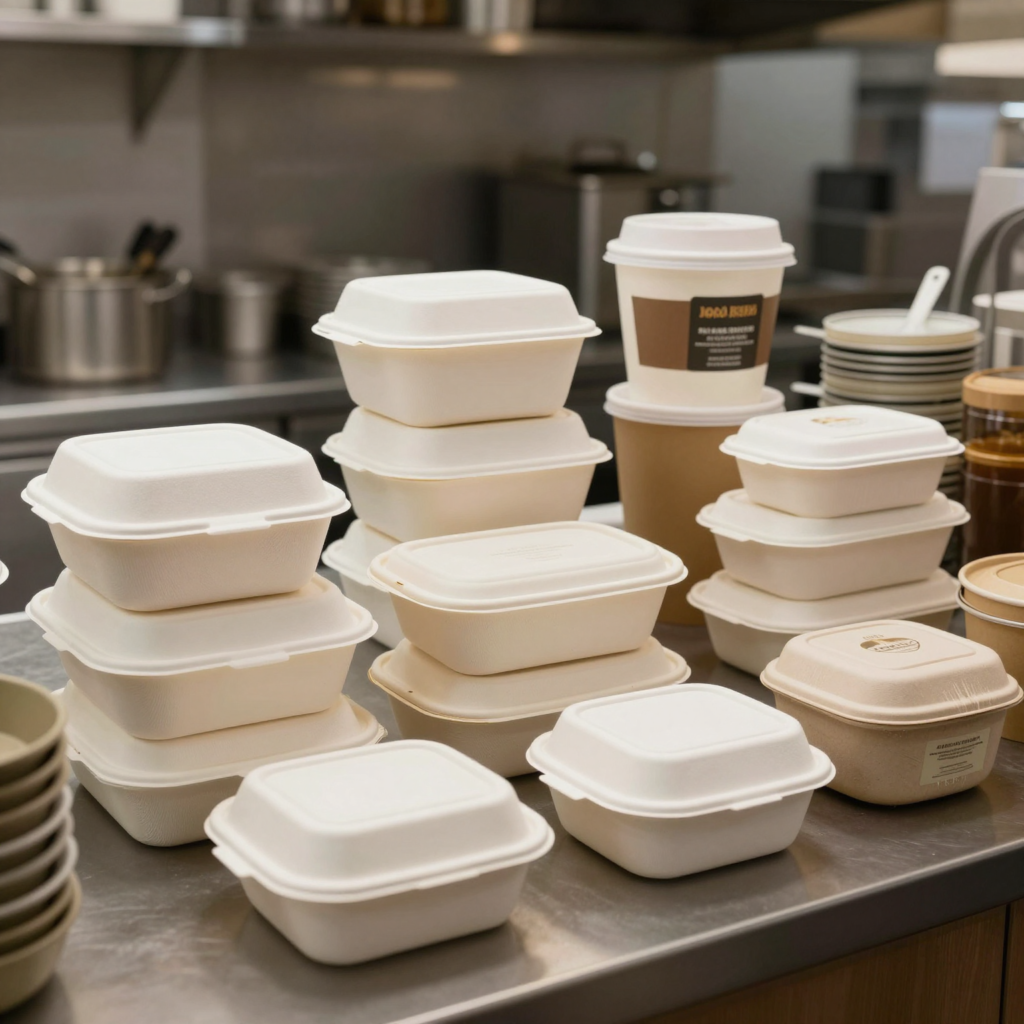
In the fast-paced foodservice industry, the role of disposable fast food containers cannot be overstated. As consumer expectations evolve, the need for reliability, safety, and eco-friendliness becomes paramount. These containers not only ensure the safe transport of food, minimizing the risks of contamination, but also streamline operations in bustling environments like restaurants, food trucks, and catering services. The emergence of disposable tableware made from food-safe materials, such as PLA and recycled plastics, addresses both hygiene and environmental concerns. With a significant shift towards sustainable practices in response to consumer demand, businesses are now prioritizing food safety alongside eco-consciousness. This dual focus not only meets regulatory standards but also enhances customer satisfaction-an essential factor for success in today’s competitive market. Learn more about food safety in disposable containers and explore eco-friendly options.
Benefits of Using Disposable Fast Food Containers
Disposable fast food containers offer numerous advantages, particularly for restaurants, food trucks, and catering services. Here are five key benefits:
-
Convenience: Disposable fast food containers are lightweight and compact, making them easy to handle and transport. They are perfect for quick service environments where speed is essential. With options like 3-compartment food containers, businesses can efficiently serve multiple items in one package.
-
Safety: These containers are designed to withstand high temperatures and prevent leaks, ensuring that food stays secure during transport. Materials like polypropylene and biodegradable PLA enhance safety, keeping food fresh and uncontaminated.
-
Eco-Friendliness: Many disposable containers are now made from biodegradable materials like sugarcane and recycled paperboard, significantly reducing plastic waste. In fact, the global market for compostable food containers is projected to reach $12.4 billion in 2023, reflecting growing eco-consciousness among consumers.
-
Cost-Effectiveness: Using disposable containers can lower costs associated with washing and reusing traditional dishware, especially for businesses with high turnover.
-
Versatility: Available in various sizes and shapes, these containers cater to a wide range of food types, from soups to salads, ensuring suitability for diverse menus.
In recent years, the demand for eco-friendly disposable food containers has skyrocketed, driven by increased consumer awareness of environmental issues and sustainability practices. As bubble tea shops, restaurants, food trucks, and catering services look for greener alternatives, understanding recent trends in materials and market demand is crucial.
Materials Used
A variety of materials are now leading the charge in eco-friendly disposable containers:
-
Bioplastics: Derived from renewable resources, such as corn starch and sugarcane, bioplastics are fully compostable and represent a sustainable solution for disposable containers. Innovative products made from these materials are designed for usability, capable of tolerating high temperatures (up to 248°F) and are often microwave and freezer safe (Eco-Friendly Food Packaging Explained).
-
Recyclable and Recycled Materials: The demand for recyclable packaging has grown, with manufacturers developing products made from recycled paper and plastics. For example, kraft paper containers offer a durable solution for soups and salads, combining water and grease resistance with eco-friendliness (Kraft Paper Container Overview).
-
Molded Pulp Containers: Made from recycled paper or sugarcane bagasse, these biodegradable containers are gaining popularity for their robust nature and compostable properties, making them an excellent choice for eco-conscious businesses.
Sustainability Practices
Sustainability is at the heart of modern packaging solutions. This includes:
-
Compostability: Many new products are certified compostable, breaking down into organic materials that enrich the soil. This shift not only reduces landfill waste but also promotes a circular economy.
-
Reducing Plastic: The awareness of plastic pollution has led to a significant decline in single-use plastics. Industries are moving towards biodegradable options that provide the same functionality without harming the environment.
-
Consumer Education: As more consumers demand sustainable options, companies are investing in educational campaigns to highlight their environmentally friendly practices, encouraging customers to embrace eco-conscious choices in everyday consumption.
Market Demand
The global market for eco-friendly disposable containers is projected to reach $223.8 billion by 2023. This market is expected to grow at a compound annual growth rate (CAGR) of 3.4% by 2030, indicating a robust demand for sustainable practices in the food industry. According to McKinsey & Company, biodegradable packaging materials are increasingly viewed as viable replacements for traditional options like Styrofoam, reflecting consumers’ shift towards sustainable solutions.
Conclusion
The movement towards eco-friendly disposable food containers is not just a trend; it is an essential step in combating climate change and promoting sustainability in fast food and catering services. By utilizing biodegradable materials and adopting sustainable practices, businesses can not only meet consumer demands but also contribute positively to the environment. As the market continues to grow, staying informed about these shifts will be vital for bubble tea shops, restaurants, and food service providers aiming to be at the forefront of sustainable dining.
By embracing these eco-friendly options, businesses can lead the way in promoting greener practices while catering to an increasingly environmentally conscious audience.
Comparing Disposable Containers
When choosing disposable containers for your business, it’s essential to understand the different options available. Below is a comparison of three popular types: plastic, paper, and biodegradable containers. Each type varies in cost, materials, durability, and eco-friendliness, providing insights to help you make informed decisions.
| Type | Cost (per unit) | Materials | Durability | Eco-Friendliness |
|---|---|---|---|---|
| Plastic | $0.05 – $0.15 | Polypropylene (PP), PET | Very durable, moisture resistant | Low; contributes to plastic waste. |
| Paper | $0.02 – $0.04 | Recycled paper or board | Good for dry foods; limited liquid resistance | Moderate; recyclable but often coated with plastic. |
| Biodegradable | $0.10 – $0.30 | PLA (cornstarch), bagasse | Lower heat tolerance; sensitive to moisture | High; compostable under industrial conditions (90-180 days). |
For more information on eco-friendly options, check out compostable paper cups made in China or learn about custom plastic forming machines for disposable bowls.
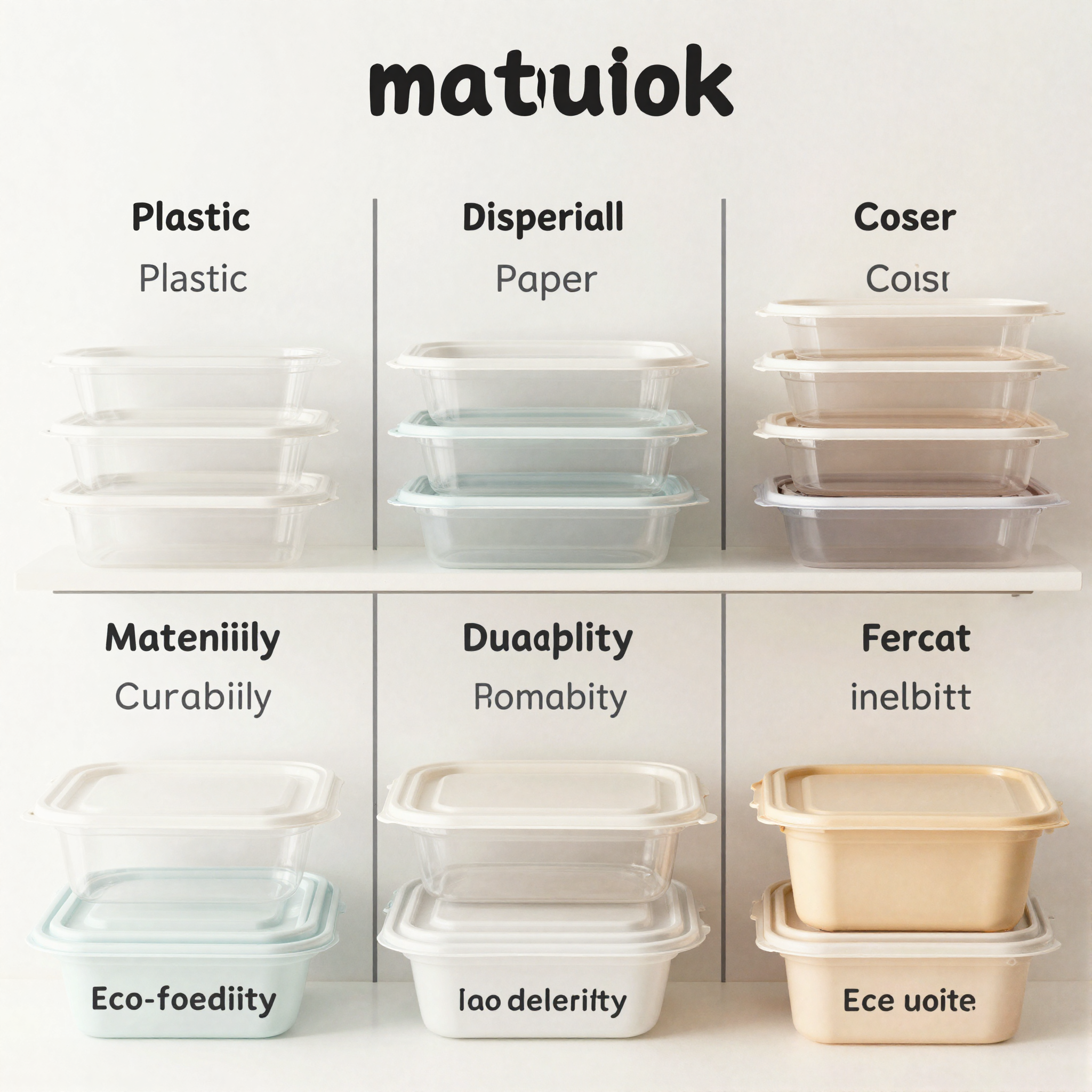
This table helps you evaluate the best container option suited for your specific needs.
Safety Standards for Disposable Fast Food Containers
When it comes to disposable fast food containers, safety is paramount. These containers need to comply with various food safety regulations to ensure that the food served remains uncontaminated and safe for consumption. In many regions, disposable food containers must adhere to specific standards, such as those outlined by government bodies like the U.S. Food and Drug Administration (FDA) or relevant food safety authorities in other countries. For example, the GB/T 42762-2023 standard regulates the technical requirements for day-to-day disposable container products that come into contact with food, specifying the necessary safety tests and material properties to be upheld.
Key Food Safety Regulations
The regulations emphasize several safety criteria:
- Material Safety: Containers must be made from materials that do not leach harmful substances into food. This includes compliance with standards related to plastic usage and additives, ensuring that products are free from harmful chemicals like BPA (Bisphenol A).
- Temperature Resistance: Many regulations require that disposable containers can withstand certain heat levels without deforming or releasing toxins (e.g. able to sustain up to 95°C for hot liquids).
- Hygiene Standards: The production and distribution processes must be carried out in hygienic conditions to prevent contamination. This includes maintaining clean facilities, pest control, and ensuring that all staff are adequately trained in food safety practices.
As a result, certifications like ISO 9001 play a crucial role in the quality assurance processes in food packaging. This certification ensures that manufacturers have established a quality management system, which promotes consistent product quality and safety. Regular audits help to identify any inconsistencies or areas for improvement, fostering a proactive approach to quality control that bolsters customer trust.
Quality Assurance Processes
Quality assurance in food packaging is not just a check at the end of the production line; it entails a comprehensive approach that begins with the selection of raw materials that meet international safety standards (e.g., FDA, EU). Key aspects include:
- Supplier Audits: Conducting rigorous evaluations of suppliers to ensure they are capable of providing safe materials.
- Incoming Inspection: Assessing the raw materials upon arrival for compliance with safety and specification standards.
- In-Process Control: Monitoring production processes to ensure that quality standards are met at every stage. This could include regular checks on sealing integrity and migratory testing of materials.
By investing in rigorous quality assurance processes, food businesses can reinforce customer confidence, ensuring that the disposable fast food containers they use not only meet safety standards but also enhance the overall dining experience.
For further information about the manufacturing and safety features of disposable containers, explore our collection of disposable products that prioritize safety and quality.
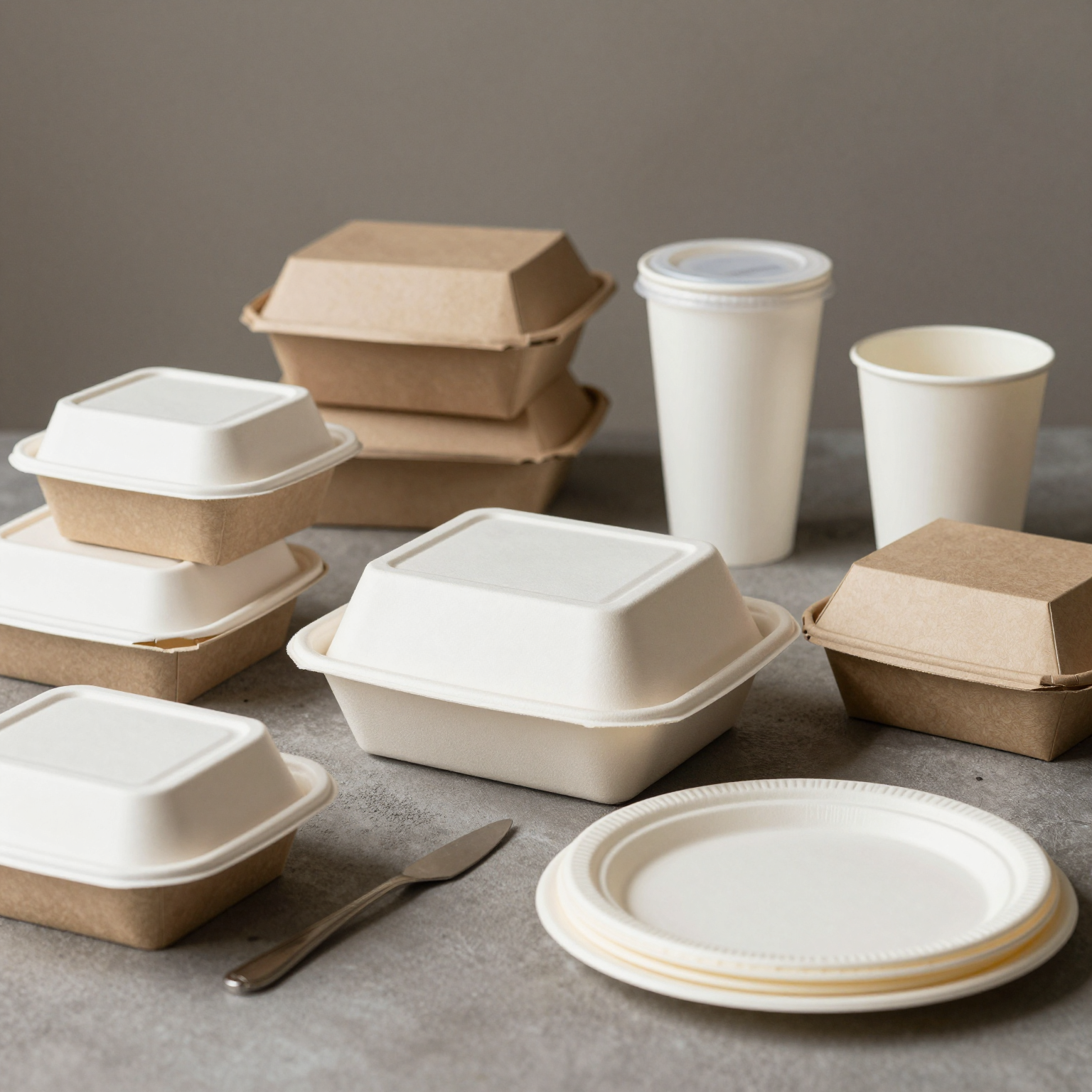
“I’ve had coffee spill through a cheap cup before-now I only buy from brands that use thicker, food-safe materials.”
- Satisfied Customer, Source: Packaging Digest
In conclusion, the significance of high-quality disposable fast food containers cannot be overstated. These containers are essential for maintaining food safety and enhancing customer satisfaction, particularly in fast-paced environments like restaurants, food trucks, and catering services. As we’ve discussed, opting for eco-friendly solutions not only reduces environmental impact but also ensures that your food packaging is free from harmful substances, providing a safer choice for both your customers and the planet. By selecting products that meet these standards, you can enhance your brand’s reputation while contributing positively to sustainability efforts. We invite you to explore Green Dispo Pack’s range of disposable packaging solutions and see how our offerings can meet your needs while supporting a greener future. Don’t hesitate to contact us to find the perfect containers for your food service operation!
In the evolving landscape of food service, adopting eco-conscious practices in the manufacturing of disposable containers has become not just a trend, but a necessity. Businesses, particularly bubble tea shops, beverage chains, restaurants, food trucks, catering services, event planners, and corporate procurement teams, can significantly impact the environment through their choices. Here’s how:
Sourcing Sustainable Materials
Sourcing sustainable materials is fundamental to eco-friendly manufacturing practices. Many manufacturers are now using plant-based bioplastics, such as polylactic acid (PLA) derived from corn starch, as a substitute for traditional petroleum-based plastics. These materials decompose more readily and have a far lower carbon footprint, especially when managed through proper composting processes. Moreover, innovations such as molded fiber containers made from agricultural residues like bamboo and sugarcane bagasse are becoming popular due to their biodegradability and lower energy requirements during manufacturing. According to a study published in the Sustainability Journal, these advancements provide substantial environmental benefits, making them preferable for modern food service operations (learn more about sustainable materials).
Reducing Waste During Production
Another significant practice in eco-conscious manufacturing is the reduction of waste during production. Efficient manufacturing processes can significantly minimize material waste. Techniques such as closed-loop production systems allow manufacturers to recycle leftover materials back into the production line. Additionally, implementing precision manufacturing techniques can reduce excess materials and defects, linking closely to both waste reduction and cost savings. By embracing technologies that enhance efficiency and cut down on waste, manufacturers not only save resources but can also reduce their overall environmental footprint.
Eco-Friendly Packaging Innovations
Recent trends highlight the growing demand for packaging innovations that do not compromise on safety and performance. For instance, new PFAS-free barrier coatings for paper-based containers, introduced by companies like Solenis, cater to consumer demand for safe and sustainable food packaging. These developments ensure that containers are effective for food service without the environmental detriments typically associated with potentially hazardous chemicals (discover PFAS-free options):
Conclusion
Adopting eco-conscious practices in the manufacturing of disposable containers is crucial for the future of food service. By focusing on sustainable material sourcing and reducing production waste, businesses can play a pivotal role in fostering environmental sustainability. As consumer awareness continues to grow, organizations that prioritize these practices are likely to see increased loyalty and support from their clientele who value ethical consumption choices. Transitioning to eco-friendly packaging is not just beneficial; it’s becoming a requirement in today’s environmentally conscious market.
By embracing these practices, providers can effectively contribute to a healthier planet while meeting the demands of their environmentally aware customers.
Disposable fast food containers have rapidly gained traction in the restaurant and foodservice industries due to their convenience, efficiency, and positive impact on business sustainability. Here are three notable case studies that highlight how businesses have successfully leveraged disposable containers to enhance their operations and customer satisfaction.
1. Fast-Casual Chain Transitions to Compostable Containers
A major fast-casual restaurant chain in North America made a significant shift from traditional reusable containers to certified compostable disposable options for all takeout orders. According to a case study published in the Sustainable Foodservice Journal:
- Operational Efficiency: The restaurant reported a 40% reduction in cleaning labor and a 35% decrease in water usage.
- Reduced Carbon Footprint: The company achieved a 28% reduction in carbon emissions within just one year.
- Customer Satisfaction: Improvements in food temperature retention and a leak-proof design contributed to increased customer satisfaction scores, particularly for soups and sauces.
This shift not only better aligned with environmental goals but also provided a measurable ROI in terms of operational costs and customer loyalty.
2. Meal Kit Delivery Service Enhances Freshness and Branding
A leading U.S. meal kit provider implemented custom-designed disposable containers that featured integrated insulation layers and branded lids, as described in a case study from Packaging Digest:
- Food Freshness: These insulated containers ensured food freshness during transit for up to 72 hours, crucial for maintaining customer satisfaction.
- Cost Reduction: By using a Zhejiang-based manufacturer, the company achieved 15% cost savings while enhancing brand visibility through attractive packaging.
- Increased Sales: The company observed a 30% increase in repeat customer orders over six months, demonstrating the effectiveness of branding in disposable packaging.
By showcasing the products uniquely and providing assurance of quality, this company significantly elevated its market position.
3. Food Truck Optimization with Leak-Proof Soup Cups
In a case highlighted by the National Restaurant Association Insights, a mobile food truck specializing in ramen adopted innovative leak-proof disposable soup cups, which allowed for higher operational scalability at large events. Key outcomes included:
- Event Expansion: The food truck saw a 50% increase in event bookings after introducing reinforced, heat-resistant cups.
- Increased Average Orders: The perceived premium nature of the packaging contributed to a 25% rise in average order value.
These cups were engineered with press-fit designs for ease of use and transportation safety, elevating the overall dining experience for customers and enabling the vendor to reach larger audiences.
Conclusion
The benefits of using disposable fast food containers extend beyond mere convenience. As demonstrated in these case studies, businesses can achieve significant operational efficiencies, enhance brand visibility, and improve customer satisfaction-all contributing to greater profitability. The growing trend towards sustainable and innovative packaging solutions confirms the role of disposable containers as vital assets in the foodservice industry.
For more insights on how disposable containers can optimize your foodservice operations, learn more about custom plastic forming machines for disposable bowls or explore our range of 16 oz clear plastic cups designed for various applications.