
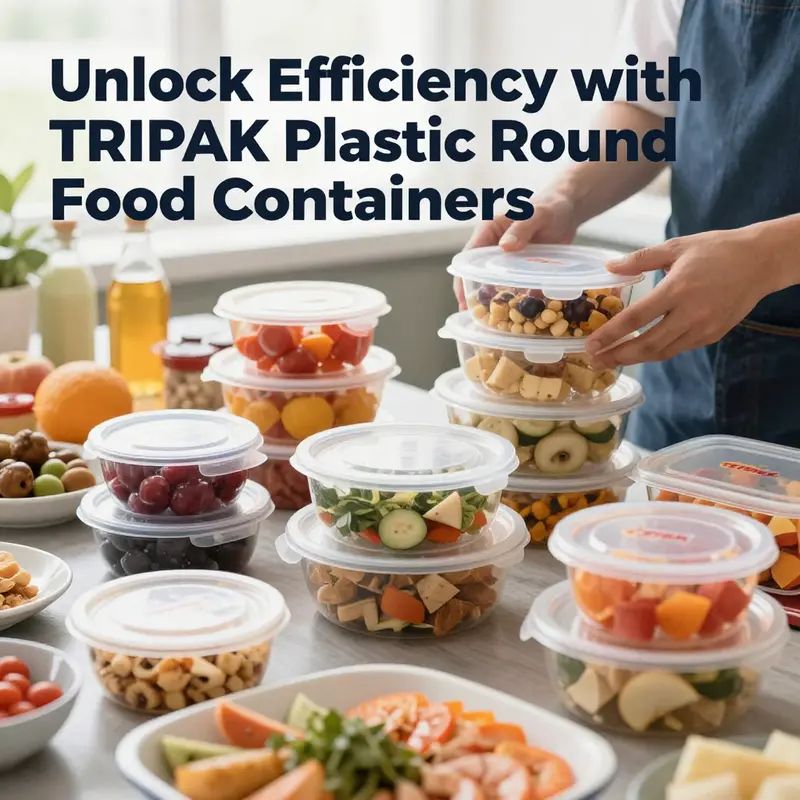
In the bustling world of food service, efficiency and reliability are key. TRIPAK’s 32 oz plastic round food containers, safe for both microwave and dishwasher, stand out as an essential tool for various food businesses including bubble tea shops, restaurants, food trucks, and catering services. These containers not only offer superior performance but also boast user-friendly features that cater to the dynamic needs of food professionals. Throughout this article, we’ll explore the unique features of these containers, the benefits for users, compare them to other brands, address environmental impacts, and provide usage guidelines to optimize their potential in your operations. Each chapter provides insights that will help you understand why TRIPAK food containers can streamline your food service experience while maintaining quality.
From Reheat to Ready-to-Go: The Practical How and Why of Round, Microwave- and Dishwasher-Safe Plastic Containers
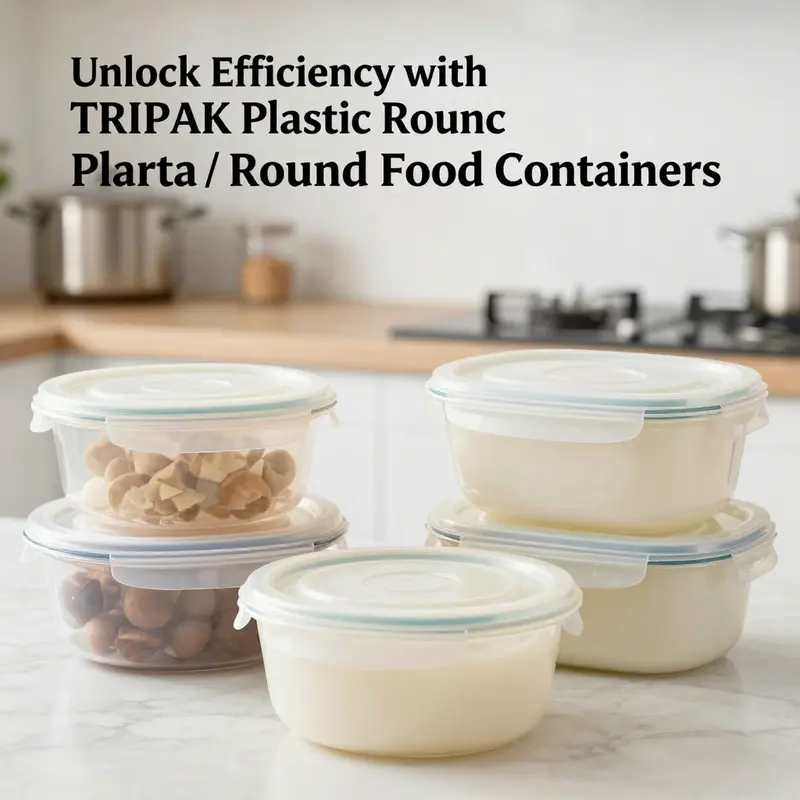
A simple round plastic container may seem like a mundane workhorse in the kitchen, yet its design threads through several essential daily rituals. It holds leftovers so flavors don’t disappear, it carries meals on the go for busy days, and it survives the rough edges of heat, cold, and washing cycles that test any reusable option. When a container is described as microwave-safe and dishwasher-safe, those labels are more than marketing: they signal a thoughtful alignment of material science, user behavior, and practical hygience. In the broader conversation about food storage, these features matter not only for convenience but for safety, efficiency, and sustainability. This chapter traces the core features of a typical round, BPA-free plastic container and explains why each attribute matters for homes, offices, and small food-service operations alike, weaving together the science of heat and containment with the everyday realities of real-world use.
At the heart of the design is versatility. A microwave-safe label implies that the container can withstand the hot, rapid motion of reheating without warping, deforming, or releasing unwanted substances into the food. The material choice—free of BPA and built to endure repeated cycles—reduces health concerns and aligns with a growing preference for safer, long-lasting kitchen tools. Importantly, microwave safety is not a license to leave the container in the device indefinitely. Real-world reheating involves gradual warming, periodic stirring, and sometimes venting the lid to prevent pressure buildup. A well-engineered lid—often airtight and leakproof—must balance a secure seal with an easy venting mechanism. This is where the relationship between lid design and container body becomes critical. If the seal is too tight and the lid lacks a vent, steam can accumulate and force a leak when opened. If it’s too loose, the risk of leaks increases during movement or in the freezer. A properly engineered lid preserves moisture and flavor, minimizes spattering, and ensures that sauces and soups stay contained even when the container is jostled in a backpack or carry-on.
The safety aspect extends beyond heat. BPA-free materials address concerns about chemical migration, especially when plastic is heated or comes into contact with fatty or acidic foods. BPA, once common in polycarbonate plastics, has led many manufacturers to pivot toward safer polymer families like certain polypropylenes or other BPA-free resins. A container described as BPA-free does not by itself guarantee safety in every situation; it signals a commitment to reducing potential health risks associated with specific chemical constituents. In practice, the combination of BPA-free resin and heat-resistant design means a user can reheat a portion without transferring the contents to a different dish, thereby reducing the number of dishes washed and the potential for cross-contamination. Still, even with a BPA-free label, prudence is advisable: use the container only within the manufacturer’s guidelines, avoid overheated foods, and replace containers if they show cracks or significant warping, as micro-cracks can harbor bacteria and degrade containment integrity over time.
Leakproof, airtight lids are a focal point of everyday reliability. A robust lid with a gasket can curb spills during transportation and keep aromas contained inside, a feature especially valuable for meal-prep routines. When leftovers are portioned for the week, each container can be a mini-preservation unit: airtight lids lock in freshness, slow the growth of spoilage, and help maintain texture. The seal also protects against freezer burn by limiting freezer air from directly contacting the food surface. In the freezer, a well-built lid helps manage moisture migration that otherwise would lead to freezer-dependent changes in texture, such as ice crystal formation or sogginess upon thawing. The lid’s geometry matters as well: a slightly domed or flat lid with a uniformly compressive seal distributes pressure evenly as the container stacks, reducing the risk of delamination or lid creep over time. The practical upshot is clear: a leakproof, airtight lid translates into less mess, longer shelf life for prepared meals, and more predictable reheating outcomes.
Stackability is not a cosmetic feature but a science-driven response to real kitchen constraints. Small households and bustling offices alike face limited storage space. A stackable container set can be nested when empty and securely aligned when in use, enabling a more efficient pantry, refrigerator, or freezer footprint. This design consideration dovetails with portion control practices; it enables users to align meal sizes with daily nutritional goals while keeping the storage footprint manageable. The geometry—uniform diameters, flat lids, and smooth inner walls—also benefits cleaning. A rounded interior minimizes crevices where food particles cling, which in turn reduces scrubbing time and helps ensure a hygienic reuse cycle between meals. In a commercial context, stackability translates into faster assembly lines, easier inventory management, and more predictable packaging layouts for takeout services. The net effect is a system that not only holds food securely but also fits neatly into the rhythms of modern kitchens and food-preparation workflows.
Durability is the quiet backbone of long-term value. A round container that can endure freezing, reheating, and dishwashing without losing shape or releasing residues offers a practical, sustainable alternative to single-use packaging. The freezer compatibility widens the scope for batch cooking and left-over management, allowing households to partition meals in advance and reconfigure portions without thawing and transferring contents to another vessel. Microwave and dishwasher compatibility together reduce the number of handling steps: food is heated and cleaned in the same vessel, then stored again in the same vessel for future meals. This continuity has a cascading effect on time management—the less you move food between containers, the more energy and effort you save over time. The materials used in these containers are chosen to absorb vibrations and resist micro-deforming stresses that can occur during freezing, microwaving, or the mechanical action of a dishwasher spray. While no plastic is indestructible, a well-constructed, BPA-free container with an airtight lid and a robust seal will often outlast several sets of disposable packaging, turning what could be a recurring purchase into a long-term, cost-efficient habit.
In practice, the value of these features extends beyond the kitchen to the broader culture of food preparation and consumption. For families juggling school, work, and extracurriculars, a 32-ounce round container can function as a flexible unit for family portions or large shared meals. For meal-prep enthusiasts, one container might hold a week’s worth of lunch proteins or a batch of rice-and-vegetable sides that reheat evenly, preserving texture rather than leaving a soggy remnant after repeated reheats. For those who run small-scale takeout operations or in-house catering, the same design principles translate to reliable service: leakproof lids reduce spill risk during delivery, while dishwasher-safe bodies cut down cleaning downtimes after busy shifts. In such contexts, the durability and versatility of the container translate into tangible efficiency gains and cost savings, because fewer replacements are needed and more meals can be prepared, stored, and served with confidence.
The lifecycle of a round, microwave- and dishwasher-safe container is also a narrative about responsible consumption. Reusability matters because it changes the calculus of waste in homes and workplaces. A single container, used repeatedly across weeks or months, compounds its environmental benefit when care is taken to keep it in good condition—no deep scratches, no warped lids, no cracks that could harbor bacteria or compromise containment. Yet responsible use also means making informed decisions about when a container should be retired. If a container is beginning to exhibit signs of wear that might compromise safety—persistent odors, persistent staining that cannot be cleaned, or visible cracks—that is a signal to replace it. Alongside safety, the sustainability argument favors careful washing and air-drying, avoiding harsh abrasives that can scratch inner surfaces, and being mindful of the dishwasher’s load and cycles to extend the life of the seals and plastics. In sum, the practical value of these containers rests on their ability to combine safety, efficiency, and longevity in a single, repeatable workflow: fill, seal, heat, wash, and reuse, again and again.
For readers exploring a broader ecosystem of packaging alternatives, one may encounter a spectrum of materials with different strengths and trade-offs. While plastic round containers can shine in terms of cost, lightness, and resilience, other packaging formats—such as eco-friendly kraft paper bowls and other sustainable options—present complementary choices depending on the use case. A thoughtful reader will benefit from considering not only the immediate convenience but also how a given storage solution integrates with overall goals for waste reduction, ease of cleaning, and food safety. To explore a related avenue of eco-conscious packaging options, see eco-friendly-printed-logo-single-wall-paper-cup. This reference point helps broaden the perspective beyond plastic while highlighting how packaging design intersects with branding, reuse, and environmental stewardship.
In a world where meals travel across kitchens, offices, and campuses, the practical advantages of round, BPA-free, leakproof, stackable, microwave- and dishwasher-safe containers are clear. They are not merely containers; they are a system instrument—one that shapes how quickly we heat, how reliably we store, and how efficiently we clean. They enable a smoother rhythm to daily life, where leftovers become tomorrow’s lunches without the fray of extra dishes, where meal-prep routines do not crumble under time pressure, and where the safety and integrity of food are preserved through design choices that acknowledge both human behavior and material science. The resulting routine is not about chasing perfection but about cultivating dependable practices that keep food fresh, reduce waste, and simplify the logistics of everyday meals. The narrative surrounding these containers is, at its core, a story about how disciplined design can turn a simple object into a dependable partner for a healthier, more organized, and less wasteful culinary life.
External resource for further context: https://www.amazon.com/Tripak-Plastic-Microwaveable-Food-Containers/dp/B08XKQ7WJG
Smart, Safe, and Simple: How a 32-Ounce Round Plastic Container Transforms Microwave Meals, Storage, and Everyday Cleanup

In the rhythm of modern life, a single kitchen tool can ripple through routines in surprising ways. The 32-ounce round plastic container, built for microwave and dishwasher safety, sits quietly in a cabinet and quietly reshapes how homes prep, store, and reheat food. Its round shape is more than a design choice; it is a practical decision that affects how food fills it, how heat moves through meals, and how easily leftovers travel from fridge to table. This small, reliable vessel becomes a partner in every part of meal life, from the early stages of batch cooking to the late-night craving that demands a quick warm-up without extra dishes. The container’s size—nearly a quart—strikes a balance between portion control and versatility. It comfortably holds soups, stews, pasta, rice bowls, and colorful leftovers from weekend meals, while leaving enough room for a lid to seal in flavor and moisture. The geometry matters because it influences heat distribution in the microwave. A circular, uniform interior allows microwaves to reach food more evenly than awkward shapes might, reducing cold pockets and uneven heating. For someone juggling schedules, that means fewer cold bites and more consistent textures, whether reheating a curry, a roasted vegetable medley, or a simple plate of leftovers folded into a new dish the next day. The absence of fuss is almost as important as the container’s ability to warm food. You can go from fridge to microwave to table in one intentional loop, with minimal transfer and minimal cleanup. This streamlining matters not only for single households but for families, dorm rooms, shared apartments, and small offices where time is a precious resource and every minute saved counts toward more meaningful moments elsewhere. The container’s lid plays a central role in this equation. Airtight and leakproof, it keeps soups from sneaking out of the container and into a bag or pocket during transit. It keeps sauces from creeping along the inside of a lunch bag and staining other items. It keeps moisture in or out as needed, preserving the intended texture of the meal. When you stack lids and containers in the fridge or freezer, you also unlock an efficient system of organization. The flat lids nest with the bases, and the containers stack neatly inside one another, which means a row of meals in a small footprint becomes not just possible but practical. A kitchen that embraces these containers often notices less clutter, easier inventory management, and more confidence in what’s inside each jar or box. The practical benefits extend into everyday cleanup as well. The container is designed to withstand the heat of reheating sauce-laden meals without warping or releasing unwanted odors. It resists staining, and its smooth interior wipes clean or passes through the dishwasher with ease. For families juggling multiple meals in a week, this reduces countertop mess and creates a consistent, predictable routine. The dishwasher-safe attribute is not just about cleaning; it’s about reliability. Knowing a vessel can endure repeated runs through a cycle — hot water, the rinse, the dry phase — allows a household to build a dependable cadence around meal prep. There is a psychological comfort in repeatability: you know the dish will come out ready for the next use, without extra scrubbing or residue that clings to corners. This reliability supports a broader pattern of healthier eating, because it reduces the mental barrier to cooking and storing homemade meals. When people plan ahead and portion meals into containers that are microwave-ready, the act of eating at home becomes more manageable and approachable. The container carries a quiet promise of safety as well. Made from BPA-free plastics and manufactured to food-contact standards, it is designed to minimize risk while maximizing lifespan. The materials have been tested to withstand the rigors of frequent exposure to heat during reheating, as well as the chill of freezing when meals are prepared ahead. The result is a vessel that can be used again and again without rapid degradation. This longevity translates into a lower per-use cost and a stronger sense of stewardship for the home, a practical reminder that high-use items can be both economical and responsible. In practice, the combination of leakproof lid, stackable design, and microwave readiness becomes a cohesive workflow. A batch of soup or chili can be portioned into the containers, cooled briefly, then slid into the fridge for tomorrow’s lunch or next week’s meals. When hunger strikes, you pull out a container, pop the lid, and heat. The heat distribution is often robust enough to avoid scorching or overheating fragile components of a meal, preserving flavor and texture. The lid goes back on, and the meal remains sealed until it’s time to eat. For the commuter, student, or remote worker who often travels with meals, the container’s portability is a quiet but significant advantage. An airtight seal means less risk of spill in a bag or backpack, which in turn minimizes wardrobe or laptop worries. The round shape fits easily into a backpack or tote, and the durable plastic resists knocks and bumps as it moves between home, car, and workplace. This portability also supports social and family life. Leftovers from a dinner at home can be carried to a friend’s house or a family gathering without fear of leakage or spoilage. The container’s resilience fosters a flexible approach to meal sharing and reducing waste, which aligns with broader goals of efficient, sustainable living. Even with all these advantages, the container is more than a convenience device; it is a tool for mindful meal planning. Its size and shape encourage thoughtful portioning, making it easier to balance proteins, grains, and vegetables in a single container. The ability to reheat directly means fewer pots and pans to wash, which in turn reduces the energy and water used in kitchen cleanup. For households seeking to streamline routines, these features merge into a larger paradigm of efficiency: fewer steps, less dishwashing, and more time for family, work, or study. The safety profile deserves emphasis in this context. BPA-free does not just speak to health concerns; it also speaks to peace of mind. Parents, caregivers, and anyone who has ever served food to others with careful attention to safety can appreciate a container that remains stable through repeated cycles of heating and washing. The FDA’s guidelines for food-contact plastics provide a framework within which these containers operate, ensuring that performance does not come at the expense of safety. Yet safety is not a static measure. It evolves with everyday use and the choices people make about how they handle heat, moisture, and storage. The design supports a thoughtful approach to all three. One of the more subtle benefits is the emotional relief that comes with predictability. You know that a container will perform as expected: it will heat evenly, it will seal, it will stack, and it will survive the rough-and-tumble moments of a busy kitchen. This predictability can reduce stress around meal prep and feeding others, especially when time is short or when little hands are involved in the process. In this sense, the container becomes less about a single function and more about an integrated approach to daily living. It connects the act of cooking with the practice of planning, packing, reheating, and sharing. The resulting habit is not about perfection but about reliability and ease, virtues that matter when a family or a hustle-driven individual needs a steady rhythm in the kitchen. The broader story of such a vessel is also a story about choices in packaging and storage culture. It demonstrates how a seemingly simple object can support a cooking philosophy that values freshness, accessibility, and responsibility. When leftovers are readily portioned and easily warmed, there is less temptation to discard food or rely on single-use alternatives. The container’s longevity is a quiet counterpoint to a throwaway culture, offering a practical example of how durable goods can align with sustainable living without demanding radical changes in behavior. For readers who want to explore alternatives or complementary options, it can be helpful to investigate packaging ecosystems that emphasize reuse and recyclability. See, for instance, options in eco-friendly pulp-based take-away containers, which present another path for households seeking to minimize plastic use while preserving convenience. For an accessible example of such packaging innovations, you can visit this resource: eco-friendly pulp cup holder. While not identical in function to the microwave-ready plastic round containers discussed here, these materials illustrate how design thinking can prioritize safety, usability, and environmental responsibility across a spectrum of everyday vessels. In the end, the true value of a 32-ounce round plastic container lies in its ability to harmonize multiple needs: heat, seal, space, durability, and ease. It supports a workflow that makes healthy, home-prepared meals more accessible, while also accommodating the practical realities of work, school, and travel. It invites a habit where leftovers are no longer an afterthought but a first choice, stored confidently and reheated with minimal effort. It invites a kitchen culture where the act of eating at home can be a simple pleasure rather than a source of stress. And it invites a broader conversation about how everyday objects can quietly reinforce a lifestyle that values time, safety, and thoughtful consumption. For readers curious about the specifics of safety certifications and the performance metrics of these containers, the broader literature and product documentation offer confirmation that such items are designed to endure the demands of daily use while maintaining their safety profile. External resources provide additional context for how home storage and reheating practices intersect with consumer safety standards and product design. External resource: https://www.amazon.com/Tripak-Plastic-Microwaveable-Food-Containers/dp/B08QZP9XWV
Round and Ready: How Microwave- and Dishwasher-Safe Plastic Containers Redefine Everyday Food Storage
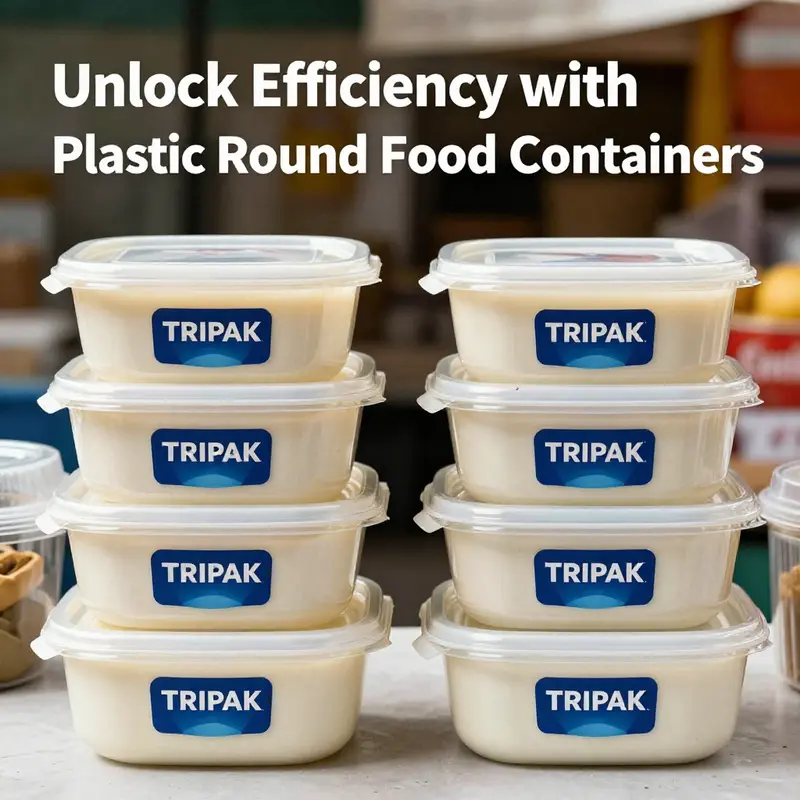
A single round shape can carry a big idea about how we approach meals, leftovers, and the little rituals of daily life. The class of plastic round containers designed to withstand the heat of a microwave and the forgiving churn of a dishwasher has become a quiet backbone of modern kitchen routines. They are not glamorous marketing feats; they are practical tools that help people prepare, store, reheat, and transport food with a minimum of fuss and waste. In this chapter, we look beyond the surface of a single product and toward the broader landscape in which these containers operate. The goal is not merely to list features, but to understand how the combination of heat safety, leak resistance, and space-efficient design reshapes decisions about meal prep, family logistics, and even small-business catering. When a container is both microwave- and dishwasher-safe, the bridge between cooking and cleaning dissolves a little more. You can heat a prepared meal directly in the container, reducing transfer steps and the risk of spill when you grab it for lunch on the go. You can also wash the vessel in the same cycle you clean your other dishes, which matters in households that juggle busy schedules or in kitchens that are crunched for time after a long day of service. The result is a chain that links cooking, storing, reheating, and cleansing into a single, coherent workflow. The emphasis on round containers is not incidental. The geometry makes stacking predictable and space-efficient, a small but meaningful advantage in crowded refrigerators and pantry shelves. When you stack containers of the same size, you gain a little extra room for the things that matter most: fresh produce, sauces, or a batch of meals ready to reheat. In many homes, the utility of round shapes extends to transport: a sealed lid, a tight seal, and a shape that nests neatly inside a larger lid or a bag reduce the chance of leaks on a commute, in a car, or on a desk at work. Against the backdrop of these practical benefits, it is worth asking how this container category stacks up against other storage options, especially for households that balance cost, durability, and environmental considerations. One of the most important distinctions is the balance between safety and reuse. Unlike many disposable alternatives, these round containers are designed to be washed and used again. The ability to reuse translates into real environmental benefits when measured against single-use options that terminate after a single meal. Reuse also makes sense financially in the long run. A container that lasts through multiple cycles reduces the per-use cost of storage and reheating, especially for families that pack lunches, batch-cook dinners, or portion meals for the week. This is not a fatalistic argument about plastic versus other materials; it is a practical assessment of how a product’s life cycle influences everyday choices about waste, energy, and convenience. The 32-ounce size, which is a common and popular option in this category, tends to accommodate a robust range of foods—from hearty soups and stews to full portions of rice with vegetables and protein. The capacity is generous enough to hold a sizeable portion yet compact enough to fit into most fridge shelves and lunch bags with a compact footprint. The concept of safety is central here: these containers are designed to resist leakage, to hold their shape under heat, and to maintain their integrity after repeated cycles in a dishwasher. A well-sealed lid, often featuring a gasket or a precisely engineered rim, does the important work of keeping liquids from escaping during transport. A leakproof design matters not just for preventing messes, but for maintaining the texture and flavor of foods as they are stored and transported. It also matters for the confidence of caregivers who prepare meals for children or for professionals who move meals between kitchens and delivery routes. In a world where convenience is increasingly defined by how little friction a user experiences, the combination of heat resilience and reliable sealing becomes a differentiating factor. The ability to reheat directly in the container reduces the risk of spills when removing a hot dish from a microwave and places a premium on the design of the lid and its seal. The absence of bisphenol A, often summarized as BPA-free, is another safety feature that resonates with both home cooks and food-service professionals who are conscious of long-term health considerations. It matters less that a container is labeled as “safe at high heat” and more that it remains stable, non-toxic, and free from off-gassing under typical household conditions. In practical terms, this means users can plan a rapid lunch routine without swapping containers between the microwave, the table, and the sink. The design philosophy behind these containers also incorporates durability. Materials are selected to withstand the micro-stresses of repeated heat and cold, and the lids are engineered to resist warping and cracking. In everyday use, that translates into a product that remains reliable after weeks of emptying, filling, heating, washing, and stacking. The durability is not a mere marketing claim; it is a predictor of how well the container will perform under busy weeknight routines, potluck gatherings, and the sometimes relentless rhythm of school lunches. When we compare this class to other storage solutions—whether heavily insulated take-out containers or simple disposable cups—the value of a reusable, heat-safe option becomes clearer. The math is not simply about the initial purchase price; it is about the total cost of ownership across months and years. A reusable container can be washed and reused, offsetting the recurring expense of buying single-use packaging. Over time, this reduces waste, not only of plastic but also of energy and resources required to produce, transport, and dispose of disposables. The environmental dimension is not an abstract concern; it translates into everyday practice. Families and professionals who adopt reusable, heat-safe round containers often find themselves with fewer plastic bags, fewer take-out containers, and fewer stray lids that never quite match. The ability to store leftovers, portion meals for a week, and reheat with consistent results contributes to a streamlined routine that reduces food waste as well. In this light, the comparison becomes less about the superiority of one brand over another and more about how the design choices align with the values and needs of users. Considerations such as stackability, lid design, material safety, and dishwasher compatibility all shape the user experience. These are not features that exist in isolation; they interact. A leakproof lid is less valuable if it cannot withstand the dishwasher cycles or if it warps after repeated microwaving. A container that can be heated and then washed with minimal wear can become a reliable workhorse in a busy kitchen or a student’s dorm. The food-prep cycle is a choreography of timing and coordination, and a dependable round container can be the unnoticed partner that keeps meals safe, fresh, and ready to enjoy. When readers consider purchasing decisions, they often weigh the price against the expected frequency of use and the complexity of their meal routines. A consumer who prepares and distributes meals over seven days, for example, will derive more value from a stackable, leakproof, reusable option than someone who uses a container only a few times a month. For larger operations, such as small catering businesses or community kitchens, the economics of bulk purchasing become compelling. Ordering in bulk can yield dramatically lower per-unit costs, turning a practical tool into a strategic asset that supports efficiency and service quality. The conversation then shifts from individual use to the broader implications of a well-chosen container in organizational workflows. A robust, round, heat-tolerant container can shorten the cycle time of meal preparation and reduce the need for continual transfers between bowls and plates. It enables cooks to portion, reheat, and serve with a minimal sequence of steps, which in turn frees up staff to focus on quality and presentation. From this vantage point, the container is less a product and more a facilitator of reliable routines. Given these considerations, it becomes crucial to assess each option not in isolation but in context: the size that fits the family schedule, the lid that seals the deal, the material that aligns with health and safety standards, and the durability that ensures a return on investment across months. The chapter of comparison then folds back into the core question: how well does the container serve the user’s needs in real life scenarios? If the need is for quick reheating without moving food to another dish, the microwave-safe claim becomes a real advantage. If the need is to protect sauces and liquids during transport, the leakproof feature adds tangible peace of mind. If the priority is to minimize environmental impact through reuse, the durable construction and long lifespan are decisive. And if the space in the fridge or freezer is tight, the container’s stackability becomes a quiet but decisive factor in daily planning. In the larger arc of consumer behavior, these containers reflect a shift toward practical, responsible, and flexible storage. They embody a philosophy that values being prepared, not just prepared for one meal but prepared for a sequence of meals. They enable cooks of all stripes—whether a busy parent, a classroom teacher, or a freelance caterer—to manage food with confidence, to reheat safely, and to clean efficiently within the same rhythm. As one looks ahead, the conversation about storage materials will continue to evolve with technology, regulation, and evolving consumer expectations. Yet the core appeal of a reliable round container, safe for both microwave and dishwasher, remains deeply human: it is about turning a simple tool into a steady partner in daily life, one that helps people feed themselves and others with less waste and less hassle. For readers who want to explore alternatives that emphasize different aspects—such as more eco-friendly, paper-based options—the following resource showcases a contemporary approach to reusable and disposable take-away solutions: Kraft paper octagonal bowl in stock. This link opens a window into how other packaging choices balance durability, safety, and environmental impact while still aiming to support efficient meal service. External references can provide a broader view of how the market structures pricing and availability for these kinds of containers, including bulk options for commercial kitchens and caterers. For those wanting the most direct, product-specific information on the topic discussed here, the original listing and its safety notes are available at the source material linked in the research notes. External reference: https://www.amazon.com/Tripak-Plastic-Microwaveable-Food-Containers/dp/B07XJ3VZQY
null
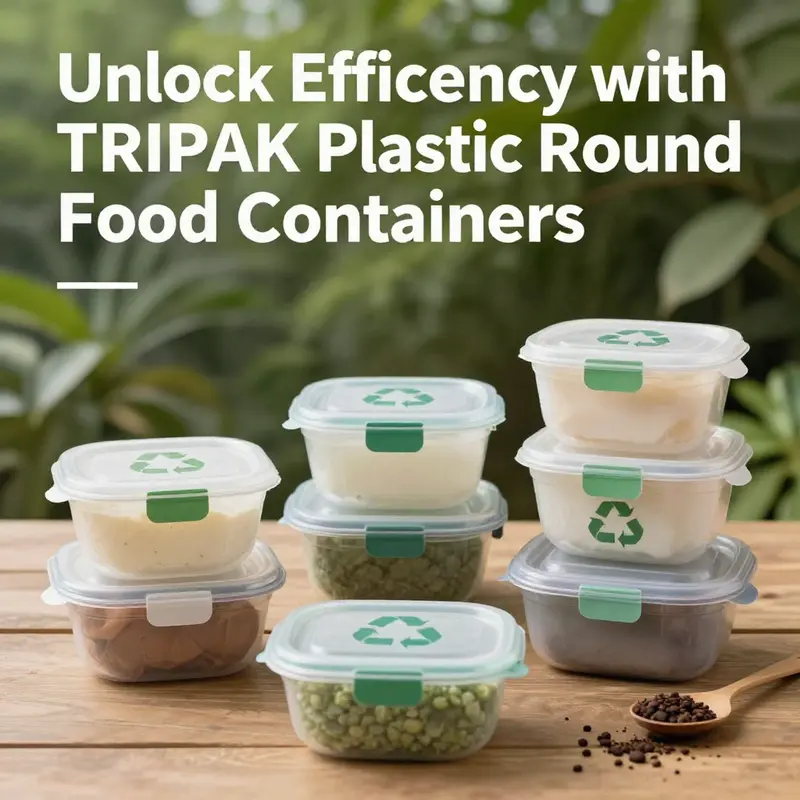
null
Safe, Stackable, and Space-Smart: A Practical Guide to Microwave- and Dishwasher-Safe Plastic Round Food Containers
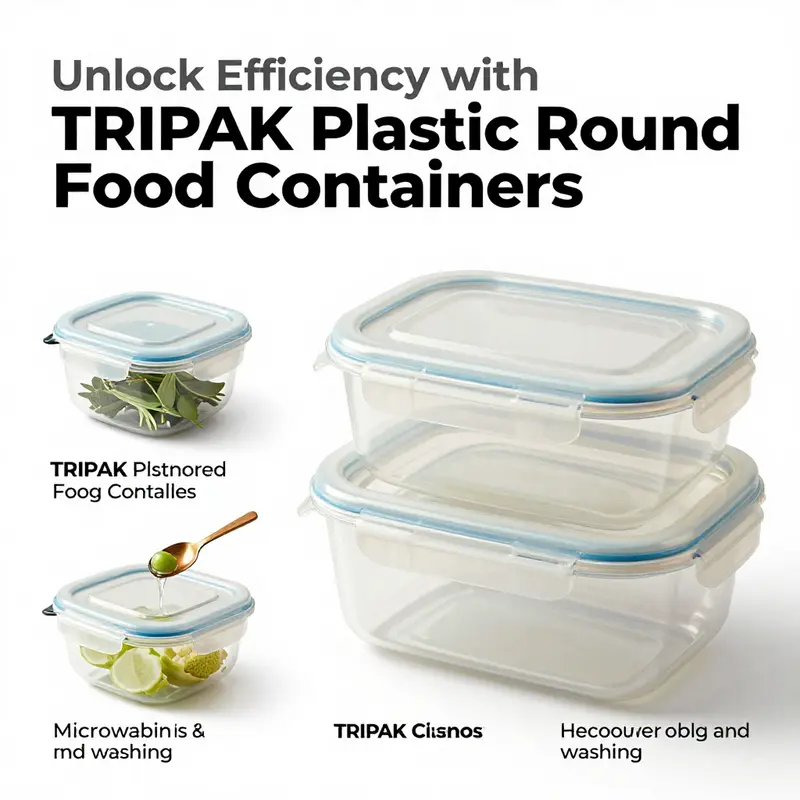
In modern kitchens, a single container can wear many hats: a vessel for reheating, a keeper of portions, and a shield against leaks in transit. A 32-ounce plastic round container with a tight fitting lid has earned a place in many households because its shape maximizes both capacity and stackability. Round containers sit neatly on shelves and in fridge bins, a small but meaningful advantage when space is at a premium. Meals prepped on Sunday can be portioned into these vessels, then heated directly without the risk of transferring to another dish. The ability to go from freezer to microwave to table makes for a seamless routine, one that reduces waste and speeds up weeknight dinners. Yet the value of such a container rests not merely in convenience, but in how well it respects safety standards and care instructions that preserve the container itself without compromising the food inside.
Microwave safety is often the first thing people want to know. A container designed for microwaving should be able to heat food evenly without degrading. For many 32-ounce round models, reheating directly in the container is convenient, but it requires a few disciplined steps. Remove the lid before microwaving, or vent it as directed by the manufacturer. The lid should be loosened, so steam can escape rather than build up pressure. High heat for extended bursts can warp the plastic or distort the seal, undermining both performance and safety. Instead, use medium power for shorter intervals, stirring if needed, and allow foods to rest briefly after heating so heat distributes evenly. If the lid is vented, keep it slightly ajar to balance moisture and heat. By avoiding aggressive settings, you keep the container intact and the food safe to eat, preserving flavor and texture rather than drying it out or leaking into the microwave cavity.
Dishwasher safety follows a similar logic rooted in gentle, predictable cleaning. The same round containers are designed to survive the wash, but there are caveats that matter for longevity. Placing them on the top rack is often advised because the top receives less direct heat than the bottom and less exposure to the highest temperature cycles. Mild detergents suit the surface best, and abrasive tools should be avoided to prevent surface micro-scratches that can harbor bacteria or affect the lid seal. When the dishwasher runs at full tilt, some lids and seals may show signs of wear, especially around the gasket. Allow the containers to cool after use before loading them into the dishwasher, and avoid sudden temperature shocks that could compromise the plastic. With mindful loading and mild cleaning, the container maintains its integrity and continues to function well over many cycles.
Freezer safety expands the role of these containers from daily meals to long term storage. The ability to freeze leftovers locked in a sturdy, airtight vessel helps preserve moisture, flavor, and texture. The key is to ensure that the container can withstand low temperatures without becoming brittle or cracking. Leaving space for expansion is prudent when dealing with liquids or foods that may slosh as they freeze. Marking dates and portion sizes supports efficient planning and reduces waste. Thawed contents should be heated in the same vessel when practical, minimizing transfer risk and exposing the food to fewer handling steps. In this cycle of use, the container proves its worth by serving as a reliable bridge between batch cooking and ready-to-eat meals, while keeping the food safe from freezer burn and oxidation.
Material safety is the backbone of any reusable food storage solution. The container in question is crafted from BPA-free plastic and adheres to strict food contact standards. While the label can vary by region, the underlying requirement is that the material does not leach chemicals into food under typical use conditions. In the United States, FDA standards for food contact materials guide what is permissible and how additives behave when heated. The absence of bisphenol A is a meaningful reassurance for households that want to minimize chemical exposure. When users follow the recommended heating times and avoid overheating, the material stays resilient, minimizing the risk of warping or cracking that might shed particles into the dish. This alignment of safety and practicality makes the container a dependable ally in everyday cooking and storage.
Design features extend beyond raw safety into everyday convenience. The stacking capability lets multiple containers nest securely, saving cabinet space and making inventory checks straightforward. Airtight seals prevent leaks during transport or fridge movement, a boon for families with little ones or for people who share containers among roommates. The seal technology works best when the lid is clean and the groove is free of debris; a quick rinse can restore full effectiveness. When a container is properly sealed, soups, sauces, and stews stay vibrant instead of fading or mingling their flavors with neighboring items. It is also worth noting that the round shape can help uniform heating in the microwave, promoting more even warmth than a square or irregular container might deliver. In practice, thoughtful design reduces the amount of time spent tidying up after meals and gives a little more predictability to meal planning.
From a culinary perspective, the practical uses stretch across the week. Leftovers from Sunday roasts can be portioned into a few 32-ounce rounds for quick lunches, re-heating with the lid off or vented when needed. A batch of grains and roasted vegetables benefits from a stable home that protects colors and textures until served. A sauce-based dish can be portioned for a couple of meals, and the airtight lid helps maintain moisture without turning the food into a soggy memory. The freezer-friendly aspect is particularly appealing for batch-cooked meals, where a few containers can cover dinners for several days or nights when time is tight. For families with dynamic schedules, the container becomes a reliable partner, supporting healthy eating without requiring last-minute takeout runs. The habit of transferring portions into the microwaveable vessel reduces kitchen clutter and keeps cleaning manageable, since there is no need to dirty an additional dish for reheating.
Care and maintenance extend the life of the container beyond a single season. Inspect the lid and seal regularly for cracks or warping, and replace any lid that no longer forms a secure seal. Avoid exposing the container to harsh solvents or extreme temperature swings that might degrade plastic over time. If you notice clouding or staining after repeated use, a gentle wash with a non-abrasive sponge will typically restore clarity while preserving the surface. Stacking and storing with lids loosened during long-term storage can prevent realignment problems, but when in use, ensure the seals are aligned and closed for the best performance. The goal is the simple one of maintaining a balance between durability and practicality: a container that lasts through countless daily cycles while quietly supporting flavor, texture, and safety.
For readers who want to explore related packaging options that share a similar ethos of convenience and safety, consider a newer rectangle kraft paper bowl with lid designed for take-out contexts. This option highlights how different materials approach the same everyday problem of safe, portable meals, and it can complement the plastic round container as part of an integrated kitchen system. For more about this alternative and its design updates, see the resource linked here: New Design Rectangle Takeaway Kraft Octagonal Paper Bowl with Lid.
Even as consumer choices expand, the core principles remain steady: heat durability, leak resistance, compatibility with common cleaning cycles, and clear labeling about safe use. A well-chosen container reduces waste, supports portion control, and makes it easier to plan meals without sacrificing taste. The 32-ounce round format is versatile enough to handle multiple meal types, from hearty stews to delicate soups and salads that travel well in a snug vessel. By following the underlying safety guidelines—venting the lid during microwave reheating, using the top rack for washing, avoiding extreme heat, and storing in the freezer with room to expand—you safeguard both the container and the food it holds. That combination of science and daily habit is what turns a simple plastic round container into a trusted kitchen ally instead of a disposable afterthought.
External insights and regulatory context can deepen understanding of how such containers perform in real kitchens. For those seeking additional background on safety and material standards, consult the original product listing linked here as an external resource: External resource: original product listing.
Final thoughts
TRIPAK plastic round food containers are more than just storage solutions; they are a vital asset for any food business aiming for efficiency and quality service. By understanding their features, user benefits, environmental impacts, and having proper usage guidelines, businesses can better leverage these products to streamline operations and enhance customer satisfaction. Investing in TRIPAK means committing to a reliable, user-friendly solution that supports your business objectives while being mindful of the environment.