

In today’s dynamic food service industry, the demand for efficient and sustainable packaging solutions is at an all-time high. Thin wall disposable food container molds have emerged as a key technology enabling restaurants, food trucks, beverage chains, and event planners to deliver quality products while maintaining eco-conscious practices. This article delves into the significance of these molds, examining technological innovations, their economic impacts, geopolitical factors influencing trade, and the pressing need for sustainability in food packaging. Each chapter provides insights into how this specialized manufacturing technique is redefining packaging choices across various sectors, ensuring that businesses can meet consumer needs without compromising on quality or environmental responsibility.
From Mold to Meal: How Thin-Wall Disposable Container Molds Shape Modern Food Packaging
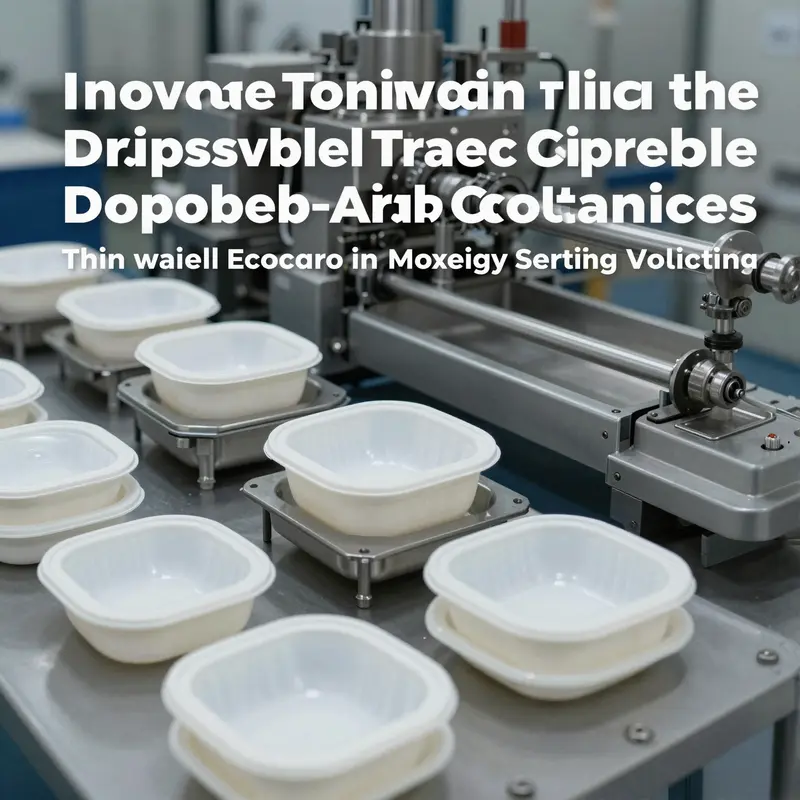
A container is more than a receptacle for food; it is a link in a supply chain that must be fast, safe, and light enough to move efficiently from kitchen to consumer hands. In the realm of modern packaging, the thin-wall disposable container molds company stands at the intersection of industrial precision and everyday practicality. Its work begins long before a package touches a shelf or a takeout counter. It starts with the design of molds that can churn out millions of units with exacting geometry, ensuring that each cup, lid, or tray uses as little material as possible while maintaining strength, containment, and temperature performance. The core idea is simple but powerful: by shrinking wall thickness without compromising integrity, manufacturers can reduce raw material costs, shorten cycle times, and lower overall environmental impact. That is the practical promise of thin-wall molding in the food sector, and it explains why this niche has become a linchpin of contemporary packaging strategies.
At the heart of this transformation is precision engineering. The molds are engineered to create lightweight containers whose walls are carefully calibrated for each application. You can think of the family of products produced on these molds as a spectrum that includes 500 ml, 750 ml, and 1000 ml formats, among others. Each size is not merely a bigger version of the same shape; it is a distinct design that accounts for factors such as viscosity of the filling material, the expected load during transport, and the consumer experience of handling the product. The mold designer translates these requirements into a cavity layout with exact wall thicknesses, rib patterns to add stiffness where needed, and sealing features that prevent leaks under pressure or during freezing and reheating. In practice, this means molds that are capable of producing thousands of units per hour with repeatable accuracy, a requirement that feeds directly into brand confidence and consumer trust.
The technology driving high-speed thin-wall molding is a blend of sophisticated hydraulics, advanced cooling, and meticulous material science. The injection molding machine must inject molten plastic into ultra-short, precisely formed cavities and then cool it in a controlled cycle so that each part solidifies with minimal deformation. The thin walls demand fast cycle times, so the mold must heat and cool efficiently while resisting wear that could alter wall thickness over time. That is where durability and process control become inseparable from design. When maintenance is neglected, minor deviations in wall thickness can cascade into product defects, mis-sealing lids, or inconsistent fill lines. In contrast, well-maintained molds—often built to endure five to ten years of steady production—yield consistent quality across millions of units. This reliability is not a luxury; it is a business necessity that underpins line runs, changeovers, and the ability to scale up during peak demand.
From a sustainability perspective, the appeal of thin-wall molds is substantial. Lightweight containers translate to lighter pallets and shipments, which in turn lower transportation emissions and energy use. The environmental payoff scales with the packaging ecosystem: less resin per unit reduces material waste, and if the containers are designed with recyclability in mind, they fit more cleanly into circular economy models. The mold designer’s challenge is to balance form and function with end-of-life considerations. Walls must be thin enough to minimize material use, yet robust enough to resist puncture, deformation, and leakage through a typical distribution journey. The result is a set of products that can satisfy grade-level performance while still delivering a smaller environmental footprint compared with bulkier alternatives. This balance is increasingly demanded by brands seeking to align packaging with sustainability commitments, consumer expectations, and regulatory landscapes that encourage more responsible material choices.
The capability to customize shapes, sizes, and cavity counts is a hallmark of the thin-wall molds sector. A single mold family can be tuned to produce a range of container geometries and volumes, enabling brands to differentiate products without revisiting the entire tooling stack. The advantage is not only operational efficiency but strategic agility. When a retailer introduces a new meal concept or a seasonal offering, the ability to adapt mold configurations quickly—rather than retooling from scratch—becomes a competitive edge. For food brands and contract manufacturers alike, this means faster time-to-market, fewer capital expenditures, and a more resilient production backbone in the face of shifting demand. In the depth of every mold’s geometry lie decisions about material grade, thermal conductivity, and venting that collectively influence cycle times, surface finish, and downstream processing steps such as labeling and stacking.
As supply chains grow more dynamic, the mold infrastructure itself becomes a strategic asset. Vendors who provide these molds do not merely supply parts; they partner in a production ecosystem that connects design intent with mass manufacturing. The relationship spans initial design reviews, prototyping, and validation testing to ongoing maintenance and upgrades. A well-structured collaboration can shorten development timelines, improve yield, and reduce the risk of disruption when demand spikes or when a new packaging specification enters the market. In the broader industry conversation, platforms that connect buyers with verified mold manufacturers have emerged as accelerants for speed to market. They enable a range of clients—from small startups to large foodservice operators—to explore options, compare quotes, and run trials with sample parts. A practical entry point for many is the ability to procure complete mold sets, with prices that reflect scale, sophistication, and the intended production rate. The starting price point cited in industry listings underlines how accessible modern thin-wall tooling has become for diverse players seeking modern packaging capabilities without prohibitive upfront costs.
The economic logic of thin-wall molds is compelling when viewed through the lens of lifecycle cost. The initial investment in a multi-cavity, high-speed mold pays for itself over time through faster cycle times, lower resin usage, and reduced waste. Consistency in output prevents quality-related downtime and minimizes the need for rework, which in turn keeps line speeds stable during high-volume campaigns. In practice, this translates into more predictable throughput, better utilization of presses, and tighter control over overhead like energy costs and scrap rates. For brands that operate in volatile markets—where promotions and product assortments can shift on short notice—this predictability is a strategic advantage. It allows procurement and manufacturing teams to forecast with greater confidence, secure capacity ahead of launches, and negotiate longer-term tool maintenance agreements that reduce total cost of ownership.
Beyond the factory floor, the adoption of thin-wall molding is reshaping how companies think about packaging strategy. The ability to run various formats on a single molding platform reduces the number of process steps and changes required when a product portfolio evolves. It also opens doors to experimentation with container geometry that can influence consumer perception, handling ease, and even the perceived value of the product inside. A container that feels sturdy in the hand and offers reliable sealing can support premium positioning, while a design that minimizes material use points to a brand’s environmental stance. The confluence of design flexibility, cost efficiency, and sustainability makes thin-wall container molds a central enabler of modern packaging systems, enabling food brands to do more with less while keeping the consumer experience at the forefront.
For buyers seeking practical pathways into this capability, the market offers diverse options for getting started. Some suppliers provide complete mold sets with standard cavity configurations suitable for common formats like 500 ml, 750 ml, and 1000 ml. Others offer fully customized production tooling engineered around a client’s specific product geometry, sample drawings, or even existing prototypes. The common thread across these options is the emphasis on precision, repeatability, and reliable after-sales support. After all, a mold is only as valuable as the uptime it guarantees and the service network that keeps it healthy across years of operation. The modern mold ecosystem is built around these essentials: Design clarity, material efficiency, process rigor, and continuous improvement enabled by data from machine sensors, quality checks, and field feedback from line operators.
To connect these ideas back to the broader packaging landscape, consider how a single investment in thin-wall tooling can ripple through a brand’s entire supply chain. From raw material selection and resin pricing to the speed of new product introductions and the ease of scale for seasonal peaks, the mold becomes a strategic control point. In a world where packaging must perform under diverse temperatures, withstand rough handling, and align with circular economy narratives, the mold plays a central role in balancing performance with responsibility. The result is a packaging system that can support more agile product development, lower environmental impact, and a more resilient operational footprint. For readers who want to explore concrete industry sources that profile these trends, industry listings offer a practical entry point into the world of high-speed thin-wall molding and its implications for product design, manufacturing economics, and sustainability.
For a broader industry context and specific pricing glimpses tied to supplier offerings, see the following external resource that discusses high-speed thin-wall plastic food container molds and the associated market dynamics. https://www.alibaba.com/product-detail/China-High-Speed-Thin-Wall-Plastic-Food_1600592246652.html?spm=a2700.1.w.searchResultList.1&productId=1600592246652&searchText=thin+wall+plastic+food+container+mold
Within this evolving landscape, packaging decisions are increasingly about how to design for efficiency as much as for consumer appeal. A thin-wall mold is not merely a tool for shaping plastic; it is a foundational asset that shapes cost, sustainability, and speed to market. The components of this asset—a carefully engineered cavity, a robust cooling system, and a maintenance-friendly design—work together to deliver containers that are light yet tough, economical yet reliable, and recyclable where possible. As brands strive to meet ever-tightening sustainability targets while continuing to delight customers with reliable, convenient packaging, the value of well-conceived thin-wall molds becomes clearer. The mold, once invisible in the factory, becomes a visible driver of modern packaging excellence, enabling a future where every takeout cup, lid, or tray carries with it a traceable story of efficiency, responsibility, and quality.
Internal link reference for related packaging discussions: disposable-700ml-kraft-paper-bowl-take-out-octagonal-rectangle-paper-bowl
External resource for further industry context: https://www.alibaba.com/product-detail/China-High-Speed-Thin-Wall-Plastic-Food_1600592246652.html?spm=a2700.1.w.searchResultList.1&productId=1600592246652&searchText=thin+wall+plastic+food+container+mold
Precision, Speed, and Sustainability: Innovations Shaping Thin-Wall Disposable Food Container Molds
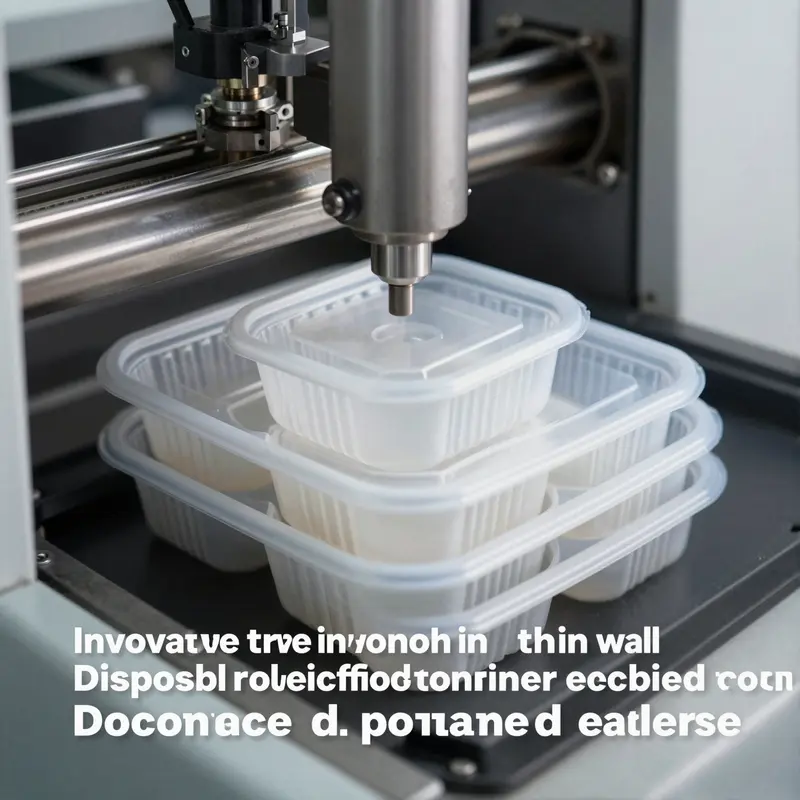
The drive to reimagine thin-wall disposable food containers sits at the intersection of performance and responsibility. In a market that prizes lighter weight, higher output, and lower total cost of ownership, moldmakers are pushing the boundaries of what thin-wall injection technology can achieve. A modern factory floor working with high-speed, thin-wall molds seeks not only to reproduce a uniform geometry but to do so with precision, efficiency, and a smaller environmental footprint. The innovations described here reflect a broader shift toward integrated systems where material choice, process control, and manufacturability converge to deliver consistent quality across millions of units. This alignment is crucial for containers in the 500 ml, 750 ml, and 1000 ml ranges, where wall thickness must be minimized without compromising strength, sealing, or heat resistance. In this context, the mold itself becomes a living part of the production line, an engineered interface between design intent and realized product, designed to operate at speed while maintaining tight tolerances and repeatability.
Laser engraving stands as a foundational technology in this evolution. By transferring patterns and micro-textures directly onto mold surfaces with laser precision, manufacturers can achieve consistent surface finishes that improve part ejection, reduce post-processing, and support downstream functions such as sealing and barrier properties. Laser-engraved textures can also act as controlled diffusion patterns for certain packaging formats, aiding in heat distribution or moisture management during filling and cooling. The reproducibility inherent in laser processes translates into fewer downstream deviations, which is pivotal when scale grows from tens to hundreds of thousands of parts per cycle. Beyond cosmetic detail, laser engraving supports functional metrology on mold faces, enabling quicker verification against CAD and printable samples. In a world where throwaway packaging is under scrutiny, the ability to guarantee surface quality without hand-finishing steps saves both time and material.
Another transformative strand is metal 3D printing, particularly for mold cores, cavities, and cooling channels. Additive manufacturing enables complex geometries that are invisible to traditional subtractive methods. In thin-wall molds, internal cooling channels with conformal paths can be designed to follow the exact contours of the part, dramatically improving thermal management. Superior cooling reduces cycle times, minimizes warp, and stabilizes shot-to-shot dimensions—factors that directly affect yield and consistency for containers that must be produced in high volumes with minimal variation. The adoption of metal 3D printing does more than shorten cycles; it creates opportunities to optimize mold life. Complex lattice structures or optimized lattice supports reduce residual stress and improve heat transfer, while still supporting the high pressures of injection molding. The practical impact is a chain reaction: faster cycles, smaller energy footprints, and more uniform wall thickness across thousands of molds in service.
Precision engraving techniques further refine the control over tolerance and assembly. Sidewalls and inserts can be shaped with micrometer-level accuracy, enabling tighter fits between cavity components and more reliable ejection mechanisms. When wall thicknesses are in the realm of a few tenths of a millimeter, even minute misalignments can cause part-to-part variability or sprue leakage, which undermines performance and creates waste. By applying high-precision engraving to critical interfaces, manufacturers minimize material loss from trimming and post-processing, while preserving surface integrity that governs sealing and stacking behavior. The results are not just smoother parts; they are more predictable cycles, better repeatability, and a clearer path to standardization across a family of molds designed for multiple container capacities.
Improvements in aluminum pattern block design also play a pivotal role. Aluminum, favored for its lightness and favorable heat transfer, benefits from refined internal organization and roundness in pattern blocks. When pattern blocks are engineered for superior concentricity and smoother internal channels, the mold maintains balance across the mold plane, reducing wear and improving the uniformity of cooling. This translates to fewer micro-deformations and a steadier molding environment, which is essential for thin-wall parts where even minor eccentricities can cause curve deviations or surface imperfections. Durable pattern blocks contribute to longer tool life and more consistent insulation between molding zones, supporting stable cycle times and predictable outputs. The net effect is a robust platform that sustains the high velocity demands of modern packaging production without sacrificing accuracy.
The capability to deploy five-axis machining centers and fine engraving processing centers represents a practical embodiment of these design principles on the shop floor. Five-axis machining expands the envelope of possible mold geometries, enabling smooth radii and complex undercuts that would be prohibitively difficult with conventional three-axis rigs. This enables more efficient material flow and better release characteristics for intricate thin-wall features. Meanwhile, dedicated engraving centers deliver repeatable micro-sculpting on inserts and sidewalls, reinforcing the precision foundation needed for tight tolerances. When these capabilities are integrated with advanced metrology and in-process inspection, the mold can be validated in situ, reducing development risk and accelerating time-to-market for new container geometries. The convergence of high-speed machining, precise engraving, and real-time validation signals a maturing ecosystem where moldmakers deliver turnkey solutions that align design intent with production realities.
In practice, these technologies do not exist in isolation; they energize a broader system of quality control and continuous improvement. Mold designers now factor in heat transfer, flow dynamics, and material behavior at the initial stage of concept development. They simulate how a 500 ml or 1000 ml thin-wall container will fill, cool, and eject, and they adjust mold topology accordingly. The outcome is a mold that not only yields sharp walls and uniform thickness but also facilitates easier demolding, reduced cycle-to-cycle variation, and more predictable post-mold handling. For manufacturers, the payoff includes higher daily output, lower rejection rates, and a more sustainable production model. Fewer rejects mean less waste, less rework, and less energy consumption per unit produced. In an industry where even grams of polymer usage matter for cost and sustainability targets, the precision of the mold translates into material efficiency—an outcome that resonates across the supply chain, from raw resin suppliers to end users who demand consistent performance under varied conditions.
Customization remains a critical thread in this narrative. The most advanced mold ecosystems offer a pathway from concept sketch to production-ready tooling with design optimization, prototyping, and technical guidance baked in. Such flexibility is essential when a manufacturer seeks to fit a single mold design to multiple container sizes or occasional design changes to meet evolving consumer expectations. The ability to tailor cooling channel layouts, incorporate specific surface textures, and adjust ejector configurations without a full rebuild keeps development lean and responsive. This is particularly valuable when capacity planning calls for 500 ml, 750 ml, and 1000 ml formats within the same family, where incremental adjustments can avoid the cost and risk of launching new mold lines for each variant. In parallel, suppliers provide ongoing technical support and after-sales services, ensuring that the mold maintains its performance envelope over extended production runs, which is crucial for maintaining tight tolerances across millions of parts.
The broader packaging landscape, of course, continues to diversify. While thin-wall plastic molds push performance metrics, there is a parallel trend toward eco-friendly packaging options that complement the plastics agenda. For readers who want a tangible example of related packaging approaches, consider the ecosystem of disposable kraft paper bowls and lids designed for take-out applications. A practical exploration of such formats can be found here: disposable kraft paper bowl for food package with lid. These materials and designs illustrate how sustainability considerations shape packaging ecosystems, even as manufacturers push the boundaries of plastic mold technology to achieve lighter, stronger, and more efficient products.
Looking ahead, the convergence of laser engraving, metal 3D printing, precision engraving, and advanced aluminum pattern design suggests a trajectory where thin-wall molds become increasingly adaptive and intelligent. Real-time monitoring, adaptive cooling strategies, and predictive maintenance could further reduce downtime and extend mold life. The pace of improvement in high-speed molding, coupled with the demand for consistent, high-volume output, will continue to push moldmakers toward a more integrated engineering culture—one that treats the mold as a strategic asset rather than a disposable tool. As global competition intensifies and consumer expectations evolve, the ability to tailor wall thickness, geometry, and cooling in response to data-driven insights will distinguish those who can deliver reliable performance at scale from those who struggle to keep up. In this sense, the thin-wall mold is not merely a component of manufacturing; it is the nerve center of a packaging system that blends design ambition, process control, and sustainability into a coherent, repeatable value proposition for the modern food service and retail economy.
External resource for further reading: mold innovations at industry expos provide a read-through of how these technologies are demonstrated in live settings, including five-axis machining and precision engraving integrations that push the envelope on speed and accuracy. See https://www.tiretechnologyinternational.com/news/mold-innovations-at-tire-technology-expo-hannover for a detailed overview of innovations showcased at Hannover and how they inform moldmaking practices across sectors.
Molded for Momentum: How Thin-Wall Disposable Container Molds Drive the Global Packaging Economy
The global demand for thin-wall disposable food containers has become a powerful engine for modern manufacturing, logistics, and consumer convenience. Behind every lightweight, single-use box that slips into a delivery bag or a takeout tray at a busy cafe lies a history of precise engineering, rapid production cycles, and a network of decision makers who optimize cost, speed, and sustainability. The mold itself is a quiet catalyst in this system. It shapes feasibility, sets pace, and ultimately determines how many times a day a factory can push a thermoplastic wall from molten resin into the tiny, ultra-efficient geometry that defines thin-wall packaging. As a topic of study, it reveals a remarkable convergence of materials science, automation, and economic strategy. The market for these molds and their associated toolings is not simply about a single product—it’s about creating scalable capability that translates into minute-per-unit savings across millions of units, while also adapting to shifting material choices and evolving regulatory and consumer expectations.\n\nThe scale of this ecosystem is illuminated by the market dynamics surrounding thin-wall food containers. In 2024, the global thin-wall food container market carried a value of around USD 10.5 billion, and projections through 2033 anticipate substantial expansion. This growth is not just a matter of more servings of food on the go; it reflects people’s increasing reliance on fast, reliable, and safe packaging that keeps food fresh during transit. The molds that enable this production become a strategic asset for manufacturers, as they directly influence capacity, piece cost, and consistency. In practice, a single multi-cavity injection mold—such as a 4-cavity, 450ml round container mold—can dramatically shift unit economics by reducing cycle times and enabling higher output per hour. The economics are straightforward: higher throughput reduces fixed costs per unit, while consistent dimensional tolerances minimize scrap. In markets with intense competition, even modest improvements in cycle time or material yield can translate into meaningful margins, and mold makers are required to deliver both the design precision and the reliability that allow factories to hit aggressive production targets.\n\nThe pricing of molds is a visible signal of how integral these tools are to production ecosystems. In the context of the broader industry, entry points for high-speed thin-wall plastic food container molds often begin around a few thousand dollars, rising with complexity, cavity count, and customization needs. A typical high-velocity mold capable of producing standard volumes might start in the USD 8,700 range, while more complex configurations or multi-hole sets can command higher figures. These prices are best understood not as the cost of one-off components, but as the investment required to achieve consistent, repeatable manufacturing performance at scale. Clients then validate this investment against the savings generated by faster cycles, tighter tolerances, and reduced scrap rates. The math becomes clearer when one considers that a well-designed mold can maintain performance across tens of millions of cycles, enabling a cost-per-piece that is nontrivial in aggregate yet competitive on a per-unit basis when volumes are high.\n\nGeographic concentration reveals another layer of the industry’s momentum. China has emerged as a global hub for thin-wall mold production, with traditional manufacturing corridors in regions like Dongguan and Huizhou playing a pivotal role. The concentration of automation, skilled labor, and robust export logistics creates a context in which firms can deliver complex, high-precision molds with rapid turnaround times. This ecosystem supports not only economies of scale but also strong customer retention, as factories rely on reliable supply lines and consistent mold performance to sustain their own production calendars. The advantages extend beyond raw output; the presence of integrated suppliers and service networks enables rapid iterations when a client needs design changes or process optimizations. In practice, this means a client can move from concept to a working sample to mass production within a matter of weeks, a tempo that matters in industries where menus, promotions, and consumer preferences can shift on a monthly basis.\n\nFor the mold designer and manufacturer, adaptability is a core competency. The industry is increasingly oriented toward sustainable materials and alternative resin systems, including PP, PET, and PLA-based formulations. Each material brings its own processing idiosyncrasies—flow characteristics, moisture sensitivity, heat transfer, and crystallization behavior—that mold makers must anticipate. The shift toward more sustainable options is not simply a materials challenge; it is an economic one as well. Biodegradable or compostable materials can command premium pricing and capture growing consumer and regulatory interest, but they also require more precise mold design and sometimes different processing parameters. The opportunity lies in the mold designer’s ability to reconfigure cavities, adjust gate locations, and alter cooling channel geometry to accommodate new materials without sacrificing cycle time. In this context, a versatile mold portfolio becomes a hedge against material volatility and regulatory uncertainty, enabling manufacturers to pivot as policies or consumer sentiment move toward greener packaging.\n\nSustainable design is not just about material substitution; it is about holistic packaging strategies that minimize waste and maximize recyclability. The market’s trajectory toward eco-friendly solutions has opened new economic opportunities for mold makers who can align their designs with compostable and recyclable supply chains. While biodegradable options often face challenges such as moisture sensitivity and higher upfront costs, the broader push toward circular economy principles is reshaping investment priorities. In regions with stringent packaging regulations, companies seek mold partners who can deliver products that meet both performance targets and environmental criteria. Consequently, mold makers must invest in design for manufacturability, test rigs, and simulation tools that enable rapid assessment of how a proposed geometry will perform with different materials and processing conditions. This capability is increasingly essential as customers demand faster time-to-market with products that meet evolving environmental standards.\n\nThe economic ripples of these developments extend into employment, R&D, and regional development. The demand for specialized molds stimulates job creation in research and development, precision machining, metrology, and process engineering. Green manufacturing practices—optimized cooling, material efficiency, and reduced energy consumption—drive opportunities for cost reduction and compliance with environmental standards, while simultaneously supporting regional manpower development. In places where the industry clusters around a few dense hubs, suppliers and manufacturers experience reinforced demand cycles, which in turn reinforce local training ecosystems and ongoing innovation. The interplay of capacity, automation, and skilled labor yields a virtuous circle: more capable mold makers attract larger manufacturing clients, who in turn demand even more sophisticated tooling to keep pace with rising volumes and shifting materials.\n\nThe customer side of the equation is anchored in the twin forces of convenience and reliability. Consumers continue to expect readily available takeout options, and delivery channels have made single-use containers an everyday logistical asset. This demand structure pushes manufacturers to scale, and it presses mold makers to deliver tools that are both durable and adaptable. It is not only about producing box shapes at high speed; it is about sustaining a predictable supply when promotions or seasonal demand surge. In this environment, dependable post-sale support—technical guidance, timely maintenance, and repair services—becomes a differentiator as critical as the mold’s initial design. The most successful partnerships in this space are those where the mold maker acts as an extension of the client’s engineering team, guiding design decisions, material selection, and process parameters to ensure stable yields from batch to batch and year to year.\n\nA concrete reminder of the real-world implications of this ecosystem can be found in the practical decisions clients face when choosing molds. Customization remains a central value proposition: clients can submit drawings or sample images and receive development guidance that translates into a mold configuration tailored to their product geometry. For example, a client targeting a 500ml or 750ml thin-wall container might require a multi-cavity configuration optimized for balanced wall thickness, robust sealing surfaces, and uniform cooling. The result is not only a mold that can run at speed but one that produces consistent wall thickness that translates into predictable fill volumes and reliable sealing performance. In this sense, the mold is the bridge between design ambition and mass production feasibility, mediating material behavior, processing realities, and cost economies.\n\nBeyond the factory floor, the mold’s value is increasingly measured by its contribution to a broader packaging narrative. The industry is moving toward packaging architectures that reduce material use while preserving strength and containment integrity. The dialogue between designers, mold makers, and manufacturers is becoming more collaborative, with design reviews, tolerance analysis, and material trials forming a routine part of the development cycle. The objective is clear: deliver packaging that performs in diverse environments—from congested kitchens to long-haul deliveries—without imposing undue costs on either producers or consumers. The practical implication is that mold designers must cultivate a broad, adaptable skill set, one that encompasses an understanding of resin chemistry, thermal management, and mechanical reliability, all while maintaining a clear eye on the bottom line.\n\nFor readers seeking a tangible link to related packaging shifts, one can observe how sustainable options are re-framing choices within the packaging ecosystem. The packaging landscape increasingly presents alternatives to traditional plastic small-form containers, such as kraft paper bowls and other paper-based packaging solutions that are designed for takeout use. These options illustrate how brands seek to balance consumer expectations with environmental considerations, and they highlight the importance of a mold maker’s ability to adapt to hybrid or alternative-material projects. See, for example, the disposable octagonal box for restaurant food packaging, which demonstrates how form and function can guide the selection of materials and processes in a broader packaging strategy. disposable octagonal box for restaurant food packaging\n\nIn the chapters that follow, this narrative will return to the thread of how thin-wall molds connect with broader economic outcomes. The focus will remain on how tool design, rapid prototyping, and after-sales support enable manufacturers to compete on cost while meeting evolving standards for safety and sustainability. It is a story of momentum—momentum generated by precise cavities and cooling channels, by high-speed equipment and robust logistics, and by the shared imperative to deliver affordable, safe, and responsible packaging to a world that drinks from an increasingly complex, interconnected supply chain. External pressures, from regulatory regimes to consumer preference for greener options, only increase the importance of intelligent mold design and resilient production systems. As the industry evolves, the capacity to adapt quickly, to iterate efficiently, and to sustain quality across millions of units will continue to be the true measure of momentum in this field.\n\nExternal resource: https://www.packagingdigest.com/.
Geopolitics, Policy Winds, and the Thin-Wall Mold Frontier: Navigating Supply, Regulation, and Sustainability
A thin seam runs through every decision made by a company that designs and supplies thin-wall disposable food container molds: the world outside the factory gates. The mold maker sits at a nexus where policy, trade, and consumer expectations collide. The equipment that carves, heats, and shapes plastic into compact, economical containers does not operate in isolation. It depends on uninterrupted access to materials, predictable costs, and a regulatory climate that can either accelerate innovation or constrain it. In this complex ecosystem, geopolitical currents are as significant as any technical specification. They determine pricing, lead times, and the very viability of a plant that would otherwise rely on a precise combination of resin grades, cooling cycles, and high-speed cycles. To understand the trajectory of the thin-wall molding sector, one must map how global supply chains bend under political pressure, how tariff landscapes rearrange supplier maps, and how regional policy shifts recalibrate the economics of production. The consequence for manufacturers is not simply incremental cost; it is strategic recalibration, from supplier diversification to potential localization of critical steps in the value chain. When tariffs swing, the most resilient players do not wait for market signals to travel across oceans. They respond with stock, design flexibility, and an adaptive procurement strategy that can withstand volatility in the price of polyethylene and related polymers.
The most immediate geopolitical influence in this space is the fragility and complexity of global supply chains. Thin-wall mold production sits on a web of commodity inputs, tool steel, tool coatings, additive components, and specialized lubricants—all of which cross multiple borders in their journey from raw material to finished tool. Disruptions—whether from a regional conflict, a pandemic-era logistics bottleneck, or a sanctions regime—can ripple through every facet of the operation. Lead times stretch when ocean freight is congested, when port schedules are unsettled, or when suppliers encounter production halts due to energy or labor shortages. In such moments, the value of visibility across the supply network becomes clear. A company that tracks supplier risk, transparently communicates schedules to customers, and maintains a diversified footprint can preserve continuity even when one node falters. The ability to anticipate the risk of sudden material shortages also feeds into the design process. Engineers can be asked to rework a mold to accommodate a different resin or a different processing temperature, enabling the same product family to be produced with alternate materials if needed. This is a practical expression of resilience: design for flexibility, not only for performance.
Tariffs and broader trade policies are persistent forces in shaping the cost structure of thin-wall molding. Tariffs on plastics, resins, and related inputs alter the relative competitiveness of manufacturing regions. When a country’s duties swing upward, the cost advantage of sourcing materials from a particular region can vanish overnight. Diversification becomes not only a hedge against supply disruption but a procurement strategy aimed at stabilizing total cost of ownership. The lesson is pragmatic: build a supplier map that includes domestic capabilities and regional suppliers, so a shift in policy does not precipitate a sudden price shock. At the same time, trade policies encourage manufacturers to rethink where value is added. Instead of concentrating the most complex, capital-intensive steps in a single location, firms increasingly consider regionalized production clusters where multiple players—designers, mold makers, and even polishing and inspection services—co-locate. This clustering reduces the risk of multi-stage disruption, shortens lead times, and fosters knowledge spillovers that can accelerate process improvement.
Regional trade agreements further complicate the calculus. They can smooth the movement of goods and personnel across borders or, conversely, introduce new barriers at critical junctures. A mold producer with a footprint across several adjacent markets may benefit from preferential duty terms, harmonized standards, and easier cross-border collaboration for tooling and exchange of technical drawings. Yet new rules of origin, local content requirements, or creeping regulatory divergence can increase compliance costs and complicate scheduling. In this sense, geopolitical planning is also regulatory engineering: a company must understand how evolving agreements will affect its ability to source materials, transfer molds, and operate across jurisdictions without duplicative compliance burdens. The strategic takeaway is not to chase a single policy outcome but to anticipate how shifts in regional alignment may unlock opportunities or impose constraints, and to align product development and supply chain design accordingly.
Environmental regulations add another dimension to this landscape. International climate accords and national commitments push manufacturers toward sustainable solutions, driving demand for materials that are recyclable, compostable, or derived from renewable sources. For thin-wall molds, this shift translates into design considerations that accommodate alternative resins, bio-based additives, and processes that minimize waste and energy use. The regulatory push favors innovations that improve end-of-life outcomes and reduce environmental footprint. Complying with evolving standards—whether in Europe, North America, or Asia—often requires product and process adaptations: moisture control during molding, barrier properties for food contact, and traceability for regulatory audits. The result is a dual pressure: meet stricter environmental requirements while maintaining the performance, cycle times, and cost efficiencies that define competitiveness in a high-volume manufacturing setting. This is where sustainable packaging narratives begin to intersect with the domain of toolmakers and mold designers. A capable mold maker does not merely respond to a regulation; they preemptively integrate compliance into the architecture of the mold, enabling faster adoption of compliant materials without sacrificing throughput or precision.
These environmental and regulatory currents dovetail with market dynamics that are reshaping where production occurs. By 2025, North America held a substantial share of the thin-wall packaging market, but Asia-Pacific was poised for strong growth, with a projected CAGR around the high single digits. The implication for mold suppliers is clear: the geography of opportunity is shifting toward regions where labor, energy, and regulatory regimes balance cost with access to markets. Companies are increasingly testing the viability of regionalized manufacturing footprints—establishing local or near-local molding capabilities to reduce dependence on distant feedstock sources, shorten supply chains, and respond more quickly to customer needs. This regionalization supports resilience by reducing exposure to long-distance disruptions and by enabling faster iteration from design to production. It also introduces the possibility of co-locating research, development, and tool manufacturing with processor partners, a collaboration model that accelerates the translation of new materials and processing techniques into scalable products.
Amid these macro forces, the view from the shop floor remains grounded in engineering pragmatism. Mold designers must balance speed, precision, and durability with evolving material capabilities and sustainability objectives. The choice of multi-cavity configurations, cooling channel designs, venting strategies, and minute surface finishes gains strategic importance when policies or tariffs alter the economics of every cycle. Small efficiency gains—reduced cycle times, lower scrap rates, improved material utilization—can translate into meaningful offsets when raw material costs or energy prices swing. In this sense, geopolitical considerations are inseparable from technical decisions. A robust business one minute becomes a risk-adjusted, opportunity-seeking operation the next, precisely because policy and market signals continually reframe the economics of production. The mold maker who thrives in this environment is not merely a craftsman of cavities and cores; they are an integrator of policy foresight, supply chain intelligence, and product sustainability. They design tools with the future in mind, aware that today’s regulatory tweak may become tomorrow’s standard feature, and that regional trade patterns may determine which market a given design should target first.
In this context, partnerships and ecosystem engagement take on heightened importance. The ecosystem includes material suppliers that offer alternative resins, equipment providers that supply process optimization tools, and end-users who demand consistent quality across shifting regulatory backdrops. A culture of continuous improvement, supply chain transparency, and collaborative problem solving becomes a competitive advantage. Manufacturers begin to rely on diversified supplier portfolios, plastic resins with documented environmental profiles, and tooling approaches that accommodate a range of resin systems without requiring a complete rebuild of the mold. The strategic posture is flexible, capable of absorbing policy shocks while maintaining predictable performance. It is a posture that recognizes that the future of thin-wall molding is not a singular technology breakthrough but an adaptive, ecosystem-driven evolution shaped by geopolitics, markets, and the demands of a more sustainable world.
For readers seeking a glimpse into how packaging ecosystems explore sustainability alongside functional performance, the broader packaging landscape offers meaningful context. One example of how packaging formats are evolving toward recyclability and design for end-of-life can be found in the broader range of recyclable or compostable options available in the marketplace: disposable-octagonal-box-restaurant-food-kraft-paper-packaging. This linkage illustrates how brands and manufacturers think beyond the mold to the entire product and packaging system, underscoring the importance of aligning mold design with an increasingly sustainability-driven value chain. At the same time, external analyses provide macro insight into the forces at play. A comprehensive external resource that traces the geopolitics and market dynamics of thin-wall packaging can be found at the Global Thin Wall Packaging Market Analysis. It offers deeper context on how regional distributions, policy changes, and consumer trends interact with manufacturing capabilities across borders. https://www.dbmrmarketresearch.com/reports/global-thin-wall-packaging-market
Thin-Wall Molds, Big Footprints: Rethinking Sustainability in Disposable Food Containers and Their Molds
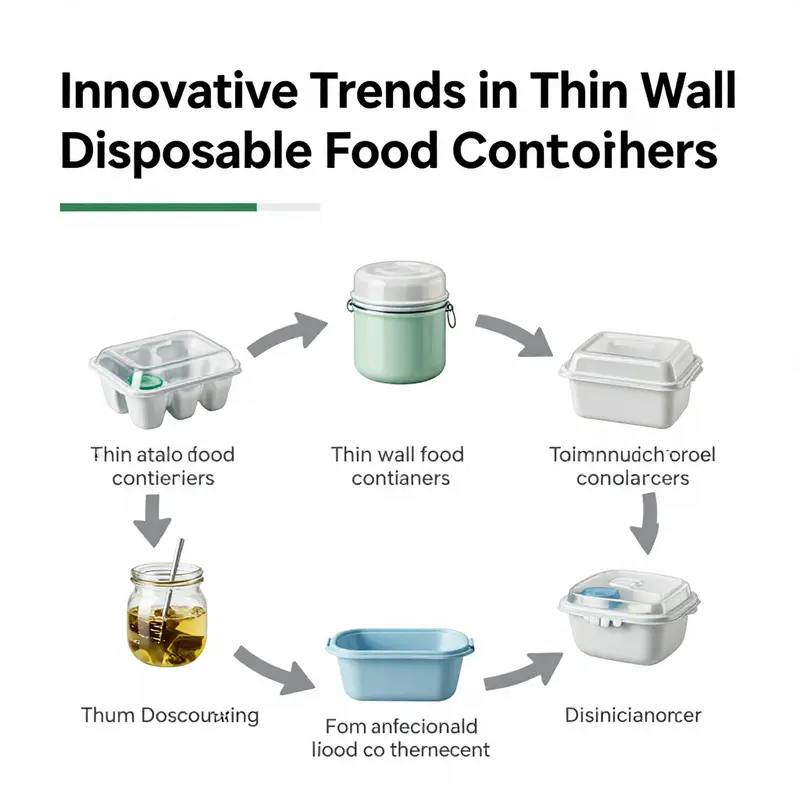
The conversation around thin-wall disposable food container molds begins with a simple observation: a smaller container uses less plastic, consumes less energy in formation, and, if managed well, can fit a circular economy with carefully designed end-of-life pathways. Yet this is not a story about engineering alone. It is a sustainability narrative that travels from resin selection through production efficiency to the social and policy frameworks that shape how we reuse, recycle, and compost. It is also a story that sits at the crossroads of global manufacturing capability and local waste-management infrastructure. In a landscape shaped by demand for affordable, reliable single-use packaging, the engineers who design the molds and the brands that deploy them carry a heavy responsibility to ensure that a thinner wall does not merely mean cheaper packaging but packaging that aligns with genuine environmental stewardship. This is especially true for a company known for high-speed, thin-wall plastic food container mold production, where the economies of scale can magnify both the environmental benefits and the risks if misapplied. The chapter unfolds along a single thread: how the mold’s geometry, material choice, and process control contribute to sustainability, while recognizing the constraints that push this thread toward responsible innovation rather than facile green marketing.
Material selection sits at the core of any sustainability discussion about thin-wall molds. Traditional resins, such as polyethylene terephthalate (PET) and polypropylene (PP), are mainstays in disposable food packaging because of their clarity, toughness, and cost efficiency. Yet they are derived from fossil fuels and contribute to a linear waste stream that accumulates in landfills and, increasingly, in microplastic pollution. The industry is responding with a spectrum of alternatives. Biopolymers and bio-resins, such as polylactic acid (PLA) and other renewable-based formulations, promise compostability and a lighter carbon footprint when they are produced under sustainable agricultural practices. The potential environmental gains of these materials are real, but they are conditional. True environmental benefits hinge on the availability of industrial composting facilities capable of processing bio-based containers at scale. Home composting and incidental environmental exposure can be insufficient for complete degradation, leaving users with packaging that still behaves like plastic in many settings. This infrastructure dependency is not a footnote; it is a prerequisite for the circular promise of bio-based thin-wall designs. In practical terms, designers must evaluate not only the resin’s properties but the entire waste-management ecosystem. The goal is to minimize net environmental impact across the product’s life cycle, from resin synthesis to end-of-life fate, while avoiding the trap of greenwashing where a compostable label masks a lack of compliant composting streams.
As a consequence, the conversations around material selection for thin-wall molds increasingly emphasize a mixed-material strategy that seeks to decouple performance from the most burdensome inputs. The mold designer may still rely on high-strength, thin-wall geometries to achieve fast cycles and material efficiency, but the resin choice can be matched to intended end-of-life routes. In cases where industrial composting is reliable and accessible, bio-based resins can be a compelling choice. Where composting is not readily available, a robust design that accommodates recycled content and supports clean recycling streams may be preferable. The parallel track here is to ensure that thinner walls do not become silent enablers of perpetual consumption when the waste system cannot absorb them. This is where the integration of design for recyclability, segregation, and compatibility with existing recycling streams becomes essential. The dialogue between material science and waste-management logistics grows louder as formulators experiment with blends, fillers, and barrier coatings that may influence recyclability or compostability while maintaining the integrity of the thin-wall structure.
Production efficiency follows closely behind material selection. Thin-wall molds inherently reduce material usage per unit, a straightforward benefit for raw material conservation and energy expenditure in manufacturing. The practice translates into lower embedded energy and reduced greenhouse gas emissions per container produced. In modern injection-molding facilities, technological advances further enhance sustainability outcomes. Shorter cycle times, precise temperature control, and multi-cavity molds allow higher output without a parallel rise in energy draw. The ability to reuse scrap through efficient sprue and runner handling, as well as the adoption of recycled-content feedstock where feasible, contributes to a closed-loop narrative. The trend toward recycled-content sheets and pellets is particularly meaningful when the molding process can accommodate the variability in recycled feedstock without compromising product performance. The synergy between mold design and process engineering matters here: fine-tuned ejection, gate geometry, and cooling channel optimization all reduce waste and energy usage while preserving dimensional stability for thin-wall geometry.
An important dynamic in this space is the emergence of process-driven sustainability rather than material-driven sustainability alone. When a mold is capable of high-speed production with consistent cycle times, it can enable leaner manufacturing that minimizes scrap and post-processing. In addition, the integration of monitoring and control technologies supports a more predictable and less wasteful operation. Real-time feedback on melt temperature, viscosity, and pressure helps prevent deviations that could lead to defective containers and unnecessary waste. In parallel, the industry has begun to explore incorporating renewable energy sources and energy recovery schemes within molding facilities, further shrinking the life-cycle footprint of these molds themselves. The far-reaching implication is that the mold becomes not just a tool for manufacturing, but a component of a system designed to extract value from every gram of material and every joule of energy, with a clear eye on end-of-life viability.
End-of-life management and the broader ecological impact are the most visible indicators of a product’s true sustainability profile. Thin-wall containers, when used as intended, should ideally depart the consumption cycle through a recovery pathway that returns their materials to use rather than to landfills. This is where the infrastructure question becomes critical. If the system can separate plastics for mechanical recycling, then thin-wall containers can be reprocessed into new feedstock, supporting a closed-loop loop. If the container is compostable due to bio-based resin content, industrial composting becomes the preferred endpoint. Each pathway carries different requirements for labeling, packaging, and consumer education. The labels must clearly communicate material type and appropriate disposal channels. Consumers, overwhelmed by options, can easily misplace them into the wrong stream. Consequently, the responsibility does not rest on the consumer alone; it spreads through the entire value chain—from mold designers and manufacturers to brand owners and waste-management operators—to align product design with actionable waste streams.
The challenges in aligning this chain are substantial. Biodegradable materials often command higher production costs and can exhibit moisture sensitivity that affects performance in some applications. Shelf life may be shorter, and some bio-based resins require precise moisture control during processing. Global supply chains for both bio-resins and composting infrastructure remain uneven. Without consistent access to reliable composting facilities or robust recycling streams, marketing a product as “eco-friendly” risks creating a dissonance between stated benefits and real-world outcomes. To avoid greenwashing, manufacturers and mold providers must publish transparent life-cycle analyses and verifiable end-of-life pathways. Certification schemes, third-party audits, and standardized labels can help create trust for customers and partners who seek to make genuinely sustainable choices.
Acknowledging these realities leads to a set of practical recommendations for a thin-wall mold company and its clients. First, transparency must anchor every material choice and process decision. Clear disclosure about resin content, additives, energy use, and end-of-life routing enables customers to make informed decisions and fosters accountability across the supply chain. Second, continued investment in material innovation is essential, but it should be paired with a clear plan for waste management. This includes developing or supporting recycling and composting infrastructure that can handle the specific profiles of thin-wall plastics. Third, the lifecycle perspective should extend beyond the mold itself to the entire product system, including packaging design, labeling, and consumer guidance. Designing for recyclability or compostability requires collaboration across disciplines—materials science, process engineering, logistics, and policy. Fourth, policymakers and industry players should encourage and invest in standardized testing, traceability, and certification that help distinguish genuine environmental benefits from marketing impressions. Fifth, brands and manufacturers should be prepared to adopt a portfolio approach: mix traditional plastics in appropriate contexts with bio-based or recycled-content options where justified by the end-of-life pathways that exist in local markets. In places where composting is not yet practical, a strong emphasis on recycling and material recovery may yield better environmental outcomes than any single material choice. The moral of the chapter is not to chase sustainability as a slogan but to embed it in the entire lifecycle—mold design, material selection, processing, distribution, consumer use, and waste management.
If the industry can maintain this integrated perspective, thin-wall molds can contribute meaningfully to sustainable packaging without sacrificing the efficiency and performance that customers expect. A high-speed, thin-wall injection mold manufacturer has the opportunity to demonstrate how engineering excellence supports environmental stewardship at scale. The challenge is to translate technical gains into real-world benefits that communities can recognize and verify. When done well, the resulting packaging becomes a case study of how thinning a wall can still expand a whole-system circle—from raw material to receptor environment—rather than simply thinning the profit margins or the durability of the waste stream. The aim is a packaging ecosystem where lighter, smarter containers arrive with a lighter footprint, and where the infrastructure for recovery is not an afterthought but a built-in capability that keeps plastics out of the wrong places and back into the loop wherever possible. In such a scenario, the mold itself can be viewed as a steward of circularity, guiding the product through a lifecycle that respects resource limits and supports responsible waste management, a narrative that resonates with producers, retailers, and consumers alike.
For readers seeking practical, real-world examples of the broader packaging landscape and its environmental considerations, one can explore related packaging options that foreground recyclability and compostability within similarly ambitious design constraints. As packaging shifts toward bio-based or recycled content, brands are increasingly seeking suppliers who can demonstrate not only technical prowess but also a clear path to responsible waste management and verifiable environmental impact. In this sense, the thin-wall mold story is not just about faster production or thinner walls; it is about enabling a system-wide shift toward packaging that truly serves a circular economy—where every component, including the mold, contributes to a more sustainable fate for plastics in a world hungry for responsible solutions.
External resource: Plastics News offers ongoing, industry-specific insights into the technical and environmental aspects of thin-wall packaging, sustainability metrics, and policy developments that shape the future of this field. See https://www.plasticsnews.com/ for further reading.
Internal reference: The broader packaging ecosystem continues to evolve, and readers may find relevant discussions in related material about sustainable packaging alternatives and design considerations at this resource: eco-friendly pulp cup holder.
Final thoughts
The evolution of thin wall disposable food container molds demonstrates a crucial intersection of technology and sustainability in the food service industry. As businesses adapt to changing consumer preferences and regulatory standards, the role of these molds becomes central to delivering eco-friendly packaging solutions without sacrificing quality. Understanding the implications of technological advancements, global economics, and geopolitical factors will empower food industry players to make informed decisions that align with their operational goals and social responsibilities. Ultimately, this focus on innovative, disposable food packaging fosters not only business growth but also contributes to a cleaner, more sustainable planet.