
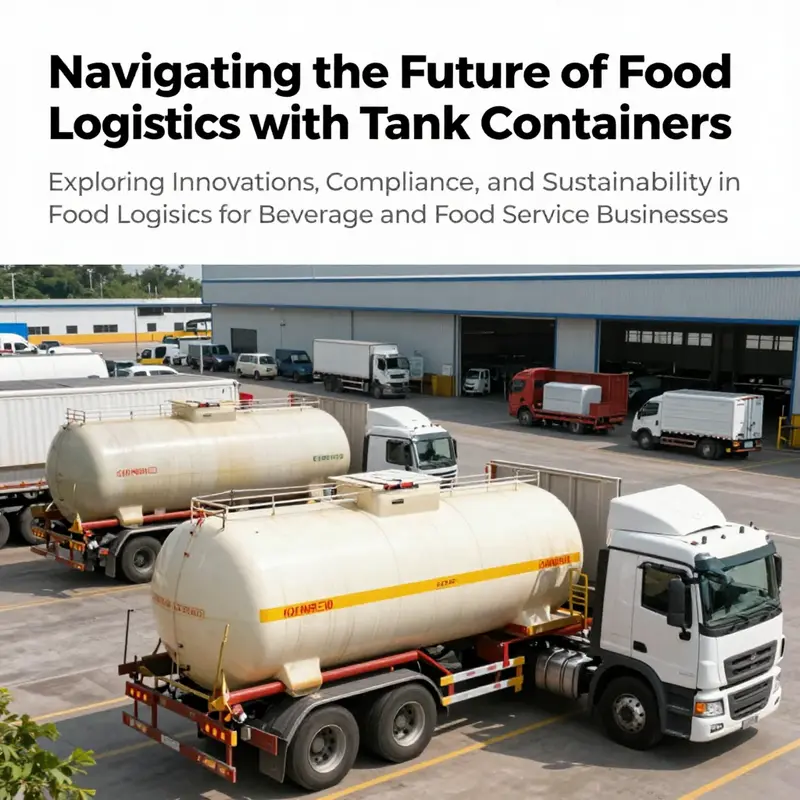
In an ever-evolving food logistics landscape, tank containers have emerged as a vital solution for businesses that handle and distribute food-grade liquids. From Bubble Tea shops to large beverage chains, the ability to transport and store these sensitive liquids safely and efficiently sets the foundation for success. This article explores the innovations that enhance the functionality of tank containers, the stringent hygiene and compliance standards they must meet, and the economic benefits they offer to businesses. Furthermore, we delve into sustainability practices that align food logistics with modern environmental goals, alongside technological advancements that streamline management processes. Each chapter provides a comprehensive look at essential aspects of tank containers, demonstrating their significance in ensuring quality, safety, and efficiency in food logistics operations.
Bulk, Safe, and Sustainable: Innovations in Tank Containers for Food Logistics Wholesalers
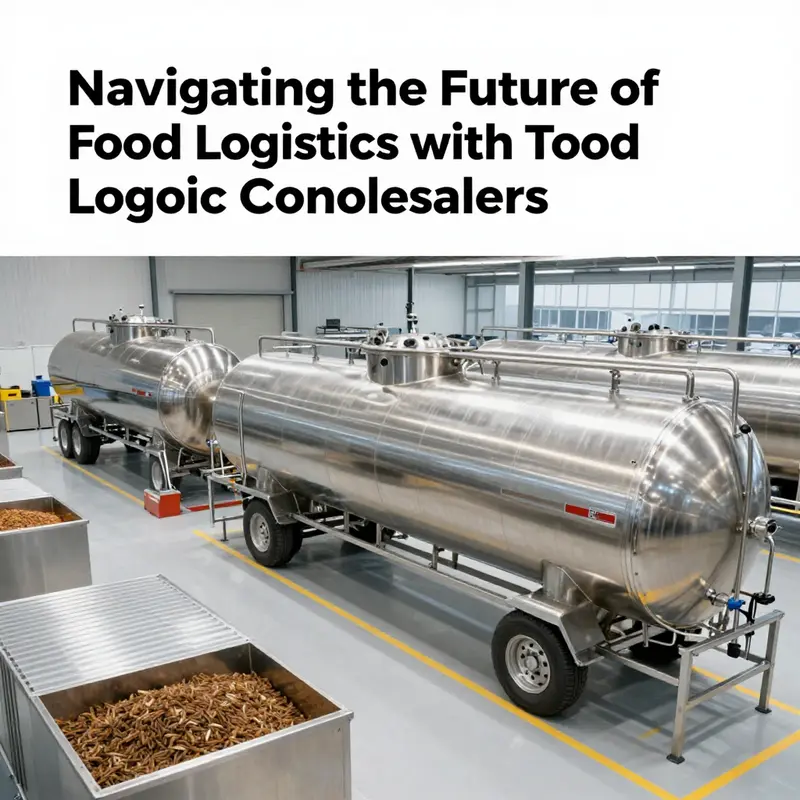
When a food logistics wholesaler surveys a fleet of tank containers, the questions extend well beyond raw capacity. The real detours and destinations lie in the quality of hygiene, the pace of loading and unloading, and the broader footprint each container leaves on the supply chain. In an industry where edible oils, beverages, and other food liquids ride the balance between freshness and safety, the newest generations of tank containers are not simply metal vessels; they are integrated systems designed to minimize risk, maximize efficiency, and align with sustainability goals that increasingly define modern logistics. A recent industry update emphasizes that state of the art depot facilities designed with food grade liquids in mind are crucial nodes in this evolving landscape. Such depots typically feature a dedicated segregated wash bay for food grade products and multiple fixed bays that can be assigned to distinct product streams. This kind of architectural discipline matters. It means a wholesaler can route different liquids through clearly separated paths, reducing cross contamination risks and enabling compliance with stringent sanitation standards without slowing the fleet down. The operational clarity this affords is itself an innovation because it turns what used to be a bottleneck in handling into a predictable repeatable process. The depot environment also includes advanced wastewater treatment aimed at minimizing water use and curbing transport related carbon emissions. In practice, this means less strain on municipal systems and a smaller environmental footprint for every mile that a tank travels. It is a reminder that innovations in tank containers don’t exist in a vacuum; they are part of a broader system improvement that starts at the depot and radiates outward to fleets and customer markets. As Mike Kramer, President of STC, notes, such investments reflect a strategic move to place high capacity specialized facilities near customer markets while integrating digital process management for greater efficiency. The emphasis is not only on what can be transported, but how it is transported, managed, and accounted for from the moment a liquid leaves the producer’s site to the moment it reaches the mixer, packer, or distributor downstream. For wholesalers, the implications are practical and tangible: faster turnarounds, fewer delays, and more reliable delivery schedules that accommodate just in time stock policies and seasonal demand spikes. One of the most transformative innovations in this space is the concept of Open Side Containers OSCs. These designs break with the traditional idea of a closed box by offering access along the side and ends, simplifying loading and unloading in ports, terminals, and intra terminal moves. The practical impact is tangible: when time matters, being able to reach the contents from multiple angles with standard handling equipment translates into shorter dwell times and fewer manual bottlenecks. For a food liquids operation, the ability to access interiors without complicated rigging reduces the risk of spills and thermal loss during transfers. Yet OSCs also demand thoughtful operations. They require robust sealing strategies, rigorous cleaning protocols, and clear procedures to maintain the integrity of products that are sensitive to exposure to air, moisture, or contaminants. In a world of food safety, flexibility must be balanced with discipline. The industry’s gradual adoption of OSCs demonstrates a broader trend: design is increasingly driven by the realities of everyday handling, not only by theoretical efficiency. Wholesalers who embrace this design expect less friction at loading docks and ports, faster distribution cycles, and more precise control of batch traceability, which is essential when monitoring the quality of high value liquids such as edible oils and specialty beverages. Material choice remains a cornerstone of food safety and container longevity. Food grade stainless steel, with its seamless interiors and corrosion resistance, has become a standard in modern tank containers. The emphasis on hygienic interiors is not cosmetic; it is a foundational requirement for preserving product integrity and simplifying sanitation. The seamless interior minimizes crevices where residues can lodge, and the stainless steel resists the kinds of chemical interactions common with fats, oils, dairy residues, and alcohols. For wholesalers, the consequence is a reduced risk of cross contamination between lots and lower long term maintenance costs due to fewer corrosion related issues. The combination of a corrosion resistant exterior and a smooth interior also supports easier cleaning and sanitization cycles, a critical consideration for fleets that must meet strict sanitation schedules and real time compliance reporting. While there are many configurations in the market, the underlying principle is clear: the container must preserve product quality from first fill to final dispense while offering durable performance across operating environments from hot docks to frigid transit. Beyond fixed design elements, modular and foldable concepts bring a different kind of efficiency to the table. Foldable or collapsible units, exemplified by 1000 liter foldable IBCs and similar approaches, address the often overlooked issue of return shipping and storage. When empty, these units can be collapsed to minimize space in warehouses and on return trips, translating into meaningful cost savings and reduced handling requirements. For wholesalers managing large, diverse portfolios of liquids, modular solutions offer a way to scale capacity without inflating the footprint of a fleet or incurring prohibitive re stocking costs. The operational impact is practical: greater flexibility in capacity planning, easier fleet balancing, and the possibility of converging multiple product lines into shared transport assets while maintaining product safety and regulatory compliance. In environments where the mix of goods shifts with seasons, modular designs deliver the adaptability necessary to protect margins without compromising service levels. Market reality mirrors these innovations with a pragmatic note. Contemporary offerings in the tank-container market include versatile 20-foot stainless steel, food-grade tanks designed for the safe storage and transport of water, edible oils, and beverages. These units are built to meet international safety and sanitation standards and are positioned to serve wholesalers seeking scalable expansion with relatively modest upfront investment. Price points, which can start around US$14,500 per unit with a minimum order quantity of one, provide a practical entry path for fleets looking to refresh or augment their capabilities. The affordability, combined with the durability of stainless steel and the potential for compatibility with OSC designs, makes these tanks a compelling option for wholesalers planning near-term capacity upgrades or longer-term fleet modernization. The decision, of course, hinges on an assessment of total cost of ownership: initial price, anticipated maintenance, cleaning regimes, potential downtime, and the ability to integrate with digital process management that tracks temperature, pressure, and integrity throughout every step of the journey. The overarching narrative is clear: technology, materials science, and smarter depot design converge to transform tank-container operations from a strictly logistical concern into a strategic capability. The depot forms a crucial bridge between container technology and on the ground execution. The six fixed food bays create a disciplined flow, with dedicated lanes that minimize cross-path interference and reduce the risk of accidental mixing of liquids with incompatible residues. The segregated wash bay guarantees that cleaning procedures for food-grade products do not contaminate other streams, a critical safeguard in preventing cross-contamination and ensuring compliance with food-safety standards. Digital process management ties everything together tracking cleaning history, monitoring temperature logs, and maintaining precise timestamps for each transfer. In practice, wholesalers benefit from clearer accountability, higher traceability, and the confidence that each batch can be audited and recalled if necessary. The depot’s wastewater treatment system complements this operational rigor by reducing water consumption and lowering the CO2 footprint associated with cleaning and transport activities. Such environmental considerations matter not only to corporate sustainability reporting but also to the bottom line, as they influence energy costs, water usage, and waste handling. The strategic importance of proximity to customer markets cannot be overstated. High capacity facilities placed near key demand centers shorten distribution networks, reduce dwell times, and enable more agile replenishment cycles. The digital layer ensures that every movement, every wash, and every transfer is visible to stakeholders, enabling more precise forecasting and performance measurement. For procurement decisions, wholesalers face several dimensions. Capacity, reliability, hygiene controls, and the ecosystem around depot networks matter as much as the raw specifications of a tank. This means evaluating not only the physical container but the operating model that supports it: the availability of certified cleaning protocols, the cadence of depot visits, and the transparency of digital records that document temperature histories and material compatibility. In this sense, the new wave of tank-container innovations is not simply about the container itself; it is about a synchronized system in which the depot, the container, and the digital tools work in concert to deliver safe, efficient, and sustainable food-liquid transportation. That synergy is what enable wholesalers to move quickly whether they are increasing fleet capacity to meet peak-season demand or reorganizing routes to reduce handling times at congested ports and distribution centers. It also supports more robust supplier relationships, since customers increasingly expect verifiable quality controls and consistent service levels. The practical takeaway for a wholesaler maps directly onto the depot’s and container innovations described above. Consider the value of matching a robust, food-grade stainless steel container with a depot that can manage hygiene, cross-contamination risks, and water usage in a tightly controlled manner. Favor designs that offer flexible loading options, such as OSCs, while ensuring that cleaning and sanitizing operations align with industry standards and regulatory requirements. Embrace modular or foldable storage concepts to optimize warehouse space and reduce return-trip costs when demand patterns shift. And always pair product choices with digital process management that provides real-time visibility into temperature, pressure, cleaning cycles, and batch history. The result is a more resilient, scalable, and sustainable logistics proposition that can adapt to changing market conditions without sacrificing safety or efficiency. For readers seeking related practical examples beyond the core container design, an internal reference to packaging solutions demonstrates how the broader food-distribution ecosystem continues to innovate around safety and sustainability. For instance, a move toward eco-friendly recyclable packaging in adjacent segments illustrates a mindset that can ripple across the supply chain: a willingness to rethink packaging, handling, and end-of-life considerations so that each link in the chain contributes to a reduced environmental impact while maintaining product quality. This broader packaging context can serve as a useful companion as wholesalers assess how tank-container innovations integrate with their overall packaging and logistics strategy. eco-friendly recyclable pulp coffee cup holder. External resource for further reading: the STC depot launch underscores how a dedicated facility architecture, coupled with digital process controls, can transform the transport of food-grade liquids. For additional detail on the depot concept, the official news release provides a authoritative look at equipment layouts, process flows, and sustainability goals. https://www.stclogistics.com/news/2026/01/stc-launches-new-food-grade-tank-depot
Guardians of Freshness: Maintaining Hygiene and Compliance in Food-Grade Tank Containers for a Modern Logistics Network
In the intricate choreography of food logistics, moving liquids safely from producer to plate requires more than sturdy equipment. It demands a holistic approach where container design, depot operations, regulatory alignment, and digital oversight converge to protect product integrity across the entire journey. The recent industry update detailing a state-of-the-art depot facility—built around food-grade liquid transportation and storage, with six fixed food bays and a segregated drive-through wash bay dedicated to food-grade products—offers a blueprint for how hygiene and compliance can be engineered into every link of the chain. For wholesalers tasked with distributing sensitive commodities such as edible oils, beverages, and processing liquids, this blueprint translates into practical decisions about fleet composition, facility layout, and the governance mechanisms that ensure safety and quality without sacrificing efficiency.
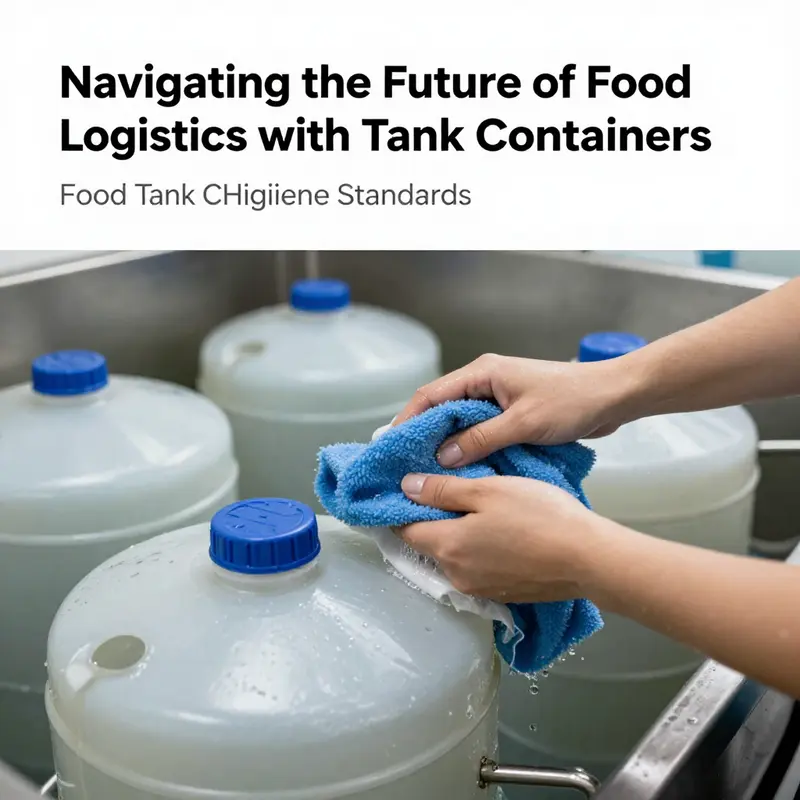
At the core of this model is a disciplined separation of processes designed to minimize cross-contamination. Six fixed bays provide a structured, scalable habitat for loading, storage, and transfer activities, while the segregated wash bay ensures that cleaning workflows do not intersect with ongoing product handling. This matters, because residual material, if left to mix across batches, can alter taste, odor, or safety profiles and even trigger regulatory alarms. The wash bay becomes more than a maintenance point; it represents a gatekeeper for hygiene. When a tank container completes a load or unload cycle, it enters a cleaning sequence that is aligned with clean-in-place (CIP) principles. The emphasis is on repeatable, validated cleaning cycles that sanitize interior surfaces without requiring repeated disassembly. In practice, this reduces downtime and preserves throughput while giving operators confidence that each container entering the depot is ready for a new product with minimal risk of carryover.
The choice of materials for interior contact surfaces is not cosmetic. It rests on decades of experience in the food and beverage industries, where contact surfaces must be smooth, non-porous, and resistant to both corrosion and chemical leaching. Stainless steel, particularly high-grade alloys, emerges as the preferred baseline because it balances cleanability with durability. This is paired with robust gaskets and welds that withstand repeated exposure to cleaning agents in CIP cycles and to the rigors of temperature fluctuations and movement during transport. The result is an interior environment whose integrity is auditable and traceable. Yet the physical attributes are only part of the story. The depot’s operational discipline ensures that each container’s passage through loading, unloading, cleaning, and storage is captured in a digital thread. This thread records times, temperatures, cleaning agents used, and the personnel responsible for each action. Such traceability supports recalls, investigations, and continuous improvement, turning the container itself into a mobile repository of compliance information.
A foundational element for any hygiene and compliance program is alignment with international standards and best practices. ISO tank containers intended for food contact are governed by requirements that emphasize smoothness and non-porosity of internal surfaces, along with resistance to corrosion and leaching. The materials chosen must endure repeated cleaning cycles without degrading, and the design should minimize crevices where residues could harbor microorganisms. Beyond the vessel, the packaging and handling ecosystem—including valves, seals, and transfer lines—must be compatible with cleaning regimens and with the chemistry of the liquids being transported. In this regard, a depot that integrates digital process management into its wash and transfer workflows can demonstrate ongoing compliance through verifiable records of every action. The value here is not only regulatory alignment but the confidence it affords customers who rely on consistent quality as liquids cross borders and time zones.
To anchor these practices in a broader regulatory framework, reference to authoritative guidelines is indispensable. The Centre for Food Safety provides a comprehensive code of hygienic practice for aseptically processed and packaged low-acid foods, underscoring how facility design, hygienic processing, quality assurance, and control measures collectively safeguard product integrity. While the document targets aseptic processing, its core tenets translate well to transport and depot operations: CIP systems, validated cleaning protocols, and verified material compatibility are non-negotiables. The guideline’s emphasis on cleanability, rigorous sanitization, and documented procedures dovetails with the interior finish requirements and routine inspections that food-grade tank containers must withstand over their lifetimes. Moreover, the appendix with a compliance checklist offers a practical, auditable framework for any operator aiming to demonstrate due diligence to customers and regulators alike. As a practical matter, this means that a depot cannot merely claim hygiene; it must prove, through documented processes and traceable data, that each container entering and leaving the facility meets a defined standard.
For wholesalers, the procurement landscape is shaped by more than upfront cost. The availability of versatile, food-grade ISO tank containers provides a pathway to scale while maintaining stringent hygiene and sanitation standards. Containers designed for food contact must accommodate a variety of liquids—water, edible oils, and even alcohols—without compromising surface integrity or cleaning efficacy. The procurement decision should weigh material compatibility, the ease of integration with CIP processes, and the container’s ability to operate in a digitally managed environment. The depot example illustrates how digital process management can harmonize loading schedules, cleaning cycles, and bay allocation into a single, real-time operational tapestry. When the fleet and the depot are synchronized by a shared digital layer, throughput improves, variability in handling decreases, and the likelihood of contamination during handoffs diminishes. The result is a more reliable, resilient network that can respond to market shifts, expand into new product lines, and meet rising expectations for safety and traceability from customers and regulators alike.
The lifecycle discipline that underpins hygiene and compliance extends beyond the vessel and the wash bay. It encompasses pre-use inspection routines, ongoing maintenance, and post-use validation that each container is fit for its next assignment. Regular inspections and third-party audits become not only compliance mechanisms but also competitive differentiators. A well-managed fleet can provide customers with confidence that every container meets the highest sanitary expectations at every stop, regardless of where it travels. In practice, this translates into fewer product complaints, lower recall risk, and more predictable performance. The depot’s emphasis on keeping high-capacity facilities close to markets further reinforces this reliability by reducing exposure to long-haul, multi-leg travel that can complicate sanitation records and escalate risk exposure. Proximity means faster turnaround, less exposure time for stored liquids, and an easier alignment of cleaning and transfer workflows with daily demand cycles.
From a strategic perspective, the emphasis on hygiene and compliance interlocks with broader sustainability and efficiency goals. Wastewater treatment and water-use minimization reflect a growing recognition that environmental stewardship is inseparable from product safety. Efficient water management reduces the burden on local resources and lowers operating costs over time. When coupled with energy-conscious design and digital governance, the depot becomes a model of responsible logistics that can be scaled or replicated as markets grow. The depots’ design choices—dedicated wash capacity, fixed bays, and a centralized digital platform—operate as a cohesive system rather than as a collection of isolated features. Each element reinforces the others: a clean, well-maintained container is easier to sanitize; accurate digital records support compliance audits; proximity to customers reduces unnecessary transport and emissions; and efficient water and waste systems help sustain operations over the long term.
The practical implications for day-to-day operations are clear. Hygiene is not a one-off requirement but a continuous program integrated into every phase of the container’s life. Material selection, surface finish, and seal integrity must be chosen with an eye toward long-term cleanability. Cleaning protocols must be validated and documented. Storage and transfer practices must prevent contamination while ensuring traceability. Operators must be fluent in the relevant regulatory frameworks and possess the tools to monitor and report performance in real time. The depot model demonstrated in the update shows how these elements can be orchestrated to achieve high levels of reliability and safety without stalling throughput or inflating costs.
For professionals navigating this space, the takeaway is straightforward: prioritize cleanability, maintain strict material compatibility, and implement robust traceability across the entire lifecycle of each container. The right depot design—one that blends dedicated hygiene infrastructure with intelligent digital management—can become a strategic asset, enabling scale without compromising safety. It also sends a clear signal to customers and regulators that the logistics partner treats product integrity as a core mandate rather than a compliance checkbox. As markets evolve and new product categories emerge, the ability to adapt while preserving hygiene and traceability will distinguish leaders from laggards in the field of food-grade tank logistics.
To connect these principles with practical sourcing decisions, consider how a custodian of liquids might leverage existing packaging ecosystems to reinforce hygiene standards across the chain. See a related reference on adaptable packaging formats here: Disposable-700ml-Kraft-Paper-Bowl-Take-Out. Although the link points to consumer packaging, the underlying emphasis on cleanable, non-porous, and easily sanitized materials resonates with the hygiene philosophy that governs tank containers and depot operations. The parallel underscores a broader principle: the reliability of a food-liquids network hinges on rigorous material science, disciplined process control, and transparent data trails that enable quick, evidence-based decision making when issues arise. Looking ahead, the integration of digital twins and real-time analytics promises to further refine how hygiene and compliance are managed across complex multi-site networks, enabling proactive maintenance, smarter routing, and even more precise control over sanitation workflows across depots and fleets.
For readers seeking to deepen their understanding of the regulatory landscape, the Centre for Food Safety’s guidelines offer a valuable reference point. The documented practices provide a rigorous foundation for sanitization, material compatibility, and cleaning protocols that can inform depot design, container selection, and auditing processes. As the industry continues to evolve toward more data-driven, linked operations, these guidelines help translate high-level quality goals into concrete, verifiable actions at every touch point in the supply chain. External resources like these ensure that hygiene and compliance remain anchored to tested, widely accepted standards rather than evolving in isolation.
External resource: https://www.cfs.gov.hk/english/foodsafetyguidelines/2025-12-23asepticfood_guideline.html
Economies in Transit: The Compelling Economic Case for Tank Containers in Food Logistics
A wholesale operation dedicated to food logistics faces a paradox: the more agile the transport system, the greater the potential for cost discipline, yet the greater the risk of compromising product integrity. The recent industry update describing a state-of-the-art depot facility provides a clear answer to this paradox. It demonstrates how a well-designed network of tank containers, paired with purpose-built handling infrastructure, can shift the economics of transporting bulk edible liquids, dairy concentrates, and fruit juices. At the core of this shift lies a simple truth: when you reduce handling, preserve product quality, and optimize energy and water use, the operating costs and capital expenditure begin to align with a sustainable, scalable growth path. The depot example embodies this alignment. It features six fixed food bays and a segregated drive-through wash bay dedicated exclusively to food-grade products. The configuration is not just about capacity; it is about hygiene, safety, and process discipline that protect margins across the entire logistics chain. For a food logistics wholesaler seeking to expand or modernize a fleet, these attributes translate into tangible economic benefits. The strict segregation of cleaning and storage processes minimizes cross-contamination risk, lowers the likelihood of costly product recalls, and stabilizes service levels even when demand spikes. Such controls are essential when handling delicate liquids like edible oils, dairy liquids, or beverage concentrates, where the cost of compromise far exceeds the price of preventive investment. A robust wastewater treatment system within the depot further enhances the economics of scale by reducing water usage and curbing the carbon footprint associated with ongoing transport activities. In an industry where every liter of water carries a price and every kilometer traveled generates emissions, the ability to minimize water usage and CO2 output is not a mere sustainability banner. It is a direct contributor to lower operating expenses and improved financial metrics. The depot’s design, and the philosophy behind it, underscores a broader strategic point: proximity to customer markets matters as much as the container itself. High-capacity, specialized facilities situated near key consumption hubs shorten haul routes, lower cycle times, and improve on-time delivery performance. For wholesalers, this proximity translates into reduced inventory buffers, fewer stockouts, and a more predictable revenue stream, all of which contribute to a healthier bottom line. The fusion of physical design with digital process management is where the economics become more precise and more controllable. Digital control allows real-time visibility into loading and unloading sequences, temperature monitoring, and the integrity of seals, enabling proactive maintenance and fewer emergency interventions. In practice, this means fewer unplanned downtime events and more predictable maintenance costs. For wholesalers, the result is a lower cost of capital for fleet investments and a clearer path to return on investment. The procurement landscape for tank containers adds another layer of economic rationale. The industry standard 20-foot ISO tank containers, crafted in stainless steel for food-grade compatibility, provide a universally compatible platform that supports a modular, scalable fleet. With a stated rough entry price in the tens of thousands of US dollars per unit and a minimum order quantity that enables gradual fleet expansion, wholesalers can align capex with demand signals. The standardization inherent in ISO tank containers reduces the complexity of fleet maintenance, simplifies cross-border movements, and lowers insurance and compliance costs by offering consistent safety and sanitation profiles. Beyond initial purchase, the economic story strengthens through the avenues of refurbishment, maintenance, and leasing. As fleets mature, refurbishing containers, certifying them for continued use, and offering maintenance services become viable revenue streams in their own right. This creates a multi-legged business model that blends asset ownership with service-based income, improving resilience against market cycles. While some businesses might be tempted to treat tank containers as one-off capital purchases, the smarter approach leverages a balanced mix of ownership and value-added services. The growth dynamics of the global ISO tank container market amplify this logic. Recent projections point to a market size approaching USD 1.70 billion by 2032, with a compound annual growth rate near 8.7% from 2023 to 2032. Such growth is not merely a reflection of expanding trade; it signals how industries are recalibrating bulk liquid logistics in response to globalization, stricter food safety standards, and a shift toward sustainable practice. The speed of this expansion is driven in part by the demand for safer, more efficient bulk transport solutions that minimize food waste and degradation risk during transit. As the fleet grows and the service ecosystem matures, there is a natural march toward ever more professional handling—cleaning, inspection, and certification—as bundled, recurring-value offerings. This is not a mere line item on a financial forecast; it is a strategic pivot that redefines cash flow profiles and revenue continuity. In practice, the combination of capital-efficient fleet models with durable, reusable packaging appears to offer a robust long-term cost advantage over single-use or non-standardized packaging solutions. The decoupling of container life from the total transport cycle enables more predictable depreciation schedules and facilitates capital planning over longer horizons. It also helps reduce waste and disposal costs, reinforcing the appeal of reusable systems in an era when sustainability is tightly woven into cost accounting and regulatory readiness. A critical dimension of this economic logic is risk management. The depot update reveals a deliberate emphasis on hygiene, controlled processing, and traceability—attributes that mitigate operational risk. Cleanliness and segregation minimize spoilage and contamination, protecting product quality and salability at the receiving end and supporting premium pricing where applicable. The integrated wastewater system and energy-conscious design contribute to lower environmental liabilities and more favorable regulatory compliance profiles. In short, the economics of tank containers transcend unit costs. They touch the entire value chain—from capital expenditure and fleet utilization to service quality, regulatory compliance, and environmental stewardship. When combined with a logistics network that locates high-capacity depots near customer markets and couples this with digital process control, wholesalers gain a platform for reliable, scalable growth. The decision to invest, therefore, becomes less about a single asset and more about a strategic program that yields stable operating leverage, resilient margins, and a pathway to sustained profitability in volatile market conditions. The numbers cited by market analysts help frame the opportunity, yet the practical reality lies in execution. A wholesale operator that aligns fleet deployment, depot capacity, and maintenance cycles with demand patterns will realize shorter cycle times and reduced stockouts. The seven-figure questions—how many tanks, how many depots, what mix of ownership and service contracts—become anchored by real-world data rather than optimistic forecasts. The depot example provides a corridor map for such decisions: it demonstrates how careful design choices, backed by disciplined operations and near-market placement, can translate theory into measurable economic gains. For wholesalers in the food logistics space, the message is clear. Tank containers, when integrated into a well-conceived network, offer more than a safer, more efficient way to transport bulk liquids. They enable a disciplined, scalable, and sustainable business model with multiple streams of value—from reduced spoilage and energy use to predictable maintenance revenue and strategic proximity to markets. This convergence of asset standardization, process control, and near-market infrastructure is precisely what turns a capital expenditure into a durable competitive advantage. External resource: https://www.grandviewresearch.com/industry-analysis/iso-tank-container-market
Circular Highways: Building Sustainable Food Logistics with Tank Containers for Wholesalers
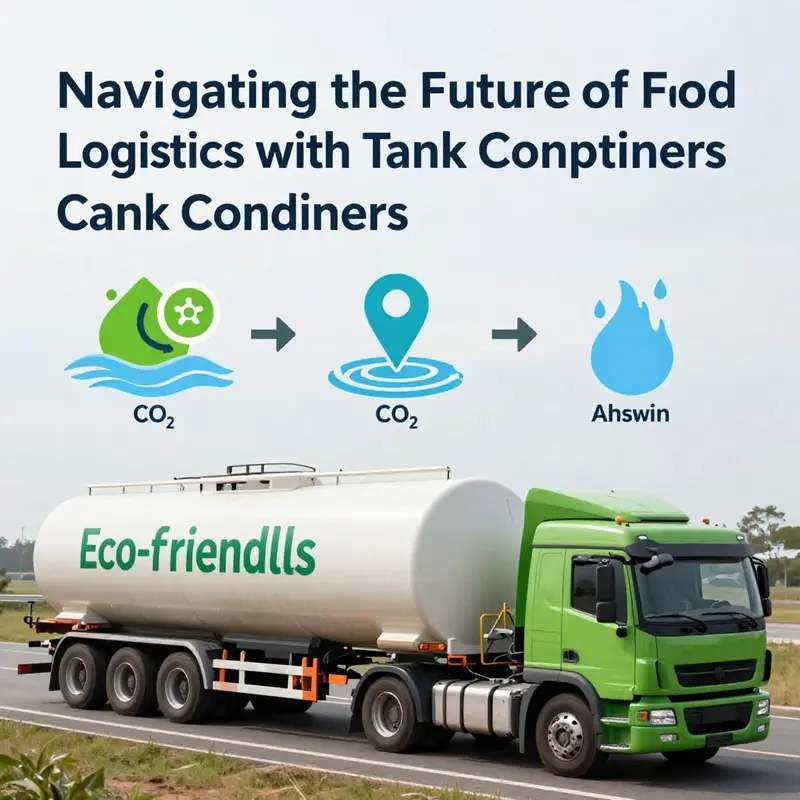
In modern food logistics, sustainability is not a destination but a continual journey that folds safety, efficiency, and environmental responsibility into every mile of movement. Tank containers, long prized for their rugged stainless-steel construction and their ability to carry liquids in bulk, have emerged as a central technology in this journey. For wholesalers who manage a mix of edible oils, fruit juices, dairy liquids, syrups, and other bulk foods, these containers offer a path to reduce waste, minimize resource use, and streamline operations without compromising product integrity. The core appeal lies in their reusability, durability, and compatibility with hygienic, standardized processes that support a circular economy. When designed and operated with this mindset, tank containers can transform a distribution network from a series of isolated, disposable packaging steps into a cohesive, near-net-zero waste loop that travels from production to market and back for cleaning and re-use.
At the heart of sustainable tank-container operations is the idea of cargo consolidation. A single, appropriately loaded tank can move substantial quantities of liquid product in one voyage, which inherently reduces the number of trips needed to transport the same volume. This consolidation translates into fewer emissions per liter delivered, especially when combined with sophisticated route optimization and load-planning software. The efficiency gains go beyond fuel use. Fewer trips mean less handling, less packaging waste, and lower emissions from ancillary activities such as road maintenance and idle waiting times at depots. For a wholesaler aiming to maximize fleet utilization, the math is compelling: larger, well-planned loads do more with fewer resources, allowing the business to serve more customers with a smaller, more efficient footprint.
The hygiene and safety features of modern tank containers also contribute to sustainability in a material way. These containers are typically fabricated from food-grade stainless steel and equipped with cleaning-in-place systems that sanitize without labor-intensive manual methods. CIP capability minimizes water use while ensuring consistent sanitation between loads, which is essential when switching from one product to another in the same tank. Thorough sanitation preserves product quality and reduces the likelihood of cross-contamination, protecting consumer trust while cutting waste associated with rejected loads or spoiled inventory. In practice, digital tracking systems further enhance sustainability by monitoring temperature, humidity, and container integrity throughout transit. This enables precise control of storage conditions and product freshness, reducing spoilage and the consequent waste that often accompanies temperature excursions or improper handling.
A critical, often-understated aspect of sustainable tank-container programs is standardization and pooling. When fleets embrace standardized tank dimensions and pooling arrangements across borders, the industry can cut logistics waste in multiple ways. Reduced empty mileage, easier maintenance, and shared access to repair facilities mean assets are used longer and more efficiently. End-of-life management also benefits; standardized components simplify repair, refurbishment, and recycling, ensuring materials are recovered rather than discarded. This is especially important for wholesalers who operate across multiple markets, where harmonized practices can shorten lead times, lower capital costs per unit, and reduce the total cost of ownership over the container’s lifespan. In practical terms, a wholesaler with a standardized fleet can negotiate more favorable maintenance terms, implement more predictable replacement cycles, and coordinate with customers on sustainable wash and reuse schedules that minimize disruption while maximizing the container’s life cycle.
The strategic placement of facilities plays a vital role in enabling sustainable tank-container operations. A state-of-the-art depot designed for food-grade liquids typically includes dedicated bays and a segregated wash area that prevents cross-contamination between products. Six fixed food bays, for instance, can accommodate a steady flow of consignments, while a wash bay reserved exclusively for food-grade loads ensures hygiene standards are never compromised. Such design choices help minimize downtime between loads, accelerating turnaround while maintaining cleanliness. Integrated wastewater treatment and water-management systems further reinforce sustainability by minimizing water usage and curbing decarbonization pressures associated with transport activity. When the depot is positioned close to customer markets, freight distances shorten, reducing fuel consumption and improving delivery reliability. A digitally managed depot—where process steps are tracked in real time, and deviations trigger automatic corrective actions—adds an extra layer of efficiency. In this setup, operators can monitor cleanliness cycles, calibrate temperature controls, and verify that every container leaving the depot complies with sanitation and safety requirements.
For wholesalers, the financial and strategic implications of adopting tank containers extend beyond the initial capital outlay. The ability to scale a fleet in response to seasonal demand, combined with the potential for pooling arrangements and cross-border movement, creates a flexible, resilient supply chain. The bulk nature of tank containers also implies that the product-to-packaging ratio is favorable compared with traditional single-use packaging or multi-pack packaging. While the upfront cost of a stainless-steel tank is higher than that of disposable packaging, the long-term savings—through reduced packaging waste, lower disposal costs, and improved product integrity—often justify the investment. Moreover, the durability of tanks, when paired with preventive maintenance programs, translates into decades of service life. This longevity strengthens the sustainability profile by lowering the environmental impact of packaging manufacture and end-of-life disposal across the container’s lifespan.
Operationally, wholesalers stand to gain from digital process management that interlinks with depot activities, fleet tracking, and customer scheduling. Real-time data on temperature, humidity, and container integrity can be integrated with existing logistics platforms to support proactive decision-making. For example, if a container’s temperature control drifts outside the acceptable range, alerts can prompt immediate intervention, reducing the risk of spoiled product and waste. This constant visibility is especially valuable when dealing with sensitive liquids, where small deviations can have outsized consequences for quality and safety. The same data-driven approach supports performance benchmarking and continuous improvement across the network. By analyzing patterns in loading, cleaning, and transit times, a wholesaler can identify bottlenecks, optimize staffing at depots, and refine loading sequences to minimize energy use and waiting times, all while keeping the focus on product safety and regulatory compliance.
A practical implication of these sustainability-focused practices is the shift toward a more interconnected logistics ecosystem. Instead of isolated shipments and ad-hoc cleaning routines, wholesalers can implement a standardized, end-to-end process that ensures every step—from loading and transport to cleaning and reloading—contributes to environmental and economic goals. When a depot is designed with six fixed bays and a segregated wash facility, for example, and when it employs a wastewater treatment system designed to minimize water use and CO2 emissions, the network transforms into a capable hub that helps shrink the overall carbon footprint of the operation. Advances in digital process management turn this hub into a control center, where performance metrics, compliance records, and maintenance schedules are all available in a single interface. In downstream terms, customers experience more consistent delivery times, higher product quality, and reduced risk of supply interruptions caused by packaging or sanitation issues.
To translate these principles into practice, wholesalers should adopt a phased approach. Start with a fleet mindset that prioritizes standardization of tank dimensions and compatibility with a digital ecosystem that supports temperature control, traceability, and cleaning validation. Follow with a plan to integrate depot placement strategies that bring storage and cleaning capacity close to markets, supported by robust water treatment and energy-efficiency systems. Then implement pooling or shared-asset agreements to maximize asset utilization and minimize empty miles, ensuring that maintenance standards are uniform across partners. Finally, embed sustainability into supplier and customer agreements by setting clear targets for water use, energy intensity, waste reduction, and product integrity during transit. Such a comprehensive approach aligns with international standards and best practices, creating a resilient logistics platform capable of supporting a growing portfolio of bulk foods while meeting rising expectations for environmental stewardship.
In the end, the value proposition of tank containers for food-logistics wholesalers rests on a simple truth: quality and sustainability can travel together. When a fleet is designed for safety, when depots are engineered to minimize waste and water use, and when digital systems coordinate every step of the journey, the operation becomes more predictable, more scalable, and more responsible. The result is a logistics network that not only delivers on time and in good condition but also does so with a smaller environmental footprint and a stronger alignment to the circular economy. For wholesalers who manage sensitive liquids and navigate complex cross-border movements, this is not merely an option—it is a strategic imperative that shapes competitiveness, compliance, and long-term viability in an increasingly sustainability-minded marketplace.
For further standards and guidance on the design, testing, and operation of tanks used in transporting foodstuffs, refer to the ISO standard that codifies these requirements: ISO Standard for Tank Containers.
Real-Time Intelligence and Clean Mobility: Advancements in Tank Container Management for Food Logistics
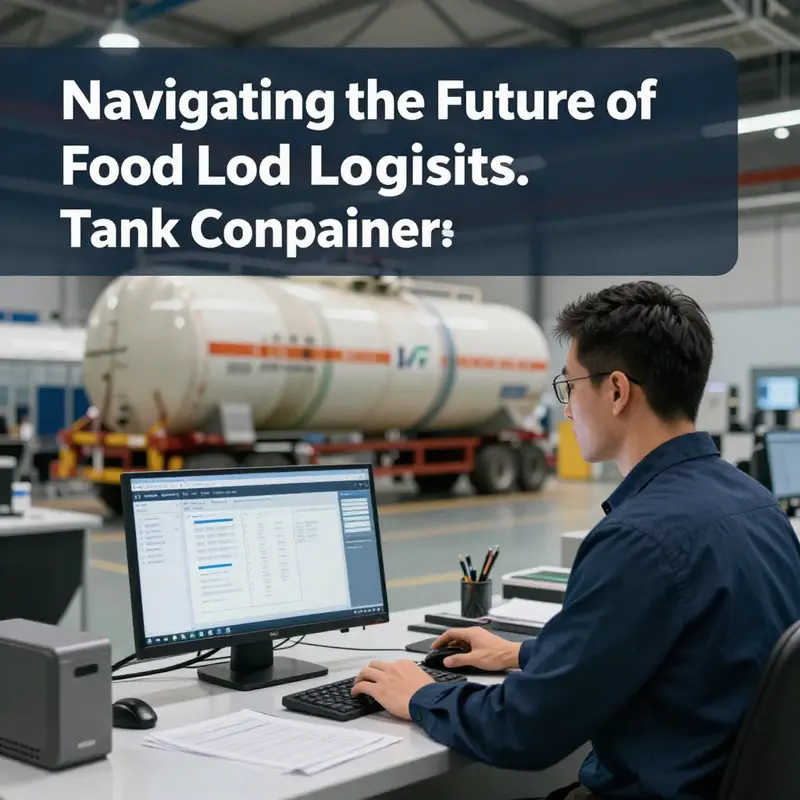
The search for reliable, hygienic, and scalable tank container solutions has become a defining challenge for food logistics wholesalers. In markets where edible oils, spirits, and other liquid foods move across continents and supply chains, the choice of containment is as consequential as the routing itself. A modern depot designed specifically for food-grade liquids demonstrates how physical infrastructure and digital capability can combine to reduce risk and raise service levels. The facility described in recent industry updates features six fixed food-grade bays and a segregated drive-through wash bay dedicated exclusively to food-grade products. This kind of segregation, paired with precise workflow zoning, minimizes cross-contamination and simplifies risk management when fleets cycle between loading, storage, washing, and dispatch. For wholesalers, such design choices translate into greater confidence that products entering the chain are protected from environmental exposure, microbial intrusion, and residue carryover. The emphasis is not merely on containment, but on the end-to-end discipline of sanitation, screening, and traceability that modern food safety mandates demand.
From the depot perspective, the integration of sanitation infrastructure with operational efficiency stands out as a model for contemporary logistics. A dedicated wash bay ensures that every container being prepared for a new load follows a hygienic sequence that is both thorough and auditable. A segregated facility approach, while costing more upfront, reduces the risk of cross-contact between different product streams and simplifies compliance with stringent sanitation standards. In food-grade operations, where a single lapse can cascade into recalls or brand damage, the value of such specificity becomes economically tangible. The wash process itself benefits from controlled wastewater handling, reducing environmental discharge and enabling reuse or treatment steps that align with broader sustainability goals. In short, the physical plant design acts as a first line of defense, enabling downstream digital systems to function with greater reliability and fewer exceptions. The resulting steadiness in throughput and quality is especially important for wholesalers who must balance the daily variability of demand with the fixed cadence of safe storage and transport.
This is where the sector’s pursuit of sustainability intersects with technology. The depot’s wastewater treatment approach, optimized to conserve water and curb CO2 emissions associated with transport activities, reflects a mature understanding that logistics excellence cannot be decoupled from environmental responsibility. The Mediterranean-style tension between throughput and stewardship finds a practical balance when facilities are engineered to minimize waste and to close loops wherever possible. Digital process management is the wheel that turns this balance into measurable performance. By digitizing every step—from the moment a container enters the yard to its departure with a fresh load—the depot can monitor resource use, identify bottlenecks, and recalibrate schedules in real time. This not only reduces emissions but also lowers operating costs by decreasing idle time and improving utilization of high-demand assets. The strategic message here is clear: high-capacity, specialized facilities placed close to customer markets, when paired with digital intelligence, convert variability into predictability and risk into control.
For wholesalers evaluating procurement options, the practical takeaway centers on the compatibility of fleet with the depot’s operating model. Stainless steel, 20-foot ISO tank containers designed for liquids offer a robust platform for safe storage and transport. The emphasis, however, should be on hygiene, durability, and ease of maintenance as much as on capacity. A well-chosen fleet is expected to withstand repeated cleaning cycles, temperature excursions, and portable loading configurations while preserving product integrity. Economic considerations naturally follow: unit pricing, minimum order quantities, and total cost of ownership across a multi-year horizon. In a market where the initial outlay can be substantial, it is essential to weigh not just the purchase price but also the efficiencies gained from standardized, food-grade equipment. The operational advantage arises when containers spend more time in productive use and less time in the shop for repairs, driven by predictable maintenance schedules and proactive parts planning. The outcome for wholesalers is a scalable, compliant, and cost-competitive fleet that can accommodate both routine flows and surge periods without compromising food safety or speed.
Beyond the hardware, the promise of this new paradigm rests on the seamless fusion of IoT and intelligent analytics with everyday logistics. Real-time monitoring of temperature, pressure, humidity, and even subtle shifts in orientation provides continuous assurance that liquids are kept within their required envelopes. Temperature excursions, for example, can be detected the moment they occur, triggering automated alerts and offline containment actions if needed. This level of visibility is transformative for recall readiness and regulatory compliance because every container carries an auditable, tamper-evident log of its journey. The same data streams that guard quality also empower planners to maximize utilization. By analyzing how often a given container is loaded, cleaned, and transported within a given window, the system can identify patterns that indicate underused assets or overburdened routes. The result is a more efficient deployment of equipment, reduced dwell times at ports and depots, and a smaller carbon footprint per unit of product moved. In practical terms, wholesalers gain the ability to lock in service levels with candid, data-backed promises to customers who demand reliable, on-time deliveries.
Analytics extend well beyond operational tempo into maintenance strategy. Predictive maintenance, driven by IoT-enabled condition monitoring, allows teams to anticipate when a container needs service based on usage cycles, cleaning chemistries, and performance indicators rather than on a fixed calendar. This shift reduces unexpected failures that can derail schedules and contaminate loads, while also extending the life of the fleet. The combination of sensor data, historical performance, and AI-driven anomaly detection creates a decision framework that is both precise and adaptive. For a food-grade operation, this matters on two fronts: the physical integrity of the container and the continuity of the cold chain where relevant. The capacity to forecast and prevent degradation, even in high-demand seasons, supports a level of reliability that customers notice and value. Moreover, the digital backbone of the depot—integrated scheduling, loading, washing, and dispatch workflows—transforms fragmented information into a coherent narrative that operators can act upon in real time. When a deviation emerges, managers receive a clear signal about what needs attention, where it must be done, and how it affects downstream commitments.
Traceability sits at the heart of food safety governance, and the digital systems tied to modern tank containers make traceability more granular and actionable than ever. Each container’s digital dossier accumulates data across its life cycle: material compatibility, sanitation records, calibration checks, and dispatch notes. In events such as quality alarms or regulatory reviews, that dossier becomes a living ledger that can be queried, reconstructed, and verified in minutes rather than days. This capability is not a luxury but a regulatory necessity in many markets, and it becomes a competitive differentiator for wholesalers who can demonstrate transparent chain-of-custody. The depot model supports this through standardized data capture at every touchpoint, reducing variation that often complicates audits. With a reliable data backbone, wholesalers can pursue certifications, share assurance with customers, and respond more confidently to recalls or inquiries, all while maintaining operational agility. The outcome is a more resilient supply chain in which product integrity, compliance, and customer trust reinforce one another rather than operate in isolation.
Yet even as the technology and infrastructure converge, challenges remain. The reliability of sensor networks in diverse environments, cyber-security risks, and the need for standardized data models across fleets pose ongoing questions. Implementing IoT and AI at scale requires disciplined change management, clear ownership of data, and ongoing investment in staff training so that operators can interpret dashboards without becoming overwhelmed by dashboards. Standardization across different container types and cleaning protocols is essential to avoid fragmentation that saps efficiency. The best practice emerges from blending physical design with governance: hardening critical control points through dedicated, hygienic facilities; while enabling a flexible, modular data architecture that can evolve with new sensors, software, and regulatory expectations. In this environment, wholesalers who align their procurement strategy, depot design, and digital ecosystem around shared standards can realize compounding benefits: higher quality products, shorter cycle times, lower waste, and stronger competitive positioning in a crowded market.
Taken together, the latest advancements in tank-container management for food logistics point to a future where cleanliness, precision, and speed are inseparable. The depot’s specialized capability—combining six fixed bays with a segregated wash process and an advanced wastewater system—illustrates how physical infrastructure can enable digital precision. IoT-enabled visibility, AI-driven analytics, and predictive maintenance turn routine operations into proactive performance management. For wholesalers, this translates into safer handling of sensitive liquids, tighter control over recall-ready data, and the flexibility to respond to fluctuating demand without sacrificing safety or service levels. The convergence of smart depots and smart containers is not a theoretical promise; it is a practical framework for delivering reliable, compliant, and sustainable food-grade transport. As the industry continues to refine sensor technologies, data models, and automated workflows, the path toward end-to-end transparency and efficiency becomes clearer and more affordable for organizations capable of investing in both physical and digital capabilities.
External reading can deepen understanding of the IoT and AI dynamics shaping this space. For a deeper dive into how IoT sensors and AI analytics are optimizing container utilization, predictive maintenance, and automated workflows in tank-container logistics, see the following external resource: https://www.supplychainbrain.com/articles/46275-iot-and-ai-are-transforming-iso-tank-container-logistics
Final thoughts
The food logistics sector is witnessing a significant evolution with the integration of tank containers for the transportation and storage of food-grade liquids. Innovations in design and function, stringent hygiene and compliance standards, enhanced economic viability, sustainability initiatives, and advanced technology are forging a pathway for wholesalers and food service operators to thrive. By prioritizing these elements, businesses can ensure they are equipped to meet the evolving demands of customers and markets alike, ultimately securing a competitive edge in the industry.