
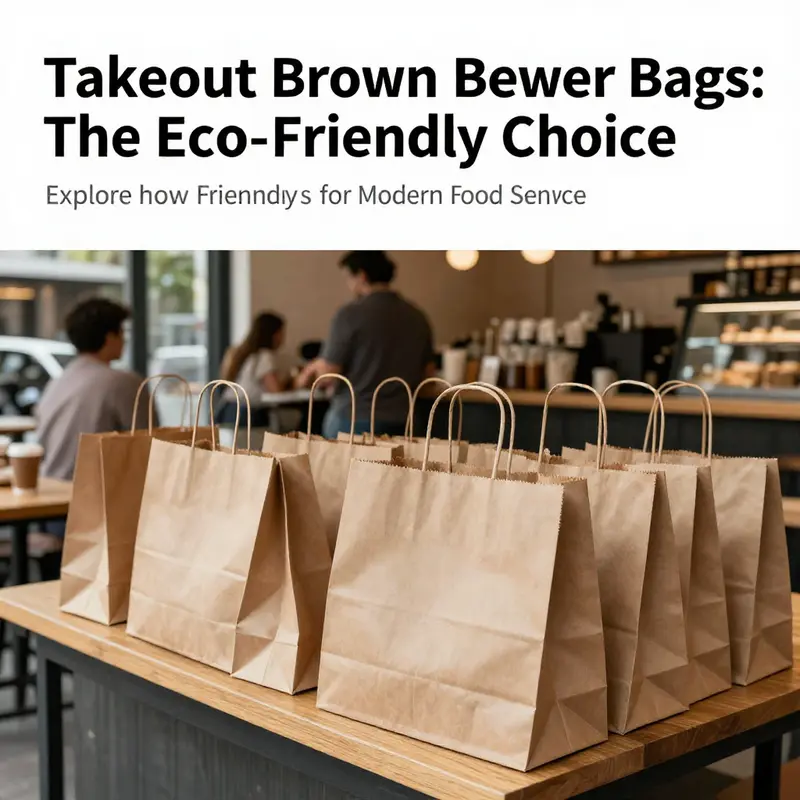
In an era where sustainability is paramount, takeout brown paper bags are becoming the packaging of choice for many eateries, from bubble tea shops to food trucks. These bags not only present an eco-friendly alternative to single-use plastics but also offer versatility in branding and affordability. This article dives into the numerous ways takeout brown paper bags can elevate your business while supporting environmental consciousness. We will discuss their sustainability credentials, customization options for branding, the economic factors driving their use, a comparative analysis with plastic alternatives, and the evolving market trends that favor eco-friendly choices. With the insights provided, business owners can make informed decisions on packaging solutions that resonate with consumers and fulfill operational needs.
Carrying Change: The Lifecycle, Sustainability, and Practical Realities of Brown Paper Takeout Bags
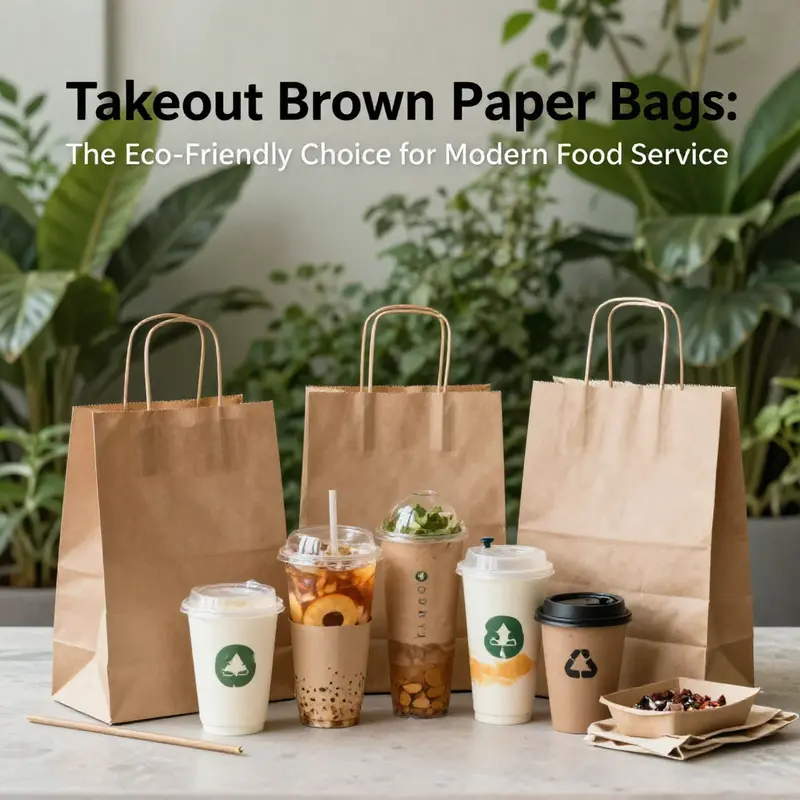
Brown paper takeout bags are a small object with a big story. The choice behind them signals a set of priorities about stewardship, efficiency, and everyday practicality. Their appeal lies in a simple, sturdy form and in environmental associations that resonate with many diners and operators. Kraft paper is the base material and is celebrated for strength, suitability for direct contact with food, and the option for recycling or industrial composting where facilities exist. The coatings used to resist grease or moisture can complicate recyclability, but modern formulations aim to keep disruption to recycling streams to a minimum while preserving performance in transit. The end result is a container that supports a brand’s sustainability messaging without forcing consumers into tradeoffs between convenience and responsibility.
Material composition and life cycle are central to the sustainability case. Kraft paper is typically derived from long fiber wood pulp, designed to provide strength and a permeable structure that allows ventilation and moisture handling. The bags are widely recognized as recyclable and, in many places, biodegradable or compostable in industrial facilities. When used for food service, coatings may be employed to resist grease and moisture; these coatings are engineered to be thin and durable, but they can influence recyclability. The best available options minimize interference with the paper recycling stream while delivering reliable performance. The material remains fundamentally renewable and recyclable, which supports a circular pathway for the fiber supply.
Durability and performance matter in daily operations. Brown paper bags are not fragile by default. Many products show enhanced tear resistance, enabling heavier contents such as multiple items or dense baked goods to be carried without tearing. This robustness reduces the need for secondary packaging and waste. At the same time, durability must be balanced with openness and usability, allowing customers to access contents easily and reclose when needed. When a bag holds up during transit, it helps reduce spillages and waste along the way.
Consumer perception and brand value are part of the equation. The natural, unbleached color and tactile texture of kraft paper convey earth friendly associations and authenticity. The aesthetic can reinforce a brand message about responsibility and transparency, complementing functional performance. Many customers reuse bags for storage or shopping, extending the materials life and improving the overall sustainability profile without extra cost to the business.
From a business perspective, the supply chain and branding opportunities are meaningful. Vendors offer a range of sizes, printing options, and finishes to align with a restaurant brand. The packaging can become a canvas for logos, colors, and messaging, supporting marketing goals while remaining functional at point of sale and during delivery. The procurement story often emphasizes reliable supply, consistent quality, and scalable production to meet peak demand.
End of life and disposal require thoughtful planning. Recycling streams are critical for realizing the environmental benefit of kraft paper bags. When properly processed, fibers can reenter the paper loop and yield new products. Coatings designed to resist grease and moisture can affect this process, so the choice of coating matters for recyclability. In some contexts, industrial composting facilities can handle certain coated papers, but this depends on local infrastructure. Public education about proper disposal, including what can be recycled or composted, can amplify the environmental gains and reduce consumer confusion.
As the market evolves, brown paper bags continue to be part of a broader conversation about sustainable packaging. The chapter highlights that packaging choice is not only about disposal but about how it integrates with sourcing, brand strategy, and daily operations. The ongoing challenge is to refine materials and coatings to preserve performance while enhancing recyclability and reducing environmental impact. The path forward involves closer collaboration across forests, mills, brands, and communities to sustain responsible packaging that aligns with the values of both businesses and consumers.
From Canvas to Corporate Identity: How Custom Brown Paper Bags Elevate Takeout Branding
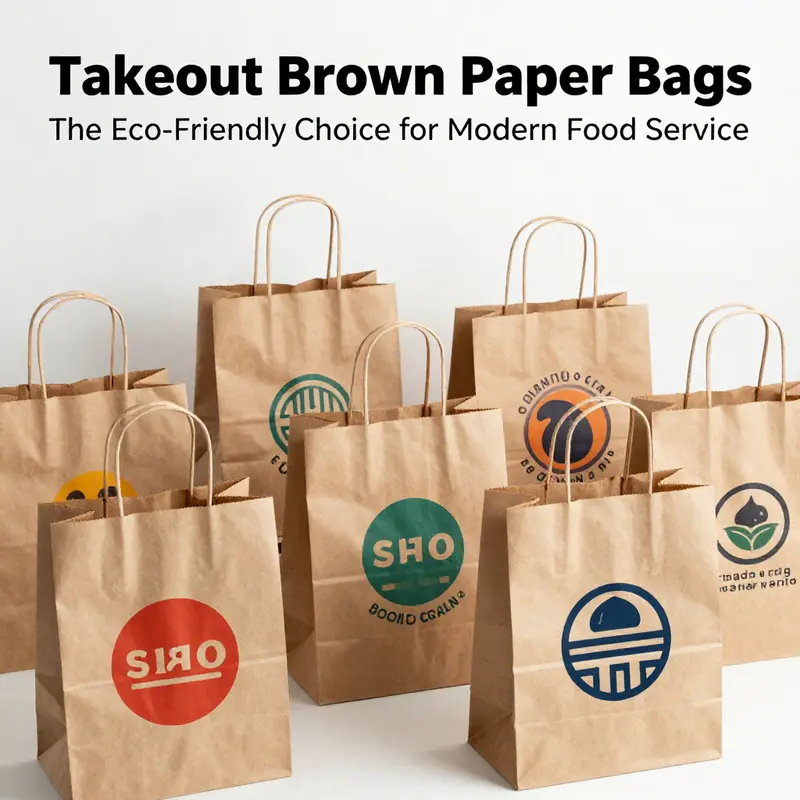
Brown paper bags have evolved far beyond their simple, utilitarian roots in takeout culture. In today’s competitive food service landscape, these humble carriers are branding instruments capable of shaping perceptions, guiding choices, and extending a restaurant’s story beyond the storefront. The raw material itself—kraft paper, sturdy and biodegradable—offers a premium, tactile canvas that brands can leverage to communicate values, atmosphere, and promises of quality. Customization here is not a luxury; it is a strategic allocation of branding dollars, turning every bag into a portable touchpoint that travels with the customer through commutes, offices, and homes. The opportunity rests not only in what appears on the bag but in how the bag performs in real-world use. The best designs respect both aesthetics and practicality, acknowledging that most takeout moments are brief, yet the impression they leave can endure long after the meal is finished.
Visual identity on brown kraft evokes a balance between sophistication and approachability. A company that treats branding as a design discipline will treat the bag as a surface to tell a story with color, typography, and imagery. Design flexibility is one of the bag’s strongest selling points. Brands can craft a look that ranges from retro-inspired nostalgia to minimalist modern elegance, depending on the cuisine, target audience, and desired customer mood. The power of design is not only in striking visuals but in consistency. When a consumer recognizes a bag on the street and associates it with a trusted experience, that recognition travels forward with every repeat order, every referral, and every social share. In this space, a well-executed, on-brand bag becomes a portable billboard that requires no extra ad spend. The impact of this reach was illustrated by a tea brand that adopted hand-drawn, whimsical artwork on its brown bags. The effect extended beyond checkout: user-generated content surged across social platforms, delivering millions of impressions in a single month and amplifying the brand’s personality in an organic, credible way. Such outcomes underscore the value of design that resonates emotionally rather than merely looking nice.
Design flexibility also extends into how a bag behaves when it contains different foods. Structural customization matters just as much as visual customization. Perforated bags, for instance, can breathe with freshly baked goods, reducing condensation that leads to sogginess and limp textures. Divided compartments are practical for meals that pair mains with sides, sauces, or utensils, preserving flavors and reducing cross-contamination. Reinforced handles translate brand reliability into tangible, everyday utility—customers notice when a bag feels sturdy enough to carry a full sandwich, soup, or a stack of pastries without straining. These functional variations are not gimmicks; they are expressions of care for the customer’s experience. When people experience packaging that works as well as it looks, brand trust deepens. The bag becomes a small but meaningful part of the meal, a bit of theater that completes the dining ritual rather than interrupting it.
The economics of customization have shifted in recent years, lowering the barriers for startups and small brands to place their mark on packaging. Producers increasingly offer manageable minimum orders and agile production timelines. It is now common to find options that begin around three thousand units, with lead times as short as a week for basic designs. This development makes it feasible for emerging concepts to test new visuals, seasonal campaigns, or limited-edition collaborations without tying up capital in a large inventory. At the same time, many suppliers still provide traditional, larger minimums for brands seeking scale, typically around ten thousand units or more, which can be appropriate for established concepts with broader distribution. The capacity to maneuver between these modes—small-batch experimentation and large-scale fulfillment—allows brands to keep their packaging fresh without sacrificing efficiency or consistency.
Sustainability remains a central driver of customization decisions. Modern brown paper bags can be produced from recyclable and biodegradable materials, with eco-friendly inks and water-based coatings that minimize environmental impact. The packaging itself becomes a message about values: a commitment to reducing plastic waste, supporting responsible forestry practices, and choosing materials that align with consumer expectations for corporate stewardship. When a bag communicates sustainability through its material choices—FSC-certified paper, responsibly sourced inks, and low-emission coatings—it strengthens a brand’s story and lifts the perception of quality. The packaging then serves double duty: it protects and conveys while reinforcing trust in the brand’s ethical stance. For many customers, that alignment between product, packaging, and principle is a decisive factor in purchase and loyalty.
The journey from concept to consumer is increasingly seamless thanks to integrated service models. Top-tier providers do more than print a design on bag stock; they orchestrate an end-to-end workflow that covers concept validation, digital proofing, manufacturing, and nationwide distribution. This holistic approach reduces friction and accelerates go-to-market timelines, which is essential in the fast-paced takeout sector. Platforms that connect buyers with verified suppliers—complete with quality-control checks, rapid shipping, and reliable post-purchase support—make it easier for brands to scale while preserving design integrity. The result is a supply chain that respects creativity while delivering on practicality. For brands that want to move quickly in a crowded market, that combination matters: a design concept can transition from idea to production with minimal risk and maximal fidelity.
In this ecosystem, a brand can leverage custom packaging not only as a container but as a storytelling conduit. The most successful campaigns treat the bag as an extension of the menu’s narrative. For example, a cafe that emphasizes handmade elements can pair its bag design with artisanal typography and tactile finishes that evoke craft. A health-focused concept might favor clean lines, white space, and sustainable coatings that communicate a transparent, no-nonsense approach to ingredients and sourcing. A bold, youth-oriented concept could embrace vibrant color palettes, illustrated motifs, and playful typography that invite social sharing and memes. The practical side of this strategy is equally important: a bag that maintains integrity under heat, a color-fast print that survives a busy lunch rush, and a design that remains legible on the curbside pickup rack. When form and function harmonize, the packaging becomes an honest ambassador for the brand—consistent, recognizable, and reliable across touchpoints.
A crucial element of successful customization is the ability to pilot ideas without prohibitive cost. Some manufacturers now offer flexible entry points, including small-batch runs starting around three thousand units and production cycles as fast as seven days. This flexibility empowers brands to test seasonal motifs, city-specific collaborations, or limited-edition flavors without forfeiting long-term planning. The broader implication is a packaging strategy that can evolve in step with product development and marketing campaigns. With shorter cycles, brands can learn from each roll of packaging—what resonates with customers, what generates social engagement, what drives repeat business—and iterate quickly. The rhythm of redesign, refinement, and re-release becomes a competitive advantage in a market where first impressions are almost instantaneous.
In practice, these opportunities translate into concrete actions. A brand might adopt a cohesive color story across its bags, cups, and containers to reinforce a distinct identity on every customer journey. It might explore co-branding opportunities, aligning with compatible partners on limited-edition packaging that expands reach while staying true to core values. It could also consider a story bag concept that highlights a social cause or community initiative, turning a simple bag into a catalyst for engagement and conversation. The real prize, however, is not merely a visually striking bag but a packaging system that communicates clarity, consistency, and care. When customers encounter packaging that feels intentional and well-considered, they connect the experience to the brand’s broader promises. The bag becomes a memory cue—an item they recall fondly and reuse in their own networks.
To visualize how this translates into strategy, consider a retailer planning a brand refresh or a seasonal campaign. The process begins with a design brief that translates menu evolution into visual language, then extends into production logistics that respect both budget and lead times. The resulting packaging should feel cohesive with the interior design, the menu copy, and the tone of voice used in digital channels. The end goal is a set of packaging assets that are not merely protective but expressive—capable of conveying the brand story at a glance, even in a fleeting moment of exchange on a crowded street. In this sense, takeout brown paper bags are not expendables; they are strategic assets with measurable impact on brand recall, customer loyalty, and bottom-line performance.
For readers seeking a path to practical application, a wealth of real-world options exists. Suppliers now offer end-to-end capabilities—from initial design concepts and digital proofs to printing, production, and nationwide distribution. Choosing the right partner means evaluating not only price and MOQs but also the ability to deliver consistent quality, offer eco-conscious options, and provide responsive support throughout iterations. When a brand chooses the right mix of aesthetics, functionality, sustainability, and agility, its brown paper bag becomes a trusted ambassador that travels with the customer and carries within it the essence of the brand.
External resource for readers seeking deeper insight into branded takeout packaging can be found here: https://www.nanwangtech.com/zh/branding-takeout-bags. For a concrete example of a branded takeout packaging option and related design services, see a supplier’s custom-logo kraft coffee cup with lid, which illustrates how branding can translate across multiple takeout surfaces and reinforce a cohesive customer experience. This integrated approach to packaging design helps ensure that every element—the bag, the cup, the sleeve—works together to tell a single, compelling brand story. As the market continues to push for sustainable, visually rich packaging, brown paper bags remain a versatile, high-impact channel for growth, loyalty, and differentiated storytelling in the takeout space.
Between Kraft and Tariffs: The Economic Currents Driving Takeout Brown Paper Bags
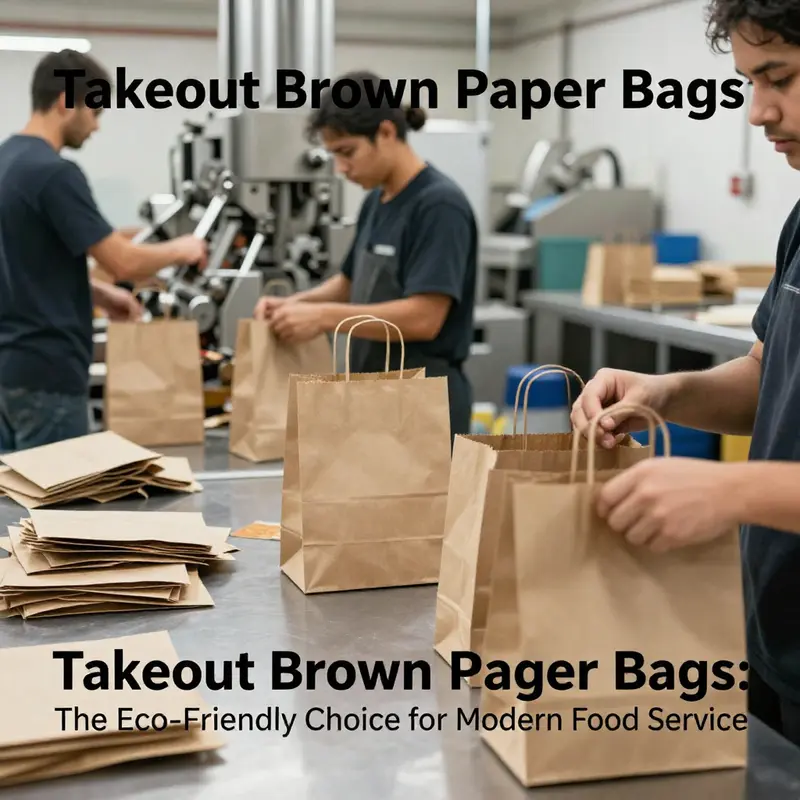
The takeout brown paper bag is easy to overlook, yet it sits at the intersection of material science, logistics, branding, and policy. Its journey from forest or recycled fiber to a consumer’s hands is nudged, steered, and sometimes jolted by money, markets, and policy decisions. To understand why this humble container looks the way it does, one has to follow the economic currents that underwrite every fold, seam, and coating. The bag’s cost, durability, and environmental footprint are not mere afterthoughts; they are the outcome of a complex calculus that begins with raw materials and ends with a price tag that can influence a restaurant’s pricing and a consumer’s choice. In this chapter, the focus rests on the economic dynamics that shape production, weaving together material costs, trade policy, and market demand into a coherent narrative that explains how takeout brown bags come to be what they are today, and how they might evolve tomorrow.
Raw material costs are the first and most persistent headwinds artists of packaging must navigate. Kraft paper, pulp, and the mix of recycled fibers set a baseline price that can swing with global demand, weather events that disrupt forests or mills, and shifts in the technology used to process fibers. When pulp prices rise, every stage in the supply chain— from the paper mill to the converter that makes the finished bag—feels the pressure. The same goes for recycled content, where the quality and availability of post-consumer fibers can fluctuate. A higher proportion of recycled material often means stronger environmental credentials but can entail greater processing costs or variability in fiber quality. As a result, manufacturers constantly optimize their fiber mix to balance strength, finish, moisture resistance, and cost. The value proposition of a bag—its weight, its ability to resist grease and moisture, and its printability for branding—depends on these material choices, all of which are ultimately priced in a market that moves with the rhythm of supply and demand.
Trade policies add another, sometimes abrupt, dimension to the economics of takeout bags. Tariffs and import duties on raw materials or finished goods can compress margins for mills and converters, especially when a sizeable portion of the supply chain sits in or near global trading hubs. When tariffs rise, the immediate effect is often a higher landed cost for pulp, coating materials, and even the equipment used to achieve moisture resistance and strength. The result is a cautious response from manufacturers: they may raise bag prices, negotiate longer-term supply contracts, or seek alternative fiber blends and sourcing regions to cushion the blow. The interplay of tariffs with currency movements and shipping costs can magnify the effect, creating a scenario where a small change in policy reverberates through factory floors and into restaurant menus. This policy sensitivity is particularly acute in markets that rely on imported fibers or coatings to deliver grease resistance and printability without sacrificing compostability or recyclability. For business buyers, this means that procurement strategies must accommodate potential cost spikes and keep options open for substitutes that still meet technical standards and brand expectations.
Beyond the raw price of materials and the friction of tariffs, demand for sustainable packaging has become a decisive driver of production plans. Consumers increasingly associate takeout success with responsible packaging. They expect materials that come from responsibly managed forests or that incorporate high recycled-content, and they want packaging that is clearly recyclable and safe for contact with food. This rising demand supports a broader market for recycled-paper bags and for coatings that improve grease resistance without compromising recyclability. Yet demand signals must be translated into capacity, equipment, and processes. To meet evolving standards, producers invest in coating technologies that deliver moisture barriers with lower environmental impact, in laminations or surface finishes that enhance branding while staying compatible with recycling streams, and in quality-control regimes that guarantee consistent performance under hot and cold conditions. The capital expenditure required to upgrade or maintain such technology is not trivial; it often requires a careful assessment of not just the bag’s price but its lifecycle costs, including end-of-life recyclability and the potential for returning customers to value the brand’s sustainability narrative. In turn, brands and retailers weigh the cost of premium, eco-friendly packaging against the premium they can charge for a differentiated dining experience, a calculus that is increasingly influenced by how well the packaging conveys quality and responsibility at the moment of decision.
The economics of recycled paper feeds into a more subtle but equally important factor: the cost of quality. While virgin fiber can offer predictable strength and moisture resistance, many manufacturers prefer recycled content for sustainability claims and waste reduction in landfills. High-quality recycled paper, however, can carry a premium, driven by a combination of market scarcity, processing complexity, and the need to ensure consistent performance across a broad temperature range and greasy foods. This complexity is compounded when coatings and liners are added to meet grease resistance without compromising recyclability. Each added layer or chemical treatment translates into additional cost, testing, and compliance steps. In a market where environmental certifications and consumer trust carry tangible value, the premium for recycled content can be justified, but it remains a delicate balance. The industry’s ongoing investment in safer, more efficient recycling streams also means that bag producers will, over time, benefit from a more stable supply chain, even as prices continue to move with broader material markets.
Technical standards are a practical anchor in this economic landscape. The need to balance strength, moisture resistance, and printability requires not only better raw materials but smarter manufacturing processes. Strength is essential for handling large items or multiple items without tearing, while moisture resistance protects contents and prevents sagging or leak-through that could mar branding. Printability is critical for brand recognition, marketing campaigns, and consumer loyalty. Achieving all three at once often calls for more sophisticated coatings, laminations, or surface finishes, each adding cost but expanding the bag’s utility. The trade-off decisions are not theoretical; they translate into factory floor choices about machinery, roll stock, and maintenance schedules. Facilities may invest in more precise coating control to minimize waste or in digital or flexographic printing capabilities that support shorter print runs and customization. These investments, while costly upfront, can reduce long-term waste, improve shelf life of products, and enable brands to adapt quickly to seasonal promotions or new menus. The result is a packaging ecosystem that rewards efficiency, reliability, and the ability to meet diverse regulatory and consumer expectations, even as the market for takeout bags remains highly price-sensitive.
The economics of procurement—particularly regarding bulk sourcing and MOQs—also shapes production outcomes in meaningful ways. Large-volume orders typically secure per-unit discounts and smoother production planning. Conversely, small orders carry higher per-unit costs and longer lead times, which can constrain menu experimentation or seasonal promotions for small businesses. This dynamic has ripple effects on pricing strategies and inventory management for both restaurateurs and packaging manufacturers. A divergent factor in play is the global nature of many supply chains. Platforms that connect buyers with bulk suppliers in high-volume hubs offer access to competitive pricing, but they also introduce exchange-rate risk, longer lead times, and potential disruption from external shocks. For a small-to-mid-sized operator, the decision to standardize on a single bag size or to diversify across several sizes hinges on a cost-benefit analysis that weighs the price per unit against the flexibility to accommodate promising new offerings.
In practice, producers and buyers blend these factors into concrete strategies. A bakery launching a new line of premium pastries might justify a higher-cost greaseproof coating and a more polished print finish if the perceived value translates into higher sales. A quick-service restaurant chain, facing tight margins, may opt for a robust, cost-optimized bag that delivers predictable performance while leaving room for occasional promotions on branding. In between, mid-market operators juggle durability, branding, and sustainability to align with corporate values and customer expectations. The overarching lesson is that the bag’s price and performance are the product of a negotiated equilibrium among raw material volatility, policy risk, consumer demand for responsible packaging, and the incentives that come from scale and innovation. Even a seemingly small variation in any one of these forces can shift the entire ecosystem, prompting suppliers to adjust fiber blends, coatings, or production lines to preserve profitability and market relevance. To illustrate how these dynamics unfold in the broader packaging landscape, consider how a related component can influence overall cost structure and branding strategy. For instance, a model of takeout-ready tableware demonstrates how a single packaging dimension interacts with material choices to shape the customer’s perception of value, as seen in this example: disposable-700ml-kraft-paper-bowl-take-out-octagonal-rectangle-paper-bowl. The insight is that every element, from the bag to the bowl, contributes to the total value proposition and thus to the final cost to the consumer.
Looking ahead, the economic viability of producing takeout brown paper bags will hinge on several converging trends. First, input cost volatility is unlikely to abate in the near term, given ongoing fluctuations in fiber markets and energy prices. Second, policy environments will continue to influence costs and supply chain resilience, with manufacturers seeking hedges through diversified sourcing and regionalized production where possible. Third, consumer demand for sustainable, high-performance packaging will likely persist, but the willingness to pay a premium will vary by market segment and occasion. For manufacturers, the strategic imperative is clear: pursue efficiency gains across the chain, invest in materials and processes that deliver durable performance with lower environmental impact, and maintain flexibility to respond to price shocks without compromising quality or brand promises. For buyers, the emphasis should be on evaluating total cost of ownership— not just unit price— and integrating packaging decisions with other cost drivers in the business, including menu pricing, waste management, and sustainability reporting. In both cases, the takeout brown paper bag remains a tangible intersection of environmental stewardship and economic pragmatism, a small but telling banner of how modern retail, hospitality, and consumer culture negotiate the edges of cost, responsibility, and convenience for a shared everyday experience. The broader narrative is that packaging economics matter not only for manufacturers but for the consumer’s experience of value, reliability, and trust, every time a bag leaves the counter and heads toward the curb.
For readers seeking a deeper dive into how tariff dynamics can shape the long-term trajectory of the paper bag market, the linked analysis offers a data-driven perspective on policy impacts and market responses. As production networks adapt to evolving trade policies, managers may find it useful to review sourcing scenarios and to consider contingency planning that embraces both recycled content and alternative fiber blends without sacrificing performance or branding. In this sense, the economics of takeout brown bags provide a lens through which to view broader questions about sustainability, labor, and global trade in a world where a simple bag can carry a message about responsibility and resilience.
External insight: https://www.linkedin.com/pulse/impact-us-tariffs-paper-bag-market-growth-2025-04-16/
Greener Footprints on the Go: The Brown Paper Bag as Sustainability Signal
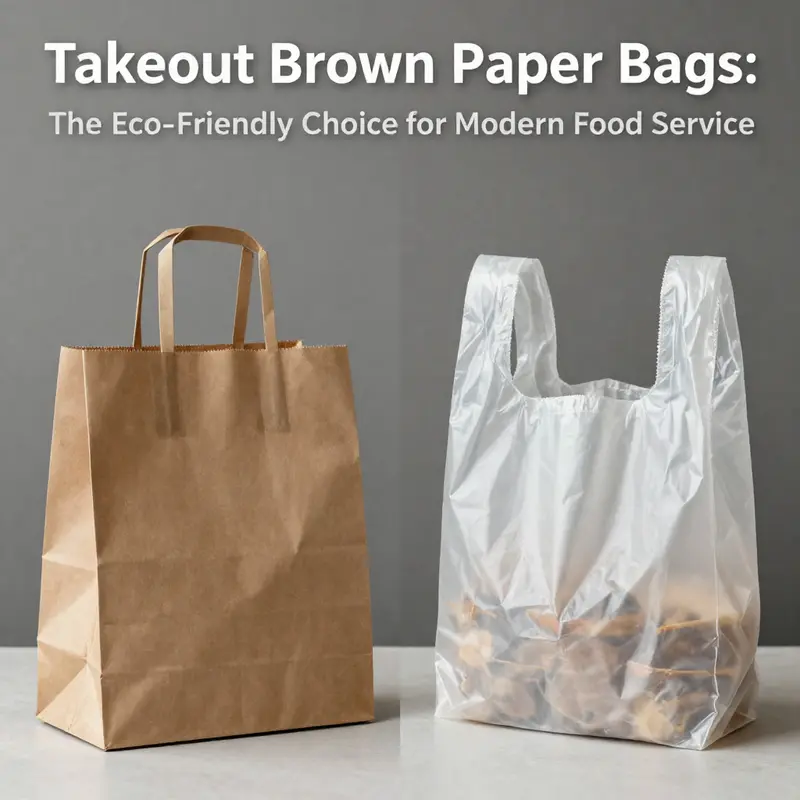
The takeout experience is about more than speed or aroma; it begins with the container that travels with the order. The brown kraft bag has emerged as a practical symbol of sustainability, signaling a restaurant’s values while offering reliable performance. In markets where consumers expect clear environmental signals, these bags help communicate a brand’s commitment to responsible packaging. The environmental case rests on renewable resources, recyclability, and composting options when facilities exist. The takeaway is not about perfection, but about lifecycle thinking: reducing waste where possible and choosing materials that can re-enter productive use. Functional performance matters too: modern brown kraft bags are designed for stronger handles and improved tear resistance, balancing durability with manageability for daily operations. When used thoughtfully, they can support efficient packing, stable transit, and cleaner waste streams, especially when paired with clear disposal guidance for customers.
Economics also play a role. Bulk purchasing can bring per-piece costs down, making paper options competitive with plastics at scale. Policy dynamics—fees, bans, and recycling incentives—can further tilt the economics in favor of sustainable packaging. Brand impact follows from packaging that aligns with a company’s broader narrative: logos, finishes, and messaging printed on kraft bags enable brands to communicate care and provenance. Customization allows operators to tailor sizes and aesthetics to their menus, helping to reinforce trust at the moment of purchase. The result is a packaging option that is not only practical but also expressive, turning a simple carryout bag into a touchpoint for responsible service.
Of course, trade-offs exist. End-of-life outcomes depend on local infrastructure and consumer behavior. Paper still consumes energy and water in production, and certain items with high moisture or grease can challenge barrier properties. The industry mitigates these limits with coatings and multi-layer solutions, while remaining mindful of recyclability and compostability. The brown bag is best viewed as a flexible family of options that can be tuned to the needs of a given menu, service model, and environmental commitments. In this sense, sustainability becomes a spectrum rather than a single verdict, allowing operators to balance performance, cost, and responsibility.
For readers exploring the broader ecosystem of packaging, kraft options illustrate how form, function, and supply converge to create practical, publishable signals of care. They offer a canvas for brand storytelling while remaining aligned with waste reduction and circular economy principles.
Greener by Design: Market Dynamics and Consumer Pulse Behind Takeout Brown Paper Bags
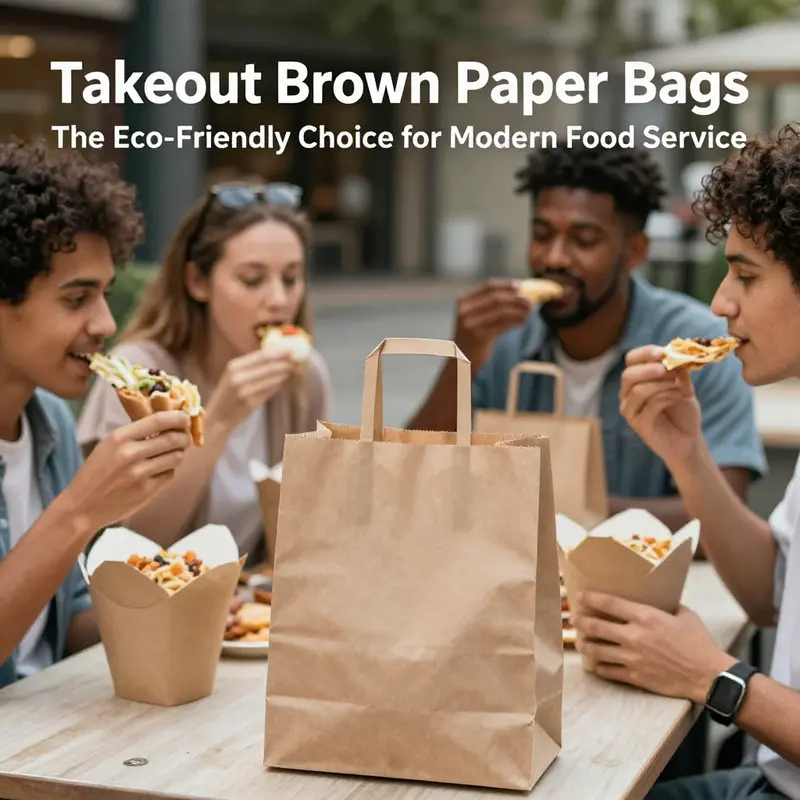
The takeout brown paper bag has long stood as more than a simple vessel for food. In many markets it has become a signal of a restaurant’s values, a physical reminder that convenience and conscience can travel together. The latest market signals reinforce this perception. A regionally focused analysis shows the GCC paper bags market valued at USD 505.28 million in 2026 and trending upward with a compound annual growth rate of 8.01%, projected to reach USD 742.73 million by 2031. Those numbers are not just about volume; they reflect a broader shift in consumer expectations and business strategies. Customers increasingly judge a brand not only by the taste of its offerings but by how effectively it aligns with sustainability goals. Brown paper bags, especially those crafted from kraft paper, deliver a credible option in the eyes of many shoppers who want packaging to be recyclable, renewable, and traceable. This is not merely a logistical choice; it is a statement about identity and responsibility in a world where waste and resource use are under scrutiny.
The appeal of brown paper bags rests on several converging factors. First, environmental impact matters. The materials are biodegradable and recyclable in many systems, and the presence of a greaseproof or moisture-resistant coating helps maintain product integrity while still supporting end-of-life recyclability. Consumers increasingly value packaging that can be responsibly disposed of after its one-time use. They want brands to be transparent about how packaging choices affect the planet, not just about how products taste. In practice, this translates into stronger trust when a business openly communicates its use of renewable materials and waste-minimizing processes. The perception of environmental stewardship becomes part of the consumer experience, shaping preference even before a single bite is taken.
Second, cost dynamics push brown paper bags into the mainstream. For many foodservice operators, the bottom line is a constant concern. Brown paper bags offer a cost-effective alternative to plastic while delivering a competitive price point relative to more expensive sustainable options. This affordability is crucial in everyday settings—from quick-service outlets to neighborhood cafés—where packaging costs directly impact menu prices and profit margins. The math is not simply about unit price; it’s about total cost of ownership, including waste disposal, revenue protection from leaks, and the potential for long-term branding advantages through customization. In a market where promotion and packaging are both strategic, a low-cost, high-function packaging option becomes a practical ally for operators and a clear signal to customers that sustainability does not have to come at a premium.
Beyond economics, the versatility and customization potential of brown paper bags elevate their value proposition. From size variations to coating options, and from color tones to surface finishes, brands can tailor packaging to reinforce identity without sacrificing utility. A bag can carry the story of a brand as clearly as the text on a menu. This is especially important in a market that prizes brand visibility and customer loyalty. The ability to print logos, colors, or promotional messages on bags—whether through flexographic or offset processes—offers a low-barrier canvas for storytelling. High-quality finishes, such as matte or gloss lamination, subtle embossing, or metallic hot stamping, help bags feel premium while remaining practical for repeated use and disposal. The effect is twofold: enhanced customer recognition at the point of sale and reinforced brand memory as the bag is carried through the street or into a home.
The current market environment also reflects a robust supply chain response to rising demand. Producers and distributors are scaling capacity to meet the growth in takeout culture. A number of suppliers report the ability to handle large orders, with minimums and lead times calibrated to support both small independent shops and larger chains. For instance, bulk options commonly begin with high minimums—orders in the tens of thousands or more—yet such scales unlock cost efficiencies that translate into competitive unit prices for businesses. This capacity expansion aligns with consumer expectations for consistent availability, particularly in peak periods when demand for takeout packaging surges. It also supports experimentation with design and customization, enabling more brands to pursue branding campaigns that leverage packaging as a portable billboard.
From a sourcing perspective, the options are increasingly diverse. Kraft paper, noted for its strength and recyclability, forms the backbone of many brown bag designs. Many suppliers include food-grade certifications that reassure operators about safety for direct contact with consumables. For businesses seeking bulk production, MOQs are common, with some suppliers offering samples to help teams evaluate feel, texture, and performance before committing. This balance of risk reduction and scale fosters a smoother transition from plastic to paper, especially for operators who want to maintain service speed without compromising environmental commitments. The ability to choose coatings that resist grease and moisture further underpins operational efficiency. When hot, greasy foods remain contained without compromising paper integrity, customers enjoy a clean, spill-free experience, which in turn reinforces the perceived quality of the brand.
The consumer side of the equation is equally revealing. Across markets, people want tangible proof that the packaging they handle has a smaller environmental footprint. They also appreciate that brown paper bags can be branded to reflect a company’s story, making the bag an extension of the dining experience. The customization axis—brand colors, logos, and messaging—amplifies brand presence at the moment of consumption and during the social sharing moment when a bag appears in a photo or a public space. In this sense, the bag becomes a micro-communication device, delivering not just sustenance but a message about values, aesthetics, and reliability. As brands learn to integrate packaging into their broader sustainability narrative, consumer trust grows. They begin to see packaging choices as part of a credible commitment to environmental stewardship, not just a procedural decision to reduce costs.
Moreover, the packaging ecosystem is becoming more sophisticated in guiding consumer choices. By highlighting recyclability, end-of-life instructions, and the use of renewable materials, operators can frame packaging as a responsible option rather than a neutral, forgettable container. This transparency matters because it supports consumer education about waste streams and recycling practices. When customers understand how packaging fits into the circular economy, they are more likely to support brands that adopt thoughtful packaging strategies. The result is a virtuous loop: better packaging design improves user experience, strengthens brand alignment with values, and boosts customer loyalty through trust and clarity.
For practitioners looking to translate these market dynamics into practical decisions, the landscape offers clear signposts. The feasibility of using brown paper bags hinges on a few critical determinants: the balance of cost and performance, the flexibility to scale with demand, and the capacity to customize in ways that matter to both business identity and consumer expectations. The interdependencies are intricate. A bag that performs well on day one must continue to perform in the hands of a consumer who handles your product in a busy street or at a late-night pickup window. The presence of a greaseproof coating is often a deciding factor for hot or oily foods, while an open-top design can ease access, reduce handling friction, and improve the user experience for certain items like sandwiches or baked goods. When these features align with a brand’s aesthetic and messaging, the packaging stops being a mere wrapper and becomes an integral part of the customer journey.
In parallel with these market and consumer dynamics, the sourcing environment remains an important consideration. Large-scale manufacturers are expanding capacity to satisfy rising demand, a development that helps stabilize supply and reduce price volatility. The ability to order in bulk, with favorable pricing at higher volumes, supports small businesses in transitioning away from less sustainable options without incurring prohibitive costs. For those who require customization at scale, design flexibility becomes a crucial variable. The extent to which a supplier can accommodate branding, finishes, and color strategies at volume directly affects how compelling the packaging is as a brand asset. When operators succeed in aligning packaging with both cost efficiency and brand storytelling, they create a stronger value proposition for customers who increasingly see packaging choices as a reflection of a brand’s integrity.
To illustrate how these ideas come together in practice, consider the broader narrative of kraft paper packaging as a whole. The ecosystem of powders, coatings, and surface treatments allows bags to handle a spectrum of foods—from fresh pastries to savory meals—without compromising safety or presentation. A business can implement a packaging strategy that emphasizes not just protection and function, but also aesthetics and message. The packaging then becomes a medium through which consumers perceive quality, care, and accountability. It is this fusion of function, form, and values that explains why brown paper bags are gaining traction in a market that prizes sustainability and efficiency alike. For practitioners curious about how these concepts play out in real-world packaging design, exploring related kraft paper packaging options can provide practical inspiration and tangible pathways for experimentation. kraft paper packaging options.
As the market continues to evolve, operators will increasingly view packaging as an investment in customer experience and brand equity. The current growth trajectory in the GCC region signals a broader international pattern: sustainable, affordable, and customizable packaging is not a niche preference but a mainstream expectation. Yet the opportunity goes beyond current demand. Advances in materials science, recycling infrastructure, and consumer education will likely expand the possibilities for brown paper bag designs and their applications. Companies that pair strong sustainability stories with practical performance will be well positioned to translate awareness into preference, and preference into loyalty, across diverse markets and demographics. In this way, the humble brown paper bag embodies a larger narrative about responsible consumption, systemic change, and the evolving relationship between what we eat, how it is packaged, and the values we want to uphold at the moment of purchase.
External resource: https://www.grandviewresearch.com/industry-analysis/gcc-paper-bags-market-size-share-outlook-to-2031
Final thoughts
Takeout brown paper bags signify more than just a packaging solution; they embody a shift towards sustainability and responsible consumerism. Their eco-friendly nature, coupled with customization options and cost-effectiveness, makes them an ideal choice for food service businesses. From bubble tea shops to catering services, these bags not only serve to present your culinary offerings but also resonate with consumers’ desire for environmentally conscious practices. As trends continue to evolve, adopting such packaging not only positions your brand favorably amongst competitors but also nurtures a greener planet for generations to come.