

Square plastic disposable cups are not just functional but also a stylish choice for a variety of businesses in the food and beverage sector. Their sleek design and versatility make them a preferred option for Bubble Tea shops, restaurants, catering services, and event planners. In this comprehensive guide, we’ll delve into the product availability and specifications of these cups, explore current market trends and customization options, identify target markets and production capabilities, and examine the practical applications and economic impacts for businesses. Understanding these dimensions will help you make informed decisions that align with your service objectives and impact your bottom line positively.
Beyond the Round: Availability, Varieties, and Specifications of Square Plastic Disposable Cups
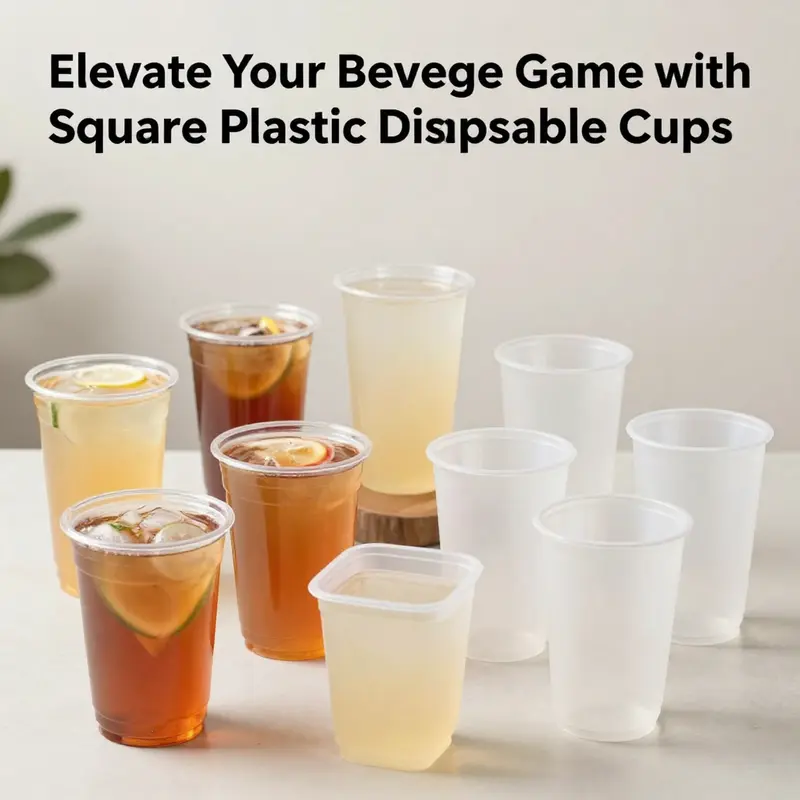
Square plastic disposable cups occupy a midpoint between practicality and presentation. They are not merely a container for a drink or a dessert; they are a configured decision in how a foodservice operation manages space, showcases contents, and communicates a brand’s sensibility through shape and clarity. The landscape of availability and specifications around these cups reflects a blend of manufacturing capability, material science, and a consumer culture that treats single-use tableware as a programmable element of an event, a meal, or a moment. In practice, buyers encounter a spectrum of options that hinge on size, material, temperature tolerance, and the little design choices that turn a disposable cup into a visual extender of what is served. Availability in today’s market is less about scarcity and more about choice. Square cups can be found across major online marketplaces and through factory-direct suppliers that specialize in bulk. The portfolio typically includes clear square cups in a variety of capacities, and these cups often come in packs that fit the needs of a small home gathering or a large corporate event. For example, the 10 oz square clear cup is commonly offered in smaller packs that are convenient for home entertaining, while larger 8 oz configurations may be sold in bulk with lids or other accessories to support quick service or buffet-style setups. The appeal of square geometry, with its flat sides, lies in stable stacking and efficient storage. This characteristic becomes especially valuable in busy kitchens and event venues, where space conservation and organized inventory translate directly into faster service and less waste. The distribution network behind these products is global, with manufacturing hubs in Asia and other regions serving North America, South America, Europe, and beyond. The practicality of these cups is matched by the breadth of options available to buyers who prioritize cost efficiency, presentation quality, and the ability to customize.
In terms of specifications, the materials used for square plastic disposable cups cover a spectrum that balances heat resistance, clarity, weight, and recyclability. Polypropylene (PP) is widely used because it offers respectable heat resistance—approximately up to 100°C for hot beverages—and solid durability under everyday handling. This makes PP-based square cups suitable for coffee, hot chocolate, and other warm drinks, as well as cold beverages like iced tea, fruit drinks, or cocktails. The material’s food-grade safety profile and recyclability add to its appeal for venues that aim to maintain a responsible waste stream while meeting service demands. By contrast, polystyrene (PS) or PET variants are prized for their exceptional clarity. These transparent cups showcase embedded layers or desserts with dramatic visuals, from parfaits to layered fruit salads, where seeing the component colors enhances the dining experience. However, the heat resistance of PS and PET is typically lower than that of PP, which means these variants are more suited to cold beverages and chilled desserts. Expanded polystyrene (EPS) finds its place in certain application niches, particularly for cold sauces or cups designed to provide insulation at a lower cost; yet it carries recyclability and environmental considerations that many buyers weigh carefully in planning sustainable operations.
Size and shape are integral to how these cups are used. Common capacities around 60 milliliters for mini desserts, 8 ounces, and 10 ounces appear repeatedly in catalogs and wholesale listings. Some lines extend to 12 ounces and even larger measures that span up to roughly 610 milliliters, underscoring the versatility of square geometry beyond the usual dessert and drink niches. The square form, with its straight sides and flat base, supports tighter stacking than round counterparts. This not only reduces the footprint on storage shelves but also improves stability on crowded service lines where cups must be moved swiftly without tipping. The practical geometry carries through into accessory design as well. Many cup families are offered with compatible lids—snap-on or push-fit variants—and there are options that include spoons or dual-straw configurations for shared beverages during road trips or outdoor events. The presentation quality of clear cups remains a central appeal; frosted or tinted variants can provide a touch of sophistication for weddings, galas, or corporate gatherings, while still preserving the essential one-use convenience.
Performance is a function of both material choice and wall design. For cold beverages, thicker walls and reinforced rims help prevent condensation from leaking onto trays and prevent structural collapse when ice is present. Hot beverage variants are engineered to resist warping and leaking when filled with hot liquids, a critical consideration for coffee programs, breakfast buffets, and to-go counters. Some lines emphasize insulation through double-wall constructions, which also influence the perceived value of the cup by customers while helping operators maintain beverage temperature longer. Lids and accessories contribute to the overall user experience and can elevate the perceived premium of a seemingly simple cup. Aesthetics matter here as well; a crystal-clear cup can maximize the appeal of layered drinks or dessert cups, while frosted or lightly tinted options provide a refined look that aligns with certain branding or event themes. The impact of these details extends into how staff assemble orders, transfer beverages to tables, and manage waste streams at events. In other words, the specifications are not just about keeping contents contained; they are about sustaining a smooth service routine and an engaging guest experience.
Branding and customization have grown into meaningful differentiators for square disposable cups. Businesses seeking to reinforce their identity can explore clear cups that accommodate custom logos, color accents, or branded messaging. The ability to brand cups during large-scale productions—such as corporate events, weddings, or promotional gatherings—adds a tangible touch point that travelers and guests encounter directly. In the broader market, customization can extend to caps, lids, and associated accessories that carry the same branding language as the cup itself. Markups for logo application tend to be sensitive to volume; however, for large orders, even modest unit costs can yield visible returns in terms of brand recall and event sponsorship value. The prospect of branded, square, single-use vessels aligns with a growing expectation that every facet of the guest experience—down to the disposable cup—contributes to a coherent, memorable impression.
From a sourcing perspective, manufacturing is concentrated in regions with established plastics production ecosystems. A notable portion of suppliers operates out of Zhejiang and other manufacturing hubs in Asia, where scale and logistics networks support international distribution. The global reach of these manufacturers is designed to meet the demands of North America, South America, Europe, and Asia, enabling a mix of bulk orders, private labeling, and quick-turn opportunities. Price points for customized cups reflect this scale; sample pricing for large-volume orders can begin in the low pennies per piece, with dramatic economics improving as volumes climb into the hundreds of thousands or millions. For buyers planning events or running large kitchens, these economics make square cups a viable option that can be synchronized with other disposable tableware and branding initiatives. The interplay between price, lead times, and customization capacity is a key consideration in procurement planning, as is the ability to source compatible lids and accessories that maintain the integrity of the presentation across service contexts.
The market’s breadth also carries implications for sustainability and end-of-life management. Clear PP cups are generally recyclable where local programs support polypropylene streams, though the presence of lids and associated components can complicate recycling. Multi-component sets—cups with lids, spoons, and other inserts—often require careful separation before recycling and may rely on regional facilities with specific processing capabilities. Buyers increasingly weigh these factors against the convenience and hygiene benefits of single-use disposables, especially in high-volume settings such as catering outdoors or at multi-site conferences. The evolving expectations around corporate responsibility push suppliers to offer clearer guidance on materials, recyclability, and waste-stream compatibility. In turn, operators must design waste handling protocols that maximize recycling rates while maintaining efficient service flows. The environmental calculus for square cups is not just about the container; it encompasses the entire lifecycle of use, reuse potential where feasible, and the practicalities of end-of-life processing. Beyond the technical and logistical considerations, the demand for square plastic disposable cups is tied to broader foodservice realities. These cups are prized not only for their functional attributes but also for their ability to support a curated, minimalistic aesthetic that aligns with contemporary food presentation. A clean, transparent face on a dessert cup or a drink cup can elevate the perception of quality, showcasing the layers of a mousse, the colors of a pressed juice, or the gradient of a cocktail. In catering and event contexts, the square silhouette offers a distinctive footprint that can help a brand stand out among round offerings. The versatility to use these cups for beverages, small desserts, or even pet foods broadens their appeal and widens the range of use cases for a single design family. Operators frequently gravitate toward this approach when there is a premium emphasis on presentation, while still adhering to a tight budget and strict sanitary standards. The result is a balanced solution that accommodates both style and practicality, a hallmark of modern disposable tableware strategy. For buyers who want to act decisively, a path toward procurement blends availability, specifications, and economics into a coherent decision. Wholesale channels can provide robust access to 8 oz and 12 oz options with competitive pricing and quick turnaround, a formula that suits both regular menu cycles and special events. An internal resource for wholesale buyers points to a wide array of disposable cups and related accessories, including take-away plastics that can be branded and configured for bulk purchase. Wholesale take-away 8oz-12oz disposable coffee paper cup with lids is one such reference point, illustrating the breadth of options—from the raw material to the finished package—and highlighting how suppliers can tailor products to specific service needs while maintaining consistent quality across batches. The availability of these products in multiple sizes and configurations makes square cups a flexible component in any foodservice operation, from small cafés to large corporate functions. The broader context for square cups also includes consumer expectations and the evolving logistics of supply chains. Market participants recognize that the push toward customization does not replace the need for reliability; rather, it amplifies the importance of consistent material performance, clear visibility of contents, and the ability to deliver a seamless guest experience even when the cups are used only once. As operators plan menus, decide on service formats, and align branding with tableware, the square cup becomes a hinge piece—supporting both function and story. The balance of cost, speed, and presentation will continue to shape decisions in the coming years, with ongoing innovations in materials and manufacturing practices likely to expand the range of heat tolerance, clarity, and recyclability. In that sense, square plastic disposable cups exemplify how practical necessities, design language, and sustainability concerns converge in contemporary foodservice equipment. External reference: https://www.amazon.com/dp/B0BQZKJX5Y
Seeing Square Potential: How Design, Customization, and Global Sourcing Shape the Rise of Square Plastic Disposable Cups
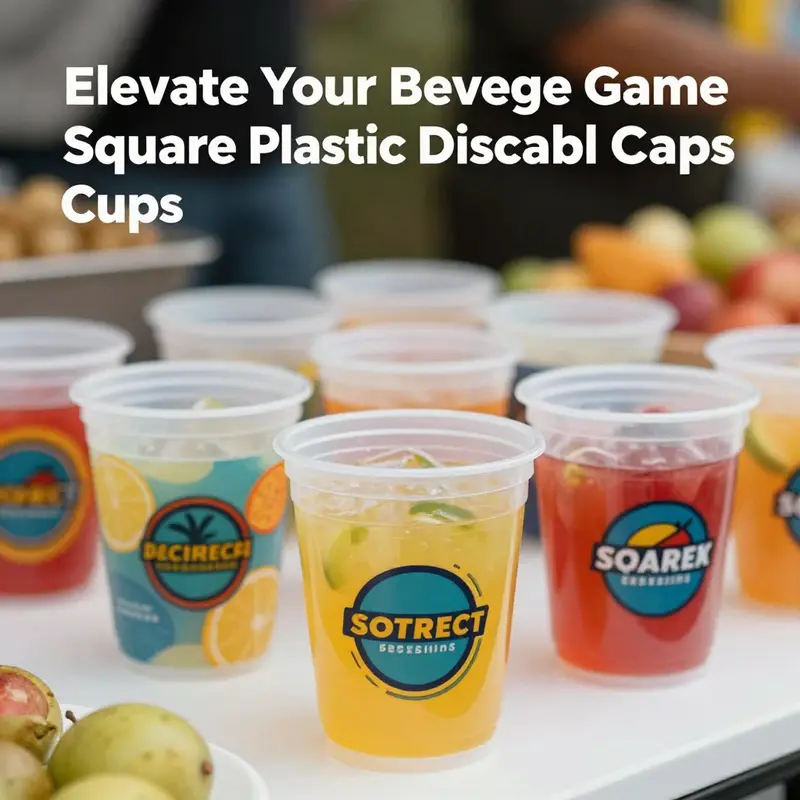
The market for square plastic disposable cups is not simply an extension of a utilitarian category; it is a story about how form, function, and flexibility intersect at the point of service where a dessert, a beverage, or a small bite becomes a curated moment. Across bustling cafes, street-stalls, catering decks, and corporate events, these cups are redefining what a disposable container can do. They are not only vessels; they are design statements that optimize space, elevate presentation, and accommodate a growing appetite for customization without sacrificing speed or hygiene. In this evolving landscape, the square cup has moved from a niche alternative to a mainstream option that can adapt to diverse needs, from the minimalist look of a dessert cup to the branded impact of a corporate приветствующая moment. The momentum behind these products is driven by a trio of core dynamics: design innovation, tailored packaging capabilities, and a robust, global supply chain that is increasingly oriented toward sustainable practice and rapid responsiveness. The result is a market that is not just about selling more cups, but about delivering smarter cups that help food and beverage operators differentiate themselves in crowded spaces while keeping costs predictable and production scalable. In this context, the conversation about square plastic disposable cups naturally expands beyond simple capacity and clarity; it becomes a reflection on how packaging choices influence menu design, guest experience, and supplier relationships in a globally connected economy.
Design innovation sits at the heart of the square cup story. The shift from round to square is more than a stylistic preference. It translates into tangible benefits on shelves, tables, and transport routes. Square cups align more efficiently in display racks and stack with reduced instability, which translates to fewer breakages during handling and faster restocking for busy venues. On a practical level, the flat faces provide a cleaner canvas for branding and messaging, making logos, color schemes, and thematic graphics easier to read at a glance. The shape also optimizes space when containers are packed for delivery or stored in limited back-of-house areas, a consideration that matters as operators seek to maximize throughput during peak hours. Material choices reinforce these advantages. Polypropylene, a common workhorse for disposable cups, offers durability, light weight, and respectable heat resistance, supporting both hot and cold servings. In regions where thermal stability matters—such as busy urban take-out settings or street-food hubs—PP cups deliver reliable performance without introducing unnecessary bulk. This practical robustness makes square cups an appealing option for a wide spectrum of operators, from street vendors who rely on quick turnover to premium venues that want a contemporary, minimalist aesthetic without sacrificing reliability.
With design comes the much-debated topic of customization. Modern manufacturers now orbit customization beyond simple printing to include tailored sizes, color packages, and functional integrations. Integrated features—such as collapsible or ergonomic handles, compatible lids, or even built-in spoons and chutney compartments—have begun to appear in modular designs that suit fast-casual dining, buffets, and catering services where hygiene and portion control are paramount. The ability to align a cup’s form with a brand’s color language or a specific event theme is a powerful value proposition for venues seeking to enhance guest recognition and recall. Yet, the reality of customization is not static. Suppliers report that, at times, certain customization options may be temporarily unavailable due to production schedules or supply chain adjustments. Real-time vendor coordination becomes essential in those moments to ensure that orders land with the desired specifications and timelines. Operators who maintain open lines of communication with suppliers, and who plan for flexibility in design choices, are better positioned to leverage customization as a genuine differentiator rather than a logistical headache. The interplay between customization and efficiency is further amplified when customization supports more responsible consumption. Portion-controlled designs and lids designed to minimize leaks are not only conveniences; they contribute to a more streamlined service model with less waste and cleaner presentation at the table.
A broader trend shaping the market is a growing emphasis on sustainability. Consumers and regulators alike are pushing for packaging that is recyclable or biodegradable, without compromising performance. In response, manufacturers are exploring eco-friendly PP formulations and alternative recycling pathways that align with circular economy objectives. The shift toward sustainability does not diminish the appeal of square cups; it reframes it. Recyclability and responsible end-of-life handling become part of the product’s value proposition, alongside aesthetics and function. Operators who prioritize eco-conscious packaging can leverage these attributes as part of their own brand narrative, appealing to guests who prize environmental stewardship as part of the dining experience. The sustainability narrative also introduces a layer of complexity: trade-offs between durability, weight, and recyclability must be balanced to meet regulatory expectations in different regions while maintaining cost competitiveness. In many markets, the choice of PP versus alternative materials hinges on local waste management infrastructure and consumer perceptions of environmental impact. The challenge—and opportunity—lies in communicating clear sustainability commitments without compromising the cup’s practical performance at the point of use.
B2B sourcing landscapes reveal why this category can scale rapidly and reach a global audience. The strongest production clusters for disposable cups are concentrated in southern and eastern China, particularly within the provinces known for injection molding, thermoforming, and sophisticated digital printing. These clusters create dense ecosystems where raw materials like food-grade polypropylene are readily available and where suppliers can achieve significant throughput. Such an environment enables rapid turnaround times for customized orders, which is critical for events with tight deadlines, seasonal menus, or promotional campaigns that demand timely deployment. The production capacity to meet large orders—sometimes described in terms of hundreds of cartons per day—frames a commercial reality for large-scale operators who require consistent supply across multiple outlets or regions. The availability of a wide range of sizes, from smaller 12-ounce portions to larger 610-milliliter servings, underscores the square cup’s versatility. Beyond beverages, these containers are also used in pet-food servings and other applications where a clean, modern presentation matters. In this ecosystem, the square cup becomes not just a single-use object but a modular element of a wider packaging strategy that includes branding, portion control, and shelf-to-table efficiency. This is where the business case for square cups transcends mere economy; it integrates design thinking with manufacturing precision to deliver tangible benefits in operations, guest experience, and brand impact.
The market dynamics are complemented by a global distribution network that supports cross-border demand. Operators from different continents rely on suppliers that can offer scalable production, consistent quality, and the ability to customize at volume. This combination—design-led products, customization-enabled manufacturing, and reliable supply chains—holds the key to sustained growth. When a brand or venue seeks to align its packaging with a specific event or campaign, the capacity to produce a large quantity with consistent standards becomes a crucial differentiator. The role of procurement teams in this context is to curate a portfolio of options that balance aesthetics, functionality, and cost, while anticipating potential supply chain shifts that could constrain customization or timing. In practice, this means developing contingency plans, securing reference approvals early, and maintaining open lines of communication with manufacturers to navigate temporary constraints without sacrificing the integrity of the guest experience.
The wider implications for product strategy are clear. As disposable cups evolve, they increasingly serve as a bridge between menu design and consumer perception. A square cup that presents a dessert with sharp edges, clear branding, and a stable base creates an impression that the offering is thoughtfully designed and professionally executed. This alignment between form and function matters at moments when guests choose between competing options in a crowded market. Operators can leverage this to create cohesive experiences—where packaging, presentation, and service tempo reinforce a brand’s promise. In practice, this means thinking beyond the cup as a container to see it as a platform for storytelling, portion control, and brand amplification. The ongoing development in customization—sizes, color palettes, and functional features—enables brands to tailor experiences to specific demographics, channels, and occasions. For example, a wedding reception might employ a particular square cup design in a color scheme that matches the event’s theme, while a street-food week could prioritize a more economical, high-volume option that still preserves a clean and modern look.
Industry observers emphasize that the future of square plastic disposable cups will hinge on the intersection of design, customization, and responsible packaging. Balancing the desire for striking visuals with the demands of efficient production and sustainable end-of-life outcomes will determine how widely these cups are adopted across different segments of the market. To stay competitive, operators should prioritize not only the aesthetic alignment of cups with menus but also the operational implications: ease of handling, leak resistance, compatibility with lids and accessories, and the ability to integrate with existing service workflows. This is where the nuance of customization proves most valuable; when a cup is designed with the end-to-end operation in mind, it can streamline service, reduce waste, and enhance the guest experience without inflating costs.
In parallel with these developments, stakeholders must stay attuned to real-time shifts in supply chains. The availability of customization options can ebb and flow, and savvy buyers build resilience by maintaining a range of qualified suppliers and by planning alternate design options that can be deployed quickly if a preferred customization line becomes temporarily unavailable. The ability to pivot from one design to another without compromising the delivery schedule is a sign of a mature, responsive sourcing strategy. The regional manufacturing base in China, with its consolidating capabilities in injection molding and digital printing, supports such agility by offering scalable production capacity and a broad suite of finishing options. The resulting value proposition is not merely about price per piece; it is about a dependable pipeline that sustains a brand’s storytelling through packaging across campaigns, seasons, and new product launches.
For readers seeking a practical frame to connect these insights with specific buying decisions, the emphasis should be on the compatibility matrix that links cup design to service context. What works for a high-volume buffet line might differ from what best serves a boutique dessert bar. The critical questions revolve around how a square cup supports portion control, how easy it is to pair with a lid or spoon, and whether the aesthetic remains consistent from take-out to dine-in presentation. The answers will frequently point toward a portfolio approach: maintain core, high-volume options for cost efficiency; reserve a line of premium, customization-ready cups for signature events; and ensure that every choice aligns with sustainability goals and regulatory expectations. In this way, the square cup becomes more than a packaging option; it becomes a strategic element in a brand’s packaging toolkit, capable of reflecting a business’s values, supporting its menu concepts, and enhancing the overall guest journey.
To illustrate the practical pathway from concept to consumption, consider how a venue might curate its selection. A simple, elegant square cup with a clean, transparent surface can showcase layered desserts with a crisp visual hierarchy, helping customers perceive value even before tasting. When a brand adds a logo or a themed graphic through customization, the cup becomes a mobile billboard, reinforcing the message as drinks and desserts circulate through the room. For caterers and event planners, the ability to scale up with consistent quality across dozens or hundreds of outlets is the heartbeat of reliability. The integration of features such as integrated lids or built-in spoons can reduce service friction, while color-coordinated packaging supports a cohesive aesthetic across courses and stations. Ultimately, the market’s trajectory is shaped by how well suppliers can translate the ambition of a square cup into a tangible, scalable, and responsible product suite that aligns with the needs of modern hospitality and events.
For those exploring the broader landscape of disposable cup customization and its evolving supply chain, a related resource discussing broader sourcing dynamics offers a useful backdrop. See the linked supplier guide for a contextual view on how brands navigate large-scale, customizable packaging solutions in today’s global market. Disposable custom double-wall hot paper cups with lid.
External resource: To deepen understanding of market dynamics, sustainability considerations, and the evolving B2B sourcing landscape, consult the industry analysis on strategic sourcing of disposable plastic cups with lids. https://www.supplychaininsights.com/b2b-disposable-cup-sourcing-guide
From Factory Floors to Event Halls: The Global Reach and Craft of Square Plastic Disposable Cups
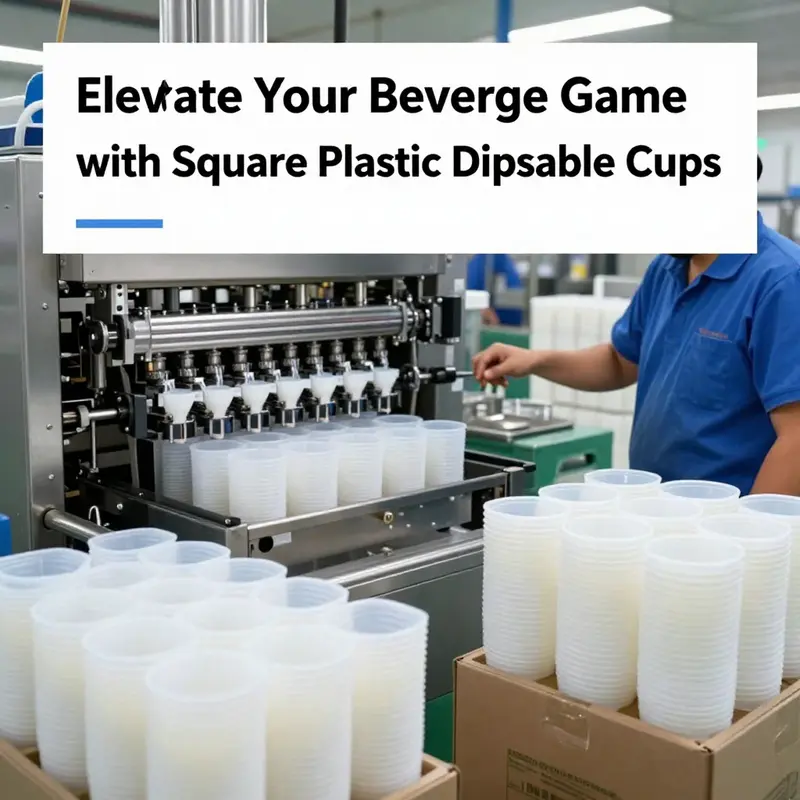
Square plastic disposable cups occupy a pivotal place in the modern food service ecosystem. Their square geometry is chosen for practical reasons: stable stacking, efficient packaging, and space-saving transport. In practice this translates to faster restocking, clearer displays, and predictable performance across venues. Sizes vary to accommodate beverages, desserts, and samples, while clear variants remain common for a neutral backdrop; color accents, branding, and embossing offer opportunities for identity at events. This combination of practicality and branding has kept demand steady across a range of markets.
The production backbone centers on Asia, with many factories in China supporting design-to-delivery workflows. Clusters in provinces such as Guangdong and Zhejiang specialize in plastics processing, tooling, and quality testing, enabling rapid scale and consistent quality. The scale allows suppliers to offer both simple non-printed cups and customized runs, with MOQs depending on whether branding is involved. Lead times typically span weeks rather than months, and logistics partners help coordinate global shipments to North America, Europe, and beyond.
Markets prize predictable costs and high-volume capability. Unit prices drop with volume, and customization adds value through logos, seasonal graphics, or color schemes. Flexo printing in multiple colors on clear cups is common, with potential for subtle texture or embossing. Accessories like matching lids extend usability for takeaway scenarios, while compatibility with standard recycling streams supports sustainability goals where feasible.
From a procurement perspective, buyers look for certified quality marks, traceability, and reliable lead times. ISO 9001 or equivalent quality systems, supplier audits, and adherence to food-safety standards reassure buyers ordering large campaigns for conferences or retail promotions. The global square cup market emphasizes efficiency: standardization in dimensions, materials, and packaging aids cross-border sourcing and reduces risk of stockouts during peak periods.
The narrative around design emphasizes how form supports function: flat sides enable stable stacking on shelves and in display cases; the compact footprint helps optimize display space in cafes and kiosks. Materials like PP and PET balance clarity, rigidity, and temperature tolerance for cold drinks and refrigerated desserts without compromising safety. These cups are not only beverage vessels but versatile props for desserts, samples, and bite-sized offerings at events or in retail counters.
Branding opportunities extend beyond the cup body: high-visibility printing, color accents, or subtle branding can reinforce a client’s identity across an event package or store display. Clear cups offer a canvas for beverage presentation while still carrying brand cues, and many suppliers offer leak-resistant lids and compatible accessories to complete the system.
Environmental considerations are increasingly reflected in the product development and supplier conversations. Recyclability, recyclable stream compatibility, and lifecycle assessments inform responsible sourcing decisions, even as market demand for convenience remains strong.
Looking ahead, the square cup category benefits from ongoing innovations in materials, printing technology, and packaging ecosystems. Buyers who align supplier capabilities with brand needs, sustainability targets, and logistics requirements can source reliable, scalable solutions for both routine service and high-profile campaigns.
The Square Advantage: Practical Uses and Economic Pulse of Plastic Disposable Cups

Square plastic disposable cups have quietly become an organizer’s ally in the rhythm of everyday service. Their flat faces and equal sides create a silhouette that looks both modern and deliberate, a small detail that ripples outward to affect how events feel, how kitchens run, and how budgets balance at the end of a busy period. The square footprint isn’t just a stylistic choice; it translates into tangible gains in storage, handling, and presentation. When cups stack neatly without offset, they slide into tight storages and compact transport with less risk of tipping or leakage. The result is a straightforward, scalable efficiency—an attribute that matters most in environments that repeatedly transform raw ingredients into shared experiences. As a result, square plastic disposable cups are not merely vessels; they are tools that influence workflow, inventory planning, and even the cadence of service across varied settings, from impromptu outdoor pop-ups to formal catered galas, from quiet tea stations to bustling dessert corners.
In practice, the applications span a wide spectrum, and the shape often helps teams solve problems rooted in space, speed, and consistency. Catering services, for instance, rely on cups that can be prepared, displayed, and replenished with minimal fuss. The square form accommodates a clean, uniform presentation for beverages and dessert portions alike, offering a stable base that reduces wobble on crowded service counters. For cold drinks and desserts such as mousse or layered puddings, the clear, square cups create a visual invitation—precise layers and bright colors presented against the crisp edges of the cup. The design also lends itself to branding moments during events where uniformity communicates professionalism and cohesion without the need for elaborate adornments. This makes the cups particularly appealing for themed gatherings where a consistent silhouette supports a branded ambience without overpowering the event’s color scheme.
Another practical dimension emerges in pop-up venues, coffee kiosks, and mobile operations where space is at a premium. Here, the square shape contributes to efficient storage and stackability that is often more compact than round counterparts. In these small-scale settings, every inch matters: shelves and cabinets fill up quickly, and the ability to stack cups tightly helps maximize limited square footage. This compactness extends into transport as well. When drivers load a vehicle, the denser stacks of square cups can fit alongside syrups, napkins, and ice without crowding. The logistics win back time for front-line staff, enabling faster cycle times during peak hours and a more predictable service rhythm. The result is a more predictable labor cost, a critical factor in a sector where hours and margins can be razor-thin. In these contexts, the square form becomes a proxy for reliability—a small, repeatable advantage that compounds across dozens or hundreds of service points each week.
Beyond the front-of-house dynamics, the cups play a role in how chefs and baristas approach portion control and recipe consistency. In kitchen workflow, portion accuracy is a cornerstone of quality and cost management. The standardized geometry of square cups helps cooks and beverage creators inventory, measure, and portion ingredients with fewer deviations. In preparation areas, where mise en place matters, uniform containers enable faster transfers and fewer mistakes during busy moments. The uniformity is not limited to culinary routines; it also helps in laboratories or testing environments where precise samples or indicators are prepared and stored for short periods. While the primary design intent centers on consumer-facing use, the stability and predictability of square cups contribute to cross-functional efficiency that echoes from the kitchen to the research bench.
Branding and customization further sharpen the value proposition. Clear square cups offer a blank canvas that allows logos, color blocks, or themed patterns to take center stage without competing with curved edges or irregular surfaces. The modern aesthetic aligns with contemporary branding strategies that favor clean lines and transparent presentation. When a business hosts an event or a corporate gathering, branded disposables extend the brand experience beyond the walls of the venue. The cups become a moving advertisement that customers encounter at key moments—when they pick up a drink, observe a dessert plate, or leave with a parting image of the brand. Customization options can include logos, color accents, and other designs that fit the event’s palette, turning a simple cup into a miniature, portable banner. The potential for customization is aligned with the economics of scale, where large orders can drive unit costs down to very competitive levels, particularly when blended with efficient production and shipping networks.
From an economic standpoint, the appeal of square cups is multi-faceted. The production costs of plastics generally remain lower than alternatives like paper or biodegradable options in high-volume contexts. This cost dynamic is especially compelling for operators who service dozens or hundreds of events each year. The affordability supports a business model built around high throughput and frequent repeat purchases, where small savings accumulate into meaningful margins over time. In addition to the base cost of the cups themselves, the square geometry contributes to logistic efficiencies. Denser stacking reduces shipping and warehousing costs, while uniform shapes streamline packing, loading, and inventory management. This translates into lower operating expenses for distributors, caterers, and hospitality outlets that rely on consistent, repeatable supply chains. The ability to purchase in bulk amplifies these savings; general market data points to low per-unit prices at scale, which makes a difference for operators managing frequent, sizable orders.
Another economic lever is the potential for customization at scale. Suppliers can offer branding options on clear square cups, enabling clients to project a cohesive look at events or venues. This is particularly attractive to organizations that host recurring gatherings, conferences, or seasonal promotions, where a consistent visual identity reinforces recognition and recall. The market dynamics also reflect a robust demand for disposable tableware in the broader hospitality and catering segments. Even as sustainability concerns push some buyers toward greener options, the ongoing need for reliable, cost-effective disposables ensures a stable baseline of utilization. The sector’s resilience arises from a practical balance: cost efficiency, functional design, and an ability to adapt to varied contexts—from intimate gatherings to large-scale productions.
Of course, any discussion of disposable plastics must acknowledge environmental considerations. The convenience and low upfront cost come with a trade-off: plastic waste requires careful management, and the industry faces increasing scrutiny around end-of-life disposal. This tension has prompted buyers to weigh options such as recyclable or compostable alternatives where feasible, often trading off some cost and performance for environmental stewardship. Yet the economic case remains nuanced. In many cases, square cups serve as a practical interim choice, used responsibly within well-planned waste programs that maximize recycling where possible and minimize landfill impact. The market is responding with innovations that improve recyclability, streamline disposal, or substitute components without sacrificing the stability and clarity that make the square shape so efficient for display and handling. In the near term, this means a continued focus on cost control, supply chain reliability, and a channel-specific approach to sustainability that aligns with customer expectations and regulatory environments.
The global dimension adds another layer of realism to the economic picture. A significant portion of production for disposable cups takes place in regions with well-established plastics industries, where manufacturers can achieve high output and consistent quality. For square cups, the demand base spans North America, Europe, and Asia, with distributors bringing standardized products to a range of customers—from small cafés to large event organizers. Production capacity figures, such as the ability to churn out hundreds of cartons per day, underline the scalability that underpins bulk buying and long-term contracts. This capacity, coupled with competitive per-unit pricing for large volumes—illustrated by sample figures at the lower end of unit costs for bulk purchases—enables businesses to plan multi-month procurement strategies with confidence. The economics are not only about the per-piece price; they also hinge on shipping, storage, and the ability to forecast demand accurately across a calendar year so that stockouts do not disrupt service during peak seasons.
To frame these considerations in a practical lens, imagine a scenario in which a caterer is preparing for a week of medium-to-large events. The planner estimates that 60 percent of beverage servings will use 5-ounce square cups for desserts and mousse in the late afternoon, while 40 percent will feature 8-ounce cups for mixed drinks and samples in the evening hours. In such a setting, the square design accelerates both mise en place and the service cycle. Staff can stock fewer, larger crates that nest securely, reducing handling time and the risk of accidental spills during transport. A well-structured stock system that capitalizes on the cups’ stackability translates into fewer touchpoints per service, which in turn lowers labor costs and improves throughput. When the cups arrive in bulk, the unit price can become increasingly favorable as order volumes rise, a dynamic that encourages long-term supplier relationships and predictable budgeting. In addition, the option to imprint a logo or color motif on clear cups offers a way to craft a branded experience without the overhead of custom glassware or heavy decor investments. Aesthetic impact arises from the interplay between the transparent surface and the presented contents—the color and texture of the drink or dessert interacting with the cup’s geometry to create an inviting, contemporary display.
For readers seeking a concrete pointer to related packaging formats and broader disposables strategy, the discussion can be extended to look at complementary products and formats. One might explore wholesale take-away options that cover different cup sizes and materials, providing a broader picture of how disposable formats fit into a brand’s overall service model. This broader view helps illuminate the choice many operators face when balancing cost, function, and presentation across multiple channels. For a deeper look into related disposables options, read more about wholesale take-away cups with lids and the variety of sizes that support both hot and cold beverages. wholesale-take-away-8oz-12oz-disposable-coffee-paper-cup-with-lids.
From a strategic point of view, the square cup’s enduring appeal rests on its simplicity and predictability. It embodies a pragmatic middle ground between function and form: easy to store and transport, supportive of brand presentation, and adaptable to a broad range of beverages and desserts. The economics, while not glamorous, are durable. They hinge on efficient manufacturing, robust logistics, and the savvy use of bulk purchasing to secure lower unit costs. The interplay of these factors—storage efficiency, labor productivity, and branding potential—creates a compelling argument for the continued presence of square plastic disposable cups in the toolkit of professionals who plan and execute hospitality experiences. The landscape is not static, and decisions will continue to blend material choices with sustainability goals, supplier reliability, and evolving consumer expectations. Yet the square cup remains a practical instrument—an everyday device that quietly influences how efficiently a service operation runs and how successfully it can scale to meet demand.
External considerations also shape how businesses approach future purchases. Stakeholders may look for compatibility with recycling streams or for supplier commitments to improved waste management practices. They may also evaluate how easily the cups integrate with other disposables in a cohesive system that minimizes waste and maximizes reuse of space in storage and transit. In this shifting context, the square cup’s value is not solely in its immediate use but in its role as part of a broader, adaptable packaging strategy. The capacity to customize while maintaining stackability and cost control makes it a practical anchor around which event programs, cafés, and mobile operations can align their service models.
For those who want to explore the topic further in an adjacent dimension—where sustainability, branding, and practical efficiency converge—there is a body of guidance that addresses how to choose square disposable cups and other practical considerations. This resource explores the criteria that matter most when evaluating options, including clarity, rigidity, stacking performance, and compatibility with room-temperature or chilled beverages. It provides a framework for comparing different formats and helps decision-makers think through how a given cup format fits into their operational realities. You can access a detailed guide here: https://www.smartbuy.com.au/blog/how-to-choose-square-disposable-plastic-cups. As the chapter closes, the story of square plastic disposable cups remains a story of balance—between cost and quality, between space and speed, and between immediate utility and long-term responsibility. The ongoing evolution of materials, manufacturing, and waste leadership will continue to shape how these cups contribute to service design, environmental stewardship, and the economics of everyday hospitality.
Final thoughts
In conclusion, square plastic disposable cups provide a practical, appealing, and customizable solution for businesses in the food and beverage industry. Their availability in various sizes, alongside their potential for personalized branding, positions them as a top choice for enhancing customer experience at events, restaurants, and food service establishments. By understanding the product specifications, market trends, production capabilities, and practical applications discussed, businesses not only streamline their operations but also create memorable experiences for their customers. As you look to enhance your service offerings, consider the benefits that square plastic cups bring to the table.