
As businesses in the food and beverage sector continuously seek sustainable and health-conscious solutions, silicone food storage containers emerge as the perfect alternative to traditional plastic options. This article delves into the health benefits, environmental impact, economic aspects, and shifting consumer trends surrounding these innovative containers. With a focus on completely plastic-free storage, we aim to paint a comprehensive picture of why silicone is not just a trend, but a necessary evolution in food storage practices. Each chapter will illuminate various angles, from safety and sustainability to trends influencing purchasing decisions, creating a holistic view of the benefits silicone food storage containers have to offer.
Safe, Stable, and Plastic-Free: The Health Promise of Silicone Storage for Modern Kitchens
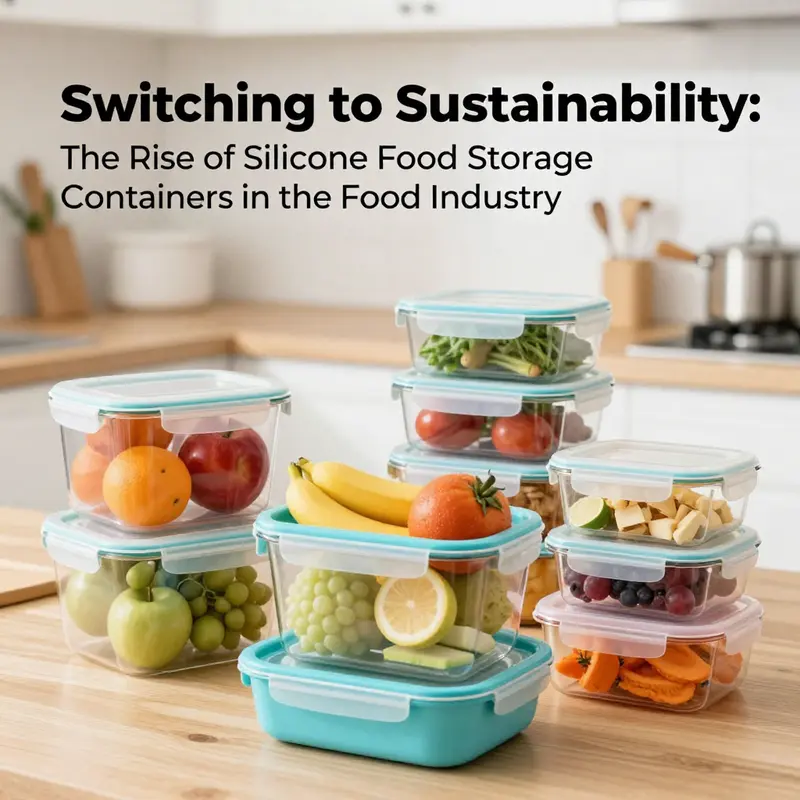
In a kitchen where choices are increasingly measured by their impact on health and the environment, silicone storage emerges not merely as a material but as a philosophy of safer food—one that rejects the hidden costs of conventional plastics. The appeal lies not only in convenience but in the promise of stability. When a container is labeled as silicone and marked as food-grade, it carries with it a set of assurances that many plastic-based options struggle to offer. The core advantage is chemical safety: high-quality silicone, when produced to the highest purity standards, is chemically inert. In practice, that means it does not release the familiar suite of substances associated with many plastics, such as BPA, phthalates, or other additives that have sparked both consumer concern and health debates. The absence of these compounds is not a casual claim but a consequence of silicone’s structure and history. Unlike petroleum-derived polymers, silicone is a silica-based polymer system that, in the form used for kitchenware, tends to resist reactions with food and beverages under ordinary conditions. This inertness translates into a practical reality: when you store leftovers, marinate, or reheat, you face fewer risks of introducing unwanted chemicals into the meal you feed your family.
That safety is reinforced by a remarkable resilience to temperature, a feature that matters deeply in a kitchen where heat and cold are everyday tools. Experts highlight silicone’s stability across a broad temperature spectrum, including micro- and macro-waves of heating and cooling. In particular, silicone’s performance at high heat—up to about 400°F (204°C)—means it can endure oven or microwave use without undergoing the chemical migration that worries some plastics. This is more than a technical footnote; it is a design benefit for households seeking safer reheating practices. When you reheat directly in a silicone container, you minimize the need to transfer food into other materials that might have more complex safety trade-offs. Dr. Lena Torres, an environmental health scientist, has underscored this advantage, pointing to how stability at elevated temperatures can reduce potential leaching. For families that routinely switch from freezer to oven, the stability becomes a practical shield against cumulative exposure to unwanted substances.
A key point in the health narrative of silicone storage is the absence of plastic additives. Plastic-based polymers, especially those used in common containers, often rely on additives to achieve flexibility, durability, or color. These substances can migrate slowly into food, especially under certain conditions, or shed as tiny particles over time. In contrast, silicone is not built from the same family of materials, and when produced to pure standards, it carries far fewer concerns about plastic additives. This distinction matters for anyone aiming to minimize synthetic chemical exposure in the kitchen. It is not simply about avoiding a single chemical; it is about reducing a class of exposures that have prompted extensive safety scrutiny across health agencies and consumer watchdogs. For households choosing a completely plastic-free storage approach, silicone offers a practical path forward because the material itself remains consistent across usage cycles and resists the kind of degradation that can complicate plastic storage.
Beyond the absence of leachables, another dimension of health with silicone storage is its resistance to odor retention and flavor transfer. In practice, silicone’s non-reactive nature helps keep flavors from lingering in the container after washing, which in turn supports more reliable food preparation, especially when dealing with diverse dishes and ingredients. The predictable performance reduces the temptation to rely on disposable alternatives when flavor integrity matters or when multiple meals are prepared in succession. This reliability is particularly valuable in households that batch-cook or meal-prep, where containers are opened and closed repeatedly. A container that stays true to its original state—free from lingering smells and contaminants—contributes to a cleaner, more straightforward cooking routine.
A broader dimension to consider is how silicone fits into a sustainable ethos. The absence of plastic-based polymers means silicone storage helps address concerns about microplastics and the long-term environmental footprint of typical plastic containers. While all materials have trade-offs, silicone’s durability and resistance to heat mean it can endure years of use with proper care, reducing the cycle of replacement and waste that accompanies many disposable options. This durability matters in the context of a growing consciousness about plastic debris and the health implications of microplastics. The health benefits, then, are not limited to the kitchen chemistry but extend to a broader understanding of how daily choices accumulate over time to influence personal well-being and planetary health.
Not all silicone is created equal, and the safety narrative is strengthened when containers bear clear, rigorous certifications. Reputable products for food use often label themselves as 100% pure platinum silicone, a designation that signals a platinum-cured process designed to minimize siloxane residues and fillers. Certifications such as FDA compliance or LFGB (the German safety standard) provide external validation that the product meets stringent purity and safety criteria. In the United States, the FDA recognizes food-grade silicone as generally safe when produced under appropriate purity standards, and LFGB certification offers a rigorous confirmation of conformity to European safety expectations. When a consumer encounters these assurances, the confidence that follows is not about marketing rhetoric but about an evidentiary baseline. The emphasis on purity—avoiding fillers and toxic residues—further supports the health case for silicone storage as a comprehensive, plastic-free solution.
As families navigate choices for their kitchens, the health benefits of completely plastic-free silicone storage extend beyond the laboratory of the materials science lab into everyday life. The practical impact is a kitchen that supports safer reheating, reduces exposure to a category of potentially hazardous additives, and provides a stable, inert environment for a wide range of foods. The ability to go from freezer to microwave or oven without significant risk of chemical migration is not only a safety feature; it is a convenience that aligns with a health-first mindset. And because silicone is not a petroleum-based polymer, it sidesteps some of the environmental concerns tied to the continued use and disposal of conventional plastics. The result is a product that serves a healthier kitchen routine while contributing, in its own way, to a more cautious approach to plastic use in daily life.
The health narrative around silicone storage is further strengthened by the role of certifications and purity standards. When a storage solution bears a mark indicating compliance with recognized safety frameworks, it provides a form of consumer trust that is hard to achieve through promises alone. The FDA’s general recognition of safety for food contact silicone and LFGB’s rigorous testing standards give consumers a public, traceable assurance. Those assurances are especially meaningful in households that take a two-pronged approach to safety: minimizing exposure to potential toxins and adopting long-lasting, durable solutions that reduce waste. In this light, silicone containers become not just an option for storage but a deliberate choice aligned with a health-forward, sustainability-minded kitchen.
The journey to a plastic-free kitchen isn’t a single step but a series of informed choices. Silicone storage is a cornerstone for many who seek to replace petroleum-derived plastics with a material that offers stability, inertness, and certified safety. The practical everyday benefits—resistance to temperature extremes, minimal risk of chemical migration, and a durable, reusable design—cohere into a broader lifestyle shift. This shift recognizes that safety is cumulative; each meal, each container, each reheating step contributes to a healthier cooking environment. The science and standards behind silicone storage provide a compass for this path, guiding consumers toward products that not only perform well but also align with a rigorous, transparent safety framework. For those who value clarity over hype, the combination of chemical inertness, heat resistance, and robust purity certifications offers a compelling narrative: silicone storage can be a genuinely plastic-free solution without compromising safety or functionality.
In considering internal resources for further exploration, readers may find it worthwhile to look at related discussions on eco-friendly packaging options beyond traditional plastics. For example, a case study in eco-conscious packaging highlights how kitchens and food-service settings are moving toward alternative materials that reduce single-use waste while maintaining performance. This broader context can help frame silicone storage as part of a spectrum of plastic-free strategies rather than a stand-alone gadget. In that light, a related exploration into eco-friendly paper-based options can illuminate how choices across a kitchen can converge toward reduced plastic dependence while keeping practicality intact. See this discussion on eco-friendly, printed-logo paper cups with lids as a related reference to the broader shift toward plastic-free packaging solutions.
eco-friendly paper cup with lid
For a deeper understanding of the health risks associated with conventional plastic containers and the science behind safer storage materials, consult external research from a leading public health institution. The Johns Hopkins Center for Health Safety offers a grounded overview of how certain plastics can contribute to exposure and the importance of choosing materials with proven safety profiles. This resource complements the practical, on-the-ground benefits of silicone storage by highlighting the broader health considerations that inform everyday choices in the kitchen. External reference: https://www.jhsph.edu/research-centers/center-for-food-safety/health-risks-of-plastic-food-containers.aspx
Rethinking the Plastic-Free Promise: The True Environmental Footprint of Silicone Food Storage
The allure of silicone as a plastic-free alternative to traditional storage solutions has a persuasive clarity. It promises safety, durability, and a modern convenience that seems to sidestep the wasteful cycle of single-use plastics. Yet a closer look at the environmental footprint of silicone reveals a more nuanced truth. Silicone, at its core, is a synthetic polymer—an engineered material built from silica derived from sand, along with oxygen, carbon, and hydrogen. In chemical terms, that makes it a type of plastic, even if the everyday experience of using it feels qualitatively different. The strongest selling points—the absence of BPA, phthalates, and other notorious additives; the stability across a broad temperature range; and the ability to reuse for years—do not automatically guarantee a lighter environmental ledger. The lifecycle of silicone containers, from cradle to grave, intersects with energy use, manufacturing emissions, end-of-life options, and the broader systems of waste management that communities can or cannot support. Understanding these interconnections helps sharpen the way consumers think about their storage choices, especially when the goal is a storage solution that truly minimizes environmental impact over time.
From the outset, the environmental story of silicone is not a simple dichotomy. On the one hand, silicone offers advantages over many conventional plastics. It eliminates certain chemical leachates associated with polycarbonate, polyvinyl chloride, and other petroleum-based polymers. It resists staining and maintains its shape through repeated heating and cooling, which means fewer replacements for the same task. On the other hand, silicone is not biodegradable. When a silicone container finally reaches the end of its usable life, it does not break down in nature in the way that organic materials or some plant-based alternatives do. In landfills or the oceans, silicone can persist for centuries. This durability is a double-edged sword: it reduces the frequency of disposal events but makes the ultimate disposal decision more consequential if the item is not properly repurposed or recycled. The environmental math, then, is not simply about the material’s safety during use. It hinges on what happens after use—the path the product takes when it is no longer needed and how that path aligns with the region’s recycling and waste-management capabilities.
Another surprising dimension concerns microplastics and the broader conversation about plastic in the environment. For a long time, silicone was described as avoiding microplastic fragmentation in the same way that many traditional plastics do. The logic was intuitive: silicone is more stable, less prone to brittle breakage, and less likely to shed tiny beads of plastic into nature through everyday wear and tear. Emerging research complicates that narrative. Under conditions of prolonged heat, ultraviolet exposure, or mechanical abrasion, silicone can release micro- and nanoplastics into soils and waterways. These finer particles can travel through ecosystems, potentially entering the food chain and posing risks that are not yet fully understood. The evolving science underscores an important point: even materials marketed as “plastic-free” or “more durable” still participate in the broader plastics conversation once they encounter environmental stressors or improper disposal.
The production side of silicone’s story deserves equal attention. The creation of high-quality, food-grade silicone involves energy-intensive processes that rely on fossil fuels and requires sophisticated manufacturing infrastructure. While silicone can be recycled in some specialized facilities, the availability of recycling options is uneven, and curbside programs almost universally do not accept silicone at end of life. This means many silicone containers are diverted to landfills or energy-from-waste facilities if there is no pathway to reuse, repurpose, or responsibly recycle them. The result is a lifecycle footprint that, while potentially lower per-use than some single-use plastics, can still be substantial when viewed across the full chain—from raw material extraction to production, transport, use, and disposal.
These dynamics should not be read as a blanket indictment of silicone. The material’s stability and inertness contribute to safer food storage during repeated use, and the absence of specific toxic additives reduces certain health concerns commonly associated with some plastics. But the environmental value of silicone is inextricably linked to how it is used and how it is finally managed. A few practical patterns emerge from a lifecycle perspective. First, the most impactful action is to maximize use: extend the container’s life through careful handling, proper cleaning, and avoidance of damage that would necessitate early replacement. When a silicone container does reach the end of its life, seeking out any available recycling options, or repurposing the item for non-food uses, can help defer disposal at landfills. Second, the environmental math improves with a higher-intensity reuse regime. If a single container replaces numerous disposable disposables over a long period, the per-use environmental impact drops substantially. Third, decision-making should consider regional waste-management realities. In many places, the infrastructure to recycle silicone is limited or non-existent, which means a container’s end-of-life options are contingent on local programs or specialized facilities that may require shipping the material to distant processing centers. The practical takeaway is clear: the label “plastic-free” is a meaningful marketing cue in certain contexts, but it does not automatically translate into an unequivocally better environmental outcome across all regions and all uses.
A broader comparison with conventional plastics helps illuminate the decision space. Traditional plastics carry a well-documented suite of environmental challenges: fossil-fuel extraction, energy-intensive production, pervasive microplastic pollution, and broad ecosystem impacts from landfills and mismanaged waste. Silicone does not erase these concerns; it shifts the balance toward longer-term use and specialized end-of-life pathways. The absence of substituting toxins during use is a meaningful health-related advantage when it comes to leaching into food and beverages. Yet this advantage must be weighed against the uncertainty about end-of-life handling and the material’s long residence in the environment if it is discarded improperly.
Given these trade-offs, what does sustainability look like in practice for someone choosing silicone storage? It starts with a clear understanding that durability should translate into extended use, not continual replacement. If silicone containers fracture, crack, or lose their seal, their lifespan is effectively shortened, and the environmental burden of producing a new container is not offset by the benefits of reuse. Routine care is essential: hand-washing or dishwasher-safe cleaning, avoiding detergents or high-heat conditions that could degrade the material over time, and inspecting seals for wear. It also means recognizing the limits of disposal options. If local recycling streams do not accept silicone, it may be worth seeking out a community program that accepts silicone for refurbishing or recycling, or exploring donation avenues where functional containers can serve in community kitchens, schools, or non-profit settings before becoming waste.
The broader question—how silicone stacks up against truly plastic-free options like glass or metal—invites careful consideration of use cases. For hot foods, silicone’s heat resilience can be advantageous, whereas glass and metal often provide longer lifespans and more straightforward end-of-life handling in regions with robust recycling fleets. But weight, breakage risk, and cost are not trivial in everyday decisions. A kitchen that uses glass for most pantry storage and metal for certain travel or outdoor uses might still benefit from silicone in niche tasks where its flexibility and low risk of shattering offer real convenience. The crucial emphasis remains: the sustainability of a silicone choice grows when it is deliberate, well-maintained, and integrated into a broader strategy of reducing overall consumption and waste.
From a consumer ethics standpoint, the message extends beyond individual containers. It touches on how households, communities, and industries design products and manage waste streams. If the public conversation can move toward transparent labeling about end-of-life options, regional recycling capabilities, and the true durability of products, shoppers can make more informed choices. For some readers, that means embracing extremely long-lived options like glass or stainless steel, even if it requires adjusting expectations about weight, price, and handling. For others, it may mean using silicone where its particular strengths align with a responsible reuse pattern and where local systems support proper disposal at the end of life. Either path benefits from a grounded view of the material’s life cycle rather than a simplistic binary of plastic-free versus plastic-containing.
To connect these ideas to the everyday realities of storage decisions, consider how packaging ecosystems are evolving beyond single-material narratives. The growing availability of alternatives—packaging and containers designed to minimize environmental impact through reuse, repair, and end-of-life manageability—signals a shift in how households approach sustainability. This broader context matters because the environmental performance of any one material is inseparable from the systems that support its use. In regions where recycling and reclamation are better funded and more accessible, silicone’s long life can be an asset if it is properly captured at the end of its use. Where such systems are lacking, the long persistence of silicone becomes a liability if the item is discarded after a relatively short period of use.
For readers keen to explore the bigger picture of material sustainability, there is value in examining lifecycle analyses that compare silicone with conventional plastics. One such analysis offers a broader lens on how these materials perform across the full spectrum of environmental impacts. It emphasizes that while silicone can reduce certain health and chemical risks during use, its overall environmental footprint is contingent on how it is produced, used, and disposed of within real-world systems. Such insights remind us that a plastic-free label, while compelling, is not a universal certificate of sustainability. The impact of any storage solution unfolds through the choices we make about reuse, care, and end-of-life handling—the steps that ultimately determine whether a silicone container remains a responsible part of a household’s repertoire or simply becomes another piece of long-lasting waste.
In the spirit of practical action, it is helpful to situate silicone within a continuum of options rather than as a one-size-fits-all answer. For households that already prioritize reuse and have access to responsible disposal options, silicone can play a valuable role in reducing dependence on single-use plastics. For others, the trade-off might favor glass or metal containers, especially when end-of-life infrastructure is robust in their area. The central takeaway is that sustainability is not a fixed attribute of a material but a dynamic outcome shaped by usage patterns, disposal options, and the broader system in which products live and die. The conversation about silicone storage is, at its core, a conversation about how to align daily practicality with longer-term ecological balance.
Internal link note: For readers exploring plastic-free storage alternatives that reduce reliance on disposable packaging, a related avenue is to examine durable, recyclable paper-based options that emphasize reusability and sustainable design. See this discussion of eco-friendly kraft paper bowls and related packaging: eco-friendly recyclable pulp take-away cups and holders.
External resource: A broader lifecycle comparison of silicone and traditional plastics is helpful for context. See Silicone vs Plastic: Which is More Sustainable? at https://www.greenliving.org/silicone-vs-plastic/ for a comprehensive overview of where silicone sits in the sustainability landscape and how buildup of waste interacts with recycling infrastructure and energy use.
The True Cost and Richer Savings of Completely Plastic-Free Silicone Storage: An Economic Perspective
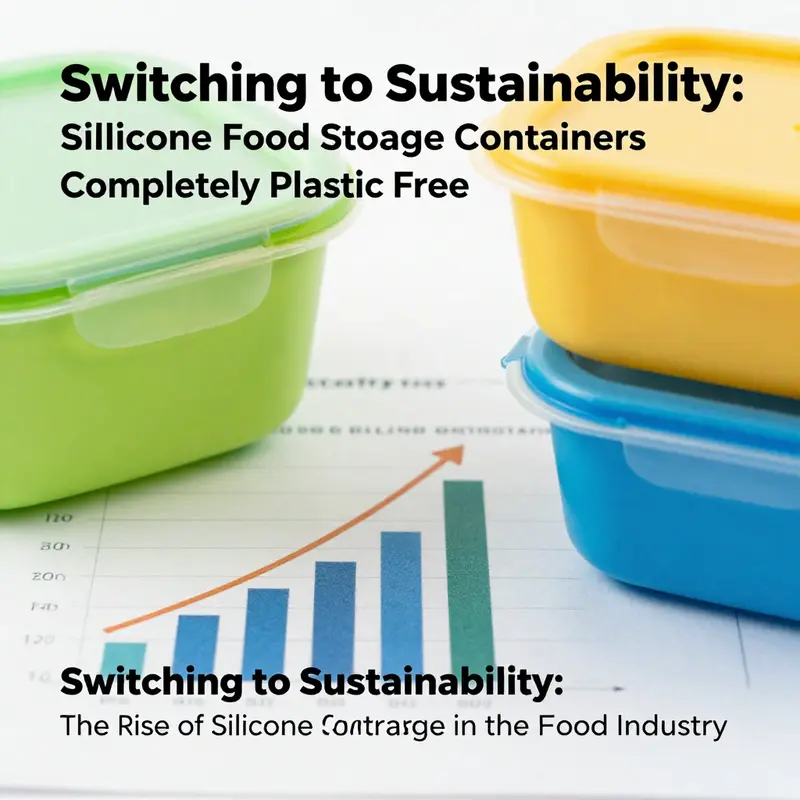
Choosing a kitchen storage system that is completely plastic-free is more than a trend; it is a pragmatic decision about cost, health, and the future of waste. The economic narrative around silicone containers begins with the sticker price, then moves quickly to a question of value over time. High-quality silicone storage, especially when labeled as 100% pure platinum silicone and certified by regulatory bodies like FDA or LFGB, commands a premium. This premium is not simply about the material, but about purity, safety, and performance: heat resistance for reheating, cold stability for freezing, and chemical inertness that minimizes flavor transfer and leaching. The upfront cost can feel daunting when compared with cheap plastic options or disposable wraps. Yet the lifetime economics tell a different story, one where the benefit accrues through hundreds or thousands of reuse cycles, dramatically lowering the per-use cost and cutting ongoing waste disposal costs.
Consider a typical family that swaps three reusable silicone bags for single-use plastic equivalents. Even under modest use, they avert more than 300 plastic bags from entering waste streams each year. Over a decade, that single behavioral shift compounds into thousands of bags saved, a tangible environmental dividend that also translates into financial savings through avoided purchases of disposable wraps and bags. The math extends beyond bags. Airtight silicone containers, built to hold portions and leftovers, reduce spoilage. Food is safer from odor transfer and freezer burn, which means less waste and more reliable meal planning. The economic payoff thus isn’t only in direct purchases but in improved household efficiency—less time spent dealing with spoiled food, fewer trips to the store for replacements, and a more predictable grocery bill.
Beyond the household, the market for storage solutions is expanding, shaped by urban living, rising environmental awareness, and a global push to reduce plastic waste. Data trends indicate that airtight containers are expected to dominate the market, capturing nearly 44 percent of total demand by 2033. That statistic reflects a consumer preference for maintaining freshness and limiting spoilage, a motive that aligns closely with silicone’s strengths: compatibility with microwaves, freezers, and dishwashers, plus a reputation for durable construction. This alignment helps explain why some households tolerate the higher upfront cost: the value is not just the material but the life-cycle cost and the convenience of a sterilizable, non-reactive storage system. For many shoppers, the economics are reinforced by the environmental and health narratives, where the avoidance of BPA, phthalates, and other additives carries a private value that may be difficult to quantify in dollars but clearly informs willingness to pay.
Silicone’s durability is central to the economic argument. Unlike plastics that degrade with repeated heating or mechanical wear, silicone forgives temperature swings and heavy use without cracking, becoming more cost-effective as it travels through hundreds or thousands of uses. It also demands less frequent replacement, reducing the cumulative outlay over time and minimizing the burden of waste disposal. As a consumer, you weigh not only the price tag but the reliability of a product that stays flexible, seals tightly, and resists odors. The peace of mind that accompanies knowing you are not exposing food to potentially leached chemicals further strengthens the case for a one-time investment—especially for households managing children, seniors, or adults with sensitivities to chemical exposure.
Safety standards play a crucial role in this economic calculus because they govern risk costs. When a container is described as 100% food-grade silicone and carries recognized certifications like FDA compliance or LFGB, that assurance reduces the potential costs associated with mislabeling, recalls, or consumer anxiety. Though these assurances come at a premium, the value of risk reduction can be substantial for households that store acidic sauces, citrus-based leftovers, or a freezer full of leftovers. In markets where certification is recognized and trusted, the premium becomes a rational component of the total cost of ownership. The choice to invest in certified silicone, free from fillers and toxic residues, reduces the likelihood of odor transfer, flavor interference, and the need for frequent replacement of inferior products that fail in a year or two.
Of course, the initial price point can deter some buyers, especially when budgets are tight or when households are just beginning to explore plastic-free options. Yet the price dynamic is not static. As consumer demand grows and production scales up, unit costs tend to fall, and competition can widen options. This diffusion toward mass adoption often leads to better warranties, improved design features, and more durable lids and seals, which in turn sustain the long-term savings story. In essence, the economics of completely plastic-free storage are not just about the sticker price today but about the affordability of a waste-conscious, health-conscious habit across years and possibly decades.
To visualize how packaging materials intersect with consumer choices and costs, consider the broader conversation about reusable and disposable packaging—for instance, the shift toward kraft paper bowls used in take-out settings, which illustrates a different facet of the same economic logic in durable, low-waste design disposable 700ml kraft paper bowl take-out octagonal rectangle paper bowl.
External resource: https://www.reusablefoodstorage.com/best-silicone-food-storage-bags-that-replace-single-use-plastic/
Shifting Sands, Safer Storage: Silicone as a Plastic-Free Path for Food Keeping
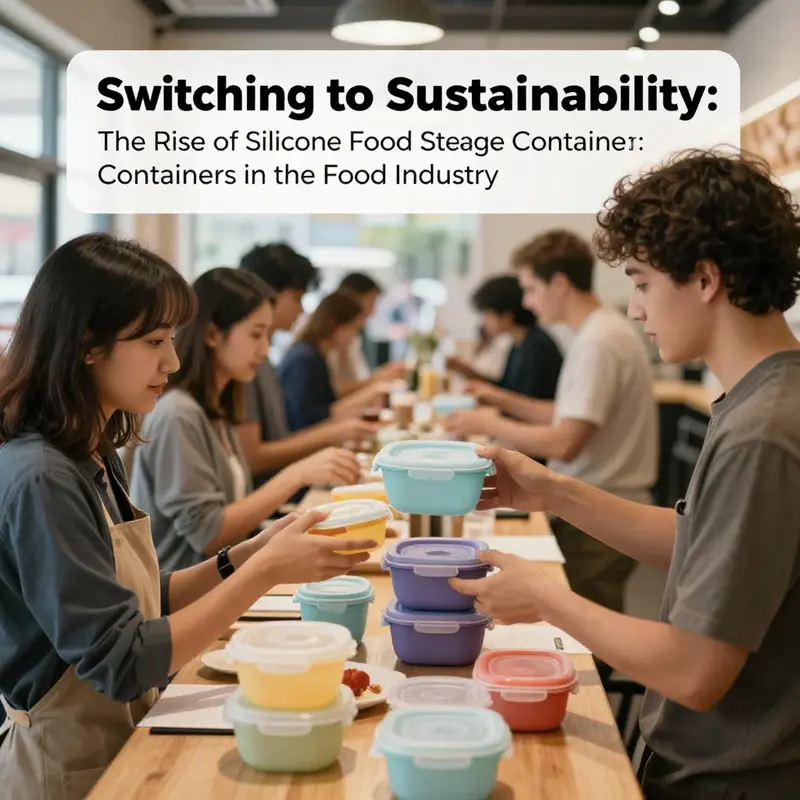
A lasting trend in how people store and handle food is quietly unfolding in kitchens around the world. It isn’t a revolution of dazzling new gadgets or a single breakthrough in materials science; rather, it is a pragmatic shift toward a storage solution that promises safety, durability, and a reduced plastic footprint. Silicone, especially when marketed as 100% food-grade platinum-cured silicone, has emerged as a leading alternative to conventional plastics. Its appeal rests on a combination of stability, versatility, and the sense that a plastic-free approach to storage is finally within reach for households that want to minimize chemical exposure while simplifying waste streams. Yet the path toward a fully plastic-free pantry is nuanced. Silicone represents a meaningful improvement in many contexts, but it is not a wholesale erasure of all plastics from daily life. The conversation about silicone storage thus sits at the intersection of health concerns, environmental stewardship, and real-world practicality, inviting a careful look at what plastic-free can mean in everyday use and how consumers navigate tradeoffs with different materials.
To begin with, the material itself offers clear, practical advantages. Silicone is a synthetic polymer, but unlike many traditional plastics derived from petroleum-based polymers, silicone is chemically inert and highly resistant to a broad range of temperatures. From freezer cold to oven heat, from microwave reheating to dishwasher cycles, silicone’s stability means it rarely interacts with food or beverages. This inertness translates into a lower risk of leaching of substances like BPA or phthalates, concerns that have prompted many households to rethink plastic use in the kitchen. When people look for certainty, they often seek labels such as 100% pure platinum silicone, accompanied by certification from recognized authorities like the FDA or LFGB. These markers are not mere marketing flourishes; they are quality signals that a product has been purged of fillers and toxic residues, and that it has been manufactured under purity standards designed to protect food safety. In practice, this means silicone containers can be trusted to tolerate the heating and cooling cycles of daily life with a reduced risk profile compared to some plastics.
The safety story is complemented by durability. A key advantage underscored by researchers and safety institutions is silicone’s long service life. The lifecycle of a well-made silicone container extends far beyond the typical plastic, which is often subject to microfractures, clouding, and eventual material breakdown that can accompany repeated heating and washing. A 2025 study in the Journal of Polymer Science found that platinum-cure silicone maintained structural integrity after more than three hundred wash cycles. In contrast, many polyethylene-based plastic containers showed notable degradation after roughly fifty cycles. This durability matters not just for convenience, but for environmental impact. A longer-lasting container reduces the frequency of replacement, curbing the cycle of purchase, use, discard, and exposure to potential contaminants that can accompany lower-durability plastics. When silicone is cared for according to manufacturer guidance—hand washing or dishwasher safe, oven-safe or freezer-ready as specified—these advantages compound over time, contributing to a more sustainable practice of storage.
Durability, however, is only part of the equation. The broader question is how silicone stacks up in a life-cycle sense. Silicone is not biodegradable, which means a single product may persist in the environment if not properly managed at end-of-life. But the long lifespan of silicone products often translates into a lower overall waste footprint over the years of use. The environmental calculus also depends on how silicone is recycled. Specialized programs exist to repurpose silicone rather than consign it to landfills, yet such programs are not as ubiquitous as curbside recycling for many plastics. This nuance matters because it frames silicone not as a perfect, plastic-free solution, but as a pragmatic, lower-impact option when integrated into a consumer’s broader sustainability strategy. It’s a clarifying reminder that plastic-free can function as a directional goal — reducing reliance on single-use plastics and low-durability plastics, while acknowledging that some silicone products still occupy a unique material niche that requires responsible end-of-life handling.
Consumer behavior around silicone storage also reflects a thoughtful balancing act. People are increasingly wary of chemicals that may migrate into food, especially when combined with heat, acidity, or long storage times. Silicone’s chemical inertness and thermal resilience directly address these worries, supporting a preference for containers that can safely hold leftovers, prep ingredients, or emergency portions without the risk of leaching. This confidence supports a broader shift away from single-use plastics and, in many households, away from reusable plastics that may fatigue under heat or repeated washing. Yet plastic remains prevalent in the market and in people’s closets for a variety of reasons—cost, transparency, and familiarity among them. The transition toward silicone is therefore described not as a wholesale replacement of plastic, but as a strategic reduction and substitution. Consumers often adopt silicone for components that experience the most stress—lids, bags, and flexible containers that must endure freezing, reheating, and dishwashing—while still relying on glass or other materials for certain applications. The result is a mixed pantry, one in which silicone plays a leading role in creating plastic-free zones without forcing a wholesale, instantaneous rewrite of every kitchen habit.
For households plotting a path to reduced plastic exposure, the practical guidance matters as much as the philosophy. When selecting silicone containers, the emphasis on purity cannot be overstated. The safest choices come with explicit labeling that they are made from 100% pure platinum silicone and are manufactured to meet recognized standards such as FDA compliance or LFGB certification. Platinum-cured silicone is highlighted in safety conversations precisely because it avoids certain catalysts used in tin-cured variants, which can leave behind residues that some consumers wish to avoid. These distinctions matter not just for safety, but for the longevity of the product. Platinum-cured silicone tends to be more resilient during repeated heating and cooling cycles, reducing the likelihood of micro-brittleness that could compromise containment or lead to micro-particulates in food. In this light, the consumer’s trust is anchored in transparent, traceable manufacturing and independent certification, not merely in a brand promise.
Another important aspect is user experience. The kitchen is a place where convenience and reliability determine what people reach for on a busy morning or a late-night snack raid. Silicone’s flexibility is a major asset here. Flexible containers can seal tightly, fold for space-saving storage, and resist the cracks that plague rigid plastics after years of use. The ability to bake and reheat directly in a silicone container is a feature many households appreciate, as it reduces the need to transfer hot contents to other vessels. This convenience, paired with dishwasher-safe design where appropriate, enhances the perceived value of silicone products and reinforces the habit of choosing them for routine tasks rather than keeping plastics in steady use for fear of waste or leaching. Yet such usage patterns should be guided by the product’s own specifications. Silicone can shatter aspirationally in its own way if subjected to abrupt temperature jumps or inappropriate dishwasher cycles. Following the manufacturer’s directions protects the containers and ensures they retain their inert properties over time.
The broader narrative, then, is one of informed pragmatism. Consumers are navigating a landscape in which plastic remains heavily embedded, yet the demand for safer, longer lasting, and more responsibly sourced materials grows stronger. Silicone offers a credible path forward for many households, especially when it is part of a thoughtful ecosystem that includes glass, metal, and other non-plastic options for different culinary contexts. The idea of a completely plastic-free kitchen is not a single, universal conversion but a layered approach: identifying which tasks and containers are most at risk of chemical exposure or environmental impact and substituting silicone where it provides the most benefit, while recognizing that some plastic use will persist for reasons of cost, necessity, or convenience. This nuanced view helps explain why silicone has gained ground while plastic remains in the mix because the objective is to reduce risk and waste, not to eradicate every material in sight.
For those seeking a tangible example of how to integrate silicone into a broader plastic-minimizing strategy, consider the ways households already segment their storage and serving options. During meal prep and everyday snacking, silicone containers can replace many of the lower-durability plastics, particularly for leftovers and sauces that benefit from a reversible, heat-tolerant seal. Where keeping foods cold for extended periods is essential, silicone’s resilience in freezing conditions becomes a deciding factor. And when meals are transported, the pliability of silicone can help protect contents and minimize leaks, a practical advantage over more rigid plastics that can crack under pressure. These practical benefits are complemented by the environmental logic of longer product life and reduced disposal frequency, which, in turn, reduces the ecological footprint associated with manufacturing, shipping, and waste management.
The dialogue around silicone storage also intersects with a broader assortment of eco-friendly choices beyond cookware and containers. In some households, the shift toward material-conscious decision-making includes exploring paper-based serveware or packaging options for certain scenarios where the goal is to avoid plastics in packaging and to embrace recyclable or compostable alternatives wherever feasible. In this context, the discussion about silicone does not occur in a vacuum; it is part of a broader lifestyle strategy that blends durability, safety, and end-of-life considerations with practicality and daily rhythms. For readers who want to explore related options, a practical point of reference is the availability of plastic-free serving and storage solutions within the broader ecosystem of eco-friendly packaging. For example, one available option is a kraft paper octagonal bowl, which is in stock and ready to ship, illustrating how households blend silicone use with paper-based, recyclable serving options when designing fully plastic-minimized tables and pantries. See the related product page for more detail: kraft-paper-octagonal-bowl-in-stock-ready-to-ship-fast-delivery.
As the conversation continues to evolve, it is essential to keep a clear-eyed view of the science and the practical realities that shape everyday choices. Silicone offers a compelling, well-supported option for reducing exposure to harmful additives and extending the life of kitchen containers. It also requires responsible consumer behavior and thoughtful end-of-life planning to maximize its environmental advantage. The result is not an absolute, one-size-fits-all solution but a nuanced, evolving approach to storage that values health, durability, and sustainability in equal measure. In this light, silicone storage becomes less about chasing a mythical plastic-free utopia and more about crafting a flexible, informed pantry that minimizes risk, curtails waste, and respects the way modern households live and cook. The movement toward silicone is, at its core, a cautious but hopeful step toward a safer and more resilient kitchen culture, one that recognizes the complexities of materials science and the realities of daily life, while steadily pushing the conversation toward healthier, less wasteful habits.
External resource: https://www.foodsafe.org/silicone-vs-plastic-food-storage-containers
Final thoughts
Silicone food storage containers are more than just a modern trend; they symbolize a crucial shift towards healthier, safer, and more sustainable practices in the food and beverage industry. As organizations and consumers alike become increasingly aware of the impacts of their choices, embracing silicone as a completely plastic-free alternative presents significant advantages. From health benefits and environmental responsibility to favorable economic impacts and rising consumer demand, silicone containers provide a comprehensive solution that meets a variety of modern needs. Moving forward, those in the food service industry should consider switching to silicone food storage to enhance not only their operational practices but also their commitment to creating a healthier planet.