
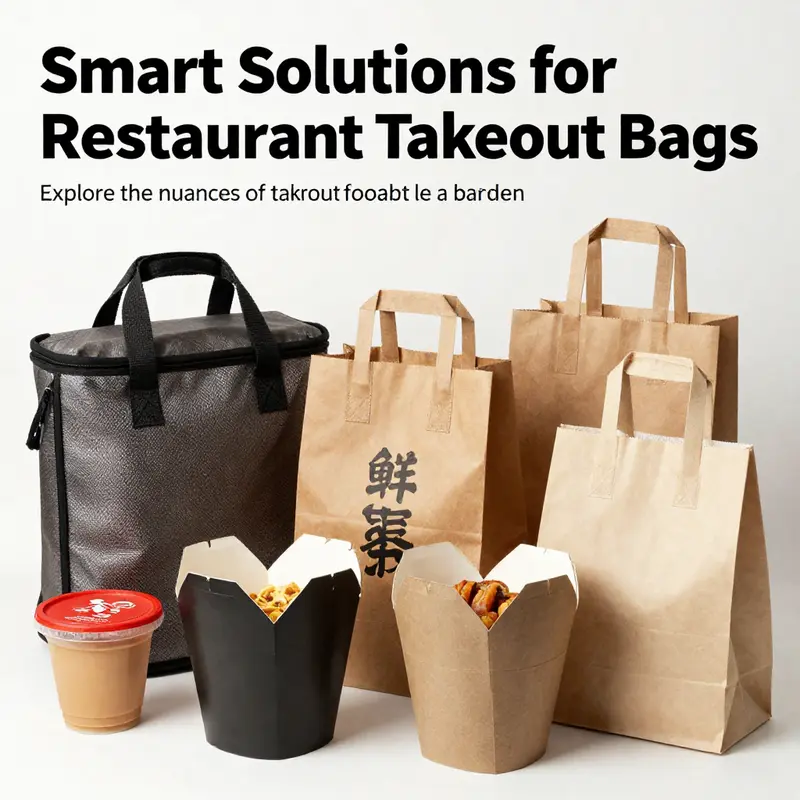
In today’s dynamic food service environment, the choice of takeout bags is not just about functionality; it’s a pivotal aspect of customer experience and brand identity. As businesses like bubble tea shops, restaurants, food trucks, catering services, event planners, and corporate procurement teams seek reliable solutions, understanding the diverse types of takeout bags becomes essential. Each option—from insulated bags that preserve food temperature to specialized Chinese takeout bags designed for environmental compatibility—plays a crucial role in maintaining quality and enhancing service. This article navigates through the essential categories of takeout bags, exploring their properties, use cases, and the sustainability concerns driving current packaging trends. Gear up to discover how the right takeout packaging can elevate your business and ensure customer satisfaction.
Guardians of Freshness: How Insulated Takeout Bags Preserve Temperature, Texture, and Customer Trust
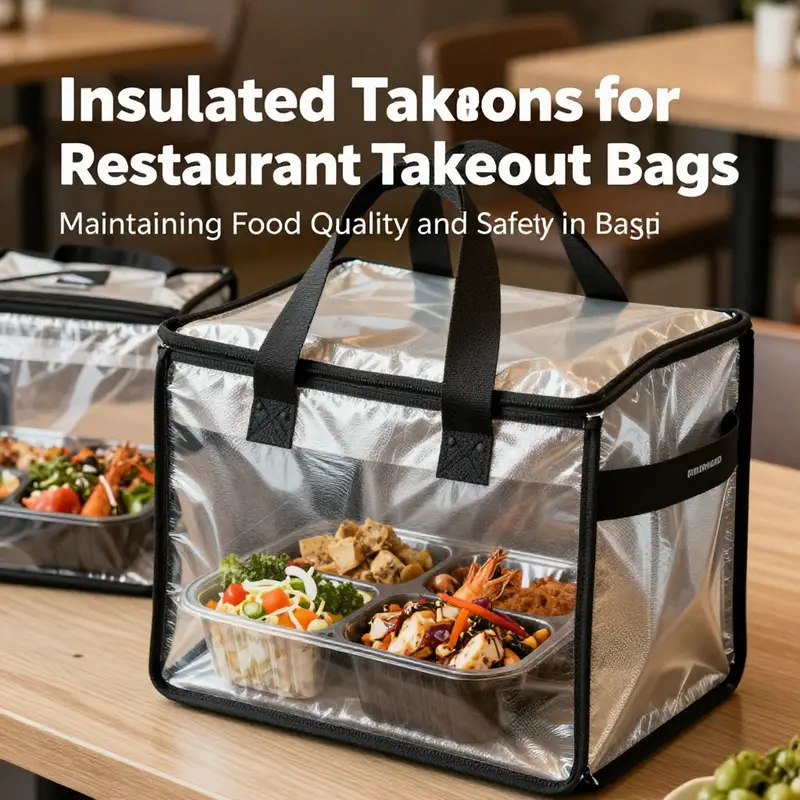
Insulated takeout bags stand as quiet guardians in the kitchen-to-curb workflow. They are not flashy headlines or quick fixes, yet they shape what customers taste and how they feel about a restaurant long after the last bite. In an era when a delivery can arrive within minutes or hours, the bag around the meal has become as critical as the ingredients inside. Temperature integrity is more than comfort; it is a safeguard against bacterial growth and a guarantee that a hot dish remains steaming and a cold item remains cool. Recent observations from 2024 reinforce this point: inadequate insulation often yields rapid temperature loss, soggy textures, and orders that arrive looking more worn than delicious. In a market where reviews travel fast and repeat orders ride on perceived quality, the bag is part of the dining experience, shaping expectations before the first bite is taken and after the wrapper is discarded.
To understand why insulated takeout bags matter so much, it helps to see how they are built. At their core, these bags combine three elements: a durable outer shell, a thermal insulation layer, and a reliable closure system. The outer fabric—typically nylon, polyester, or ripstop blends—resists abrasion and repels moisture, crucial for daily wear and the occasional spill. The insulation layer forms the barrier that slows heat exchange. Some designs rely on foam-based or reflective lining to minimize heat loss for hot foods and heat gain for cold items. The inner surface is engineered to be moisture-resistant and easy to wipe clean, helping to minimize cross-contamination while preserving the bag’s appearance over hundreds of cycles. Across these layers, reinforced stitching and robust construction ensure the bag maintains its shape, even when carrying multiple containers or heavier meals. A well-made insulated bag does more than keep temperatures stable; it projects professionalism. Branded stitching, consistent color schemes, and clean seams communicate that a restaurant treats packaging as part of its service quality, not as an afterthought.
The practical advantages extend beyond temperature control. Durable exteriors and water-resistant fabrics protect contents from incidental moisture and light rain during transit. A sturdy bottom and reinforced seams help stabilize the load, reducing the risk of tipping or leaking when the courier negotiates stairs, sidewalks, or crowded lobbies. In environments where food safety is non-negotiable, these design features are essential. They support the maintenance of texture and moisture levels, which in turn influences how sauces cling to noodles or how a crisp exterior remains intact after a bumpy ride. The impact on customer perception should not be underestimated. When a meal arrives hot and intact, it reinforces confidence in the kitchen’s standards and the delivery process. In contrast, a poorly insulated bag can undermine a favorable impression, turning a well-planned meal into a disappointing encounter and nudging a customer toward a competitor.
Yet insulation alone does not solve every problem. The push toward sustainability has intensified questions about materials and lifecycle impacts. Insulated bags offer a practical alternative to single-use plastic, meeting a growing demand for responsible packaging without sacrificing performance. Many operators are exploring reusable options or bags with inner linings that can be cleaned and reused, which aligns with broader corporate goals around waste reduction and circular economy strategies. In practice, this shifts some of the operational burden onto the business: it requires scheduled cleaning, proper storage, and clear guidance for staff about when a bag should be retired or refurbished. Hygienic maintenance becomes part of the investment calculus. A bag that is not regularly cleaned can become a source of odor transfer or staining, undermining the very purpose of choosing a higher-quality, more durable carrier in the first place.
Choosing the right insulated bag is a balancing act among several factors. Food type matters: heavy, saucy dishes with large portions benefit from leak-resistant construction and bottom reinforcement, while delicate items may require gentler handling and a slimmer silhouette that still preserves temperature. Delivery volume and route length influence a bag’s thermal performance versus its weight and bulk. A high-volume operation may prioritize extra capacity and rugged durability to withstand frequent use, while a premium concept with a smaller delivery radius might lean toward a sleeker design that communicates luxury while keeping heat retention robust. Environmental policies also weigh in. For brands aiming to reduce plastic waste, insulated bags with recyclable outer materials, reusable inner liners, or compostable inserts can harmonize with sustainability commitments and branding strategies. The goal is to align packaging with the restaurant’s value proposition, reinforcing trust through consistent, responsible packaging alongside consistent food quality.
Beyond the technical and ethical considerations, branding emerges as a meaningful differentiator. An insulated bag is a moving advertisement, a physical touchpoint that reinforces a restaurant’s identity as customers carry it from door to car, then into homes or offices. A well-branded exterior—clean lines, legible logos, and a color palette that echoes the restaurant’s interior—helps create recognition and loyalty. It is not merely about visibility; it is about signaling that quality accompanies every stage of the dining experience. In some cases, operators pair insulated bags with other takeout accessories to create a cohesive, branded ecosystem. For example, durable, branded takeout packaging can be integrated with delivery totes or sleeve sets that keep multiple items sorted and stable. This approach strengthens the impression that the restaurant’s care extends beyond the setting and into customers’ personal spaces. To illustrate how branding can be viewed in tandem with packaging, consider a practical example of complementary materials often used in takeout presentations: high-quality, branded containers and supporting accessories. You can see an example of this approach in a packaging range like the high-quality food take-out kraft paper rectangle octagonal bowl, which underscores how a consistent design language across containers and bags reinforces a cohesive brand story. high quality food take-out kraft paper rectangle octagonal bowl
Operationally, efficiency remains a critical constraint. Insulated bags must fit into the existing logistics stack—whether a rider’s backpack or a courier’s vehicle space—without compromising access to orders. This requires thoughtful interior layouts and sometimes multiple compartments that can hold containers securely, preventing shifting that could lead to leaks or temperature inconsistencies. The real-world benefit is visible when bags keep sauces contained, soups from sloshing, and desserts from crumbling, even when routes are less than smooth. In many restaurants, the bag becomes part of a broader system that includes takeout boxes, cups, and lids, all designed to work together to minimize handling times and ensure a clean, professional presentation at the customer’s doorstep.
From a sourcing perspective, the right supplier relationship hinges on a balance of price, material quality, and environmental impact, with the potential for bulk purchasing to improve unit costs. Restaurants should request samples, test for heat retention under varying ambient conditions, and assess how well the bag holds up after repeated cycles of use and cleaning. They should also consider the bag’s compatibility with their current branding, as colorfastness and print quality can influence the perceived value of the entire takeout experience. The decision is rarely about choosing the cheapest option; it is about investing in a durable, dependable carrier that supports consistent food quality, minimizes waste, and reinforces the restaurant’s identity on every delivery.
In the broader context of packaging choices, insulated bags are part of a spectrum. Brands often weigh them against alternatives such as takeout boxes or non-insulated food bags, evaluating factors like grease resistance, moisture management, and the ability to keep items organized during transit. The goal is to harmonize product performance with the customer journey, ensuring that the bag performs as intended from the moment the order leaves the kitchen until it arrives at the customer’s table—or couch. The result is a more reliable experience overall: fewer temperature compromises, fewer leaks, and a stronger sense of care that can translate into repeat business and positive word of mouth. For those seeking to explore a related packaging option that supports sustainability while maintaining functional performance, consider the range of branded, eco-friendly takeout options available through packaging suppliers, such as the high-quality food take-out kraft paper rectangle octagonal bowl linked above.
External resource for further understanding of insulation design and practical picks can be found here: https://www.safetymag.com/how-to-choose-the-best-insulated-lunch-bag/ .
null
null
Takeout Boxes Reimagined: Versatility, Durability, and Brand Impact in Restaurant Packaging
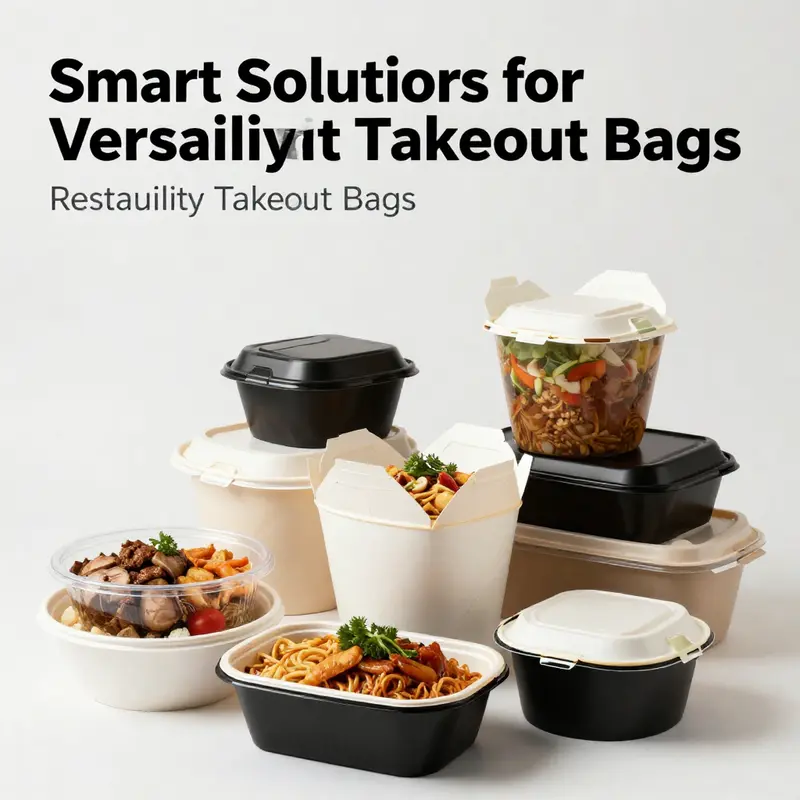
Takeout boxes are more than simple vessels for meals; they are carriers of temperature, texture, and trust. In modern food service, the box is often the first physical impression a restaurateur makes on a guest who has chosen to enjoy a meal away from the dine-in experience. The right box does more than hold its contents; it preserves the quality of the food, supports the journey from kitchen to customer, and quietly reinforces the brand through design, material choice, and function. When a box folds neatly, seals securely, and presents a tidy package at the doorstep, it signals care, professionalism, and reliability. That signaling matters, because for many customers the packaging is part of the dining experience itself. A well-made takeout box communicates that the restaurant respects the guest’s time, funds, and cravings, and it reduces the cognitive load of eating on the go by removing concerns about leaks, soggy cardboard, or sauce-soaked sleeves. In that sense, takeout boxes function as silent brand ambassadors, doing important work long after the order has left the kitchen.
From a practical standpoint, the durability of takeout boxes comes down to a careful balance of construction, material choice, and intended use. Boxes must withstand the rigors of transportation, whether the journey is short and walked or long and motorized. They face bumps, shifts in temperature, and the pressure of stacked orders in a delivery bag. A robust bottom, strong seams, and moisture resistance are nonnegotiables for many operators. Hinged lids, when thoughtfully designed, provide quick access while reducing the risk of misplacement or accidental openings. Multi-compartment configurations help keep sauces separate from dry components, preventing sogginess and confusion in how a meal is assembled and consumed. The ability to segregate components is not merely a convenience; it protects the texture and integrity of each item, which in turn supports a positive eater experience upon arrival.
Material science plays a central role in delivering that reliability. Corrugated cardboard remains a staple for its rigidity, light weight, and cost efficiency. But many operators are increasingly turning to alternatives that align with sustainability goals without sacrificing performance. Compostable and recyclable papers, molded fiber, and bio-based polymer coatings offer varying degrees of grease resistance and moisture control. The choice often hinges on the nature of the cuisine and the expected transit time. A grease-laden pizza slice or a saucy taco set demands a box with reinforced corners and a leak-resistant seal. A multi-compartment design may hold different elements of a meal in their own spaces, preserving flavors and textures while reducing the risk of cross-contamination. In all cases, the inner lining and coating are as important as the exterior shell; a well-chosen moisture barrier can prevent transit-induced sogginess while remaining compatible with composting or recycling streams where possible.
From the perspective of adaptability, takeout boxes demonstrate a surprising range of versatility across cuisines and serving styles. A box engineered for tacos might feature a hinged, reusable-style structure that secures delicate fillings and presents the meal with a premium feel. Multi-compartment boxes offer practical solutions for customizable meals, allowing sauces and toppings to be stored separately. For a cuisine heavy on moisture and sauce, reinforced bottoms paired with leak-resistant seams provide assurance against leaks in transit. For items that travel in higher volumes, stackability becomes a critical attribute, enabling efficient storage in kitchens and in delivery bags alike. A box that can be collapsed or nested when empty also reduces waste and optimizes handling, which is an often overlooked but valuable operational benefit. In practice, operators may specify different box formats for different menus, balancing the needs of a quick-service burger joint with the demands of a more upscale takeout concept that aspires to an elevated unboxing experience.
Environmental considerations increasingly guide the packaging conversation. The industry has moved beyond single-use convenience toward responsible disposal and, in many cases, circular thinking. Suppliers now highlight recyclable or compostable options that align with certifications such as FSC for responsibly sourced paper fibers and OK Biobased-certified materials that meet fossil-fuel reduction targets. The shift toward sustainable packaging is not just about reducing waste; it is about meeting customer expectations and regulatory requirements that prioritize environmental impact. It is also about signaling a commitment to stewardship. Restaurants that integrate sustainable materials into their takeout boxes often pair this strategy with clear labeling and consumer education, inviting guests to participate in responsible disposal or recycling practices. In the wider market, collaborations among suppliers, waste management partners, and brands are accelerating the availability of packaging that performs well in transit while aligning with environmental goals. The result is a packaging ecosystem in which durability and sustainability reinforce one another rather than compete for attention.
The branding dimension of takeout boxes should not be overlooked. A box offers a relatively large surface area for logos, color, typography, and subtle textures that convey the restaurant’s personality. Coatings, embossing, UV finishes, and color blocking can transform a box from a utilitarian carrier into a small billboard that reinforces the dining concept. Even small touches matter: a well-placed logo, a distinct color palette, or a tactile finish can elevate the perceived value of the meal and increase brand recall. Innovative branding opportunities extend to the structural design as well. For instance, embossed or debossed patterns can create a memorable tactile cue, while integrated handles or fold-through features can improve usability while maintaining a clean aesthetic. In a busy takeout context, packaging that feels premium without sacrificing practicality can set a restaurant apart in a crowded field.
A practical takeaway for operators is to view takeout boxes as a system rather than a single object. The best outcomes arise when the box design, the food preparation workflow, and the delivery process are aligned. For instance, if sauces are a central feature of a menu item, selecting a compartmentalized box with a dedicated sauce pocket can prevent leakage and streamlines the assembly line. If the restaurant prioritizes speed and volume, the ability to stack and nest boxes can improve kitchen throughput and delivery logistics. If sustainability is a core value, selecting materials with clear end-of-life options and obtaining credible certifications helps ensure that packaging decisions support broader environmental goals. In practice, this means collaborating with suppliers who can tailor packaging to the menu and brand, rather than relying on off-the-shelf solutions that might fit the bill in theory but fail to perform in real-world conditions.
For operators who seek a practical example of a versatile packaging option that balances convenience and branding, the range of takeout boxes offers a compelling case study. A box that blends a robust bottom with a secure hinge, a moisture-resistant interior, and a clean exterior can support a wide variety of foods—from crispy components to saucy mains—without demanding a separate container for each item. A design that accommodates sauces and toppings without compromising delivery integrity helps ensure the meal arrives in a state close to its in-kitchen presentation. In establishing this balance, restaurants also have the opportunity to experiment with different materials and configurations to optimize cost in relation to expected delivery volumes, climate conditions, and shelf-life. The goal is not just to ship food; it is to deliver a reliable, satisfying, and memorable experience with every order.
From a storytelling angle, packaging becomes part of the customer journey. The unboxing moment—opening a lid, recognizing the brand cues, feeling the box’s texture—contributes to the overall satisfaction with the meal. The tactile and visual cues can enhance the perceived value of the offering, offsetting the potential downsides of takeout, such as perceived coldness or impersonality. A thoughtfully designed box helps create a cohesive experience that stretches beyond taste. It communicates care, consistency, and attention to detail, reinforcing customer trust and encouraging repeat orders. This is not fluff; it is a strategic lever for brand loyalty in a landscape where convenience can either reinforce or erode perceived quality.
For restaurateurs who want to explore this further, one practical option is to consider a disposable octagonal box for restaurant food packaging. This format illustrates how a seemingly simple shape can balance strength and symbolism, offering a compact footprint while providing a sturdy shell for restaurant favorites. You can explore a representative example of this approach here: disposable octagonal box for restaurant food packaging. Such formats demonstrate how packaging vendors translate culinary needs into tangible, actionable packaging decisions that keep meals intact and brands consistent as orders move through the delivery ecosystem. The choice of an octagonal or similarly distinctive shape is not merely aesthetic; it can affect stackability, ease of handling, and even how the contents are perceived by the recipient.
As discussions of material science, consumer expectations, and environmental responsibility evolve, the humble takeout box remains a dynamic interface between kitchen craft and customer experience. The best solutions emerge when durability, functionality, sustainability, and branding are treated as a cohesive whole rather than separate concerns. That integrated approach yields containers that protect flavor, simplify the delivery process, and strengthen brand presence in the crowded takeout marketplace. It also invites ongoing experimentation: new coatings that improve moisture control, recycled fibers that meet strict performance standards, and branding elements that enhance recognition without sacrificing usability. The takeaway is clear: the right takeout box is not merely a container; it is a strategic asset that shapes how guests perceive a restaurant long after the last bite.
External resource for further reading: An in-depth overview of the structural and material properties of hinged-lid food boxes and their cross-industry applications can be found here: https://www.packagingoftheworld.com/2026/02/hinged-lid-food-boxes.html
Non-Insulated Food Bags: Practical, Cost-Effective Carriers for Everyday Takeout
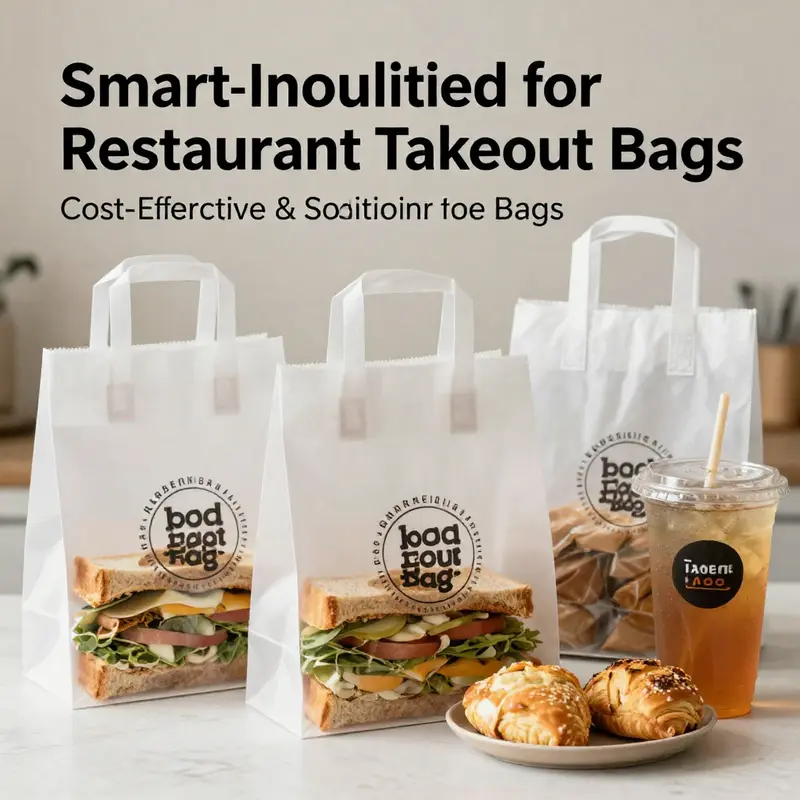
In the fast-paced world of takeout, non-insulated bags are the reliable backbone. They handle cold, room-temperature, and dry items, keeping costs predictable while supporting a simple customer experience. Material choices emphasize food-grade polymers such as polyethylene, with compostable options increasingly adopted by operators balancing cost with environmental responsibility. Clear labeling for food contact helps ensure safety, and caution around colored or recycled plastics remains important to protect product quality and brand reputation. The eco question matters; compostable or biodegradable bags that meet recognized standards and are third-party certified help meet sustainability goals while maintaining performance. In practice, decision-makers weigh price per bag against reliability, supply continuity, and environmental impact, recognizing total cost of ownership beyond unit cost.\n\nNon-insulated bags are designed to handle a wide spectrum of cold, room-temperature, and dry items without trying to alter temperature. This makes them ideal for sandwiches, salads, cookies, pastries, and similar items that do not require heat retention. They often feature reinforced bottoms and sturdy handles to withstand multiple items, and moisture-resistant linings or coatings to prevent seepage. Because there is no thermal lining, hot entrees may require alternative packaging if travel time is long. Yet for large volumes and quick handoffs, the simplicity and speed of non-insulated bags deliver predictable handling and a clean customer experience.\n\nBranding and presentation remain important. A blank slate for logos and messaging supports brand recognition without adding complexity, and operators can pair a basic bag with a separate, more robust carrier for delicate items. The broader packaging ecosystem invites flexibility and layered packaging strategies.\n\nOperational efficiency is a core strength: lower storage space, lower procurement costs, and fewer handling steps than insulated options. The predictable performance reduces training needs and compresses bagging cycles, contributing to faster throughput during peak hours.\n\nThe procurement landscape also includes alternatives and complements, such as sturdy, stackable options like octagonal box packaging. Align packaging choices with food type, delivery distance, and service pace to enable a flexible menu.\n\nWhen selecting non-insulated bags, operators should verify food-grade safety, supplier transparency, and certifications to minimize risk and support a consistent customer experience. The result is a practical, cost-conscious packaging option that scales with demand while maintaining safety and usability.\n\nAs the packaging landscape evolves, non-insulated bags will remain a core component for high-volume menus. They offer durability, simplicity, and broad applicability, especially when paired with a sustainability plan and a thoughtful mix of packaging formats. For further context on temperature-managed packaging, see the external reference here: https://www.alibaba.com/product-detail/Biodegradable-Non-Woven-PP-Insulated-Food_1600589278376.html?spm=a2700.galleryofferlist.picker.1.1b7c4d84qZmJxK&ns=1&origin=n
null
null
Final thoughts
Choosing the right takeout bags goes beyond mere functionality; it’s about aligning with your brand’s ethos, ensuring food safety, and meeting customer expectations. Insulated bags, Chinese takeout bags, versatile boxes, and cost-effective non-insulated options each serve unique purposes that can boost your brand presence and customer loyalty. Furthermore, the growing importance of sustainability means that eco-friendly packaging options provide a way to not only appeal to environmentally-conscious consumers but also contribute positively to the planet. As businesses in the food service industry strive for excellence, understanding the nuances of various takeout bags can play a significant role in creating memorable customer experiences.