
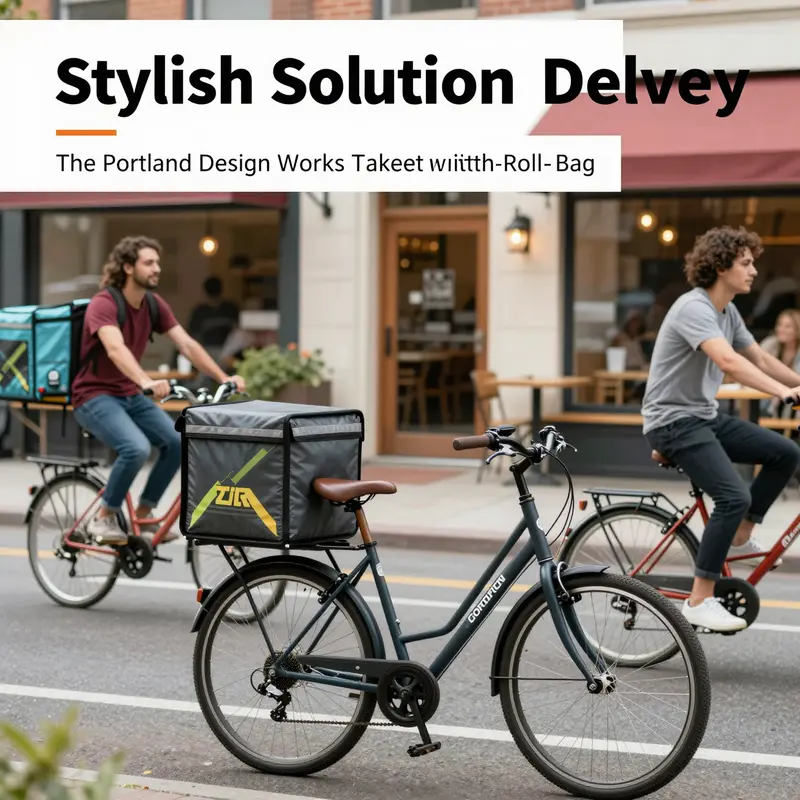
In today’s ever-evolving landscape of urban dining and beverage service, meeting customer expectations requires not only delicious offerings but also efficient and stylish delivery solutions. The Portland Design Works Takeout Basket with Roll-Top Bag is an innovative product tailored specifically for businesses such as bubble tea shops, restaurants, and catering services that are keen to provide reliable service without compromising on aesthetic appeal. Chapter one discusses the thoughtful design and practicality of this basket and bag combo, elucidating how their features cater perfectly to the bustling world of food delivery. The second chapter delves into the premium materials and construction quality that ensure this product withstands the rigors of daily use, an essential aspect for those in the food service industry. Lastly, the third chapter covers the user experience and performance, shedding light on how this combination optimizes deliveries, making it an excellent choice for those who work in dynamic environments. Understand why choosing the Portland Design Works solution can be the game changer in your logistical strategy.
Wind, Water, and the City: A Quiet Revolution in the Takeout Basket for Urban Cycling
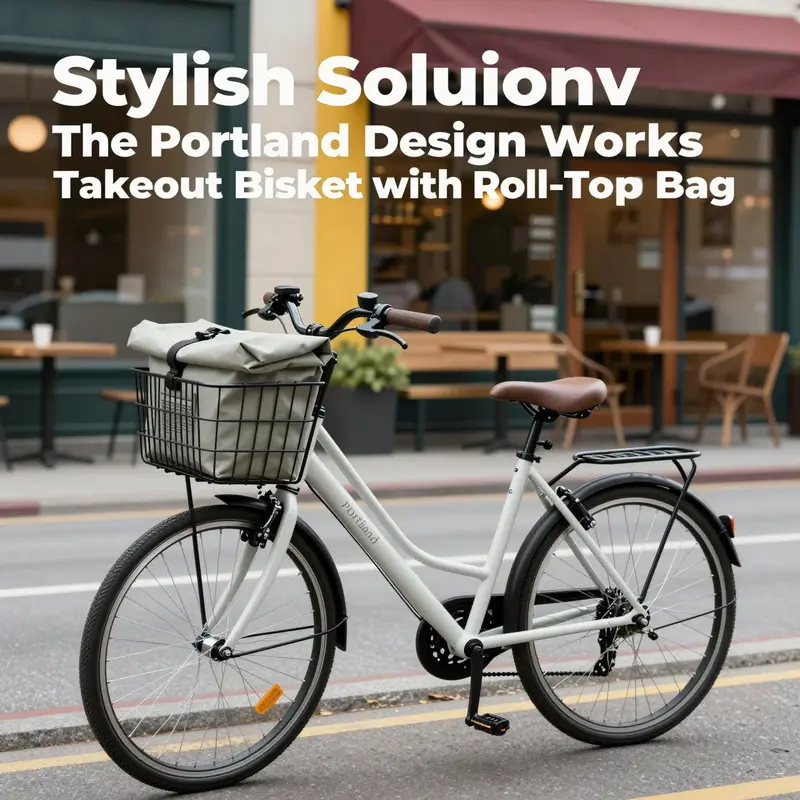
In the pulse of a city, where streets braid into arteries and weather can flip in a heartbeat, the way a cyclist carries cargo matters as much as the ride itself. The urban rider needs gear that disappears into the daily rhythm rather than shouting its presence. It should be light enough not to tax the shoulders, sturdy enough to survive the jolts of pothole-filled lanes, and smart enough to keep food warm, rain out, and attention focused on the road ahead. This is where a particular system of design quietly shifts the ordinary act of transporting a meal or a layer of clothing into a seamless part of the ride. It is not merely a basket and a bag fused together; it is a compact, purpose-built module that speaks to the city’s weather, its cadence, and its demand for dependable, simple solutions. The essence of the approach rests on two ideas that rarely stand alone in the world of bike accessories: minimalism and resilience. In practice, that means a frame crafted from premium light alloy, tuned not to overstate its presence but to withstand daily use with grace. It means a bag that seals the contents from the elements, not by adding bulk but by employing a roll-top closure and sealed seams that form a confident barrier against rain, splashes, and the damp that sneaks into every city corner. And it means thinking not only about what is carried but how it rides in the wind, how it sits on the handlebars, and how easily a rider can liberate or secure it when the next stop arrives.
The frame itself is an exercise in restraint and strength. Forged from a premium alloy tubing, the construction is deliberately slim, avoiding extraneous flourishes while delivering durability that feels earned in every mile. At a mere 500 grams, the skeleton of this system is light enough to disappear into the background of a daily commute, yet robust enough to ferry a six-pack of beverages, five burritos, or extra layers of clothing without shifting, rattling, or distorting the bike’s balance. The silhouette is streamlined, a design choice that does more than please the eye. By reducing wind resistance, it helps the rider glide through city air with a quiet efficiency that is easy to overlook but hard to ignore on lengthy rides. Fit compatibility is another quiet virtue. The system is designed to accommodate handlebars across a range—from compact to wide—ensuring that riders with road bars, flat bars, or even broader drop bar setups can attach the basket with confidence. In this respect, the design does not attempt to force a single type of bike into a predetermined mold; it recognizes the diversity of urban cycling and embraces it with a frame that plays well with many configurations. The result is a versatile instrument of daily mobility rather than a one-size-fits-all accessory.
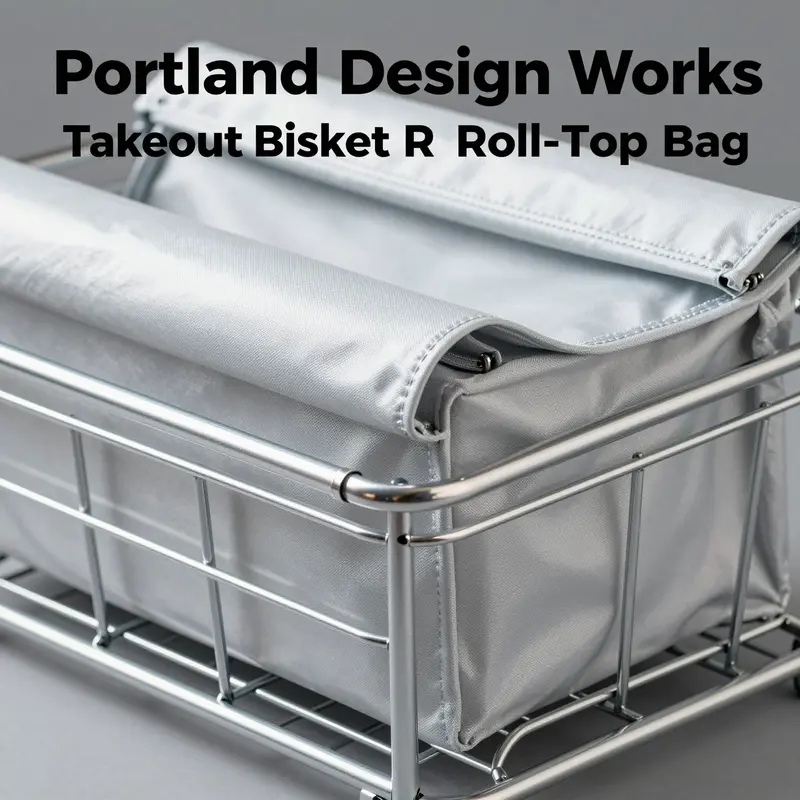
If the frame speaks to durability with a calm tone, the bag speaks with equal clarity about weather and warmth. The roll-top bag forms the other half of the system, a waterproof chamber designed to seal out the weather so that the contents emerge as reliably dry as a sunny shelf. The bag’s fabric is non-porous, a detail that matters as soon as a rainstorm rolls through or a street pool forms after a sudden cloudburst. Sealed seams reinforce that barrier, turning a bag that could easily succumb to city damp into a dependable depository for groceries, work clothes, or takeout without the worry of soggy corners or damp corners. The roll-top feature is not merely a nostalgic nod to a bygone era of rugged, outdoor gear; it is a functional mechanism that allows for rapid loading and secure closure. When the top is rolled and clipped, the bag’s interior is transformed into a sealed cavity, and the system becomes a fully waterproof solution for a rider who never knows what kind of weather the day will deliver. The practical upshot is simple: a rider can commute on a gray morning, stop for lunch, and return to dry gear, a dry wallet, and a dry phone, all without clutter or concern.
In city life, the way a feature appears often mirrors the way it functions. This system embodies that principle through subtleties of its design language. The basket’s shape is not merely attractive; it is engineered to minimize bulk and maximize usable space. Its lines are clean, streaming along the bike’s profile rather than jutting out in unexpected directions. A most practical detail emerges in the form of an integrated U-lock carrying slot. Rather than a loose chain or a dangling strap that could snag on clothing or snag a curb during a tight corner, the rider can tuck the lock directly into the frame’s built-in slot. This arrangement keeps the lock accessible yet unobtrusive, preventing rattling or noise on every pass across a metal grate or a narrow corridor of parked cars. The slot’s location is a thoughtful touch, balancing weight distribution and keeping the lock away from the rider’s thighs during a fast, busy stop-and-go ride. It is the kind of feature that often goes unnoticed by casual observers but becomes a reliable habit for daily use, a small ritual that reduces clutter and friction.
Another small but meaningful feature is the side eyelet. At first glance, it may seem like a minor accessory point, but in practice it becomes a flexible anchor for securing smaller items that need quick access. A rain cover for unexpected showers, a compact quick-access pouch, or a light bag for a spare layer can be clipped to the eyelet without intrusive gear attached to the rider’s clothing. The eyelet makes the system adaptable, so a cyclist can tailor the carry to a day’s needs without resorting to improvisation or improvised straps. This level of adaptability matters when a rider moves between errands, meets friends for a quick bite, or pivots to a longer ride that requires a extra layer. The design acknowledges that urban life is unpredictable and that cargo demands can shift from minute to minute. In response, the basket and bag form a cohesive unit whose parts interact with each other rather than compete for space on the handlebars. The result is a quiet confidence that allows the rider to focus on the ride rather than the logistics of what sits in front of the handlebars or on the rider’s back.
The carrying capacity, one of the system’s most tangible virtues, reveals how thoughtfully the unit has been tuned for real-life use. The internal space expands beyond the mere silhouette borne from the frame, accommodating everyday necessities that often accompany a city ride. A six-pack of beverages can ride securely within the bag, with the roll-top ensuring that the containers do not shift or loosen. Five burritos can nestle in the interior with room left for a spare layer of clothing or a folded umbrella. The practicality does not stop there; riders frequently accumulate small items on a round of errands, from a compact umbrella to a rain jacket or a reusable tote that’s destined for a quick return trip. The design’s attention to balance ensures that these items do not overwhelm the rider or distort the bike’s steering. It is easy to imagine a midweek grocery run through a neighborhood market, a lunch hour trip to a friend’s apartment, or a casual weekend ride that ends with a stop for fresh bread. In each case, the system acts as a quiet facilitator rather than a disruptive prop, allowing the rider to maintain momentum and posture as the city’s street grid unfolds around them.
The ethos behind such a system is not simply about the physical parts; it is about how those parts invite consistent behavior that supports sustainable urban mobility. A light yet durable frame reduces fatigue, enabling longer commutes or more frequent trips. A waterproof bag invites riders to keep moving even when clouds threaten. An integrated lock slot and side eyelet invite organization rather than improvisation, encouraging riders to plan ahead and be prepared without carrying a tangle of accessories. All these features converge in a single, coherent experience: a rider who can leave the apartment with confidence, knowing that the day’s needs—from a quick lunch to an extra layer—will stay dry and secure as they navigate the city’s changing weather and traffic patterns.
From the perspective of design and material choice, the system embodies a philosophy of layered simplicity. The alloy tubing, 10 millimeters thick, is a deliberate specification that balances stiffness and weight. The decision to limit the overall mass to about half a kilogram means that the basket remains easy to maneuver when not loaded and unobtrusive when loaded lightly. The slim profile helps reduce drag and keeps the rider’s calves from brushing against protruding corners during tight turns or crowded sidewalks. This is not about creating the most rugged accessory on the market; it is about crafting a practical companion that disappears into the rider’s routine, allowing the bike to do the work of transportation while the rider attends to the business at hand. The form follows function in a way that respects the urban environment—its corners, its rain, its traffic—and the result is a system that seems to anticipate trouble before it arises. In city riding, such anticipation is not a luxury but a necessity.
In conversations about urban gear, the relationship between form and weather often takes center stage. A fully waterproof roll-top bag does more than keep content dry; it preserves the integrity of what a rider carries, and it does so without forcing the rider to compromise comfort. The non-porous fabric works with sealed seams to stave off the damp and the drizzle that can creep into the most careful packing. The IPX7 rating, while a standardized assurance that the bag can withstand submersion under controlled conditions, translates into real-world reliability. It means that if a cyclist encounters a sudden downpour, they can continue riding without worry, knowing that rain, splashes from passing vehicles, and the occasional puddle have little chance of compromising the contents. The practical implication is clear: a rider does not need to choreograph a weather plan around the bag. Instead, the system stands as a weatherproof core, pairing with a rider’s instinct to keep moving rather than seek shelter.
Aesthetic restraint also plays a subtle but important role. The minimalist silhouette communicates a certain urban identity—an understated confidence that does not demand attention but earns respect through reliability. The city is full of gear that shouts its presence; this approach chooses quiet competence instead. The result is a look that belongs on busy sidewalks as much as on quiet bike lanes. It is not about making a statement but about making the most of a statement that already exists—the rider’s daily routine. When one considers the sum of its parts, the system feels less like a gadget and more like an extension of the rider themselves: a tool that respects the rider’s time, the city’s weather, and the need for dependable cargo solutions that blend with the bicycle’s own character.
For readers curious about the broader ecosystem surrounding city dining and packaging, resources on eco-friendly take-away solutions offer additional context about how urban life manages the flow of meals and goods from restaurant to rider. A page dedicated to eco-friendly take-away kraft paper bowls provides a useful snapshot of the sustainability considerations that often accompany practical urban routines. This context helps illustrate how the system discussed here fits into a larger pattern of responsible, everyday logistics. You can explore that facet here: eco-friendly take-away kraft paper bowls.
In the end, the performance of this takeout carrying system is not measured solely by metrics of weight, capacity, or weatherproofing. It is measured by the way it recedes into the rider’s life, turning a potentially awkward requirement—carrying food, groceries, or coats—into a simple, predictable act. The city, with its rain, its wind, and its relentless tempo, asks for gear that can keep pace without demanding attention. The basket and roll-top bag respond with a design that does not fight the environment but collaborates with it. It is an example of how thoughtful engineering can translate to a more reliable and enjoyable ride, one that encourages people to choose two wheels over two extra car trips, even when the forecast is uncertain. And as urban riders continue to shape the tempo of their neighborhoods, such systems will likely become less a novelty and more a quiet standard—a dependable companion that travels in step with the city’s rhythm and with the rider’s own sense of preparedness.
External resource for further technical details on this modular cargo system can be found on the official product page, which provides comprehensive specifications and usage guidance. For readers who want to explore the exact integration, attachment options, and testing benchmarks, visiting that page will offer direct, practical insights into how the design translates into real-world performance: https://www.portlanddesignworks.com/products/takeout-basket-with-roll-top-bag
null
null
Carrying the City: The Roll-Top Basket That Transforms Everyday Rides into a Reliable Urban Cargo System
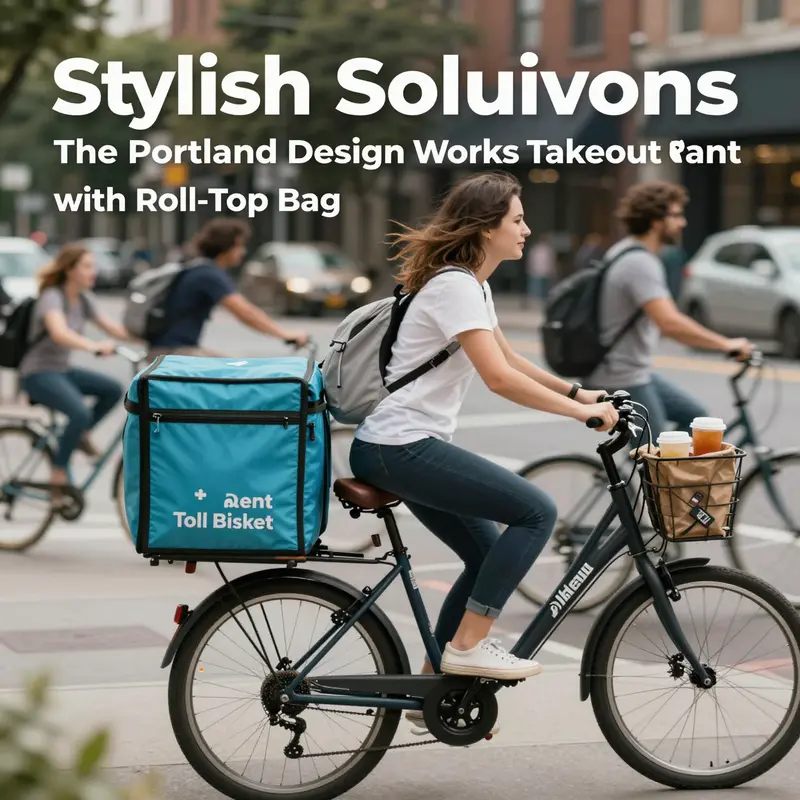
Urban cycling turns the bike into a mobile toolkit for daily life, a compact ecosystem where form and function must align with weather, traffic, and the needs of a rider who refuses to stop when circumstances shift. In this chapter, we explore a takeout-style basket paired with a waterproof roll-top bag as more than a storage accessory. It is a modular cargo solution that promises to blend lightweight handling with weatherproof confidence, a pairing that matters when commutes weave through rain, sun, and the bustle of sidewalks. The conversation around this system centers on the practical promise: durable, flexible, and secure storage that disappears into the ride itself, so the rider can focus on the road, the destination, and the rhythm of a city in motion. While product pages and spec sheets provide the anatomical details, the chapter below threads those particulars into a narrative of use, reliability, and the subtle art of designing for urban life on two wheels.
From the outset, the heart of this setup is the basket’s promise of rugged utility without the bulk that encumbers urban maneuverability. In the most straightforward terms, this is a carrier designed to live on the handlebars, a constant companion for short trips to the corner shop or longer excursions that require secure, weather-protected storage. The core design philosophy centers on balancing strength with lightness, ensuring that the rider does not have to choose between carrying capacity and nimble handling. The early design intention, as described in the overview, highlights a focus on premium materials and a compact footprint. The basket’s right-sized dimensions and robust welds translate into a chassis that can shoulder groceries, a six-pack of bottles, or a laptop bag with a reassuring sense of security. The range of items that the system can securely hold hints at its everyday versatility: small groceries for a quick stop after work, a compact laptop bag for a day of remote work, or a compact daily haul that keeps a rider moving without a sweaty detour to a car.
Yet the story does not rest at raw capacity alone. The construction narrative—whether the basket is built from steel with excellent welds or from a lighter aluminum alloy—speaks to a longer conversation about durability, repairability, and longevity in real-world use. On one hand, the general description of a lightweight, alloy-based system emphasizes portability and ease of handling. On the other hand, deeper technical results stress steel construction and weld integrity as markers of resilience in the face of frequent loading and everyday bumps on urban streets. This duality is not a contradiction but a reminder that the practical reality of an urban cargo solution often embodies evolution across iterations. A rider will notice variations in weight, the way the basket settles onto the front end, and how the welds respond after months of exposure to city grime, rain, and seasonal temperature swings. The core takeaway is that durability can coexist with lightness, provided the design leverages the right materials and the right manufacturing processes. The narrative here is not anchored to a single material story but rather to the experiential truth that urban riders demand a cargo system that remains steadfast under a broad spectrum of conditions.
Compatibility is the next axis of reliability. The system is described as embracing a range of handlebars, with compatibility spanning widths and diameters that accommodate many bike configurations, including those with drop bars. This is not a mere adjustment spec but a doorway to broader urban versatility. For riders who ride with nontraditional handlebar setups or who pursue a more aggressive riding posture, the ability to mount securely becomes a kind of security for the rider’s daily routine. The promise of smooth integration with diverse handlebar families—whether standard or more specialized—translates into fewer constraints when choosing a bike, fewer compromises during commutes, and less time spent fussing with fittings on a busy morning. The practical effect is to turn the basket-and-bag pairing into a universal accessory that can be trusted to adhere to a broad spectrum of bikes rather than ensure the rider purchases a bespoke frame to match the cargo system.
The roll-top bag at the heart of the system is where weatherproof confidence becomes tangible. Roll-top closures have earned a reputation for reliability in changing weather, and this iteration aligns with that expectation by offering a tight seal and a design that resists rain and wind while maintaining easy access. The bag’s roll-top mechanism is more than a closure; it is a functional interface connecting user, cargo, and environment. The sealed seams and non-porous material ensure that the contents stay dry even when the sky opens up or a sudden spray from traffic splashes across the rider’s path. In practical terms, this means a rider can carry a laptop, a bundle of groceries, or a change of clothes without fear of dampness that could affect electronics or delicate textiles. The ability to keep items dry during a ride through mist, drizzle, or a full-on downpour changes the rider’s mental calculus: the city becomes navigable in more weather conditions, and the daily errands that were once a stress point become routine.
A distinctive feature of the bag is its removable design. The ability to detach the bag from the basket offers a pragmatic advantage: off-bike use for errands, cleaning, or additional security when leaving the bike unattended for a moment. This modularity matters in urban contexts where a rider may park, perform a transaction, and then reattach—without wrestling with a stubborn, non-removable container. The sensory experience of detaching and reattaching is one that many riders appreciate: it gives a sense of control and reduces friction in the pace of a busy day. The removal feature also introduces a simple workflow for cleaners who would rather take a bag indoors and away from dirt and street grime, enhancing the system’s long-term cleanliness and appearance.
Safety emerges as more than a numerical spec; it becomes an integrated behavior that shapes how a rider interacts with the city. The system’s design includes an eyelet for mounting light brackets and a dedicated front spot for securing a U-lock. The light-mount eyelet elevates the rider’s visibility at night or during dawn rides, turning the cargo unit into a visible beacon rather than a passive silhouette on the bicycle’s front end. The U-lock spot speaks to practical security: keeping the most valuable anti-theft tool in a fixed, predictable place reduces friction when locking up in a transit zone or at a cafe corner. Together, these features connect the cargo solution to the rider’s broader safety toolkit and reinforce that storage can contribute to overall ride confidence rather than merely adding weight to the front of the bike.
From a use-case perspective, the utility of such a system extends beyond mere storage. The design intention is to elevate everyday trips—quick grocery runs, post-work errands, and the occasional shift to a more organized, on-the-go work routine. The capacity to secure groceries, a six-pack, or a laptop bag signals a versatility that invites a rider to rethink how many errands can be accomplished within a single ride rather than multiple trips that fragment a day. The system’s utility is not simply about the quantity of cargo; it is about the quality of the ride that cargo enables. When the bag is in place, the rider can plan routes and choose stops with a greater sense of continuity and momentum. The cargo becomes a portable extension of the rider’s life, ensuring that the bike remains a dependable workhorse rather than a mere transport tool.
The practicalities of daily riding also bring to light how design choices influence routine. The possibility of clipping the roll-top bag into the basket and transforming the entire configuration into a weatherproof cargo carrier translates into a straightforward decision-making process on wet mornings. You do not need to worry about soggy bags or plastic rain covers; the integrity of the bag’s waterproofing gives you a baseline of dryness that you can rely on when the forecast looks uncertain. The clip-and-go mechanism offers a tactile satisfaction similar to securing a bag on a rack, but with the added assurance of a tight, watertight seal. The result is a smoother morning ritual: less fiddling with gear, more minutes saved for coffee or a calm stretch before stepping into the day.
In weaving together these threads—durability, compatibility, weatherproofing, modularity, and safety—the design speaks to a specific urban rhythm. The rider who depends on predictable gear that does not demand constant adjustment finds in this system a kind of sympathetic partner. The bike becomes not a mere instrument for transportation but a portable workspace and lifestyle hub. The roll-top bag, with its sealed seams, stands as a reliable envelope for the city’s unpredictability. The basket, anchored firmly to the handlebar, adds structure and balance to the front end of the bike, reducing sway when loaded and ensuring that steering remains precise even when the content shifts within. The end result is not a single-use accessory but a cohesive cargo solution that quietly enhances the ride experience through thoughtful engineering and practical features.
For readers who are thinking in terms of shopping and sustainability, the context of using such a system can be expanded through a small but meaningful lens. When a rider stops at a local shop or café, the act of loading groceries, coffee, or takeout into a weatherproof bag aligns with a broader ethos of urban consumption that favors accessibility and efficiency over disposable, single-use packaging. The act of purchasing and transporting food in a way that minimizes rain damage and keeps items dry has a ripple effect on how a rider perceives the day’s workflow. It is not merely about mobility but about preserving the integrity of what is being carried—from fresh produce to electronics—so that the consumer experience remains reliable from curb to doorstep. In this sense, the takeout-style bag becomes a partner in everyday sustainability by enabling a rider to avoid unnecessary plastic bags or improvised holds, thereby reducing waste indirectly through improved load management and reliability.
The chapter’s deeper takeaway is not simply the sum of features but the lived experience of a rider who wants reliability, flexibility, and simplicity on a daily basis. This cargo system offers a reason to view urban cycling as a practical, resilient mode of transport that supports errands, work, and spontaneous detours with equal ease. It invites riders to rethink what a front-end cargo solution should deliver: a balance of strong construction, weatherproof behavior, and intuitive use that aligns with real-world routines. The presence of an integrated light mount and a front U-lock spot is not incidental; it signals that the design aims to streamline the rider’s security and visibility without compromising the cargo’s protection. When a rider detaches the bag for off-bike use, the system demonstrates its adaptability—a feature that matters in a city that values both portability and persistence in daily routines.
As urban riders continue to navigate a landscape of changing weather, crowded streets, and evolving transportation norms, the appeal of a reliable front-end cargo solution grows clearer. The ability to withstand wet rides, securely hold a diverse range of items, and integrate with a variety of handlebar configurations makes this setup a compelling option for those who want more from their everyday cycling. It is a reminder that design in the urban context is not only about aesthetics or performance in isolation; it is about crafting tactile, practical systems that support a rider’s day, from the moment they step onto the bike to the moment they lock the front wheel and walk away. This is where the roll-top bag and its companion basket become a cohesive, trusted pair—capable of transforming ordinary rides into dependable, weather-ready errands, and occasional adventures—without demanding compromises that would slow the city’s pace.
For readers seeking a broader sense of how such cargo systems fit into everyday urban life, a brief note on related packaging and lifestyle considerations can be helpful. When shopping and carrying items on the move, many consumers encounter packaging and containers designed for takeout and delivery. A related exploration of packaging design, material choices, and sustainability practices can be found in product collections that emphasize eco-friendly, recyclable, and thoughtfully designed paper products made for takeout use. For those curious about how these packaging choices intersect with the urban rider’s routine, a practical example can be found in dedicated resources that discuss disposable kraft paper bowls and cups with lids, which illustrate how packaging decisions can support convenience and sustainability in everyday life. See the discussion around custom-logo kraft coffee cups with lids for a sense of how branding and functional packaging interact in real-world environments.
External reference for further detail on the system’s official specifications and user feedback can be found here: https://www.pdxdesignworks.com/products/takeout-basket-black-w-roll-top-bag/
Internal reference for related packaging design insights and product considerations can be explored through a practical example: custom-logo disposable kraft coffee cups with lids. This link offers a window into how packaging decisions support everyday urban life, from commerce to convenience, and how even small design choices in one domain can inform broader expectations of reliability and ease across a rider’s entire day.
Final thoughts
By intertwining style, functionality, and premium construction, the Portland Design Works Takeout Basket with Roll-Top Bag makes for an essential tool in contemporary urban dining logistics. With its versatility and design tailored for cyclists delivering food and beverages, this product answers the demand for reliable, waterproof, and lightweight storage solutions on-the-go. Whether you are managing a bubble tea shop, catering service, or a food truck, utilizing this innovative basket can enhance your service provision and improve customer satisfaction. Investing in practical and stylish delivery solutions like this can elevate your brand while simplifying your operations.