
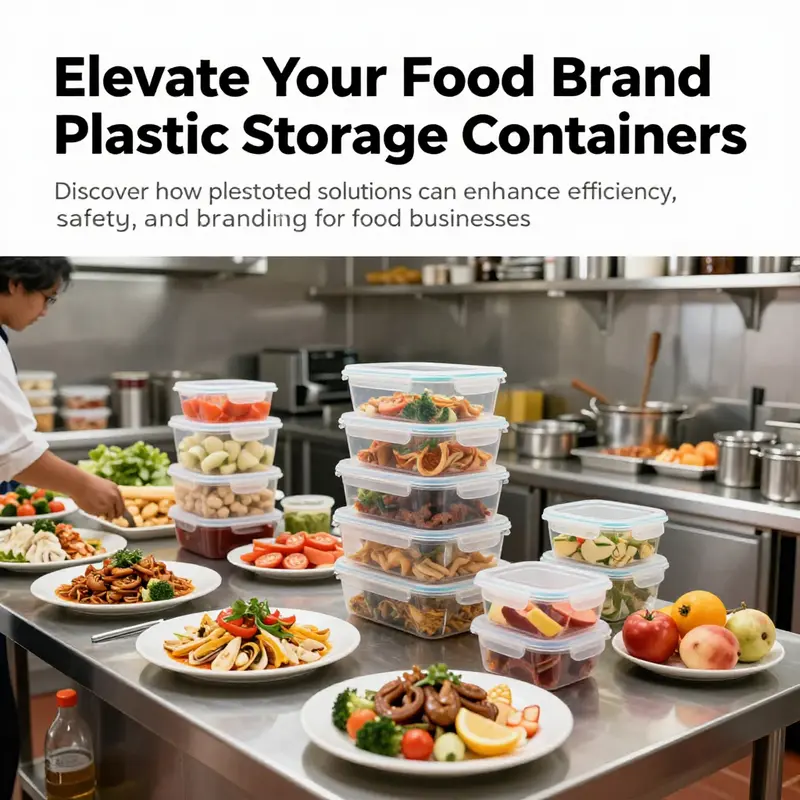
In today’s vibrant food industry, the choice of packaging can make or break a brand’s success. Plastic food storage containers, celebrated for their durability, versatility, and safety, have emerged as essential tools for businesses ranging from bubble tea shops to catering services. These containers not only provide efficient storage solutions but also help maintain food quality and extend shelf life. This article explores the key features of plastic storage containers that make them indispensable in the food sector, examines their practical applications across various food-related businesses, and delves into the economic aspects that underscore their popularity. By the end, you’ll understand how integrating high-performance, food-grade plastics into your operations can transform your approach to food storage and packaging.
null
null
Plastic Storage Containers in Food Brand Packaging: A Strategic Fit Across Brand, Supply Chain, and Consumers
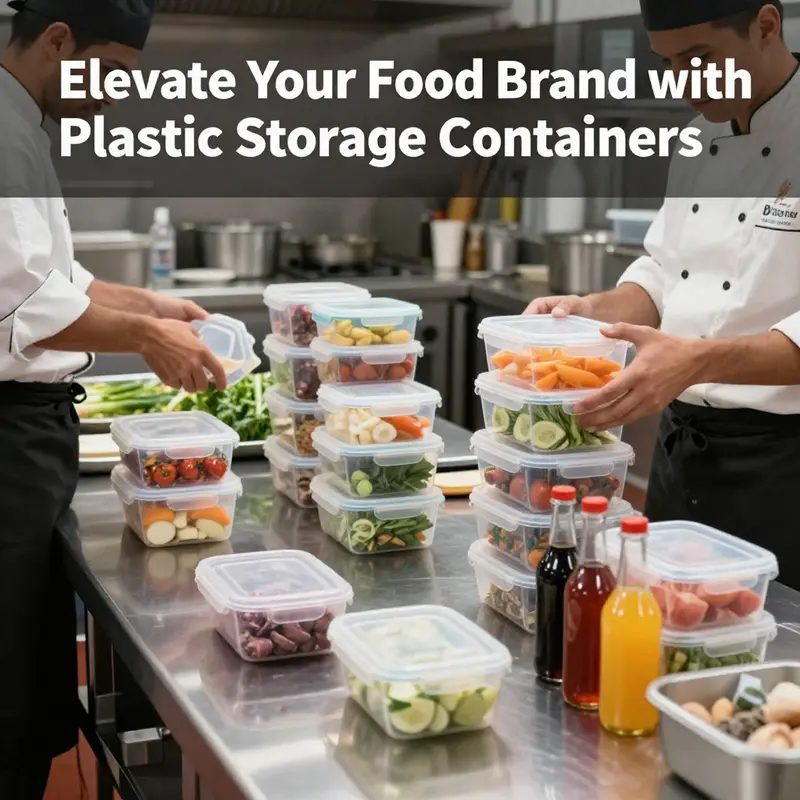
Plastic storage containers have evolved from simple tools to strategic packaging elements that shape a brand’s identity and performance. They protect contents, enable efficient logistics, and influence consumer perceptions from shelf to home.
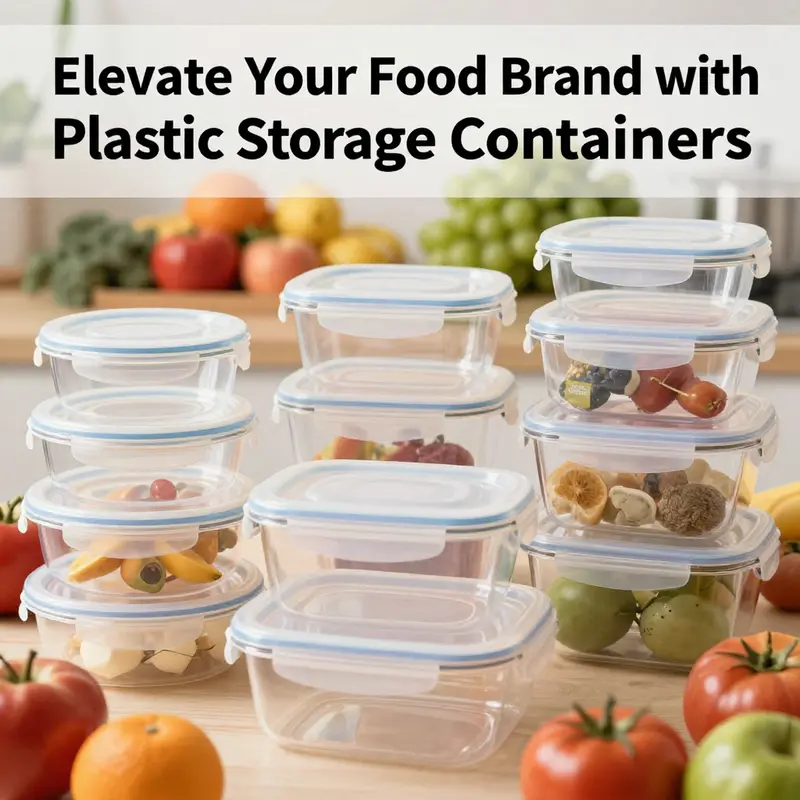
In food brand packaging, material choices matter: food-grade polymers such as Tritan and polypropylene offer clarity, rigidity, chemical resistance, and safety. BPA-free construction remains a baseline expectation, as transparency about health impacts builds trust with shoppers and complies with evolving regulations. Clear bodies help consumers assess product quality at a glance, while robust walls and secure lids support daily use and long-term storage.
Functionally, seals, gaskets, and venting features drive shelf life and convenience. Airtight lids minimize moisture and odor transfer, while microwavable or freezer-safe designs expand versatility. The ability to stack, nest, and transport safely reduces waste and protects margins across distribution channels.
Design and scalability matter for brands. Standardized shapes and sizes enable efficient manufacturing, while OEM services allow branding consistency across SKUs. A modular system—where multiple container volumes share the same lid and base geometry—simplifies stock management and improves consumer recognizability on shelves and in kitchens.
Sustainability and consumer trust increasingly shape container strategies. Reusability, recyclability, and responsible material choices form part of a broader brand narrative about stewardship. Clear communication about safety, recyclability, and lifecycle impacts helps shoppers feel confident in purchasing decisions and encourages repeat purchases.
For brands, the container is more than a vessel; it is a performance platform that supports product integrity, operational excellence, and a compelling, trustworthy consumer experience from production line to pantry.
Balancing Cost and Confidence: The Economic Architecture of Plastic Storage Containers for Food Brands
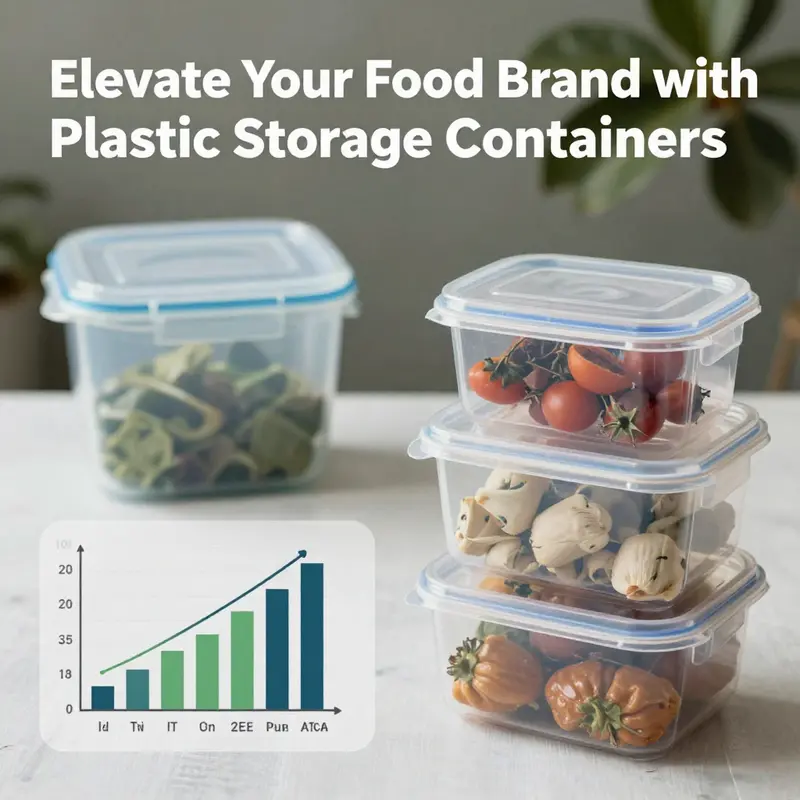
Plastic storage containers have become more than just packaging; they are an economic instrument that shapes a brand’s profitability, speed to market, and perceived trust on the shelf. For food brands, the economic calculus of choosing a plastic container goes beyond the unit price. It encompasses a spectrum of cost dimensions, from upfront tooling and lead times to long-term savings through improved shelf life, reduced waste, and dependable performance under a range of temperatures. In an industry where margins can hinge on every cent, plastic containers offer a compelling combination of cost-effectiveness, lightweight resilience, and versatility that supports scalable distribution, efficient meal-prep workflows, and consistent consumer experience. Yet the same advantages that make plastic packaging attractive can also conceal hidden costs if procurement strategies emphasize price alone. A voice of prudence emerges from the data: the market for plastic food containers was valued at roughly USD 37.01 billion in 2024 and is projected to rise to about USD 51.6 billion by 2034, signaling robust demand and the continued centrality of packaging innovation to brand strategy. In 2024, plastic containers captured about 48.9% to 49.1% of the global market, underscoring their entrenched role in modern food systems. Such figures are not just statistics; they anchor a practical, decision-making framework for brands balancing price, reliability, and growth.
At the core of this framework is the recognition that cost is a multi-layered construct. The most visible line item is the unit price, and it is tempting to chase the lowest price, especially in markets with tight competition and high-volume production. Yet the true cost of ownership includes the reliability of delivery, consistency of quality, and the container’s performance under real-world conditions. A container priced at a fraction of the going rate may seem attractive at first glance, but the downstream consequences—delays that disrupt production, seals that fail under transport, or materials that degrade under freezing or reheating—can erode margins far more quickly than the initial savings. In the realm of ready-to-eat meals, catering, and grocery segments, where multiple SKUs roll through distribution and consumer kitchens, even small quality variances can trigger returns, negative reviews, and brand dilution. This is where value, not cheapest price, becomes the decisive metric. Value translates into predictable lead times, consistent seal integrity, odor and stain resistance, and a design that tolerates a broad range of temperatures—from freezing to near-boiling—without compromising safety or function. In practice, brands that prioritize supplier reliability, robust quality control, and modular, scalable sets often reduce total cost by avoiding the ripple effects of defects and stockouts.
The economics of plastic containers are inseparable from regulatory landscapes. Food-grade plastics must meet stringent safety standards, and non-compliance is not merely a legal hazard; it is a direct line to recalls, brand damage, and costly market withdrawals. In the United States, the relevant framework includes FDA safety guidelines such as 21 CFR Part 177, which governs the use of plastics in contact with food, while in the European context, regulations like Regulation (EC) No 1935/2004 establish broad requirements for materials intended to come into contact with food. For brands operating across borders or in markets with increasingly strict enforcement, the cost of compliance—through documentation, supplier audits, and traceability—must be integrated into the procurement model. When a supplier can demonstrate compliant materials, consistent testing, and clear batch traceability, the potential for costly recalls or counterclaims is lowered, and the brand’s risk exposure is reduced. The premium paid for compliance is not simply about avoiding penalties; it’s about maintaining consumer trust and avoiding interruptions that can disrupt a launch window or seasonal campaigns.
Sustainability has ascended from a marketing theme to a strategic cost driver. Consumers increasingly scrutinize packaging choices for environmental impact, and regulators are aligning with sustainability targets that favor more responsible materials and end-of-life options. While recycled content and lighter-weight designs can lower a product’s carbon footprint and transport costs, the path to sustainable plastic packaging often introduces higher upfront costs. Brands that pursue certified compostable alternatives—such as PLA derived from renewable feedstocks—and that align with recognized standards like ASTM D6400 or EN 13432 face a different set of economics. These standards help ensure compostability in certified facilities, enabling access to sustainability-focused market segments and potentially opening doors to partnerships with retailers prioritizing circular economy goals. The upfront premium for sustainable materials must be weighed against downstream benefits: stronger brand equity in eco-conscious demographics, eligibility for certain certifications or store programs, and the potential for longer-term cost stability as waste-disposal regimes evolve. In practice, the sustainability premium can be offset by efficiencies gained through logistics improvements, reduced spoilage due to better moisture sealing, and the avoidance of waste-related losses during food-service or consumer use.
A critical dimension of the economic conversation is sourcing strategy. For brands seeking scale and agility, sourcing from regions with mature logistics networks, vertical integration, and rapid prototyping capabilities offers tangible advantages. In many markets, suppliers located in major manufacturing hubs can provide shorter development cycles, flexible MOQs, and smoother transition paths from concept to high-volume production. Lead times from key port hubs to international destinations can average 10 to 14 days by sea, a cadence that makes it feasible for brands to test new packaging concepts with limited risk and then ramp up quickly if consumer response is favorable. The ability to test and iterate—without locking into onerous minimums or long retooling cycles—helps brands align packaging choices with evolving product lines and promotional campaigns. In addition, a diversified sourcing strategy that blends regional suppliers with global partners can cushion brands against disruptions in any single corridor. This resilience is especially valuable in times of global logistics volatility, where port congestion, raw material price fluctuations, or transport restrictions can ripple through to production timelines and inventory planning.
From the buyer’s vantage point, the economics of plastic containers also hinge on the balance between upfront investment and long-run reliability. The information landscape suggests that there are significant economies of scale that favor large orders, but the practical reality is more nuanced. For instance, bulk pricing models may offer attractive per-unit costs, yet the operational and financial risk of large MOQs can be prohibitive for smaller brands or for pilots testing new product concepts. A pragmatic sourcing approach emphasizes value over price: securing dependable suppliers with proven compliance, consistent quality, and flexible production capabilities—even if these partners command a modest premium—can yield more predictable cash flows and less volatility in inventory costs. When a brand can count on steady deliveries and uniform performance, the cost of higher-quality packaging is offset by fewer stockouts and fewer post-sale quality issues, translating into a smoother revenue recognition process and a healthier lifetime value per customer.
The economics of plastic containers also intersect with the design of packaging systems. Modular multi-piece sets, offering various sizes from small to large, enable brands to implement organized storage strategies for ingredients, leftovers, and pre-portioned meals. This modularity supports efficiency in manufacturing and distribution, allowing products to share tooling, manufacturing lines, and fill technologies, thereby lowering per-unit investment across a family of SKUs. Round containers, with their uniform seals and smooth interiors, are particularly effective for liquids and semi-solids, where odor and stain resistance and leak-proof performance are essential for safe transport and consumer satisfaction. The technical features— such as robust sealing, temperature tolerance across a wide range, and interior surfaces that resist residue buildup—translate directly into cost outcomes: fewer returns, less waste, and a more reliable consumer experience that sustains repeat purchases.
In economic terms, the strategic value of customization cannot be overlooked. For brands seeking to differentiate on shelf presence, OEM services that enable logo placement, branding elements, or unique lid configurations can add a premium to the container’s value proposition. A non-brand-specific approach to customization can still unlock premium positioning by enhancing brand recognition and loyalty, ultimately improving price realization and market share. The challenge for procurement teams is to align customization with consumer expectations, regulatory compliance, and cost targets. The procurement equation, therefore, is not simply about choosing a container with a lower price point; it is about selecting a packaging system that supports branding objectives, regulatory clearance, and supply chain resilience without inflating risk or inventory costs. In practice, brands should build a supplier base that can deliver design iterations, tooling, and sample runs with short lead times, enabling rapid prototyping while maintaining strict quality controls.
The landscape is not without risk. The temptation to chase ultra-low unit costs can backfire if the supplier’s capacity or quality assurance processes prove volatile. Inconsistent product quality—whether in sealing performance, material integrity, or heat resistance—can precipitate a wave of customer complaints, returns, and negative brand sentiment that far outweighs initial savings. Moreover, supply chain fragility—when a single supplier or region accounts for a disproportionate share of production—can lead to stockouts during peak demand or material shortages during price spikes. A holistic procurement strategy recognizes these hazards and mitigates them through supplier qualification programs, diversified sourcing, and routine quality audits. The goal is to secure a robust supply chain that can weather disruptions, maintain continuity of supply, and support predictable cost trajectories over the product lifecycle.
Despite these complexities, the economic case for plastic storage containers remains compelling for many brands, particularly in sectors that demand scale, speed, and cost-consciousness. The combination of affordability, lightweight versatility, and compatibility with a broad temperature range supports efficient distribution and flexible consumer usage. For brands seeking to optimize profitability, the path forward involves weaving together three strands: prudent cost management, rigorous compliance and quality assurance, and strategic sustainability and branding investments. The cost lens should be tempered by a risk-aware approach to supplier selection, ensuring that price is always balanced against delivery reliability and product performance. Compliance should be treated not as a hurdle but as a prerequisite for sustainable growth, reducing the likelihood of recalls and preserving channel relationships. Sustainability should be embedded as a long-term value driver rather than a stand-alone initiative, recognizing that responsible materials choices can unlock access to new customer segments and retailer programs while offering potential differential savings in logistics and waste handling. Finally, the decision calculus must be anchored in a stage-appropriate supply chain philosophy: startups may benefit from flexible MOQs and modular kits to test concepts, while established brands can leverage scale, standardized processes, and deeper supplier partnerships to drive consistency and profit.
The economic narrative of plastic containers for food brands, then, is not a simple arithmetic of price per piece. It is a strategic design of value—where the initial price is only one line in a ledger that includes compliance, reliability, sustainability, and the ability to respond quickly to market signals. In this ledger, the most successful brands are those that translate packaging choices into tangible cash-flow benefits: steady production cycles, fewer disruptions, higher consumer satisfaction, and a packaging system that scales with product families. When these elements align, plastic storage containers do more than hold food; they help brands manage growth, protect margins, and maintain trust in a crowded, ever-evolving marketplace. External market dynamics reinforce this view, as evidenced by the ongoing expansion of the plastic food containers market and the persistent share of plastic packaging in global packaging ecosystems. For brands that want to stay competitive, the roadmap is clear: optimize total cost of ownership while safeguarding compliance, embracing responsible materials where feasible, and cultivating supplier partnerships that can deliver both reliability and innovation at scale. In this way, the economics of plastic storage containers become a durable foundation for brand performance rather than a short-term optimization tactic.
External resource: Market-level insights on the plastic food containers market can be found in industry analyses that detail size, growth trajectories, and regional dynamics shaping procurement decisions. External research can provide context for budgeting, scenario planning, and supplier negotiation strategies as brands navigate the balance between price, performance, and sustainability. See the following external resource for a comprehensive market overview: https://www.marketsandmarkets.com/Market-Reports/plastic-food-containers-market-254585157.html
Final thoughts
Plastic storage containers are not merely an option but a necessity for food brands aiming to enhance their operational efficiency and maintain food quality. The key features—such as safety, adaptability, and efficiency—make these containers an invaluable asset, whether you’re running a restaurant, a food truck, or a catering service. With compelling applications throughout the food industry and significant economic advantages, investing in high-quality plastic storage solutions can ultimately lead to a more organized kitchen, extended product shelf life, and improved customer satisfaction. Embracing these innovative packaging solutions is a strategic step towards optimizing food storage and elevating your brand.