
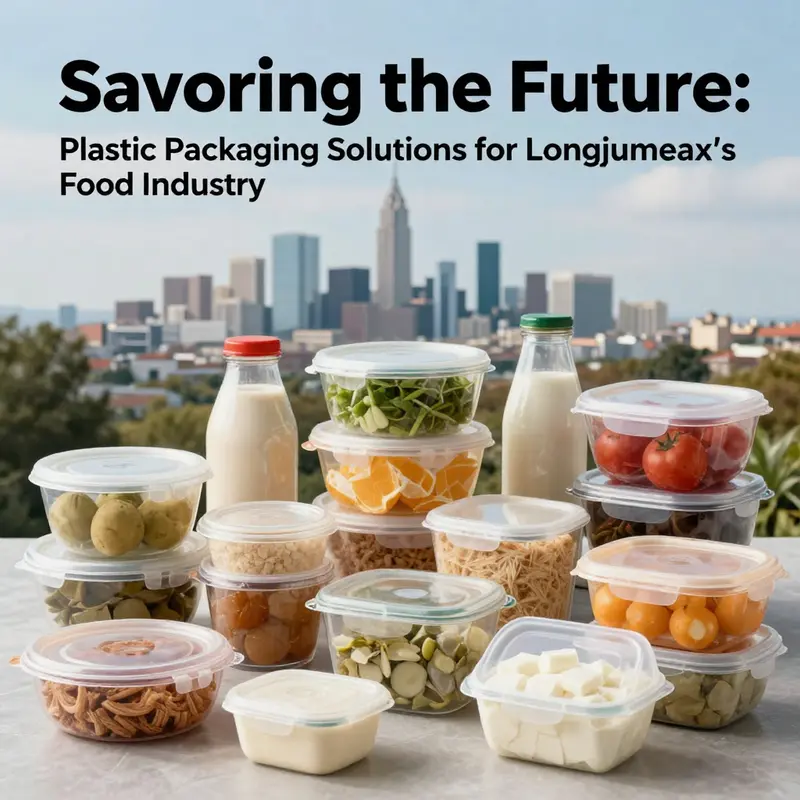
In the vibrant hub of Longjumeau, France, the plastic packaging food container industry serves as a critical component of the food landscape, contributing significantly to safety, sustainability, and market dynamics. This article delves into the role of entities like FRANCE SAS in manufacturing plastic food containers that meet the stringent demands of businesses such as bubble tea shops, restaurants, and food trucks. As the market approaches a valuation of approximately USD 68.2 billion by 2033, understanding the challenges of sustainability, the regulatory landscape, and future innovation paths is essential for stakeholders. Each chapter highlights unique aspects that are crucial for informed decision-making in an evolving industry.
Longjumeau’s Regulatory Web: Shaping the Future of Plastic Food Packaging in France and Europe
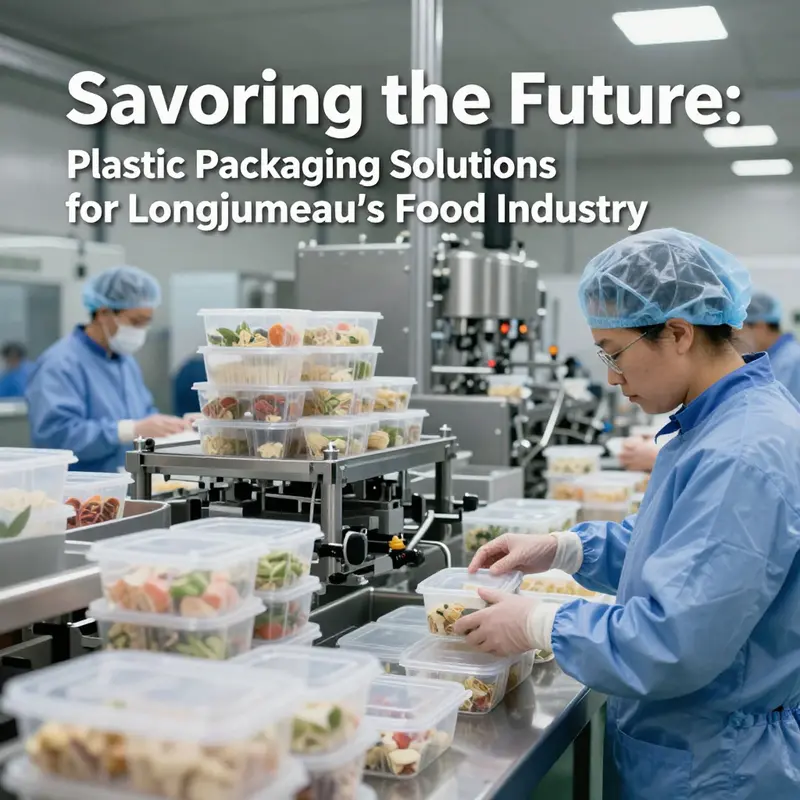
Longjumeau, a town just beyond the southeastern edge of the Île-de-France region, embodies more than a geographic footnote in the story of plastic packaging. It sits at a crossroads where manufacturing realities, regulatory rigor, and scientific scrutiny converge to shape how plastic containers for food enter and move through French and European supply chains. While the commune itself is not widely known as a mass producer of plastic food containers, its proximity to Parisian markets and its association with a French arm of a global measurement company highlight a critical, often overlooked dimension of the packaging sector: the indispensable role of testing, compliance, and data in enabling safe, sustainable packaging. In the broader arc of France’s food packaging landscape, this confluence matters because the country’s market, valued at around USD 45.6 billion in 2024 and projected to climb to roughly USD 68.2 billion by 2033, is increasingly defined by how well it can reconcile scale with safety and environmental stewardship. The Longjumeau nexus thus serves as a microcosm for the central tension facing the industry: the urge to innovate and grow in a competitive market while navigating a dense matrix of laws, standards, and evolving consumer expectations about sustainability.
The regulatory frame surrounding plastic packaging intended for food contact is uncompromising and multilayered. At the European level, the Framework Regulation EC 1935/2004 establishes the overarching principle that materials and articles intended to come into contact with food must not endanger human health, should not cause an unacceptable change in the composition of the food, and must not mislead the consumer. This framework is complemented by subsequent implementations like Regulation EC 2023/2006, which further clarifies general requirements and good manufacturing practices for food contact materials (FCMs). In practical terms, these rules translate into rigorous limits on chemical migration, strict traceability, and documented assurances that packaging components do not release unsafe substances into food under normal use. France, as a member state, enforces these principles through its national agencies and regulatory instruments, which have become more stringent as the country advances toward ambitious environmental targets.
Among the enforcement priorities is the concern over chemical migration from plastics into foods. For instance, the potential movement of polyethylene-derived substances from packaging into dairy products such as cheese has been a focus of study, with ongoing research highlighting how migration dynamics can vary with processing conditions, contact time, and the nature of the packaging matrix. Although the concrete performance of specific packaging systems can depend on many variables, the thrust of the science is clear: even small, cumulative migrations demand robust testing frameworks, validated risk assessments, and materials that minimize migration risks without compromising food safety. In the French and broader European context, the European Food Safety Authority (EFSA) fulfills a pivotal role by evaluating the safety of recycled plastics and other post-consumer materials intended for food contact. EFSA’s risk assessments and opinions inform whether recycled feedstock can be used in consumer packaging, ensuring that recycled content does not introduce new hazards and that it aligns with consumer health protections.
These scientific and regulatory dynamics create a steady demand for advanced analytical capabilities, which is where institutions and service providers near Longjumeau make meaningful contributions. The presence of HORIBA FRANCE SAS in Longjumeau—an arm of a well-known Japanese-origin technology group that specializes in scientific, process, and environmental measurement instruments—underscores a practical truth about the packaging supply chain. While HORIBA’s core offerings stretch beyond containers, their expertise in instrumentation, testing protocols, and environmental monitoring supports the broader ecosystem of packaging safety. Companies across the packaging value chain rely on precise measurements of contaminants, migration rates, and the integrity of recycled materials to demonstrate compliance and to optimize formulations. In short, the regulatory ambition to minimize chemical migration and to maximize recyclability cannot be realized without dependable data gathered through rigorous testing and monitoring—work performed by laboratories and instrument manufacturers that thrive on the rigorous standards demanded by European and national authorities.
France’s regulatory trajectory also reflects a strong policy signal aimed at reducing plastic waste and improving recyclability. The Anti-Waste Law for a Circular Economy has become a central pillar in this effort, propelling companies toward more robust recycling systems, extended producer responsibilities, and innovations in materials that support higher rates of reuse and recycling. The implications for plastic food packaging are significant: packaging designers are urged to consider end-of-life outcomes from the earliest stages of product development, opting for materials that can be readily recycled, designing for disassembly, and reducing the total plastics burden where feasible. This shift, while challenging for existing production models, is increasingly integrated into strategic planning through compliance-driven innovation. It is not merely about meeting a regulatory checkbox; it is about aligning product performance with evolving environmental ethics and consumer expectations.
From a market perspective, the sector’s growth path is underscored by a delicate balance between demand for efficient, reliable packaging and the imperative to lower environmental impact. Consumers and retailers alike have become more attuned to material choices, recyclability, and the lifecycle of packaging media. This awareness translates into demand for containers that preserve the safety and shelf life of foods while offering greater end-of-life convenience. In France, the push toward more sustainable packaging is reinforced by EU-level objectives and national policy instruments that incentivize recycled content and curb single-use plastics where possible. Yet the economics of switching to high-recycled-content plastics or alternative materials must be navigated alongside performance criteria, logistics, and cost structures. In this environment, the Longjumeau cluster illustrates how an ecosystem can evolve around safety testing, regulatory compliance, and material innovation, even when direct manufacturing activity is not concentrated in a single locale.
The interplay of regulations and industry responses also creates opportunities for knowledge transfer and cross-border collaboration. EU legislation encourages harmonization and standardization of safety assessments for food contact materials, while national authorities translate those expectations into practical inspection regimes, labeling requirements, and market surveillance protocols. In this sense, Longjumeau becomes part of a wider European dialogue about how best to facilitate safe food packaging that respects environmental limits and consumer rights. The regulatory conversation is complemented by scientific inquiry and industry experimentation, a triad that helps identify safe material options, testing methodologies, and best practices for design for recyclability. As packaging developers strive for greater efficiency, they increasingly rely on robust data from analytical tools and validated migration models to support claims about safety and sustainability. This is the kind of evidence-driven approach that regulators expect and that competent supply chains aim to demonstrate to customers and regulators alike.
One practical upshot of this ecosystem is the growing relevance of alternative packaging strategies alongside plastics. While plastic remains invaluable for its barrier properties, weight efficiency, and stability, stakeholders are exploring how to reduce reliance on virgin plastics, incorporate recycled content where feasible, and incorporate materials that are easier to recycle at scale. The consumer-facing conversation often centers on recyclability and compostability, but the integrated truth involves process improvements, material science advances, and transparent testing protocols that document performance throughout the product’s life cycle. In such a framework, the Longjumeau corridor—where measurement science and regulatory insight intersect—plays a quiet but essential role in safeguarding health, guiding industry innovation, and supporting a transition toward a more sustainable packaging system.
As a closing reflection, the chapter invites readers to recognize that the story of plastic packaging in Longjumeau is not simply about container design or manufacturing capacity. It is about the rigorous, ongoing effort to demonstrate safety, document compliance, and reduce environmental impact within a dynamic market. The city’s analytical and regulatory milieu reminds us that the viability of any packaging solution—plastic or otherwise—depends on the credibility of the data, the robustness of risk assessments, and the clarity of the policies that govern use, reuse, and disposal. It is this credibility, more than any single material choice, that determines whether food can travel safely from farm to fork in a world that increasingly treats packaging as a shared responsibility among producers, regulators, and consumers. In the long view, Longjumeau’s role in this story is not a footnote but a signal of how Europe negotiates the tension between growth, safety, and sustainability in the everyday objects that touch our meals.
To explore a practical, sustainability-focused packaging option that aligns with the broader shift toward eco-friendly materials, consider the following resource on kraft paper packaging solutions: disposable-octagonal-box-restaurant-food-kraft-paper-packaging.
For readers seeking authoritative regulatory context beyond national boundaries, the European Commission provides a comprehensive overview of food contact materials regulations, hazard considerations, and compliance expectations at the EU level. This external resource offers a useful backdrop for understanding how France’s rules dovetail with wider European standards and expectations: https://ec.europa.eu/growth/sectors/food-contact-materials_en
Regulatory Winds and Rigid Realities: The Market Dynamics of Plastic Food-Container Packaging in France, Through a Longjumeau Lens
The market dynamics surrounding plastic packaging for food containers in France unfold at the intersection of regulation, consumer choice, and industrial invention. In this landscape, the town of Longjumeau and firms connected to it, including FRANCE SAS, appear as a regional touchpoint for a national story about how plastics, safety standards, and waste policies shape what ends up on supermarket shelves and in consumer kitchens. Even though there is no conspicuous, standalone production hub for plastic food containers in Longjumeau itself, the region’s firms and research activity illuminate how France integrates plastic packaging into its food safety ecosystem, while also confronting the urgent call to retool that system toward sustainability. The figures from 2024 place France at the forefront of a European and global shift, with the single-use plastic packaging market valued at roughly USD 50.23 billion. This size is more than a statistic; it signals a robust logistical network of suppliers, converters, retailers, and recyclers aligning to a common objective: keep food safe, keep products accessible, and reduce environmental impact where possible. Yet the same moment reveals how regulatory pressures and consumer expectations are reshaping the calculus behind what kind of plastic, how much weight, and how easily it can be recovered at end of life. The forecast—growth at a CAGR of about 5.5 percent from 2026 onward—suggests that, despite tightening rules, demand remains resilient. The underlying dynamic is not simply about selling more containers; it is about recalibrating the entire packaging system to fit a more circular economy. In France, this recalibration is influenced by national policy instruments like extended producer responsibility schemes, and by EU-level directives that tighten the screws on single-use plastics while promoting better design, better materials, and better recycling infrastructure. Within this frame, the region’s players must balance the need to deliver functional, durable, and hygienic containers with the imperative to reduce resource use and to make waste easier to manage.
To understand the texture of these market dynamics, it helps to examine the material choices themselves. Rigid plastic packaging remains a dominant force, especially in dairy and butter or spreads, where thin-wall containers offer reliable protection and stackability. Projections show that rigid packaging volumes could climb to about 3.14 million metric tons by 2025, with a healthy CAGR of roughly 3.5 percent thereafter toward 2030. Yet even as rigid plastics consolidate a central role, a quiet but persistent shift is underway: a gradual pivot toward alternatives that can be recycled more easily or that use less material. In practice, this means a mix of lighter-weight plastics, more transparent recyclability data on labels, and a willingness to experiment with materials that can be processed by existing French and European recycling streams. The burden and opportunity here lie in how packaging designs are conceived from the outset. If a container is designed with its end of life in mind—without prohibitive additives or complex multilayer constructions—it can be more readily diverted from landfill and reintegrated into production cycles.
Consumer consciousness is a powerful accelerator of change. French shoppers increasingly expect packaging to be both convenient and responsible. They want to know where materials come from, how they are produced, and whether the packaging can be recovered after use. This demand has broad implications. Brands respond by pursuing lighter, recyclable, or even compostable materials, while also investing in transparent labeling that clarifies recycling routes and material composition. The state supports this shift through green-transition policies and by incentivizing recyclable design via extended producer responsibility schemes. The result is a market that rewards packaging innovations that reduce waste and improve recyclability, even as it remains anchored in the functionality that plastic packaging uniquely provides for freshness, barrier protection, and food safety.
In this regulatory and competitive milieu, the Longjumeau corridor—though not a single-site hub of container manufacture—illustrates how regional ecosystems contribute to national outcomes. The presence of FRANCE SAS in discussions of plastic packaging, including instances where LDPE and polypropylene containers are analyzed for cheese and other dairy products, underscores the integration of research, compliance, and production. The company’s involvement in studies that explore barrier properties, seal integrity, and process compatibility with dairy items points to a broader reality: safety and quality controls are tightly interwoven with materials science and supply chain logistics. Even if Longjumeau itself does not host an expansive, purpose-built plastics factory for food containers, firms linked to the region participate in a web of testing, compliance, and design refinement that informs French practice. These activities reflect a market where regulatory expectations are no longer only about achieving compliance; they are catalysts for material innovation and process optimization that can yield safer products with lower environmental footprints.
Against this regulatory and technical backdrop, the industry’s future trajectory is shaped by several converging forces. One is the ongoing shift in consumer packaging preferences toward more sustainable choices. While plastic containers remain indispensable for many foods due to their barrier properties and moisture control, the sector is advancing toward solutions that reduce weight, extend shelf life, and ease recycling. Another force is the European Union’s and France’s governance of material streams through EPR schemes and recycling targets. These policies push firms to separate design decisions from end-of-life complexities, encouraging recyclability at the point of product development. In practice, this means choosing resins with known recycling routes, avoiding multilayer structures that are hard to separate, and enabling easier sortation and processing in municipal and industrial facilities. Such design-for-recycling principles are increasingly becoming a litmus test for product viability in a market that balances consumer convenience with environmental accountability.
The market’s evolution is not linear; it traverses a landscape of innovation, risk, and adaptation. French manufacturers and their regional networks must navigate supply chain pressures, from resin price volatility to the availability of recycling capacity and the evolving rules governing waste management. The implication for long-term growth is nuanced. On one hand, demand for efficient, safe, and convenient food packaging is unlikely to fade. On the other, the sector’s expansion will increasingly hinge on its ability to demonstrate a credible path to circularity. Companies will need to invest in research and development, collaborate with recyclers to ensure compatibility with emerging sorting technologies, and pursue material substitutions that do not compromise safety or product integrity. These moves have the potential to redefine which materials prevail in the French market and how the industry projects its future size.
While the overarching market dynamics point toward resilience and transformation, the role of regional actors like Longjumeau’s packaging firms remains essential for translating policy into practice. Research and testing activities associated with local firms contribute to broader capabilities—namely, how packaging interacts with food safety requirements, how it behaves under real-world distribution conditions, and how end-of-life processes can be streamlined. The French market thus embodies a dual narrative: a large-scale, data-driven push toward sustainable packaging, and a grounded, regional activity that tests, validates, and implements changes compatible with both safety and environmental goals. In this sense, the Longjumeau corridor exemplifies a working model of how a national system can balance the dual imperatives of protecting public health and promoting environmental stewardship through packaging choices.
This evolving landscape also highlights the tension between the present needs of a highly functional, global food system and the long-term aims of waste reduction and resource efficiency. The projections for 2033 whisper of a market still expanding in size, but increasingly defined by how well it can align with circular economy principles. The strategic question for manufacturers, policymakers, and researchers becomes not just how to keep food safe and accessible through plastic containers, but how to design those containers so that recovery and reuse become routine, cost-effective, and scalable. In this pursuit, a blend of regulatory discipline, material science ingenuity, and regional collaboration offers a plausible path forward for France as a whole—and for Longjumeau as a meaningful node within it.
To illustrate the real-world flavor of these dynamics, consider the broader packaging ecosystem as a spectrum that runs from durable, rigid plastics to flexible, recyclable, and paper-based alternatives. Designers and manufacturers are increasingly evaluating how a given product fits into the recycling stream, whereas retailers and consumers are becoming more discerning about end-of-life options. In this context, it is important to recognize that alternatives such as kraft paper packaging are not merely symbolic of a sustainability trend; they represent tangible decisions about process compatibility, supply chain resilience, and the economics of recycling. For stakeholders seeking to explore these alternatives, the choice can be framed as a strategic balance between the advantages of plastic’s barrier properties and the growing imperative to minimize waste and recover resources. A concrete example of how packaging options are being marketed and evaluated in practice can be found in outreach and product offerings that highlight recyclable and compostable formats, including dedicated kitchen-ready solutions that leverage paper-based designs for certain use cases. For readers and industry participants curious about the practical application of these ideas, a good reference point is the broader ecosystem of paper-based take-away packaging as an alternative in food service, which includes items such as disposable octagonal boxes designed for restaurant use. This link to a relevant packaging option exemplifies how businesses are positioning themselves in a shifting market where sustainability credentials are increasingly rewarded by consumers and regulators alike.
disposable-octagonal-box-for-restaurant-food-kraft-paper-packaging
External perspectives reinforce the sense that France’s market dynamics are part of a continental rhythm. The projected growth and regulatory trajectory align with analyses that identify a post-2024 pattern of steady expansion tempered by a decisive move toward sustainable materials and recycling innovations. The continuing evolution of packaging design, labeling clarity, and end-of-life pathways will shape competitive advantage. For policy makers and industry leaders, the challenge is to ensure that the regulatory scaffolding not only constrains unsustainable practices but also stimulates investment in recyclable design, efficient collection systems, and high-clarity consumer communication. In this sense, the Longjumeau case study provides a microcosm of how regional players contribute to a nationwide transition: by testing improvements, aligning with safety standards, and integrating feedback from research into production practices that can be scaled across the country.
As the sector advances, it is worth tracking the broader literature and official market trajectories for a more granular sense of where France stands in relation to European benchmarks and global manufacturing trends. The France Single-Use Plastic Packaging Market Dynamics report, which charts market size, growth rates, and regulatory influences, serves as an external reference point for readers who want to situate this chapter within a wider context. It highlights the fragility and resilience of the packaging system in equal measure, underscoring the idea that sustainability is not a peripheral concern but a central driver of market behavior. For those seeking further depth, the linked external resource provides a broader view of how policy, consumer sentiment, and industrial capability intersect in shaping the future of plastic packaging in France and beyond.
External resource for further context: https://www.linkedin.com/pulse/france-single-use-plastic-packaging-market-dynamics-2024-2030-jq8jx/
null
null
Regulatory Framework Surrounding Plastic Packaging Food Containers in France
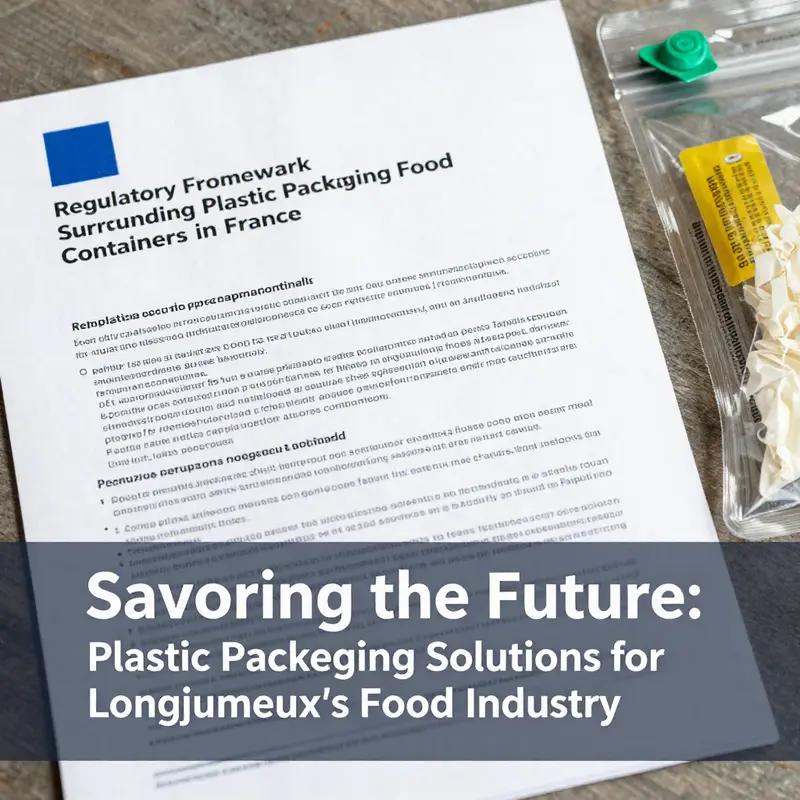
France’s regulation of plastic packaging for food contact materials sits at the intersection of EU-wide rules and national enforcement, prioritizing safety, traceability, and lifecycle responsibility.
The core principle is that materials intended for contact with food must not release substances at levels that could pose health risks or alter the food’s properties. EU law provides the general framework, while France implements and enforces it through national authorities and inspections, including those operating near Longjumeau.
At EU level, Regulation (EC) 1935/2004 establishes the general safety and inertness standards for all food-contact materials and requires compliance with Good Manufacturing Practices (GMP). It sets guardrails for consistent behavior across the single market but leaves technical details to specific regulations and guidance.
Regulation (EU) 10/2011 further defines plastic materials and articles, specifying allowed substances, migration testing methods, and data requirements. Migration tests estimate how much of a given substance might migrate from packaging into food under realistic conditions, enabling risk assessment for products such as cheese, yogurt, or ready meals.
In 2025, updates to 10/2011 introduced migration limits for certain substances, including Bisphenol S (BPS). This reflects evolving scientific knowledge and public concern, and places additional compliance responsibilities on industry to monitor substances and maintain documentation.
France adds a national layer through DGCCRF Decree 2004-64, which complements EU rules by imposing stricter national migration testing regimes and a detailed list of prohibited substances. A distinctive feature is the use of iso-octane as the fatty-food simulant in certain tests, imposing rigorous verification of safety under challenging fatty-food conditions. The decree also strengthens record-keeping, supplier verification, and demonstrate chain-of-custody for materials and finished containers during inspections.
The environmental dimension also informs the regulatory landscape. France’s policies to reduce plastic waste include restrictions on single-use plastics and obligations under Extended Producer Responsibility (EPR). Producers and distributors must consider recyclability, end-of-life management, and compatibility with national recycling streams throughout the design process.
For firms with operations in areas such as Longjumeau, practice means integrating migration testing, supplier conformity, batch documentation, and traceability into daily operations. The inertness principle, GMP, and EU migration concepts guide product development, quality assurance, and supplier networks. Companies must ensure raw materials comply with EU and French lists of allowed substances, implement robust testing that covers general migration and the more stringent fatty-food simulations, and maintain documentation for audits.
The regulatory environment remains dynamic. Updates to chemical limits and environmental obligations create a continuous need for vigilance, documentation, and supplier management. Firms are encouraged to pursue safer materials, design for recyclability, and maintain transparent communications with regulators and customers about material choices and compliance status.
For readers seeking a concise overview, references to EU and French guidance are available through DGCCRF and EU documentation, which describe how EU rules are implemented in France and how national requirements relate to packaging materials in practice.
Longjumeau’s Packaging Frontier: Regulation, Innovation, and the Quest for Safer, More Sustainable Plastic Containers
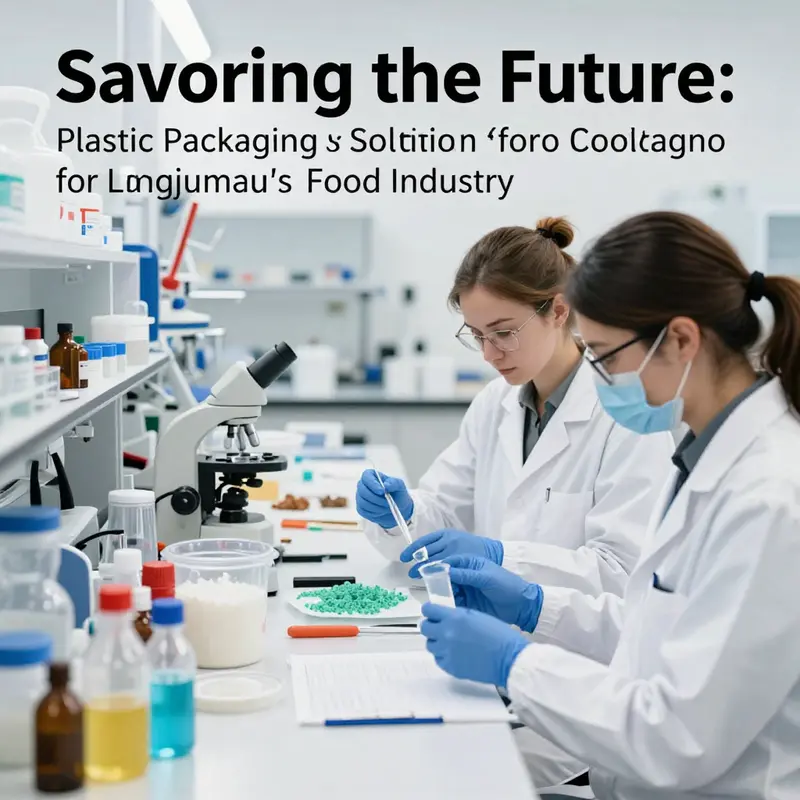
In the shadow of Paris, the town of Longjumeau sits at a particular crossroads where the everyday act of sealing food in plastic intersects with national ambitions for safety, accountability, and environmental stewardship. The plastic packaging sector in France has grown into a substantial segment of the economy, reflecting a complex balance between the need to protect food as it travels from farm to fork and the obligation to minimize waste and chemical impact. Within this landscape, the experiences of firms operating near Longjumeau help illuminate a broader national trajectory. Research into the use of plastic containers for foods such as cheese reveals a lineage of materials—chief among them polyolefins and other plastics—that have long delivered reliable barrier properties, lightness, and cost effectiveness. Yet the same research underscores how the sector’s strength also ties it to sustainability tensions that policymakers are increasingly required to manage. France, with a market size in the tens of billions of dollars in recent years, has signaled a future in which growth must be compatible with circularity, recyclability, and safer material choices. In Longjumeau and its surrounding industrial ecosystem, this vision translates into concrete shifts that blend regulatory pressure with a push toward smarter, more transparent manufacturing. The story of these changes is not a simple tale of substitutes replacing old materials; it is a nuanced evolution that embraces new data, new sensors, and new partnerships designed to ensure that packaging protects food without compromising public health or the planet. The chapter that unfolds here is not a list of reforms but a seamless narrative about how regulation, technology, and consumer expectations are converging in a place like Longjumeau to reshape plastic food containers for years to come. The numbers offer a sense of scale. The broader French market for plastic packaging is projected to reach about 3.73 million metric tons by 2030, growing at a modest but steady pace. This trajectory, while encouraging in terms of supply and fragmented demand, also flags the need for manufacturers to adapt quickly to new rules and new materials. In Longjumeau, this means preparing for the 2030 requirements that will push for minimum recycled content across many packaging streams. The central regulatory signal is clear: by 2030, PET-based packaging intended for contact with foods must contain at least 30% post-consumer recycled material, while other plastics must achieve at least 10% PCR content. The implications are not merely about rolling out more recycled content; they are about reconfiguring supply chains, upgrading sorting capabilities, and rethinking design decisions so that packaging can be both higher performing and more sustainable. This regulatory push does not exist in a vacuum. It interacts with ongoing concerns about chemical migration, migration of additives, and the long-term safety of packaging in contact with food. The cheese sector, in particular, has historically benefited from the barrier properties of certain plastics but also highlighted areas where migration risk warrants closer scrutiny. In this light, Longjumeau and its surrounding industries are pressed to pursue safer alternatives, not only to comply with the letter of the law but to protect consumer trust. The evolution here is multi-layered. On one level, it is about material science—the push toward higher PCR content and the incorporation of recycled polymers into food-contact streams without compromising safety. On another level, it is about process and data: deploying Industry 4.0 capabilities to monitor production in real time, to verify material provenance, and to trace the journey of packaging from post-consumer scrap back into the manufacturing loop. The promise of what is being described in the broader literature as Food Packaging 4.0 lies precisely in this integration. Smart sensors embedded in packaging lines can optimize energy use, reduce scrap, and ensure that recycled content is properly mixed and stabilized to meet performance standards. Digitalization enables sophisticated material tracking, while AI and machine learning analyze performance data to prevent defect in the same way that continuous improvement has long shaped other sectors. Blockchain adds another layer of trust, providing immutable records of material origin and processing steps that reassure brands, regulators, and consumers that PCR materials have been responsibly sourced and responsibly handled. The potential payoff is also practical: less waste, less energy spent on manufacturing new plastics, and more reliable packaging that performs under diverse conditions—from humid markets to alpine cold chains. Yet even as these digital and materials advances unfold, the industry must confront enduring preferences for virgin plastics in many applications. Polyethylene and related polymers continue to be favored for many food-contact uses because of their barrier properties, clarity, and durability. The reliance on virgin plastics is not simply a matter of tradition; it reflects real, observable benefits in certain contexts, including sometimes for cheeses and other fat-rich products where oxygen ingress and moisture management are critical. The question, then, is not whether these materials will vanish, but how to design systems where their use is minimized, or at least optimized, through higher PCR content and smarter lifecycle management. This is where the concept of a circular economy becomes a practical guide rather than an abstract ideal. One of the most compelling pathways involves better integration of alternative materials for specific use cases, paired with a more aggressive push toward recyclability for conventional plastics. In Longjumeau’s sphere, this translates to a hybrid approach: to continue leveraging high-performance, recyclable plastics while piloting biodegradable or compostable substitutes for particular segments of the market, such as takeout or single-use items that face greater end-of-life challenges. Compostable bagasse pulp boxes, extracted from agricultural by-products like sugarcane waste, illustrate a potential path toward 100% compostable alternatives in settings where high heat is not a standard requirement. They embody a circular logic—designed to be returned to nature after use—yet their limitations in oven or grill applications remind us that not every packaging need can be solved with a single material. This reality invites a more nuanced, application-specific approach. For Longjumeau and its neighboring industries, the future may be a carefully engineered mosaic: robust, recyclable plastics with higher PCR content for everyday transport and storage; selected biodegradable materials for takeout and single-use formats where heat exposure is manageable; and a digital backbone that tracks everything from material provenance to end-of-life outcomes. The hybrid model aligns with both regulatory direction and consumer expectations that packaging should be safer, more transparent, and easier to recycle. It also recognizes the practicalities of production, logistics, and cost. Implementing higher PCR content requires secure, stable supply chains for recycled resin, as well as advanced sorting and cleaning facilities to ensure polymer streams can be fed back into high-quality food-contact applications. This often necessitates investment in new equipment, upgraded quality control, and partnerships with waste management entities capable of delivering consistent, traceable material streams. In Longjumeau, such investments are not merely local expenditures; they echo a national imperative to strengthen the recycling ecosystem and to demonstrate that France can meet ambitious recycled-content targets while maintaining high standards for food safety. The interplay between regulation and innovation is further reinforced by the broader industry’s adoption of digital technologies. Industry 4.0 is not a luxury but a practical enabler of compliance and improvement. Real-time monitoring, predictive maintenance, and digital twin simulations reduce downtime and scrap, while AI analyzes yield and quality metrics to sustain higher PCR incorporation. Big data platforms collect and correlate performance indicators across suppliers, mills, and recycling streams, enabling better decision-making about which materials to deploy where. Blockchain’s role in supply chain traceability cannot be understated. When treated as part of a transparent system, it helps verify that recycled materials have indeed originated from post-consumer streams and that their processing meets rigorous standards. The combined effect is a stronger confidence loop among manufacturers, retailers, and consumers that packaging materials perform as promised and that end-of-life outcomes align with ecological expectations. In practice, these transitions require more than policy alignment and technological capability; they demand a careful balance of performance, cost, and regulatory compliance. Virgin plastics still serve a valuable function, particularly in applications demanding consistent barrier properties, mechanical strength, and stability under heat. The challenge is to reduce reliance on virgin materials without compromising product quality or food safety. The strategy is not to abandon virgin plastics outright but to stage a shift: reuse and reprocessing of plastics within closed-loop systems, strengthening PCR content, and substituting safe alternatives where feasible. This stance mirrors a broader aim to nurture innovation that respects both producers’ needs and the public interest. The potential benefits go beyond compliance. Reduced packaging waste can lower environmental impact, and enhanced traceability can bolster brand integrity and consumer trust. A more resilient packaging ecosystem—one that harmonizes material science with data-driven governance—could spare resources and reduce leakage into the natural environment. The future in Longjumeau is thus a story of incremental but meaningful change, guided by policy, enabled by technology, and anchored in a pragmatic calculus about what works where. It is a story that does not pretend to have all the answers but openly confronts the trade-offs between barrier performance, chemical safety, recyclability, and cost. It invites stakeholders to imagine a more circular supply chain where post-consumer plastics are not merely recovered but reintegrated into high-quality food packaging with clear provenance. And it invites designers and engineers to consider the entire lifecycle, from the moment a container is filled with food to its eventual return to the recycling stream or composting facility. In Longjumeau’s context, progress will be measured not only by the volume of PCR content in plastic packaging but also by the integrity of the systems that verify and sustain that content. The ongoing dialogue among regulators, manufacturers, suppliers, and researchers will shape how aggressively the industry can push toward higher PCR incorporation, more widespread use of recyclable and biodegradable alternatives, and the responsible adoption of digital technologies that make these transitions practical at scale. For readers seeking a broader lens on how sustainable packaging technologies are evolving in tandem with regulatory expectations, a recent synthesis explores how Industry 4.0 dimensions are creating new opportunities and reframing the food waste conversation around packaging design and life-cycle thinking. This resource offers a vantage point on the direction the field is moving toward, including the way data, transparency, and collaboration underpin safer, more sustainable packaging futures across Europe and beyond. eco-friendly recyclable pulp cup holder. As Longjumeau and similar communities navigate this terrain, the path forward will likely reflect a blend of caution and ambition: a packaging system that preserves food, respects public health, and progresses toward a circular economy that can be prototyped, measured, and scaled with shared purpose and shared responsibility. The story in this corridor of the Île-de-France region is not a single policy or single technology; it is the emergence of a comprehensive framework where regulation, innovation, and sustainability converge to redefine what plastic containers can be in the next decade and beyond. External perspectives underscore the value of looking beyond national borders to learn how others are grappling with similar challenges, especially in how Industry 4.0 is operationalized to support safer, more sustainable packaging ecosystems. As this chapter closes, the future of plastic food containers in Longjumeau remains a dynamic hypothesis—one that will be tested and refined as 2030 approaches and as operators continue to align product performance with the imperatives of a cleaner, safer planet. For readers who want a broader theoretical scaffold to accompany these practical developments, a notable external resource offers critical insights into how the dimensions of Industry 4.0 intersect with food-waste considerations in sustainable packaging.
Final thoughts
As Longjumeau continues to play a pivotal role in France’s plastic food packaging landscape, the path forward is undoubtedly shaped by market demands, sustainability pressures, and regulatory frameworks. The evolution of this industry not only addresses the immediate needs of food and beverage businesses but also prioritizes environmental stewardship, ensuring a balanced approach to packaging solutions. With advancements in technology and a committed effort towards sustainability, Longjumeau stands poised to lead the charge towards a greener future in packaging, enabling businesses to thrive while aligning with consumer and regulatory expectations.