
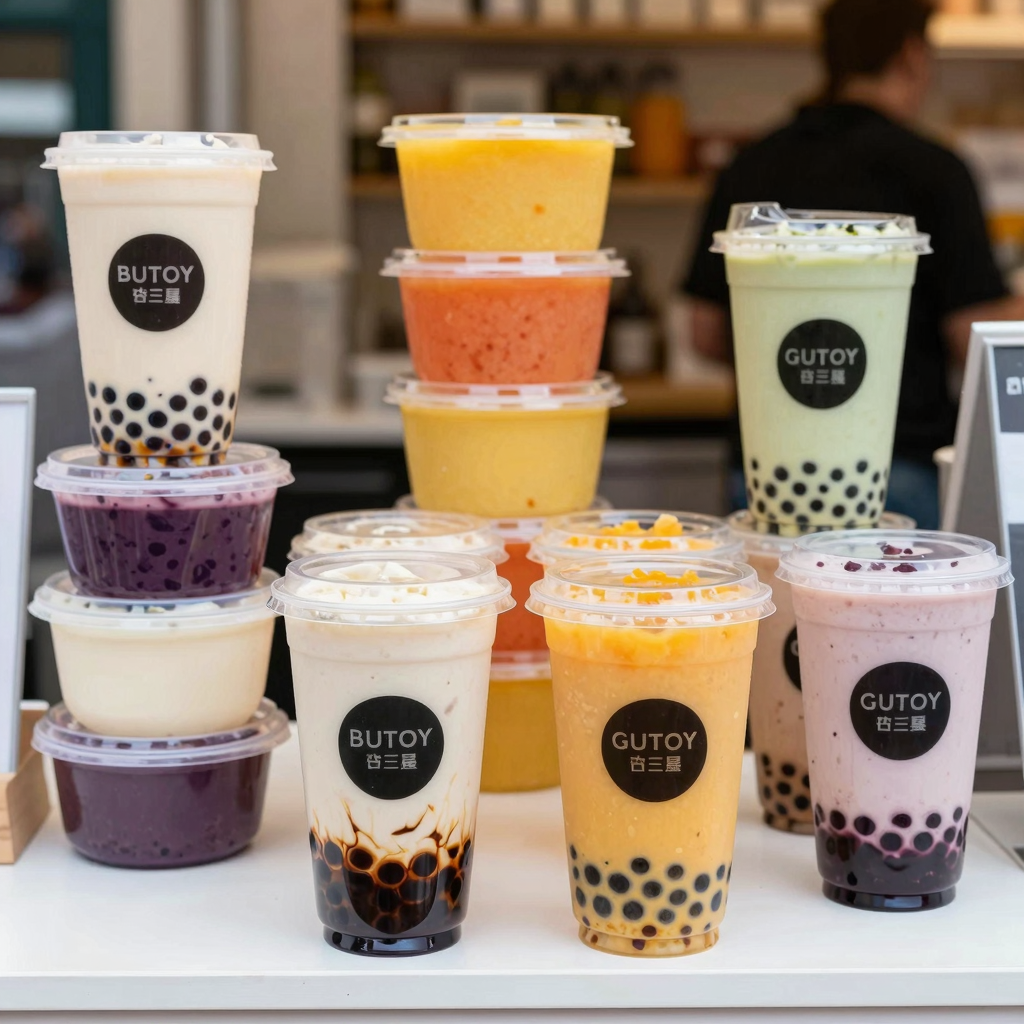
In the bustling food industry of Lannion, France, the role of plastic packaging food containers cannot be overstated. They serve as essential vessels for preserving the freshness and quality of a diverse array of culinary creations, from gourmet meals served at restaurants to delectable bubble tea concoctions prepared by vibrant beverage chains. These containers not only enhance the presentation of food but also provide convenience for food trucks, catering services, and event planners who require reliable packaging solutions for a variety of servings and occasions. Furthermore, with rising consumer demands for safety, sustainability, and practicality, plastic packaging food containers have become a necessity, ensuring that your meals reach customers in perfect condition. As a source of innovation in packaging, suppliers like GreenDispoPack understand the unique needs of this industry, offering tailored solutions that align with the standards of quality required by corporate procurement teams and small business owners alike. Learn more about our plastic container options!
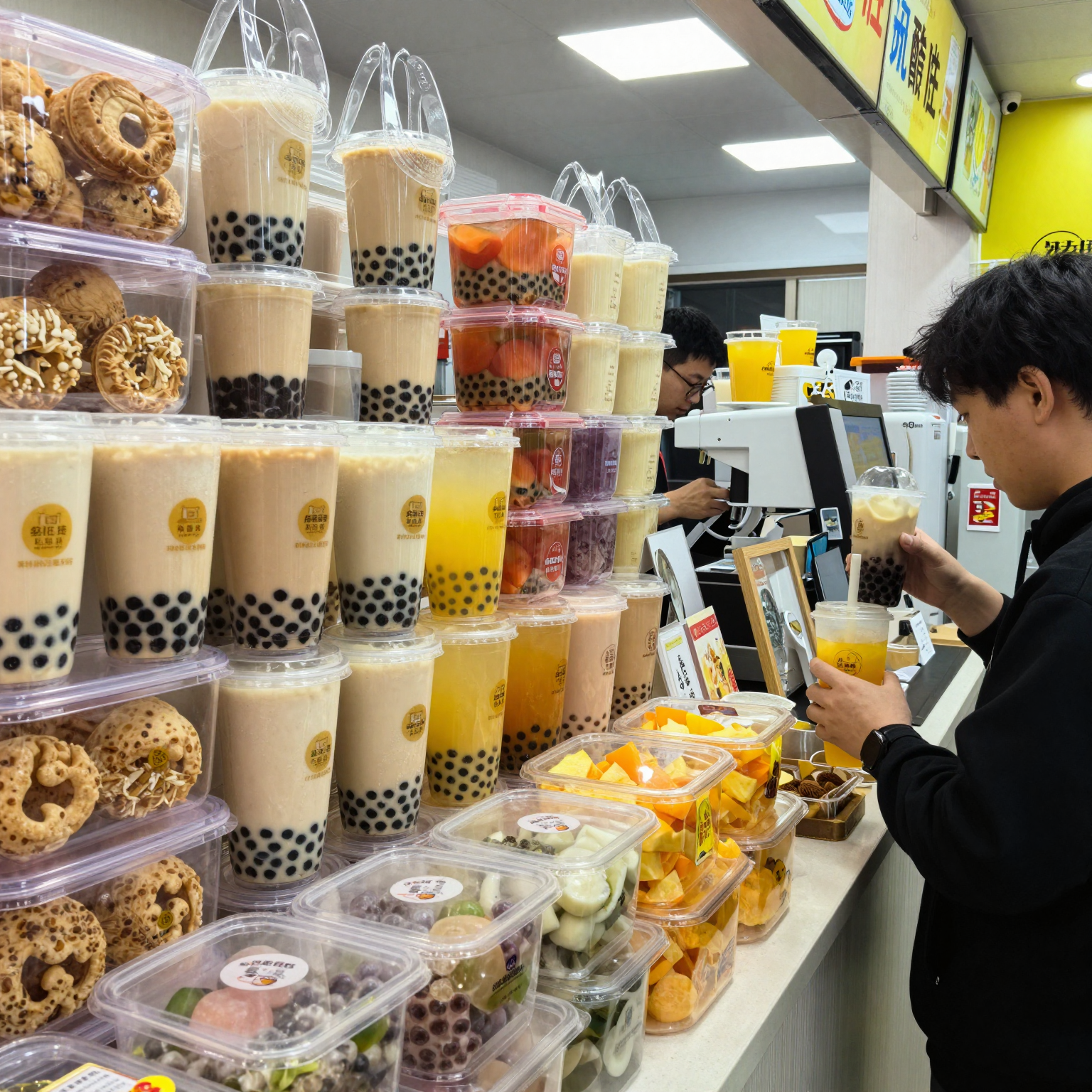
Benefits of Using Plastic Packaging Food Containers in Lannion, France
Plastic packaging food containers are becoming increasingly popular among businesses in Lannion, France, including bubble tea shops, restaurants, food trucks, and catering services. Here are some key benefits of using these containers:
-
Safety: Plastic containers are compliant with strict European safety standards (EFSA), ensuring they are safe for food contact. This reduces the risk of contamination and ensures food safety across various food service sectors.
-
Durability: Made from materials like polypropylene (PP) and polyethylene terephthalate (PET), plastic containers are highly durable. They resist temperature changes and physical stress, making them perfect for hot meals and takeout services. Additionally, they have a low breakage rate (under 2%), minimizing losses during handling.
-
Cost-effectiveness: Compared to alternatives like glass or metal, plastic containers are more affordable. A survey indicated that 75% of consumers recognize plastic as the cheaper option for food packaging, allowing businesses to manage costs effectively without sacrificing quality.
-
Lightweight: This attribute not only makes plastic packaging easy to transport but also contributes to lower fuel costs and reduced carbon emissions during distribution.
-
Recyclability: With ongoing local initiatives, a significant percentage of plastic packaging is being recycled, helping to mitigate environmental impact while maintaining economic efficiency.
Check out this article for more insights on the advantages of plastic packaging.
Eco-Friendly Practices in Packaging
In today’s world, the importance of eco-friendly practices in the disposable packaging industry cannot be overstated. As consumers become increasingly aware of their environmental footprint, businesses are faced with rising expectations to adopt sustainable packaging solutions. According to a recent report by McKinsey, sustainability is now a key driver in the packaging industry, with 49% of consumers willing to pay a premium for eco-friendly products. It’s evident that the demand for sustainable packaging is no longer optional but a must for companies aiming to maintain brand loyalty and meet regulatory requirements.
At Green Dispo Pack, we understand our role in fostering a sustainable future. We are committed to meeting environmental standards through innovative practices and the use of eco-friendly materials. Our products, such as compostable containers and recyclable wraps, are designed to minimize waste and promote a circular economy. The growing trend of using plant-based materials, as highlighted in research from The Sustainability Consortium, shows a strong consumer preference for packaging made from renewable resources.
Furthermore, our packaging solutions not only enhance your product’s presentation but also align with the values of your customers, particularly in industries such as food service and catering. By opting for sustainable packaging, businesses can significantly reduce their carbon footprint and contribute to a healthier planet.
In summary, integrating eco-friendly practices into your packaging strategy is not just good for the environment; it’s also essential for business longevity. Explore how our custom plastic forming machines and other products can support your commitment to sustainability. Together, we can create a greener, cleaner future.
Customer Satisfaction with Plastic Packaging Solutions
“Switching to Green Dispopack’s custom plastic packaging solutions has completely transformed our business! Their reliability and quality have not only improved our sustainability efforts but also enhanced our brand image. We’ve seen a significant drop in packaging costs while delivering eco-friendly solutions to our customers. Highly recommended!”
A Satisfied Customer
At Green Dispopack, we pride ourselves on providing top-notch plastic packaging solutions that cater to the needs of bubble tea shops, restaurants, food trucks, and more. Our clients appreciate our commitment to quality and sustainability, ensuring that they can offer great products to their customers while also contributing positively to the environment. Learn more about our eco-friendly products.
Comparison of Plastic Food Containers
Choosing the right plastic food container for your business can significantly impact food storage and presentation. Here’s a comparison of various types of plastic food containers available, including their sizes, features, and price points:
| Container Type | Size | Features | Price Range |
|---|---|---|---|
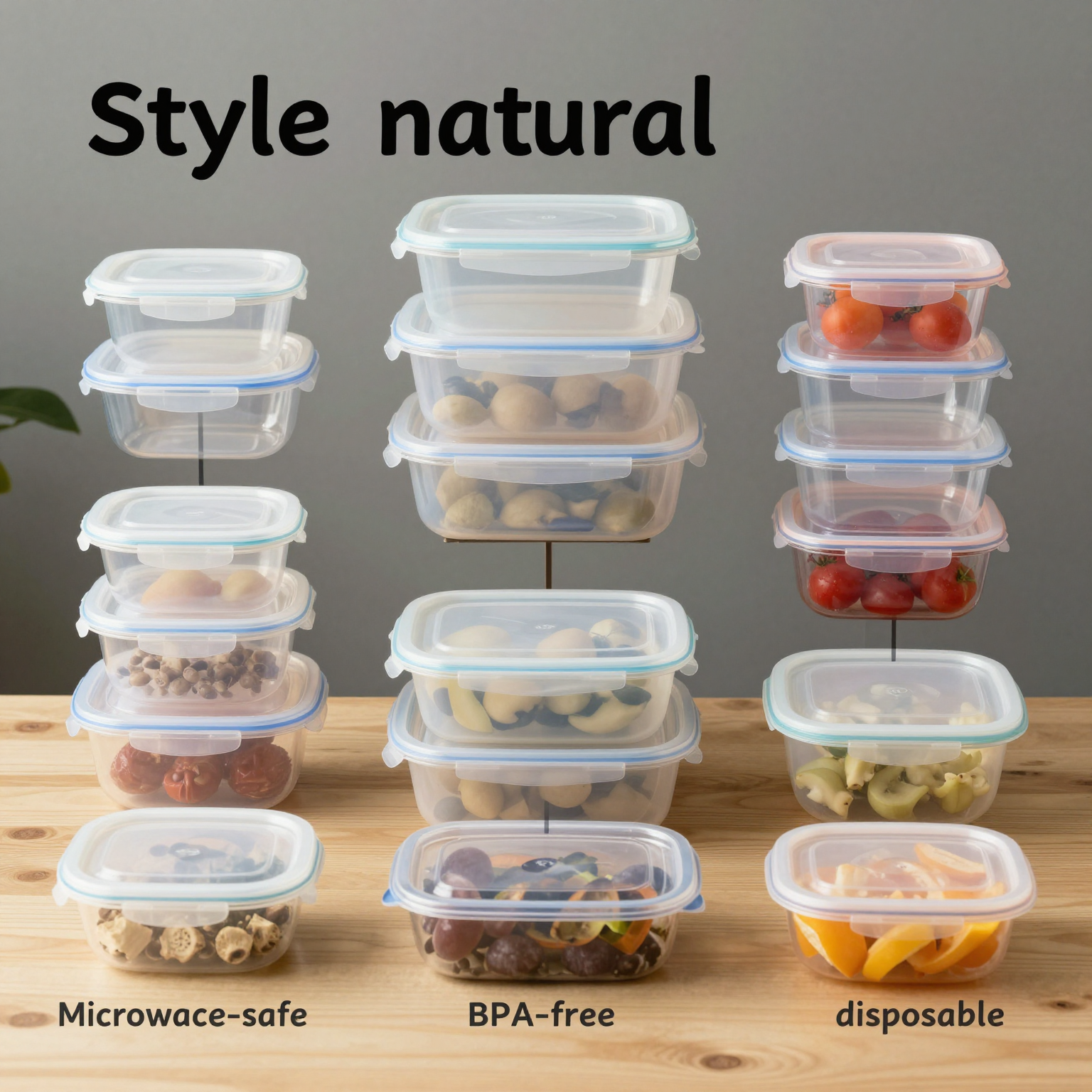
| Rectangular Container | 15 x 15 cm (for bento boxes) | Microwave-safe, stackable | $0.50 – $1.50 |
| Round Container | 20 cm diameter, 8 cm height | BPA-free, leak-proof | $0.70 – $1.70 |
| Clear Storage Container | 12-25 cm diameter, height 4-10 cm | Transparent, durable | $1.00 – $2.50 |
| Compartmented Container | 3 sections, 24 x 16 cm | Ideal for meal prepping | $1.20 – $2.80 |
| Disposable Hot Food Container | Various sizes (from 8 to 32 oz) | Lightweight, disposable | $0.30 – $1.00 |
Summary of Features
- Lightweight: Most plastic containers are easy to handle and transport.
- Durable: Designed for various uses, including hot and cold foods.
- Transparent: Allows for easy identification of contents.
For further insights on plastic food packaging options, you can learn more about plastic food containers or explore our range of eco-friendly food packaging solutions.
Conclusion: Partner with Us for Quality Disposable Tableware and Packaging Solutions
In today’s fast-paced food and beverage industry, the choice of disposable tableware and packaging is crucial for both aesthetics and functionality. As we’ve discussed, high-quality disposable products not only enhance customer experience but also contribute to operational efficiency for establishments such as bubble tea shops, restaurants, food trucks, and catering services. By collaborating with a reliable supplier like Green Dispopack, you can equip your business with superior packaging solutions that stand out.
The partnership with us means access to a wide range of dependable disposable items, including eco-friendly options that cater to the increasing demand for sustainable practices. Our commitment to quality ensures that your food and beverage service maintains the highest standards without compromising environmental values.
Embrace the opportunity to elevate your service and brand image while reducing costs through our strategic solutions. Don’t miss out on the benefits of having a trusted partner in your supply chain. Learn more about our disposable cup options and custom solutions tailored to your needs. Join us today and be part of a movement that prioritizes quality and sustainability. Together, we can make a difference!
Overview of Market Trends for Disposable Plastic Food Containers
The disposable plastic food containers market is experiencing significant growth, driven by rising consumer demand for convenience, food delivery services, and urbanization. As of 2023, this market is valued at approximately USD 15 billion and is expected to continue growing in the coming years.
Key Drivers:
- Convenience Foods: Increased demand for ready-to-eat meals and snacks.
- Food Delivery Services: The growth of online food order and delivery platforms.
- Urbanization: More urban dwellers rely on takeaway and delivery.
Common Materials Used:
- Polypropylene (PP): Known for its heat resistance, making it ideal for microwaveable containers.
- Polyethylene Terephthalate (PET): Offers clarity and durability, widely used in packaging.
Chart Displaying Market Trends
The chart below visualizes the projected market value of disposable plastic food containers from 2023 to 2030, highlighting the anticipated year-on-year growth and the adoption of sustainable materials in the market.
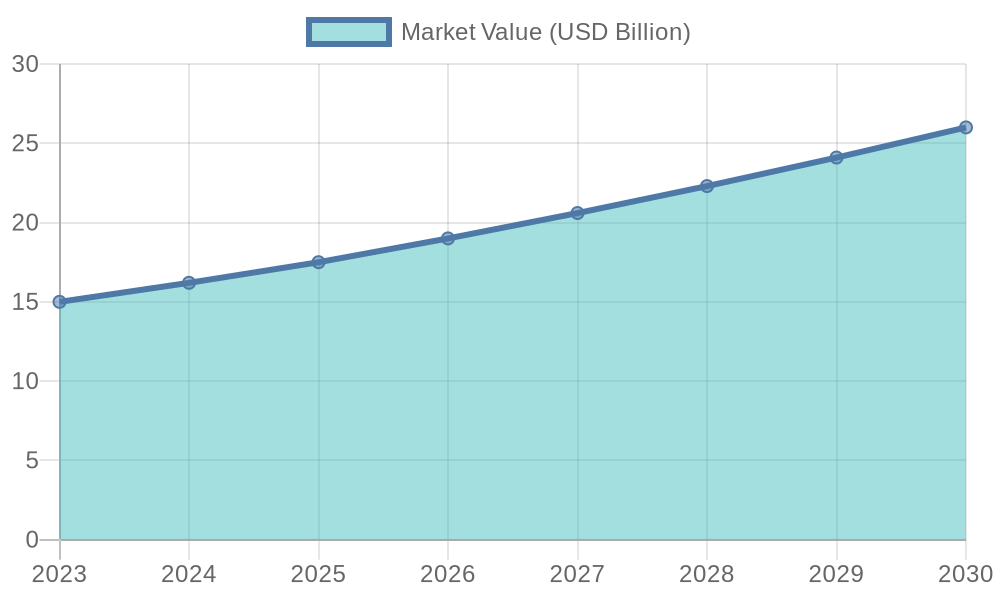
Figure: Market Value of Disposable Food Packaging Over the Years
| Year | Market Value (USD Billion) | Year-on-Year Growth (%) | Key Drivers | Common Materials | Sustainable Material Adoption |
|---|---|---|---|---|---|
| 2023 | 15.0 | – | Rising demand for convenience foods, food delivery expansion, urbanization | Polypropylene (PP), Polyethylene Terephthalate (PET) | Early-stage adoption of biodegradable plastics and recyclable PP/PET |
| 2024 | 16.2 | ~8.0% | Food delivery surge, urban lifestyle trends, e-commerce growth | PP, PET | Increased use of recycled PET (rPET) in packaging |
| 2025 | 17.5 | ~8.0% | Expansion of quick-service restaurants, digital food ordering platforms | PP, PET | Introduction of compostable PLA containers in premium markets |
| 2026 | 19.0 | ~8.6% | Global urban population growth, rising disposable incomes | PP, PET | Government mandates for recyclable packaging in EU & North America |
| 2027 | 20.6 | ~8.4% | Supply chain digitization, smart packaging integration | PP, PET | Widespread use of rPET in retail and fast-food chains |
| 2028 | 22.3 | ~8.3% | Regulatory pressure on single-use plastics, consumer preference shift | PP, PET | Launch of refillable container systems in major cities |
| 2029 | 24.1 | ~8.1% | Circular economy initiatives, corporate sustainability goals | PP, PET | Growth in bio-based plastics (e.g., sugarcane-derived PE) |
| 2030 | 26.0 | ~7.9% | Climate policies, global plastic treaties, green procurement standards | PP, PET | Full-scale deployment of reusable and returnable packaging systems |
For more information about specific packaging solutions, read our articles on custom plastic forming machines for disposable bowls or plastic packaging options in Bordeaux, France.
Safety Standards for Food Containers
Ensuring the safety of food packaging is of utmost importance for any food service business. When it comes to plastic packaging for food containers, compliance with safety standards not only protects consumers but also upholds the reputation of your brand. In Europe, plastic food containers must adhere to regulations such as the EU Framework Regulation (EC) No. 1935/2004, which sets out the general safety requirements for materials intended to come into contact with food. This includes ensuring that the materials are safe for use and do not transfer harmful substances to food.
Additionally, specific standards like FDA CFR Part 177 for food contact substances in the United States emphasize the necessity for rigorous testing and qualification. These regulations ensure that the packaging material is suitable for its intended use and does not allow for the migration of toxic chemicals into the food.
For example, plastic materials such as polyethylene (PE) and polypropylene (PP) are widely used due to their safety certifications and inert characteristics. To comply with these standards, rigorous testing is conducted to measure migration levels of substances, ensuring they fall below acceptable limits, thus providing confidence to businesses and consumers alike. Learn more about FDA food packaging compliance.
By choosing compliant food containers, businesses can demonstrate their commitment to food safety, enhance consumer trust, and avoid potential legal repercussions. The importance of compliance in food packaging safety cannot be understated, as it plays a crucial role in maintaining public health and protecting the integrity of the food supply chain.
User Adoption of Plastic Food Packaging in France
- Market Overview:
- The flexible plastic packaging market in France is expected to grow from 1.36 million tons in 2025 to 1.68 million tons by 2030, reflecting a compound annual growth rate (CAGR) of 4.37%. While detailed statistics for Lannion specifically are lacking, this growth indicates a strong trend nationwide.
- Despite the forecasted growth, the French government has increasingly implemented bans and regulations affecting the use of single-use plastics in favor of reusable alternatives.
- Recent Regulations:
- In 2023, France saw a significant implementation of its ‘Anti-Waste Law’ (AGEC), leading to a 40% reduction in plastic packaging for fresh produce. The law mandates a shift to reusable containers, with fast-food chains like McDonald’s adopting reusable plastic packaging in 90% of their restaurants by the end of the year.
- The market for single-use packaging has gone through a considerable decline, with a reported 12% drop in use, particularly in retail settings where plastic bags for fresh produce decreased by 35%.
- Consumer Behavior:
- A 2023 survey indicated that many consumers are aware of the environmental impacts of plastic packaging, influencing their purchasing decisions. There is a notable push towards sustainable options, with the reusable and recyclable packaging market expanding by 28%.
- Local businesses in Lannion are also adapting to these changes as they align with national goals to reduce plastic waste. For instance, the ban on plastic packaging for certain fruits and vegetables has challenged retailers to use more sustainable materials.
- Cultural and Economic Factors:
- France’s agricultural and culinary traditions have influenced how the shift away from single-use plastics is received. While many consumers express initial concerns about hygiene and convenience, the overall response has been positive towards reducing landfill waste.
- The push for reusables is not just regulatory but also reflects a growing consumer preference for eco-friendly options, indicating high adoption rates in urban centers like Lannion.
Conclusion
The transition away from plastic food packaging in France, including Lannion, suggests a broader shift towards sustainability. Although specific statistics for Lannion are not documented, the national trends provide a strong indication of how local businesses and consumers are embracing this change. For those involved in the food industry, from bubble tea shops to catering services, adapting to these evolving practices is vital for compliance and consumer satisfaction.
For further insights into plastic food containers, you can learn more about the differences between products. Additionally, check our analysis on custom plastic forming machines to understand more about the manufacturing side of this packaging trend.
The growing commitment to sustainability in packaging is not just beneficial for the environment but also crucial for maintaining a competitive edge in the food industry.