
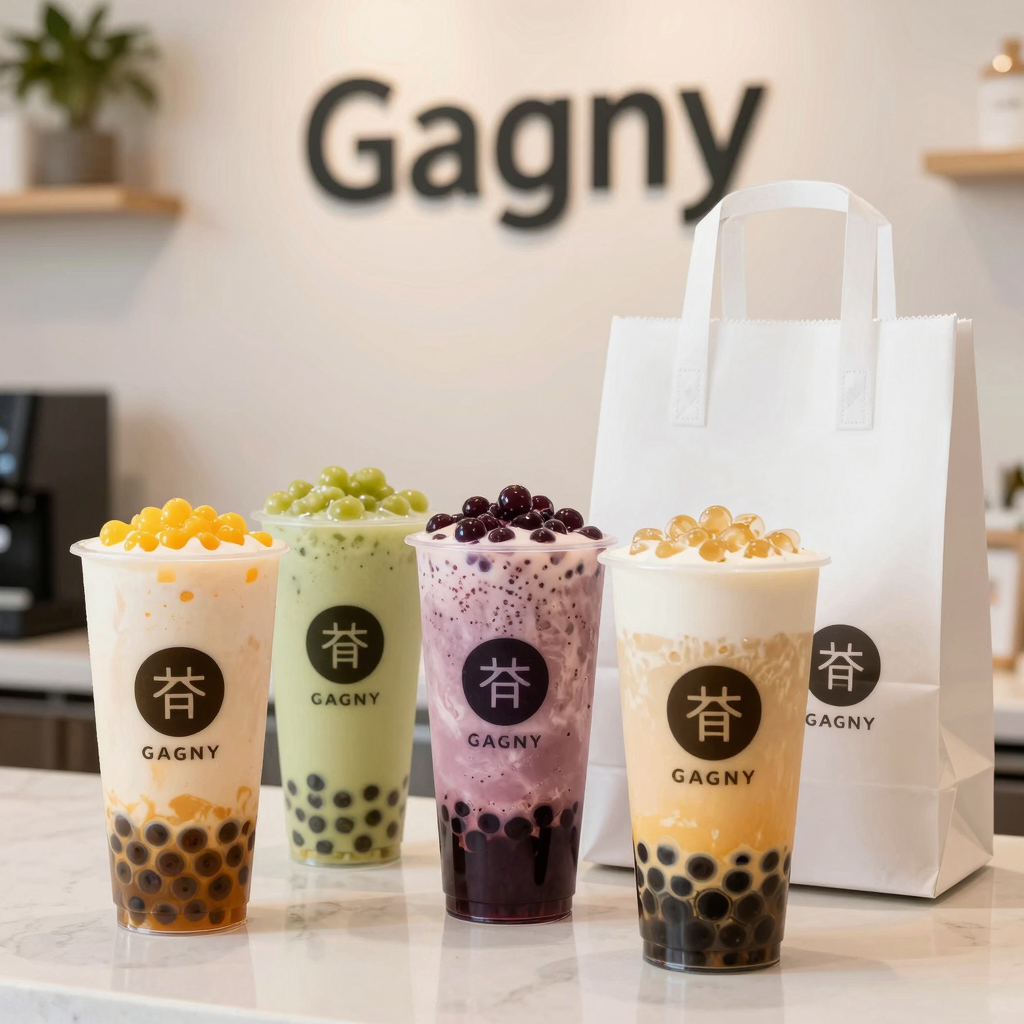
In today’s vibrant culinary landscape of Gagny, France, where bubble tea shops, restaurants, and catering services thrive, the role of quality packaging cannot be overstated. Packaging is more than just a protective cover; it’s an extension of a brand’s identity and significantly influences customer perception. In a city where diverse flavors and cultures fuse, having the right packaging can elevate the dining experience. Consumers are increasingly looking for an aesthetically pleasing presentation alongside convenience and sustainability. For bubble tea shops, innovative designs in plastic packaging can enhance the visual appeal of colorful drinks while ensuring they remain fresh and enjoyable. Meanwhile, restaurants are engaging diners by utilizing eco-friendly food containers that reflect their commitment to sustainability. Catering services must also consider the versatility of their packaging solutions to accommodate various events and menu items. As food service businesses navigate an ever-evolving market, embracing quality packaging is key to standing out. To explore tailored packaging solutions, check our offerings that cater specifically to your needs.
Benefits of Using Plastic Packaging Food Containers
Using plastic packaging food containers offers several advantages, especially for bubble tea shops and other foodservice businesses. Here are some key benefits:
- Safety: Plastic containers are designed to be food-safe and prevent contamination, ensuring the quality and safety of food and beverages.
- Durability: They are resistant to breakage, making them ideal for bustling environments like cafes and food trucks, where accidents are more likely to occur.
- Cost-Effectiveness: Plastic packaging is often cheaper than glass or metal alternatives, helping businesses save on packaging costs and increase profitability.
- Lightweight: Easy to transport, allowing for lower shipping costs and easier handling.
- Versatility: Available in various shapes and sizes, accommodating a wide range of food and beverage types.
- Eco-Friendliness: Many plastic containers are recyclable, contributing to sustainable practices within the food industry. Learn more about eco-friendly packaging.
Utilizing plastic food containers can enhance operational efficiency, ensuring your offerings remain fresh and appealing!
Comparative Table of Plastic Food Packaging Containers
Explore the various types of plastic containers used in food packaging, suitable for businesses in the food and beverage industry. Each type is compared based on material, capacity, applications, and eco-friendly options:
| Container Type | Material | Capacity Range (ml) | Common Applications | Eco-Friendly Options |
|---|---|---|---|---|
| Disposable Lunch Box / Meal Prep Container | PP (Polypropylene), PS (Polystyrene), PET | 200 – 1000 ml | Takeout meals, meal prep, hot food delivery | Recycled PP/PET; compostable alternatives using PLA |
| Plastic Food Container with Lid | PP (Polypropylene), PET | 300 – 1500 ml | Storage of leftovers, meal prep, refrigerated foods | Recycled PP; biodegradable lids from sugarcane or cornstarch |
| Modified Atmosphere Packaging (MAP) Containers | PE (Polyethylene), PET, PP, multilayer films | 100-2000 ml | Fresh produce, deli meats, ready-to-eat salads | Compostable MAP films using cellulose or PLA |
| Hot Food Delivery Container | PS (Polystyrene), PP (Polypropylene) | 400 – 1200 ml | Hot soups, curries, fried foods | Plant-based alternatives; recyclable PP |
| Reusable Plastic Food Container | HDPE (High-Density Polyethylene), PP | 500 – 2000 ml | Home storage, office lunches | Certified reusable; long-life design; can be recycled |
Note:
- Food-grade plastics commonly used include PP, PET, PS, HDPE, and others approved for direct food contact under international standards (e.g., FDA, EU EFSA).
- Eco-friendly options are picking up popularity due to regulations and consumer demand, including bioplastics like PLA and materials from renewable sources.
- Recyclability is significantly enhanced by using mono-material packaging for easier recycling processes.
For additional insights into the food packaging trends, check out our sustainable packaging guide.
Also, learn more about the differences between glass and plastic containers in our article on Glass vs. Plastic Food Containers.
Safety Standards for Plastic Food Packaging
When it comes to food packaging, particularly in the context of plastic food containers, safety is of paramount importance. Both the European Union and French regulations outline stringent standards that must be adhered to by manufacturers and suppliers. At the core of these safety measures is Regulation (EC) No 1935/2004, which establishes that food contact materials must not transfer harmful substances to food. Specifically, plastic materials are governed by Regulation (EU) No 10/2011, setting limits for migration levels of chemical substances into food. This regulation mandates that only authorized substances are used in plastic containers, with rigorous testing required to confirm that migration limits-referred to as Specific Migration Limits (SML) and Overall Migration Limits (OML)-are consistently met.
In France, the Directorate General for Competition, Consumer Affairs and Fraud Control (DGCCRF) enforces additional national regulations, including a unique set of material-specific migration limits under decree n°92-631. Ensuring compliance with these standards entails extensive testing, analysis of potential contaminants such as heavy metals, and thorough documentation to verify adherence to safety protocols. Recent updates have introduced specific restrictions on the use of substances like Bisphenol A (BPA) in food contact materials to mitigate risks to consumer health. Manufacturers are required to provide a Declaration of Conformity that confirms compliance with all relevant safety standards.
For businesses in the food sector, such as bubble tea shops and catering services, understanding and adhering to these safety standards is crucial not only for legal compliance but also for maintaining consumer trust. By prioritizing safety in food packaging, businesses can ensure that they are providing safe and high-quality products to their customers. For more insights into plastic food containers, you can learn more here.
As you consider sourcing food packaging, it’s essential to engage with suppliers who understand these regulations and can furnish the necessary certifications to ensure the safety and quality of your products.
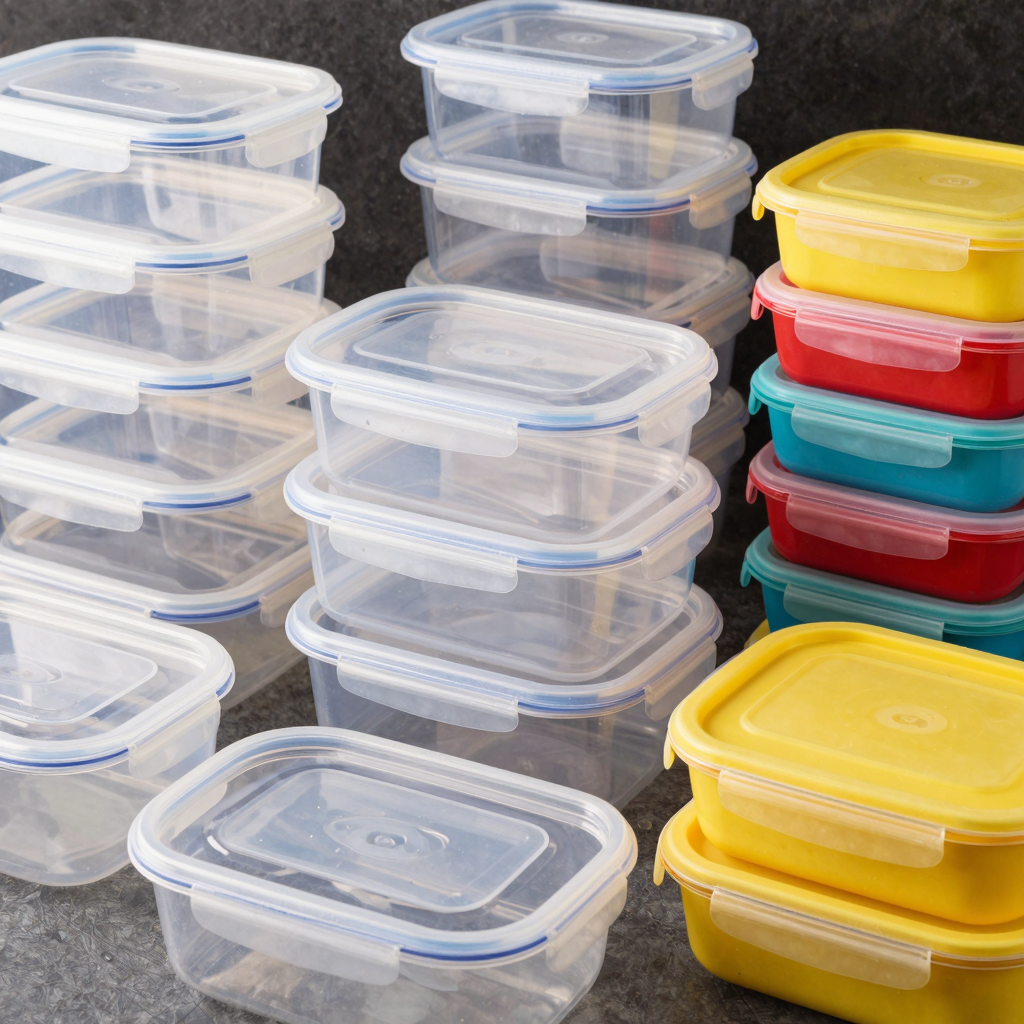
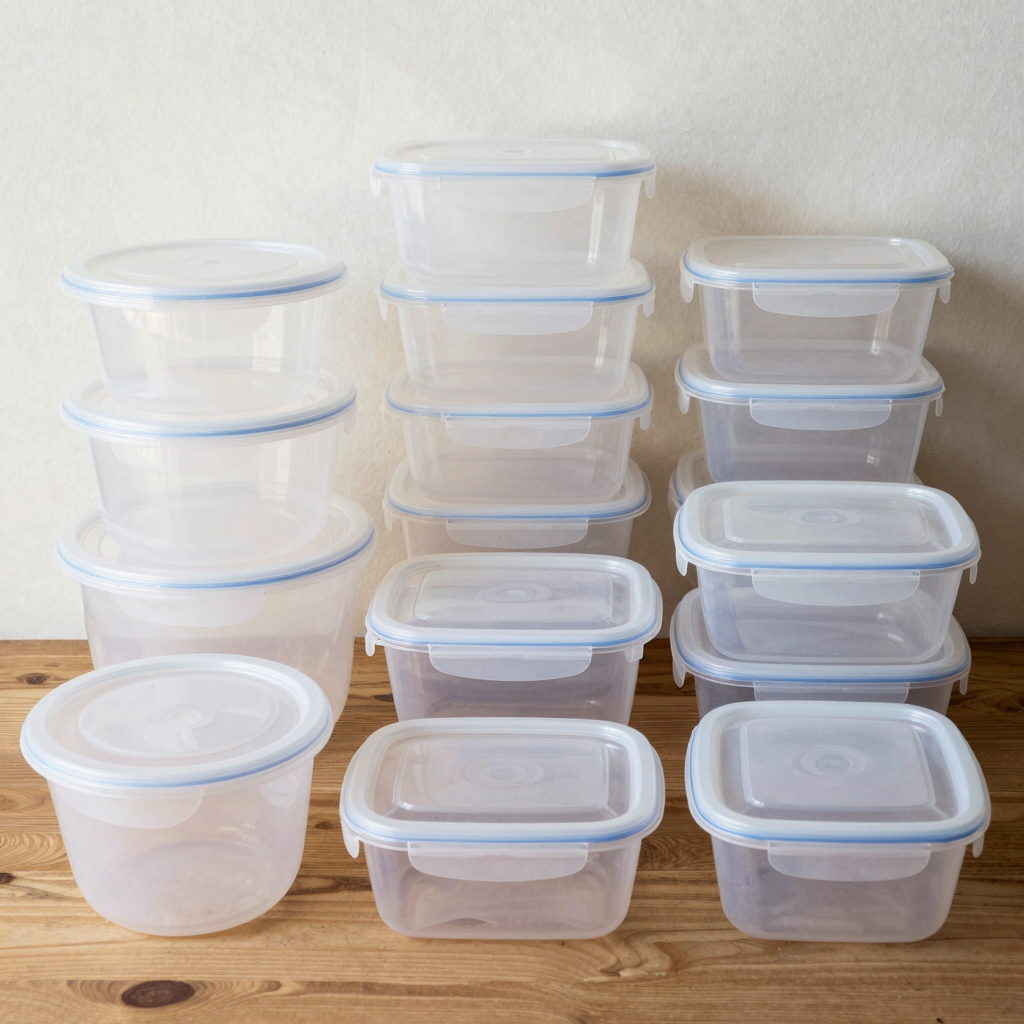
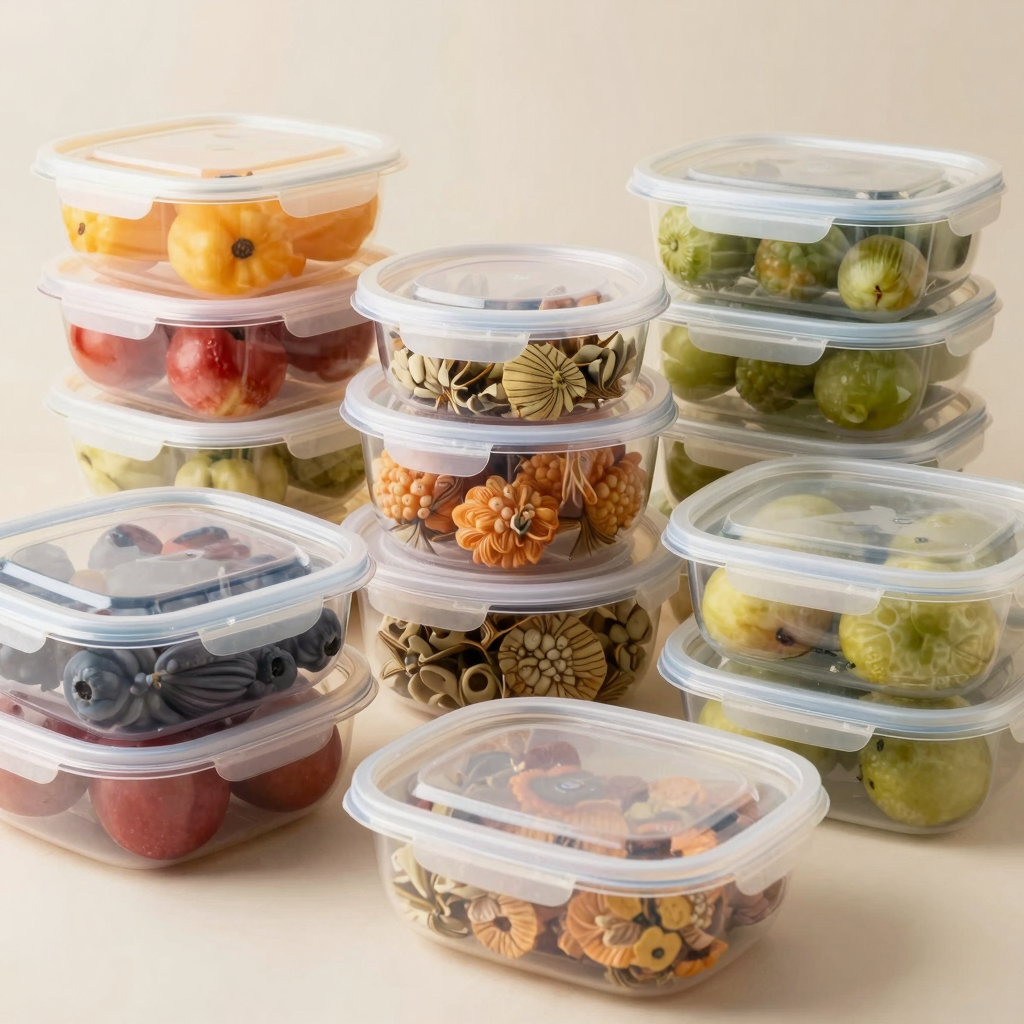
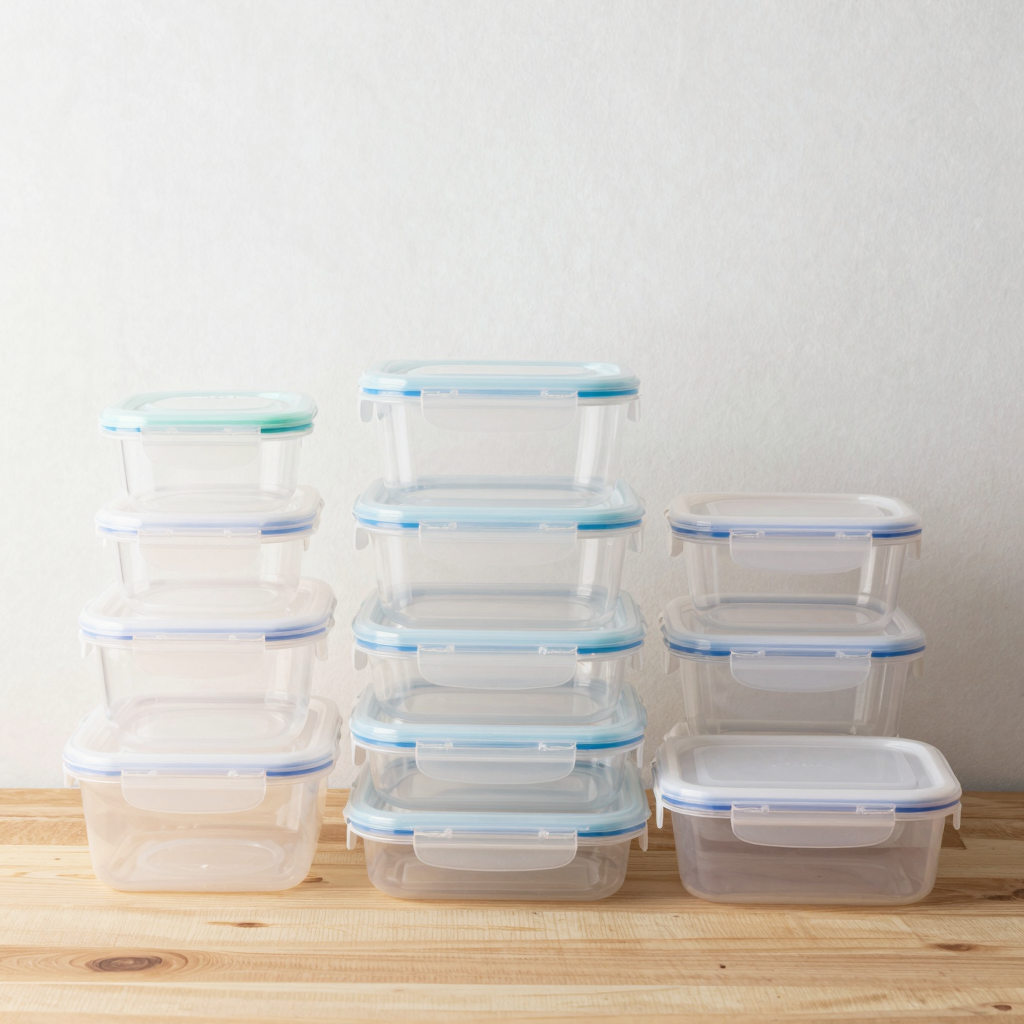
Here are several images showcasing different plastic food containers that are ideal for businesses:
Rise of Plastic Packaging Usage in France’s Food Industry
The use of plastic packaging within France’s food industry has undergone significant changes in recent years, particularly in 2023. A mixture of regulatory pressures and evolving consumer preferences regarding sustainability have played a crucial role in this trend.
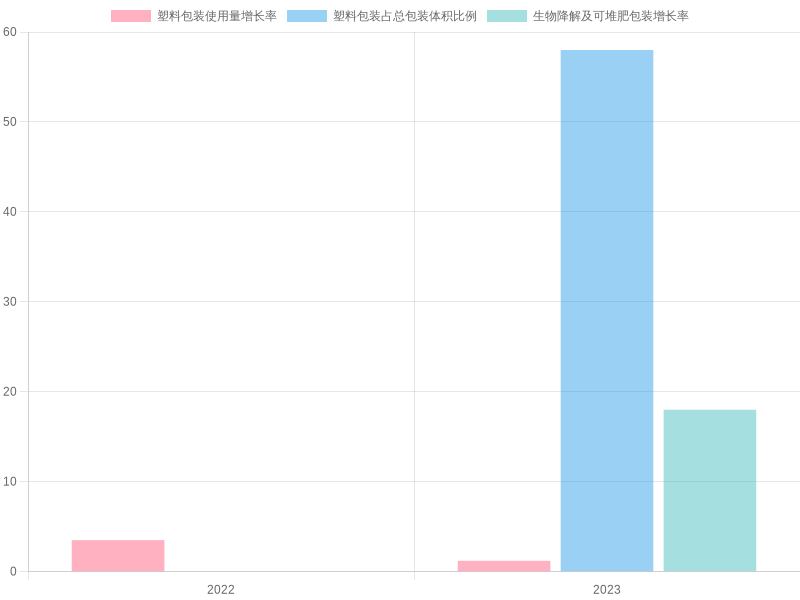
In 2023, the total plastic packaging market in France was valued at approximately €12 billion, demonstrating a compound annual growth rate (CAGR) of 2.21% projected until 2028. Despite a growing emphasis on sustainability, the plastic packaging sector accounted for 58% of total packaging volume, although growth has decelerated to 1.2% from previous years’ 3.5% increase. Factors such as increased demand for convenient food options have driven this steady demand for plastic materials, especially in sectors like quick-service restaurants and takeout services.
Notably, the government has enforced stricter regulations via the Loi AGEC (Anti-Waste for a Circular Economy Act), aiming to reduce single-use plastics. By 2023, the use of single-use plastic in food service outlets dropped by 35%, and reusable packaging saw a growth rate of 5.8% compared to earlier projections. Furthermore, 29% of food packaging now contains recycled materials, up from 22% in 2022.
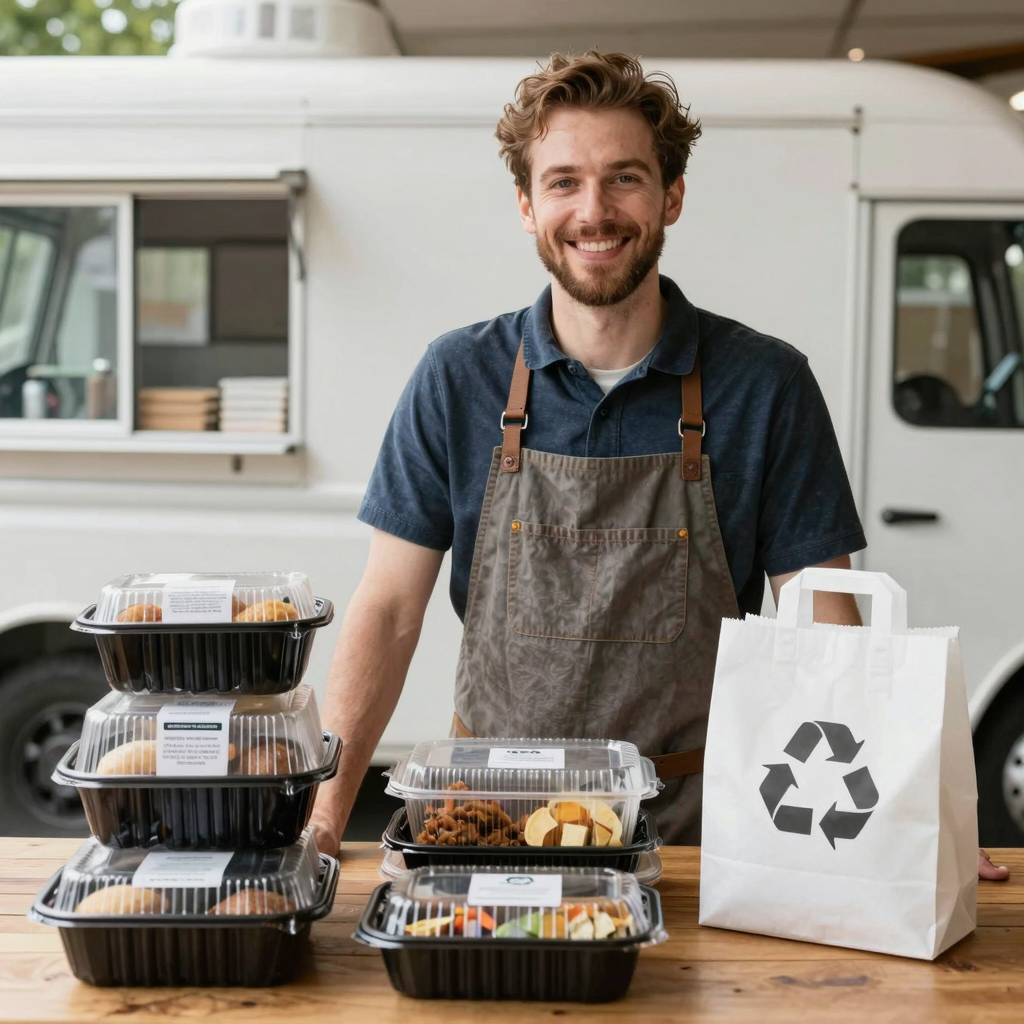
Key Takeaways:
- Plastic accounted for 58% of all packaging volume in France.
- 1.2% growth rate for plastic packaging in 2023, down from 3.5% in the previous year.
- 35% decrease in single-use plastic in food service since 2022.
- 29% of total food packaging now includes recycled content.
With the ongoing push for environmental responsibility, the packaging landscape in France is rapidly evolving, presenting challenges and opportunities for beverage chains and food service providers. For more insights into sustainable packaging solutions, explore our resources here.
Chart Representation of Plastic Packaging Growth
Commitment to Eco-Friendly Practices in Production
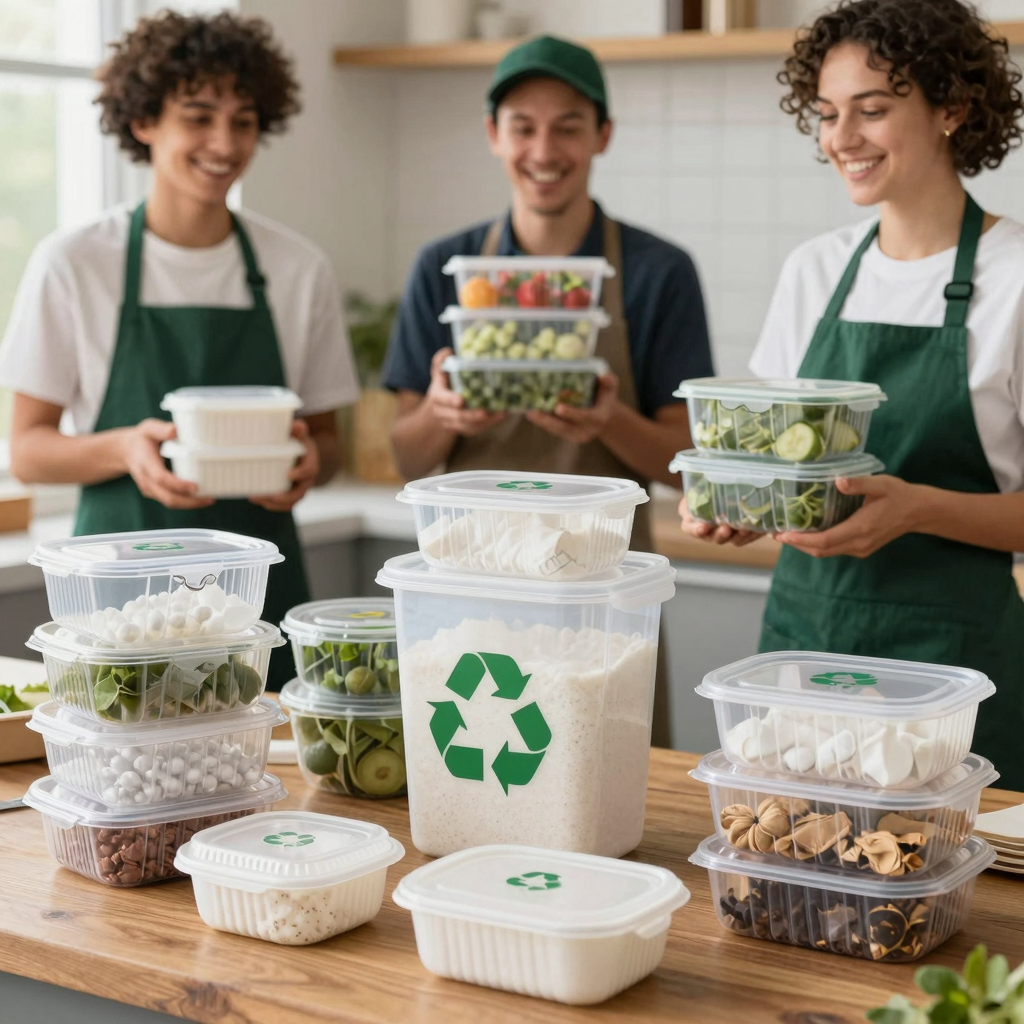
At Green Dispo Pack, we recognize our responsibility to ensure that our business practices align with environmental sustainability. As a manufacturer of plastic food containers, we are committed to implementing eco-friendly practices that minimize our carbon footprint and promote a circular economy. Here are some key ways we contribute to a more sustainable future:
Recycling Initiatives
In recent years, there has been a significant push towards incorporating recycled materials into plastic production. In 2023, the global packaging industry saw over 40% of new plastic packaging using post-consumer recycled content, a notable increase from previous years. This shift is largely driven by strict regulations and growing consumer awareness about plastic waste.
Our production processes leverage recycled PET (rPET), which not only helps reduce the demand for virgin plastics but also lowers greenhouse gas emissions associated with production. By utilizing rPET, we contribute to the recycling economy, ensuring that plastic materials are reused rather than ending up in landfills. Brands, including major players like Unilever and Nestlé, have launched closed-loop programs to promote the recycling of packaging, setting an industry standard that we proudly follow.
Use of Sustainable Materials
We also focus on using sustainable materials in our products. Innovations in biodegradable plastics, such as polylactic acid (PLA) and cellulose-based films, are making their way into our product lines. These materials are designed to decompose more quickly than traditional plastics, reducing their environmental impact significantly. Furthermore, our designs adhere to design-for-recycling principles, making it easier to disassemble packaging for recycling.
Environmentally Conscious Production Practices
To minimize waste during production, we implement advanced sorting technologies and AI-driven logistics to optimize our processes. By designing products with mono-material structures, we enhance recyclability and improve overall production efficiency. This is not just about cutting costs, but rather about adopting a holistic approach to sustainability that includes our entire supply chain.
Community and Industry Engagement
Our commitment extends beyond our production line. We actively participate in partnerships and initiatives aimed at improving recycling infrastructure. For example, through collaborations with organizations like the U.S. Plastics Pact, we aim to raise awareness and improve collection rates in local communities. Despite the challenges-including only 9% of all plastic produced being recycled-our continuous efforts are directed toward a greener future for all.
Our eco-friendly practices not only serve to protect the environment but also align with the values of our customers in the food service industry. By offering innovative, sustainable plastic packaging solutions, we help businesses transition to greener practices while reducing their environmental footprint.
Market Trends for Disposable Packaging
The disposable packaging industry, particularly in the food services sector in France, has shown substantial growth over the past five years. Here’s an overview of the market trends and drivers:
- Growth in Revenue: The market for disposable packaging in food services experienced a notable increase in revenue, reaching approximately 2.22 billion euros in 2024.
- Shift Towards Sustainability: There’s a growing consumer demand for eco-friendly and biodegradable materials. This shift is significantly impacting purchasing decisions amongst food service providers.
- Rise of Food Delivery Services: The pandemic accelerated the demand for take-out and delivery services, leading businesses to adopt more disposable packaging options.
- Regulatory Changes: Stricter EU regulations have prompted many companies to seek biodegradable and compliant materials.
Revenue Growth Chart
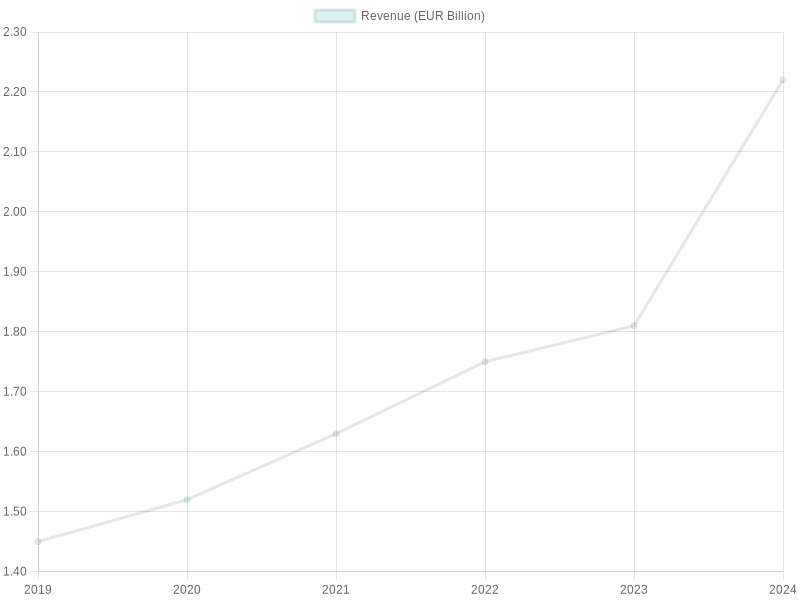
| Year | Revenue (EUR Billion) | Key Market Trends & Drivers |
|---|---|---|
| 2019 | ~1.45 | Early adoption of eco-friendly materials; modest growth in delivery services; initial EU packaging regulations beginning to influence industry practices. |
| 2020 | ~1.52 | Surge in demand due to pandemic-driven shift to take-out and home delivery; increased focus on hygiene and safety in packaging. |
| 2021 | ~1.63 | Continued rise in food delivery platforms (e.g., Uber Eats, Deliveroo); growing consumer preference for sustainable options; EU Single-Use Plastics Directive enforcement intensified. |
| 2022 | ~1.75 | Expansion of biodegradable and compostable packaging solutions; major food service chains adopting plant-based alternatives; regulatory pressure from EU Green Deal. |
| 2023 | ~1.81 | Strong market growth driven by digitalization of food services; increasing investment in sustainable packaging innovation; compliance with Extended Producer Responsibility (EPR) schemes. |
| 2024 | ~2.22 | Record revenue driven by sustained demand for take-out and delivery; rapid adoption of certified compostable packaging; stricter enforcement of EU packaging waste laws; alignment with France’s national anti-plastic strategy. |
For more insights into packaging options, you can learn more about 16 oz clear plastic cups or explore custom plastic forming machines for disposable bowls.
Customer Testimonials Highlighting Satisfaction
“We switched to Green Dispo Pack for our plastic food containers about six months ago, and we couldn’t be happier! Not only are the containers top-notch in quality, but the service is impeccable. Our customers frequently comment on the freshness and presentation of our beverages, attributing it to the superior packaging. The team’s responsiveness and commitment to eco-friendly practices align perfectly with our brand values. We have noticed improved customer retention and sales since making the switch!”
– Marie Dupont, Owner of La Bulle, a popular bubble tea shop in Gagny
This feedback from our clients emphasizes the importance of high-quality, reliable packaging solutions in the food business. Restaurants and beverage providers in Gagny can enhance their customer experience and satisfaction by choosing products from Green Dispo Pack. It’s essential for businesses focusing on aesthetics and reliability, as demonstrated by Marie’s experience.
The right packaging plays a key role in maintaining product integrity while also contributing to a brand’s image. If you’re interested in exploring more about effective food storage options, check out our article on custom plastic forming machines for disposable bowls.
By implementing quality packaging solutions, you’ll not only protect your food products but also elevate your overall brand perception.
Conclusion
In conclusion, the significance of selecting reliable disposable tableware and packaging solutions cannot be overstated, especially for professionals in the food and beverage industry, including bubble tea shops, restaurants, and event planners. Key advantages of utilizing high-quality, eco-friendly products include:
- Enhanced Safety: Reliable tableware helps ensure food safety and minimizes contamination, which is essential in maintaining customer trust.
- Sustainability: There is a growing demand for biodegradable and compostable materials. Packaging that is eco-friendly not only appeals to environmentally conscious consumers but also complies with increasing regulatory pressures across the globe. Recent trends have shown that companies investing in sustainable practices are seeing better engagement from their clientele.
- Cost-Efficiency: Although the initial investment might seem higher, quality packaging can lead to reduced waste and long-term savings by preserving food freshness, as highlighted in recent market trends.
Embracing these solutions not only underscores your commitment to sustainability but also positions your brand as a forward-thinking leader in the industry. Don’t compromise on quality when it comes to disposable tableware and packaging.
Call to Action
Ready to elevate your service with top-tier disposable tableware? Visit greendispopack.com to explore a wide range of eco-friendly packaging solutions tailored for your business needs. Join the movement towards a more sustainable future!