
As the culinary scene flourishes in Dijon, the demand for efficient and sustainable plastic packaging food containers is ever-growing. This article delves into the regulatory environment shaping packaging choices, the materials employed in food packaging, the ongoing trends towards sustainability, and the shifting market dynamics that affect availability and pricing. Understanding these elements is essential for bubble tea shops, restaurants, food trucks, catering services, event planners, and corporate teams as they seek to provide quality and environmentally responsible service to their customers. By doing so, businesses can better align with consumer preferences and regulatory standards, ensuring a successful operation in an increasingly eco-conscious market.
Where Regulation Meets Convenience: How EU and French Rules Shape Plastic Food Packaging in Dijon
Dijon sits at the crossroads of history, gastronomy, and policy, a city whose associations with mustard and fine dining travel far beyond its riverfront streets. Yet behind the quiche and the trattier-like aroma of markets, there lies a contemporary drama: how EU directives and French environmental law reshape the humble plastic packaging that surrounds the foods people in Dijon buy, eat, or take away. This is a chapter about constraints and choices, about how a city known for its culinary heritage negotiates the tension between convenience and responsibility, between the need to keep food safe and the obligation to reduce waste and microplastic exposure. The story is not just about material science or regulatory texts; it is about how regulations translate into everyday packaging decisions in supermarkets, cafés, and street-food stalls that feed both residents and visitors. At its core, the regulatory environment is a system of guardrails that push manufacturers, retailers, and consumers toward more sustainable options while preserving safety, shelf life, and the functional performance that modern food service depends on. The European Union has long aimed to curb plastic pollution and to foster a circular economy, and France, as a federal member in legal terms and as a culturally anchored nation in terms of consumer expectations, implements those ambitions with a national focus. In Dijon, as in France more broadly, the material choices for plastic food containers—whether for ready meals, bakery items, or prepackaged fresh foods in the city’s hypermarkets—reflect a careful balance between regulatory compliance and market demand for high performance packaging. The EU’s approach to plastics intended for food contact, and France’s reinforcing measures, create a layered regime in which safety, environmental impact, and economic feasibility converge. A practical consequence is that manufacturers must prove that plastics used for food contact do not transfer substances to food in quantities that could endanger health. Regulation 10/2011 sets the minimum standard, demanding that any material coming into contact with food has undergone risk assessment and that non-intentionally added substances, or NIAS, are considered. Here the issue of microplastics becomes not just an environmental concern but a regulatory one: policymakers insist that if microplastics could migrate from packaging into food, the safeguards must be explicit and measurable. In Dijon’s markets and eateries, that translates into packaging that can perform under refrigeration, withstand freezing, and tolerate microwave heating when appropriate, without compromising safety or leaching. The material choices—polypropylene (PP), polyethylene (PE), and, in some instances, the polyesters used in PET bottles or trays—offer a mix of barrier properties, clarity, and temperature tolerance. But sustainability policy has begun to tilt the field toward recycled content and recyclability, nudging producers away from single-use norms toward longer-lasting or reusable solutions. The French Environmental Code and the AGE C Law for Circular Economy, enacted in 2020 and continuously refined, exemplify this push. They impose strict limitations on single-use plastics and require producers to bear the cost, through Extended Producer Responsibility (EPR), for the collection and recycling of packaging waste. In practical terms, this means that containers sold in Dijon are increasingly expected to carry signals of recyclability and to be manufactured with recycled content where feasible. The 2020 law created a framework that accelerates the transition from linear models of consumption to circular ones. By 2025, the law reinforces beverage container mandates that a minimum portion of recycled content must be used, and the trajectory is clear toward even higher percentages in the coming years. The combination of EU directives and French policy has consequences not only for the materials themselves but also for labeling, testing, and end-of-life management. Producers must design for recyclability, ensure that recycling streams are accessible to the public, and disclose the compatibility of their packaging with the local municipal waste system. In Dijon, this often means that packaging is tested for its mechanical performance under a range of conditions—heat, cold, humidity, and abrasion—so that even when the product is stored in a consumer’s refrigerator or a café display, the container remains intact and safe. The European context also introduces a broader regulatory conversation about microplastics in the food chain. EFSA’s ongoing evaluation of microplastic risks influences future limits on migration from packaging into foods. Although the current framework does not set universal microplastic thresholds for all plastics, it does create an environment of heightened vigilance. The practical upshot for Dijon-based players is to anticipate stricter migration controls and to prepare for changes in allowed substances, including NIAS, which may vary with resin type and processing conditions. The German Packaging Act, widely watched across Europe, is often cited as a benchmark for policies intended to boost recycled content and improve the post-consumer life cycle of packaging. While Dijon is governed by French law within the EU framework, this cross-border benchmarking matters because it signals to manufacturers where the market is heading: toward materials that can deliver both performance and higher recycled content, with clear end-of-life pathways. The regulatory landscape also forces attention to the design stage of packaging. If a product is destined for the French market, the design team must consider not just the functional properties of the material but also how the packaging will be handled by consumers and transformed by waste management systems. The need for recyclability drives choices in polymer types and geometry; the push for recycled content encourages feedstocks that may alter mechanical properties and heat resistance. In practice, this means Dijon’s food packagers often operate at the intersection of material science and logistics. They must source resins that meet safety standards while offering reliable barrier properties, work with suppliers who can guarantee recycled content, and align with national recycling streams that vary by region. For retailers and small businesses in Dijon, this translates into a preference for packaging options that are clearly recyclable, preferably with a high post-consumer recycled content, and that have transparent labeling so consumers understand the disposal pathway. The public policy environment is not merely a set of restrictions; it is a framework that nudges the market toward solutions that minimize environmental footprint while preserving consumer confidence. In Dijon, the consumer’s expectation that food remains fresh and safe is harmonized with an increasing demand for packaging that is easier to recycle, or that is compostable where municipal infrastructure allows. This is where the dialogue between policy and practice becomes most tangible. It is not enough to say that a container is safe for food contact; it must also be possible for the everyday consumer to place that container into the appropriate recycling stream. The result in Dijon is a marketplace that values materials with robust safety records and clear, practical end-of-life routes. Some businesses experiment with bio-based or biodegradable options where feasible, balancing compostability with the realities of local waste infrastructure. Others pursue recyclability and traceability, ensuring that their packaging can be captured in the municipal recycling stream and fed back into the production cycle. Ultimately this regulatory environment wields its influence through what firms choose to source, how they label their products, and how they communicate to customers about disposal. In Dijon’s cosmopolitan markets, this conversation often emerges in the way packaging is presented at the point of sale. The label may advertise that the container is recyclable or that it contains a certain percentage of recycled content. The message to consumers is consistent with EU and French policy: packaging should not just protect the product; it should be part of a system that reduces waste, facilitates recycling, and, as research evolves, minimizes microplastic risk. The practical implications for procurement are also noteworthy. Buyers in Dijon increasingly rely on supplier platforms and networks that can deliver packaging with reliable recyclability credentials and verifiable recycled content. The supply chain must be more transparent about sourcing and life cycle effects than in the past, and buyers expect documentation that substantiates compliance with the EU’s food-contact safety rules as well as French waste standards. Within this landscape, there remains a wide range of options for the everyday food business. While single-use plastic containers still play a crucial role in fast service and take-out contexts, the regulatory push and market demand are tilting toward more sustainable choices. The transition is gradual and context-dependent, shaped by the type of food, the temperature range required, the storage duration, and the available municipal recycling or composting infrastructure in Dijon. The city’s retail environment, its street markets, and its hospitality sector illustrate how regulatory expectations translate into practical packaging choices. For example, pizza slices, pastries, and ready-to-eat salads in Dijon often move through channels that seek packaging with clear end-of-life instructions and, ideally, compatibility with local recycling programs. Where plastic remains a practical necessity, mandating agencies and producers are likely to favor resins that enable higher recycled content, better barrier properties, and safer migration limits. This dynamic invites a broader reflection on what it means to serve a population with a strong culinary identity while aligning with European and national environmental goals. The dialogue is ongoing, and Dijon’s packaging ecosystem serves as a case study in how governance, industry, and consumer behavior intersect in a place renowned for its cuisine. It is a reminder that regulations are not abstract edicts but living guidelines that shape every packaging decision—from the choice of resin to the design of a take-out box, to the label that guides a consumer toward the correct recycling bin. In this sense, the regulatory environment becomes part of the flavor profile of Dijon’s modern food culture: a subtle but persistent note about responsibility, traceability, and the shared future of how we store and savor our meals. For readers seeking deeper regulatory context, official EU resources provide the foundational framework that underpins these developments. External details can be found at the European Commission’s plastics and food-contact materials pages, which outline how rules translate into standards for safety, migration limits, and compliance testing. EU plastics in food contact regulations.
Internal link to related packaging options: some Dijon operators are moving toward more sustainable, recyclable packaging options that align with these policies. For instance, packaging designed for take-out meals in Dijon increasingly leverages recyclable materials like kraft paper bowls. See a representative example of such options here: disposable kraft paper take-out bowls.
End of chapter note: the regulatory environment in Dijon embodies a broader European push toward safer, more sustainable packaging, while leaving room for practical innovation and localized adaptation. The next chapter will explore how manufacturers balance these rules with the demand for convenience and affordability in a market that prizes both tradition and modern efficiency.
From Clarity to Compliance: The Materials Shaping Dijon’s Plastic Food Packaging
In Dijon, a city famed for its gastronomic identity and a surrounding landscape of thriving markets and eateries, the packaging that carries food from counter to consumer is more than a practical wrapper. It is a material choice that reflects regulatory rigor, environmental aspirations, and the daily economics of running kitchens, delis, and take-out operations. While there is no city-specific, publicly available dossier on Dijon’s plastics, the material landscape can be read through the lens of European and French standards that govern what may touch food, how it can be disposed of, and what ends up in recycling streams. The result is a tableau in which clarity, reliability, and safety trump novelty, yet sustainability considerations are pulling the choices toward materials and designs that can be reabsorbed into the circular economy. In this sense, the Dijon experience mirrors a broader European pattern: plastic packaging remains central for its light weight, barrier performance, and versatility, even as stakeholders push for higher recyclability and lower environmental impact.
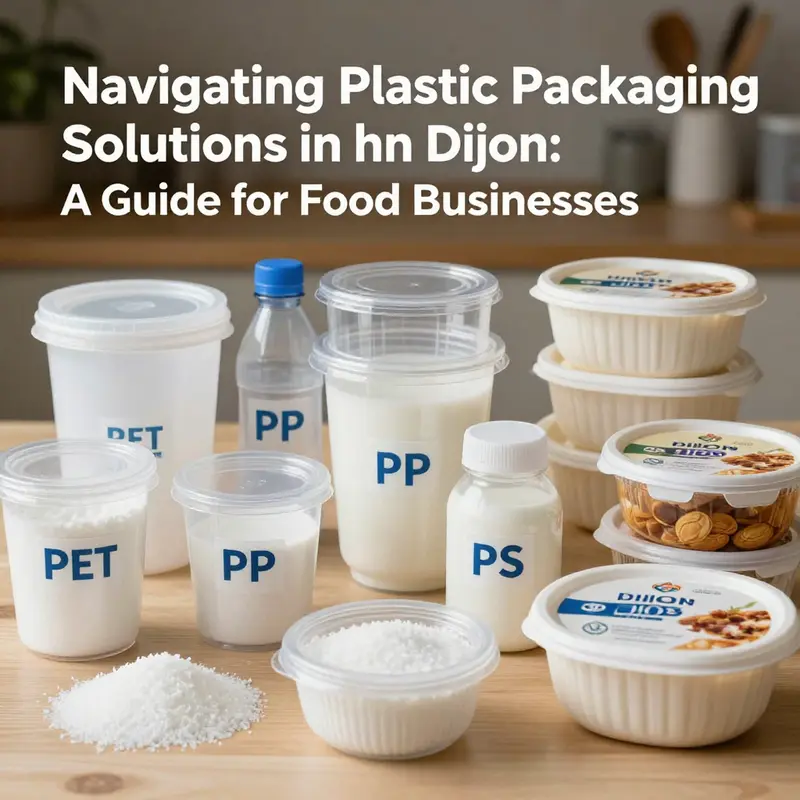
At the core of most plastic food containers used in Dijon are materials that have long been in the regulatory spotlight. The primary workhorses are polyethylene terephthalate, commonly known as PETE or PET, high-density polyethylene, and polypropylene. Each of these polymers brings a different set of advantages for food contact applications, and each is selected to align with safety rules that ensure packing materials do not migrate hazardous substances into food and that the packaging can be properly disposed of or recycled after use. The choice among PETE, HDPE, and PP is rarely arbitrary; it is a careful balance of performance requirements, the nature of the food, the intended storage or heating method, and the end-of-life pathway the user or retailer envisions.
PETE, or polyethylene terephthalate, is often the first name that comes to mind when one thinks of transparent, rigid packaging. In Dijon, as in many European markets, PETE is frequently used for clamshell containers and other clear, rigid housings that hold ready-to-eat meals, salads, and hot-off-the-press baked goods. The appeal of PETE lies in its combination of strength, shatter resistance, and optical clarity. The clear wall of a clamshell, for instance, allows a consumer to assess the freshness of a product without removing it from the package, an advantage in a busy Dijon supermarket or a café display. Moreover, PETE offers strong barrier properties against gases and moisture, helping to slow the degradation of food and extending shelf life. This barrier performance is not merely a technical nicety; it translates into reduced food waste and more stable supply chains, which—within a city that values fresh local products and prepared foods—matters to both vendors and customers.
PP, or polypropylene, commands a different kind of respect in Dijon’s kitchens. Known for higher heat resistance and toughness, PP is commonly employed in microwave-safe and oven-safe containers. In households and commercial kitchens alike, PP offers reliable performance for storing and reheating meals, from quick lunches to take-away dinners. The material’s resilience under temperature fluctuations makes it a natural fit for containers intended to bridge cold storage, reheating, and serving. For Dijon’s culinary culture—where portions, presentation, and aroma contribute to a dining experience—PP provides a predictable, dependable container that can withstand the transitions from fridge to microwave to table. The relatively lower weight of PP compared with glass or metal also aligns with the logistics of retail and food service, where transport efficiency and fuel costs matter as much as the packaging’s outward appearance.
HDPE, the third member of the trio, is valued for durability and chemical resistance. In Dijon’s packaging ecosystem, HDPE tends to appear in containers and jugs that require robust performance in handling and storage, including some bulk or industrial applications. It is less common for direct food-contact consumer containers that demand high transparency and a degree of rigidity, because HDPE’s opacity can obscure product visibility. Nevertheless, its role in longer-lived or bulk packaging—where durability is critical—remains essential, especially for items that may be stored outside of controlled display environments or used in wholesale and food-service supply chains. HDPE’s resilience against chemicals also makes it a practical choice for containers that may hold sauces, dressings, or other liquids where a durable, leak-resistant design is paramount.
These materials are not chosen in a vacuum. They sit within the framework of European Regulation (EC) No 1935/2004, which governs materials and articles intended to come into contact with food. The regulation establishes baseline expectations for safety, non-toxicity, and the absence of harmful substances that could leach into food. In France and within Dijon’s purview, ANSES—the French Agency for Food, Environmental and Occupational Health Safety—acts as a national authority that interprets and enforces these standards, ensuring that labeling, migration limits, and material performance meet the high bar set by safety norms and public health protections. While ANSES is not the only regulatory voice in play, its role is pivotal in translating broad European rules into concrete guidelines that manufacturers and retailers must follow when designing, producing, and stocking plastic food containers for the French market.
Beyond the letter of the law, there is the evolving spirit of sustainability that shapes how Dijon’s packaging is designed and marketed. The European Union’s ongoing efforts to curb single-use plastics—and to promote recyclability, reuse, and the use of more sustainable materials—have a strong foothold in how packaging is perceived by both consumers and businesses. The Single-Use Plastics Directive and related policies have created a climate of continuous assessment around whether a given container is recyclable in practice, whether it can be produced with recycled content, and whether it aligns with a broader strategy to minimize waste. In Dijon, these pressures manifest in a growing emphasis on labeling that communicates recyclability or compostability, and in a cautious shift toward mono-material designs that simplify recycling streams. Packaging engineers increasingly weigh the trade-offs between barrier performance and end-of-life options, aiming to avoid multi-layer laminates that complicate recycling and replacement with more compatible, recyclable alternatives where feasible.
This context helps explain why a city like Dijon, with a strong food culture and a dynamic retail scene, tends to favor materials and designs that maintain product quality while keeping end-of-life pathways clear. For instance, a transparent PETE clamshell may be ideal for showcasing a fresh salad in a Dijon market, yet operators are mindful of how that same PETE bearing the label recyclable fits into a municipal recycling program. The conversation thus moves beyond the singular performance of a container to consider the entire lifecycle: how a container is produced, how food stays fresh, how the consumer disposes of it, and how the resulting material re-enters the economy. In practice, this means a mix of choices, not a single “best” material, with the balance shifting as regulations tighten, markets evolve, and consumer expectations adapt.
Within this balance, the food-service and retail sectors in Dijon—and in many similar European urban centers—also weigh the relative benefits of exploring bio-based or biodegradable alternatives. While such materials hold promise for reducing dependency on fossil resources, their performance in real-world conditions, compatibility with existing recycling streams, and overall environmental footprint require careful assessment. In Dijon’s context, where products range from ready-to-eat meals to baked goods and pre-packaged fresh foods, the emphasis remains on materials that can reliably preserve freshness during transit and display, while still offering a viable route to recovery at the end of their useful life. The regulatory scaffolding supports this approach by mandating food safety and restricting hazardous additives, but it leaves room for innovation in how packaging can be designed for recycling or composting without compromising performance.
As a practical reflection of these dynamics, many Dijon operators have adopted a pragmatic approach that blends well-established packaging with clear signaling of recyclability. The labeling seen on trays and cups—indicative of the container’s suitability for recycling or for specific waste streams—serves as a touchpoint for customers who want to participate in sustainable practices. In parallel, the broader European market continues to test the boundaries of recycled-content plastics, with manufacturers exploring how to incorporate post-consumer recyclates without sacrificing the mechanical integrity needed for hot or cold storage, or for microwave heating when appropriate. The result is a packaging landscape that retains the advantages of plastic—lightweight transport, cost-effectiveness, and reliable performance—while progressively weaving in sustainability attributes that align with European ambition and French public health safeguards.
For operators who care about procurement and supply-chain transparency, the packaging decision in Dijon is rarely a solitary choice. It is a negotiated outcome among food safety requirements, shelf-life expectations, consumer display needs, and the practicalities of waste management. A compact, crystal-clear PETE container might be chosen to maximize product visibility in a Dijon produce aisle, while a robust PP container could be preferred for retail-ready meals that require reheating at the consumer end. An opaque HDPE jug might be routed to a bulk-sauce application or used in a food-service setting that requires heavy-duty handling. The common thread across these decisions is a fidelity to regulatory compliance, an eye toward end-of-life recoverability, and a readiness to adapt as European policy continues to mature toward more sustainable, circular solutions.
In the broader conversation about Dijon’s packaging ecosystem, it is instructive to consider how the region’s culinary identity—anchored in mustard and other prepared foods—shapes and is shaped by packaging choices. Mustard products themselves travel in glass or sturdy plastic for consumer convenience, while accompaniments and prepared dishes often ride in trays and lids that emphasize clarity of product and reliability of seal. The interplay between display aesthetics, consumer trust, and practical disposal creates a nuanced demand profile for packaging materials. In this sense, the Dijon case becomes a microcosm of European packaging practice: a field where performance, safety, and sustainability do not merely coexist but actively inform the aesthetics, costs, and logistics of daily life in the city.
A practical takeaway for readers seeking to understand Dijon’s material choices is to view packaging as a design problem resolved through standards and market signals. The same PETE, PP, and HDPE that enable efficient cold-chain and consumer convenience also carry the responsibility of reducing waste and improving recyclability. The chapter’s materials—PETE for visual appeal and barrier protection, PP for reheating and durability, HDPE for heavy-duty containment—offer a spectrum of options that can be selected based on the specific food product, the intended use scenario, and the local capabilities of recycling or waste sorting. This is not a single path but a portfolio, with each container type occupying a niche that aligns with safety norms and environmental aims.
In practice, Dijon’s packaging landscape will continue to reflect ongoing policy developments and evolving consumer expectations. As markets respond to regulatory shifts, producers and retailers may increasingly favor containers that are easy to separate by material, easier to recycle, and clearly labeled for the waste stream that handles them after use. Some operators will experiment with mono-material designs that simplify recycling; others will explore additives or recycled-content plastics that can meet performance demands without compromising safety. The overall trajectory is toward packaging that can protect, display, and deliver food effectively while becoming a more compatible component of a circular economy that respects both public health imperatives and environmental stewardship.
For readers who want a tangible example of how packaging options are considered in practice, consider the broader spectrum of take-out and ready-to-eat formats that intersect with Dijon’s markets. While a clamshell made of PETE can showcase a salad with crisp edges and vibrant colors, a microwavable PP container can offer convenient reheating without sacrificing taste. A durable HDPE option may appear in bulk packaging for sauces or larger portions, where sturdiness and chemical resistance are paramount. Each of these choices carries an implicit judgment about end-of-life handling, signaling to the consumer and to waste-management systems the container’s intended fate once the food is consumed. The Dijon context thus becomes a case study in the balancing of performance, health, and environmental responsibility within a regulated, highly visible food economy.
For readers seeking a direct path to deeper regulatory or standards context, the French and European framework provides accessible anchors. The European market’s emphasis on the safety, recyclability, and non-toxicity of contact materials continues to harmonize with national agencies like ANSES in France, which translates EU rules into practical compliance guidance for manufacturers and retailers. This alignment helps ensure that Dijon’s plastic packaging remains fit for purpose while gradually evolving to support more sustainable waste streams and consumer choices. The result is a packaging culture that respects the city’s culinary heritage and its modern demand for responsible consumption, with materials and design choices reflecting both the science of food contact and the pragmatics of everyday life in a busy urban center.
Internal reference: For a contrasting packaging option that some operators consider in parallel with plastic containers, see the discussion of kraft paper take-out bowls, which illustrate how design can prioritize recyclability and compostability in some segments of the market. disposable kraft paper take-out bowls.
External resource for regulatory context: ANSES provides ongoing guidance on food-contact materials and safety standards that inform Dijon’s packaging choices and industry practice. See the official agency for more detail: https://www.anses.fr
From Convenience to Conservation: Dijon’s Path to Bio-Based and Circular Plastic Packaging
Dijon, a city famed for its gastronomy and historic architecture, sits at an interesting crossroads for packaging choices in the food sector. In a region where the rhythm of daily life is closely tied to markets, bakeries, and small eateries, the way products are wrapped, stored, and transported has a palpable impact on both the customer experience and the city’s environmental footprint. While there is no city-specific dataset that maps every packaging decision in Dijon, the broader European framework and regional practices provide a clear lens through which to understand how plastic food containers are likely evolving here. The European Union’s insistence on safety, recyclability, and reduced single-use plastic use—paired with local incentives for sustainable solutions—shapes a landscape where brands and retailers must balance convenience with responsibility. In Dijon’s markets and on its streets, this balance is increasingly expressed through packaging that does not merely serve a practical purpose but also signals a commitment to environmental stewardship. The effect is felt across the supply chain, from the smallest café to the larger retail outlets, and it is anchored in three enduring currents: the rise of bio-based and compostable materials, the spread of circular economy models, and the steady stream of innovations that reimagine what “plastic” can mean in a city that prizes both flavor and life after use.
At the heart of these shifts is a robust regulatory and consumer dynamic. The Single-Use Plastics Directive, alongside EU-wide food safety and environmental standards, has nudged producers toward materials and designs that perform well in transit and storage while offering clearer pathways to recovery and reuse after use. In practice, this means that containers commonly found in Dijon—whether for ready meals, bakery items, or prepackaged fresh foods in supermarkets—are increasingly engineered with physical performance and end-of-life outcomes in mind. The materials most often seen remain within the familiar families of polypropylene (PP), polystyrene (PS), and polyethylene terephthalate (PET) for their sealing strength, clarity, and heat tolerance. Yet the narrative around these plastics is increasingly framed by statements about recyclability, compatibility with industrial composting streams, and the potential for substitution with more sustainable options where feasible. This is not merely a European trend clipped to a distant metropolis; it is actively mirrored in Dijon’s retail and hospitality sectors, where customers expect packaging to support freshness, minimize waste, and align with broader climate goals.
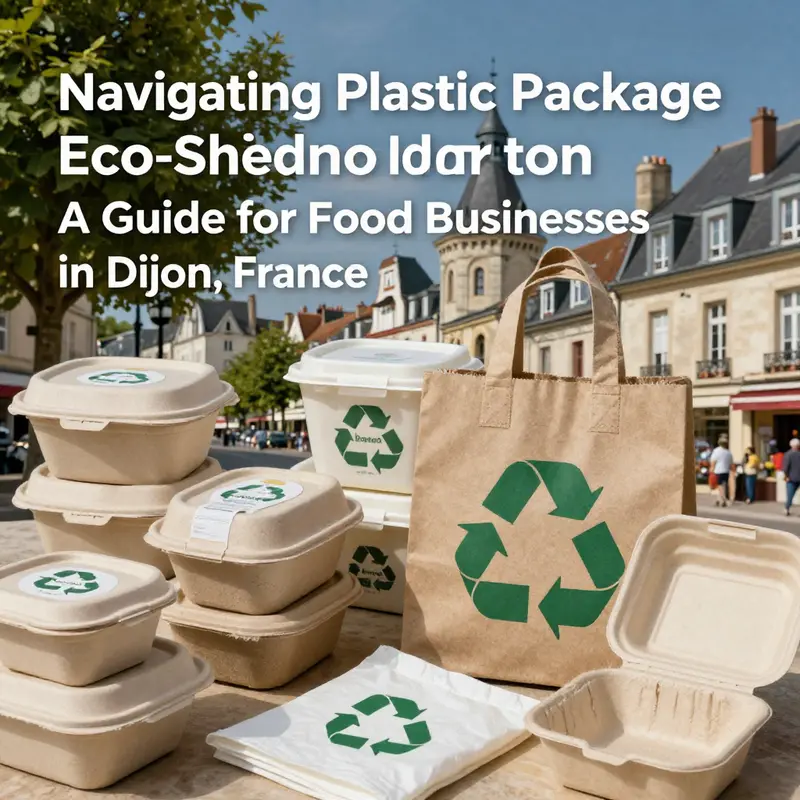
The 2026 landscape adds a new layer to this dynamic. A noticeable shift is the growing interest in bio-based and compostable materials that can deliver performance comparable to conventional plastics while offering a clearer end-of-life pathway. Polylactic acid (PLA) emerges as a leading example. Derived from renewable feedstocks such as corn starch, PLA can serve as a drop-in substitute for certain applications requiring transparency and barrier properties. It shares a familiar feel with traditional plastics but is designed to break down in industrial composting facilities within a matter of months under appropriate conditions. This aligns neatly with Dijon’s push toward waste reduction and recycling, particularly in environments like cafés and pastry shops where short life cycles are common and product turnover is rapid. Yet PLA’s story is not without practical caveats. It requires access to certified industrial composting infrastructure to realize its end-of-life benefits, which means municipalities and waste management partners in the Dijon region must coordinate to optimize collection streams and facility capacity. In parallel with PLA, there is growing attention to mycelium-based packaging, a material grown from the mycelium of mushrooms. This innovative option offers a remarkable combination of mechanical strength and biodegradability. Mycelium packaging can be produced with relatively low energy input and once disposed of, it tends to decompose in industrial composting settings without leaving behind persistent residues. For Dijon’s food producers, this represents a potential path to replace certain conventional films and wraps with a material that actively participates in a regenerative loop. While currently more niche than PLA, mycelium packaging is gaining traction across Europe as universities and startups collaborate with food manufacturers to test durability under transport and shelf conditions, ensure compatibility with sealing and labeling requirements, and confirm suitability for a broad spectrum of products—from biscuits to prepared meals.
The rise of bio-based and compostable materials is inseparable from the broader impetus toward a circular economy. In Dijon, retailers and manufacturers are experimenting with reusable and refillable packaging systems that invite customers to return containers for cleaning and re-use. The model is straightforward in concept: containers are designed for durability and easy cleaning, then collected, sanitized, and re-deployed in the supply chain rather than sent to landfill after a single use. Such systems help close the loop on material flows and can translate into tangible cost advantages over time, especially as waste management costs rise and consumer demand for sustainable practices grows stronger. The practical implementation in Dijon involves partnerships with suppliers and service providers who specialize in scalable, low-impact solutions for small and medium-sized enterprises. Local authorities are often central to these efforts, offering incentives or pilot programs that reduce the friction of adoption for smaller businesses that might otherwise be overwhelmed by the upfront logistics of a circular model. This is not merely a theoretical exercise; it translates into real world changes such as dedicated return points in busy districts, standardized cleaning processes, and clearer labeling that communicates the container’s lifecycle status to customers. A city that values gastronomy and public health simultaneously is well positioned to harness these models, because every reusable or returnable package reduces the need for new plastic inputs, lowers the energy footprint of production, and decreases the volume of waste that would otherwise find its way into landfills or recycling streams.
Industry innovations in Dijon also reflect a keen sensitivity to consumer expectations and the realities of cold-chain and shelf stability. Bakers and biscuit makers—important segments in Burgundy’s culinary economy—are beginning to phase out certain conventional plastic wrappers in favor of biodegradable films derived from plant-based polymers. These films can deliver the protective properties needed to keep products fresh while offering improved end-of-life outcomes when compared to traditional polyolefin-based wrappers. The broader implication is that manufacturers in Dijon are increasingly capable of balancing the need to preserve taste, texture, and aroma with a commitment to reducing the environmental footprint of packaging. The shift also highlights a broader market trend: innovations are moving beyond niche applications and becoming standard practice across many food and beverage brands within the region. Such changes do not happen in isolation; they are the result of collaborative efforts among ingredient suppliers, packaging scientists, food safety authorities, and retail buyers who collectively navigate the regulatory landscape and consumer preferences.
The value proposition for Dijon’s packaging transformation rests on more than environmental benefit alone. As sustainability becomes a core value for consumers, brands that adopt eco-friendly packaging can strengthen their market position and build lasting loyalty. In practical terms, this means improved brand perception, clearer communication of a product’s journey from raw material to consumer, and alignment with EU-wide directives that increasingly tie performance standards to recyclability and recoverability. The cumulative effect is a packaging ecosystem in Dijon that rewards materials and designs optimized for multiple passes through the system. When a container can protect a product during transit, be recognized as recyclable or compostable, and be returned for cleaning and reuse, it moves from a disposable afterthought to a strategic asset in a brand’s value chain. The economic narrative follows suit: as waste streams become more efficient and as consumer demand for responsible packaging grows, the total cost of ownership can shift—from a focus on unit price to a broader calculus that includes waste management, regulatory compliance, and the value of consumer trust.
For practitioners and researchers alike, the Dijon example underscores a pragmatic approach to change. Rather than seeking an overnight replacement of plastics, the city’s packaging evolution often proceeds through staged pilots, partnerships, and standards development that ensure safety and performance while opening pathways to reuse and recovery. This approach is complemented by a recognition that bio-based materials and circular packaging are not absolutes but part of a spectrum where the choice of material, design, and end-of-life option is tailored to the specific product, shelf life, and consumer behavior. In the near term, this means ongoing experimentation with PLA and plant-based films in selected product lines, coupled with the expansion of take-back and cleaning services that support reuse programs. In the longer term, Dijon’s packaging landscape could increasingly resemble a mosaic of solutions: some items kept traditional but with improved recyclability, others shifted toward compostable films for products that are consumed quickly, and a growing cadre of reusable systems for retailers and restaurants that see value in customer engagement and waste reduction.
Another dimension worth noting is the importance of clear communication with customers. As packaging evolves, it is essential that labels and signage convey not only product safety and freshness but also end-of-life options. Consumers in Dijon, as elsewhere in Europe, are becoming more discerning about what happens after they dispose of a container. When a packaging choice is framed as part of a broader sustainability story—whether it’s a PLA-based tray designed for industrial composting or a reusable container that rewards return visits—customers respond with greater trust and loyalty. The social license to operate is increasingly tied to transparent communication about packaging choices, recycling or composting options, and the real-world impact of those choices. In this sense, Dijon’s packaging journey is also a narrative about how cities can translate regulatory requirements into meaningful consumer experiences without compromising the practical demands of food safety, transport efficiency, and product quality.
To connect the dots across research and practice, it is useful to consider concrete examples that illustrate the direction of travel without naming specific brands. The trend toward eco-friendly, recyclable, or compostable packaging aligns with the broader European momentum to reduce disposable plastics and to promote systems that recover materials for reuse. In Dijon, the interplay between local incentives, regional supply networks, and cross-border knowledge transfer accelerates adoption. The city’s unique culinary culture—where the presentation and integrity of food are inseparable from the packaging that carries it—encourages a thoughtful approach to material choice. The result is a packaging ecosystem that is highly responsive to changes in policy, consumer appetite, and technological innovations, all while maintaining a rigorous commitment to food safety and product quality. In essence, Dijon’s experience mirrors a continental shift: packaging is increasingly designed not just to protect content, but to participate in a circular, low-impact economy that serves both people and planet.
As we look ahead, the trajectory suggests that the city will continue to move toward materials that are not just technically suitable but socially responsible. The collaboration among food producers, waste management entities, researchers, and local authorities will be the keystone of progress. This collaboration will help ensure that the materials chosen for plastic food containers in Dijon not only perform their essential function—keeping foods fresh, safe, and transportable—but also align with a vision of sustainable consumption that resonates with residents and visitors alike. In practical terms, this means more robust return programs, expanded access to properly sorted waste streams, and ongoing investment in facilities capable of processing a wider range of bio-based and compostable materials. The result will be a city that demonstrates how thoughtful packaging design and intelligent logistics can support Burgundy’s culinary heritage while advancing a modern sustainability agenda. Dijon’s path is a reminder that the shift toward eco-friendly packaging is not a single leap but a deliberate, continuing journey that blends science, policy, business acumen, and public engagement to create a packaging system worthy of a city that celebrates flavor and responsibility in equal measure.
Internal link for related exploration: eco-friendly disposable paper cup with lid
External reading to broaden the context: Eco-Friendly Packaging Trends 2026. https://www.greenbiz.com/article/eco-friendly-packaging-trends-2026
Dijon in Focus: Market Dynamics of Plastic Packaging Food Containers in a French Culinary Hub
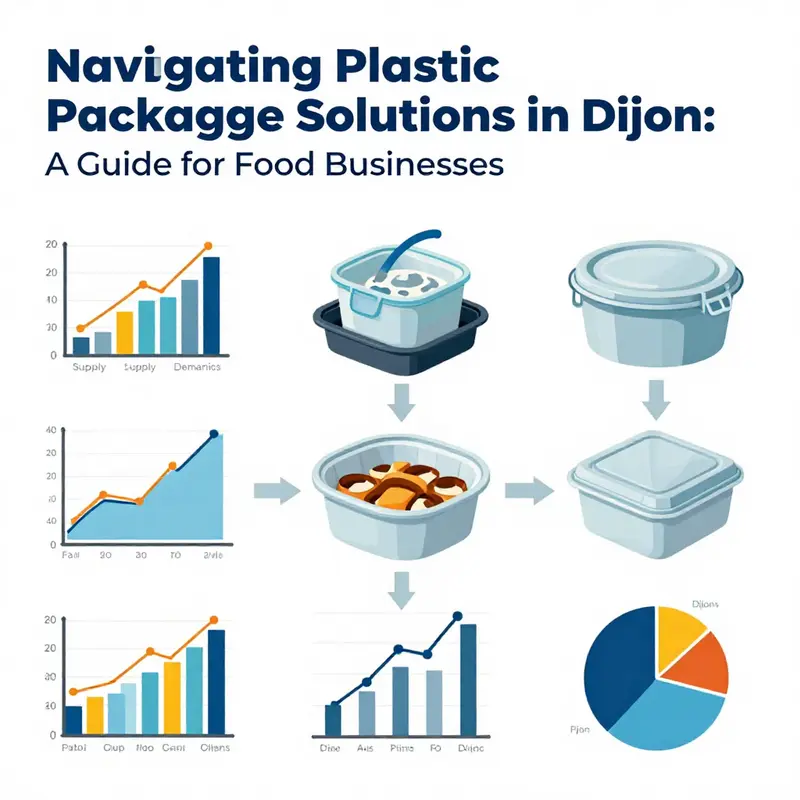
Dijon, famed for its gastronomy, sits at the intersection of tradition and the modern demands of food distribution. The city’s kitchens, markets, and take-away culture reflect broader European patterns where plastic packaging remains a practical backbone for the supply chain, even as sustainability goals tighten. To understand the market dynamics of rigid plastic packaging food containers in Dijon, one must consider the regional production footprint, national regulatory frameworks, and the ongoing trends that shape what ends up on the city’s shelves and in its carry-out bags. In this sense, Dijon exemplifies how a historic culinary capital negotiates convenience, cost, and responsibility in packaging materials while preserving the freshness and visual clarity that plastic packaging provides for retailers and consumers.
The broader French market for rigid plastic packaging signals a continued demand-driven expansion as perishable foods require protection during storage and transit, and logistics efficiency plus product visibility remain key. Dijon’s share of this demand sits within Burgundy’s cluster of producers and a dense distribution network that connects farmers, processors, and retailers to the city’s markets. This dynamic reinforces a European pattern where plastic containers remain the default option for ready-to-eat meals, snacks, bakery items, and pre-packaged fresh foods sold in supermarkets.
At the heart of the Dijon market are the practical attributes of rigid plastic packaging. Materials such as polypropylene (PP), polystyrene (PS), and polyethylene terephthalate (PET) offer durability, lightweighting, and barrier properties that support freshness and seal integrity. EU and French regulations emphasize safety, recyclability, and traceability, which, in practice, pushes suppliers to offer recycled-content options and designs that facilitate end-of-life processing where feasible. In Dijon, this translates into a market that balances performance with evolving sustainability expectations, including clear labeling of recyclability and the use of recyclable materials where municipal streams exist.
The supply chain in Dijon shows how proximity to producers and a dense distribution network shapes purchasing patterns. Local manufacturers prioritize packaging that minimizes material use while maintaining barrier performance, and regional distributors help connect restaurants, delis, and retailers to a wide range of rigid plastic options. The trend toward sustainability is visible in increased availability of recyclable and post-consumer recycled content, as well as opportunities to substitute with paper-based or bio-based alternatives where appropriate. The result is a resilient market that remains value-driven yet more deliberate about end-of-life responsibility and lifecycle impact.
Looking ahead, Dijon’s packaging landscape is likely to track broader French and European trajectories toward more sustainable solutions while preserving the operational benefits of plastic. The path forward involves continued compliance with safety standards, expansion of recyclable materials, and gradual adoption of recycled-content or bio-based options where feasible. The city’s food sector is expected to maintain demand for convenient formats that preserve product quality from supplier to consumer, while regulatory and consumer pressures continue to refine material choices and disposal practices.
For readers seeking broader context, external market analyses provide cross-country comparisons that illuminate how Dijon fits into national and continental patterns. France’s rigid plastic packaging market offers a lens into material innovation, regulatory levers, and end-of-life outcomes. External resources such as Grand View Research can provide additional data and forecasts for the French market.
Final thoughts
In Dijon, the intersection of culinary creativity and responsible packaging is more prominent than ever. Acknowledging the regulatory landscape, understanding material options, and embracing sustainability trends are crucial for food service businesses aiming to thrive. The marked shift towards environmentally friendly packaging and an evolving market dynamic not only reflects consumer preferences but also reinforces a commitment to safeguarding our environment. By prioritizing compliant and sustainable practices, businesses can meet the demands of their customers while positioning themselves as leaders in the food industry.