
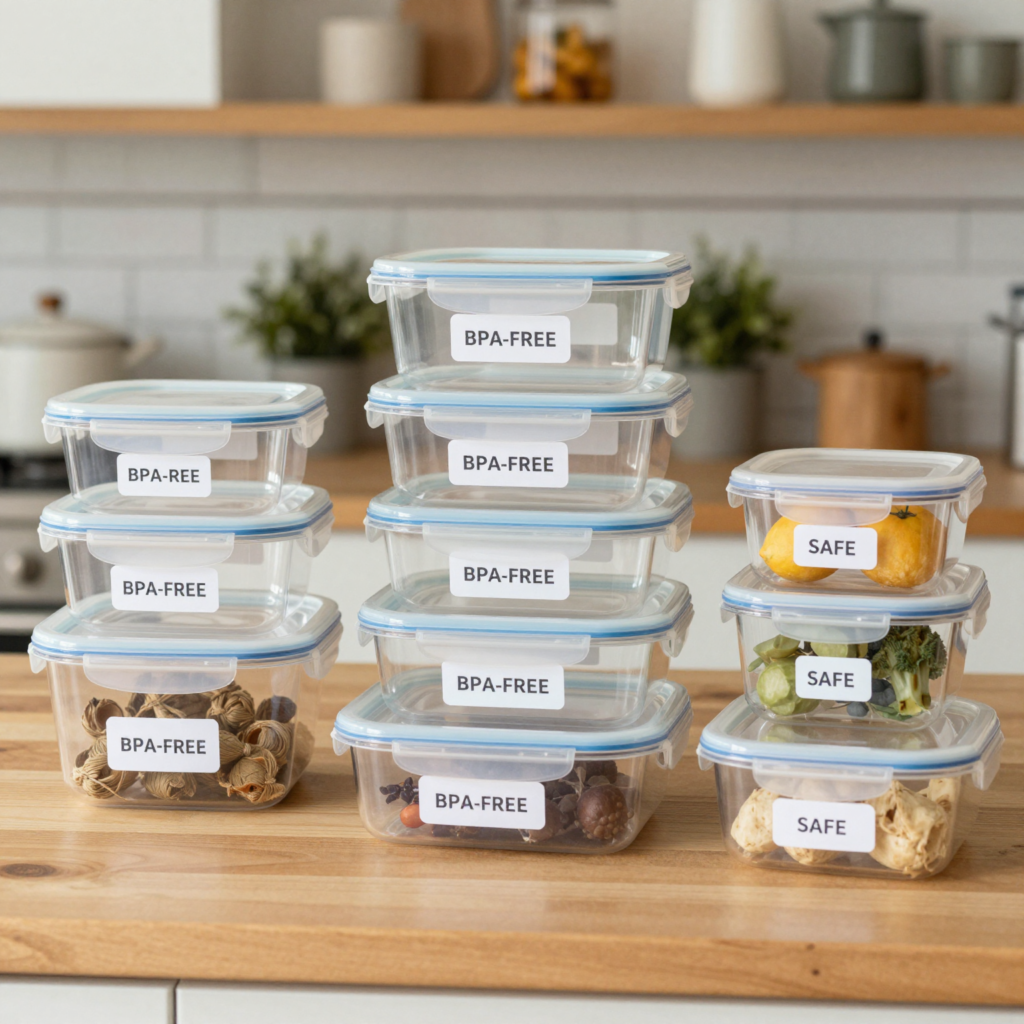
As the food industry continues to evolve, plastic food storage containers have become an integral part of daily operations, providing both convenience and efficiency. They are widely used in bubble tea shops, restaurants, and catering services, ensuring that ingredients remain fresh and accessible. However, this widespread usage raises a pressing question: what are the health risks associated with these containers? Despite adherence to safety standards, concerns about chemical leaching and the long-term effects of plastic exposure remain critical topics of discussion. As food providers, it’s essential to evaluate not only the practicality of plastic food storage containers but also their impact on customer health and safety. In this article, we will delve into the potential risks and how to navigate this complex issue, ensuring that your business remains compliant and your customers feel secure in their food choices. Learn more about BPA-free options and effective ways to store your food safely while considering health impacts.
Common Plastic Materials in Food Storage Containers
When it comes to food storage containers, various plastic materials are utilized due to their unique properties. Here is a list of some common plastics used in these containers:
-
Polyethylene (PE): This is one of the most widely used plastics, available in two main forms: High-Density Polyethylene (HDPE) and Low-Density Polyethylene (LDPE). HDPE is strong and often used for milk jugs and containers, while LDPE is flexible and commonly used for bags and wraps. Both are non-toxic and resistant to chemicals.
-
Polypropylene (PP): Known for its excellent heat resistance, polypropylene can withstand high temperatures (up to about 160°C), making it ideal for microwave-safe containers and hot food storage. It’s commonly found in yogurt cups and takeout boxes.
-
Polycarbonate (PC): This strong plastic is valued for its clarity and impact resistance. However, due to concerns about bisphenol A (BPA) leaching, its use in food containers has diminished.
-
Polyethylene Terephthalate (PET): Often used in single-use beverage bottles, PET is clear and provides good barrier properties. However, it’s not recommended for repeated heating due to risks of leaching.
For more information on selecting safe plastic materials for food storage, see our guide on food packaging options
Health Risks of Plastic Food Storage Containers
As many restaurants, food trucks, and catering services rely on plastic food storage containers for convenience and durability, it is essential to understand the potential health risks associated with their use. These risks primarily arise from chemicals like Bisphenol A (BPA), which can leach from plastic into food, especially at elevated temperatures.
Chemical Leaching
Research has shown that chemical leaching is a significant concern with plastic food containers. A study published by Healthline highlights how long-term exposure to leaching chemicals such as BPA, BPS, and styrene is linked to an increased risk of hormone-sensitive cancers, including breast and prostate cancer. The leaching rates can drastically increase when plastics are heated, as demonstrated by another source, Environmental Health News, which states that BPA can leach significantly more into food when subjected to boiling temperatures or microwaving.
Studies and Insights
According to a 2025 study from ResearchGate, various plastic additives, including BPA and phthalates, easily leach out under high temperatures, leading to endocrine disruptions and potential reproductive toxicity. Additionally, an Australian study cited by China Daily found alarming associations between high BPA levels in pregnant women and an increased risk of autism in male offspring, suggesting long-term developmental impacts.
Recommendations
To minimize exposure, it’s advisable to use alternatives like glass or stainless steel containers, which do not leach harmful chemicals into food. Moreover, selecting BPA-free plastic options can also mitigate some risks, although research indicates that even BPA-free plastics might still release other harmful substances.
In conclusion, while plastic food storage containers are convenient, businesses must weigh their use against the potential health risks associated with chemical leaching. For a deeper understanding of choosing safer storage options, learn more about BPA-free containers, and discover alternative materials available for your food storage needs.
Consumer Data on Perceptions of Plastic Containers
In recent years, consumer awareness surrounding plastic containers and their associated health risks has been steadily increasing. A variety of studies and surveys conducted in 2023 have provided enlightening insights into how people perceive the health implications of using plastic containers for food storage.
Key Findings:
- According to a 2023 survey by Euromonitor International, about 68% of consumers still prefer using plastic containers due to their convenience and cost-effectiveness, despite a growing awareness of potential health risks. This highlights a significant conflict between convenience and health awareness.
- A report from the World Health Organization (WHO) emphasized that while there is no definitive evidence linking microplastics from packaging to severe health issues, ongoing research is still necessary. The public is advised to reduce unnecessary contact with plastic, especially in high-temperature situations.
- Studies from Ningxia Medical University found that using plastic containers for heating food led to increased health risks, such as inflammation and metabolic disorders in test subjects, raising alarms about the risks of heating food in plastic, especially greasy or acidic foods.
- Furthermore, the China Consumer Association noted that 80% of respondents expressed concerns about plastic packaging, leading to a demand for more sustainable and transparent alternatives.
These findings reflect the emerging trends and concerns among consumers regarding plastic safety, especially in food service sectors like bubble tea shops and restaurants. For food-related businesses wanting to align with consumer sentiment, it might be wise to consider introducing safer alternatives or educating customers on safe plastic use.
To learn more about eco-friendly food storage options, you can explore our blog on compostable options and view our guide on plastic packaging safety.
| Plastic Type | Chemical Composition | Potential Health Risks | Recommendations for Safe Use |
|---|---|---|---|
| Polypropylene (PP) | C3H6 | Generally considered safe; does not leach harmful chemicals under normal use. | Suitable for hot foods and microwave use. Recommended for food storage containers and baby bottles. |
| Polyethylene (PE) | C2H4 | Generally safe; low risk of leaching. | Use for cold foods; avoid high temperatures. Keep away from direct sunlight. |
| Polyethylene Terephthalate (PET) | C10H8O4 | Can break down with prolonged exposure to heat and acidic substances, releasing antimony. | Safe for single-use; avoid reuse and heating above 70°C. |
| Polystyrene (PS) | C8H8 | Can release styrene, a potential carcinogen, especially when heated. | Not recommended for hot foods; ideal for cold items only. |
| Polyvinyl Chloride (PVC) | C2H3Cl | Contains harmful additives; can leach hazardous chemicals. | Avoid for food storage; better to use alternatives like glass or stainless steel. |
| BPA-free Plastics | Varied | BPA, linked to endocrine disruption, is removed; however, substitutes can still pose risks. | Prefer containers marked BPA-free and suitable for heat. |
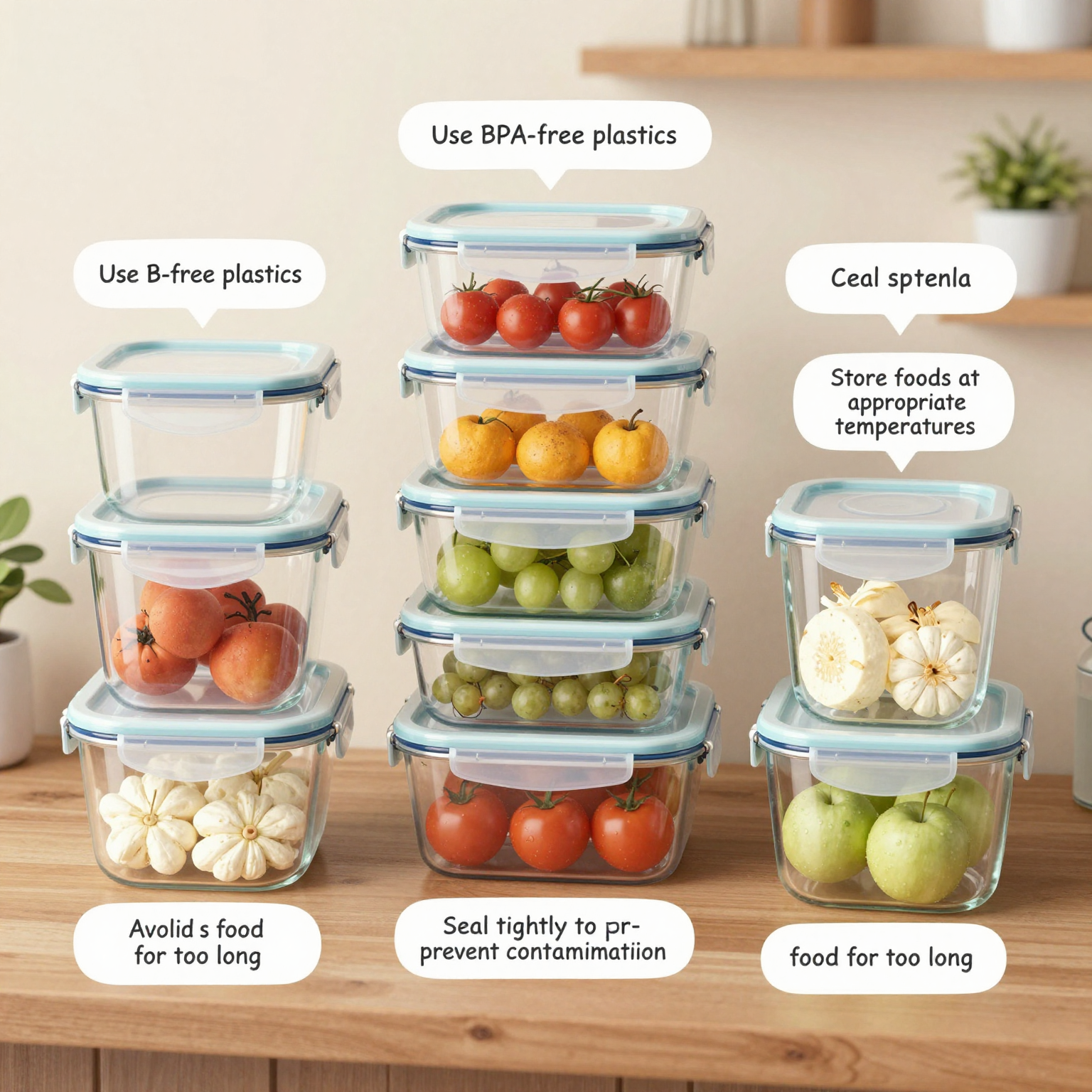
This image visually represents safe food storage practices, detailing tips on using food storage containers safely and emphasizing the importance of selecting the right materials. It is tailored for a professional audience including bubble tea shops, restaurants, food trucks, catering services, event planners, and corporate procurement teams.
In conclusion, choosing safe and eco-friendly food storage options is pivotal for both personal health and environmental sustainability. The potential health risks associated with traditional plastic food storage containers, including the leaching of harmful substances like BPA, should not be overlooked. These chemicals can migrate into our food, leading to health complications over time. As you explore alternatives for your bubble tea shop, restaurant, food truck, or event planning needs, consider adopting containers made from glass or biodegradable materials that limit your exposure to toxic substances.
At Green Dispopack, we are committed to providing sustainable solutions that prioritize safety. By choosing our eco-friendly food storage options, you not only protect your customers’ health but also contribute to a larger movement aimed at reducing plastic pollution. Let’s work together to serve delicious dishes while caring for our planet. For more insights on eco-friendly products, check out our blog.
“使用塑料食品容器时需谨慎,特别是在加热时,某些塑料可能释放含有潜在有害化学物质的化合物。建议消费者选择符合食品安全标准的容器,以避免化学物质的迁移。”
-专家来自美国国家卫生研究院(NIH)source,提醒我们注意健康风险。
在选择塑料食品存储容器时,确保它们具有良好的标识和安全认证是非常重要的。
Growth Trends in Eco-Friendly Packaging
The demand for eco-friendly food packaging solutions has seen significant growth over the past five years. This trend is driven by escalating consumer concerns surrounding environmental sustainability and food safety.
Market Size Overview
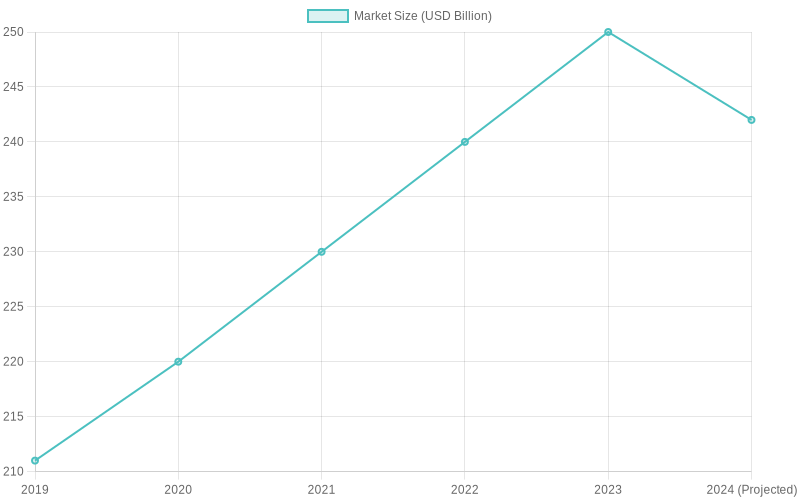
Here’s a visual representation of the growth trends in the eco-friendly food packaging market from 2019 to 2024:
| Year | Market Size (USD Billion) |
|---|---|
| 2019 | 211 |
| 2020 | 220 |
| 2021 | 230 |
| 2022 | 240 |
| 2023 | 250 |
| 2024 (Projected) | 242 |
Conclusion
The eco-friendly packaging market is set to continue its growth, reflecting a shift in consumer preferences towards sustainable products. This should encourage food businesses, including Bubble Tea Shops and Restaurants, to embrace eco-friendly packaging options in their offerings as part of their market strategy.
Are you ready to elevate your business with top-quality disposable tableware and packaging solutions? At GreenDispoPack, we offer a wide range of reliable products that not only adhere to the highest safety standards but also ensure fast delivery right when you need it. Our tailored solutions are designed to fit your unique business requirements, making sure that your transactions run smoothly and safely. With us, you can trust that our disposable items provide the safety your customers expect and the quality your business deserves. Don’t compromise on service or safety-choose GreenDispoPack for all your packaging needs. Explore our selection today and see how we can help your business thrive! Learn more about our clear plastic cups or discover our custom plastic forming machines for disposable bowls here.