
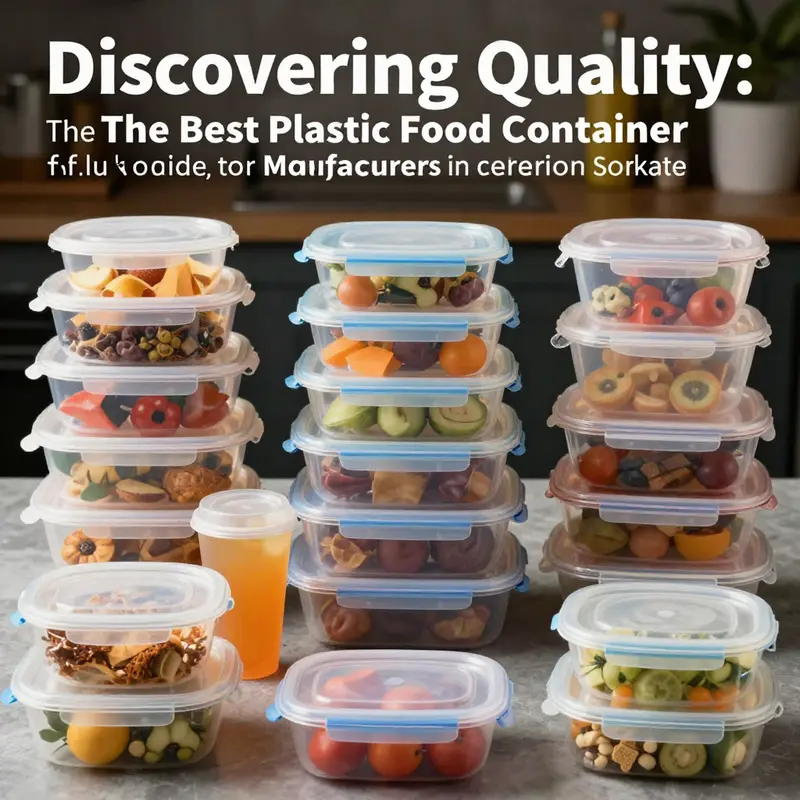
Kolkata, a vibrant city known for its culinary delights, is increasingly becoming a preferred hub for food and beverage businesses. With Bubble Tea Shops, Restaurants, Food Trucks, and Catering Services on the rise, there’s a growing demand for high-quality plastic food containers. Unlike industrial giants in China, local manufacturers in Kolkata may be smaller, but they provide essential flexibility and customization. This article explores the local market dynamics, materials and manufacturing processes, quality standards, and the challenges and opportunities faced by plastic food container manufacturers in Kolkata—valuable insights tailored for Event Planners and Corporate Procurement Teams. Together, we’ll uncover how local suppliers can meet the rising demands of the food service industry.
Kolkata’s Plastic Container Ecosystem: Local Dynamics, Regulation, and the Path Toward Safer, Sustainable Packaging
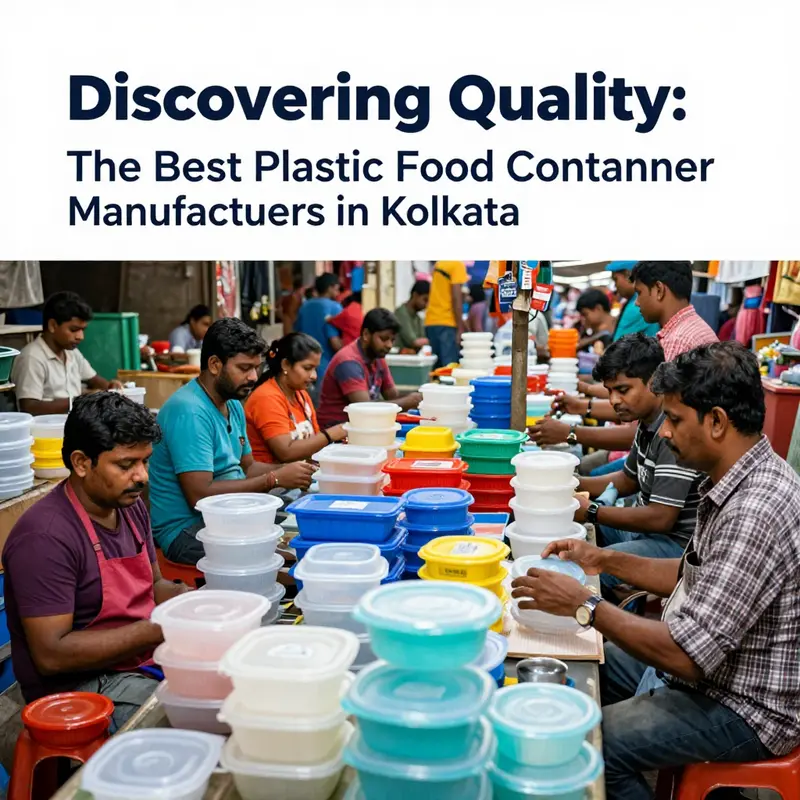
Kolkata sits at a strategic crossroads for packaging in Eastern India. Its status as a logistical hub, with dense railway corridors, riverine access along the Hooghly, and a sprawling urban market, creates a unique demand rhythm for plastic food containers. Yet the city’s manufacturing footprint in this specific niche remains comparatively modest when measured against the scale of the country’s larger industrial clusters. Local producers often operate with high flexibility but limited automation, a combination that shapes the entire procurement landscape for restaurants, small-scale food processors, and retailers who rely on consistent supply and predictable quality. The dynamics here are not merely about capacity; they are about how a regional ecosystem negotiates demand surges, regulatory expectations, material sourcing, and the increasingly discerning eye of buyers who want traceable, certified packaging that can withstand the rigors of storage, transit, and consumer handling. In this sense, the Kolkata market does more than supply containers; it reveals the evolving balancing act between localized manufacturing, international sourcing, and the push toward safer packaging practices in a rapidly expanding Indian plastics sector.
At the heart of the local market is a robust demand engine. Kolkata’s food processing sector has grown steadily, supported by a dense network of small and mid-sized manufacturers who require affordable, reliable containers for ready-to-eat meals, fresh-cut produce, and portioned ingredients. The retail segment, too, generates a steady appetite for food-safe packaging that can help extend shelf life and preserve product integrity in a city where street-level commerce remains vibrant. This demand, while strong, does not translate into a single, scalable production ecosystem within the city limits. Instead, buyers encounter a mosaic of suppliers—small shops with off-shack manufacturing lines, mid-sized outfitters with more formal processes, and an even smaller cadre of local firms that have invested in essential automation to achieve higher throughput. The net effect is a procurement landscape where on-time delivery, consistency of material, and the ability to accommodate modest customization can become more decisive than the size of the manufacturing operation.
The manufacturing landscape in Kolkata reflects several practical constraints. One recurring theme is sourcing challenges related to caps, closures, and certain high-precision components. Local buyers report that large-scale production of specific container components remains scarce within the city itself, prompting frequent sourcing from specialized suppliers located elsewhere. For many buyers, this translates into longer lead times and, at times, higher freight costs when components must be imported or transported over longer distances from regional hubs with deeper tooling bases. The implications for procurement teams are real: supplier evaluation becomes less about price alone and more about a composite assessment that includes on-time delivery, communication responsiveness, customization flexibility, and most importantly, the consistency of quality across batches.
In this context, regulatory considerations have recently sharpened the decision-making calculus. The Food Safety and Standards Authority of India (FSSAI) has introduced amendments that permit the use of recycled plastics in food packaging, but under tightly controlled circumstances. Compliance is not optional; it is a baseline requirement that shapes the way local manufacturers source, process, and certify their materials. Approved recycling processes, sourcing only from authorized suppliers, and rigorous testing and certification are non-negotiable prerequisites for entering or remaining in the market. The timeline attached to these regulatory changes matters as well. The implementation date of the new regime is March 28, 2025, a deadline that creates a common pressure point for improving quality control systems, tightening supply chain verification, and investing in traceability mechanisms. Slippage is costly: penalties loom for non-compliance, and reputational risk escalates if packaging cannot demonstrate safety credentials to food businesses and end consumers.
From a growth perspective, the broader Indian plastic industry has implications that stretch far beyond Kolkata. Market projections suggest substantial expansion, with the national plastics segment expected to reach billions of dollars over the next few years. The emphasis on sustainable trends is not a side note but a central driver that will determine which local players survive and thrive. The shift toward sustainability is twofold: first, a demand from retailers, restaurateurs, and regulators for packaging that reduces environmental impact; second, the imperative for manufacturers to align with stringent safety and traceability standards that accompany recycled content. For Kolkata’s manufacturers, this creates an opportunity to differentiate through demonstrated compliance, robust supplier networks, and the ability to offer both conventional, high-volume outputs and specialized, compliant products for niche markets.
Turning to manufacturing capabilities, the local suppliers who have secured longer-term viability in Kolkata tend to emphasize high-speed injection molding with common resins like polypropylene (PP) and PET. These materials are familiar to the industry for their clarity, rigidity, and compatibility with a variety of lid designs and neck finishes. Multi-cavity tooling has become a practical path to scale, enabling more consistent output and tighter tolerances across production runs. Yet even with these capabilities, the advantage for Kolkata-based producers remains intimately tied to the flexibility they can offer. In an environment where customers may require minor adaptations—whether changing a neck finish, tweaking wall thickness for improved heat resistance, or adjusting transparency for product visibility—local manufacturers who can deliver small but meaningful customization can secure repeat business more readily than the highest-volume, lowest-cost producer located far away.
The container specifications most commonly observed among Kolkata manufacturers align with standard neck finishes widely used across beverage and food sectors. Typical finishes such as 28-410, 38-400, and 18-410 provide a common frame of reference that simplifies compatibility with lids, spouts, and pour tops in downstream channels. These standards also offer a practical basis for procurement teams to manage inventories, forecast demand, and minimize the risk of misfits in packaging lines. The ability to deliver containers that fit these standard closures, while also offering some degree of customization—whether in dimensions, wall thickness, or surface finish—gives Kolkata-based producers a useful niche. It is a niche that coexists with the broader reality that larger buyers often seek more predictable capacity and lower per-unit costs, typically achievable through scale and mature supply chains that extend beyond the city’s limits.
Competition in the region reflects a broader tension between local agility and the drive for scale. As the market evolves toward greater sustainability and regulatory compliance, the differentiator for many players will be the ability to source materials that are traceable, certified, and aligned with the standards demanded by food businesses. Buyers increasingly expect transparency in the supply chain: where the resin originated, how additives were used, what recycling processes were employed if recycled content is included, and what third-party certifications cover the final product. Local suppliers who can meet these expectations—by maintaining supplier qualification records, conducting routine quality tests, and providing documentation for audit purposes—stand out in a crowded field. The result is a market where compliance and quality assurance are as important as price and delivery speed.
Given these dynamics, procurement strategy in Kolkata benefits from a pragmatic blend of local reliability and selective engagement with external capacity. For buyers seeking the most cost-effective, large-volume output, it may be practical to consider suppliers from other Indian states or even international markets where there is a more mature ecosystem for high-volume injection molding and a broader base of certified raw materials. Regions with well-established tooling facilities, longer-standing supplier networks, and robust export logistics can deliver standardized products at scale, with the added benefit of more formalized quality management systems. However, this approach should be balanced against the city’s strengths in flexibility and responsiveness, which can be crucial for restaurants and small food businesses that operate on tight timelines and require rapid iterations during product launches or seasonal promotions.
From a sourcing perspective, a disciplined supplier evaluation framework becomes essential. On-time delivery rates, communication responsiveness, and the ability to meet customization requests are now standard criteria. But more nuanced metrics are gaining importance: the supplier’s track record in maintaining material integrity under real-world conditions, their approach to quality control, and the traceability of raw materials that enable end-to-end auditing. For local buyers, establishing robust supplier relationships helps reduce risk in a market where regulatory changes can create abrupt shifts in compliance requirements. This is not merely about avoiding penalties; it is about ensuring that packaging systems reliably safeguard food safety across the entire supply chain—from production to consumer use.
Another dimension of the Kolkata narrative is the gradual diversification into sustainable packaging options, including paper-based alternatives that can complement plastic offerings or, in some cases, substitute them for certain applications. The optimization calculus for a packaging manager in this region now routinely weighs the trade-offs between plastic and recyclable or compostable materials, recognizing that consumer expectations and municipal waste policies are increasingly steering choices toward lower environmental footprints. In practice, some local producers are exploring the capacity to provide hybrid or alternative packaging solutions that maintain performance characteristics while aligning with broader sustainability goals. This shift is not a rejection of plastics but a strategic broadening of the packaging portfolio to meet diverse retailer and consumer demands. For those who want to explore the practical feasibility of such shifts, the market provides a useful entry point into alternative formats without abandoning existing plastic-based capabilities.
As packaging professionals in Kolkata contemplate the future, a useful thread to follow is the convergence of regulatory clarity, supply-chain resilience, and the push toward safer, more traceable packaging. The March 2025 implementation date for revised rules around recycled content, coupled with the broader national growth trajectory in plastics, suggests that the local market will need to reconcile two realities: maintaining reliable, cost-effective plastic container supply for today’s needs while investing in processes and partnerships that support safer, more sustainable packaging for tomorrow. Responsible procurement and smart risk management will increasingly hinge on the ability to verify supplier compliance, maintain rigorous testing protocols, and establish clear documentation trails for all packaging components. In this context, Kolkata’s local players have a distinct opportunity. They can build reputations not just on price or delivery speed, but on verified safety, consistent quality, and transparent sourcing. Those attributes will matter more as the regulatory environment tightens and consumer expectations evolve toward packaging that aligns with health, safety, and environmental stewardship.
For buyers seeking to broaden their packaging options beyond traditional plastics, several pathways appear promising. One practical avenue is to engage with local firms that offer modular packaging capabilities, where core plastic containers can be complemented by paper-based or hybrid solutions for specific segments like take-out meals or ready-to-eat bundles. The potential to offer a coordinated packaging system—where plastic containers, lids, and accessory components are sourced from a tightly integrated supplier network—can simplify procurement and strengthen quality control. This integrated approach can also facilitate more consistent labeling, branding, and regulatory compliance across product lines. The choice to diversify should be guided by a careful assessment of total cost of ownership, including material performance, end-of-life considerations, and the regulatory implications of recycled content. For readers exploring concrete examples of compatible sustainable packaging options, a representative set of Kraft paper takeout packaging ideas can be found here: Kraft paper takeout bowl options.
As Kolkata’s packaging landscape evolves, so too does the way buyers approach supplier relationships. A pragmatic mindset favors suppliers who can demonstrate defensive capabilities—such as robust supplier qualification, rigorous process controls, and a credible track record in meeting FSSAI and ISO-like standards—while remaining open to collaboration on new formats and materials. The constraints of local manufacturing must be acknowledged, but they should not overshadow the region’s strengths: a responsive supply chain, proximity to major markets in Eastern India, and an ecosystem that values practical, cost-conscious, and safety-minded packaging solutions. Buyers who cultivate networks with a mix of local manufacturers and selectively sourced external partners will be better positioned to adapt to regulatory changes, shifts in material availability, and evolving consumer preferences.
In sum, Kolkata’s market dynamics revolve around a delicate balance between demand, capacity, compliance, and sustainability. Local producers offer flexibility and proximity, which suit the needs of small to mid-sized enterprises that require quick iterations and reliable deliveries. They are simultaneously situated within a broader Indian plastics sector that is expanding, diversifying, and increasingly oriented toward safety and environmental responsibility. The regulatory horizon, with its March 2025 milestones, acts as a catalyst for modernization—pushing firms to upgrade quality management systems, validate supply chains, and ensure that packaging materials meet the highest standards for food contact safety. The road ahead involves continued investment in production capabilities, a measured expansion of sustainable packaging options, and the strengthening of supplier ecosystems that can deliver both plastic containers and complementary packaging formats with confidence and traceability. For the procurement teams and business leaders navigating this landscape, the message is clear: adapt, align with safety and sustainability benchmarks, and cultivate partnerships that can endure the evolving regulatory and market terrain while preserving the essential advantages of local manufacturing in Kolkata.
External reference: For official guidance on compliance and certification, see the FSSAI site: https://fssai.gov.in
Materials in Motion: The Realities of Kolkata’s Plastic Food Container Manufacturers, Their Methods, and the Road to Global Competitiveness
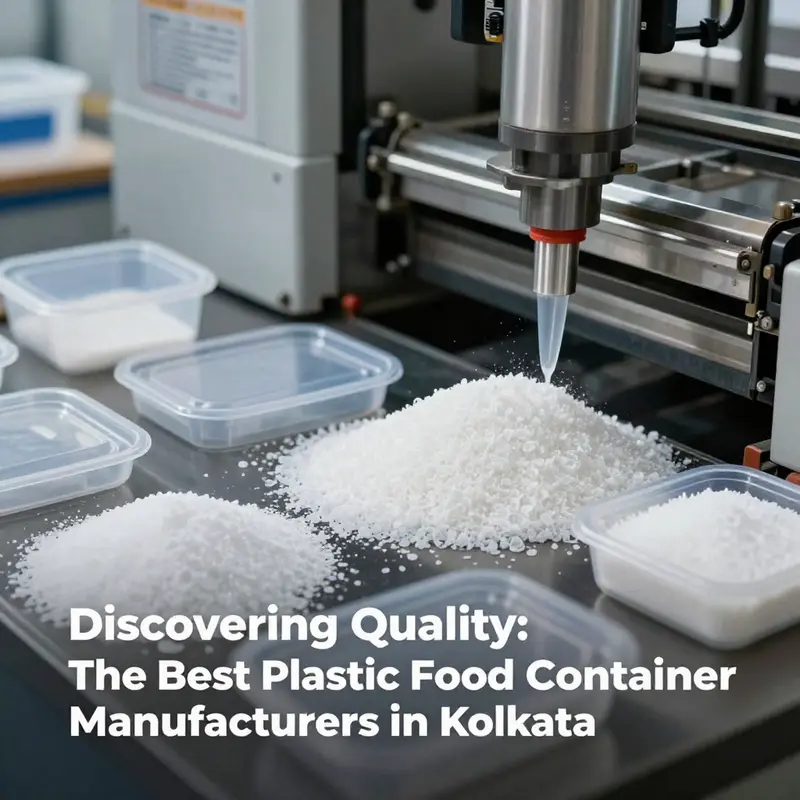
In Kolkata, a city known for its steady pace of commercial life and a dense network of small and mid-sized manufacturing units, the local plastic food container sector presents a portrait of pragmatic craft meeting evolving market demands. Unlike the megaclusters found in some distant industrial hubs, Kolkata’s landscape is characterized by firms that blend traditional workmanship with selective automation. They serve a substantial domestic market—street food vendors, takeaway outlets, neighborhood groceries, and small-scale food processors—that prize turnaround, customization, and reliability more than sheer scale. The material choices and production methods reflect this balance. Local producers lean on thermoplastics that are proven safe for contact with food, adaptable to varying shapes, and economical enough to support competitive pricing in a market that still evaluates value in a broader sense than upfront cost. The chapter that unfolds here is less about flashy capacity and more about the practical chemistry of containers, the machines that shape them, and the market logic that makes Kolkata a meaningful node in a global supply chain that often seems dominated by distant, highly automated players.
At the heart of most Kolkata-based plastic food container operations are two families of thermoplastics: polypropylene (PP) and polyethylene terephthalate (PET). These resins are not random choices; they reflect a deliberate alignment with food safety, mechanical performance, and cost efficiency. PP is widely prized for its toughness, flexibility, and resilience under handling. It resists impact well, tolerates brief exposure to varied temperatures, and demonstrates a low tendency to leach chemicals when used with common food stuffs. PET, by contrast, is lauded for its clarity and barrier properties. In cold storage, PET helps preserve aromas and textures by reducing moisture and gas exchange, while its recyclability aligns with broader industry moves toward circular packaging models. Some Kolkata manufacturers also work with polyethylene (PE) in various densities to tailor flexibility and seal performance, especially for simple, single-use containers or internal dividers where cost pressures are acute. The material mix—PP for durable essentials, PET for clear, sturdy packaging, and PE as a flexible support—enables a spectrum of products, from compact lunch boxes and portioned containers to lids and modular systems that can be nested or stacked for efficient transport and storage. The choice of material is never abstract in Kolkata; it is a decision anchored in safety standards, supplier reliability, and the realities of the local supply chain, where raw materials must reach mills and mold makers with minimal delay to ensure a steady production rhythm.
The production processes that turn these resins into usable containers are equally telling of Kolkata’s manufacturing rhythm. Injection molding remains a workhorse for high-volume, high-precision needs. Molten plastic is injected under controlled pressure into steel molds that define the geometry of the container and its lid, sometimes incorporating features like snap-fit closures, venting channels, or integrated dividers. The strengths of injection molding—fast cycle times, consistent wall thickness, and the ability to produce complex geometries—make it indispensable for standard shapes and for product families that require tight tolerances. Yet, not every object in a local shop’s catalog fits the rigid best-fit mold approach. For many medium- to small-batch runs, thermoforming offers a complementary path. In thermoforming, heated plastic sheets become pliable, then are formed over molds to yield shallow trays, clamshells, and compatible lid systems. This method is particularly cost-effective when the range of shapes is broad but the production volume for each item is modest. It also enables rapid introduction of new shapes in response to changing customer requests—a practical advantage for a market where street vendors and small hotels often seek distinctive packaging that stands out at point of sale. The combined use of injection molding and thermoforming allows Kolkata manufacturers to calibrate production to demand: high-volume lines for the most common container geometries and flexible lines for specialized packaging, seasonal designs, or local market quirks.
In this landscape, questions of automation sit at the intersection of capability and cost. The reality in Kolkata is that automation levels often sit mid-range, with some plants pursuing incremental improvements and others maintaining a largely manual workflow. Automated loading, precise robotic pick-and-place, and automated mold change systems can reduce cycle times and labor costs, but the upfront capital and ongoing maintenance demand careful consideration. This is particularly evident when it comes to mold diversity. A broad mold library is a luxury that not every local producer can afford, and the result is a blend of core, rapidly repeatable shapes with occasional, limited-run molds for promotional packaging. The absence of a vast mold ecosystem is felt in the agility of the supply chain: rolling out a new shape or a new size can require weeks rather than days, and even then it may hinge on collaboration with external toolmakers or partners who can deliver on-time mold components. For buyers—especially smaller food businesses or regional retailers—this translates into a preference for suppliers who can demonstrate short lead times, clear communication about production schedules, and a willingness to accommodate limited but meaningful customization, such as unique lid closures, embossing, or lid-hole configurations that support specific product lines.
Market dynamics in Kolkata reflect a familiar tension felt across many regional manufacturing hubs: growing domestic demand coexists with competitive pressure from more centralized producers in other countries. Indian cities, including Kolkata, have seen a surge in urban dining, packaged foods, and on-the-go consumption that fuels container demand. Yet, the local sector often encounters hurdles on the export front. Meeting international standards—safeguards for food-contact materials, traceability, and consistent process control—requires a suite of capabilities that can stretch small and mid-sized manufacturers. Accreditations such as food-contact compliance and quality management systems are not mere badges; they are pillars for building trust with buyers who must demonstrate consistent safety and performance across global supply chains. For Kolkata-based producers, achieving and maintaining such certification becomes a strategic consideration, influencing not only who can buy from them but how often—how reliably, in what volumes, and under what terms. As a result, many local buyers who seek scale or who eye export markets often look to regions with more mature export-oriented ecosystems, or to suppliers that can demonstrably meet international qualifications in a predictable, auditable manner.
The competitive landscape then introduces a broader conversation about how Kolkata’s manufacturers position themselves in a global marketplace where Chinese suppliers—backed by mature clusters, advanced tooling, cleanroom capabilities, and robust supply networks—often dictate terms on efficiency, consistency, and capacity. Regions such as Guangdong, Zhejiang, and Hebei contribute a well-documented model of integrated supply chains: abundant mold-making talent, a dense network of raw material suppliers, sophisticated extrusion and molding equipment, and scalable logistics that support large-volume exports. The contrast is not merely about price; it is about the entire operational package—mold design and modification speed, cycle times, material traceability, and the ability to deliver reliably for retail channels that require just-in-time replenishment. For Kolkata’s local manufacturers and their buyers, the message is pragmatic: if the aim is consistent supply at scale with export readiness, the strategic move often involves blending local flexibility with partnerships that extend capacity and regulatory compliance through international suppliers. This does not render Kolkata obsolete; it redefines its role as a regional hub that can offer tailored, rapid-response packaging solutions while recognizing where larger-scale production and formalized export processes can deliver greater security of supply.
Amid these shifts, buyers in Kolkata increasingly weigh operational metrics that go beyond unit price. Lead times, the reproducibility of exact tolerances, the stability of supply chains, and the support structure after purchase—spare parts, repair service, and documentation for quality assurance—emerge as decisive factors. This shift mirrors a global trend where the most resilient packaging partnerships are built on a foundation of trust, which in practice means on-time delivery, transparent communication, clear material safety data, and a shared commitment to maintenance of standards across the product life cycle. In Kolkata, vendors who can articulate a clear capability to test and verify material safety, to provide small-batch trials, and to commit to a defined production schedule tend to gain preference among restaurant groups, street-food chains, and regional markets that demand reliability as much as flexibility. In parallel, many buyers in this region look beyond plastics and consider how alternative packaging solutions—such as paper-based or biodegradable options—might fit into a broader sustainability strategy. While plastics will likely remain dominant for certain use cases due to barrier properties, weight, and durability, the conversation about packaging choices in Kolkata is increasingly framed by a broader mandate to balance performance with environmental considerations, which informs long-term procurement decisions and supplier development plans.
Within this evolving framework, the certifications that validate food-contact safety become focal points of credibility. A local supplier that can demonstrate compliance with recognized standards, such as food-contact material approvals and quality management systems, offers a clear signal to buyers that the process meets reproducible safety benchmarks. In India, while specific national requirements may vary by product and intended market, the general expectation from buyers—especially those who aspire to export or to supply larger food-service networks—is that containers will not introduce contaminants into food or confer off-flavors, and that the packaging will withstand the rigors of typical distribution channels. The path to such assurances often runs through supplier audits, batch-testing regimes, and documentation that tracks resin lot numbers, mold inserts, and production conditions. For small and medium-sized Kolkata manufacturers, building this level of documentation might appear resource-intensive; still, it is increasingly seen as a competitive differentiator. When paired with responsive customer service and the ability to size production to demand without excessive stockpiling, these compliance practices contribute to a more stable and scalable business model that can better weather fluctuations in demand and logistics.
Alongside the technical and regulatory considerations, buyers in Kolkata must navigate material safety, recyclability, and end-of-life management. PET’s recyclability makes it attractive in markets where circular economy commitments are prized, but the actual reclamation rate depends on local infrastructure for sorting and processing. PP’s stability and inertness in contact with food items—paired with ease of sterilization in some contexts—also hold appeal. Yet, the local ecosystem is not free of bottlenecks: supply chain disruptions, price volatility for resins, and the challenge of maintaining consistent quality across a dispersed supplier base can complicate planning. In response, many Kolkata buyers adopt practices that couple supplier diversification with targeted quality checks. They often request material certifications, perform material safety testing on representative samples, and seek to establish preferred supplier arrangements that guarantee a baseline level of performance. These strategies help mitigate risk and preserve the ability to deliver reliable packaging for a diverse array of food businesses— from neighborhood eateries to mid-sized food manufacturers who rely on consistent packaging for their cold or shelf-stable products.
To illustrate how the broader market context shapes Kolkata’s decisions, consider the value proposition of choosing local versus international partners. Local suppliers bring intimacy with the city’s specific food service culture. They understand the common shapes and sizes that work for popular local dishes, the pace of street-vending operations, and the need for adaptable, quickly repeatable packaging solutions. They can tailor container dimensions, closure types, and stackability features to local workflows, often with shorter lead times and more flexible MOQs (minimum order quantities) than larger overseas producers. On the other hand, international partners—especially those in well-established plastic packaging clusters—offer scale, highly controlled processes, and robust export readiness that can translate into stable supply for large buyers or for those seeking compliance with strict international standards. The interplay between these options is not a binary choice but a strategic spectrum in which Kolkata-based buyers weigh the benefits of agile, locally rooted production against the efficiency, standardization, and global reach of outside suppliers. In practice, this means a business may maintain a small, dependable set of local vendors for quick-turn needs and pilot projects, while drawing on international partners for volume orders, standardized grades, or projects requiring formal traceability and documented quality systems.
In the end, the setting in Kolkata underscores a pragmatic truth about modern packaging supply chains: the most resilient configurations blend local creativity with global discipline. Local manufacturers provide flexibility, quick response, and customization for a highly dynamic market, while international suppliers deliver scale, process maturity, and export-oriented capabilities that help buyers manage risk and seize growth opportunities. For buyers, the decision is not only about the immediate container but about the partner who can deliver a consistent product, on time, with predictable quality, and with the documentation necessary to move through modern procurement pipelines. The lesson for Kolkata’s plastic food container ecosystem is clear: to remain competitive, it must continue to improve process consistency, broaden mold and design options where feasible, and cultivate trust through compliance, traceability, and service. The broader global market will reward those who can demonstrate not just low cost but dependable delivery, clear safety assurances, and the capability to scale alongside consumer demand. This is the path that keeps Kolkata relevant in a world where packaging supply chains stretch across oceans and time zones, yet still hinge on the reliability of the next shipment arriving on schedule, and the confidence that the container will perform as promised when it reaches a local kitchen, a market stall, or a regional distributor.
Internal link for related packaging alternatives: new-design-rectangle-takeaway-kraft-octagonal-paper-bowl-with-lid.
External reference for global production trends: China’s Plastic Packaging Manufacturing Hubs—Infrastructure and Export Readiness. https://www.globaltrade.net/industries/plastic-packaging/china-manufacturing-clusters
Rigor and Reliability: Navigating Quality Standards and Certifications for Kolkata’s Plastic Food Container Makers
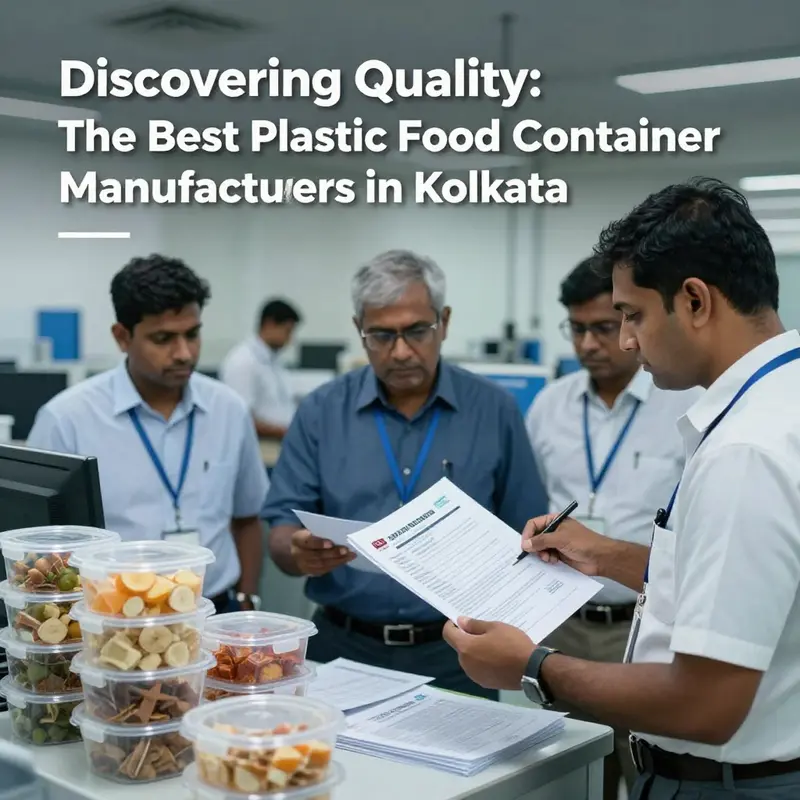
Kolkata sits at a curious crossroads for plastic food container manufacturing. The city and its surrounding districts host a constellation of small to mid-sized shops and family-owned workshops that carve out a niche by offering flexibility, local service, and quick turnarounds. They may not sit within a sprawling industrial cluster like some vast manufacturing belts, but their proximity to dense urban food ecosystems—street food stalls, cafés, and a growing number of organized eateries—creates a steady demand for packaging that is both affordable and fit for purpose. In this environment, the value of established quality standards and certifications becomes a differentiator that can unlock larger orders, assure food safety, and open doors to regional and international markets. For buyers, this means a practical balance: working with local makers who understand the regional packaging landscape while ensuring the product and processes meet a clear and credible set of requirements that a retailer, processor, or exporter can stand behind. The story of Kolkata’s plastic food container suppliers is as much about governance, documentation, and process discipline as it is about polymer choice or molded shapes. Quality is not a single attribute but a continuous discipline that threads through material selection, design, production, testing, and post-market feedback. The core questions are straightforward: what rules apply to materials intended to contact food, how do makers prove safety and consistency, and what certifications make a difference when a customer is weighing suppliers across geographies? The answers begin with the regulatory framework and extend into the practical routines that describe what a factory actually does to keep its promise of safe, reliable packaging.
At the heart of any Kolkata-based producer’s credibility is compliance with Food Safety and Standards Authority of India (FSSAI) regulations. FSSAI is the principal national authority governing food safety, and its mandate extends to materials that will touch food, including plastic containers used for storage, transport, and display. For manufacturers, this translates into strict expectations around migration testing—the evaluation of any substances that could migrate from plastic into food under typical storage conditions. Migration testing is not a luxury; it is a baseline requirement that helps ensure that packaging does not compromise food safety even when products sit on a shelf for days, weeks, or months. The practical implication for a Kolkata facility is a documented approach to supplier qualification for incoming resins, validated formulations, and controlled processing parameters that minimize the potential for migration. When a small producer can present a robust migration testing plan, the odds rise that retailers or contract manufacturers will engage them with confidence that their containers meet national safety standards without surprises later in the supply chain.
Beyond national regulation, the global packaging conversation tends to tilt toward recognized management systems. ISO 9001, the global standard for quality management systems, offers a framework that many buyers—especially larger, export-oriented customers—expect or require. ISO 9001 certification signals that a producer has structured processes for planning, operation, measurement, and continual improvement. In the Kolkata setting, achieving ISO 9001 is a practical signal that the business has moved beyond ad-hoc production toward repeatable outcomes. It is about how a manufacturer handles raw materials, molds, machine settings, quality checks, and corrective actions when defects occur. The presence of ISO 9001 is often a prerequisite for entering contracts with large retailers or distributors who demand a documented quality loop and the assurance that processes are auditable and consistent across time and volume.
Another ingredient in the quality mix is ISO 22000, which elevates the conversation to food safety management across the entire supply chain. ISO 22000 asks manufacturers to implement a structured set of controls—from hazard analysis and critical control points (HACCP) concepts to supplier verification and traceability. For a plastic container maker in Kolkata, ISO 22000 represents a comprehensive mindset: food safety is not a single test, but a system woven through product development, materials sourcing, production, storage, and distribution. The certification becomes particularly valuable when a supplier sits at the intersection of food processing and packaging, where the risk of contamination or cross-contact could have brand or regulatory repercussions. In practical terms, pursuing ISO 22000 pushes a factory to articulate its food safety policy, establish clear responsibilities, document procedures, and demonstrate ongoing monitoring and improvement. For buyers, it delivers a level of assurance that the packaging supplier will manage food safety risks as part of routine operations, not as a one-off audit outcome.
In certain markets and supply chains, additional international standards carry significant influence. BRCGS (British Retail Consortium Global Standards) has gained recognition for its rigorous approach to food safety, quality management, and supplier governance. While not every Kolkata operation targets BRCGS certification, the aspiration to meet BRCGS criteria often translates into stronger supplier controls, more rigorous supplier audits, and a culture of risk reduction that benefits both the producer and its customers. The impact of such standards is most evident when a Kolkata-based manufacturer seeks to export or to supply multi-national retailers who require a consistent, auditable quality and safety record across production locations. In practice, this means a step beyond internal audits to external verification by an accredited certification body, with corrective action processes, management review, and documented evidence of continual improvement.
Material-specific standards also guide the dialogue about safety and suitability. The most common plastics used for food contact applications—PET, HDPE, PP, LDPE—each carry their own regulatory expectations. For instance, PP is widely employed for food storage containers because of its chemical resistance and ductility, but its use must conform to FSSAI specifications for contact with food. Migration limits for particular substances, temperatures of use, and compatibility with certain foods are part of the material safety envelope that Kolkata manufacturers must understand and demonstrate. The challenge for a local producer lies in balancing material performance with cost and process capabilities while maintaining traceability for batch-to-batch consistency. Demonstrating that every lot of resin meets applicable safety standards, documenting material data sheets, and maintaining clear records of processing conditions all contribute to a credible safety profile.
A practical path to credibility, then, is to pursue a structured certification footprint that aligns with business goals rather than chasing certificates for their own sake. The typical journey begins with securing a formal FSSAI license, which is a non-negotiable baseline for any business involved in manufacturing or selling food packaging materials in India. The FSSAI license signals compliance with national food safety laws and implies a commitment to safe production and handling practices. From there, a manufacturer can build toward ISO 9001 for quality management and ISO 22000 for food safety management. The optional arc toward BRCGS or similar global standards can follow once the core systems are in place and the business is positioned to meet more stringent customer expectations. It is important to recognize that certification is not merely a badge to display; it is a structured approach that yields practical benefits—clear procedures, better supplier governance, traceable recordkeeping, and a demonstrable ability to scale quality as demand grows.
In Kolkata’s context, the certification conversation also intersects with the realities of local supply chains and the economics of small-scale manufacturing. Local makers often win competitive advantage through agility and tailored service. Certifications help level that playing field by providing a recognized language of quality that buyers can trust across different regions and business models. When a local producer can articulate its control of resin sourcing, its mold maintenance program, its calibration routines for packaging lines, and its handling of finished goods with documented traceability, it presents a coherent story to customers who may be evaluating multiple options, including overseas suppliers. The most convincing narratives connect the dots between material safety, process discipline, and consistent performance in real-world use. They reassure buyers that a supplier’s reputation rests not on a single successful run but on a repeatable capability to deliver safe, compliant packaging across a spectrum of sizes, designs, and applications.
For buyers and managers evaluating Kolkata-based options, the certification landscape also translates into practical procurement considerations. A manufacturer with FSSAI licensing and ISO 9001 certification demonstrates a formal commitment to quality controls and regulatory compliance. The ISO 22000 framework adds depth to that commitment by embedding food safety into the fabric of daily operations, creating documented traceability and robust hazard controls. In procurement terms, these certifications can reduce the perceived risk of supply disruption due to quality problems, lower the need for bespoke, ad hoc testing for every batch, and streamline vendor qualification processes for new product launches. They also support governance when a customer seeks to expand capacity or enter new markets, because the supplier’s capabilities are anchored in a recognized management system rather than in informal, house-only routines.
The practical steps toward achieving and maintaining these standards are not mysterious, but they do require disciplined execution. A Kolkata-based manufacturer would begin with a gap assessment to map current practices against the requirements of FSSAI, ISO 9001, and ISO 22000. The next phase involves documentation—the quality manual, standard operating procedures for molding and testing, batch release criteria, and supplier qualification protocols. Training is critical: operators, technicians, and line leaders must understand the why and how of procedures, not just the actions. Calibration and maintenance records for molding machines, ovens, and metering equipment form the backbone of scan-ready evidence for audits. Internal audits become a regular feature, with management reviewing performance data, corrective action effectiveness, and opportunities for improvement. When a nonconformance is identified, the response must be prompt, root-cause analysis conducted, and corrective actions tracked through to verification. Third-party certification bodies then conduct the external assessment, bringing an impartial perspective that adds credibility to the internal controls. The cycle continues with surveillance audits, which help ensure that improvements are sustained and that the supplier remains aligned with evolving regulatory expectations and market requirements.
Another layer of consideration concerns the relationship between local capability and global demand. Some Kolkata manufacturers aim to service domestic foodservice sectors and small-scale processors with speed and customization, while others pursue entry into export markets where compliance expectations are more expansive and traceability demands are higher. In practice, this means a staged approach: start with FSSAI compliance and ISO 9001, establish robust document control and supplier verification, then evaluate ISO 22000 to address broader food safety management, and finally explore BRCGS or other equivalent standards if the customer base signals a need for even stronger governance. This staged path is wise for a region where production scales can be modest and investment in certifiable infrastructure must be balanced against immediate market opportunities. It also aligns with the real-world constraint that many local manufacturers face—limited automation, lean staff, and variable access to high-end testing facilities. The solution is not to chase perfection from the outset but to build a credible, auditable quality system that grows with the business and with customer expectations.
For buyers in Kolkata or nearby regions, the quality and certification story also informs how they select partners for co-packaging, contract manufacturing, or private-label projects. A supplier who can demonstrate a capability to maintain consistent quality across multiple container formats, withstand migration tests, and operate under formal management systems stands a better chance of meeting the rigorous demands of larger retailers and more stringent regulatory environments. The credibility that comes with such certifications often translates into smoother supplier qualification processes, more straightforward quality agreements, and a clearer path to scale production without compromising safety or reliability. In other words, certifications are not mere paperwork; they are strategic assets that translate into operational discipline, better risk management, and stronger buyer confidence.
In the broader marketplace, the Kolkata story connects with global supply chains that value traceability, safety, and reliability. The local ecosystem benefits when suppliers adopt internationally recognized standards because it makes them more compatible with global buyers who require consistent performance and documented compliance. It also helps evolve the local packaging sector from a network of small, artisanal operations into a more resilient cluster where shared testing resources, standardized material libraries, and common documentation practices reduce cost and lead times for all participants. The result is a packaging industry that can respond to both the immediacy of city-scale demand and the longer horizon of regional export opportunities, all while maintaining a disciplined approach to safety and quality that protects consumers as well as brands.
Internal link reference: For a broader directory of Kolkata-based plastic container manufacturers and to explore how suppliers frame their offerings in relation to quality and certifications, see the following directory listing: Plastic Food Container Manufacturers in Kolkata, India – Alibaba.com.
External resource: For official regulatory details and authoritative guidance on food packaging safety in India, consult the FSSAI governing body: FSSAI Official Website.
From Constraints to Gateway: Reframing Kolkata’s Plastic Food Container Manufacturing
Kolkata stands at a quiet inflection point in the regional saga of plastic food container production. It is a city with dense networks of small workshops, bustling distribution corridors, and a growing appetite from the food service and retail sectors for packaging that is hygienic, reliable, and cost-efficient. Yet, the landscape is not the polished, high-automation ecosystem you might imagine in larger manufacturing hubs. In this city, the demand for practical packaging solutions is real and growing, but the supply side is still catching up to the speed of modern commerce. For a local manufacturer or a prospective buyer, the story unfolds in two parallel trajectories. On one hand, there is an undeniable constraint: limited automation that slows production, uneven quality control across facilities, and a relatively narrow range of molds and designs that can be produced with existing lines. On the other hand, there is a set of converging opportunities rooted in geography, supply-chain resilience, and the evolving needs of urban consumers and regional traders. Understanding how these factors interact helps explain why Kolkata can evolve from a consumer market into a strategic node for plastic food packaging in eastern India and across neighboring markets.
The first challenge is a familiar one to many regional manufacturing ecosystems: automation, while not absent, remains uneven in its reach. Smaller units often rely on semi-automatic or manual workflows that cannot match the throughput or the consistency demanded by larger B2B orders. This has tangible consequences. Lead times drift, tolerances become variable, and the ability to scale to meet national-level distribution demands can be compromised. For customers with brand commitments or private-label programs, inconsistency becomes a risk that retailers and food service operators are less willing to tolerate. The root of the issue is not simply a lack of machinery, but a gap in process standardization, predictive maintenance, and data-enabled quality assurance. When a factory floor is a patchwork of hand-worked steps, it is difficult to replicate a product specification across dozens or hundreds of pallets arriving from multiple line setups.
A related constraint is the range and versatility of molds and toolings. The injection-m molding ecosystem in many localities hinges on a finite set of molds that fit the capacities of smaller workshops. When a business asks for a new shape, a packaging thickness, or a specific stacking profile to optimize forklift handling, the local supplier may respond with delays or compromises. The consequence is a cautious approach to innovation, especially for buyers who want to differentiate their offerings through unique container shapes, sealing mechanisms, or stacking efficiencies that maximize shelf presence and reduce waste. In markets where the end-user value proposition is tied to convenience and portion control, the ability to tailor products to the end consumer’s preferences becomes a competitive edge—yet meeting that edge requires a mold base and a tooling strategy that can be flexed quickly.
Beyond production dynamics, export readiness remains a hurdle for a broad swath of Kolkata’s local producers. Global markets impose strict standards for plastic packaging intended to contact food. Certifications such as those aligned with food-contact safety, hygiene management systems, and traceability become non-negotiable criteria for premium domestic buyers and international customers alike. Without these certifications, even the most cost-effective local supplier risks being sidelined when large corporate chains or importers build supplier qualification programs. The lack of internationally recognized certifications—whether aligned with FDA, EU, or other regional frameworks—can translate into missed opportunities and longer sales cycles, as buyers favor partners who can demonstrate compliance, consistent performance, and clear material safety data. This is not merely a regulatory nuisance; it is a strategic inflection point that shapes whether a Kolkata-based operation can win sustained business or remain a regional, project-based supplier.
Despite these headwinds, Kolkata’s geography and logistics infrastructure reveal a compelling set of opportunities. The city sits at a logistical crossroads, with proximity to major ports such as Haldia and access to a broad rail and road network. This makes the region an attractive corridor for importing high-quality plastic packaging materials and finished containers from international suppliers, as well as for distributing goods into the northeast territories and Bangladesh. For buyers seeking more stable quality, the pathway often lies in blending domestic manufacturing with carefully managed imports from established injection-molding hubs abroad. In recent years, a discernible trend has taken shape: Indian businesses—particularly in the catering, e-commerce brand segments, and restaurant-supply chains—are increasingly looking beyond their borders for packaging options that combine durability, transparent aesthetics, and compliance. The logic is simple. Mature injection-mold and thermoforming ecosystems in China’s coastal provinces, along with robust raw-material supply chains, can deliver standardized and customized packaging with tighter tolerances and shorter lead times. Sea freight cycles of roughly 20 to 35 days make it feasible to transition from design to delivery in a timeframe that aligns with seasonal demand spikes and promotional campaigns. The economic calculus often favors importing certain standardized formats while leveraging local production for more customized, brand-specific lines, private-label offerings, and fast-turnaround re-packaging initiatives.
This dual pathway—local production paired with selective import—begins to redefine Kolkata’s role in the regional packaging network. Local manufacturers can specialize in value-added services that are hard to source at reasonable costs from distant suppliers. Private labeling, repackaging, and verification of compliance certificates can all be organized regionally to shorten lead times and reduce inventory risk for retailers and food services. A regional distribution hub, anchored in Kolkata, can serve not only the city’s high-volume needs but also the expanding markets of eastern India and neighboring Bangladesh. In this model, the city becomes less of a mere consumption point and more of a strategic gateway for packaging value chains, where rigorous supplier selection, quality assurance, and regulatory alignment are the core competencies.
Within this evolving framework, the supplier selection process becomes a central discipline. Buyers in Kolkata benefit from a careful, criteria-driven approach that weighs reliability, regulatory compliance, and scalability as the pillars of a resilient supply chain. Given the mix of local producers and potential import channels, it is prudent to seek partners who can demonstrate consistent on-time delivery, full material safety documentation, and robust traceability across batches. For local suppliers, embracing standardized operating procedures, adopting ISO-like quality practices, and pursuing food-safety certifications can unlock access to larger, more diversified customer bases. For import-led sourcing, the emphasis shifts toward building a transparent vendor qualification program that covers supplier capacity, lead-time predictability, and post-market support for packaging integrity and compatibility with food-contact standards. The objective is not to abandon local capabilities, but to amplify them through a thoughtful integration with global supply networks that can offer scale, consistency, and breadth of choice.
The narrative of opportunities is complemented by practical considerations about design flexibility and sustainability. In a market where the daily operations of street vendors, take-out kitchens, and fast-cascading delivery platforms demand containers that perform under varying temperatures, resist cracking, and maintain seal integrity over time, the value of design flexibility becomes obvious. Local manufacturers can emphasize modular design strategies that enable quick adaptation to changing portion sizes, branding needs, and seasonal promotions. A mold library—complemented by rapid tooling arrangements—can help sustain a pipeline of new shapes and sizes without the usual long lead times. While sustainability remains a universal objective, in the Kolkata context it is often balanced against cost and performance. Lightweight, recyclable materials that comply with food-contact regulations present a realistic pathway to reducing waste and improving overall pack performance in a dense urban milieu, where storage constraints and food safety are persistent concerns.
The interplay between local constraints and global opportunities yields a pragmatic roadmap for Kolkata. On a near-term horizon, local manufacturers can focus on strengthening core competencies: standardizing processes to improve repeatability, expanding the mold repertoire thoughtfully, and building robust documentation that demonstrates food-safety compliance and product traceability. These steps not only improve the confidence of local buyers but also make the region a more credible partner for import-led packaging programs. In parallel, buyers and distributors can cultivate a reliable portfolio that blends domestically produced containers for everyday needs with imported, high-specification formats for premium brands or niche segments. This hybrid approach reduces risk—by diversifying the supplier base—and opens pathways to private-label opportunities and value-added services that reinforce regional competitiveness.
Integrated logistics and strategic distribution are the final pieces of the puzzle. Kolkata’s role as a gateway hinges on the efficiency of port operations, the reliability of rail corridors, and the efficiency of last-mile distribution networks. For packaging suppliers, the ability to coordinate inbound shipments of resin pellets or pre-made containers with outbound distribution to retail and food-service corridors is a critical capability. The more a local operation can synchronize production planning with port schedules, transit times, and regional demand signals, the more it can punch above its weight in an increasingly competitive market. This synchronization is exactly where smart sourcing and disciplined supplier management converge to create a resilient ecosystem, capable of absorbing shocks from global supply fluctuations while maintaining consistent service levels for regional customers.
In this broader frame, the chapter’s core idea becomes clear: Kolkata’s plastic food container manufacturing scene can transform from a cluster defined by small-scale, local supply into a corridor that links high-quality, globally sourced packaging with agile, value-driven regional distribution. The leverage points are obvious. Improve automation and process discipline; broaden and modernize mold and tooling capabilities; pursue credible certifications that reassure food safety and regulatory compliance; and cultivate a distribution and private-label services layer that can turn the city into a regional hub for packaging. When buyers recognize the strategic benefits of such a transformation, the decision to blend local production with selective import becomes a rational, cost-efficient path rather than a mere preference for the lowest-cost option.
In practical terms, this means that a Kolkata-based decision-maker could look at the region not as a marginal supplier but as a value-adding partner capable of coordinating a diversified supply chain. This includes the potential to act as a local distribution center for the northeastern markets and, through careful partnerships, to establish a framework for quality assurance that mirrors international best practices. For the consumer-facing and food-service segments, it translates into more reliable packaging that protects product integrity, supports branding through design flexibility, and aligns with evolving regulatory expectations. It is a vision that respects the city’s existing strengths—its logistics infrastructure, its proximity to ports, and its vibrant food economy—while acknowledging the need for at-scale manufacturing practices and formal certification to unlock broader market access.
For readers exploring practical procurement and supplier evaluation, a representative example of packaging options that illustrate the kind of design flexibility and market-ready formats discussed here can be found in broader packaging catalogs that feature a range of container configurations and finishes. To see a real-world example of how regional packaging options can be positioned for flexibility and scale, you can explore an illustrative catalog entry such as this: disposable-octagonal-box-restaurant-food-kraft-paper-packaging. This example underscores how a single packaging concept can be adapted for private labeling, different portion sizes, and branding while remaining compatible with standard distribution channels.
The broader takeaway is clear: Kolkata’s future in plastic food container manufacturing will be shaped by the city’s capacity to combine local production with global sourcing in a way that supports speed, scale, and compliance. It is a path that requires disciplined supplier selection, investment in process control, and a willingness to view the city not as a peripheral node but as a strategic gateway for packaging throughout eastern India and beyond. The shift from being a consumer market to becoming a dynamic supply-chain hub will not unfold overnight, but with deliberate steps—integrating local strengths with global capabilities—the city can attract more stable demand, elevate product quality, and offer a broader array of packaging solutions that meet the exacting standards of modern food commerce.
External resource: For additional context on how global shifts in plastic packaging supply influence regional markets, see the analysis of China’s plastic packaging industry and its impact on global supply chains at https://www.reuters.com/business/food-beverage/chinas-plastic-packaging-industry-boosts-global-supply-2025-11-26/.
Final thoughts
Kolkata’s burgeoning scene of plastic food container manufacturing presents exciting opportunities for local food and beverage businesses. As demand for safe, reliable packaging grows, so does the potential for innovation and customization in this space. By partnering with local suppliers, businesses can not only support the regional economy but also ensure tailored solutions that meet their specific packaging needs. The local manufacturers’ commitment to quality and flexibility makes them ideal partners for restaurants, catering services, and beverage chains navigating an ever-evolving market landscape.