
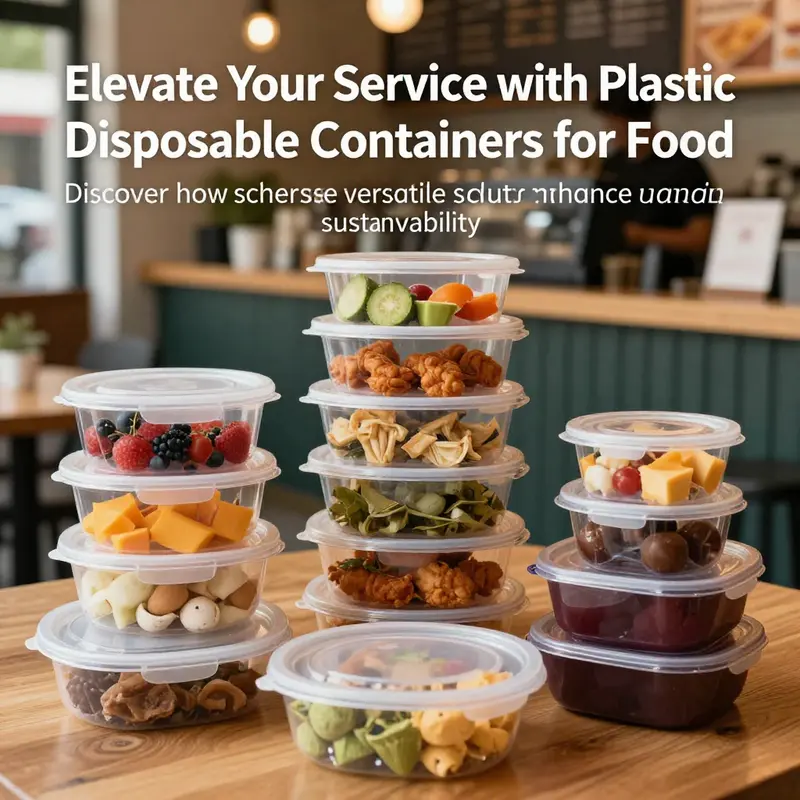
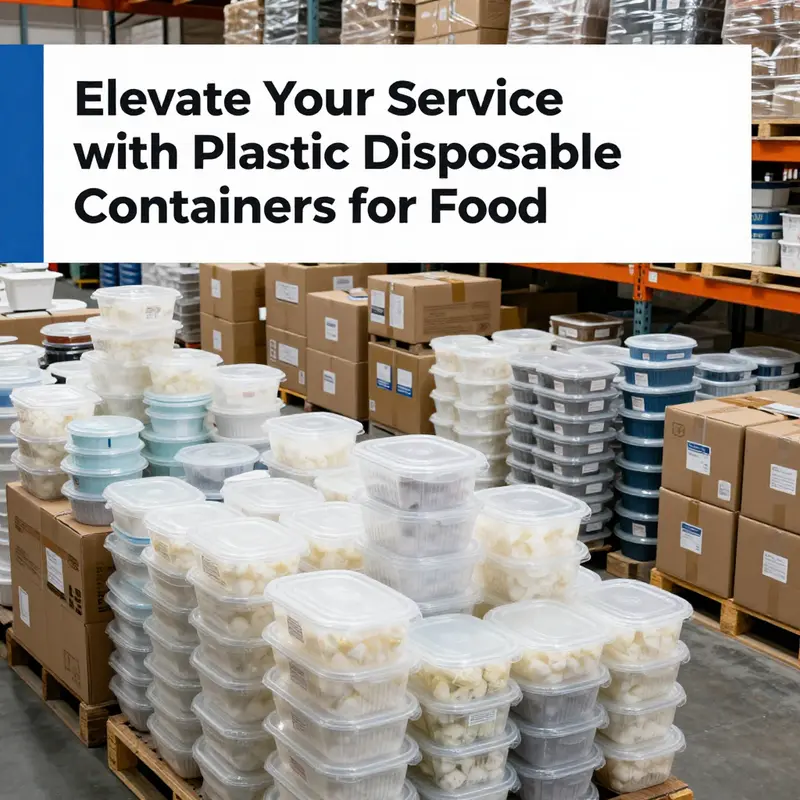
Plastic disposable containers for food are an essential part of the modern food service landscape, catering to a diverse array of establishments, from bubble tea shops to catering services. Their popularity stems from convenience, cost-effectiveness, and the ability to meet various culinary needs. As we delve into the market dynamics, environmental concerns, customization options, and economic impacts of these containers, we will provide insights that will benefit businesses looking to thrive in a competitive market. Each chapter will enrich your understanding of how plastic disposable containers are not just a practical choice but can also be aligned with brand values and consumer expectations.
Between Convenience and Controversy: The Market Dynamics Shaping Plastic Disposable Food Containers
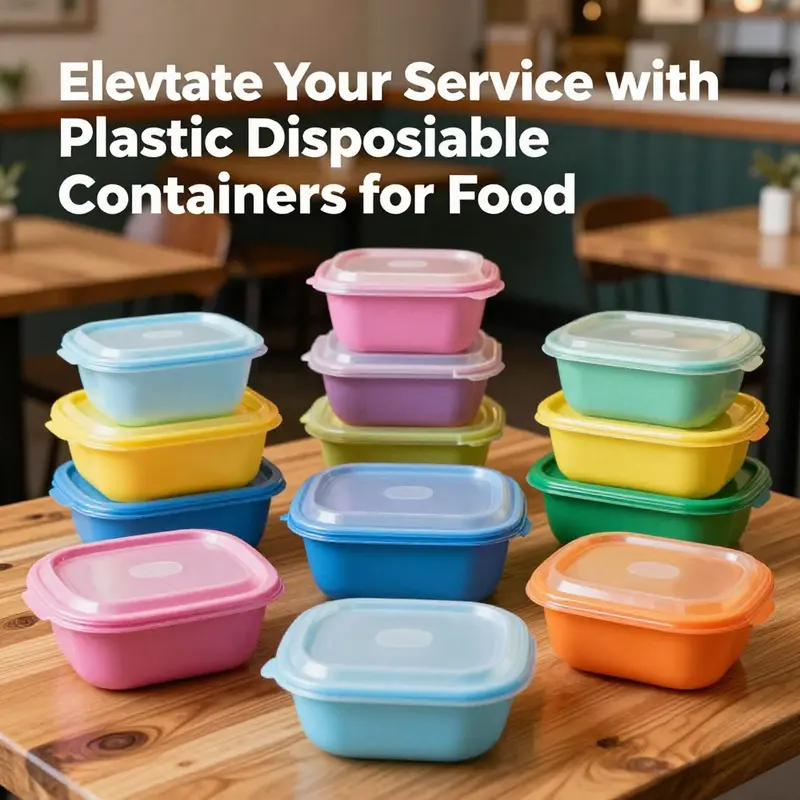
Growth dynamics in this sector are anchored in the practical realities of production and supply chain efficiency. The market is remarkably concentrated in East Asia, with China and India at the forefront. These economies benefit from vertically integrated supply chains that streamline every step from raw material sourcing and resin procurement to mold fabrication and mass production. The scale efficiencies available in these regions are especially pronounced for common polymers such as polypropylene (PP), polyethylene terephthalate (PET), and polystyrene (PS), materials that have become nearly synonymous with a wide range of food storage and takeaway applications. The core manufacturing techniques—injection molding and thermoforming—are well suited to high-volume output, enabling these facilities to sustain tight tolerances and durable performance, including reliable leak-proof seals and, for many products, microwave safety. This combination of material familiarity, process maturity, and large-scale capacity helps explain why the East Asian production base remains so influential in shaping global price points and delivery timelines. It also underlines a broader strategic reality: the packaging industry is highly sensitive to feedstock costs, energy prices, and currency dynamics, all of which ripple through to consumer price and supplier MOQs. In that sense, the market’s growth is as much about how efficiently containers can be produced at scale as it is about how well they meet consumer expectations for safety and convenience.
But the true engine behind demand goes beyond the mechanics of making more units. The fast-food segment, where speed and portion control define the customer experience, remains a primary driver. The next wave comes from the explosive growth of e-commerce food delivery, which has made single-serve and multi-compartment packaging a daily companion for millions of households. Urbanization compounds this effect by increasing the density of potential customers who rely on compact, stackable, and transport-friendly containers. When these drivers combine, they create a market that rewards designs capable of preserving quality, resisting oily residues, and withstanding the rigors of courier networks and household storage. Performance features such as moisture resistance, oil resistance, and adequate temperature tolerance continue to be essential, while designers also push for lighter weights and more efficient material usage to improve overall lifecycle economics. The numerical growth forecast—when translated into production planning—translates into cycles of investment, expansion of thermoforming lines, and continued refinement of injection-molding capabilities to accommodate new shapes and sizes that align with evolving menu formats and branding needs.
The environmental and health discourse now sits as a pivotal counterweight to the growth narrative. A growing body of research highlights the potential for microplastic contamination across the lifecycle of disposable containers. From the moment a container is manufactured to the point it is discarded, there are pathways for plastic fragments to enter food and beverages through physical flaking and chemical degradation. While direct causation in human health remains a field of active inquiry, the precautionary principle has accelerated scrutiny of packaging choices. Regulators, retailers, and manufacturers are responding with a mix of new material options, improved end-of-life strategies, and a more explicit emphasis on safety certifications and product stewardship. Consumers, increasingly aware of the environmental footprint of disposable packaging, are weighing the convenience of single-use containers against their long-term implications for landfills, recycling streams, and environmental integrity. The market’s response to these concerns has not halted growth, but it has introduced new costs, new design constraints, and new opportunities in a space where innovation can tilt the competitive balance.
Alternative materials and packaging formats have begun to capture attention precisely because they offer potential pathways to reduce environmental burden without sacrificing the benefits of disposability in contexts where portion control, hygiene, and convenience matter. Biodegradable and compostable options, as well as recyclable designs that align with established waste streams, have moved from fringe to a more central position in procurement and product development discussions. Yet these options are not without their caveats. Costs are higher, performance trade-offs can emerge, and not all “biodegradable” claims translate into home-composting outcomes. The nuance matters because it affects how brands communicate with customers and how retailers evaluate suppliers. When a pack claims eco-friendliness, savvy buyers ask for specific composting conditions, mill certifications, and end-of-life processing data that clarify how and where the material actually breaks down. The market, therefore, increasingly looks for a more holistic approach: not only how a container performs in a kitchen or a delivery van, but how its materials will be treated after use and how the end-of-life system will handle them without undermining public health or environmental goals.
In response to these pressures, the supplier landscape is evolving. Traditional cost-driven evaluations are broadening into sustainability-aware assessments. Buyers are increasingly incorporating metrics such as recyclability scores, the presence of recycled content, supplier environmental management practices, and third-party safety certifications into their decision calculus. The result is a reshaped competitive terrain where a supplier’s ability to demonstrate responsible sourcing, reduced environmental impact, and clear end-of-life pathways can influence deal terms as decisively as price and minimum order quantities. This shift fosters a more intentional approach to product design and process optimization. For example, form factors that simplify sorting and recycling, coatings that minimize contaminant transfer, or materials that perform well in chilled or microwaved contexts while still being compatible with prevalent disposal streams, are now strategic differentiators. The market is less about choosing one material over another and more about selecting the appropriate packaging ecosystem to fit a brand’s safety, sustainability, and service objectives.
As brands try to navigate this evolving terrain, the conversation by necessity expands beyond a single product line to encompass an entire system of packaging. Some brands experiment with shorter supply chains, locally manufactured options, or alternate materials such as paper-based or pulp-derived bowls for specific segments of meals, which can reduce plastic use in certain contexts while preserving ease of use and food safety. Here, a concrete example from the broader packaging landscape illustrates how diversification is playing out in practice. A disposable 700ml kraft paper bowl take-out design, with an octagonal-rectangle form and a lid, demonstrates how paper-based alternatives can enter the take-out aisle alongside traditional plastics. This kind of product, though not plastic, signals a broader industry trend toward material diversification as a strategy for reducing reliance on a single resin class while maintaining the service-level expectations of consumers and operators. For readers exploring this shift, a practical reference point can be found through a supplier profile that highlights a similar, customizable option: disposable-700ml-kraft-paper-bowl-take-out-octagonal-rectangle-paper-bowl. Access to such designs helps retailers and foodservice operators compare performance, aesthetics, and end-of-life handling across material families. See more here: disposable-700ml-kraft-paper-bowl-take-out-octagonal-rectangle-paper-bowl.
The direction of travel for this market is thus not a simple question of whether plastic should be used or avoided. It is a question of how to balance functional requirements with evolving expectations about safety and sustainability. The market is quietly undergoing a fundamental transformation as producers invest in more sophisticated manufacturing capabilities, and as buyers demand greater transparency around supply chains and lifecycle impacts. In practical terms, this translates into smarter material choices, better waste management partnerships, and a willingness to experiment with hybrid solutions that combine the reliability of plastics for certain applications with the environmental advantages of alternative materials where feasible. It also means that rigorous end-of-life considerations—recycling compatibility, composting feasibility, and waste stream integrity—are no longer afterthoughts but essential components of product development, procurement, and branding strategy.
For readers seeking a structured forecast and regional analysis, the broader market literature provides a valuable, data-driven perspective that complements the nuanced, on-the-ground considerations described here. A comprehensive market-size and share report offers deeper forecasts, regional breakdowns, and supplier benchmarks that can inform investment, procurement, and policy decisions. External resource: https://www.grandviewresearch.com/industry-analysis/disposable-plastic-food-containers-market. While this chapter emphasizes market dynamics and strategic implications, the takeaway is clear: the disposable plastic food container industry is at a crossroads where convenience, safety, and sustainability must be reconciled through design innovation, responsible sourcing, and a transparent, end-to-end view of the packaging lifecycle. The balance struck in the coming years will shape not only product choices but also the speed and manner in which households, restaurants, and retailers can continue to rely on packaging that keeps food safe, affordable, and ready to enjoy in a rapidly changing world.
Rethinking Single‑Use Food Containers: Environmental Costs, Practical Trade‑offs, and Real Innovations
Balancing Impact and Usability
Plastic disposable containers have reshaped how food moves from kitchen to customer. Their low cost, light weight, and barrier properties make them ideal for takeout, delivery, catering, and home convenience. Those same attributes, however, create persistent environmental challenges. The story of disposable food packaging is a study in trade-offs: convenience against longevity, barrier performance against recyclability, and immediate cost against long‑term impact. This chapter explores that tension and surveys the innovations pushing the industry toward safer, more circular solutions.
Single‑use plastic containers contribute to visible pollution on land and at sea. Fragments persist for decades and break down into microplastics that accumulate in ecosystems. Manufacturing these items consumes fossil feedstocks and energy, producing greenhouse gases along the lifecycle. Recycling systems are uneven. Thin multilayer containers, food contamination, and mixed materials often render recycling impractical. As a result, many seemingly recyclable items end up in landfill or incineration.
Environmental harm is not only about visible litter. It includes embedded emissions from material extraction and production, the lost value from unrecovered materials, and the health risks tied to leaching or contamination. In dry, dusty environments, condensation and particulate contamination can affect food safety and shelf life; while this is more common with bottled drinks, similar hygiene risks exist where lids and seals allow ingress of contaminants. These practical realities drive manufacturers and food service operators to consider design choices beyond immediate convenience.
Manufacturers and brand owners now face pressure from regulators, customers, and supply chain partners to reduce environmental footprints. Policy responses vary, but common threads appear: restrictions on certain single‑use items, incentives for reuse, and Extended Producer Responsibility schemes that shift end‑of‑life costs back to producers. These regulations create strong signals for redesign. When producers must bear disposal or recovery costs, they prioritize materials and constructions that are easier to reclaim, or switch to systems that reduce single‑use volumes.
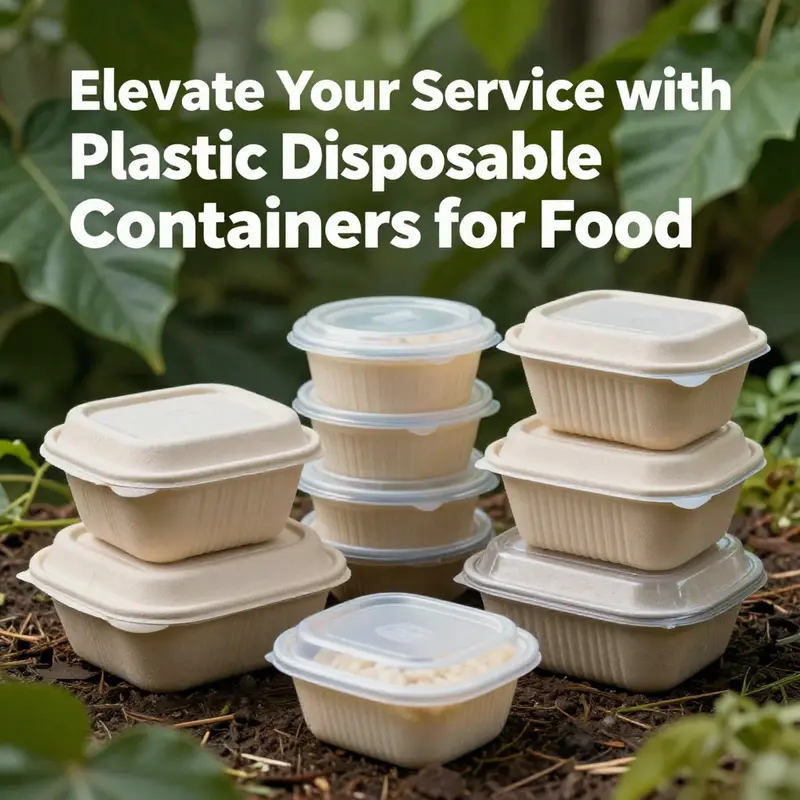
Innovation in materials has been vigorous. Plant‑based polymers such as polylactic acid (PLA) have gained attention because they originate from renewable sources. Under industrial composting, PLA can break down more readily than fossil‑based plastics, lowering persistence in the environment. Yet industrial composting infrastructure is limited in many regions, and PLA often fails to degrade quickly in home composts. Certification standards exist to help guide users, but they require proper processing to deliver environmental benefits. Other bio‑based alternatives—molded fiber from bagasse or pulp, and newer candidates like polyhydroxyalkanoates (PHAs)—offer promising barrier and compostability traits while relying less on fossil feedstocks. These materials suit many hot and cold food applications, but they also bring higher raw material costs and supply variability.
A practical compromise is the move to mono‑material constructions. Containers built from a single resin greatly improve the prospects for mechanical recycling. Mono‑PP or mono‑PET trays with compatible lids avoid the separation issues of mixed laminates. Lightweighting—reducing material thickness without sacrificing strength—also cuts emissions per unit and reduces waste mass. That approach demands careful engineering to keep barrier and thermal properties sufficient for food safety.
Technical progress in recycling aims to tackle materials that were once considered unrecyclable. Advanced mechanical recycling processes better tolerate contamination and yield higher‑quality regrinds. Chemical recycling technologies can depolymerize certain plastics back into monomers, enabling the production of virgin‑grade material from mixed or contaminated streams. These technologies are improving, yet they require scale, investment, and compatible collection systems. Until those systems exist broadly, claims about recyclability remain conditional on regional capabilities.
Another major innovation pathway is redesigning systems around reuse. Reusable and refillable programs reduce single‑use volumes directly. They succeed when logistics, deposits, and cleaning systems lower the friction for end users and operators. Cafés and meal‑delivery services have piloted returnable containers, with digital tracking and incentives encouraging returns. Relying on reuse shifts emissions upstream toward cleaning and transport, so the environmental benefits depend on achieving many reuse cycles and efficient logistics.
Labels and certifications are increasingly important to help buyers and operators make informed choices. Terms like “compostable” or “biodegradable” vary in meaning across jurisdictions. Standards such as industrial compostability tests provide clearer benchmarks, and third‑party certification offers traceable evidence of performance. For businesses, specifying certified compostable or recyclable products reduces reputational risk. For consumers, clear end‑of‑life instructions are essential; a compostable bowl sent to landfill fails to deliver its environmental promise.
Design for end‑of‑life reaches beyond material choice. Clear labeling, simplified material mixes, and modular designs that separate lids from bases make recovery more practical. Coatings and inks must be selected to avoid contaminants that interfere with recycling or composting streams. Packaging designers are learning to prioritize recyclability from the first sketches, rather than trying to retrofit sustainability into finished products.
Cost remains a decisive factor. Many eco‑friendly alternatives carry higher unit costs than commodity plastics. That matters for low‑margin food businesses. However, lifecycle thinking can reveal savings when considering waste disposal fees, regulatory compliance, and consumer willingness to pay for sustainable options. Bulk procurement, standardized sizes, and partnerships with suppliers can reduce incremental cost premiums. Some operators find that investing in reusable systems pays off over time through lower per‑use costs and customer loyalty.
Operational realities shape what solutions can be adopted. A busy takeaway kitchen needs containers that stack, seal reliably, and keep food at safe temperatures. Compostable fiber bowls may degrade if exposed to hot liquids for long periods, while some plant‑based plastics soften under heat. The right choice depends on the menu, holding time, transport method, and local waste infrastructure. Successful transitions start with pilot programs that test materials in real service conditions.
Behavioral change is equally important. Consumers and staff need straightforward guidance. A clear, consistent system for sorting, returning, or disposing of containers increases participation in recycling and reuse. Training kitchen staff to scrape food residues or rinse containers before recycling improves material recovery rates. For customers, small incentives—discounts or deposits—encourage correct disposal or returns.
At the industry level, collaboration accelerates progress. Suppliers, waste managers, food operators, and regulators can co‑design systems that align collection, processing, and market demand for recycled materials. Extended Producer Responsibility programs set funding and recovery targets that spur investment in recycling infrastructure. When such systems exist, blended solutions emerge: compostable bowls for venues with industrial composting, mono‑material plastics for regions with strong recycling, and reusable containers where logistics permit.
Innovation extends into new materials science. Enzymatic depolymerization, selective catalysts, and solvent‑based recovery methods offer pathways to more efficient material reclamation. Continued research into barrier coatings that are compostable or easily removable can allow fiber bowls to compete with plastic trays on shelf life. Smart labeling technologies, such as digital tags that indicate compostability or recycling stream compatibility, can guide consumers and sortation technology alike.
Practical transition strategies emphasize incremental change. Replace the most litter‑prone items first. Prioritize mono‑material designs for high‑volume SKUs. Pilot compostable or molded fiber alternatives where local composting exists. Trial reusable systems in neighborhoods with high return rates. Communicate changes clearly to customers and staff. Measure outcomes—material diverted, greenhouse gas reductions, and cost impacts—and iterate.
For decision makers in food service and retail, the key is a balanced approach that matches material choice to local realities. Not every location will benefit equally from the same solution. What matters is transparency, measurable goals, and willingness to adapt. When brand owners and operators view packaging as a system, rather than a single purchase, they unlock options that reduce environmental harm without sacrificing service quality.
Wherever possible, choose certified compostable options for facilities with composting capability. Where recycling infrastructure is strong, favor mono‑material and lightweight designs that are easier to reclaim. Consider reusable programs for regular customers and high‑volume channels. Small operational steps—clear labeling, staff training, and supplier engagement—multiply into substantial gains.
For those exploring plant‑fiber bowls as an alternative, there are ready options designed for food service that combine waterproofing with compostability. See an example of biodegradable kraft paper bowls that are promoted for take‑away use to understand how fiber solutions can be configured for durability and composting compatibility: https://greendispopack.com/product/biodegradable-eco-friendly-take-away-odm-oem-round-kraft-paper-bowl/.
As technologies and policies evolve, the goal is a pragmatic pathway to lower environmental impact. Combining better materials, smarter design, improved recycling, and reuse systems reduces reliance on single‑use fossil‑based plastics. The balance between functionality, cost, and sustainability will continue to shift. In the meantime, clear labeling, informed procurement, and targeted pilots are the most effective tools for businesses and communities aiming to reduce the footprint of disposable food containers.
For a deeper look at the broader context of plastic pollution and sustainable management options, consult this resource: https://www.epa.gov/sustainable-management-plastics/what-are-plastic-pollution-and-why-it-matters
Branding, Compliance, and Consumer Choice in Custom Disposable Plastic Food Containers
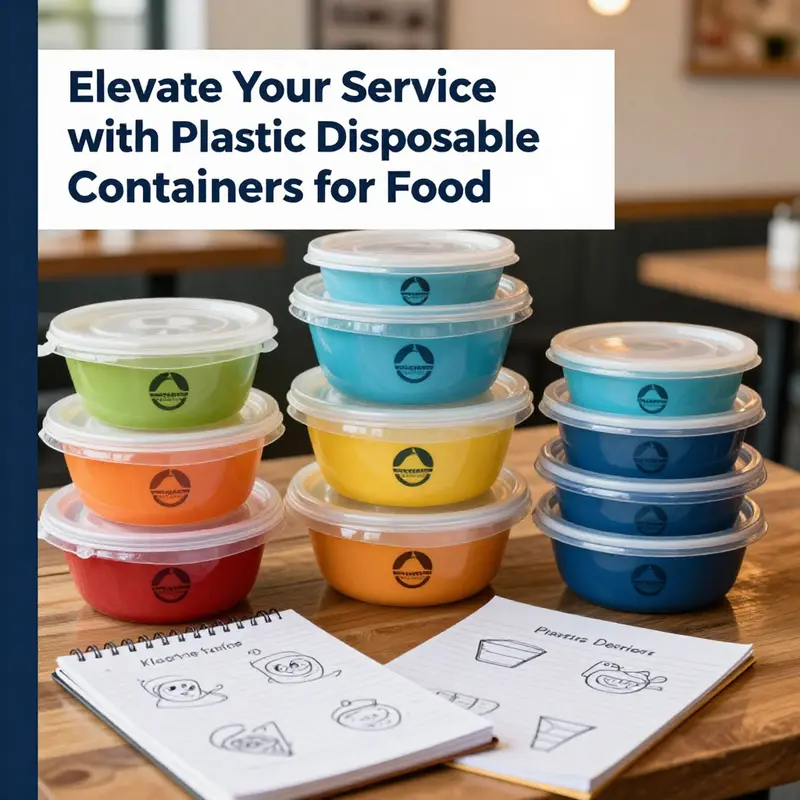
Customization has become a strategic priority in disposable plastic food containers. It is not only about aesthetics but about aligning packaging with fast-casual service models, menu diversity, and evolving consumer expectations who treat packaging as an extension of the dining experience. Brands increasingly request precise sizes such as 600 ml, 850 ml, 950 ml, and 1000 ml to fit take-out meals, salads, sauces, and snack assortments. These sizes reflect practical considerations: a 600 ml container for a single serving like soup or a light meal, while 1000 ml supports larger meals or multi-component dishes that arrive together yet remain easy to handle. The aim is to reduce secondary packaging, minimize leakage, and ensure each menu item has a corresponding vessel. Material choice follows sizing logic: polypropylene (PP) is common for cost, heat resistance, and microwave compatibility; polystyrene-based options (including EPS) offer light weight and insulating properties but carry safety and environmental concerns; PET is considered for barrier properties and clarity but not always first choice for high-heat, fatty foods. Each material balances cost, durability, and thermal performance, with selection driven by use scenario rather than habit. The moment a restaurant begins to customize, the focus shifts from function to brand communication about safety standards and sustainability commitments. Color, size, and branding become levers that convey identity and reliability at a glance. The ability to imprint logos or switch colors for seasons turns packaging into a portable brand ambassador that travels from the counter to the car and into the home. Practical features such as leak resistance, stackability, and tamper-evidence are integral. Multi-compartment designs can simplify packaging for meals with sauces and sides. In wholesale and manufacturing, customization is accessible through scalable production runs and standardized designs. Even as aesthetics matter, operational benefits remain central: the right size and reliable lid paired with a sturdy body can affect service speed, portion control, and customer satisfaction. The conversation blends branding with operational efficiency. Consumer preferences are increasingly shifting toward sustainability. Eco-friendly options, recycling and compostability claims must be clear and accurate, as labeling varies in meaning. The market is nuanced: not all “biodegradable” products perform the same under different environmental conditions, and regulators may require disclosure of how a product should be disposed of. Buyers want a simple signal indicating recyclability, compostability, or reusability and the conditions required for each. The customization toolkit expands to include sustainable material choices and compliance with safety and disposal standards. Yet safety remains central: many studies show that containers meet established safety standards for migration under normal use, but higher temperatures and fatty foods can alter migration behavior. Clear usage guidelines and temperature ranges should accompany customized packaging. A brand’s color or logo cannot be the sole differentiator; it should be paired with documented performance characteristics and handling instructions. The rise of digital platforms in supply chains supports scalable, branded, and compliant packaging delivery across markets. This expands the market for customizable PP-based containers, with some PS and EPS options, balancing cost, shell integrity, and heat resistance. The result is a collaborative design ecosystem where materials engineers, packaging designers, and food-safety specialists ensure a size and shape meets culinary needs, preserves food quality, and aligns with a brand narrative. At the same time, there is interest in alternative materials that address environmental concerns without sacrificing performance. Eco-friendly, recyclable, and compostable options expand the palette, though the economics of greener materials can influence decisions. Packaging can be designed to minimize waste through lighter weight, efficient lid integration, and precise portioning, while signals about recyclability or compostability guide disposal. In many markets, the viability of post-use pathways like household recycling or industrial composting shapes design choices. To implement branded packaging at scale, start with a core menu item and map it to a container family that can be customized with the brand palette and logo. Coordinate with a supplier on print durability, lid compatibility, and barrier properties, and align packaging with post-use pathways by including disposal instructions where relevant. The expected returns include stronger brand recall, faster service, reduced spillage, and a packaging system that clearly communicates safety and quality. Markets vary in appetite for customization and regulatory expectations; the conversation sits at the intersection of design, safety, sustainability, and consumer psychology. It is a dynamic equilibrium rather than a fixed recipe. For further context on eco-conscious options in disposables beyond plastics, see examples of sustainable packaging solutions and how brands communicate environmental commitments while maintaining brand consistency. The overall trend is to balance identity, safety, and responsibility, treating the container as a co-creator of the dining experience. The path forward invites continued collaboration among designers, manufacturers, and regulators to refine standards, reduce ambiguity, and expand the palette of compliant, sustainable choices. The next chapter will examine how regulatory frameworks and laboratory testing influence material standards and how that shapes product development and consumer trust.
null
null
Final thoughts
Understanding the multifaceted role of plastic disposable containers for food reveals their undeniable impact on the food service sector. These containers are not merely vessels for convenience, but they also foster branding opportunities and align with evolving sustainability standards. By strategically integrating these solutions, businesses can enhance customer satisfaction while contributing to a more sustainable future. It is crucial to stay informed about market trends, customization opportunities, and environmentally friendly innovations to remain competitive.