
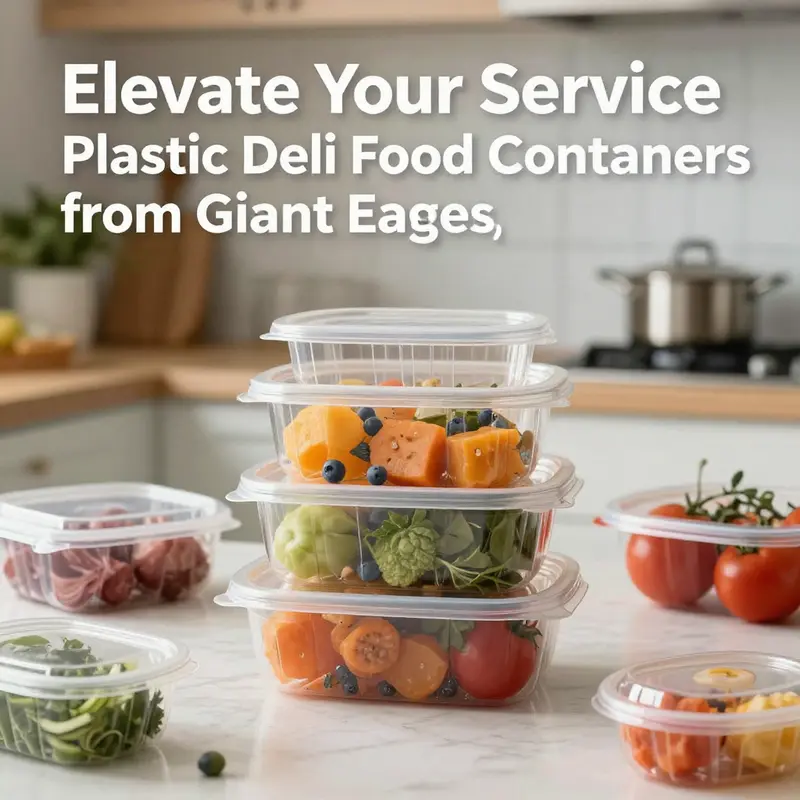
In the culinary landscape, where presentation and safety reign supreme, plastic deli food containers play an essential role, especially in bustling environments like bubble tea shops, restaurants, and catering services. Giant Eagle, a reputable supermarket chain, offers a diverse range of these containers that not only ensure functionality but also cater to the growing demands for sustainability and safety. As we navigate through this article, we will explore how Giant Eagle’s offerings align with industry standards, the importance of BPA-free materials, the impact of thoughtful packaging design on consumer choices, and the overarching food safety standards that govern the use of these containers. Furthermore, we will delve into the commercial vendors collaborating with Giant Eagle, emphasizing the commitment to quality and service. By the end, you will gain a comprehensive understanding of how integrating the right packaging solutions can enhance your food business.
From Aisle to Home: The Quiet Infrastructure of Plastic Deli Containers at Giant Eagle
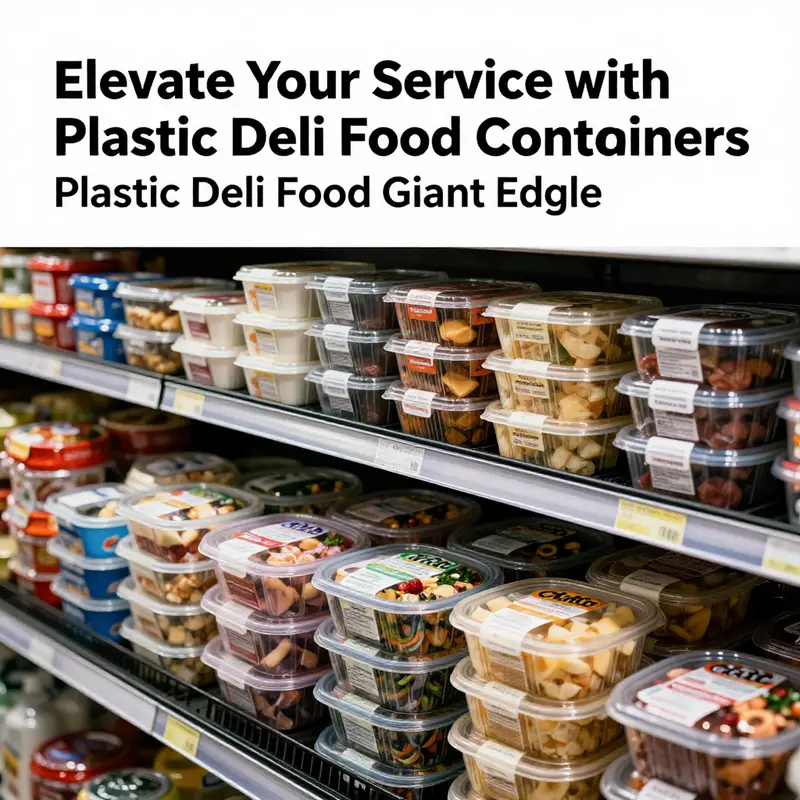
In the flow of a large supermarket, the plastic deli container works as a backstage actor: out of sight most of the time, yet essential to how fresh food moves from counter to kitchen. At Giant Eagle these containers are chosen for safety, clarity, and durability, balancing food-contact standards with practical needs for staff and shoppers. Materials like polypropylene (PP) provide rigidity and microwave compatibility, while some designs use polystyrene (PS) for visibility. The lids seal to prevent leaks during transport and to fit neatly on stacks in back rooms and on display cases. Clear labeling communicates microwave safety and disposal guidance, helping families reuse containers or recycle them where programs allow. Beyond safety, many containers are designed for portion control and easy stacking, which supports efficient inventory, reduces waste, and speeds service. The store’s mix of brands and multi-sourcing reflects a need to secure reliable supply in a dynamic retail environment, while staying aligned with evolving rules about BPA, recyclability, and recycled-content plastics. For customers, the practical message is simple: a sturdy, reusable container that keeps food fresh and makes post-purchase reuse or recycling straightforward. In short, these containers illustrate how packaging design, store operations, and household habits intersect in everyday grocery shopping.
Safe Packaging on Store Shelves: BPA-Free Deli Containers, Food Safety, and Sustainability in Grocery Retail
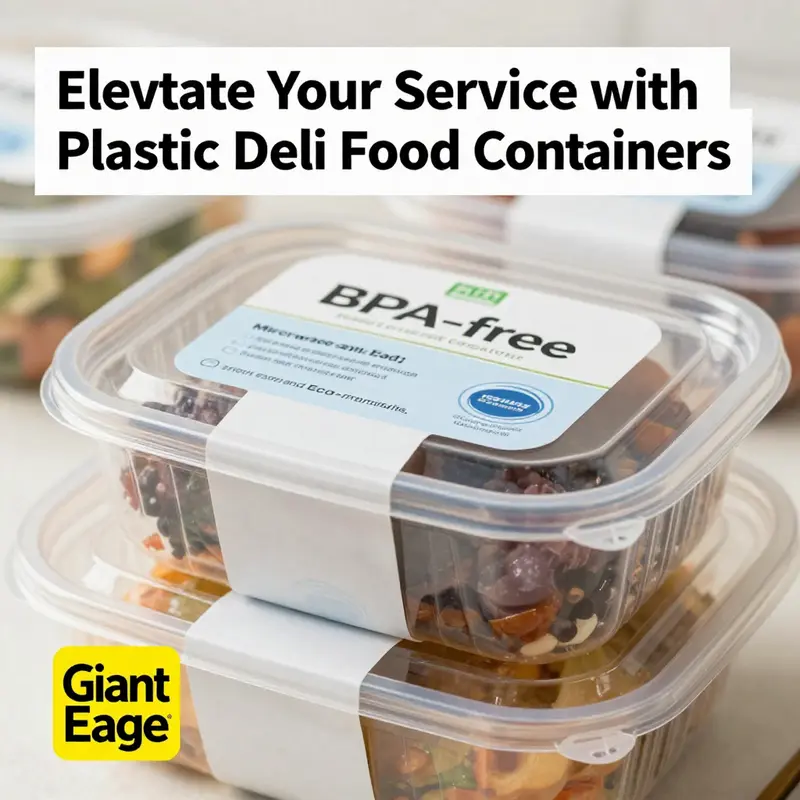
Behind the glass doors of Giant Eagle and other retailers, shoppers encounter a steady conversation about container safety and everyday meal routines. BPA-free deli containers are part of a system that protects food during transport and storage while addressing environmental and health concerns. BPA, Bisphenol A, has faced scrutiny for potential leaching and endocrine effects, leading to a shift toward BPA-free materials such as polypropylene (PP) and high-density polyethylene (HDPE). Retailers emphasize microwave-safe and freezer-safe performance, leak resistance, and ease of cleaning. The packaging design prioritizes durability, stackability, and clear labeling to guide use and disposal, supporting both convenience and responsible stewardship.
From a sustainability perspective, reuse, durability, and end-of-life considerations shape product development. Extended Producer Responsibility (EPR) frameworks in some regions push for more recyclable and reusable packaging and transparent material information. Giant Eagle’s approach aims to provide safe, reliable products while aligning with environmental goals and consumer expectations.
For customers, labels like \”BPA-free\” and \”microwave-safe\” facilitate quick decisions during routine shopping and meal-prep. The choice of materials balances mechanical performance, chemical inertness, and health considerations. The result is packaging that resists cold storage cracking and repeated reheating while preserving flavor and texture.
The in-store experience is supported by supplier standards, store-level execution, and clear customer communication about usage, washing, and disposal. While the ecosystem is not exclusive to one container, it illustrates how safety, sustainability, and convenience converge in everyday packaging decisions. The chapter closes with an ongoing conversation about what counts as safe packaging, how consumers exercise that safety, and how retailers translate these ideals into shelves and labels.
Shelf Psychology and Deli Packaging at Giant Eagle
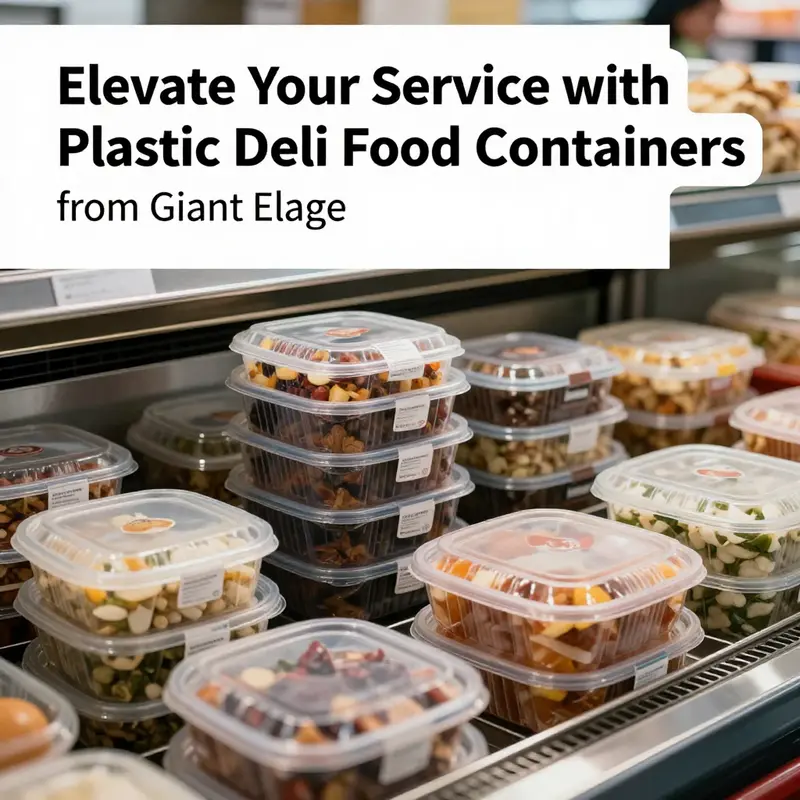
On Giant Eagle shelves, plastic deli containers do more than hold food; they set expectations and guide choices. This chapter explores how visual cues, material clarity, labeling readability, and packaging cues combine to influence perceived freshness and convenience. Transparency of the container enables a real view of color and texture, while high-contrast labels and legible information reduce cognitive friction at the moment of decision. The design language—typography, color palette, and alignment with the store’s branding—signals reliability and safety, encouraging repeat purchases. Practical features such as tight resealability, leak resistance, and microwave compatibility contribute to perceived value and utility in the home. Sustainability signals, even when subtle, can shift preference toward products that align with personal values. Taken together, these packaging decisions help Giant Eagle shape shopper behavior by presenting a cohesive, trustworthy, and easy-to-use deli experience.
Safeguarding Freshness: Food Safety Standards for Plastic Deli Containers in Giant Eagle
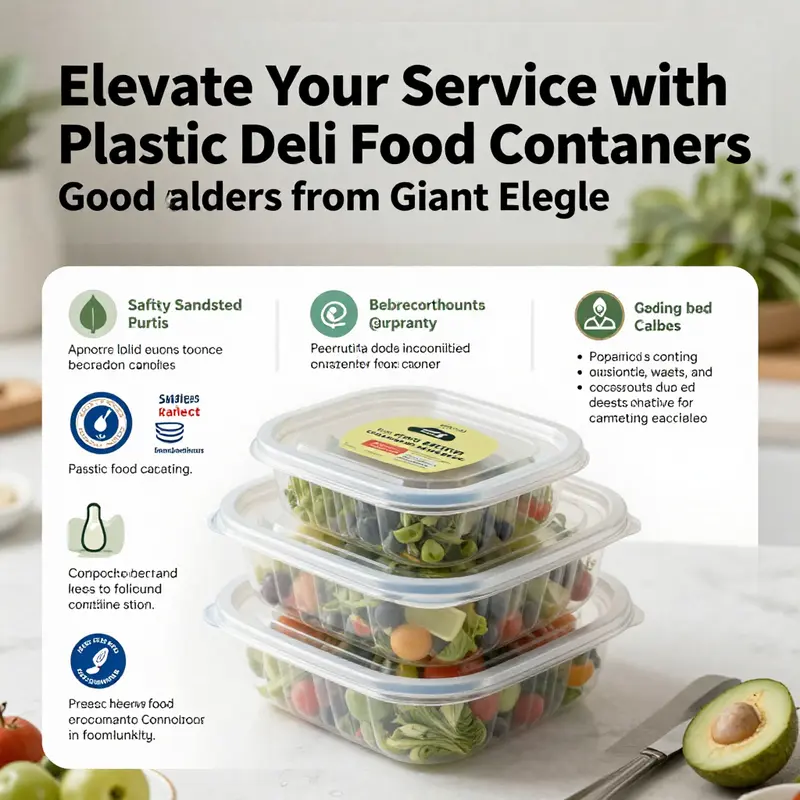
Within Giant Eagle’s aisles and deli cases, the packaging surrounding prepared foods is more than a simple wrapper. It is a carefully engineered interface that protects safety, preserves taste, and communicates trust to the shopper. The chapter that follows examines how plastic deli containers—used to hold salads, entrees, and grab-and-go meals—are regulated, tested, and deployed in a way that aligns with both federal food-safety expectations and consumer needs. Although Giant Eagle does not publish a public, door-to-door standard for every container in every store, the behavior of the marketplace and the structure of U.S. regulation collectively shape what shoppers encounter when they pick up a ready-to-eat item. In practice, this means the containers must meet a suite of requirements that ensure no harmful substances migrate into food, that materials withstand the meals they carry, and that the experience remains sanitary from the time a product is prepared to the moment it reaches a customer’s kitchen. The overarching logic behind these requirements is straightforward: food safety hinges on selecting materials with proven safety records and on testing that demonstrates performance under expected conditions, from cold refrigeration to heated service, without compromising the food’s quality or the consumer’s health.
One of the foundational aspects of this framework is material compliance. Containers marketed for contact with food are expected to be made from plastics that the U.S. Food and Drug Administration (FDA) recognizes as suitable for food contact. This designation, often described as “food grade,” implies a set of assurances about what is acceptable to come into contact with edible items. In practical terms, it means avoiding substances that have raised health concerns in the past, such as BPA or certain phthalates, and ensuring that the base polymer—the plastic itself—has been evaluated for safety in normal use. For Giant Eagle and its suppliers, this translates into selecting packaging that originates from resins and additives that have earned regulatory clearance for food contact. The safety logic mirrors broader regulatory patterns found in other major markets where policymakers push for materials that minimize risk while enabling modern, convenient food packaging.
Beyond the raw materials, the physical and chemical safety of containers is tested through standardized assessments. Containers are expected to perform under the heat and cold cycles of household use, including microwave heating or cold storage, when these features are advertised. The tests examine whether heat or acidic or fatty foods could cause any migration of constituents into the food. In other words, the containers must remain intact under conditions that mimic everyday use: a meal prepped at one temperature, then heated at home, then stored again in a fridge or freezer. Any deformation, cracking, or discoloration could create new surfaces for bacterial colonization or alter the barrier properties of the package. Likewise, fat- or acid-rich contents should not degrade the container material in a way that would release substances into the meal. In the market, this means tightly controlled manufacturing processes, rigorous quality control, and a bias toward durable, repeatable performance rather than brief convenience.
Uniform hygiene and surface integrity also play a vital role. A container’s surface should be smooth and free from cracks, pores, or scratches that might harbor microbes or trap residues. This is not a cosmetic concern; even minor defects can undermine sanitary performance and complicate cleaning in household kitchens or commercial dishwashing environments. Repeated use, if the packaging is designed for it, demands especially robust durability. Some plastic deli containers are marketed as reusable, designed to withstand multiple cycles of washing and re-use. In those cases, the bar for durability is even higher, because a worn or scratched surface can alter the migration profile of the material and create new pathways for contaminants. For a retailer like Giant Eagle, this translates into a careful balance: the array of choices must offer value, convenience, and reusability in selected lines, while ensuring that single-use items minimize environmental impact without compromising safety.
The consumer guidance that accompanies these products reinforces prudent handling. For items not explicitly labeled as microwave-safe, consumers are advised to use caution and to transfer food to microwave-safe receptacles if heating is required. This is not merely a matter of following directions; it is a practical guardrail that prevents unintended exposure to substances that might migrate when exposed to high temperatures. The labeling, often visible on the lid or side of the container, serves a dual purpose: it informs the user about appropriate uses and it signals to the consumer that safety testing has been completed for those uses. When shoppers see terms like microwave-safe or freezer-safe, they are looking at a simplification of a complex safety calculus that depends on material science, design, and manufacturing controls.
The packaging choices offered in Giant Eagle also reflect evolving regulatory expectations and societal priorities, including the push toward extended producer responsibility and sustainable packaging. While the core safety of plastic deli containers is framed around food-contact regulations, retailers increasingly balance that safety with environmental considerations. This often means an emphasis on containers that are either recyclable or reusable, designed to minimize waste, and compatible with existing recycling streams. The practical reality is that many households either reuse containers a few times or properly dispose of them so that they can be recycled in appropriate programs. In this context, the design and selection of plastic deli containers at point of sale become part of a broader conversation about waste, reuse, and the lifecycle of consumer packaging. The consumer’s day-to-day choices—how to store leftovers, what to reheat, and how to dispose of containers—are integrated into the safety framework through clear labeling and accessible storage and handling guidance.
From a supply-chain perspective, Giant Eagle functions as a conduit between manufacturers and the grocery aisle. The retailer’s procurement decisions are guided by safety profiles, regulatory compliance, and practical performance under real-world conditions. This means that the containers sold across stores and online must come from producers who can demonstrate conformity with federal guidelines and industry-accepted testing regimes. The broader market context—where producers pursue certifications, quality management systems, and traceable supply chains—helps ensure that the packaging in Giant Eagle is not only compliant at the moment of purchase but remains trustworthy throughout its shelf life and usage. The result is a packaging ecosystem where safety, usability, and sustainability are balanced to meet diverse consumer needs, from busy families to meal-prep enthusiasts. Consumers arriving at the deli counter may notice a spectrum of container types—some with multi-compartment designs intended to keep different elements of a meal separate, others with simple, single-compartment formats intended for quick service. This variety is driven by food service trends, the need for portion control, and the practical realities of home reheating and storage. It is also shaped by regulatory expectations that favor well-sealed lids that minimize leakage and maintain product integrity during transport.
In the mind of the shopper, understanding these safety assurances can feel abstract. Yet the practical upshot is tangible: a container that passes migration tests, resists leakage, and stands up to home reheating, offers a reliable, safe vehicle for the foods Giant Eagle prepares and sells. The consumer takes comfort in labeling that clarifies whether the container is microwave-safe, whether it is BPA-free, and whether it is designed for freezer use. The absence of certain chemicals in the base resin—a consequence of FDA oversight and industry best practices—adds another layer of confidence. While it is not possible to access every internal standard Giant Eagle uses to evaluate suppliers, the public-facing framework of U.S. regulation provides a robust baseline. The result is a chain of trust from the point of packaging design through to the consumer’s kitchen.
For readers who want to explore a related packaging resource that demonstrates the kind of product categorization that underpins safe food storage, see the following example catalog item: disposable-700ml-kraft-paper-bowl-take-out-octagonal-rectangle-paper-bowl. This link illustrates how suppliers segment packaging by capacity, shape, and intended use—an approach that also informs how retailers categorize products for food service and home storage. It is important to note that while this specific item relates to paper-based containers, the same principles of consumer safety, material integrity, and labeling apply across many packaging formats, including the plastic deli containers seen in Giant Eagle stores. The alignment of packaging choices with safety standards is not accidental; it reflects a mature regulatory environment that emphasizes food contact safety as a shared responsibility among manufacturers, retailers, and consumers.
As the packaging landscape continues to evolve, the take-home message remains consistent: safety begins with materials that are appropriate for food contact, moves through rigorous testing and clear labeling, and culminates in everyday practices that keep meals safe from the deli counter to the dining table. Shoppers can contribute to this safety by paying attention to care and use instructions, avoiding high-heat exposure unless explicitly permitted, and supporting packaging options that balance safety with sustainability. For those who want to deepen their understanding of the regulatory landscape guiding this ecosystem, the FDA’s ongoing guidance on Food Contact Materials Issues provides a comprehensive reference point that underpins the standards applied to containers sold in Giant Eagle and similar retailers.
External resource: FDA – Food Contact Materials Issues. FDA – Food Contact Materials Issues
The Hidden Market Behind Giant Eagle: Plastic Deli Containers, Standards, and the Chain of Supply
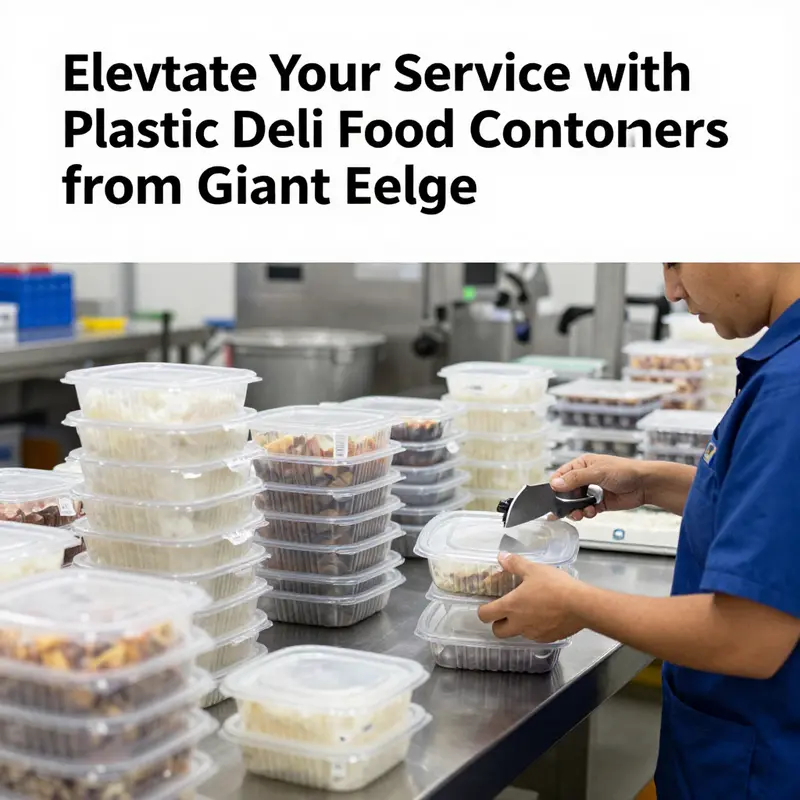
Behind Giant Eagle’s shelves sits a quiet but essential system: the packaging that carries, protects, and ultimately serves meals. Plastic deli containers are not merely vessels. They are design tools for safety, speed, and convenience. In the modern grocery landscape, a bagging lane is a small theater where reliability matters as much as taste. Every container that flows from kitchen to customer needs to keep its contents safe in transit, survive the chill of a freezer, and tolerate the heat of a microwave if the buyer chooses to reheat. For a retailer with a broad footprint, the choices made at the packaging level ripple through procurement, waste management, and even customer perception. The absence of a flashy brand story around each box is not a sign of neglect; it is a sign of an integrated supply chain that prioritizes standards, compatibility, and scale. And while Giant Eagle does not publicly publish every supplier, the evidence from industry patterns shows a consistent selection logic: BPA-free materials, microwave safe, leak resistant, and stackable. Those qualities are not luxuries; they are prerequisites that let a deli section operate smoothly from dawn to late night, and that enable the store to offer ready to heat meals without inviting corrosion of trust from the consumer. The resulting packaging ecosystem is a blend of engineering discipline and logistical choreography, where the goal is to minimize variability at every touchpoint without compromising safety or convenience. In practice, this means containers designed to resist leakage when sauces spill, to remain stable when nested with other containers for space efficiency, and to resist cracking as orders move through forklifts and freezers. The design intent extends beyond the container walls: lids must seal, rims must nest, and walls must tolerate cycles of cooling and reheating without deforming. From the buyer’s perspective, these attributes translate into fewer complaints, quicker turnaround for prep staff, and a more predictable flow from distribution centers to the front of the store. Consumers rarely reflect on the engineering that makes a lunchable come together, but the effects are felt in every bite and every breath of trust that accompanies it. A chain of this scale benefits from standardization, and standardization in packaging is not a single material choice but a family of choices that work together across product lines, store formats, and regions. The recurring pattern is a preference for materials that are food safe and easy to recycle or reuse, a tolerance for high volumes, and a readiness to adapt as consumer expectations evolve toward convenience without compromising safety. The realities of mass retail mean there is little room for experimentation in the kilo-lot orders that service hundreds of storefronts daily. Instead, procurement leans on tested polymers that perform consistently under diverse environmental conditions, with clear markings that reassure both staff and customers about microwave safety and freezer resilience. The conversation around plastic deli containers thus sits at the intersection of material science, food safety standards, and the practicalities of store operations. The focus is on predictable performance, and this predictability, in turn, supports the integrity of the deli program, the accuracy of inventory, and the restaurant-style experience that many shoppers look for in a grocery setting.
Industry observers note that a retailer of Giant Eagle’s scale often sources plastic deli containers through a network of manufacturers and distributors rather than through a single brand. The logic is straightforward: a broad assortment must accommodate different meal types, portion sizes, and meal prep needs, from single-serve salads to multi-compartment meals. This multi-variant approach naturally invites a procurement strategy that prizes compatibility and interchangeability. When a container fits the same lid line across several product families, stockouts become rarer and kitchen staff can swap components without retooling the entire packaging suite. The tradeoff, of course, is ensuring that the containers remain compliant with food safety regulations across markets and that they meet consumer expectations for durability and ease of use. In practice, that typically means containers made from BPA-free polypropylene or similar polymers, with clear heat resistance and sealed, leak-proof lids. It also means designs that can be stacked securely for frost-free storage and compact display, reducing the footprint of packaging in warehouses and on grocery shelves. The operational reality is that the packaging must withstand repeated cycles of washing, chilling, and heating, all while preserving the appearance and integrity of the food inside. In such a system, even minor deviations in raw material quality or lid fit can ripple into slowdowns in the checkout line or increases in return rates. This is why the procurement teams behind Giant Eagle often emphasize rigorous supplier qualification, traceability, and testing protocols that verify thermal performance, chemical safety, and mechanical integrity. The objective is to minimize the risks of leaking sauces, cracked bases, or warped seals, which could undermine consumer confidence and complicate inventory management. The alignment with food safety standards extends beyond the container itself. Labels, date marks, and FDA-aligned disclosures accompany the packaging, creating a cohesive ecosystem that staff can rely on from the moment a product lands on the loading dock to the moment it reaches a customer’s table. A crucial dimension of this ecosystem is the capacity to accommodate evolving regulatory expectations without forcing a wholesale change in packaging lines. For Giant Eagle and similar retailers, that translates into a preference for containers that are clearly marked as microwave-safe, freezer-safe, and BPA-free, with recyclability in mind. The economics of scale support this preference. As orders rise, the unit cost of compliant, durable packaging tends to become more favorable, even as the brand portfolio broadens to meet changing consumer demands. The result is a packaging strategy that favors resilience, versatility, and cost-competitiveness, all guided by the shared objective of safe handling and efficient service in thousands of daily transactions.
The supply chain realities described here, while not publicly mapped in a vendor-by-vendor catalog for Giant Eagle, align with broad industry patterns. Suppliers frequently operate from vantage points in major manufacturing hubs in Asia, Europe, and the Americas, offering a range of packaging formats that can be adapted to private label programs or to specific regional preferences. These suppliers often provide bulk, multi-year contracts that guarantee supply continuity and enable retailers to forecast packaging needs with greater accuracy. The ability to source multi-compartment designs, for example, or to switch between lid configurations without disrupting the entire line, is valued as much as the raw plastic quality itself. In the context of public data, it is common to see references to generic, BPA-free, microwave-safe containers sourced from well-established manufacturing clusters. Such findings support the conclusion that while a direct vendor relationship between Giant Eagle and a specific plastics producer might not be publicly disclosed, the practical pathway most retailers follow involves a reputable network of manufacturers and distributors capable of delivering consistent quality at scale. The information landscape, therefore, favors a view of Giant Eagle’s packaging as the product of a robust, diversified supply chain rather than a single supplier story. For researchers and procurement analysts, this underscores the importance of triangulating supplier databases, public procurement disclosures, and trade catalogs to obtain a fuller picture of the packaging ecosystem that underpins the grocery experience.
In keeping with the broader movement toward sustainability and responsible sourcing, some retailers also test and incorporate eco friendly options alongside traditional plastic packaging. This expansion often includes disposable options that prioritize recyclability or compostable performance without sacrificing the protective attributes essential to deli foods. The shift toward greener packaging is rarely about replacing plastic overnight; it is about broadening the portfolio to meet a wider set of shopper preferences and regulatory expectations. For Giant Eagle and its peers, this means maintaining the core supply chain benefits of standardization and reliability, while adding new formats that speak to consumer concerns about waste and environmental impact. In the end, the packaging choices in a large grocery network reflect a balance: the best-performing containers for safety and durability, the most efficient designs for speed and storage, and a growing array of sustainable options that align with evolving market norms. The result is a packaging system that quietly supports the everyday rituals of shopping, meal preparation, and safe food handling, even if most customers never consider the chain of suppliers behind every plastic container.
As the discussion moves toward the boundaries of what is publicly observable, it becomes clear that direct vendor listings specific to Giant Eagle are rarely disclosed in open forums. The practical takeaway for industry observers is not the existence of a single vendor, but the presence of a reliable, scalable ecosystem. That ecosystem hinges on materials that are proven safe for food contact, designs that maximize performance through the life cycle of a deli meal, and a procurement philosophy that values continuity and quality assurance. For researchers who want to trace these ties, the most fruitful approach is to examine common market players in the plastics and packaging space, study the general features of acceptable product configurations, and cross reference with retailer procurement patterns visible through supplier directories, regulatory filings, and trade publications. This approach provides a plausible, evidence-informed picture of how Giant Eagle can offer a broad and dependable deli packaging program without publicly naming every partner in its supply chain.
In closing this chapter, it is helpful to consider the broader landscape that frames Giant Eagle’s packaging choices. The industry trend toward BPA-free, microwave-safe, and leak-resistant containers with stackable designs is not unique to a single retailer. It reflects a standard that many grocers share to support food safety, operational efficiency, and customer satisfaction. The conversation about vendors remains largely a matter of supply chain architecture rather than a single brand endorsement. For those who want to explore further, one can look at the expansive world of packaging options that coexist with plastic deli containers, including sustainable paper-based choices that some retailers experiment with to broaden their packaging mix. This wider perspective helps explain why the exact vendor identity may remain less visible than the outcomes: safe, reliable meals delivered quickly to shoppers, with packaging that travels from producer to store, then into the hands of diners, without compromising integrity at any step. And it is precisely this reliability that underwrites the everyday trust customers place in Giant Eagle when they choose a ready-to-heat meal or a simple, well-packed salad.
For readers seeking a concrete reference on industry standards related to plastic food containers, see the external resource linked at the end of this chapter. It offers a snapshot of how BPA-free, microwave-safe containers are positioned in the market and the kinds of specifications retailers expect from suppliers. Within the internal ecosystem discussed here, those standards translate into practical buying criteria that help store teams, suppliers, and customers share a common understanding of what constitutes a safe, convenient, and responsibly packaged deli offering. And while the public-facing supplier roster may remain opaque, the outcome — a deli program that performs reliably and safely across a broad audience — remains visible in every prepared meal found on Giant Eagle shelves.
Internal link for related packaging content: disposable 700ml kraft paper bowl take-out octagonal rectangle paper bowl
External reference for industry standards on plastic deli containers: https://www.alibaba.com/product-detail/EASYLOCK-BPA-Free-Microwave-Safe-Plastic_1600378498849.html
Final thoughts
The importance of choosing the right plastic deli food containers cannot be understated, especially for food businesses aiming to provide a seamless customer experience. Giant Eagle’s range of BPA-free and thoughtfully designed containers not only meet industry standards but also cater to a diverse array of food service needs. By prioritizing safety and aesthetics, these containers enhance the overall presentation and preservation of food items. Collaboration with trusted vendors further guarantees quality, making Giant Eagle a key player in the packaging solutions for your business. By leveraging their products, you can enhance service delivery while maintaining a commitment to safety and sustainability.