
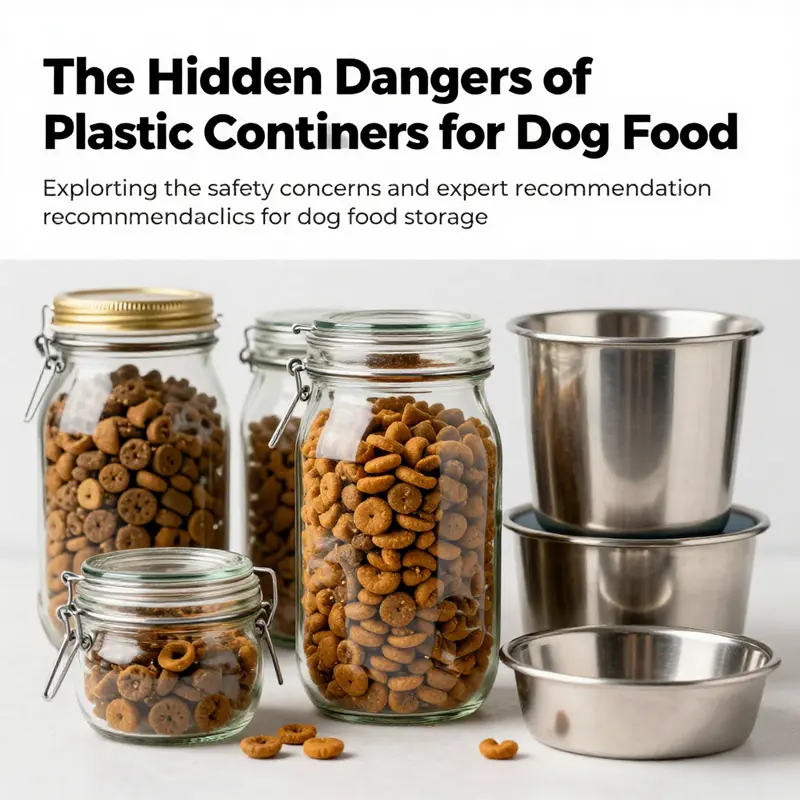
The safety of plastic containers in dog food storage is a topic that warrants serious discussion, especially for businesses in the food service industry. As professionals in the food sector, understanding the implications of storage materials can help ensure the health and well-being of pets. In this article, we will delve into the chemical concerns associated with plastic containers, examine the degradation risks they pose, and explore expert recommendations for safer alternatives. By comprehensively understanding these aspects, food service providers can make informed choices that benefit their operations and uphold their commitment to quality.
Chemical Currents in the Can: Rethinking Plastic for Dog Food Storage
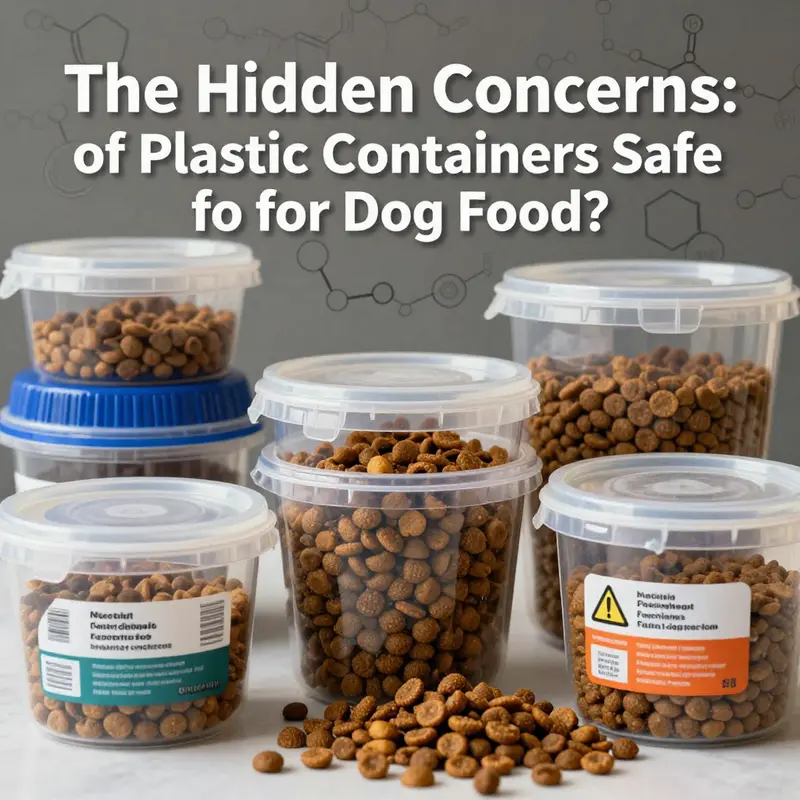
Assessing containers for dog food involves chemistry, physics, and practical routine. Plastic is cheap and convenient but not perfectly inert. Permeability to moisture and gases can affect fats and vitamins over time. Even BPA-free plastics may contain other additives that could interact with food. For long term storage, glass or stainless steel provide a stronger barrier to air, moisture, and odors. If plastic is used, choose high quality, food-grade polypropylene (PP) labeled as such, and ensure a tight seal. Always keep the original bag inside a secondary nonplastic container to minimize exposure to light and air. Cleanliness and avoiding heat or sun further reduce risk. The goal is to preserve palatability and nutritional integrity while minimizing cumulative storage effects over weeks.
Cracking the Risk: Degradation and Leaching in Plastic Dog-Food Storage
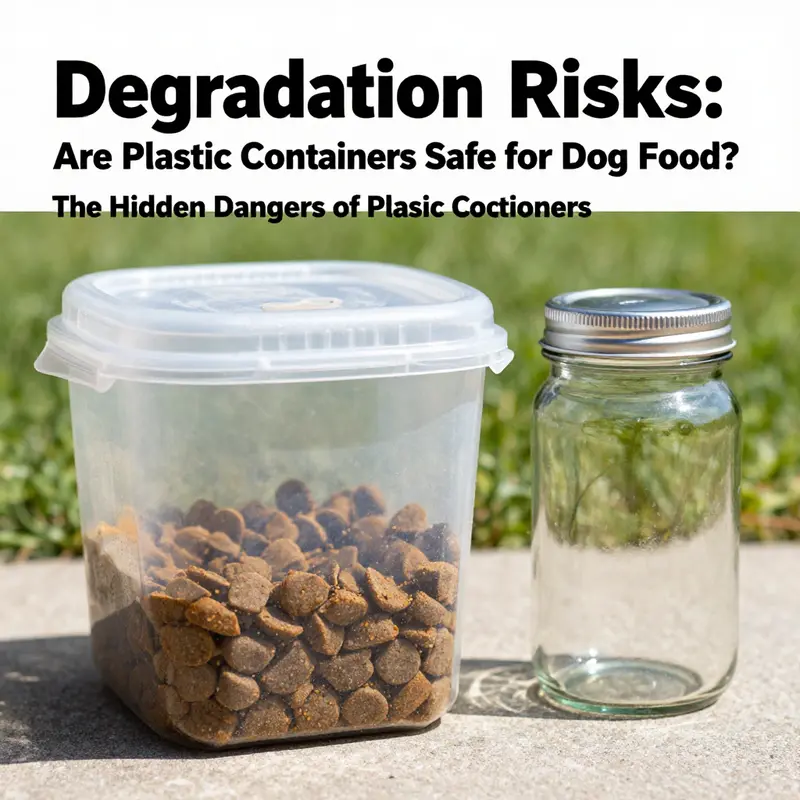
Plastic is a familiar, inexpensive, and convenient option for storing many pantry staples, including dog food. Yet when the food in question is intended to nourish a dog’s body and immune system over days or weeks, the stakes rise. This chapter follows a quiet but persistent thread: how the materials that hold dog food can change over time, not just in the abstract but in direct, measurable ways that affect safety, freshness, and nutrition. The story is not merely about sudden failures or dramatic recalls. It is about subtle shifts—how heat, fat content, and repeated handling interact with plastic’s chemistry and structure to alter what reaches a dog’s stomach. Read together with the broader questions this article raises about storage, packaging, and pet health, the degradation risks in plastic containers reveal why many experts advise caution, especially for long-term storage, and why safer, non-plastic options gain credibility as the practical norm for responsible guardianship of canine nutrition.
The first and most persistent concern centers on chemical leaching. Dog foods are typically rich in fats and proteins, and many formulations incorporate various additives and processing byproducts that can influence how they interact with container materials. In plastic, the story of leaching begins with diffusion. Migrants—chemical additives or constituents from the plastic matrix—can migrate into the food, particularly when the food is fatty or oily. Heat acts as a solvent in disguise, increasing molecular mobility and giving migrants more freedom to move from polymer into kibble. Human health research has long raised flags about chemicals such as bisphenol A (BPA) and certain phthalates, compounds used to impart flexibility or durability to plastics, and their ability to disrupt endocrine function and contribute to inflammatory processes. Although many jurisdictions regulate or limit these substances, the reality remains that not all plastics used in consumer containers are equally regulated, and not all dog foods share the same susceptibility to leaching. In practice, the combination of high-fat meals, warm storage environments, and aging or degraded containers can accelerate the transfer of substances into food. For a dog, whose physiology is tuned differently from humans, exposure to even trace amounts of certain additives over time could influence metabolism, liver function, or inflammatory balance. The risk is not always dramatic; it is often cumulative and context-dependent, which makes it all the more crucial to consider the container as part of the storage equation rather than as a passive holder.
A second layer of risk arises from the physical and chemical aging of plastic itself. Not all plastics age equally, and not every container promises a long life in the pantry, car, or shed. When a dog food container is exposed to sun, heat, or repeated cycles of cleaning, microcracks can form on the surface. These microcracks may be too small to notice with the naked eye, yet they create new pathways for moisture to migrate and for air to exchange with the contents. Oxidation—a chemical reaction driven by oxygen—can then occur within the kibble, especially for formulations that are already predisposed to fats turning rancid. The result is not only a potential loss of flavor and palatability but also the acceleration of nutrient deterioration. The problem compounds when the container is porous or has a rough interior surface. Even if the container appears intact, its porous nature can trap odors and residues from previous contents. Old residues can mingle with fresh food, complicating cleaning and making it harder to guarantee a truly neutral environment for the new batch. In practice, this means a dog’s bowl might harbor lingering oils and food residues that promote microbial growth, even if you have cleaned the exterior with care. In the worst cases, contamination can manifest as upset stomach, digestive discomfort, or behavioral changes in a dog that associates meals with discomfort rather than nourishment.
It is important to connect these physical realities with practical consequences. A non-airtight seal, often seen in lower-cost or older plastic containers, invites moisture and oxygen to intrude. Oxygen exposure promotes lipid oxidation in fatty dog foods, which not only drives rancidity but also reduces the nutritional value of fats, essential for energy and coat health. Moisture ingress invites mold growth and bacterial activity, a particularly sensitive issue for dogs with sensitive stomachs or preexisting health conditions. Once a bag is opened, the expectation is that the food will be consumed within a reasonable timeframe while preserving its nutrition. Plastic containers that do not reliably seal can undermine this expectation, turning even a well-balanced diet into a variable proposition. The problem is magnified when frequent refilling occurs. If the container is not emptied completely before adding new kibble, the residual mixture can create a microenvironment that fosters spoilage, especially for large, oily batches. The cumulative effect is that plastic—even when marketed as “food-safe”—is not universally equal in its protective function. The scientific and practical takeaway is that the act of storage is an ongoing interaction between the food’s chemistry and the container’s properties, rather than a one-time choice at purchase.
The third thread ties storage conditions to a broader view of pet health and welfare. Repeated washing, particularly with aggressive cleaning agents or high-temperature cycles, can further degrade plastic surfaces. While many consumer-grade containers are designed to withstand normal dishwashing, aggressive heat, abrasive scrubbing, or harsh detergents can accelerate crazing, cracks, and surface roughness. Once the surface degrades, the risks escalate: more surfaces for bacterial adherence, more nooks for residues to hide, and a higher likelihood of microplastics shedding into the dog’s food. Microplastics, although small, are not inert in biological systems. Emerging evidence in animal and human health research suggests that microplastics can interact with the gut lining, provoke inflammatory responses, and potentially alter gut microflora. While the exact implications for dogs require targeted veterinary and toxicological studies, the precautionary principle guides guardians to minimize exposure whenever feasible, especially since dogs often explore containers with their noses and mouths in close contact with the stored food.
In considering these degradation and migration pathways, many pet nutrition and veterinary experts converge on a cautious view of plastic for long-term dog-food storage. The core advice centers on reducing or eliminating the longer-term contact between high-fat kibble and plastic containers, particularly in environments where heat and sunlight are common. The safer alternatives emerge from the same spectrum of practical materials used in safe food storage generally: glass and stainless steel stand out for their inert chemistry, non-porous surfaces, and resistance to odor absorption. Glass, in particular, acts as an excellent barrier to air and moisture and does not react with food, helping to preserve both taste and nutrient integrity. Stainless steel offers similar advantages along with durability and a seal that can be engineered to minimize air exchange, a feature that reduces oxidation and moisture migration. For households looking to balance cost and practicality, high-quality, food-grade plastics—specifically those made from polypropylene in the #5 family (PP)—can be considered in a pinch. These plastics are often more resistant to heat and chemical interaction than other plastics, and colorless, thick-walled varieties labeled as food-safe with rigorous cleaning can reduce some risks. Yet even these are not ideal for long-term storage of dog food, and their safe use hinges on meticulous cleaning, careful handling, and an understanding that they are a compromise rather than the standard best practice.
The recommendations are simple in essence but require thoughtful implementation. Avoid large plastic storage bins that are not purpose-built for food and are often made from lower-grade materials. Such containers may trap fats and odors more readily, and their porous surfaces can trap residues more easily than their sturdier counterparts. A practical approach favored by experts is to retain the original bag of dog food for as long as possible and place the sealed bag inside a secondary, sturdy container that provides a robust barrier to moisture and air. This double-layer approach, while not eliminating all risk, reduces the likelihood of exposure to odors, moisture, and heat, and gives the food an added measure of protection against accidental contamination during handling. The original bag is often designed to provide some moisture and odor barrier, while the outer container provides structural protection and a more reliable seal against the environment. This combination recognizes that the safest storage strategy often involves layering rather than relying on a single material or container.
Of course, many guardians seek expediency or aesthetic appeal when organizing a pantry or a kitchen. In these moments, it is important to look beyond convenience and ask where the food’s safety begins and ends. The best practice is to prioritize materials with stable chemistry, impermeable interiors, and proven performance in maintaining dryness and freshness. Glass and stainless steel excel on these measures. They are non-reactive, non-porous, and straightforward to clean and disinfect. The interface between dog-food storage and the home environment is not just about keepsakes of cleanliness; it is about limiting exposure to compounds that can disrupt normal physiology, particularly in dogs with sensitive digestion or specific health concerns. It is also about respecting the natural longevity of a dog’s dietary plan. Frequent changes in container type or compromised storage conditions can mandate more frequent dietary adjustments, which can add stress to a dog’s routine and gradual changes to digestion or appetite. The aim, then, is not to fear every drop of plastic but to recognize its limitations and the conditions under which it becomes a risk rather than a convenience.
A practical, humane, and scientifically informed approach, therefore, is to minimize plastic exposure for long-term dog-food storage and to lean toward non-porous, inert materials for the bulk of the regimen. If plastic must be used due to space, budget, or other constraints, choose containers labeled as food-safe and designed for dry food, preferably made from robust PP plastics with clear labeling. Handle them with care: avoid exposure to direct sunlight, do not leave them in hot cars or other heat-prone locations, and ensure that they are filled to a point that reduces airspace, which offers fewer opportunities for moisture and oxygen exchange. Clean thoroughly after each refilling, using mild detergents and warm water, and ensure complete drying before refilling. It is also essential to replace aging containers and discontinue use of any containers that show signs of cracking, crazing, or sticky residues that may indicate a breakdown of the polymer structure or contamination risk.
The overarching message is not simply about avoiding plastic because it is plastic but about adopting a storage strategy that aligns with what science and veterinary guidance identify as the safest for dogs. It is about recognizing that the things we store alongside the dog’s food—air, heat, moisture, and time—interact with the container in ways that subtly alter the food’s safety and nutrition. It is about thinking of storage as a dynamic, ongoing process rather than a one-off decision at the point of purchase. The ideal scenario places the dog’s health at the center, with the container acting as a protective tool rather than a potential contributor to risk. It is about choosing materials that provide superior barriers to air and moisture, resisting degradation, and offering reliable cleaning and disinfection. In this light, glass and stainless steel emerge as the most robust guardians of freshness and nutritional quality for dog food, with high-quality PP plastics serving only as a cautious, short-term compromise when used under careful conditions and strict maintenance.
For guardians who want to visualize alternatives, consider non-plastic storage options that are widely used in human food storage and in pet households that prioritize safety and longevity. The choice to switch to glass or stainless steel does not require abandoning all convenience; it invites a shift toward containers that preserve flavor, scent, and nutritional integrity over time. It also reduces the risk of residual fats becoming rancid in a storage space that cannot be perfectly cleaned or sealed. The path to safer storage is a continuum, not a binary choice, and it reflects an ongoing commitment to the dog’s health and well-being as the central measure of success. When a household faces tight budgets or limited space, it can still opt for high-quality containers designed for dry foods, and it can adopt a routine that focuses on cleaning, inspection, and timely rotation of food, ensuring that nothing sits in storage beyond the period in which it remains fresh and safe. The goal remains consistent: minimize exposure to leaching, reduce the accumulation of residues, and maintain a dry, odor-free environment that supports the dog’s health rather than undermines it.
In sum, the degradation risks associated with plastic storage of dog food are not a myth born of fear but a cumulative, evidence-informed reality that hinges on material properties, environmental conditions, and the food’s own chemistry. For long-term storage, the safest guidance points away from plastic whenever possible, toward glass or stainless steel with tight, reliable seals. When plastic must be used, it should be a high-quality, food-grade option, used with strict care and thorough cleaning, and treated as a temporary measure rather than a long-term solution. The aim is clear: protect a dog’s nutrition, preserve a dog’s digestive health, and respect the fragile balance between convenience and safety in the home pantry. And while research continues to refine our understanding of chemical migration and the health implications for pets, the current column of evidence supports a prudent, health-first approach to dog-food storage that prioritizes non-porous, inert materials and robust sealing, while recognizing that even the best plastics have limits when faced with high fat content, heat, and repeated use.
For guardians seeking additional context on container materials and their interactions with food, a broader spectrum of safe storage options is worth exploring. One convenient example of a durable, less plastic-centric storage option can be found here: kraft-paper-octagonal-bowl-in-stock-ready-to-ship-fast-delivery. This resource illustrates the kind of durable, non-plastic storage solutions that can complement a dog-food plan while keeping packaging concerns at bay. It is not a direct recipe for canine nutrition, but it demonstrates how households can diversify storage strategies without relying exclusively on plastic.
As a capstone, this chapter connects the micro-level concerns of chemical leaching and material degradation with the macro-level goal of preserving a dog’s health and enjoyment of meals. The science suggests caution about long-term reliance on plastic for storing high-fat dog foods, especially in warm or sunlit environments. The practical takeaway is equally clear: favor non-porous, inert materials whenever possible, keep containers clean and intact, and be mindful of how storage conditions can influence palatability, nutrient preservation, and safety over time. The dog’s health, after all, depends on the quiet reliability of the kitchen’s everyday choices, including the humble container that holds the daily dinner.
External resource for further reading: https://www.sciencedirect.com/science/article/pii/S135902782400685X
What Holds the Bowl: Expert Guidance on Plastic Storage for Dog Food and Safer Alternatives
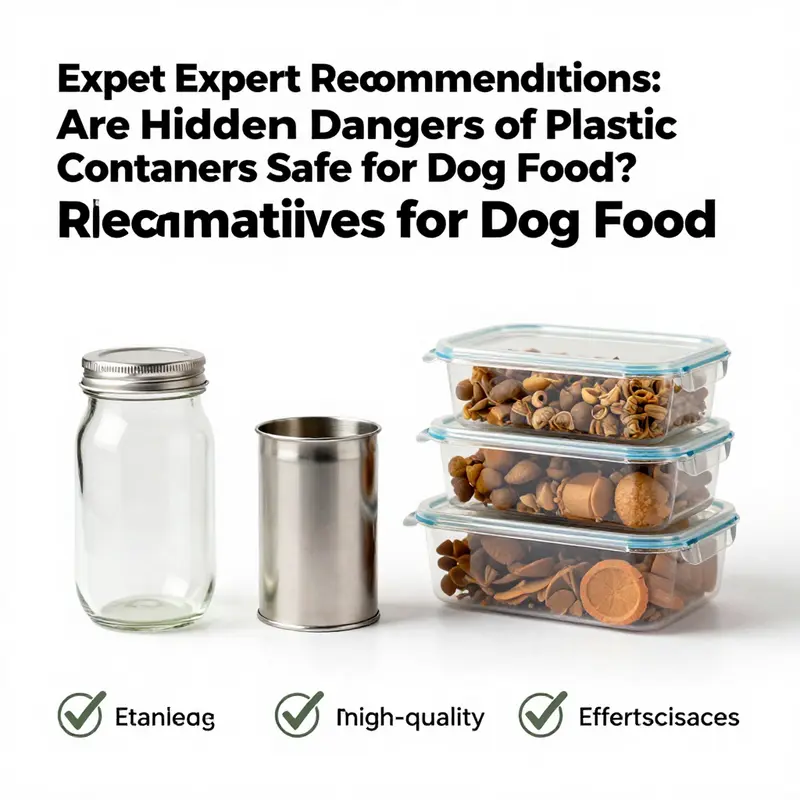
A plastic container may seem like a simple, inexpensive way to store a dog’s daily meals, but the question of safety sits deeper than convenience. This chapter follows the thread of expert guidance and scientific understanding to illuminate why plastic storage, especially for dry dog food, is a choice that deserves careful scrutiny. It is not a condemnation of every plastic product, but a call to consider how materials interact with food over time, how storage conditions can accelerate risk, and how practical changes can preserve both safety and nutrition for a beloved animal companion. In the end, the best path for long-term safety often leads away from plastic, toward options that create a sturdier barrier between food and the elements that threaten it. The overarching concern is not merely taste or odor, but a cascade of chemical, physical, and microbial processes that can alter the integrity of a dog’s food when stored in certain plastics.
The most cited issue centers on chemical leaching. In theory, many modern, food-grade plastics are designed to be inert and stable, but the reality of long-term storage, especially for dry kibble, complicates that assumption. Among the substances that worry experts are Bisphenol A (BPA) and a portfolio of additives such as phthalates and fatty acid amides. These compounds have earned notoriety because they are endocrine disruptors. In animals, as in humans, exposure to such chemicals has been associated with metabolic disturbances, reproductive issues, and an elevated risk of certain cancers. The theme that emerges from veterinary clinics and toxicology discussions is not whether these compounds can ever migrate into food, but under what conditions the migration becomes more likely. The fat content of dog food and the presence of oils in kibble create a lipid-rich environment that can, over time, push certain additives from the plastic matrix into the food itself. Heat, light, and mechanical agitation can amplify this process, making a seemingly small risk more relevant in a kitchen or garage storage setting than many pet owners expect. The practical implication is simple: even if a container is labeled safe for contact with food, its safety profile in long-term storage of pet food can differ markedly from its performance in short-term use or in other contexts.
Oxidation, staleness, and contamination add layers of concern. A second thread follows from the same lipid-rich environment. The oils that exist in dry dog food are not inert; they can interact with the microscopic pores and seams in plastic containers. Over months, these interactions can lead to degradation of the plastic, creating pathways for more rapid leaching and, potentially, micro-particle shedding. The porous nature of many plastics means odors from previous contents can linger and migrate into new food, especially if cleaning between batches is less than meticulous. In practice, this means that a container once used for a different product can retain residues that alter taste and aroma, which dogs may detect with surprising sensitivity. While a pet might not express concern about taste in the way humans do, changes in aroma can affect palatability, appetite, and feeding patterns. Worse, the same porosity can harbour microscopic crevices where crumbs and fats cling, forming a breeding ground for mold and bacteria if moisture is present. The result is not just a stale bag, but a potential health risk that scales with storage duration and environmental conditions.
The seal matters, and it matters a lot. An airtight seal is the primary defense a storage container offers against moisture and oxygen—the two main enemies of dog food freshness. In the real world, many plastic containers either lack a truly airtight seal or rely on gaskets and threads that degrade after repeated opening and washing. When moisture and air infiltrate, the food loses its nutritional value more quickly, and the risk of oxidation increases. Oxidation is not merely a matter of flavor; it can affect the stability of fats and fat-soluble vitamins, which in turn influence energy density and overall palatability. In a worst-case scenario, poor sealing can accelerate rancidity of the fats in kibble, producing odors that dogs may resist or that, with continued exposure, may alter gut microbiota or immune function in subtle ways.
Given these concerns, what does expert guidance actually recommend for long-term storage? The consensus, echoed by pet health professionals and food safety specialists, leans toward two non-plastic options as the safest long-term storage solutions: glass containers and stainless steel containers. Glass is inert and non-porous, which means that it does not participate in chemical reactions with food or absorb lingering residues from previous contents. It forms an excellent barrier to air and moisture, thereby limiting both chemical leaching and contamination. Stainless steel offers similar advantages: it is durable, non-reactive, and capable of forming an effective seal against air and moisture. Both materials resist scratches and punctures that can create additional niches for bacteria and mold to hide, and both are easier to clean thoroughly, reducing the risk of cross-contamination from previous foods.
If plastic must be used, experts acknowledge that certain plastic types may be acceptable for short-term use. Polypropylene, commonly identified as #5 PP, is singled out as one of the relatively safer options among food-grade plastics. If a plastic container is necessary, look for it to be labeled as food-safe, with a clear disclosure that it is made from #5 PP, and check that the container is thick, colorless (natural), and free of scratches and cracks. Even then, the cautions remain: long-term storage is not its strength, and consistent, rigorous cleaning is essential to minimize risk. This stance reflects a balancing act: plastic offers convenience and lightness, but its long-term interaction with oily, fatty kibble, and the realities of household storage heat up the concern.
Interpreting the practical implications requires translating expert recommendations into everyday routines. A straightforward, broadly applicable strategy starts with the question: how long will the dog food sit in storage before it’s eaten? The simple rule of thumb often cited by manufacturers and veterinarians is that once opened, dry dog food is best consumed within several weeks. A more conservative, nutritionally mindful guideline provided by many experts is approximately six weeks, during which time the product maintains optimal nutritional value and sensory appeal. Beyond six weeks, the risk of oxidative changes to fats, flavor loss, and microbial growth increases, particularly if moisture or warmth has crept into the storage environment. For plastic storage, this timing is amplified: the more time that passes, the more opportunity there is for any leached compounds to accumulate, for fats to oxidize, and for odors to linger in the container’s porous seams.
The practical upshot is clear: long-term storage in plastic is not the safest or most reliable option for dog food. Glass and stainless steel emerge as the preferred containers for owners who want to minimize risk while preserving freshness and nutrition. These materials not only reduce the potential for chemical migration but also offer more predictable performance across a range of environmental conditions—hot summer kitchens, damp basements, or sunlit pantries. The decision to switch away from plastic is not merely about avoiding contamination; it is about safeguarding a dog’s health, energy, and well-being over time. It is also about reducing the cognitive load on owners who may otherwise rely on plastic out of habit, time pressure, or misperceived convenience.
The chapter’s guidance includes some practical, immediately actionable steps that help translate theory into daily practice. First, prioritize containers made from glass or stainless steel for long-term storage. If your household cannot replace all plastic containers overnight, designate a specific set of containers for dog food that are of the safer materials and reserve plastic for short-term use, such as transporting meals or serving as a temporary carrier for portioning during the day. Second, when plastic is unavoidable, select the thickest, colorless, food-grade options labeled as #5 PP. Inspect containers for scratches, cracks, or cloudiness, and replace any that show signs of wear. Third, adopt a double-layer approach to storage: keep the dog food in its original bag, which acts as a barrier to oil exposure and temperature fluctuations, and place that bag inside a secondary, airtight bin made of glass or stainless steel. This method preserves the integrity of the original packaging while adding a robust secondary shield against air and moisture.
The role of cleaning cannot be overstated. Plastic containers demand rigorous cleaning, ideally with hot water and a mild, fragrance-free detergent, followed by thorough rinsing and complete air drying before refilling. Yet even with meticulous cleaning, microscopic pores in plastic can harbor residues that resurface over time. For this reason, many professionals advise a practical rhythm: rotate containers on a schedule, use a separate bin for each type of dog food, and avoid reusing plastic containers that previously held other contents, especially items with strong odors or oils. A culture of careful sanitation, combined with thoughtful material choices, builds a buffer against the leaching and contamination that plastics can sometimes permit.
The dialogue about plastic storage is not a binary verdict but a spectrum of risk management. The literature emphasizes that the safest approach resembles a layered defense system: minimize exposure to heat and light, avoid long-term storage in plastic, and rely on glass or stainless steel for the bulk of storage. This approach does not abandon plastic entirely; in fact, a limited, controlled use is possible, particularly for short-term transport or for families that have limited access to safer alternatives. The crucial point remains: the sooner you transition away from plastics for the majority of dog-food storage, the lower the cumulative risk to your dog’s health and the easier it is to maintain consistent freshness.
To connect these ideas to everyday decision-making, consider how the concept of “double protection” translates into a practical setup. Start with the dog’s primary feeding routine. Use a glass or stainless steel bin with an airtight seal for the portioned, open kibble supply. Inside that bin, keep the original bag of dog food untouched, serving as a barrier to fats and oils that could otherwise interact with container surfaces. When you dispense meals, use a separate, clean scoop to minimize surface contact and reduce the chance of introducing moisture from hands or ambient air. If you must store extra bags or different flavors, keep those in their own non-plastic, non-porous storage solution. The goal is a clean, organized system, reducing the risk of cross-contamination between different products and preserving the integrity of fats and vitamins that are crucial to a dog’s daily intake.
In a broader sense, this discussion about plastics mirrors a larger conversation about consumer choices, packaging design, and how informed decisions ripple outward into daily care. It is not just about a container on a shelf; it is about reducing exposure to a range of compounds and ensuring that the environment in which a dog eats is as stable and predictable as possible. The implications extend to households with multiple pets, to those who prepare homemade meals, and to anyone who wants to protect a pet’s long-term health through better storage practices. The science behind these recommendations may seem technical, but the lived impact is simple: fewer contaminants, fresher food, and a lower chance of dietary disruption that could complicate a dog’s health or behavior.
For readers who want to explore the idea of safer packaging in a broader context, a practical example of packaging options within a pet-care ecosystem can be found in resources that discuss the general principles of food-contact packaging. This example demonstrates how packaging choices—whether for household groceries, pet foods, or takeout items—shape exposure to potential contaminants. Such resources reinforce the concept that responsible storage is not solely about the container’s material but about a holistic approach to maintaining product integrity from production to plate, or in this case, to bowl.
In summary, the expert recommendations across veterinary and food-safety perspectives converge on a clear message: while plastic containers may be convenient for short-term, everyday handling, they are not the safest or most effective option for long-term dog-food storage. The risks of chemical leaching, contamination from residual fats, and imperfect sealing collectively argue for prioritizing alternatives that keep air and moisture out and do not interact with the food itself. Glass and stainless steel stand out as the strongest options for maintaining the nutrient profile, flavor, and safety of dog foods over time. If plastic must be used, approach it with caution, select high-quality, food-grade PP containers, and implement strict cleaning and rotation practices. Above all, reframe storage habits to protect your dog’s nutrition and health, recognizing that the material holding the meal can matter as much as the meal itself. For many households, that reframing means choosing materials that offer lasting stability and ease of maintenance, turning everyday storage into a reliable ally in pet health.
Within this narrative of safer storage, one practical anchor point remains: the dialogue between convenience and caution. The data reviewed by experts suggest that the best way to honor a dog’s diet is to minimize plastic exposure during storage and to lean into materials that do not interact with food or absorb odors. The six-week consumption window after opening is a helpful reminder that even the best-presented packaging cannot replace good storage hygiene and thoughtful material choice. As you move through this chapter and toward the next, carry forward the core lesson: the container matters, but how you use it—how you clean, how you rotate stock, and how you combine original packaging with a robust secondary container—matters even more. By building routines around safety and freshness, you create a stable, nourishing environment for your dog’s meals every day.
If you would like to explore a concrete example of packaging choices and their role in food safety, you can view a related example of packaging formats and their safety considerations here: disposable-takeaway-paper-cup-custom-logo-kraft-coffee-cup-with-lid.
External resource for further reading on chemical leaching and safety standards can be found at a reputable regulatory source, which discusses substances like BPA in food-contact materials and ongoing safety evaluations: https://www.fda.gov/food/food-additives-pet-foods/bpa. This external reference offers a broader regulatory perspective that complements the practical guidance presented above, helping owners understand how guidelines evolve as new science emerges and how packaging choices align with those evolving standards.
Final thoughts
Understanding the safety implications of using plastic containers for dog food is vital for all professionals involved in food service. The potential risks of chemical leaching and degradation make it clear that alternatives exist which better protect the nutrients in dog food while safeguarding against contaminants. By implementing expert recommendations, such as using glass or stainless steel storage options, businesses can ensure the health of the pets they serve. Prioritizing safe materials not only conveys professionalism but also reflects a commitment to the well-being of customers’ beloved pets.