
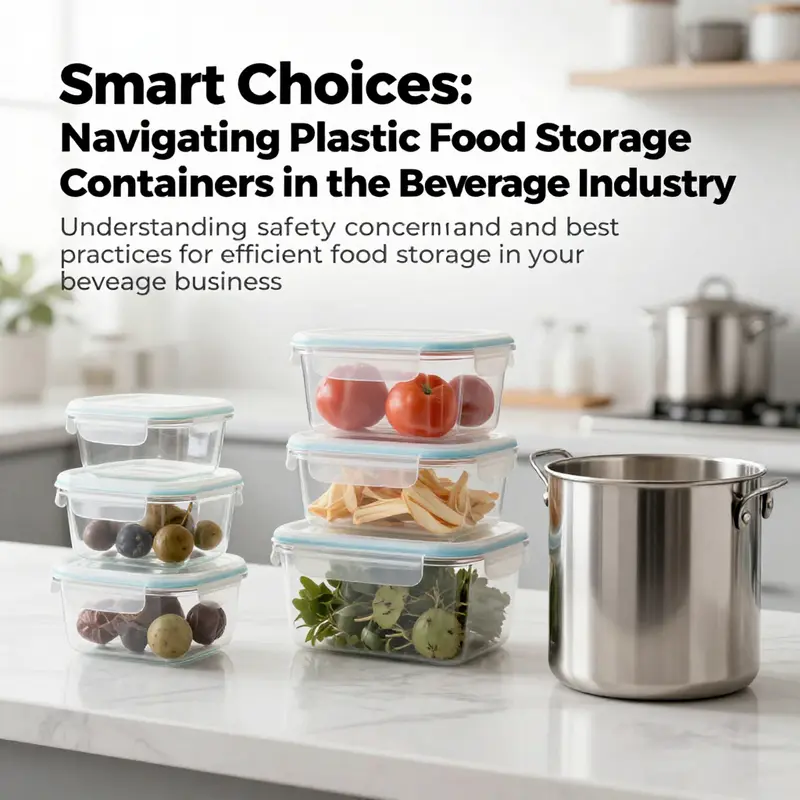
In today’s competitive food and beverage industry, the choice of storage containers can significantly impact safety, efficiency, and overall service quality. Plastic containers are ubiquitous due to their lightweight and affordable nature, making them a staple in bubble tea shops, restaurants, and catering services. However, the emergence of health concerns surrounding chemical leaching and physical integrity prompts a reexamination of how these containers are used. This article conveys essential insights into the chemical safety of plastic containers, their physical durability, commercial applications, and best practices for effective use. By understanding these aspects, businesses can make informed decisions that not only safeguard health but also enhance operational effectiveness.
null
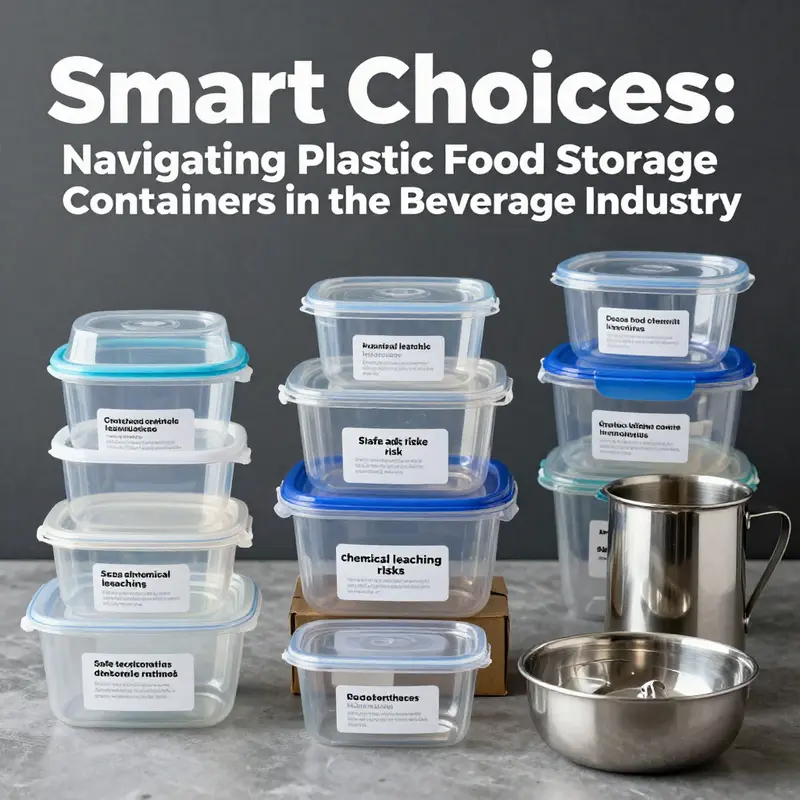
null
Silent Frailty: How Physical Deterioration in Plastic Food Containers Compromises Safety
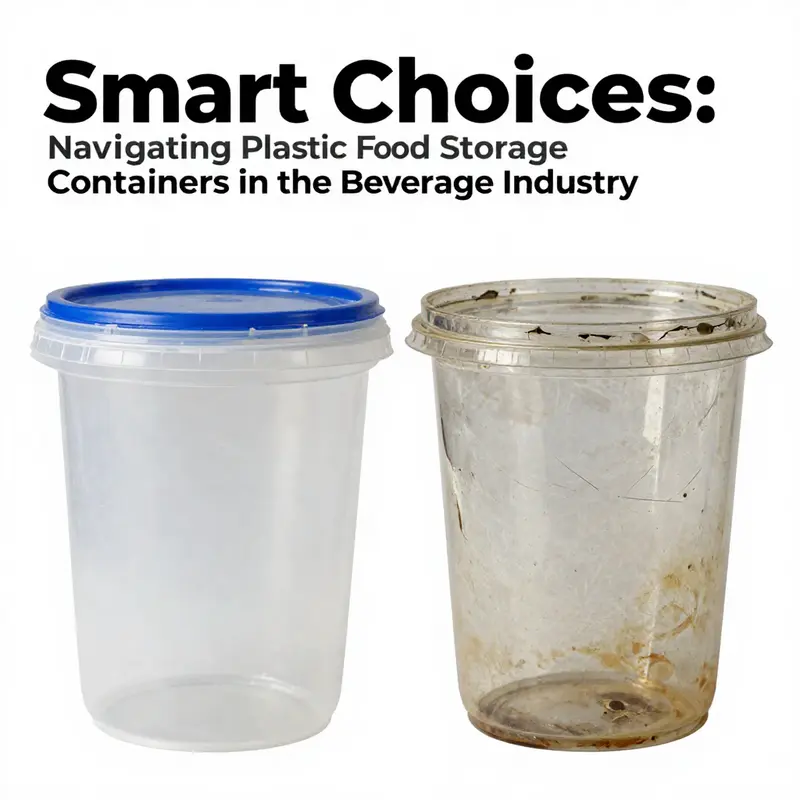
Plastic containers have become the default vessels for leftovers, meal prep, and pantry organization. Their appeal rests in convenience, light weight, and cost, which makes them a staple in homes, workplaces, and even larger food-service settings. Yet the very features that make them practical also invite a longer, less visible story about material life under use. The safety of stored food hinges on two intertwined dimensions: the physical integrity of the container and the chemical behavior of the plastic under real-world conditions. As containers age and endure heat, washing, and repeated handling, they do not simply look worn. They undergo subtle transformations that can tilt the balance from benign storage to safety concerns. Understanding this dynamic is essential for anyone who wants to keep leftovers fresh and free from unwanted contaminants, whether meals sit in a kitchen drawer, in a refrigerator, or in a commercial backroom before being disseminated to customers or family members over time.
The first thread in this story is microplastic shedding. Every scratch, every minute groove, and every pitted area can become a tiny source of particles that slough off into food. Scratches created during careless cleaning or from rubbing against other containers can accumulate to the point where the surface becomes a micro-rough landscape. In a typical storage scenario, these micro-scratches may seem inconsequential, but they can serve as reservoirs that trap oils, proteins, and pigments. When food sits in contact with such surfaces, especially after a few days or when the container is warmed, microplastics may migrate into the meal. The amount may be small, yet the potential health implications accumulate with regular exposure, personal susceptibility, and the duration of contact. The issue is particularly pronounced when containers are used repeatedly for fatty or acidic foods, or when they are exposed to heat that softens the polymer surface and makes shedding more likely. The phenomenon is not limited to a single plastic type; it is a general consequence of surface wear that accompanies long-term use and repeated cleaning.
A second strand involves the chemistry of the plastic itself. Many common food-contact plastics rely on additives that provide flexibility, durability, and resilience. Among these additives are bisphenols and certain plasticizers that have been scrutinized for their ability to migrate into food when the container is heated, stored with acidic or fatty ingredients, or used over extended periods. The migration is not nil for containers labeled BPA free, because replacement chemicals can behave similarly in the human body and may present comparable risks. The result is a risk not easily captured by simple labeling. Safety cannot be judged by a single metric or a single label; it requires attention to the full storage context, including temperature, duration, and the type of food in contact with the container. In practical terms, this means that a plastic container that performs well for a brief refrigeration period may still pose challenges if used repeatedly with hot sauces, citrusy dressings, or other challenging ingredients. Even modest reheating can intensify migration, and prolonged storage can offer more time for additives to migrate into the food, gradually shifting the risk profile of routine meals to a more cautious stance.
Alongside these chemical concerns, the physical structure of plastic containers ages in visible and invisible ways. Cloudiness and discoloration often accompany a broader degradation of the polymer matrix. When the plastic becomes cloudy or takes on a yellowish cast, it is not merely an aesthetic issue. The surface may have microcracks and roughness that are not easily observed with the naked eye. These micro-damages create microenvironments that harbor residues and microorganisms, turning the container interior into a hidden microbiological niche. Scratches and deep grooves, particularly in corners and along seams, complicate cleaning and can become harbors for bacteria that resist routine washing. The presence of a persistent odor after washing or reuse is another red flag, signaling that residues or degraded material may be off-gassing or trapped within the container structure. This is especially likely when the container has seen repeated use with challenging foods and multiple cleaning cycles.
Lids and seals represent a critical component of the overall integrity of a storage system. Warping, shrinkage, or loss of elasticity in seals can break the barrier that protects contents from air and ambient microbes. When seals weaken, the container may leak or allow air exchange that accelerates spoilage, oxidation, or moisture loss. The consequence is not merely an unappealing presentation; it is a practical health risk because gaps around the lid or warped rims can create pockets where microorganisms thrive and where odors or flavors may migrate into the surrounding environment. In other words, the risk associated with deteriorating containers expands beyond the container itself to broader kitchen hygiene and storage integrity.
To connect these mechanical and chemical dimensions to everyday practice, it helps to consider how people actually use containers. The routine of heating stored leftovers in a microwave, then washing the container in a hot cycle, can amplify the degradation process. Heat softens polymers and can increase the mobility of additives within the material, pushing more compounds into contact with food. Repeated dishwashing, especially with rough brushes or abrasive detergents, erodes surfaces and agitates the interior microtopography. The combination of heat, cleaning rigor, and long-term storage matters most when fats, acids, or high temperatures are involved. For acidic items such as tomato-based sauces, citrus dressings, or other acids that accompany daily meals, the risk of chemical migration rises in a way that may not be obvious from a quick glance at the container. Fatty foods, with their high solvency for oil-soluble additives, can also facilitate migration and subsequent exposure. In short, the very conditions that make plastic containers useful for everyday storage can, under certain circumstances, enhance both physical wear and chemical leaching.
There is also a practical and architectural aspect to container design and usage that often goes unremarked in consumer circles. Large containers are common in commercial kitchens, catering, and manufacturing settings precisely because they tolerate heavy use and hold substantial quantities. Yet their very size creates a different storage geometry. When stacked, large containers can form gaps that invite heat and moisture gradients or even pressure from above that can distort the lids or compromise seals over time. The efficiency of bulk storage may come at the cost of increased risk if attention to wear and tear is not maintained. In the home, this translates to thinking carefully about space, stacking, and a clear plan for rotation and inspection of reusable containers. An orderly system can reduce the likelihood of hiding wear that accumulates until it becomes problematic. A mentality of gentle use, routine checks, and mindful disposal of aging containers goes a long way toward preserving food safety for everyday meals and batch-cooked portions alike.
The practical guidance emerging from these observations centers on a few core themes. First, short-term, room-temperature storage in containers that show no signs of damage is generally acceptable for routine meals, provided the foods involved do not require heating or extended storage. Second, heating plastics in microwaves or dishwashers is a risky habit unless the container is explicitly labeled as microwave- and dishwasher-safe by the manufacturer. When hot foods or long storage durations are involved, safer options such as glass or stainless steel become more attractive because they offer more stable barriers to migration and less susceptibility to surface erosion. Third, regular inspection is essential. A simple routine of examining for clouding, scratches, warping, loose seals, and unusual odors helps identify containers that should be retired. If damage is evident, discarding the container is prudent, as continuing to reuse it may invite a cascade of safety concerns rather than a single, easily managed issue.
In making these decisions, it is helpful to keep a broader standards frame in view. Regulated guidance on plastic food contact substances emphasizes that safety rests on a matrix of factors, not a single property. Temperature, duration, food type, and the specific composition of the container all interact to determine whether a given use is safe. While labels and marketing claims may hint at safety, the actual risk profile is best understood in the context of real-world usage. For readers who want to explore the regulatory landscape more deeply, the official materials on plastic food contact substances provide detailed information about how these materials are evaluated in practice. A careful reading of these resources reinforces that safe storage is not a one-off check but a sustained practice that aligns material properties with how food is processed, stored, and heated over time.
Bridging theory to everyday practice, it can be useful to consider alternatives that reduce reliance on plastics for certain storage needs. For instance, a kraft paper bowl designed for take-out and short-term storage can serve as a practical substitute when long-term warmth or repeated reheating is not required. Paper-based options avoid direct contact between food and synthetic polymers for at least part of the storage chain and may be especially appealing for fresh salads, prepared meals, or quick-service contexts where heat is not a dominant factor. The idea is not to vilify plastic but to recognize that container choice should be matched to the specific use case. If readers want a tangible example of a paper-based option, they can explore disposable kraft paper bowls designed for take-out, which can be integrated into daily routines with relative ease. kraft paper bowls for take-out. This kind of substitution illustrates a practical pathway toward reducing exposure to plastics when conditions permit.
Bringing these threads together yields a pragmatic frame for managing plastic containers in everyday life. The core trade-off is risk versus practicality. For many common storage situations, a short interval at room temperature in a container with an intact seal may be acceptable, especially when the food is not going to be heated or stored for extended periods. When heating or long-term storage are anticipated, the case for safer options—such as glass or stainless steel—becomes stronger. The take-home message is not a blanket prohibition on plastic use but a disciplined approach that emphasizes wear checks, appropriate usage, and an openness to alternatives when conditions warrant. A culture of regular inspection and mindful disposal helps keep meals safer while still benefiting from the conveniences that modern packaging offers.
For readers seeking authoritative guidance on material safety, the broader regulatory framework offers a clear, evolving picture. Food contact materials are subject to ongoing evaluation as science advances, and public health agencies provide guidance aimed at helping people navigate the complex landscape of materials, conditions, and food types. In this light, the idea of safety is not a fixed point but a function of multiple interacting factors, including the temperature and duration of contact and the nature of the food. The external resource that outlines these principles can be consulted for a structured understanding of how materials are regulated and evaluated in practice. It is a reminder that safe storage depends on informed choices informed by the interplay of science, policy, and everyday use.
External resources for further reading include official FDA guidance on plastic food contact substances. This material can be found at the following external link: https://www.fda.gov/food/food-contact-materials/food-contact-substances
Between Convenience and Caution: Charting the Commercial Use of Plastic Containers for Food Storage
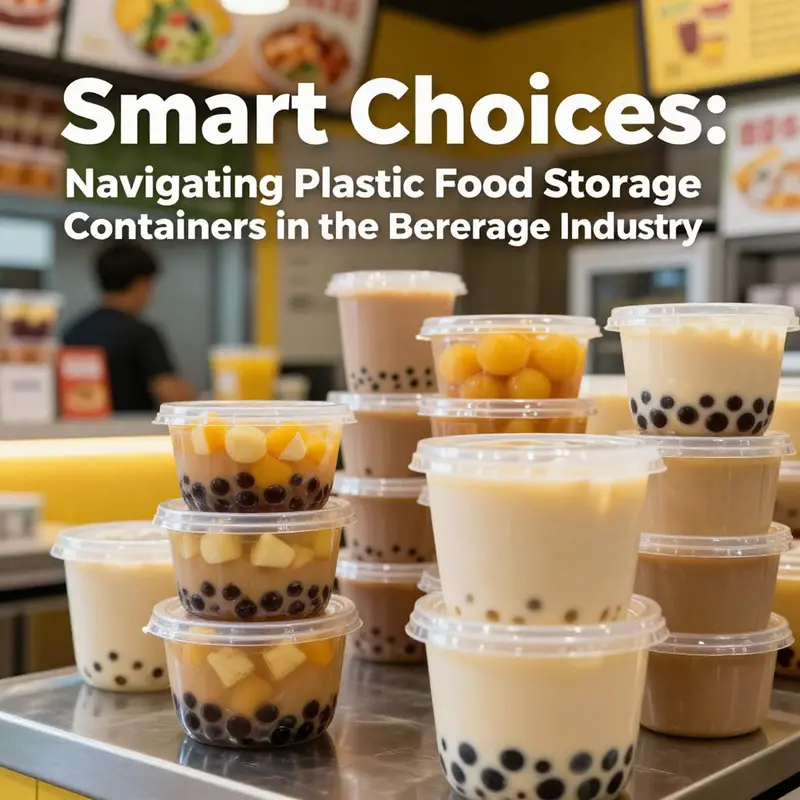
Plastic containers have become the quiet backbone of modern commercial food storage, weaving through bulk retail aisles, bustling restaurant prep lines, and industrial packaging systems with a simplicity that often escapes notice. Their rise mirrors the demand for efficiency: lightweight handling, clear visibility of contents, and the ability to move large volumes of dry goods, sauces, and fermented products without the burden of heavier materials. In grocery stores, warehouse-style kitchens, and distribution centers, plastic storage is prized for its balance of cost and practicality. The typical workhorse materials—polypropylene (PP) and high-density polyethylene (HDPE)—offer a combination of safety assurances, chemical resistance, and affordability that keeps prices predictable in a supply chain where margins matter. These plastics have been engineered to resist pests and to preserve freshness by limiting air and moisture exchange when sealed properly, which helps reduce spoilage and extend shelf life for a range of products from flour and sugar to cereals and nuts. The transparent or translucent forms of these containers support rapid visual inventory checks, which in turn supports the lean inventory practices that are essential in high-volume settings. When designed with the right lids and seals, these containers also contribute to efficient stacking and stack-compatibility with standard shelving and cabinetry, a practical detail that translates into real-world space savings in crowded kitchens and backrooms. In short, plastic containers are not merely receptacles; they are a critical part of the operational fabric that keeps food systems moving with consistency and predictability. Yet the ease and ubiquity of these containers invite scrutiny about safety and long-term use, especially as menus change, consumer expectations rise, and waste concerns come to the fore. The dialogue around plastic storage is not only about whether a container can hold a product securely, but about what happens when that product is stored, reheated, or repeatedly reused across shifts and days. The commercial environment intensifies these questions because it accelerates exposure to heat, acidity, and fats, as well as the wear and tear that accompanies frequent washing, stacking, and refilling. In these contexts, the nuances of material choice, container design, and storage protocol matter as much as the containers themselves. The overarching logic is straightforward: plastics offer tangible benefits in terms of weight, cost, and handling efficiency, but they require careful management to minimize chemical exposure and physical degradation over time. The literature on food-contact materials highlights two intertwined facets of risk. First, chemical leaching can occur when additives migrate from the polymer into food, driven by factors such as heat, contact with acidic or fatty foods, or prolonged use. Second, physical aging can compromise the integrity of the polymer, leading to cloudiness, discoloration, scratches, or warping that undermines seal performance and cleanliness. In commercial settings, where products move quickly from storage to prep to service, maintaining a safe, sanitary, and efficient storage system hinges on recognizing these dual risks and translating that awareness into concrete practices. The cautionary notes in recent research are not about abandoning plastic storage, but about using it wisely. Even widely adopted classifications such as “BPA-free” can be misleading in isolation because substitutes like BPS and BPF have shown similar endocrine-disrupting profiles in some studies, eroding the margin of safety that labels imply. As Dr. Sarah Thompson, an environmental health scientist, has cautioned, “Even BPA-free doesn’t always mean safe.” This nuance matters in the real world where containers cycle through hot kitchens, cold storage, and dishwashing cycles, and where the same material is asked to perform repeatedly over weeks and months. The practical implication for commercial operators is clear: safety labels are a starting point, not a guarantee, and practices must be oriented toward minimizing exposure as part of a broader risk management framework. Beyond leaching, physical wear is an equally important signal. Clouding, discoloration, or surface roughness suggests that the polymer spectrum is breaking down under routine stresses. Scratches and deep grooves can harbor bacteria and complicate sanitation, while warping or lid misfit can compromise the seal, allowing air and contaminants to creep in. Odors persisting after cleaning can point to trapped bacteria or off-gassing that should not be ignored, especially in high-turnover environments where containers are repeatedly filled, cleaned, and stored. The material science behind these observations is not abstract. PP and HDPE are chosen for their balance of rigidity and impact resistance, but every plastic container has a life cycle. In the commercial sphere, large-volume storage solutions—such as 3500 ml or similar capacity containers—are prized for their capacity and durability, particularly in industrial kitchens, catering operations, and manufacturing facilities that require bulk handling. However, these same containers are not the most space-efficient when stacked. The gaps between circular units create air channels that translate into unused vertical space, a subtle but consequential inefficiency when floor plans and racking systems must be optimized for maximum throughput. The functional calculus that governs the choice of container size thus encompasses more than content compatibility; it includes how the container fits into a broader workflow. In practice, this leads to a pragmatic preference for different formats depending on the setting. Bulk storage often favors larger, clear, pest-resistant bins that allow quick inspection, while prep kitchens lean toward stackable, uniform units that facilitate rapid portioning and easy transfer from storage to workstation. In all cases, the materials themselves contribute to safety, because PP and HDPE resist many common contaminants and tolerate the temperatures typically encountered in room-temperature storage. Yet even here, caution is warranted. Heating plastic containers is discouraged unless the container is explicitly labeled microwave-safe, and even then it is prudent to confirm the specific temperature thresholds and the compatibility with the stored food. Reheating or microwaving containers that were not designed for such use can accelerate leaching or degrade the seal, undermining the container’s ability to protect the food and to keep the storage area sanitary. For hot or acidic foods, or for long-term storage scenarios, glass or stainless steel may offer safer alternatives that reduce chemical migration risks while delivering outstanding durability and ease of cleaning. The decision to switch materials is rarely a binary one; it reflects a calculated assessment of risk versus convenience within the specific operational context. The commercial narrative around plastic storage must also reckon with environmental considerations. Recyclability is commonly cited as a virtue, yet real-world recycling is imperfect. Containers made from PP and HDPE are generally recyclable, but the efficiency of collection, the presence of food residues, and the availability of appropriate processing streams influence actual outcomes. The environmental footprint of plastics is a moving target, evolving with advances in material science and packaging design aimed at reducing waste and improving end-of-life options. In practice, this means operators should adopt a waste-minimization mindset that prioritizes proper cleaning to support recycling and explores alternatives when high-risk storage is anticipated. The practical implication for practitioners is straightforward: select containers that align with the storage task, insist on proper sanitation protocols, and retire any container that shows signs of degradation. This approach reduces the likelihood of contamination, minimizes the risk of cross-contact during prep, and supports more predictable shelf-life for a wide range of products. The knowledge base that informs these choices sits at the intersection of material science, process design, and regulatory guidance. Regulatory frameworks for food-contact materials provide the guardrails that help ensure safety while allowing the flexibility needed to manage diverse product lines and service formats. The U.S. Food and Drug Administration’s guidelines on food-contact materials, for example, outline the expectations for material composition, migration limits, and testing protocols that help manufacturers and operators navigate the gray areas where everyday use meets science. In the hands of experienced managers, these standards translate into practical routines: selecting the right resin type for a given storage condition, verifying cleaning and sanitizing compatibility with the container, and implementing an inspection cadence that catches wear before it becomes a hazard. The commercial setting thus becomes a laboratory of practice, where safety is measured not only by the absence of immediate harm but by the maintenance of a robust system that keeps products safe from harvest to table. It is within this system that the tension between convenience and caution becomes productive. When methods of storage are aligned with the physical realities of the container and the chemical realities of the stored contents, plastic storage can continue to perform its essential role without compromising safety or quality. This requires vigilance in checking for clouding, odor, or distortion, openness to using glass or stainless steel when appropriate, and commitment to responsible disposal and recycling practices. The goal is not to demonize a material that has become a workhorse of modern commerce but to recognize its limits and design around them. The broader narrative of food storage in commercial contexts is thus a balance of pragmatism and precaution. It acknowledges the value of containers that are light, cost-effective, and versatile, while attending to the signs that their performance may be waning. As the field advances, innovations in polymer chemistry and packaging design promise to extend the useful life of containers and to reduce the health and environmental costs associated with reuse and disposal. Yet the core practice remains unchanged: know the risks, monitor the container’s condition, and pair the right container with the right storage scenario. For further detail on food-contact material standards and regulatory expectations, see the official guidance from the FDA. This resource provides a structured framework for evaluating material choices and ensures that the trends toward efficiency do not outpace the safeguards that keep food storage safe across the supply chain. External resource: https://www.fda.gov/food/food-contact-materials-and-regulations
Safeguarding Food and Health: A Thoughtful, Practical Guide to Storing with Plastic Containers
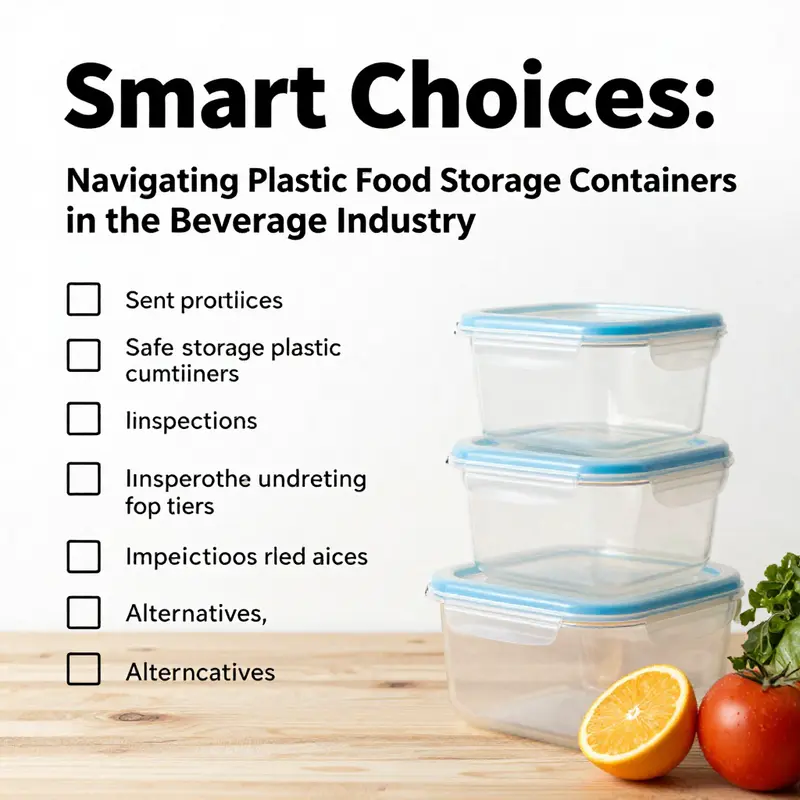
Plastic containers for storing food present a balance of convenience and caution. They are light, affordable, and easy to stack, making them a staple in many homes and workplaces. Yet the same attributes that make them useful can also raise questions about safety over time. The risk of chemical leaching, especially when containers are subjected to heat, acids, or fats, sits at the center of these concerns. Add signs of physical wear and tear, and the case for thoughtful use becomes clear. The science behind leaching underscores that not all plastics are created equal, and that repeated use does not erase the potential for exposure. Add to this the reality that some labels, such as “BPA-free,” do not guarantee safety because replacement chemicals can behave similarly in the body. As Dr. Sarah Thompson, an environmental health scientist, has reminded the field, “Even BPA-free doesn’t always mean safe.” This warning invites a practical approach: use plastic containers with a clear understanding of their limits and a plan for safer storage over time.
To begin, selecting the right materials is a foundational step. The best options for food contact are specific plastics known for their relative chemical stability and low risk of migration when used as intended. High-Density Polyethylene (HDPE) and Polypropylene (PP) stand out as safer workhorses for everyday storage. They resist many of the stresses of common kitchen use better than some other plastics. When a container is labeled BPA-free, it often means the absence of BPA in the product’s resin. However, that label can mask other compounds that may behave similarly in the body. It is prudent to look for explicit labeling that the container is suitable for food contact, and to understand the plastic’s identity. In many cases, manufacturers mark products with the resin identification code, sometimes a BPA-free designation, and clear guidance about microwave and dishwasher safety. The key is to align material choice with the type of food being stored and the storage conditions. For oily, acidic, or hot foods, the risk of leaching increases if the plastic is not robust or if it is exposed to heat for extended periods.
From a health perspective, the simplest rule is to minimize the duration and intensity of heat exposure for plastic containers. This is particularly relevant for leftovers that have been reheated. The recommended approach is to avoid heating in plastics unless the manufacturer explicitly states that the container is microwave-safe. Heat can accelerate the migration of additives within the polymer into the food, increasing potential exposure. This is especially true for acidic foods like tomatoes or citrus, which can promote leaching from container walls. The guidance isn’t just about safety in one moment; it is about the cumulative effects of repeated use. Even when a container is advertised as suitable for reheating, it is wise to recheck the label and consider whether a different vessel—such as glass or stainless steel—would reduce risk over time.
Reusing single-use containers, even if they originally held foods you consider benign, is a path to avoid. Takeout containers, for example, are generally designed for one-time use. Reuse can introduce a cascade of issues. The surface may develop cloudiness or discoloration as the polymer wears down. Scratches and grooves can harbor bacteria, while deep grooves can trap residues that harden over time. Warping or a lid that no longer seals properly undermines the container’s purpose by allowing air and contaminants to enter. The result can be odor retention and a higher risk of contamination. In other words, what begins as a small surface change can become a meaningful health hazard if the container is reused repeatedly. When in doubt, discard and replace with a purpose-built reusable container.
A practical rule of thumb concerns heat and dish care. Before placing any plastic container in a microwave or dishwasher, verify the labeling. Manufacturers often distinguish three categories: microwave-safe, dishwasher-safe, and neither. Heating food in non-microwave-safe plastics can significantly raise the temperature of the plastic and promote the leaching of additives. Similarly, high-heat dishwashing cycles can accelerate wear and leaching, especially if the plastic is not designed for repeated exposure to hot water or aggressive detergents. The safest course is to use containers marked for microwave use only for reheating, and to hand-wash or use mild cycles when cleaning plastics. Soap residues can also contribute to surface wear and attract residues, so thorough rinsing is essential.
The materials themselves offer another axis of guidance. For long-term storage, especially of oily or acidic foods, some experts recommend opting for opaque or dark-colored HDPE or PP containers. The idea is to mitigate light-induced degradation, which can occur in clear plastics over time. Although light exposure might seem minor, it can contribute to structural changes in the polymer, potentially accelerating breakdown and compromising seal integrity. Dark plastics, like those designed to resist light exposure, can help preserve both the container and its contents when light is a persistent factor in a pantry or fridge. In practice, this means choosing containers that hide the contents from light and selecting sizes that fit your typical storage needs without excessive air gaps. The objective is not to complicate storage but to extend shelf life and reduce the chance that you will need to discard food due to quality concerns.
Maintenance is more than a routine; it is a safeguard. After each use, clean containers thoroughly with warm soapy water and ensure that all food residues are removed. Any lingering residues can not only harbor bacteria but also interact with the plastic material, potentially altering its surface properties over time. After washing, allow containers to dry completely before stacking or storing. Moisture left inside a closed container can encourage mold or bacterial growth, especially in damp, cool cupboards. A clean, dry storage environment reduces cross-contamination risks and keeps containers ready for use. When there is any sign of damage—cloudiness, cracks, warping, or lid misfit—it is prudent to retire the container. The cost of a replacement is far lower than the risk of contaminated food or compromised seals.
The physical realities of kitchen storage also shape decision-making. Large plastic containers, such as those in the 3500 ml range, are a mainstay in commercial kitchens, catering services, and industrial production. They offer capacity and durability that small home containers cannot match. Yet they come with a consequence: they are less space-efficient when stacked. Gaps between oversized containers can waste precious storage space. This inefficiency underscores the importance of selecting container types that align with usage context. In a home setting, maximizing space often means choosing a mix of sizes that can nest or stack with minimal air gaps, while ensuring lids still seal properly. In a commercial flow, the decision process balances durability and space, with careful attention to the realities of washing, drying, and restocking on tight schedules. The central idea is not to benchtop every use with a single type of container, but to curate a set that supports the actual workflow, from fridge organization to portion control to throughput in a kitchen or a pantry.
When considering the broad spectrum of storage needs, it is essential to balance convenience with safety. Plastic containers are not inherently dangerous, but their safety is conditional. They depend on the chemistry of the plastic, on how they are used, and on how well they are maintained. A cautious approach recognizes the cumulative effect of heat, acids, and repeated handling on a polymer. It also accepts that labeling can be imperfect and that replacements are not always a simple fix. That is why the best practice emphasizes short-term, room-temperature storage as the baseline. For hot or highly acidic foods, alternative materials—such as glass or stainless steel—provide a more robust barrier between the food and the external environment. Glass and stainless steel are not immune to breakage or wear, but they generally offer safer long-term exposure profiles for sensitive contents. When using plastics, it is prudent to prefer containers that are explicit about their food-contact status, are designed for user safety, and carry a clear indication of heat tolerance and dishwasher compatibility.
This approach to plastic storage also invites consideration of alternatives in certain contexts. The choice to use plastic should be guided by the specific storage scenario: how long food will be stored, at what temperatures, and how susceptible the contents are to heat, oil, or acidity. For instances where short-term, room-temperature storage is the norm, plastics that meet the criteria described above can be convenient and effective. For long-term storage or high-risk items, switching to safer options can reduce potential exposure. If you are weighing packaging choices beyond plastics, you can explore paper-based or other materials that may suit the specific use-case. For example, you can learn about eco-friendly, printed-paper options that serve as an alternative to plastic in certain settings. See this example of a disposable eco-friendly paper cup with lid for a sense of how packaging choices can balance practicality with sustainability. eco-friendly paper cup with lid.
In the end, the objective is a storage system that protects food quality while limiting exposure to potential contaminants. It means choosing containers with sound safety credentials, using them as intended, and retiring them when signs of wear appear. It means avoiding heated use of non-microwave-safe plastics and resisting the urge to reuse single-use containers beyond their design life. It means cleaning and drying promptly, and organizing storage spaces so that conditions remain dry and clean. It also means staying informed about evolving safety standards and being willing to adjust practices as new information emerges. The field continues to evolve as researchers refine our understanding of how different plastics interact with different foods under varying conditions. This ongoing learning process is a practical discipline, one that respects both convenience and health.
For readers who want to understand the regulatory backbone that informs these practices, regulatory agencies in many regions provide guidelines on food-contact materials. One widely cited reference is the FDA’s guidance on food-contact materials, which outlines approved materials, testing expectations, and consumer safety considerations. While this chapter does not substitute for professional or regulatory consultation, awareness of these guidelines helps anchor everyday decisions in established safety science. For those seeking more detailed regulatory context, the FDA’s guidance on food-contact materials is a valuable resource. https://www.fda.gov/food/food-contact-materials/fda-guidance-food-contact-materials.
External reference: to deepen understanding of the broader policy framework behind these practices, consult the FDA guidance linked above. This chapter emphasizes practical steps you can take now, while acknowledging the ongoing research that continues to refine what is considered safest in real-world use.
In summary, plastic containers can be a safe and effective part of a modern storage routine when used thoughtfully. Prioritizing HDPE and PP, verifying heat tolerance, avoiding reuse of single-use vessels, and maintaining good cleaning and inspection habits all contribute to safer outcomes. Choosing opaque containers for high-risk storage, recognizing the limits of BPA-free labels, and weighing plastic against safer alternatives based on the storage scenario are practical steps that help protect both the food’s integrity and the consumer’s health. The goal is a flexible, informed approach that respects the science, acknowledges the risks, and remains oriented toward practical daily use.
Final thoughts
As bubble tea shops, restaurants, and catering services continue to thrive, understanding the implications of plastic food storage containers is essential for maintaining customer trust and safety. The health risks associated with chemical leaching and container degradation warrant a thoughtful approach to storage solutions. By adopting best practices and considering alternatives, businesses not only protect their patrons but also enhance their operational efficiency. This holistic view towards using plastic containers in food storage will ultimately lead to informed decisions that support both health standards and service excellence.