
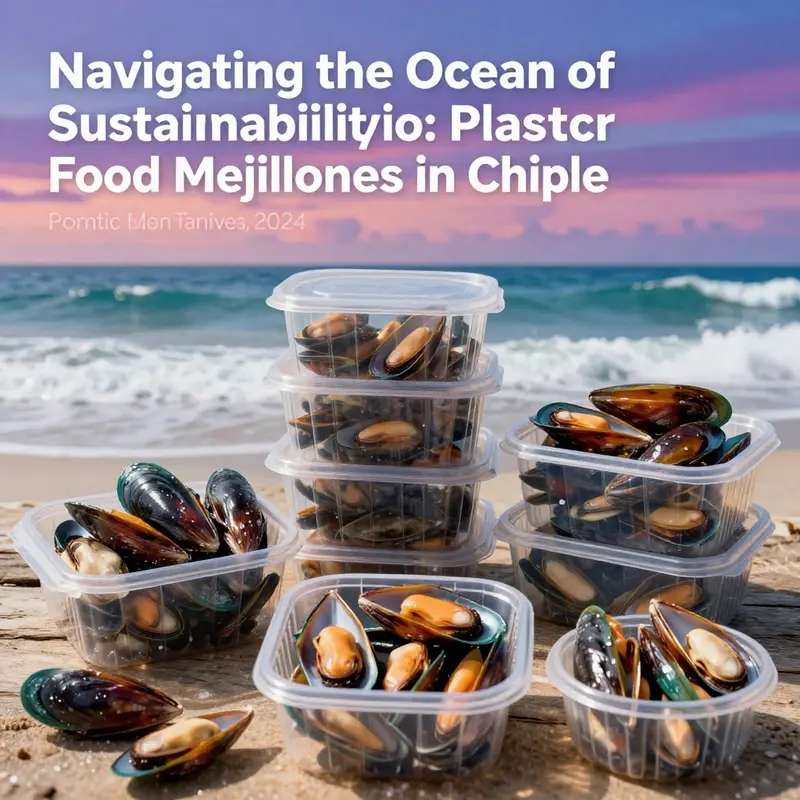
In Chile, the culinary landscape savors the rich and diverse offerings of the sea, particularly mejillones (mussels). As the demand for sustainable practices rises, so does the importance of packaging in preserving and promoting local delicacies. Plastic containers made from food-grade materials, like polystyrene (PS), are increasingly favored for their recyclability and ability to comply with food safety standards. This article embarks on a comprehensive exploration of five interconnected chapters. We’ll dive into food safety regulations tailored to these containers, analyze their economic impacts in a competitive food market, address the environmental concerns associated with single-use plastics, explore technological innovations enhancing packaging solutions, and reflect on societal attitudes steering the shift towards sustainable packaging practices. Join us as we unpack these layers surrounding the use of plastic containers in the vibrant Chilean seafood sector.
Safeguarding Mejillones: Food Safety, Regulation, and the Promise of Plastic Containers in Chile
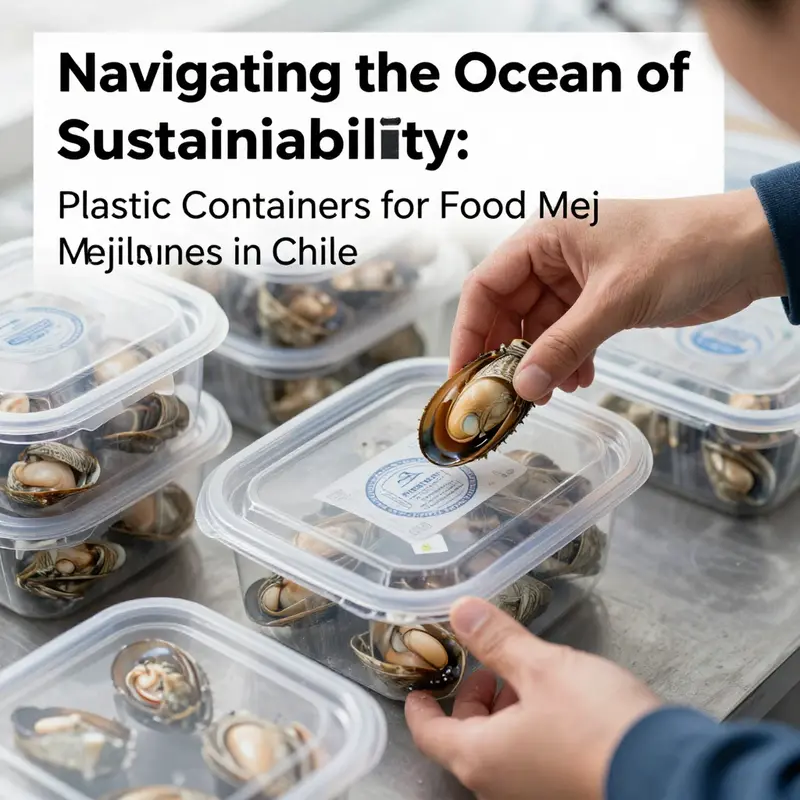
Mussels, or mejillones, hold a storied place in Chilean coastal cuisine, where the daily catch feeds markets from Antofagasta to the south. Yet the journey from ocean to table hinges on more than freshness and flavor. It rests on a tightly woven system of packaging choices, storage conditions, and regulatory guardrails designed to protect public health while supporting efficient, sustainable commerce. In this landscape, plastic containers for food—a broad category that includes white, translucent, and sometimes opaque trays and tubs—play a pivotal role. They offer a practical combination of barrier properties, stackability, and cost effectiveness that suits large-scale processing, cold-chain logistics, and the high-volume demands of fisheries and seafood processors. But they also demand careful alignment with safety standards, environmental expectations, and evolving consumer priorities in a country where seafood is both a dietary staple and an exportable asset. The result is a nuanced ecosystem in which material science, regulatory compliance, and market dynamics converge to shape how mejillones travel from port to plate, preserved in plastic while remaining safe, compliant, and increasingly responsible in their environmental footprint.
At the core of material choice is the reality that a food-contact container must perform its job without compromising the product. The research landscape notes that some food-grade plastic options, including polystyrene (PS) in certain forms, are used for their clarity, rigidity, and protective barriers. The idea of PS being eco-friendly and recyclable is present in industry discussions, though it is essential to recognize that recyclability and environmental performance depend heavily on the local recycling infrastructure and end-use markets. In Chile, as elsewhere, the practical choice of a plastic resin for mejillones hinges on how well the container preserves cold-chain integrity, limits moisture loss, and resists the intrusion of contaminants during storage and transport. A container that remains airtight and moisture-retentive supports not only freshness but also reduces the risk of microbial growth that could threaten sensory quality and safety.
The technical performance of white plastic food containers provides a useful baseline for discussion. These containers are favored for dry goods because they keep contents fresh and protected from pests. Their translucent or white design enables quick visual verification of fill levels or product appearance, which enhances efficiency in processing plants, distribution hubs, and retail outlets. The stackable geometry optimizes space in cold rooms and warehouses, an important consideration when shipments of mejillones arrive in bulk and must be organized for rapid loading and unloading. Yet, like any packaging material exposed to seafood’s unique matrix of moisture, salt, and potential fats, these containers are not without limitations. Highly pigmented sauces or red spices can stain light-colored plastics, and repeated freezing and thawing cycles can challenge seal integrity if gaskets or lids wear over time. While these limitations are manageable with proper design and handling, they remind us that packaging is not a passive wrapper but an active partner in safety and quality management.
Beyond the material properties, Chile’s regulatory architecture sets the baseline for what can legally touch mejillones. The country’s food packaging materials must comply with national regulations administered by the Servicio Nacional de Salud (SNS) and the Ministerio de Salud (Ministry of Health). These bodies align closely with international guidelines from Codex Alimentarius and the World Health Organization, ensuring that plastic materials approved for food contact do not leach substances into the food, even under the stress of temperature fluctuations typical of seafood storage and transport. The Chilean Food Code (Código Alimentario Chileno) further mandates sanitary manufacturing conditions and rigorous testing for the migration of substances into food. For seafood storage, this translates into a requirement that containers be manufactured from approved resins—such as PET, HDPE, or PP, and, where applicable, PS in forms that meet safety criteria—and be capable of withstanding cold storage without compromising product safety or quality.
In practical terms, this regulatory framework translates to several concrete packaging criteria. Containers intended for mejillones must be clearly labeled as food-grade and, where appropriate, BPA-free, with proven suitability for cold storage. The seal between lid and container should maintain an airtight barrier to prevent moisture loss and to mitigate microbial ingress during storage and transit. This is particularly critical for mollusks, which are perishable and sensitive to contamination. The regulatory emphasis on migration testing, sanitary production practices, and traceability is designed to minimize risk at every stage of the supply chain—from raw material sourcing and container manufacture to filling, storage, and distribution. It is not incidental that compliance with ISO 22000 and HACCP principles is increasingly integrated into supplier qualifications: these frameworks help ensure a continuous, hazard-based approach to safety management across the entire packaging lifecycle.
Yet safety alone does not define the modern packaging decision in Chile. The broader social and economic context matters as well. The adoption of plastics and other materials in food packaging interacts with global supply chains, trade agreements, and domestic waste management policies. Import reliance for packaging components can be sensitive to geopolitical dynamics, including tariffs, regulatory harmonization, and shifts in international standards. When a chili seafood processor looks to source containers from international suppliers, it weighs not only the regulatory compatibility but also the stability of supply, the predictability of lead times, and the financial implications of exchange rate risk. In a market increasingly mindful of sustainability, the environmental profile of packaging becomes part of the value proposition. While PS-based containers may offer certain functional advantages, producers also weigh recyclability and end-of-life management as they communicate responsible practices to environmentally conscious consumers and retailers.
The economic calculus for mejillones packaging also extends to the costs and benefits of compliance. High-quality, compliant containers may carry a higher upfront cost, yet they can reduce downstream risks and waste management overhead. A container that maintains product quality reduces returns and recalls, and it supports longer shelf-life during distribution. In markets where seafood buyers demand stringent traceability and documentation, the ability to demonstrate conformity with NCh 2371:2018—governing plastic materials in contact with food—can be a decisive factor in securing contracts and maintaining supplier credibility. Documentation proving conformity with food-contact standards, including migration testing results and certifications, becomes part of the routine due diligence that underpins successful seafood sales, domestic and export alike. In this way, packaging is not merely a container but a critical component of risk management and regulatory compliance.
From a consumer perspective, shifting attitudes toward sustainability are informing packaging decisions. Although a single plastic container might be viewed as small compared to broader waste streams, cumulative consumer pressure shapes corporate behavior. Companies respond by highlighting the recyclability of their chosen materials, investing in better end-of-life options, and exploring alternatives that reduce environmental impact without compromising safety or performance. In Chile, where legislation and public awareness around single-use plastics have grown, packaging choices for mejillones increasingly reflect a balance between hygiene, functionality, and responsible waste management. For processors and retailers, this often means adopting packaging strategies that combine robust barrier properties with governance measures—clear labeling, traceability documentation, and transparent communication about recyclability or compostability where applicable.
The supply chain implications are further amplified by the need for clear, auditable traceability. Food safety programs increasingly require suppliers to provide documentation proving material compliance, including material safety data sheets, migration test results, and conformity attestations. The integration of these documents into purchase orders and supplier audits creates a transparent, auditable chain that reassures regulators, buyers, and consumers alike. In practice, this translates into rigorous supplier qualification processes, routine verification, and ongoing compliance monitoring. In an era where consumer demand for eco-responsible packaging is rising, companies can leverage this rigor to differentiate themselves, demonstrating that their mejillones are not only fresh and safe but packaged in a system that upholds environmental stewardship as a core value.
For readers exploring packaging options beyond traditional plastics, it is worth noting a broader ecosystem of materials and designs used in food service and retail packaging. While the focus here remains on the plastics commonly used for mejillones in Chile, many businesses consider alternatives for other product lines where there is high consumer interest in sustainability. One path is to explore recyclable or compostable fiber-based solutions for ancillary items, such as lids or trays, where feasible. This broader approach aligns with the strategy of building a packaging portfolio that can adapt to evolving regulations and market expectations while preserving safety and product integrity. To illustrate practical shifts in packaging ecosystems, consider the growing interest in eco-friendly take-away options and how these choices intersect with seafood distribution. For those seeking additional insights into sustainable packaging forms and supplier options, see related discussions on eco-friendly recyclable pulp take-away cup holders eco-friendly-recyclable-pulp-2-4-cups-coffee-take-away-cup-holder.
In closing, the chapter on plastic containers for mejillones in Chile is less about a single material and more about an integrated approach. It requires ensuring that the chosen container material and design maintain product safety and quality under cold-storage realities, while also aligning with national and international standards. It means acknowledging the regulatory backbone—SNS and Ministerio de Salud, Codex, and the Chilean Food Code—and translating it into practical packaging specifications, from airtight seals to migration-testing documentation. It involves recognizing the trade and economic dynamics of sourcing packaging from global suppliers and balancing upfront costs with long-term savings in waste management and compliance. And it embraces a forward-looking view of consumer expectations, where safety, efficiency, and environmental responsibility converge to support a robust mejillones sector that can thrive at home and compete in international markets. For anyone navigating this landscape, the message is clear: packaging is a strategic asset in seafood safety and sustainability, one that deserves careful choice, rigorous compliance, and thoughtful integration into the broader supply chain. External resources for regulatory specifics, including Chile’s health authority, offer a reliable reference framework for ongoing compliance and continuous improvement in meat, seafood, and shellfish packaging practices: https://www.minsal.cl/.
null
null
null
null
Guardians of Freshness: Rethinking Plastic Containers for Chilean Mejillones
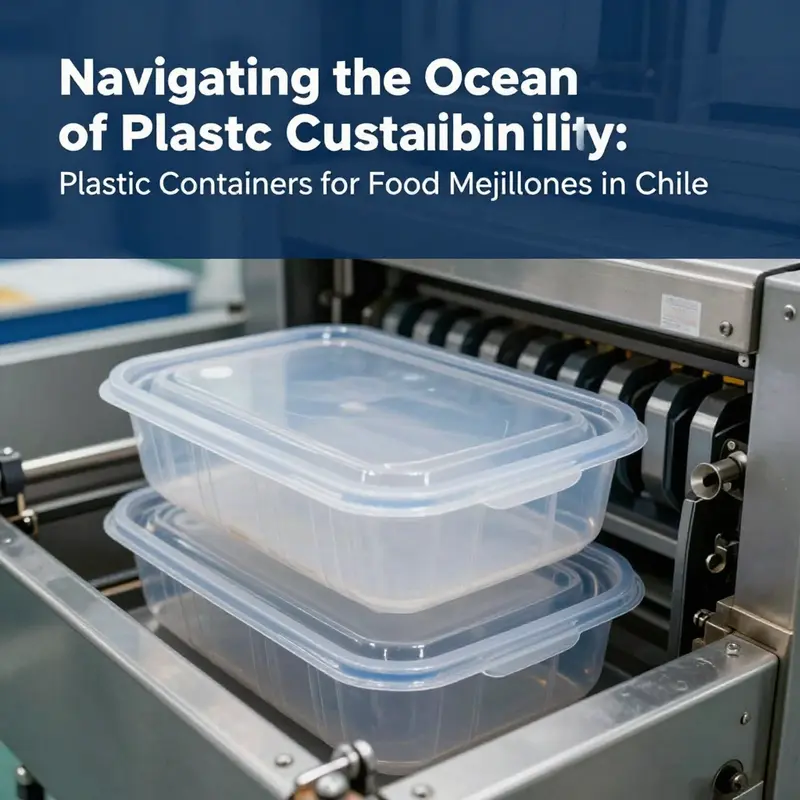
In the coastal economies of Chile, mejillones shell the daily table as much as the ocean shapes its industry. The journey from the moment mussels are harvested to the moment they reach a consumer’s plate hinges on packaging as much as on the catch itself. Plastic containers, particularly those made from food grade polystyrene, have long been a practical ally in protecting seafood from temperature fluctuations, moisture intrusion, and physical damage during transport and display. The research materials on plastic containers for food items in Chile describe containers positioned as both compliant with food safety standards and adaptable to a variety of products. The emphasis on food grade PS, marketed for its cleanliness, barrier properties, and recyclability, reflects a broader aspiration in Chile to balance consumer trust with responsible waste management. Yet this balance is delicate. PS is widely used for its rigidity and lightness, making it ideal for shipping and display. Still, the eco credentials of such packaging depend on the entire lifecycle, from production to end of use, and in many cases the lifecycle is under scrutiny precisely because seafood markets place high value on freshness and safety. The narrative around these containers is not merely about convenience; it is about aligning a logistics chain with evolving expectations for health, sustainability, and transparency. The Chilean context adds a distinctive layer to this discussion, as seafood is deeply woven into dietary patterns and export-oriented supply chains alike. The containers used for mejillones must satisfy stringent safety standards while remaining compatible with the logistical realities of ports, cold chains, and regional distribution hubs. In this sense, the research overview provides a baseline picture: PS based packaging is marketed as food grade, recyclable, and versatile, capable of handling a range of seafood products beyond mejillones. The implications extend beyond regulatory compliance to consumer confidence, marketability, and even the public discourse on single use plastics and their environmental footprint. The chapters that follow will weave together these dimensions, showing how packaging choices influence not only shelf life but also the social and economic calculus of seafood in Chile.
From Docks to Dinners: Societal Perspectives on Food Packaging for Mejillones in Chile
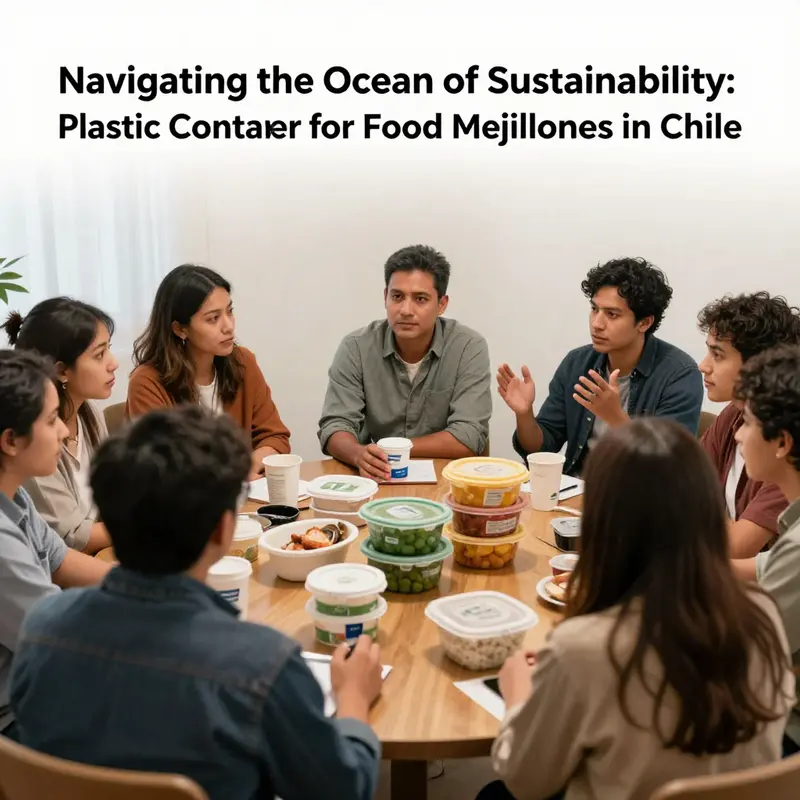
Mejillones Bay sits at the edge of the Pacific and Chile’s northern coast, where fishing communities, cold storages, and small-scale processors meet the rhythms of global trade. In this setting, the choice of container for fresh mejillones is not a mere logistical detail but a bridge between food safety, environmental responsibility, and community perception. Plastic containers, especially those made from food-grade polystyrene, are prized for their light weight, moisture barrier, and stackability. They help preserve the delicate texture and flavor of mussels during short voyages from harvest sites to markets across northern Chile and beyond. The documentation from industry suppliers often emphasizes that these PS containers are designed to be food-grade, recyclable, and adaptable for a range of seafood products. The practical advantages are clear: reduced breakage, predictable shelf life, and streamlined handling for distributors who manage tight timetables.
Yet the societal frame around such containers in Chile has grown more complex. Over the past decade, public attention to plastic pollution has moved from a distant concern to a local, everyday reality. In places like Mejillones and nearby Antofagasta, residents, municipal officials, and environmental groups have pushed for packaging choices that balance safety with sustainability. A national policy trajectory has emerged alongside this shift. Chile has begun to restrict certain single-use plastics, aiming to curb litter and marine debris that eventually affects coastal ecosystems and tourism. This policy ambiguity imposes a dual imperative on seafood businesses: ensure that packaging remains compliant with health and safety standards while exploring formats that minimize environmental impact. The public discourse tends to frame packaging decisions as public health matters as well as moral choices about waste. This is not a distant debate; it is enacted in the day-to-day operations of processors who weigh the reliability of plastic containment against the rising social price of waste.
In Mejillones, the geographical link to Antofagasta’s port infrastructure means that packaging decisions reverberate through the logistics chain. The port, while accounting for a modest share of Chile’s total container throughput, functions as a critical node for the supply of perishable goods. Sea transport requires containers that not only protect freshness but also withstand regional temperature fluctuations, salt exposure, and transit delays. This dependency on packaging that can endure the voyage underscores why many local operators have leaned on plastic containers. The fact that these containers can be produced domestically or imported through international trade channels is particularly relevant in a country connected by trade agreements and supply networks that extend beyond its borders. As global and regional policies evolve, the cost and availability of food-grade plastic solutions influence decisions at Mejillones’ doorstep, shaping what retailers offer and what consumers expect.
A central dimension of the societal perspective is consumer perception, which increasingly favors packaging that signals responsibility. In Chile, surveys and market observations suggest that environmentally conscious consumers do not automatically reject plastic, but they do demand transparency and accountability. They respond to packaging that can be clearly labeled as recyclable, sourced from responsibly managed inputs, or, ideally, both. This nuance matters for mejillones, where the packaging must preserve a product perceived as fresh, clean, and safe. The tension between safety and sustainability can push firms toward innovations that deliver both. For some companies, the solution lies less in eliminating plastic altogether and more in substituting or complementing it with materials that are compatible with existing cold-chain systems and that demonstrate end-to-end recyclability or compostability. This shift has begun to appear in regional markets where the sustainability story is not simply an ethical posture but a commercial advantage, especially among distributors who want to align with an increasingly eco-aware consumer base.
The economic calculus remains central to any discussion of societal acceptance. The initial outlay for high-quality, food-grade plastic containers can be higher, particularly when the materials promise longer shelf life and improved transport efficiency. Yet the long-term benefits—reduced waste disposal costs, better compliance with evolving regulations, and enhanced product appeal—can offset upfront costs. In public policy terms, this translates into a broader conversation about how governments encourage innovation while safeguarding the environment. The Chilean context is instructive: a policy environment that nudges firms toward recyclable or biodegradable packaging, paired with consumer readiness to support such products, can create a virtuous cycle. In practice, Mejillones retailers and processors may find opportunities to pilot packaging formats that combine safety with sustainability, such as recyclable polyolefin solutions or multi-material designs engineered for easier separation during recycling streams. The challenge is to ensure that any alternative does not compromise product integrity during the rough conditions of coastal handling and export.
Alongside these considerations, the practice of packaging design itself reveals how sustainability debates come to life. Some operators look for practical compromises that preserve the performance of plastic containers while seeming to reduce environmental footprints. In this sense, the dialogue around packaging becomes an ongoing negotiation among safety standards, waste management realities, and consumer expectations. For example, while plastic’s barrier properties are hard to match, companies are increasingly showing willingness to explore formats that pair plastic with recyclable or compostable outer layers, or to select container shapes and sizes that minimize the total material footprint without sacrificing seal integrity. This is where the broader packaging ecosystem offers tangible lessons. In some cases, the market is responding with designs that favor versatility: containers capable of holding different seafood portions, or packaging lines that can be repurposed for other foods, thereby distributing the environmental cost across more products. Even within a domain dominated by plastic, there is an emerging appreciation for lifecycle thinking—considering how the container ends its life and how that end-life interacts with local recycling infrastructure.
To illustrate how such ideas travel from theory to practice, consider how sustainability discourse translates into concrete packaging options. Some businesses have begun to explore alternatives that can coexist with existing cold-chain logistics. One practical example is the use of kraft paper packaging, which can be part of a diversified portfolio alongside plastic containers. A case in point, in the broader packaging sector, includes disposable octagonal boxes designed in kraft paper packaging for food service. These options demonstrate that sustainability is not a trade-off with functionality but a redesign of the packaging system itself. Such packaging choices can be framed as part of a responsible regional approach to seafood distribution, signaling to customers that producers care about both freshness and the environment. For readers curious about these alternatives, you can explore a variety of kraft-based designs through suppliers that emphasize disposable packaging in eco-friendly formats. This line of exploration gives Mejillones and its associated stakeholders a practical menu of design choices to consider as they plan for future product lines and distribution strategies. disposable octagonal box kraft paper packaging.
In sum, the societal perspectives in Mejillones reflect a broad, dynamic shift. They are shaped by environmental policy, public health considerations, and the economic realities of cold-chain logistics. They are also reinforced by consumer expectations that packaging should do more than simply contain; it must communicate, demonstrate responsibility, and integrate with a sustainable regional economy. While no single survey provides a complete map of Mejillones’ attitudes toward plastic containers for food, the convergence of national trends suggests a community that is increasingly attentive to how packaging choices affect health, the environment, and the lived experience of seafood—from the docks to dinner tables. And in this convergence, the narrative of Mejillones becomes a microcosm of Chile’s evolving packaging culture: a place where safety and sustainability can converge not only in theory but in the everyday decisions of farmers, processors, retailers, and consumers. The real test will be whether communities, businesses, and regulators can translate that rhetoric into durable, scalable packaging practices on the ground.
External resource for further reading: https://www.ncbi.nlm.nih.gov/pmc/articles/PMC7586397/.
Final thoughts
As the landscape of seafood packaging in Chile evolves, plastic containers for mejillones play a complex role in aligning food safety standards, economic viability, environmental stewardship, and societal expectations. The journey through food safety regulations reveals critical compliance that safeguards public health, while understanding economic implications uncovers the balance between initial investments and long-term gains. Environmental concerns highlight the need for responsible disposal and innovations pave the way for more sustainable solutions. Additionally, active societal engagement showcases a shift towards eco-conscious consumer behavior that encourages businesses to adopt better practices. Thus, the narrative surrounding plastic containers for food mejillones remains not only about functionality but also about commitment to quality, sustainability, and community wellbeing.