
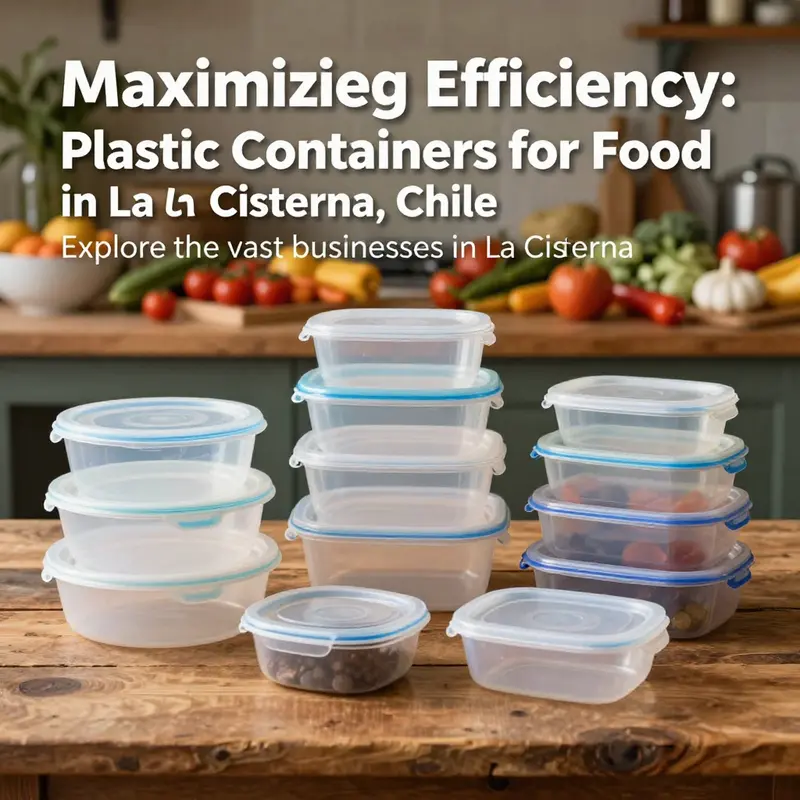
In the thriving culinary landscape of La Cisterna, Chile, food storage solutions play a crucial role in ensuring quality and efficiency for businesses like bubble tea shops, restaurants, food trucks, catering services, and event planners. As these industries navigate the complexities of food preservation, selecting the right plastic containers becomes paramount. In this exploration, we will delve into the market availability of plastic containers, discuss their specifications and pricing, and highlight how online shopping can facilitate effective procurement. Each chapter aims to provide actionable insights, helping you make informed choices in optimizing your food storage needs.
Between Shelves and Standards: The Availability and Safety of Plastic Food Containers in La Cisterna, Chile
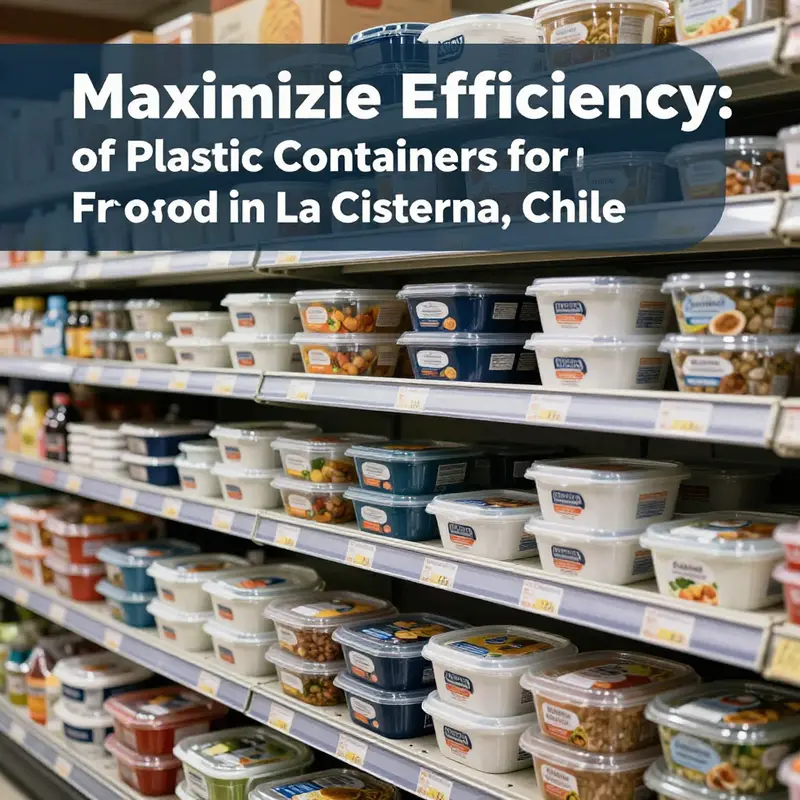
La Cisterna, a neighborhood woven into the daily life of Santiago’s southern belt, is more than a collection of streets and buses; it is a living laboratory where households, small shops, and informal markets converge around one practical need: safe, affordable containers to protect and preserve food. In this setting, plastic food containers are not mere accessories; they are the equipment of domestic efficiency, the quiet guardians of freshness, and, for many families, a budget-conscious solution that helps stretch groceries and minimize waste. The market for these containers in La Cisterna reflects a texture of demand that ranges from the simplest, clear PET boxes for leftovers to stackable, airtight vessels that make space in crowded kitchens. The story of availability, however, is not simply a matter of shelves filling up. It is a story of standards, supply chains, and informed choices that link household routines to national regulation and international best practices in a way that matters for everyday health and resilience.
In the local retail landscape, a broad spectrum of outlets—from neighborhood hardware stores to traditional groceries and general merchandise shops—carry plastic containers suitable for food storage. The appeal of these products lies in their versatility: clear or tinted plastics that let you see contents, sizes that fit a family’s usual portions, and prices that scale with quantity. A mid-sized, food-grade PET container is commonly positioned as a practical workhorse for home kitchens and, in many households, for organizing loose ingredients in pantries or for packing lunches. The convenience of a stock item that is lightweight, transparent, and easy to clean makes it a staple of routine shopping. Yet, behind this apparent simplicity lies a more intricate reality. Availability is shaped by shelf space, supplier networks, and the rhythms of import and domestic production that keep stock moving through the market. It is not unusual to encounter a range of shapes—rectangular, square, sometimes oval—designed to maximize use of refrigerator shelves and pantry cabinets. Some containers are designed with airtight seals, others with simple snap-on lids, and a few offer vented features for specific foods like fruits and leafy greens. For many families, the choice is influenced as much by how easily a container can be nested with others as by its ability to keep moisture out or to resist staining from colorful sauces.
The consumer experience in La Cisterna is further enriched by the growth of online shopping channels, particularly popular regional marketplaces where buyers and sellers connect across a distributed urban landscape. Mercado Libre Chile, the dominant e-commerce platform in the region, has become a practical conduit for acquiring plastic containers that meet domestic needs. In this digital marketplace, shoppers search for terms such as “contenedor plástico para alimentos,” often refining their queries by locality to locate sellers who can deliver to La Cisterna or nearby districts. The online channel offers advantages that transfer directly to the household level: a wider selection than a single neighborhood store, competitive pricing, and the ability to compare sizes, materials, and designs side by side. It also introduces additional considerations, including delivery times, packaging integrity during transit, and the potential for price variation influenced by supply conditions, promotions, or seller reputation. For households balancing work, school runs, and household chores, the online option complements the traditional brick-and-mortar experience, helping to ensure that even if a particular store is out of a preferred size, alternatives exist nearby or through a nearby courier route.
Beyond how availability unfolds in stores and online markets, the regulatory framework surrounding plastic containers intended for contact with food remains a central pillar of the market’s legitimacy. Chile’s regulatory approach to food-contact materials sits within a broader, internationally influenced safety ecosystem. The country participates in frameworks that promote transparent market access while simultaneously safeguarding consumer health. In practical terms, this means that plastic containers used for food storage must conform to established standards that govern compatibility with food, migration of substances, and labeling requirements. These standards are designed to minimize the risk that chemicals used in plastics—such as plasticizers or monomers—will migrate into food under typical storage conditions. Such regulatory expectations align Chile with international guidelines and promote confidence among consumers who rely on these products in everyday life. The connection to global norms is not only about safety in the narrow sense; it also underpins trade, ensuring that imported containers meet consistent criteria that are recognizable to retailers, distributors, and health authorities.
The regulatory landscape in Chile has to be understood in the context of cross-border trade arrangements and regional integration. The Central America-Dominican Republic Free Trade Agreement (CAFTA-DR), which includes provisions that influence market access for various goods, provides a background frame in which Chilean authorities and market participants operate. Specifically, Chapter 9 Annex 9.1 of Market Access Schedules outlines commitments that emphasize transparent conditions for imported goods, including packaging materials used for food contact. While this chapter covers a wider region, the underlying message for Chile is clear: a predictable regulatory environment, with consistent criteria for conformity assessment and labeling, helps producers and retailers plan supply chains with greater reliability. This is particularly important in a sector where product safety must be demonstrable to both retailers and consumers. In practice, compliance often translates into a combination of supplier declarations, third-party testing, and certification schemes that signal to retailers and households that a container is appropriate for direct contact with food. For consumers, the outcome is reassurance: a container on the shelf or in an online listing that has been evaluated against recognized safety benchmarks, and is therefore more likely to perform as expected during daily use.
In parallel with the CAFTA-DR and related regional frameworks, Chilean health authorities actively engage with global standards and harmonization initiatives to strengthen the food-contact material regime. The FAOLEX database, maintained by the Food and Agriculture Organization of the United Nations, documents ongoing efforts to harmonize regulations across Latin America and the Caribbean, highlighting moves toward consistent definitions, testing protocols, and labeling requirements for plastics that encounter food. This trend toward harmonization matters for La Cisterna because it supports a market where retailers can source containers that meet a common set of expectations for safety, performance, and traceability. The net effect is a market in which suppliers and retailers can communicate more clearly about what a container is capable of doing, how it should be used, and how it should be disposed of or recycled at the end of its life. Consumers, in turn, gain a shared baseline of information that helps them evaluate options with greater confidence, from the smallest lunchbox to larger storage solutions that fill pantry shelves.
The practical implications of these structural conditions are felt at the counter, in the kitchen, and in the way families organize their food routines. For a typical household in La Cisterna, choosing a plastic container is not simply about price or color. It is about a balance of safety assurances, practical usability, and long-term durability. A container that is labeled as food-grade, made from PET or another approved polymer, and designed to resist cracking or warping under cold or room temperatures can become a reliable part of a weekly meal-prep cycle. It can help separate raw ingredients from cooked foods, protect perishables during the week, and enable safe transport for lunches or picnics. Price sensitivity remains important, particularly in households with limited disposable income or in communities where multiple family members share food storage tasks. The dynamic is not merely one of budget versus quality; it is a negotiation between the convenience of ready-made storage, the necessity of long-term reuse, and the environmental footprint of packaging choices.
From a consumer education perspective, the emphasis tends to fall on clear labeling and safe handling practices. The labeling on plastic containers for food should ideally convey the material type, whether it is microwave-safe or dishwasher-safe, and guidance about heat exposure. In many markets, including Chile, there is growing awareness about the risks associated with heating certain plastics, or using containers that show signs of wear, such as scratches or cloudiness, which can indicate accelerated material degradation. For households in La Cisterna, this translates into practical habits: avoiding the use of damaged containers for hot foods, not microwaving containers that are not labeled for such use, and adopting a routine of thorough cleaning to minimize the accumulation of residues that could harbor bacteria or cause surface staining. While these habits seem simple, they are powerful in reducing potential health hazards and extending the useful life of containers, which in turn reinforces the value of the initial purchase and sustains a more resilient household economy.
Another layer of the market story concerns the supply chain resilience and the role of local and regional manufacturers and distributors. PET and other common plastics for food-contact applications are produced in a way that enables import substitution, inventory buffering, and responsive restocking. In a large urban area like Santiago, and particularly in La Cisterna, the presence of multiple distribution points helps dampen shocks that might arise from global events, logistical disruptions, or seasonal demand spikes. The interplay between supply and demand becomes especially evident during holiday periods, school terms, or community events that increase households’ reliance on reusable containers. In these moments, the ability to source a dependable container at a reasonable price contributes directly to the neighborhood’s overall food security and waste reduction strategies. Importantly, the market also reflects a growing preference among some consumers for containers that are not only functional but also more sustainable in their life cycle. Recyclability and the potential for reuse are increasingly salient considerations, as families weigh the environmental implications of their everyday choices alongside the practical benefits.
Sustainability considerations are not merely abstract ideals; they translate into concrete consumer decisions. PET containers, when managed properly, offer advantages in terms of recyclability and relatively low energy costs for production when produced at scale. Yet, the end-of-life phase remains a critical challenge. In La Cisterna, like many urban communities, there is ongoing discussion about how households can participate in recycling streams and how local municipalities can support more effective take-back programs or material recovery facilities. The dialog between end-users, local authorities, and waste management entities shapes not only environmental outcomes but also the market signals that influence retailers’ decisions on stocking choices and price points. As households become more conscious of the environmental dimension of everyday goods, retailers respond by offering a broader mix of containers that emphasize recycled content, reusable design, and longer service life, alongside more traditional, economical options. This evolution does not erase the central practicality of the basic PET container, but it does shift how households think about value, reliability, and responsibility in the objects that hold their daily food.
In practical terms, what does a shopper in La Cisterna need to know to make a sound choice? First, locate a container that is clearly labeled as suitable for contact with food and that carries any recognized safety markings or certifications. Second, assess the material type and consider whether the container will be used for cold storage, room-temperature storage, or reheating foods, and whether it is appropriate for the intended use. Third, evaluate the lid design and seal quality, since an airtight seal can be critical for preserving freshness and preventing spills during transport. Fourth, consider stackability and size compatibility with standard pantry layouts or refrigerator shelves. Fifth, check for any signs of wear that might compromise the container’s integrity, such as cracks, warping, or discoloration that could indicate material fatigue. Finally, keep in mind the broader life cycle of the container: the ease of cleaning, the availability of replacement lids, and the potential for recycling at end of life. While these buying considerations can seem straightforward, they form a layered framework that helps households optimize both safety and efficiency in food storage across daily routines.
The market reality in La Cisterna also hints at how households integrate plastic containers into broader food management practices. Many families use these containers not only for leftovers but also as organizers for bulk ingredients, pre-measured meal components, and even for small-scale meal prep for school or workdays. The flexibility of plastic containers makes them a practical companion for families navigating busy schedules, especially when planning meals for several days in advance. In addition, the containers help minimize food waste by enabling portion-controlled storage and by providing a predictable system for tracking what is in the fridge. When a neighborhood market, an online seller, and regulatory oversight converge in this way, they create a marketplace that is more than the sum of its parts. The end result is a vibrant, dynamic, and pragmatic environment in which households can source containers that meet their needs without sacrificing safety or accessibility.
At the same time, the market in La Cisterna illustrates how local customs and consumer expectations shape product availability. The preference for clear visibility of contents drives demand for transparent containers, while the desire to keep odors contained or to reduce leaks category-factors into the design of lids and seals. Consumers often favor compact, space-saving formats that can be nested or stacked, but they also appreciate larger储存 options for bulk ingredients like grains or legumes. The balance between small, affordable everyday containers and larger, more robust solutions reflects how families allocate kitchen real estate, budget for storage needs, and plan weekly menus. The result is a market that rewards versatility and reliability, with retailers curating assortments that can meet these diverse demands. In turn, this diversification supports more resilient households, capable of adapting to fluctuating prices, evolving dietary preferences, and changing household sizes over time.
Where official guidance and local practice meet in La Cisterna is in the everyday routines that households develop around food storage. People adopt practical rules of thumb—never reuse containers that show signs of damage, always ensure lids are properly sealed, and avoid heating foods in containers not rated for such use. These rules are reinforced by the information available through health authorities and by the general awareness that plastic containers are not neutral; they are a link in the chain that begins with food safety and ends with family health, appetite, and well-being. The market, reflecting this awareness, tends to reward products that clearly communicate safety and usability while providing predictable performance in daily life. In this sense, the La Cisterna market offers a microcosm of how local buyers engage with a broad global conversation about packaging, safety, and sustainability, translating international norms into practical decisions at the kitchen table.
The interplay between availability, safety standards, and consumer behavior in La Cisterna, Chile, is thus a narrative of everyday practicality grounded in formal governance and global standards. It is a story about how a neighborhood translates broad regulatory concepts into tangible shopping choices, how online and offline channels compete to deliver value, and how individuals balance cost, safety, and convenience within the rhythms of daily life. It reveals a market that is not static but continually adapting to evolving safety criteria, shifting consumer priorities, and the relentless pressure of time and budget that shapes every household decision. It also points toward a future in which greater harmonization of food-contact materials standards across Latin America and beyond provides an even firmer foundation for trust in the products people bring into their homes. As the market matures, La Cisterna’s households will likely benefit from clearer labeling, more standardized safety assurances, and a broader spectrum of container choices that prioritize both performance and responsibility, while still preserving the essential affordability that makes these containers indispensable to daily life.
For readers considering how to apply these insights to their own shopping or research, a practical takeaway is to view plastic containers not as disposable items but as components of a broader system that includes safety, supply chain reliability, and personal hygiene practices. When you walk into a store or click through a marketplace listing, you are engaging with a cascade of decisions that begin with what the container is made of, how it is manufactured, how it is tested for safety, and how it will perform in your kitchen. These considerations are not abstract; they shape your family’s health, the efficiency of your meal routines, and the environmental footprint of your household. The La Cisterna market, with its blend of local retailers and online channels, demonstrates how communities can access safe, functional storage options while remaining attentive to the broader obligations that come with handling food. In the end, the container is more than a vessel; it is a small but telling artifact of how a neighborhood negotiates health, efficiency, and sustainability in everyday life.
External resource: For official guidance on food-contact materials and safety standards in Chile, see the Chilean Ministry of Health (MINSAL) website. https://www.minsal.cl
Practical Specifications and Local Pricing Insights for Food Plastic Containers in La Cisterna, Chile
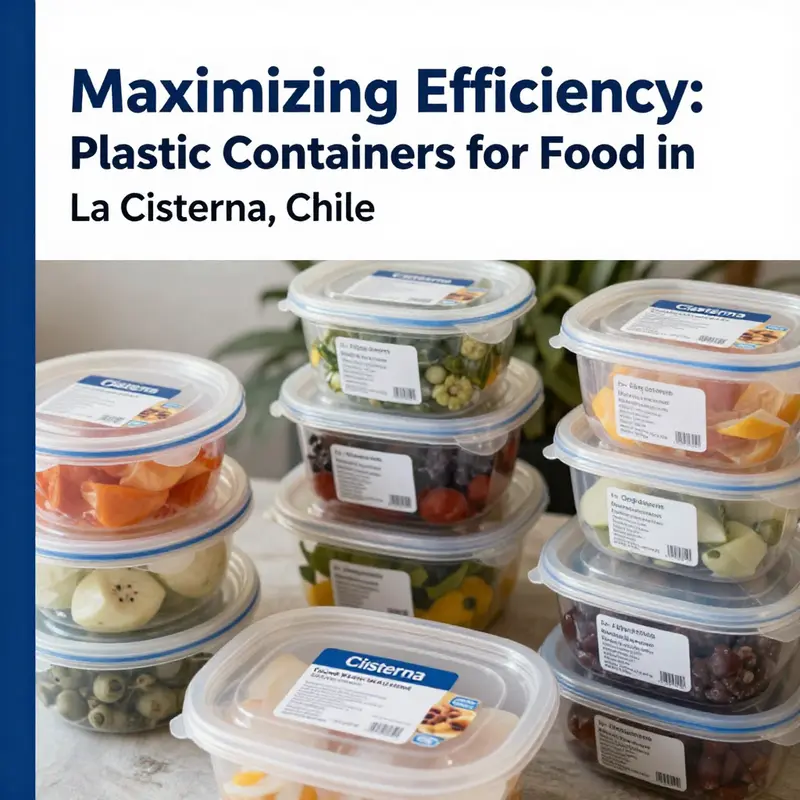
在La Cisterna寻找合适的食品塑料容器时,理解规格与价格之间的关系至关重要。一个容器的容量、材质、密封性能与耐用性直接决定它的用途和价值。以下叙述将以实用视角描述这些要素,并提供在本地购买时的判断标准与价格预期。本文旨在帮助家庭、餐饮小店与小型零售商在La Cisterna做出明智选择,同时给出可用于比较和现场检查的具体建议。
容量是最直观的规格之一。食品塑料容器常见容量包括200毫升到5升以上。常见家用尺寸为250毫升、500毫升、1升与2升。小容量适用于调味料、剩饭与小食。中等容量适合外带餐盒与储藏剩菜。大容量则用于批量保存或液体物品。选择容量时,请考虑使用频率与储存空间。容器尺寸应与冰箱、架子及携带需求相匹配,以免购买后产生浪费。
材质决定安全与耐用性。用于食品的塑料通常包括聚丙烯(PP)、聚对苯二甲酸乙二醇酯(PET)与高密度聚乙烯(HDPE)。PP具备较好的耐热性,通常可用于装热食并可放入洗碗机上层。PET透明度高,适合展示食品,但其耐热性能差,通常不建议装高温食品或微波加热。HDPE耐化学性强,结实且耐久,常用于大容量容器或需承受粗糙搬运的场景。在La Cisterna的市场上,这几类材料都能找到,但选购时应优先确认标签上的食品接触安全说明。
密封性是评估塑料容器质量的重要标准。真正具备良好密封性的容器能防止液体外漏,延长食品保鲜时间,并减少异味扩散。密封结构的常见形式有扣环式、旋盖式与按压式密封圈。优质的密封圈通常使用食品级硅胶或柔性塑料材料。检查时,先观察盖与盒体结合处的密封圈是否完整无裂纹。然后将少量水注入容器,盖紧后倒置检查是否漏水。简单的实地检验即可快速筛选出密封性差的产品。
厚度与壁厚影响容器的耐用性与保温能力。薄壁容器重量轻且成本低,但容易变形与破裂。较厚的壁体提供更佳的抗摔性能与保温效果。生产商通常以克重或壁厚规范标注产品规格。若计划反复使用,建议选择厚度适中的容器。餐饮业用户应优先选择更坚固的类型,以承受频繁清洗与搬运的需求。
用途与使用特性决定是否需要特殊标识。查看容器上是否标注了“可微波”、“可冷冻”或“洗碗机安全”等标识。可微波的容器一般基于耐热PP,而可冷冻的容器需具备耐低温材料与抗裂设计。若需要将容器用于冷冻保存,应避免使用高透明度但耐冷性差的PET制品。此外,一些容器标注为“一次性”或“可重复使用”。判断其可重复使用性时,注意密封性、材料耐久性以及清洗后的保持情况。
价格区间在本地零售渠道存在明显差异。以常见的1升透明塑料储物盒为例,零售价格一般在2000至6000智利比索之间。价格浮动受多种因素影响。材料成本、壁厚、密封设计、品牌溢价以及销售渠道都会改变终端价格。大型超市或五金店的成套促销往往能提供更具竞争力的单价。批量购买则通常能显著降低单位成本,适合餐厅或食品供应小商家采购。
La Cisterna本地渠道包括超市、家居用品店、五金连锁与在线平台。线下购买的优点在于可以立即实物检查。可以当场测试密封、观察材质与壁厚,并感受盖合的顺滑度。线上购买则便于比较大量商品与查看用户评价。不过,线上描述可能存在信息不足的情况。若选择线上渠道,务必筛选带有详尽规格与多张实物图片的商品。并优先挑选可退换货或带有售后保障的卖家。
在采购时,建议采用明确的检查清单。首项检查容量与尺寸是否符合需求。第二项核对材质与耐温标识。第三项检查密封圈材料与结构。第四项评估壁厚与手感。第五项尝试闭合与开合,关注密封紧密性。最后,若是批量采购,请索取样品并进行至少一周的实测,以检验清洗、反复加热与冷冻后的性能变化。通过这一流程,可以将购买风险降到最低。
对价格敏感的买家,应利用比价与促销窗口。季节性促销、仓库清仓、以及节假日折扣都会显著影响终端价格。批量采购时,尝试与卖家议价,或询问是否提供定制包装或贴牌服务以换取更低单价。餐饮业用户还可考虑与同区域的商户联合采购,共享运输成本并获取更低批发价。
合规与食品安全方面,尽管本地法规未必对所有容器类型设定强制标准,但可以参考国际通用规范来保证安全性。关注容器是否标注“食品接触安全”或含有相关检测认证图示。购买时最好选择有第三方检测报告的供应商,或要求查看材料安全数据。即便本地没有强制检验要求,遵循这些通用规范也能显著降低食品污染风险。
可持续性与替代方案正在成为重要考量。一次性塑料容器的使用带来环境负担。许多用户倾向于选择可重复使用的塑料容器,或转向可生物降解的包装替代品。若您的使用场景偏向外带与一次性使用,建议考虑可降解纸质碗盒作为替代。以下内部资源可作为替代包装的参考:disposable kraft paper bowl for food package with lid。这个链接展示了一种可选的纸质外带方案,适合对一次性包装有环境顾虑的用户。
在本地市场上,价格信息会随时间波动。近期市场调查显示,低价单件通常对应薄壁与基本密封设计。中端产品以更好的密封与厚壁为特色。高端产品则可能附带多功能设计,例如多格分隔、堆叠收纳与加固边缘。购买时评估是否需要这些附加功能。不要为看似时髦的特性支付不必要的溢价。
对于小型餐饮经营者,最重要的是平衡成本与可靠性。容器发生破损或泄漏的成本通常高于购买更耐用产品的差价。衡量周期性替换成本时,把容器的使用寿命与替换频率纳入计算。一次性采购大量廉价容器可能带来短期节约,但长期替换成本会更高。
运输与库存管理也会影响选购决策。轻量但占体积的容器增加运输成本。为降低此类费用,优先考虑可堆叠收纳的设计。堆叠性能良好的容器在仓储时节省空间,并减少破损几率。此外,标签或可贴标设计能帮助批量厨房或零售点实现高效库存管理。
在La Cisterna实际寻找与比价时,结合线下体验与线上信息是最佳做法。先到店面实际感受产品,再回家用线上平台比价。若需要更快速获取可用商品的实时清单,请访问该地区的主流在线市场。它会提供各类供应商的实时库存与价格信息,便于即时比对。
最后,制定采购决策时请记住三点。第一,明确用途优先考虑耐温、密封与耐久性。第二,现场检查密封圈与壁厚,必要时做简单的水密验测。第三,权衡一次性与重复使用的长期成本和环境影响。遵循这些原则能帮助您在La Cisterna找到既经济又可靠的食品塑料容器。
(如需查看本地在线商品清单与实时价格,请参考下方链接。)
https://www.mercadolibre.cl
Finding and Buying Food-Grade Plastic Containers Online for La Cisterna Kitchens
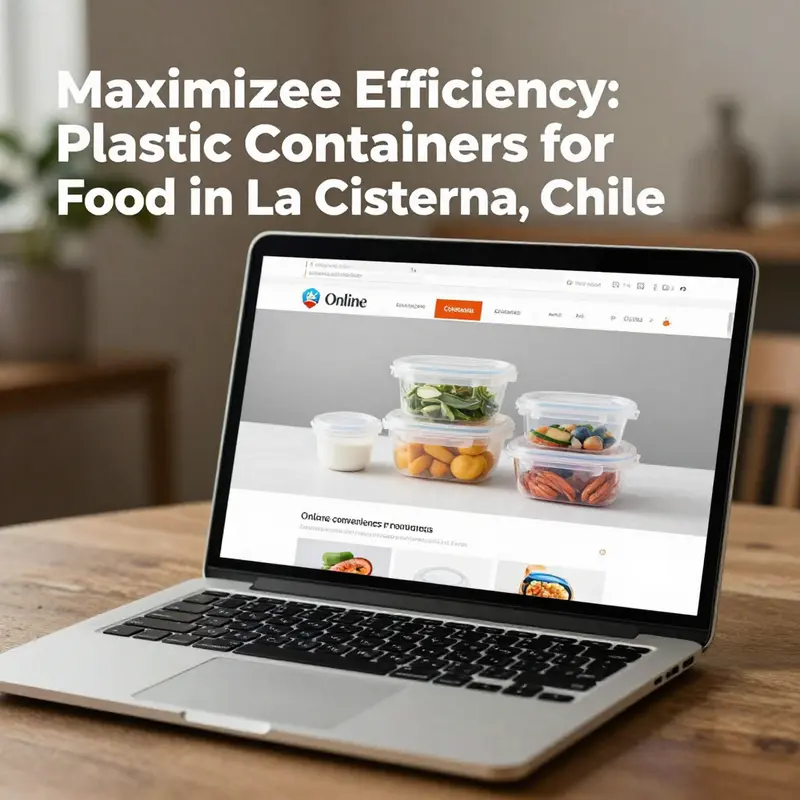
Online shopping for food-grade plastic containers that reach homes and businesses in La Cisterna can feel straightforward when you know where to look and what to check. The marketplace offers many choices: clear PET boxes for fruit and salads, stackable storage tubs for the pantry, and resealable containers for leftovers. Yet the variety hides key differences in quality, material safety, and seller reliability. This chapter guides you through the online landscape, helping you choose containers that suit daily cooking, small food operations, or bulk storage needs in La Cisterna.
Choosing the right material starts with understanding common plastics and their practical uses. Clear PET is popular for single-use or short-term display packaging. It gives a transparent view of contents and resists moisture. Polypropylene, often marketed as PP, is a more durable option. It tolerates dishwasher cycles and higher temperatures, making it suitable for reusable meal storage and reheating. Look for labels or product details indicating food-grade certification and material codes. The triangular resin identification numbers are a quick clue: certain codes correspond to safer, widely accepted food containers. Avoid materials without clear labeling, especially when any product will touch ready-to-eat items.
Size and configuration matter as much as the plastic type. Small containers are ideal for sauces, condiments, or sample packs. Medium rectangular or round tubs suit prepared meals and leftovers. Large, deep bins work for bulk staples and catering. Lids define a container’s usefulness. Snap-fit lids can leak if the seal is weak, while compression lids with silicone gaskets often guarantee a tighter closure. If you plan to freeze food, confirm the container’s ability to withstand low temperatures without cracking. For microwave use, check that the product explicitly allows reheating and that it does not contain metal components.
When shopping online for La Cisterna delivery, priorities should include seller transparency, clear images, and precise dimensions. Product pages that show multiple photos from different angles reduce guesswork. A close-up image of the lid and locking mechanism reveals whether a seal will be tight. Dimensions listed in centimeters let you judge fit on shelves, trays, and in refrigerators. Weight and unit counts matter if you buy sets. For example, a listing that provides volume per unit, number of boxes per pack, and shipping dimensions makes comparing options straightforward.
Price expectations vary widely. Retail-level plastic containers intended for household use generally cost more per piece than industrial bulk options. B2B suppliers sell very low per-unit prices when you order tens of thousands of items, yet those quantities rarely fit a household buyer. For La Cisterna residents seeking a few dozen containers, local sellers or national e-commerce listings offer a better fit. Calculate the unit cost and shipping. Sometimes a slightly higher per-unit price with free local pickup or fast domestic shipping delivers better overall value.
Seller reputation and customer reviews are indispensable. Look for consistent praise about product quality, accurate descriptions, and reliable delivery. Photos posted by buyers show real-world condition and fit. Pay attention to negative reviews that mention cracking, warping, poor seals, or missing parts. Sellers that respond courteously and solve problems quickly earn higher trust. The best listings include clear return policies and warranty information. If the seller ships from outside the country, confirm customs procedures, potential delays, and extra costs. Local sellers usually offer faster fulfillment and easier returns.
For business buyers in La Cisterna, bulk options require a different approach. Suppliers that cater to restaurants, caterers, and food producers often provide stronger plastics and food-safe certification. They may offer custom sizes, printing options for branding, and bulk discounts. When ordering larger quantities, ask for samples first. A small sample helps you test the lid fit, transparency, and freezer performance before committing to a large order. Negotiate lead times and confirm the packaging used for shipping. Shipping thousands of containers requires careful packing to avoid deformation during transit.
Safety and compliance matter when containers will hold food for sale or distribution. Chilean regulations and international standards address food contact materials. Seek sellers who cite compliance with food-safety norms. If a product claims to be BPA-free, check for explicit statements about test methods or laboratory certification. Reused containers need to be robust and safe across many wash cycles. Products designed for single use may not survive repeated heat and dishwashing, so treat them accordingly. For small food businesses in La Cisterna, secure documentation of food-safety certification can simplify inspections and reassure customers.
Sustainability influences many buying decisions today. Plastic still dominates food packaging, but alternatives and hybrid materials are gaining attention. Compostable paper bowls, coated paper options, and pulp-based containers are useful for takeaway and events. If you want to reduce plastic use, compare the lifecycle impact and disposal pathways in La Cisterna. Municipal recycling infrastructure may accept certain plastics, while others are difficult to recycle locally. Choosing containers labeled recyclable and ensuring they are cleaned before disposal helps local recycling programs. If disposable packaging is necessary, explore eco-alternatives for single-serve service.
An online purchase strategy pays dividends. Start with precise search terms focused on La Cisterna or the wider Santiago area. Filter results by shipping location to find sellers that ship quickly to your neighborhood. Use filters for material, size, and seller rating. Sort by review count to find widely tested products. When uncertain, ask the seller a specific question about the product’s food-safety certificates, maximum temperature limits, and whether lids are included. Keep a record of the seller reply for future reference.
Shipping and pickup options affect both convenience and cost. Some sellers in Santiago provide local pickup points or partner with courier services that deliver within the municipality. For bulky orders, select a seller that offers palletized shipping or freight options and confirm doorstep delivery into La Cisterna. If you prefer in-person inspection, many marketplaces allow buyers to pick up items from a seller’s warehouse or store. Be cautious when arranging third-party pickup. Verify the pickup address and bring proof of purchase and identification.
Care and maintenance influence how long containers last. Hand washing with mild detergent preserves sealing surfaces longer than hot dishwash cycles. For polypropylene containers rated microwave-safe, avoid heating fatty or sugary foods for extended periods, which can degrade plastic over time. Stain-prone foods like tomato or turmeric may discolor clear plastics; consider opaque containers for those items. Label containers with content and date using removable labels or washable markers. Proper stacking and airflow between lids prevent moisture buildup and odors.
Packaging choices for small sellers affect presentation and food safety. Rigid, clear containers present food attractively for retail displays. Lids that lock close help prevent spills during delivery. Venting features may help hot foods cool without condensation. Consider tamper-evident seals for customer reassurance. If you sell perishable goods, combining sealed plastic containers with clear labeling about ingredients and allergens is wise. For events and deliveries in La Cisterna, plan container sizes that minimize wasted space and reduce the need for additional carry packaging.
Budgeting for online purchases goes beyond unit price. Factor in shipping, local taxes, and potential customs fees. Many sellers include shipping estimates when you add items to the cart. When buying from national marketplaces, choose sellers that offer easy returns and accept payment methods common in Chile. If your order includes many small items, consolidating into a single shipment can lower overall costs. For recurring needs, set up a reorder schedule with a trusted seller to reduce time spent searching each month.
Avoid common pitfalls that frustrate buyers. First, avoid listings lacking clear photos and measurements. Second, be skeptical of prices that are far lower than comparable offers; quality will often be lower. Third, confirm lid compatibility and count per pack. Fourth, verify whether descriptions mention food-contact safety. Fifth, avoid non-traceable sellers or those with limited history. If you see inconsistent product names or mismatched images, pause and ask questions.
Alternatives to plastic deserve mention for specific uses. Compostable options work for takeaway and events when handled properly. Paper bowls with a secure lid serve salads and hot soups. If you’re open to a hybrid approach, pair reusable plastic containers for in-house use with compostable disposables for off-site service. For anyone in La Cisterna considering this route, review local disposal and recycling practices to ensure compostable items are processed correctly.
One practical example of an alternative packaging solution is a disposable kraft paper bowl with a lid, useful for hot or cold takeout needs. This style blends sturdy paper construction with a sealing lid. The design helps reduce plastic use while protecting food during transit and handling. If you manage a small food operation, such options could complement reusable containers and improve your sustainability profile. For a closer look at these paper alternatives, check this disposable kraft paper bowl for food package with lid.
Finally, plan for aftercare and end-of-life. Reusable plastics last longer when cleaned and stored properly. Avoid leaving containers in direct sunlight for prolonged periods. Replace containers that show stress fractures, persistent odors, or degraded seals. For disposable options, separate materials as required by local recycling rules. Some plastics may be accepted by municipal programs, while compostable paper often needs industrial composting to degrade effectively. Reach out to La Cisterna waste management channels for guidance if unsure.
This guidance frames a solid approach to online shopping for food-grade plastic containers delivered to La Cisterna. Focus first on material safety, then on seller reliability and product details. Balance price with durability and decide whether reusable or disposable items suit your routine or business model. Use filters and seller communication to confirm important specifications before buying. For bulk needs, request samples and documentation. For one-off household purchases, choose well-reviewed listings from local sellers and check return policies. By combining careful selection and responsible use, you can secure containers that keep food safe, reduce waste, and meet the demands of La Cisterna kitchens.
For a central online marketplace with many local seller listings to explore, visit: https://www.mercadolibre.com/
Final thoughts
As the culinary scene in La Cisterna continues to flourish, the importance of effective food storage solutions cannot be understated. The right plastic containers not only enhance food preservation but also contribute to the efficiency of your operations, ultimately reflecting on customer satisfaction. By understanding the market availability, specifications, and online procurement options for plastic containers, businesses can streamline their processes and focus on delivering exceptional food experiences. Choosing the right storage solutions is not just about preservation—it’s about preserving the quality of your service.