
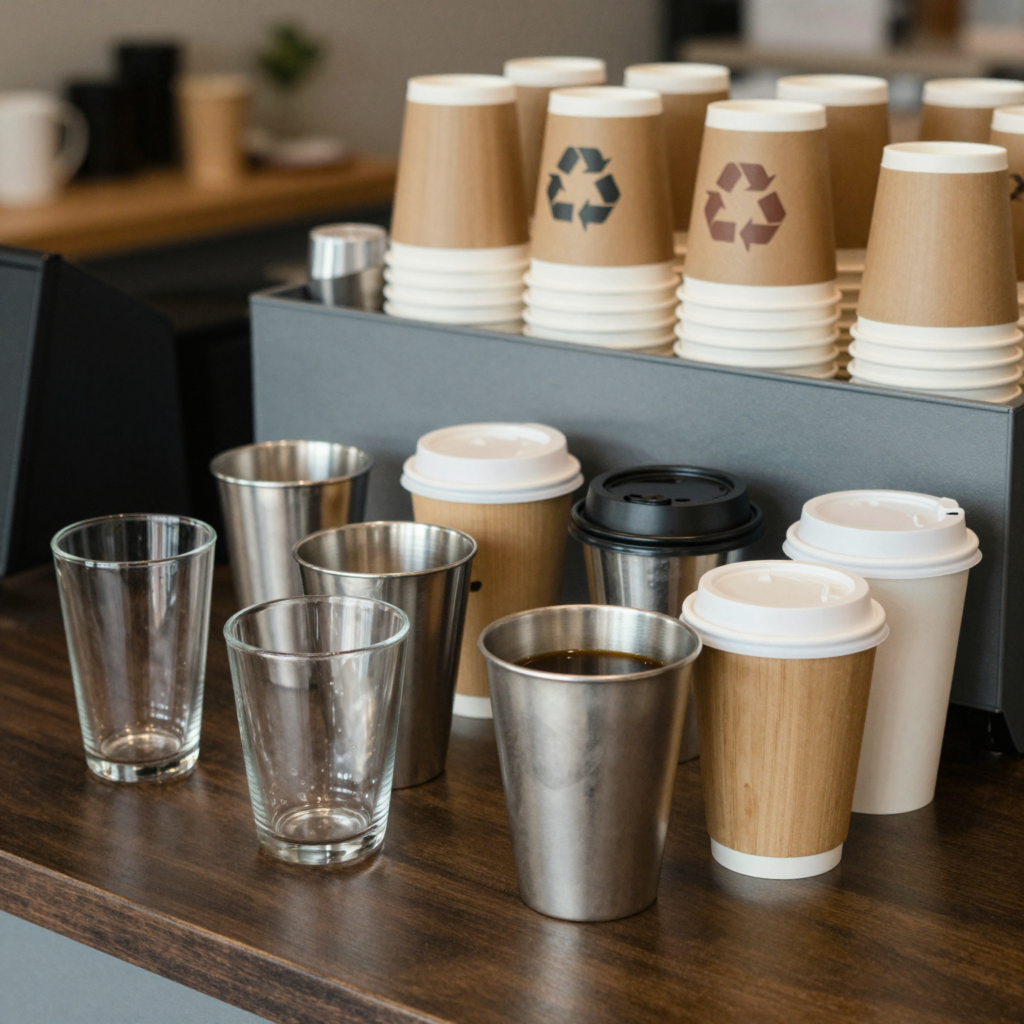
In the fast-paced world of beverage service, one alarming trend is emerging: the relentless production and disposal of single-use plastic coffee cups. These seemingly innocuous vessels, often overlooked in our daily routines, contribute significantly to the global waste crisis, with billions ending up in landfills every year. Not only are these cups challenging to recycle due to their plastic linings, but they also harbor negative environmental impacts that are becoming increasingly difficult to ignore. As consumers and businesses alike become more environmentally conscious, the demand for reliable alternatives is escalating. This shift is especially relevant for bubble tea shops and other beverage chains that thrive on convenience while catering to eco-aware clientele. Embracing sustainable practices not only aligns with broader environmental goals but also opens up new customer engagement opportunities through loyalty programs and discounts for reusable cup users. Industry leaders and innovators are stepping up to offer stylish, durable options made from stainless steel, glass, and bamboo, making it easier than ever to reduce our footprint. By investing in these alternatives, beverage establishments can not only enhance their brand image but also contribute to a significant change in consumer habits, ultimately steering a collective movement towards a more sustainable future. It’s time for beverage leaders to lead the charge toward sustainability, seeking out reliable, eco-friendly alternatives to disposable plastic cups and redefining the way we enjoy our favorite drinks.
Key Environmental Issues Related to Disposable Plastic Coffee Cups
Disposable plastic coffee cups contribute significantly to several environmental issues:
- Pollution: Over 50 billion disposable coffee cups are used annually, with 99% ending up in landfills or incinerators, where they take up to 30 years to decompose. This contributes to pollution both on land and in oceans, where improperly disposed cups can harm marine life.
- Waste Management Challenges: Only about 0.25% of these cups are recycled, primarily due to their polyethylene lining, which complicates recycling processes. This leads to increased landfill volume and operational costs for waste management systems.
- Impact on Marine Life: Marine organisms often ingest plastic debris, leading to internal injuries and fatalities. Additionally, microplastics from broken down cups enter the food chain, posing a risk to biodiversity and disrupting ecosystems.
- Resource Depletion: The production of these single-use cups exacerbates fossil fuel consumption and deforestation, further contributing to climate change.
To explore more about sustainable solutions, learn about compostable alternatives or the challenges of plastic waste management.
The Advantages of Using Disposable Tableware
Using disposable tableware in restaurants and catering services offers a myriad of benefits, primarily focusing on convenience, cost-effectiveness, and adherence to safety standards. Here are some key advantages:
Convenience
Disposable tableware is synonymous with ease and efficiency. In a lively restaurant or during a bustling catering event, the last thing you want to deal with is a pile of dirty dishes. Disposable options streamline the dining experience by significantly reducing clean-up time. They enable quicker service, allowing staff to focus more on engaging with customers rather than washing dishes. This convenience becomes particularly valuable during outdoor events or catering services where access to proper washing facilities may be limited.
Cost-Effectiveness
From operational costs to time savings, disposable tableware can offer considerable financial benefits. The reduction in labor costs associated with dishwashing can save restaurants and catering services hours of work, leading to more streamlined operations. Additionally, modern disposable products are often designed to be cost-effective while maintaining quality standards. According to research, the global disposable tableware market is projected to grow significantly, with the increasing demand for eco-friendly options leading the way (Market Research Future).
Safety Standards
Safety is paramount in food service. Disposable tableware is manufactured under strict quality controls, ensuring compliance with safety regulations such as FDA standards. This means that restaurant and catering services can use disposable products confidently, knowing they are safe for food contact and help minimize cross-contamination risks. Many modern disposables are designed to withstand various temperatures and conditions, providing a durable option that does not compromise on safety.
In conclusion, embracing disposable tableware can enhance operational efficiency, reduce costs, and maintain high safety standards, making them an ideal choice for restaurants, food trucks, and catering services alike. For more insights on choosing the right disposable products, check out our guide on 16 oz clear plastic cups.
As environmental awareness continues to grow in 2023, consumer preferences are shifting significantly toward eco-friendly alternatives such as biodegradable cups. According to a report, the global market for disposable paper products reached approximately 59.64 billion RMB, indicating a strong demand for sustainable products. This change reflects a broader trend among consumers who are increasingly prioritizing environmentally friendly options when choosing disposable tableware, particularly in sectors like beverage chains and food trucks.
Key Findings:
- Market Growth:
- The disposable paper goods market is expanding rapidly, driven mainly by consumer demand for eco-friendly solutions.
- Eco-friendly options, such as biodegradable and recyclable cups, are gradually replacing traditional plastic cups.
- Trust Issues:
- Despite the positive trend, recent investigations revealed that some cups marketed as biodegradable contained non-degradable plastic materials, suggesting a disconnect between consumer expectations and actual product performance. This has led to a growing distrust among consumers regarding the environmental claims made by manufacturers.
- For instance, a significant report highlighted that certain cups labeled as ‘degradable’ actually contained polypropylene, which does not decompose effectively. Additionally, some brands were found to have unsafe levels of toxic substances, raising concerns about regulating the industry.
- Awareness and Education:
- Consumers are increasingly aware of the environmental impact of their choices and are more likely to choose products that align with their values of sustainability and health. This trend is especially prevalent among younger demographics who frequent bubble tea shops and food trucks.
Conclusion
The shift towards eco-friendly disposable cups is not just a trend but a reflection of changing consumer values and preferences. Beverage chains and food trucks should consider incorporating more sustainable options into their offerings to meet the demand from environmentally conscious customers. For businesses looking to adapt, it is crucial to ensure that their products genuinely align with eco-friendly claims to build trust with their clientele.
For more information on disposable cups, you can check out our detailed guide on eco-friendly disposable cups.
With this growing preference for sustainable options, businesses in the food and beverage industry have both a challenge and an opportunity to innovate and improve their product offerings while appealing to a conscientious customer base.
Let’s make sustainability a priority in the disposable cup market while ensuring that consumer trust remains intact!
Comparison of Top Manufacturers of Disposable Coffee Cups
Disposable coffee cups are essential for various businesses such as coffee shops, food trucks, and catering services. Here’s a comparison of key manufacturers based on crucial factors that matter to event planners and corporate procurement teams:
| Manufacturer | Price per Cup (USD) | Materials | Availability | Eco-Friendly Options |
|---|---|---|---|---|
| Supplier A | 0.018 – 0.045 | Single-wall paper, PE lined | 15-30 days | PLA biodegradable coating available |
| Supplier B | 0.015 | Food-grade paper with PLA coating | 7-15 days | Sugarcane, bamboo fiber cups |
| Supplier C | 0.05 – 0.07 | Recycled paper pulp | 15-30 days | Chemical-free, fully compostable |
| Supplier D | 0.025 | Standard paper, plastic lids | 7-15 days | Options for 100% recycled materials |
Additional Information
- Supplier A offers a range of customizable options suitable for small events.
- Supplier B is known for quick deliveries and competitive pricing, especially for bulk orders.
- Supplier C focuses on sustainability with products that are designed for eco-conscious consumers.
- Supplier D has various designs and sizes that cater to different drink types and events.
For more insights on disposable coffee cups, learn more about the impacts of eco-friendly options and discover tips on selecting the right coffee cups.
Eco-Friendly Alternatives to Traditional Plastic Coffee Cups
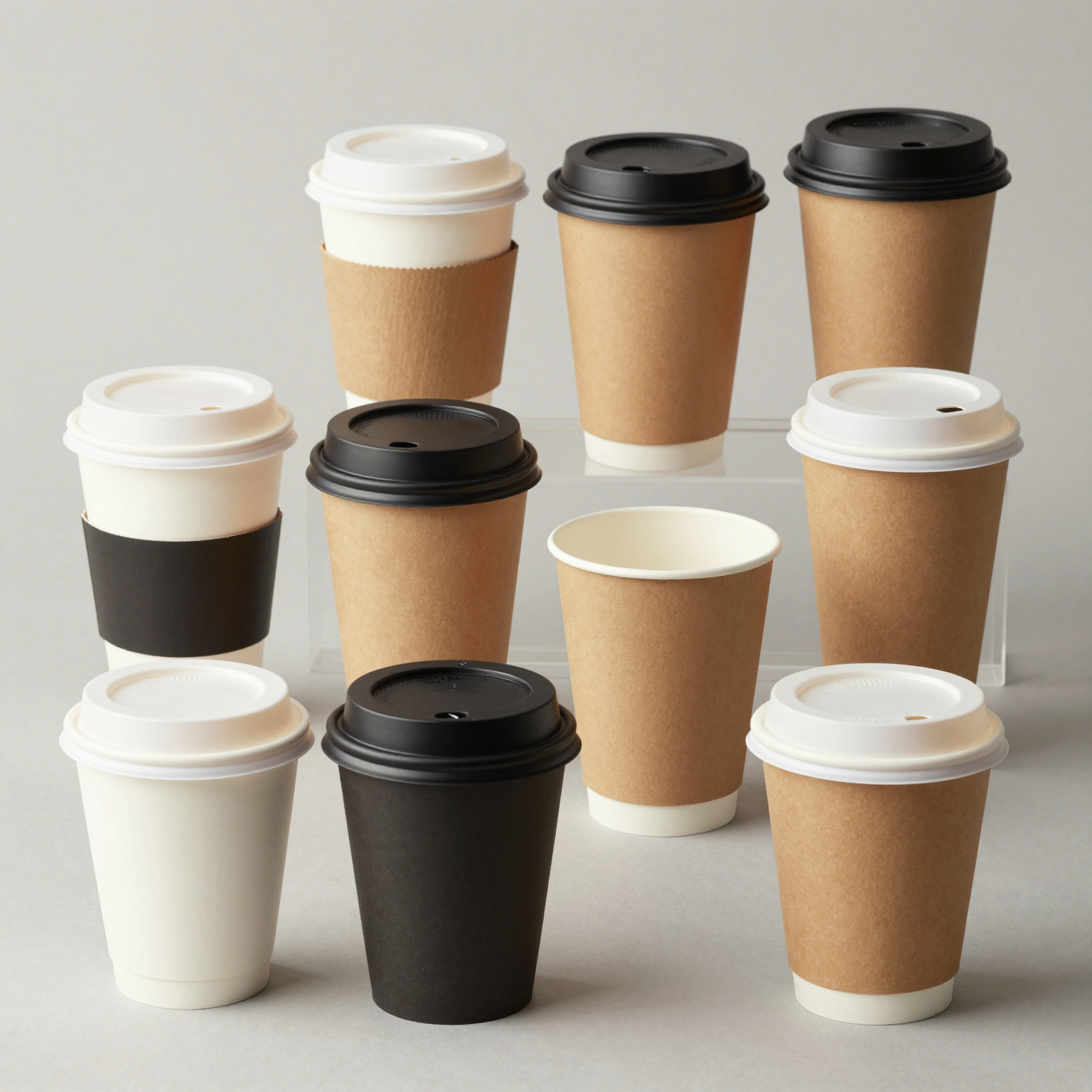
As sustainability becomes a pressing concern for consumers and businesses alike, the demand for eco-friendly alternatives to traditional plastic coffee cups is rising sharply. For bubble tea shops, beverage chains, and catering services, offering earth-friendly options can not only satisfy customer preferences but also enhance a brand’s image. Here are some of the best alternatives available:
1. Compostable Cups
Compostable cups are made from plant-based materials such as cornstarch or sugarcane, allowing them to break down naturally in commercial composting facilities. Unlike traditional plastic, these cups contribute to reducing landfill waste and promote a circular economy. For customers conscious about their environmental footprint, using compostable cups sends a positive message about your brand’s commitment to sustainability.
2. Paper Cups
Paper cups, especially those without plastic linings, are an excellent alternative. Many businesses are now opting for recyclable and biodegradable paper cups that can decompose within months. This option provides a sustainable choice for hot and cold beverages while ensuring that customers feel good about their purchase. Employing products that utilize sustainable sourcing practices can also enhance your business’s reputation in the market (learn more about the benefits of paper cups).
3. Reusable Cups
Encouraging customers to bring their own reusable cups is another effective strategy. Offering discounts to customers who do so not only promotes your commitment to the environment but also reduces the overall waste generated from disposable cup usage. Many establishments now provide options for branded reusable cups, making them a marketing tool as well.
Business Benefits
Switching to eco-friendly alternatives can significantly benefit businesses in several ways:
- Brand Image Improvement: Highlighting your use of sustainable materials can attract environmentally conscious consumers, increasing customer loyalty.
- Cost Efficiency: While upfront costs of eco-friendly products may be higher, reduced waste disposal costs and potential tax incentives can offset these expenses.
- Regulatory Compliance: Many local governments are instituting bans or taxes on single-use plastics, making the shift to sustainable products not only favorable but also necessary for compliance (explore issues with traditional plastic containers).
Conclusion
The shift towards compostable and other eco-friendly cup alternatives is not just a trend but a crucial step for businesses aiming to operate sustainably. By adopting these practices, your establishment can lead the way in environmental responsibility while enhancing customer satisfaction.
The Environmental Impact of Disposable Coffee Cups
Disposable coffee cups are a significant environmental concern due to their widespread use and the challenges associated with their disposal. Each cup, often lined with a plastic coating, contributes to pollution and waste in our landfills. Sustainability experts have emphasized the urgent need for businesses and consumers to transition to reusable alternatives.
“Single-use culture has normalized disposability at a massive environmental cost. Reusable systems are one of the fastest ways to reduce waste in food service.”
- Dr. Lena Patel, Sustainable Materials Researcher at the University of Oregon
Key Statistics About Disposable Coffee Cups
- Recycling Challenges: Less than 1% of disposable coffee cups are successfully recycled due to contamination and the difficulty of separating the plastic lining.
- Production Impact: The production of these cups leads to deforestation, energy consumption, and greenhouse gas emissions.
- Decomposition Time: Disposable coffee cups can take up to 30 years to decompose in landfills.
Supporting the transition towards reusable systems not only mitigates these environmental impacts but encourages a cultural shift in how we perceive disposability in our daily lives. If you’re in the beverage industry, consider making a change by offering reusable options and promoting them to your customers. Learn more about eco-friendly options.
For further insights on sustainable practices in food service, check out our article on the environmental benefits of reusable products.
Best Practices for Businesses Using Disposable Coffee Cups
The surge in demand for disposable coffee cups presents both opportunities and challenges for businesses. Here are some best practices to enhance sustainability and reduce waste:
Environmentally Friendly Sourcing
- Choose Renewable Materials: Opt for cups made from biodegradable materials such as paper with a polylactic acid (PLA) lining, derived from corn starch. Avoid petroleum-based plastics like polystyrene (PS) that take centuries to decompose. For more on sustainable materials, check out this guide on eco-friendly coffee cups.
Effective Cup Design & Performance
- Select Sustainable Accessories: Use compostable or recyclable lids and sleeves. For enhanced thermal protection, consider bio-based foam sleeves rather than expanded polystyrene (EPS), which is not widely recyclable and poses environmental risks.
Implementing Proper Disposal Methods
- Sort Waste Effectively: Establish clear waste sorting systems with labeled bins for compostable, recyclable, and landfill waste, ensuring all staff are trained on proper disposal techniques. Educating consumers about the proper disposal of coffee cups is also essential for overall waste management. This practical guide offers insights into disposing of coffee cups responsibly.
Encouraging Reusable Cups
- Incentivize Customers: Offer discounts or loyalty points to customers who bring their reusable cups. Businesses that adopt this strategy often witness substantial reductions in single-use cup consumption, boosting both environmental and economic returns.
Ensuring Supply Chain Transparency
- Partner with Certified Suppliers: Collaborate with vendors that adhere to sustainable practices, checking for certifications such as FSC (Forest Stewardship Council) and BPI (Biodegradable Products Institute) that validate their environmental claims.
Consumer Education
- Inform Your Audience: Use point-of-sale signage and social media to teach customers about the environmental impact of disposables and encourage them to opt for more sustainable choices.
Conclusion
By embracing these best practices, businesses can significantly reduce their environmental footprint while promoting a culture of sustainability. Check out our comprehensive blog on disposable coffee cups for further details.
Conclusion: Choose Wisely for Success
In the bustling world of beverage service, making the right choice in disposable coffee cups is not just about functionality; it influences customer satisfaction, brand reputation, and environmental impact. High-quality disposable coffee cups can enhance the drinking experience by providing durability against leaks, ensuring insulation for hot beverages, and serving merchandise branding purposes. As highlighted in various articles, companies that prioritize eco-friendly cups not only contribute to environmental sustainability but also attract a growing segment of conscious consumers who value sustainable practices. Learn more about the benefits of eco-friendly disposable coffee cups.
Partnering with us at GreenDISOPOPack gives you access to the finest selection of disposable coffee cups that meet both your quality needs and environmental goals. Let us help you elevate your brand and reduce your carbon footprint by choosing the right products. Reach out today, and discover how our range of custom solutions can fit your business’s unique requirements. Together, we can ensure that every sip your customers take is not only enjoyable but also aligned with a more sustainable future. Explore our clear plastic cups and custom options!
Make the switch now for a better tomorrow!