
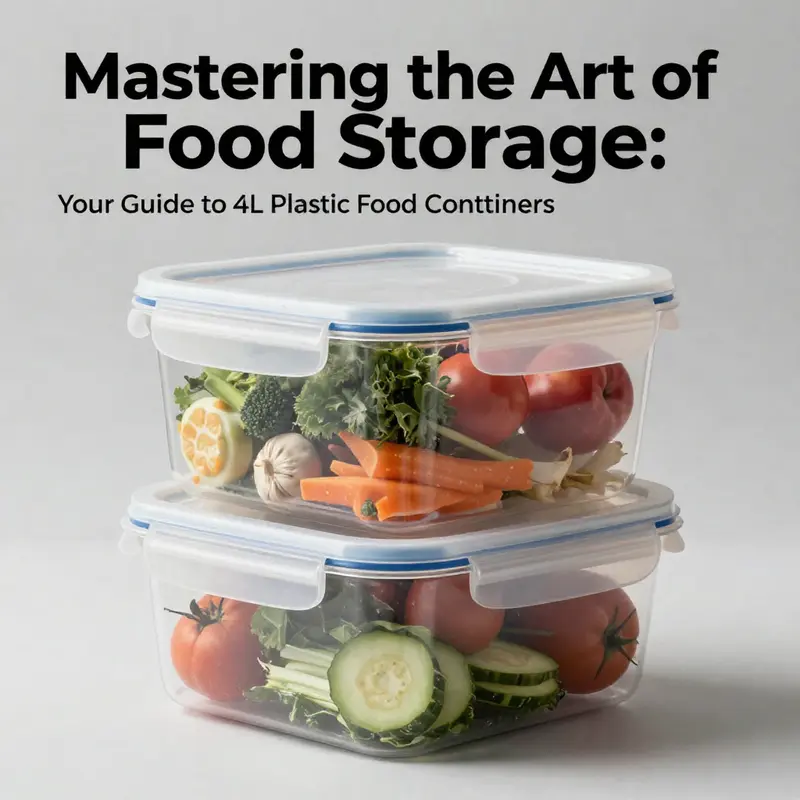
Plastic 4L food containers are essential tools for Bubble Tea shops, restaurants, food trucks, catering services, and event planners. Understanding their design, safety features, and capacity is vital for sourcing the best solutions for food storage. This guide explores the durability and material safety that protect food integrity, the ergonomic and functional designs that enhance user experience, and the versatile applications perfect for various businesses. Each chapter connects back to the essential role these containers play in maintaining quality and efficiency in food service.
Guardians of Freshness: Material Safety and Durability in 4-Liter Plastic Food Containers
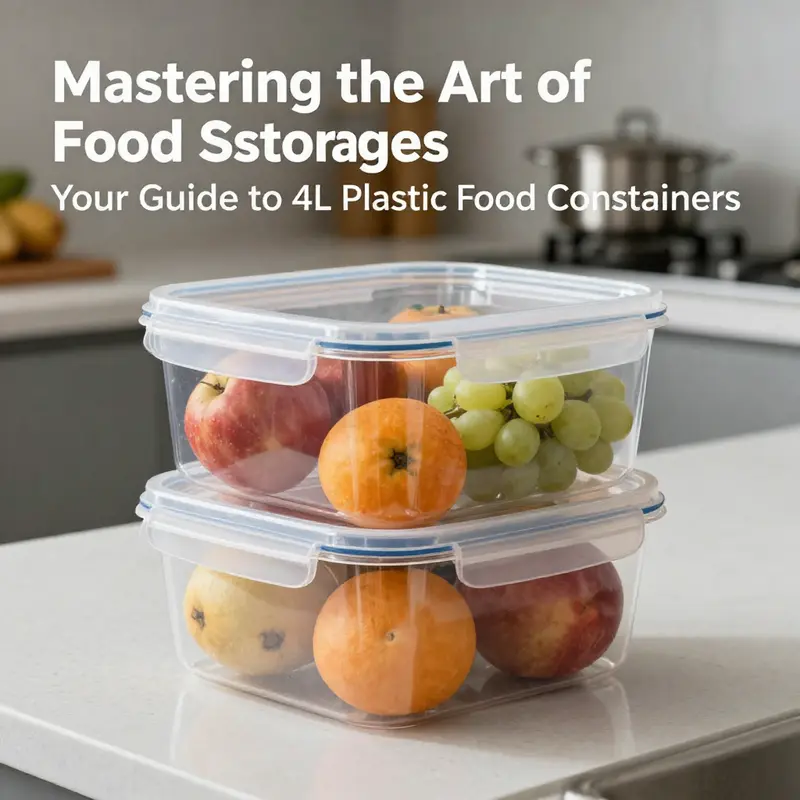
In any kitchen or food storage operation, the 4-liter plastic container sits at a quiet hinge point between everyday practicality and long‑term safety. It is not merely a vessel for bulk rice or flour; it is a steward of flavor, texture, and hygiene. The choices behind its material composition and structural design have downstream effects on how safely food travels from field to pantry, freezer to table, and even from one shift to the next in a bustling commercial setting. A well‑engineered 4L container performs a delicate balancing act. It must be sturdy enough to withstand the bumps and nudges of daily handling, light enough to keep costs and energy use manageable, and secure enough to keep contents sealed against air, moisture, and the odors of adjacent foods. Above all, it must be safe for food contact, with coatings and additives that do not migrate into the food under ordinary storage conditions. When these conditions are met, the container becomes a reliable partner in keeping staples fresh, flavors consistent, and inventories well organized, whether in a home pantry, a small cafe, or a distribution center that feeds many households each week.
Material safety begins at the polymer brand and the way it is processed. The most common workhorse plastics for 4L storage are food-grade polyolefins, notably polyethylene and polypropylene, chosen for their compatibility with food contact and their resilience in the face of everyday use. The defining criterion in this space is not just “made of plastic” but “tested and certified for food contact.” Reputable producers emphasize compliance with recognized safety standards, including certifications that the material won’t leach hazardous substances into food during normal temperatures and usage patterns. A container that proclaims itself to be BPA-free and marketed as food-safe stands on firmer ground, but certification is more than a label. It is a documented commitment to measured safety parameters and quality management that accounts for the entire manufacturing process—from resin selection and resin additives to mold release agents and finally the finished product. In practice, this means looking for evidence of adherence to internationally recognized guidelines that govern food contact—standards that are designed to protect consumers across a broad spectrum of use cases, from dry storage to liquids, and from cool refrigeration to brief heat exposure.
Among the polymers, polypropylene rises to the top in discussions of temperature resilience and chemical stability. PP’s strength lies not only in its toughness against impacts but also in its capacity to endure mildly elevated temperatures without losing integrity or developing odor concerns. A typical PP-based 4L container can withstand temperatures in the range of about 100°C to 120°C, which covers hot foods and some microwave use when the product is clearly labeled as microwave-safe and used in accordance with manufacturer directions. This range is particularly important for households and small kitchens that heat food directly in the container or reheat prepared dishes stored in it. By contrast, other plastics such as polystyrene and expanded polystyrene should be avoided for hot or fatty foods beyond modest temperatures, since they can be more prone to migration or deformation when exposed to heat. A historical checkpoint from a large municipal health authority underscores this caution: a 2005 regional study found that while many disposable plastic containers met safety standards for heavy metals and styrene migration with ordinary use, certain PS samples exceeded migration limits when challenged with fatty foods at higher temperatures. The takeaway is not a condemnation of all plastics but a reminder that material choice must align with the intended use—particularly for hot foods and liquids that exert more demanding thermal and chemical conditions on the container.
Beyond the base polymer, the shell thickness and the overall geometry of a 4L container contribute to its durability. A sufficiently robust shell thickness provides resistance to crushing, denting, and the micro-scratches that accumulate with repeated handling. This durability translates into fewer compromised seals, less risk of leaks during transport, and more reliable performance in stacked storage scenarios. The 0.3 millimeter shell thickness cited in some product specifications represents a middle ground: it supports strength without dramatically increasing weight. For bulk storage in kitchens or warehouses, this balance matters. Heavier walls might offer greater splash resistance or longer‑term structural rigidity, but they also add weight to each unit, affecting bulk handling, shipping costs, and energy use during transport. In practice, a 4L container designed with a careful balance of wall thickness and lid geometry tends to deliver consistent performance across a wide range of applications. A tight-fitting, screw‑type lid paired with an airtight seal minimizes air exchange and moisture ingress, a combination that preserves the integrity of dry items like rice, flour, and sugar, while also keeping odors contained for items stored side by side.
The lid itself is a critical element of safety and durability. A secure screw lid with a well‑engineered gasket offers resistance to leaks and spills, a feature that becomes especially valuable in transit or when a container is used for liquids such as oils, sauces, or marinades. The combination of a robust thread design and a gasket that resists compression over time helps ensure that the seal remains reliable after repeated opening and closing. When a container is designed to be transparent or semi‑transparent, contents are easily identified without opening the lid, reducing unnecessary handling, which in turn helps maintain cleanliness and minimize contamination risk. In real‑world terms, the design translates into fewer accidents and spills, less waste, and a smoother workflow in busy kitchens or storage rooms.
Durability also intersects with how a container ages. The plastics most commonly used in 4L storage are chemically stable under normal conditions, which means they resist deformation, discoloration, and odor uptake when used properly. However, no material is entirely inert. Over time, exposure to repeated thermal cycling, strong odors, and aggressive vegetable acids or oils can influence surface properties. This is where the choice of polymer and the quality of the mold finish come into play. A well‑manufactured container will resist staining and odor retention, making it easier to repurpose or deep-clean without compromising future performance. It is also where thoughtful recycling considerations enter the conversation. PP and PET are widely recyclable in many regions, helping align practical storage needs with broader environmental goals. Separating lids from bodies during recycling can further improve material recovery, a small but meaningful step for households and operations alike.
Yet safety is always tied to usage patterns. Consumers can take simple steps to maximize safety: avoid exposing the container to temperatures beyond what the manufacturer specifies, avoid storing highly acidic or fatty substances for extended periods at extreme temperatures, and ensure lids and gaskets are clean and dry before resealing. Proper cleaning practices, using mild detergents and avoiding abrasive scrubbers, help preserve the integrity of seals and surfaces. While glass remains a strong alternative for certain high‑temperature applications due to its inert chemistry and robust thermal shock resistance, plastic containers offer unmatched weight savings and resilience in handling. The choice between plastic and glass depends on the specific use case, including whether the priority is microwave reheating, long‑term pantry storage, or the logistics of bulk distribution.
In the broader context of food safety, regulatory expectations extend beyond the material to include labeling, manufacturing practices, and traceability. Containers marketed for food contact should display clear indications that they meet applicable standards for safety and quality. These indicators may include statements about food contact approval, the absence of BPA, and compliance with recognized standards for consumer safety. The reliability of these signals is reinforced when suppliers publish documentation that can be reviewed by purchasers, whether a home cook buying one container for daily use or a bakery ordering dozens for daily operations. This is not a purely theoretical concern. In practical terms, it translates into a procurement process where buyers compare material declarations, verify certifications, and assess the supplier’s commitment to consistent quality across production batches. Such diligence helps ensure that the 4L container delivers on its promise of safe storage and durable performance, avoiding the risk of chemical migration or failure of the seal that could compromise food safety.
The sourcing aspect of these containers reflects a balance between safety, performance, and cost. In bulk procurement scenarios, customers value the ability to source containers made from FDA‑certified PET or food‑grade PP, with a guarantee of BPA‑free composition and a leak‑proof, airtight seal. Suppliers often present multiple color and labeling options to fit branding or organizational needs, while maintaining the essential safety and performance characteristics. The potential for customization—such as labeling, color choices, and ergonomic features—adds a dimension of practicality for commercial settings, where inventory management and brand consistency matter. At the same time, the possibility of bulk discounts enables startups and established operations to align their packaging solutions with budgetary realities without compromising safety or quality. Keeping a close eye on batch consistency and supplier reliability becomes critical when orders scale up, ensuring that every container in the fleet meets the same safety and performance standards that customers expect at the point of use.
To illustrate the practical implications of these considerations, imagine a food‑service operation that relies on bulk storage to keep ingredients close at hand while maintaining product integrity. The operation uses 4L containers for a spectrum of items—from rice and dried beans to hot sauces and pickled vegetables. A container with a secure screw lid and an airtight seal minimizes the risk of moisture uptake and flavor transfer between different items. The transparent walls enable quick visual inventory checks, reducing the likelihood of forgotten items and unnecessary waste. The ergonomic handle makes it easier for staff to transport large quantities between the storage room and prep area without sacrificing balance or grip. In such a workflow, the material choice—PP or PET with appropriate certifications—becomes a visible signal of reliability to the team, a cue that daily operations can proceed smoothly and safely.
Still, the conversation around safety and durability is not static. It evolves as new research, manufacturing practices, and consumer expectations shift. For instance, ongoing analyses of chemical stability under varied storage conditions emphasize the need to consider how different foods interact with the container material over time. Hot oils, citrus extremes, or highly fatty sauces can, in some cases, stress the interface between container and content, highlighting the importance of appropriate material selection and usage guidelines. In response, many manufacturers label their products with clear usage instructions and safety notes, guiding users toward best practices. The overarching message remains simple: choose a container that aligns with the intended use, verify food-contact safety credentials, and handle the product in a way that preserves its integrity across the life of the storage solution.
In a broader sense, the market for plastic storage containers is part of a larger packaging ecosystem that is increasingly mindful of safety, efficiency, and environmental impact. While plastic offers undeniable convenience, the conversation around sustainability continues to influence design choices, material innovations, and end‑of‑life strategies. This means more emphasis on recyclability, reduced material usage, and easier disassembly of components to support recycling streams. It also means continual attention to user education—helping consumers interpret labeling, understand safe temperature ranges, and use containers in ways that maximize both food safety and product longevity. The 4L format, with its combination of capacity, portability, and adaptability, remains a versatile option precisely because it can adapt to many cooking and storage styles without demanding specialized equipment or processes. As kitchens and food businesses become more attuned to the interplay between material science and everyday practice, the 4L container stands as a practical embodiment of that evolving balance: a simple device that, when chosen and used wisely, helps keep nourishment secure, flavors faithful, and waste low.
For those who want to explore guidelines that underpin these practical choices, authoritative reference points exist that outline safe use for food containers and provide context for how to interpret certifications and usage recommendations. These resources emphasize that safety is not a single checkbox but a continuous practice—choosing the right material for the right application, adhering to temperature and reuse guidelines, and staying informed about evolving standards that affect packaging and food safety. In practice, this means a consumer or business can approach packaging with confidence by selecting containers made from food‑safe polymers, verifying labeling and certification, and applying sensible usage rules that protect both people and their meals. As the chapter closes on this topic, the thread remains clear: material safety and durability are inseparable from everyday reliability. When they align, the 4L container does more than store; it protects, preserves, and prepares the meals and ingredients that feed people—today, tomorrow, and in the many small moments between.
External resource: For formal safety guidelines and official guidance on food containers, see the Hong Kong Food Safety Center’s guidelines at https://www.foodsafety.gov.hk/eng/food-safety/food-container/food-container.html. In the broader packaging conversation, many practitioners also consider related packaging categories—such as disposable eco-friendly packaging options—that demonstrate how design choices can support both safety and sustainability. For example, you can explore related packaging discussions here: disposable eco-friendly paper cup with logo. This anchor invites readers to consider how choices across packaging forms influence workflows, branding, and environmental impact in a holistic way.
Designed for Everyday Food Harmony: The Design and Function of 4-Liter Plastic Food Containers
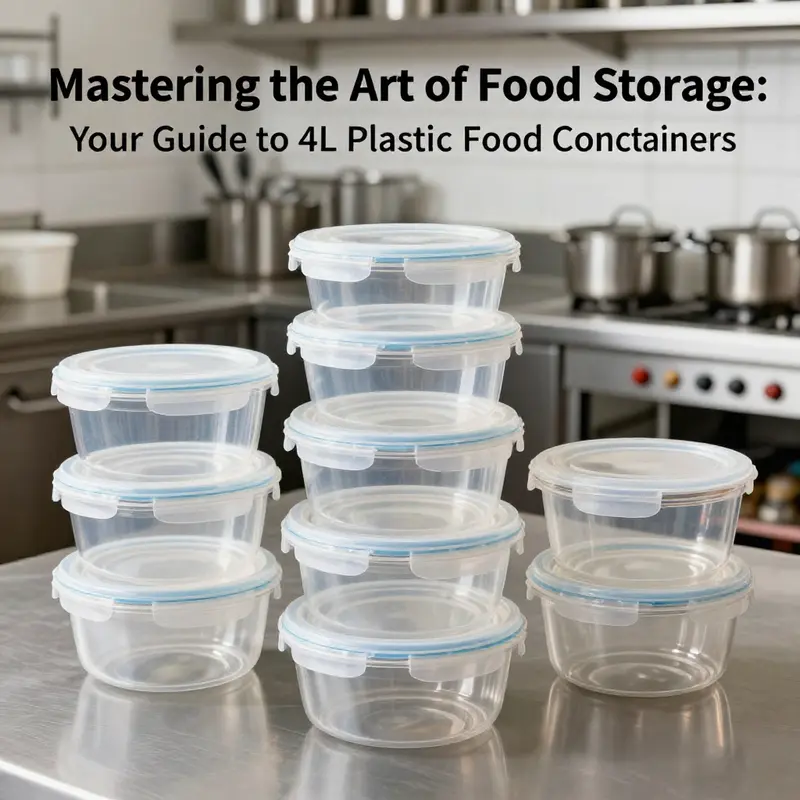
A 4-liter plastic food container is more than a simple box with a lid. It is the practical result of deliberate choices about form, material, and user interaction that together determine how effectively a kitchen manages space, preserves freshness, and supports everyday routines. When you look closely at these containers, you begin to see a line of decisions that merge engineering with daily habit. The rectangular, compact silhouette is not coincidental. It is a deliberate optimization to maximize storage efficiency in crowded refrigerators, deep pantry shelves, and bustling commercial kitchens where every inch of space counts. The shape invites orderly stacking, with a profile that slides neatly alongside other containers, doors closing with a soft, predictable click, and lids aligning with the body in a way that reduces the chance of misalignment during busy moments. This is not merely about keeping things in one place; it is about enabling a kitchen mindset where organization reduces waste, simplifies meal prep, and supports consistency in portioning and timing. In a world where food safety and traceability are increasingly regulated, the design of a 4-liter container also becomes a quiet conversation about how to handle variables—temperature changes, odors, moisture, and the need for rapid content recognition—without forcing compromises on durability or convenience. The idea of the container as a static vessel fades away when we appreciate how its design invites repeated, predictable use of the same tool, day after day, year after year.
Material choice sits at the core of this design story. The most common workhorse materials for 4-liter containers are types of food-grade plastics known for their clarity, chemical resilience, and lightness. These plastics—often varieties of polypropylene or polyethylene—are selected for their ability to withstand a spectrum of kitchen conditions: washing, occasional freezing, and the typical variability of home or commercial temperatures. The hallmark of a responsible design is protecting the contents while keeping the container safe for repeated contact with food. A crucial element here is the absence of harmful substances. When a container is described as BPA-free and certified for food contact, it signals a broader commitment to health and safety that extends beyond mere compliance. A BPA-free formulation minimizes the risk of chemical migration into stored foods, which, over time, can influence flavor, aroma, texture, and nutritional quality. The focus on food-grade materials also aligns with a general industry shift toward materials that resist odors and stains, maintaining a neutral baseline that helps a variety of contents—rice, pulses, spices, sauces, even pet foods—retain their natural character rather than picking up the scents of prior contents.
Yet material safety is inseparable from reliability. A container designed for 4 liters must balance strength with lightness. The shell thickness, while it can be modest, plays a pivotal role in resisting impact during daily handling and in preserving the container’s shape through repeated cycles of filling, stacking, and washing. The goal is a shell that feels sturdy enough to resist creasing or cracking when the unit is carried by its handle or bumped against a shelf, yet light enough to be lifted without strain. In practical terms, this translates to a construction that can absorb minor shocks without transferring them to the contents, and that remains comfortable to hold when it is full of heavy items like flour or pet food. It also means a design that tolerates repeated cycles of opening and closing without losing its seal integrity. A secure screw lid is a frequent choice for these containers because it offers a tight seal that reduces air exchange. This airtight property is central to maintaining freshness, particularly for items where dryness and aroma preservation matter, such as dry grains or dusty ingredients. A lid that screws down with a gasket or an integrated seal can prevent leaks and spills during transport, a feature that becomes especially critical when the container doubles as a portable option for markets, catering events, or household excursions.
Transparency—or the deliberate choice of visibility—emerges as another practical feature of 4-liter designs. A clear or lightly tinted body lets users identify contents at a glance without opening the lid. This visibility is more than convenience; it reduces the need to interrupt storage routines by rummaging through containers, thereby limiting the exposure of contents to air and temperature fluctuations. In kitchens where space is keyed to speed, being able to recognize contents quickly supports efficient rotation of stock, better error reduction in meal prep, and less food waste overall. At the same time, some users prefer opaque bodies for odor containment or aesthetic coherence with a clinical pantry. The design language in these cases shifts toward matte or colored finishes that still preserve the practical benefits of a sturdy, food-safe shell and a dependable lid mechanism, while offering a consistent look across a range of sizes.
From a usability perspective, the addition of ergonomic features matters as much as the container’s core storage function. Many 4-liter designs incorporate reinforced handles that feel sturdy in hand when the container is full. The handle geometry is crafted to distribute weight evenly, reducing fatigue during carrying or when one needs to move several units at once. A well-considered handle also supports better balance when the container is tilted to pour or to align it for refilling. The lid’s ergonomics cannot be neglected either. An easy-open design helps in busy kitchens where quick access is essential, especially when hands are wet or when users are wearing gloves. In a commercial context, such features contribute to operational efficiency and can lower the risk of accidental spills during transport or during the shifting of containers on a busy workbench.
In the realm of performance, the airtight seal and the lid’s tamper-evident aspects are not cosmetic add-ons but functional assurances. An airtight design goes beyond keeping moisture out; it minimizes air exposure that can accelerate oxidation, especially for contents that are sensitive to humidity and oxygen levels. For liquids like oils or sauces, a leak-proof seal becomes a defining attribute, transforming what could be a messy mishap into a controlled transfer. For dry goods, the seal maintains aroma, flavor, and texture by limiting stale air diffusion, which helps preserve sensory quality. The tamper-evident aspect, often achieved through a lid design that clearly indicates if a container has been opened, serves as a trust signal in both household and commercial environments. It reassures users that what they are about to store or consume has remained in a controlled state, which is especially important for bulk procurement and inventory management where traceability and compliance are increasingly prioritized.
The materials and seals contribute to a broader picture of durability that includes resistance to odor transfer and stain retention. PP and PE are favored not only for their cleanliness but for their resistance to absorbing colors and smells from a wide range of foods. This resistance is particularly valuable when containers are reused across different storage tasks—say, moving from rice to lentils to dried fruit or from snacks to pet food—without the risk that residual aromas will taint subsequent contents. The capacity for repeated washing, including hot-water cycles or dishwasher use where permitted, hinges on both the polymer’s thermal tolerance and the integrity of the seal, as heat can affect gasket materials and lid fit over time. The best designs anticipate these realities by selecting materials and tolerances that tolerate domestic cleaning regimes while preserving form and function across extended usage.
From a market and lifecycle perspective, 4-liter containers are positioned between compact personal-use options and larger commercial storage solutions. Their popularity is driven by a simple, universal need: to move bulk quantities of food efficiently while maintaining quality, safety, and accessibility. The 4-liter size offers a sweet spot where the container is large enough to reduce the frequency of refilling yet light enough to be carried by a single person. In grocery stores, bakeries, and catering operations, bulk storage can simplify inventory and procurement chains by standardizing on a single, repeatable container footprint. This standardization reduces space requirements in storage rooms and allows for consistent stacking patterns on shelves, in warehouses, and within transport crates. The lightness of plastic compared to glass or metal contributes to lower handling costs and safer transport, which matters in distributed supply scenarios where staff may be moving multiple pallets or dozens of containers through a facility each day.
Of course, no design conversation can ignore quality assurance and regulatory alignment. Food-contact safety is not optional; it is woven into the container’s very fabric. The widely adopted standards that govern such products—originating in various national and international frameworks—set expectations for what constitutes safe material, how it should perform under typical use, and how it should be tested for leachables and structural integrity. A container that is marketed as food-grade generally indicates compliance with recognized safety criteria, including the absence of substances that could migrate into food in quantities that would raise health concerns. In practice, this means manufacturers maintain traceable supply chains for their base polymers, employ testing protocols that simulate normal and extreme use, and publish documentation that supports their claims. For buyers, especially those operating at scale, this translates into a reliable supply chain with documented certifications, the ability to verify batch consistency, and the assurance that the containers will continue to meet expectations as production volumes scale up. The emphasis on safety combined with practical design features creates a tool that fits seamlessly into daily life and business logistics alike.
Sourcing strategies for these containers reflect their dual role as everyday household items and essential components of commercial operations. The appeal of bulk ordering is clear: lower per-unit costs, customization options, and the ability to align packaging with branding or functional needs. Suppliers frequently offer options such as different colors, labeling services, and permutations in size while maintaining a consistent core design that emphasizes durability and safety. For buyers, the decision-making process extends beyond price. It includes evaluating the supplier’s capacity to meet demand schedules, the consistency of lid fit across batches, and the availability of instruments or accessories that enhance usability and longevity—such as compatible lids with integrated gaskets or stackable tray inserts that further optimize storage density. In practice, this means engaging with manufacturers that demonstrate robust production capacity, transparent communication, and clear documentation of certifications and compliance. The goal is a stable supply chain that can support both ongoing household use and the demands of a growing business that scales its storage needs as it expands.
Looking ahead, the design and functional features of 4-liter plastic food containers are likely to evolve in ways that further improve efficiency and sustainability. Innovations may focus on optimizing material formulations to enhance clarity, reduce weight without sacrificing strength, and improve insulation properties to better preserve temperature-sensitive items. They may also address end-of-life considerations by integrating more readily recyclable materials or by developing designs that facilitate easier disassembly for recycling at the end of their useful life. Yet the core principle remains constant: a well-designed container should help users manage their food with confidence, reduce waste, and support a smooth, predictable flow in everyday routines. In this sense, the 4-liter container embodies a balance of science and daily practice—a small, dependable instrument that quietly shapes how households and businesses approach food storage, organization, and care.
For readers who want to deepen their understanding of specific technical specifications, certifications, and procurement options, a broader reference framework exists that compiles practical guidance and standards relevant to 4L-sized plastic storage solutions. This resource consolidates material safety statements, performance criteria, and regulatory considerations in a way that helps buyers assess whether a given container design meets their needs without getting lost in marketing language. While individual suppliers may present varied implementations, the shared trust markers—food-grade materials, BPA-free formulations, airtight seals, and certified safety—form a reliable baseline that informs purchasing decisions and supports responsible storage practices. As with any purchasing decision that touches both health and day-to-day workflow, the emphasis remains on thorough evaluation, transparent documentation, and a clear alignment between product design and the real-world tasks that the container is asked to perform. The resulting choice is not merely about capacity; it is about selecting a design that integrates with the rhythms of storage, preparation, and distribution in a way that feels almost second nature, turning routine activity into a smoother, safer, and more enjoyable experience.
External reference: A complete guide to 4L plastic food storage container. https://www.alibaba.com/product-detail/A-Complete-Guide-to-4L-Plastic-Food_1600587932793.html?src=ref
The 4-Liter Frontier: How a Simple Plastic Container Expands Storage, Safety, and Efficiency
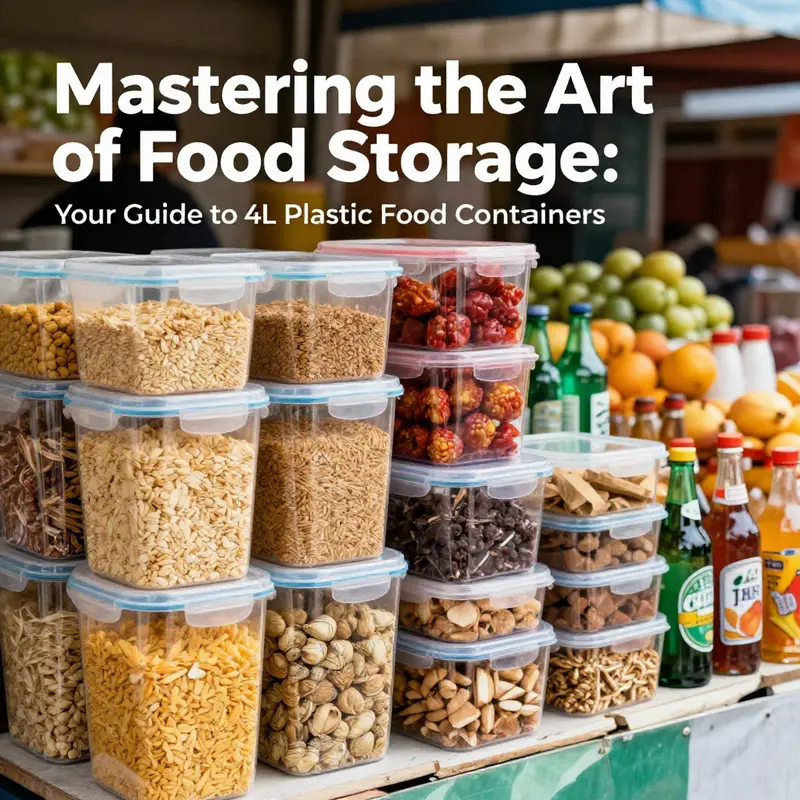
The 4-liter plastic food container sits at a practical crossroads where form meets function, capacity meets restraint, and everyday life brushes against the demands of small-business logistics. It is easy to overlook the quiet power of a well-made 4L vessel, yet its influence ripples from a home pantry to a bustling kitchen, from a DIY studio to a wholesale warehouse. This chapter aims to trace that influence in a seamless narrative, showing how a seemingly modest piece of equipment becomes a hub for safety, organization, and efficiency. It is not merely about holding food; it is about preserving it, moving it, and making the act of storage part of a larger rhythm of daily life and enterprise. In this sense, the 4L container embodies a design imperative: balance generous volume with manageable size, protect contents without complicating handling, and do so with materials and features that reassure the user across a spectrum of environments and uses.
The most fundamental truth about a 4L container is safety. When people choose to store snacks for a family week, batch-cook for the weekend, or warehouse bulk supplies for a small business, they want a vessel that acts as a trustworthy shield between food and the surrounding world. The key to that trust lies in the materials themselves. A well-made 4L storage solution is typically constructed from food-grade plastics such as PET (polyethylene terephthalate) or polypropylene (PP). These polymers are selected not only for their durability and lightness but also for their safety profiles in contact with food. Importantly, a credible 4L container is designed to be BPA-free, a detail that resonates with consumer concerns about chemical leaching and long-term exposure. It is not enough for a container to be strong; it must also be inert enough that its presence does not alter the flavor, aroma, or texture of the contents over time.
The journey from raw material to a consumer-ready storage solution is carefully navigated through certifications and standards that bridge the laboratory and the kitchen bench. In practical terms, this means a container may carry certifications aligned with international food-safety norms, such as standards that address the safety of materials intended for contact with food. A 4L container built to meet such criteria typically undergoes testing to confirm not only that it is free from hazardous additives but also that it can withstand repeated use without degradation that might compromise safety. These certifications function like a seal of confidence for a broad spectrum of users—from a home cook who wants to keep leftovers fresh during a busy week, to a small café that must ensure consistent safety across daily service, to a distributor who needs to stand behind every unit sold around the country. In practice, the combination of FDA-aligned or equivalent food-contact certifications with a design that minimizes leaching sets the baseline for reliability. It is a reminder that safety is not a single feature but an ecosystem of material choice, manufacturing controls, and quality assurance that together reduce risk while maximizing usefulness.
Yet safety is not the container’s sole claim. The material choice—PET or PP—also informs performance in ways that matter every day. PET brings clarity; a transparent or translucent shell lets users glance at the contents, gauge freshness, and plan use without unnecessary openings. That visibility reduces the need to unwrap, smell, or otherwise disturb what is stored inside, which in turn helps maintain quality by limiting exposure to air and temperature fluctuations. PP contributes toughness and chemical resistance, enabling a long life under the wear of frequent handling, scraping, and stacking. The 0.3-millimeter shell thickness, a detail that might seem technical and even trivial, is a deliberate optimization: thick enough to resist dents and bumps during transport, yet light enough to keep the container easy to lift, carry, and stack. This balance is especially important for bulk storage or in settings where multiple containers are moved repeatedly in rapid succession, such as a kitchen line or an inventory bay of a small store.
Design and function cohere in a way that speaks to the realities of daily use. A well-conceived 4L container prioritizes ergonomic handling, a pivotal factor when heft matters, as in the case of dried grains, flours, or pantry staples. An integrated handle designed with contouring that fits the hand can make a difference when the container is full and the user needs to carry it across a room or load it into a vehicle. The screw lid, more than a simple cap, plays a critical role in maintaining the integrity of stored goods. A secure seal minimizes air ingress and liquid leakage, a feature that is especially valuable for liquids such as oils, sauces, or brines. The airtight or near-airtight properties help preserve aromas, textures, and moisture content, extending shelf life and reducing waste. A robust sealing mechanism also reduces the risk of accidental spills during transport, an essential consideration for on-the-go use—whether a family member is taking leftovers to another home, or a street-side vendor is moving bulk quantities to a stall.
Another design aspect that greatly enhances practicality is the option for transparency or the occasional use of color across the 4L family of containers. In environmental terms, clear or translucent plastics support better inventory control, enabling quick visual checks for contents when a drawer is opened or a shelf is scanned. This feature might seem cosmetic but it has tangible consequences for time management and waste reduction. When contents are easily identifiable, household routines become smoother; there is less rummaging, less needless opening of containers, and less chance of forgetting what’s inside. In a business setting, visibility supports accuracy in order picking and reduces mix-ups during bulk restocking. At a more intimate scale, it supports meal-prep workflows that hinge on the ability to see what’s in the container at a glance.
Beyond the core capacity and safety features, the 4L container demonstrates its versatility in the ways it accommodates different storage needs. Its size makes it an excellent candidate for batch cooking and meal-prep regimes. A family can prepare a week’s worth of meals and portion them into multiple 4L containers for easy refrigeration or freezing. The containers can hold rice, pasta, legumes, or roasted vegetables, and their bulk-friendly dimensions help maximize cabinet space and refrigerator organization. The same size also works well for bulk staples such as flour, sugar, or dried fruit, where a single unit can replace several smaller jars and contribute to a decluttering of the pantry. In this sense, the 4L container transcends the limits of a single use and becomes a modular component of a kitchen or storage system.
The container’s utility, however, does not end at food storage. In homes that juggle toys, art supplies, or seasonal décor, a 4L vessel can serve as an organizational anchor. Small parts, scrap fabrics, or craft beads can be corralled in a single, clear bin, making it easy to locate components during a project. Pet owners may find it handy for kibble or treats, particularly when bulk-bought items arrive in a space-saving vessel that can be sealed to maintain freshness. The leap from kitchen to workshop or playroom might seem wide, but the logic remains consistent: a container that offers a predictable, reliable seal, a convenient handle, and a durable shell becomes a dependable workhorse across contexts. In short, the 4L form factor is not a specialty tool reserved for certain tasks; it is a flexible platform that adapts to a broad range of organizational challenges.
From the standpoint of space efficiency, the 4L container has a practical edge over glass alternatives. Glass, while inert and appealing for certain aesthetics, tends to be heavier and more prone to shattering. In contrast, PET and PP plastics deliver a reduction in weight by roughly a third to a third-plus compared with glass, depending on thickness and design specifics. That weight reduction translates into tangible savings in shipping and handling, particularly for businesses that fulfill bulk orders or maintain multiple storage zones. In environments like small cafes, bakeries, or markets where speed and safety during transport are paramount, lighter containers can reduce fatigue and increase throughput. Moreover, the stackable geometry of many 4L designs optimizes vertical space, which is a precious commodity in crowded kitchens and crowded warehouses alike. When stacks of lids and containers nest efficiently, workers spend less time rearranging shelving and more time attending to the more value-added steps of food preparation, packaging, or customer service.
The conversation about 4L containers cannot neglect the realities of compliance and responsible sourcing. For any product that comes into contact with food, there is an expectation that manufacturers adhere to standards that reflect both safety and environmental stewardship. In practice, this translates to a suite of certifications and eco-conscious manufacturing practices. Vendors frequently highlight compliance with widely recognized frameworks that govern safe food contact and sustainable production. The presence of such certifications provides a reliable signal to buyers that the container’s materials and processes meet established criteria for health and environmental accountability. In addition to safety, there is growing attention to the lifecycle of plastics, including opportunities to utilize recycled content and to support recycling streams after the product’s useful life ends. A thoughtful 4L container design considers these factors by avoiding unnecessary additives, using manufacturing processes that minimize waste, and facilitating end-of-life separation where possible. While no single container can resolve broader environmental challenges, aligning with safety and environmental standards is a concrete step toward responsible procurement and usage.
For people who purchase these containers in bulk or for business use, the economic dimension becomes inseparable from the functional one. Bulk sourcing enables price advantages that make long-term storage strategies feasible for startups and small operations alike. The economics are not simply about the unit price; they encompass the total cost of ownership, including shipping, durability, and the potential to reduce spoilage through reliable sealing and consistent performance. A 4L container that remains dependable through thousands of reopenings and resealings, that stacks neatly on pallet or shelf, and that maintains its integrity after repeated exposure to coolers, refrigerators, or freezers, represents a compelling value proposition. It is not unusual for buyers to calibrate their purchases against the expected shelf life of the contents they intend to store, the frequency of use, and the logistical realities of moving heavy loads through a workspace or kitchen. In such calculations, the 4L container emerges as a versatile instrument: not too large to manage, not too small to force frequent refills, and robust enough to survive the practical rigors of daily life and commercial demands.
The broader implications of choosing a 4L container also touch on branding, labeling, and customization. Businesses that rely on bulk storage or distribution often seek containers that can be adapted with logos, color-coded lids, or labeling services. The flexibility to customize colors or to apply clear, legible labeling on the lid or body enhances traceability and brand recognition, especially in a busy storage or service environment. The ability to tailor a container to fit a particular workflow—whether by color-coded sets for different products, or by including a printed labeling area for use in inventory management—speaks to the container’s role in harmonizing operational efficiency with aesthetic and branding considerations. This is not just a matter of appearance; it is a practical strategy for reducing errors, improving product flow, and reinforcing a consistent, professional image across a kitchen, warehouse, or retail space.
A narrative emerges when considering how a 4L container supports the rhythm of daily routines. In busy households, it becomes a steady companion for meal prep and leftovers. In commercial settings, it supports batch production, inventory management, and the efficient movement of goods across spaces. Its design—the combination of a secure screw lid, ergonomic handle, and protective shell—responds to the real-world requirements of safety, convenience, and reliability. And its material composition—PET or PP that is BPA-free and certified for food contact—addresses the critical concern of chemical safety while maintaining performance under common stresses such as temperature fluctuations, stacking, and repeated use. Put differently, the 4L container embodies a pragmatic fusion of science, design, and practical know-how that makes it more than a mere storage bin. It is a small, everyday instrument that supports larger systems of food safety, kitchen organization, and supply chain efficiency.
In examining the 4L category, it is essential to keep sight of the user’s perspective. Home cooks may value the clicks and seals that keep contents secure during transport to a friend’s house or a potluck. A parent might appreciate the easy-lift handle when carrying a container full of snacks through a crowded hallway. A small business owner will likely weigh the savings from reduced spoilage against the cost of the container and the potential for bulk customization, all while ensuring compliance with food-safety obligations. In every case, the container’s success hinges on how well its designed features translate into real-world benefits: predictable freshness, straightforward handling, and reliable performance across a spectrum of storage scenarios. The 4L form factor, with its balance of volume and manageability, is especially well-suited to these diverse needs because it refuses to become either a fragile ornament or an overbearing bulk.
Finally, the narrative of a 4L container must acknowledge its place within a broader ecosystem of storage options and practices. While glass can offer imperviousness to staining and the feel of premium durability, plastic storage excels where weight, cost, and ease of transport matter most. The trade-offs are clear: plastic wins on mobility and price, glass wins on long-term inertness and heat resistance. The 4L container navigates this landscape by offering a middle path that prioritizes everyday practicality while still respecting safety and quality. It invites users to think not just about a single storage moment but about a continuum of storage decisions—in how goods are moved, how they are kept fresh, and how a routine of organization can be established without adding friction to daily life. The result is a cohesive, practical instrument that blends safety, durability, and versatility into a single, approachable package. It is a tool built for the realities of modern kitchens and busy workplaces, one that helps maintain order, protect the contents, and streamline the workflow from bulk storage to daily use.
For readers seeking to understand how such containers fit into the larger landscape of food storage and packaging, the relevance lies not only in the product’s specifications but also in how those specifications translate into measurable outcomes. Consider the simple questions: Does the container protect contents from air and moisture? Is it easy to transport? Can it withstand the rigors of frequent use and stacking without compromising safety? Does it align with standards that govern food contact and environmental responsibility? The 4L container often answers with a decisive yes to each in turn, provided that the material choice, sealing mechanism, and construction quality have been thoughtfully assembled. In that sense, the 4L container is less a single object and more a practical philosophy for storage: a commitment to safety without sacrificing usability, to capacity without waste, and to a design that serves a broad spectrum of users across homes, kitchens, studios, and warehouses.
As a closing reflection, the 4L plastic food container epitomizes the way small design choices can produce large, enduring benefits. It is a reminder that everyday objects, when well conceived, can reduce friction, prevent waste, and support both personal routines and organizational ambitions. The container’s story—built on safety, clarity, and reliability—speaks to a broader principle: in a world that moves quickly and demands efficiency, reliable storage is not a luxury but a foundation for sustainable practice. The choice of material, the integrity of the seal, the practicality of the handle, and the efficient use of space all come together to create a simple, robust tool that helps keep food safe, organized, and accessible. In this sense, the 4-liter frontier is less about a specific volume and more about a dependable approach to storage that serves the many moments when we need to protect, transport, and preserve what matters most. The container offers a practical, repeatable solution for day-to-day life and for small-scale enterprise—a quiet workhorse that makes the everyday act of storage both sensible and resilient.
External resource for further technical context and certification considerations: https://www.alibaba.com/product-detail/2L-3L-4L-round-plastic-food-storage-container-with-handle-and-screw-lid_1600548174961.html
Final thoughts
The significance of 4L plastic food containers can’t be understated, especially in the dynamic food and beverage industry. Their material safety, functional design, and versatility make them indispensable for a seamless food service experience. By investing in high-quality containers, businesses can assure customers of food safety while optimizing storage and presentation. As the culinary landscape continues to evolve, adopting reliable storage solutions will enhance operational efficiency and customer satisfaction.