
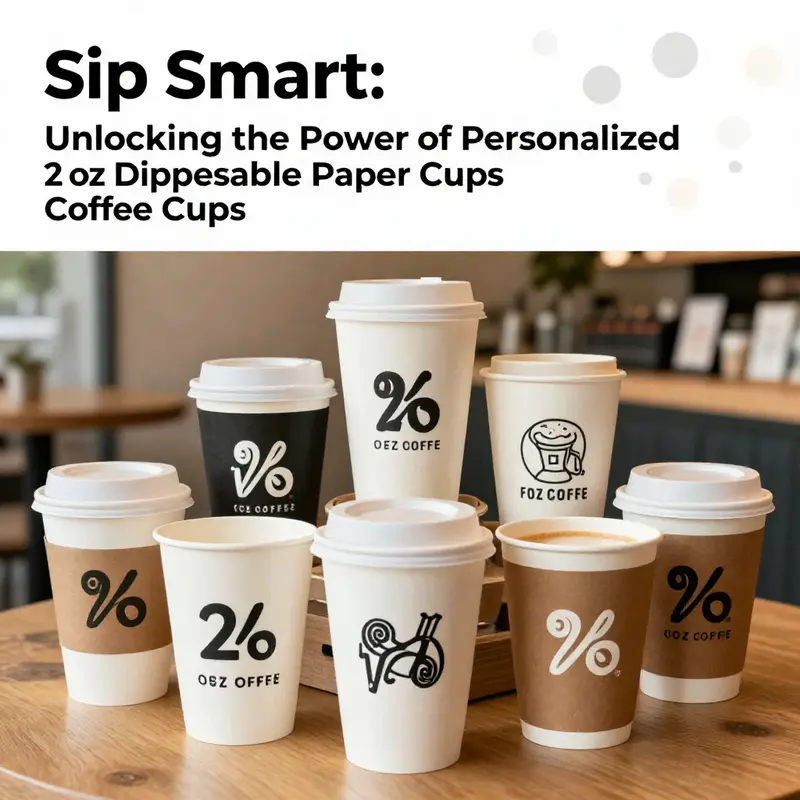
In an increasingly competitive beverage landscape, the choice of cups can be a game-changer for Bubble Tea shops, coffee chains, restaurants, food trucks, and catering services. Enter the personalized 2 oz disposable paper coffee cup—an innovative solution that combines functionality with branding and sustainability. As we delve into this topic, each chapter will guide you through unique branding opportunities that these cups offer, the current market trends shaping their usage, the importance of eco-friendly materials in today’s consumer landscape, insights into their production and supply chain dynamics, and the specific consumer preferences driving their demand. You’ll discover not only how these cups can enhance your service offering but also how they can play a significant role in conveying your brand’s values and commitment to quality.
Tiny Vessels, Big Impressions: Branding with Personalized 2 oz Disposable Paper Cups
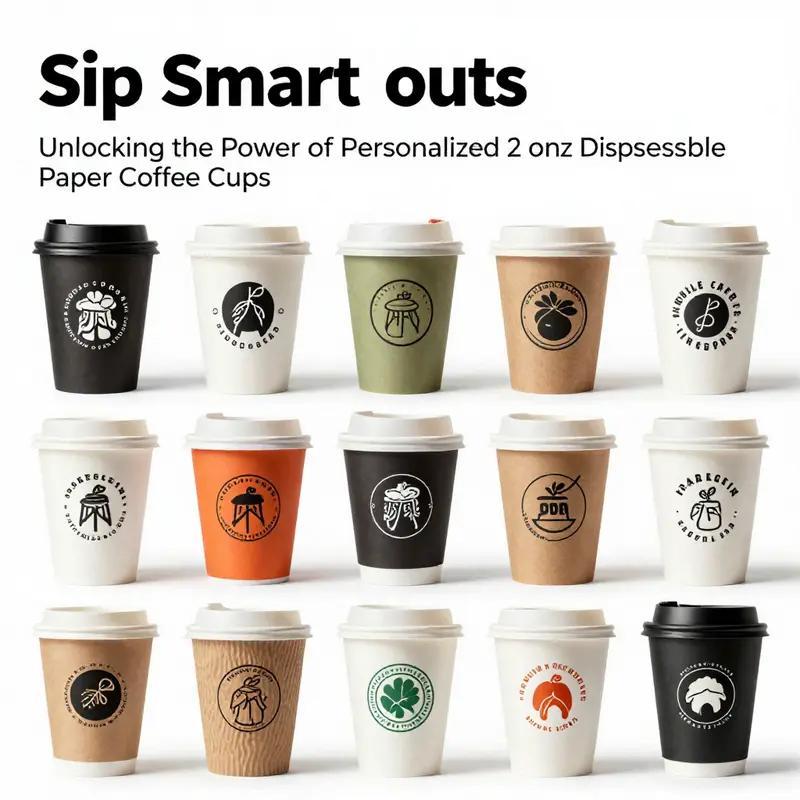
Branding is often a sum of many small, deliberate touches that together tell a story customers carry with them long after the moment has passed. In the world of beverage service, the smallest vessel can become a surprisingly potent marketing tool when it carries a deliberate design language. The 2 oz disposable paper cup, though modest in scale, offers a compact canvas for identity, values, and messages that extend beyond the liquid it holds. For tasting events, sampling stations, and single-serve drinks in cafes and specialty shops, these mini cups transform ordinary moments into brand encounters. Each cup your guest handles becomes a tactile reminder of who you are, what you stand for, and why your offering matters. It is a channel that travels with the customer, from the counter to the tasting table, and often into photos, social shares, and word-of-mouth chatter that amplify reach far beyond the purchase window. When used thoughtfully, this small vessel acts not just as a container but as a lightweight ambassador for the brand promise you want customers to remember.
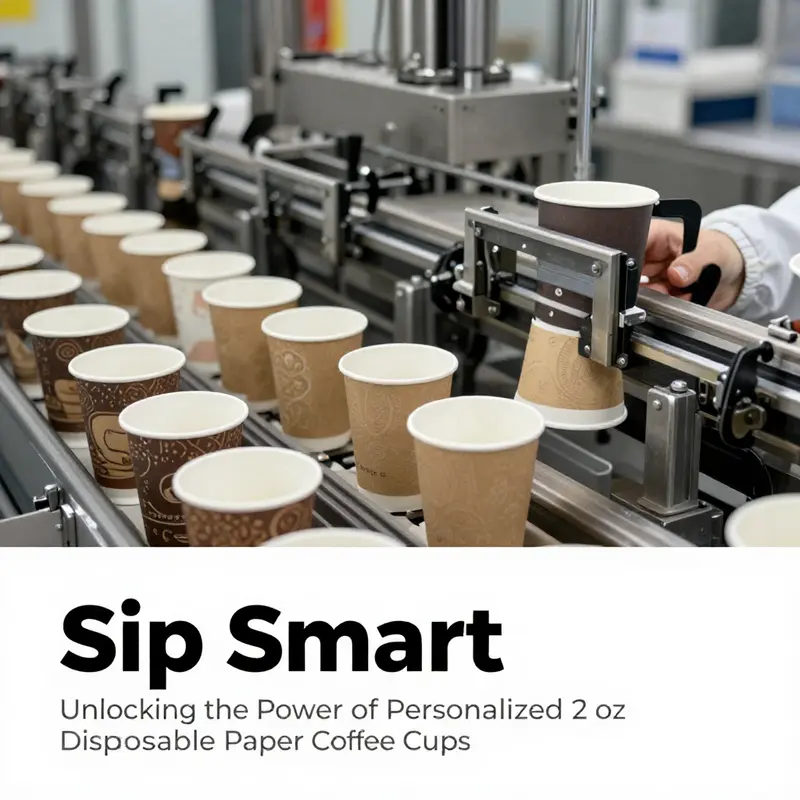
Design is the first conversation the cup has with a consumer, and in the 2 oz format the surface becomes a premium spot for concise storytelling. The surface area may be limited, but with high-quality printing techniques, it can still deliver vibrant colors, crisp details, and a finish that feels appropriate to the brand’s personality. A matte coating can offer a modern, understated aesthetic that invites touch, while a glossy finish can heighten color depth and create a sense of energy. Either choice should support the drink experience and align with the overall brand tone. The printing method matters too. Flexographic and other precision-printing approaches can render sharp logos and legible taglines even on this small canvas. The result is not just a cup; it is a portable, persistent expression of the brand that customers hold, rotate, and pass along. In a crowded market, where first impressions happen in a split second, a well-executed print on a 2 oz cup can differentiate a sampling event from a routine pour and transform curiosity into recall.
Beyond how it looks, the feel of the cup contributes to the perception of quality and care. A smooth surface that resists sogginess under hot beverages or condensation on cold drinks communicates reliability. The choice of a food-grade paper and a protective lining—whether a biodegradable option or a conventional barrier—assures customers that safety and sustainability are taken seriously. In today’s market, these considerations can carry as much weight as the visuals themselves. The right materials do more than prevent leakage; they project a brand’s stance on environmental responsibility and consumer well-being. For brands with sustainability at the core, signaling commitments through material choices—such as recycled fiber content, responsibly sourced pulp, or compostable linings—can reinforce trust at the exact moment of contact. The cup thus becomes a tangible representation of the brand’s ethics, not just its aesthetics.
A thoughtful branding strategy for 2 oz cups also hinges on consistency. The color palette, typography, and logo placement should reflect the broader visual system of the brand. A tiny canvas demands restraint and precision: one clear logo, a legible wordmark, and perhaps a concise message that complements the drink’s character without overwhelming the surface. When the cup is used in promotions or tasting events, this consistency builds recognition. A customer who has received a branded cup at a once-off event will start to associate the cup’s design language with the brand’s identity, increasing the likelihood that they will seek out the brand again or recall it in a future purchase. The familiar shape of the cup, paired with consistent color cues, becomes a mnemonic device that bridges the gap between momentary engagement and long-term recall. The result is not only a successful tasting or sampling but the seed of brand loyalty, planted at the moment the cup is raised to the lips.
This is where the idea of customization intersects with practicality. The 2 oz format is cost-effective for bulk runs, making it feasible to print frequent, time-limited campaigns or limited-edition collaborations without a heavy financial penalty. Brands can rotate seasonal motifs, celebrate events, or partner with other offerings in a way that keeps the cup a dynamic, responsive part of the consumer experience. The ability to refresh designs seasonally or for specific campaigns means the cup can tell a new story at a moment when attention is high. This dynamic potential is particularly valuable in hospitality contexts where customers encounter multiple brands in a single visit. A consistent, on-brand cup can still deliver variety through color stories, pattern shifts, or limited-edition icons, ensuring that the branding feels fresh without losing its core identity.
From a materials and sustainability perspective, the appeal of the 2 oz cup goes beyond aesthetics. Eco-friendly options—such as those made from bagasse pulp or recycled paper, with biodegradable linings—allow brands to align their packaging with consumer expectations around environmental stewardship. For many customers, the cup is a proxy for the overall sustainability posture of the business. Demonstrating responsibility at the point of contact reinforces credibility and can be a persuasive differentiator, especially in markets where customers compare the ethics of brands as readily as their flavors. A brand that communicates care through packaging signals that it cares about more than the immediate sale; it signals a broader, value-driven approach that resonates with modern consumers who want to support responsible companies. The branding opportunity, therefore, extends beyond logo and color to the values the cup communicates. The combination of a memorable surface design and a commitment to sustainability can produce a compelling narrative that travels with each sip.
To capitalize on these opportunities, marketers should think about the cup not as a one-off promotional item but as part of an integrated customer journey. The cup can be the first sensory touchpoint that leads customers into a broader brand experience—curated tasting notes, recommended pairings, and even a QR-enabled link to a tasting guide or loyalty program. A well-integrated approach ensures that the cup plays a role in storytelling rather than simply serving the drink. The tiny footprint of the cup leaves room for a broader strategy: a clear invitation to learn more, a social moment to share the experience, and a pathway to continued engagement after the beverage has been enjoyed. In this sense, the 2 oz cup becomes a microstage for brand storytelling, where every handling, sip, and glance at the design contributes to a larger narrative customers carry with them long after leaving the venue.
An important practical detail is the balance between visibility and readability. Because the surface is small, the design must be legible at a glance. Bold, high-contrast color choices, and a clear wordmark help ensure recognition even as the cup is partially obscured by hands or by a sleeve. The print should withstand the rigors of a busy service environment, including repeated handling, condensation, and temperature changes. A durable finish maintains the print’s vibrancy and sharpness over time, preserving brand integrity throughout the cup’s short life cycle. In addition, it is wise to consider how the cup fits into broader packaging ecosystems. For instance, a single-wall cup paired with a dedicated lid can offer spill protection and portability, reinforcing the convenience narrative that many customers expect in tasting and sampling contexts. The pairing of lid and cup, the alignment of lid color with branding, and even the tactile experience of applying the lid can become moments of brand transfer, adding to the overall perception of quality and care.
In practice, deploying personalized 2 oz cups as a branding tool involves thoughtful supplier selection and proofing processes. Working with a supplier that supports consistent color matching, durable finishes, and clear sustainability statements helps ensure the cup’s branding truly reflects the brand ethos. Proofing steps—reviewing color accuracy, print fidelity, and the placement of logos and copy—are essential. Small errors in alignment or color can undermine the perceived quality of the entire campaign, especially when the cup is a close-up in photographs or a visible detail in a tasting session. By prioritizing accuracy and reliability in the printing process, brands can avoid missteps that would otherwise compromise the branding intent and diminish the return on investment. The result is a reliable, repeatable, scalable solution that makes every briefing, tasting, or promo event feel cohesive and intentional.
For an example of how brands can realize these opportunities, consider the practical potential of a targeted, eco-conscious option that emphasizes printed logos on a single-wall format. This approach combines sustainability with visibility, delivering a straightforward message that aligns with many contemporary consumer expectations. It is a strategy that respects both the practical realities of busy service environments and the aspirational goals of brand storytelling. By selecting a cup design that communicates values clearly and elegantly, businesses can maximize the impact of every sample and every shareable moment. The 2 oz size makes this approach accessible to a wide range of operators, from small shops running pop-up tastings to larger venues hosting curated events where every touchpoint reinforces the brand’s narrative.
To explore the broader landscape of options in this space, one can look at suppliers offering eco-friendly, printed-logo, single-wall cups and related accessories. For a practical example of how these elements can be combined into a seamless branding experience, see this supplier’s catalog entry: eco-friendly printed logo single-wall paper cup. This resource demonstrates how a compact cup can carry a strong visual identity while maintaining the functional qualities required for hot or cold beverages and food pairings.
In sum, personalized 2 oz disposable paper cups provide a compact yet powerful branding platform. They enable brands to express personality through color, texture, and print, while also signaling commitment to sustainability and responsible packaging. The enhanced perceived value comes not only from the cup’s appearance but from the way it supports a cohesive, memorable consumer journey. When used thoughtfully, these mini vessels contribute to faster recognition, stronger recall, and deeper emotional connections—outcomes that are especially valuable in tasting-driven, promotional, or events-based environments. As brands continue to seek ways to stand out in crowded spaces, the humble 2 oz cup proves that sometimes the most effective marketing happens in the smallest package.
External resource for further context on 2 oz cups and their performance can be found here: https://www.papercups.com/2-oz-paper-cups
Small Vessels, Big Signals: How Personalization and Sustainability Are Shaping the Market for 2 oz Disposable Paper Cups
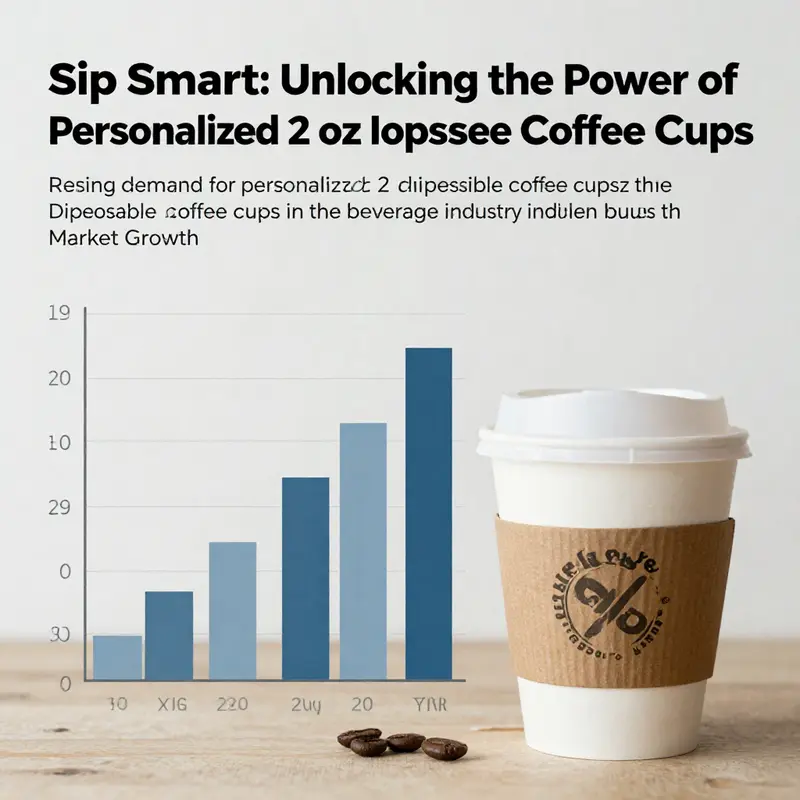
The market for personalized 2 oz disposable paper cups is revealing more than a preference for compact portions. It is signaling a broader shift in how foodservice brands invite trial, build recognition, and reinforce trust through packaging that acts as a mini storefront. These tiny cups are becoming a strategic tool in tasting menus, product samplings, and single-serve offerings in cafes and specialty shops. They occupy a paradoxical space where their diminutive size makes them an economical vessel for volume campaigns, yet their surface becomes a highly visible canvas for brand storytelling. When a consumer encounters a small cup emblazoned with a logo, a slogan, or a playful design, the moment translates into a memory. In markets saturated with conventional cups, the 2 oz format provides a practical bridge between sampling and full-paf the opportunity to evaluate a brand’s visual language and promise at a glance. This is not merely about utility; it is about creating a tiny but meaningful brand touchpoint that can seed loyalty and encourage a future purchase.
The analytics of this niche segment align with a global trend toward sustainability that has moved from peripheral concern to central business strategy. The disposable cup market, in broad terms, is projected to grow from about $115.2 billion in 2025 to roughly $162.8 billion by 2032, a compound annual growth rate of about 4.42 percent. That trajectory is not uniform, but it signals an expanding appetite for packaging solutions that can balance performance with environmental responsibility. For 2 oz cups, this means suppliers are not only competing on price and color fidelity; they are racing to offer materials and constructions that align with the more discerning expectations of today’s eco-aware consumers. Biodegradable liners, recycled fiber blends, and compostable coatings are becoming standard features rather than afterthoughts. In practice, this shift translates into cups that hold hot beverages or cold samples without sogging, leaking, or compromising their structural integrity, while also reducing the downstream burden on the environment. Brands increasingly view these containers as extensions of their values, not mere transit tools from point A to point B.
The core draw remains personalization. In crowded markets, a well-executed print can instantly differentiate a cup in a crowded display, catching the eye of a passerby or a curious sampler. Custom printing has moved beyond mere logos. Today’s campaigns leverage vivid color palettes, brand typography, and distinctive graphic motifs that convey mood, quality, and a sense of occasion. From a design standpoint, the 2 oz format presents a unique opportunity to create compact, high-impact visuals without overwhelming the listener or distracting from the beverage itself. The relatively small surface area demands thoughtful composition: bold type, crisp lines, and colors that translate well at small scales. In practice, this often means adopting printing methods that preserve color depth and edge clarity across short runs, so a mass-produced feel never undermines the perceived premium quality of the brand. The result is a persuasive blend of form and function where the cup becomes a portable advertisement and a tactile reminder of the brand’s promise during the tasting moment.
Advances in digital printing are central to this shift. Digital workflows enable short-run production with faster turnarounds, reducing lead times for limited-edition designs or seasonal campaigns. Brands can test multiple motifs, iterate based on real-world feedback, and deploy new graphics with minimal risk and inventory pressure. This flexibility is especially valuable for sampling campaigns tied to product launches or limited-time tastings, where the ability to refresh visuals quickly can translate into higher engagement and improved conversion rates. Beyond the aesthetics, digital printing supports more precise branding across batches, ensuring consistency even when orders begin at modest MOQs. The accessibility of high-resolution color reproduction also expands the palette of permissible designs, allowing for gradients, subtle textures, and layered effects that previously demanded more expensive production routes. In short, digital printing helps preserve the integrity of the brand’s visual identity while accommodating the dynamic tempo of modern consumer testing.
Design innovations extend beyond the graphics on the outside. People handling hot beverages or cold samples want comfort, spill protection, and ease of use. Modern 2 oz cups increasingly incorporate integrated lids and sleeves, reinforcing usability while preserving the clean exterior surface for branding. Some designs feature foldable or snap-on lids that seal securely without adding bulk, which is particularly valuable in self-serve contexts. Coatings and barrier technologies have evolved to withstand repeated pours, maintain temperature, and resist condensation that might blur printed graphics. These refinements matter because the cup carries the consumer’s first impression of the drink—even before the beverage is tasted. A cup that feels sturdy, feels trustworthy; a surface that prints sharply under heat reinforces the sense that the brand cares about quality at every touchpoint. As a result, the smallest packaging detail can carry the largest weight in shaping a consumer’s perception of value and reliability.
Of course, the sustainability narrative is inseparable from the trend toward personalization. Manufacturers and brands are increasingly deliberate about material choices, aiming to minimize environmental impact without compromising performance. Bagasse pulp, recycled paper, and responsibly sourced fibers are becoming common in the ecosystem, accompanied by biodegradable liners such as PLA or alternative compostable coatings that help ensure liquids do not permeate the cup wall. The objective is to deliver a clean, leak-resistant experience while making disposal simpler for end users and waste-stream handlers alike. In tandem with material choices, there is ongoing attention to reducing material usage where possible—optimizing wall thickness, minimizing waste in trimming, and leveraging flat or foldable designs that maximize stackability in production and distribution. This convergence of eco-conscious material science and lean design philosophy signals that sustainability is not optional but foundational to the product’s performance and market acceptance.
For brands seeking a practical model of how these principles come together in real-world supply chains, the landscape offers both breadth and accessibility. The market features a wide array of suppliers able to produce personalized 2 oz cups in low MOQs, with flexible options for printing finishes—gloss, matte, or textured—alongside a spectrum of liner and coating configurations. This enables businesses of various sizes to pilot branding concepts and measure consumer response before scaling up. At the same time, the competitive environment is robust enough to sustain pressure on price per unit for bulk orders, while still delivering on the customization and sustainability commitments that modern buyers demand. The combination of innovative materials, digital print capabilities, and clever design solutions makes the 2 oz cup not just a vessel but a versatile platform for brand expression and consumer engagement.
A practical illustration of how such offerings can align with a brand’s broader packaging strategy lies in scrolling through supplier catalogs that emphasize eco-friendly and customized options with lids. For brands seeking a practical example of eco-friendly, lid-ready options, see this page: eco-friendly custom paper coffee cups with lid. This kind of reference point helps conceptualize how a brand’s sampling program can be coherently styled across touchpoints—cup, lid, sleeve, and associated collateral—so that the entire experience reinforces a consistent message about care for customers and the planet. While the pages themselves are product-focused, they illustrate a broader trend toward cohesive packaging ecosystems built around small, highly visible statements of identity and responsibility.
The market’s forward path also benefits from a more open and accessible supplier environment. Platforms that aggregate manufacturers and allow for low MOQs enable smaller cafes, emerging brands, or event organizers to test branding concepts without committing to prohibitively large inventories. The economic calculus becomes more favorable when the unit cost declines through scale, and the flexibility to print premium graphics on a short-run basis lowers barriers to experimentation. For a company planning a tasting event or a seasonal promotion, this means the ability to spin up a large number of unique cups for different themes or product variants, test customer reactions, and then decide which designs to scale. The dynamism of this space sits at the intersection of packaging aesthetics, consumer psychology, and practical logistics, reminding us that even a tiny cup can unlock significant marketing leverage if it is crafted with intention.
The broader narrative of the 2 oz personalized cup market is one of convergence. Sustainability is no longer a footnote; it is a design constraint that guides everything from fiber selection to coatings and end-of-life considerations. Personalization is not merely about logo placement; it is about constructing a disposable package that communicates value, craft, and confidence. Digital printing makes customization affordable at shorter runs, enabling brands to respond to trends with agility. Design innovations ensure the experience remains comfortable and safe for consumers dealing with hot beverages, while also maximizing the visual appeal of the brand message. Together, these factors are pushing the category toward a future in which tiny cups become a powerful, scalable component of branding, sampling, and customer engagement—an understated but consequential part of the retail and foodservice landscape.
External resource: For a broader view of supplier competition and pricing in this sector, see the global marketplace listing on a major supplier platform: https://www.alibaba.com/product-detail/Disposable-2-oz-Paper-Cups-for-Sale_1600794887558.html?src=feed&alibk=1600794887558&spm=a2700.galleryofferlist.0.0.7d6b5c5f248a477b8d63&isPcFeed=true&from=feed&clickTrack=1600794887558&trackCode=1600794887558
null
null
null
null
Small Cups, Big Impressions: Personalization as the Quiet Driver of 2 oz Disposable Paper Cup Experience
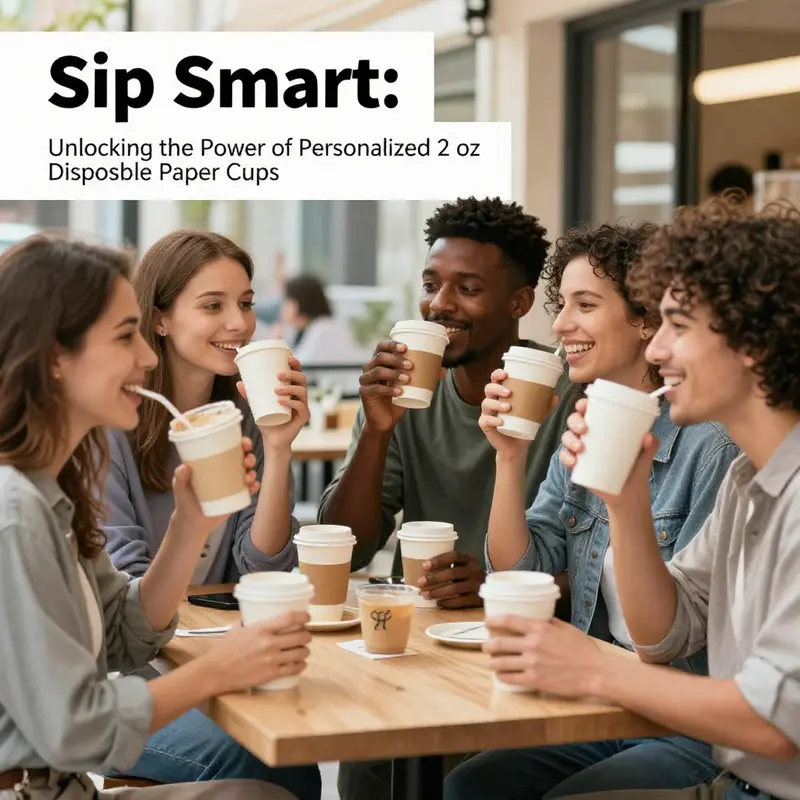
The tiny silhouette of a 2 oz disposable paper cup is an unexpected stage for marketing, design, and consumer experience. These diminutive vessels carry more meaning than their size suggests. They are not merely vessels for espresso shots or tasting portions; they are canvases that translate a brand’s story into a moment of sensory engagement. In a crowded cafe landscape, where customers are pressed for time and drawn to visual cues as much as aroma and texture, the small cup becomes a decision point. A well-printed surface, a precise color palette, and a clean, readable message can transform a routine sampling into a memorable encounter. This is why brands increasingly treat these cups as part of the experiential chain rather than as mere packaging. The design challenge is not only to withstand heat and maintain integrity but to convey identity at a glance in bustling spaces where many competing images vie for attention. In that context, personalization acts as a bridge between the product and the person holding it. It invites recognition, curiosity, and even a moment of stall-free delight as a passerby notices a familiar color scheme or an unexpected graphic that speaks to their preferences or mood. The appeal is both functional and aspirational: the cup facilitates a precise, controlled tasting experience while also signaling a brand’s personality through artful shading, typography, and composition. The consumer can be drawn in through consistent color language, tailored messaging for events, or seasonal motifs that elevate a tasting moment into a social moment.
The landscape of options for personalization is diverse, with a wide spectrum of sizes beyond the 2 oz base. While the market features cups ranging from 2 oz to 20 oz, the 2 oz size remains uniquely suited for sampling, flights, and tasting events where precise portions are essential. Yet even within this narrow measure, there is opportunity for differentiation. A brand can choose a consistent motif across a series of events or tailor each cup to a specific theme or collaboration, increasing the collectability of the experience. The interplay between consistency and novelty is crucial: consistent branding builds recognition, while occasional novelty sustains interest and prompts social sharing. The modern consumer expects packaging to do more than contain; they want it to tell a story, to be aesthetically engaging, and to reinforce the idea that a brand pays attention to detail from the first look to the last sip.
For readers exploring practical avenues, a commonly considered option is a cost-effective, design-friendly cup variant that balances printability with performance. This option is widely favored by operators who need reliable results at scale, where the combination of strong print quality, leakage prevention, and a reasonable price point matters most. It is worth noting that the market’s breadth—exceeding a few thousand related products on major platforms—offers substantial choice in coating, liner, and lid configurations. Still, the core appeal remains: a small cup with a big message, designed to travel light yet carry a brand’s identity with confidence. In this sense, personalization for 2 oz disposable paper cups is not merely about aesthetics; it is about creating a portable, affordable, and repeatable experience that supports sampling programs, brand education, and consumer engagement in a way that is both scalable and emotionally resonant.
To connect this discussion to broader perspectives, consider how such cups function in the social life of a brand. They act as micro-ambassadors that extend a message beyond the storefront. A well-crafted design invites a moment of pause and reflection, a gesture that can turn a passive onlooker into a curious tester. The small cup, therefore, is a vehicle for storytelling, a vehicle that travels in the pocket of a customer, carrying a little piece of a brand’s narrative with it. In this role, personalization elevates the routine act of tasting into a shared experience—one that can be captured, posted, and recalled as part of a larger memory of a brand’s identity.
For those who wish to explore further, see the broader discussion on how customization and design influence high-end packaging strategies in related industry resources, including professional analyses and case studies available online.
Final thoughts
Personalized 2 oz disposable paper coffee cups represent more than just a vessel for beverages; they are a strategic tool for branding, sustainability, and consumer engagement. The insights shared throughout this article reveal their potential to enhance your offerings in various business settings, from bustling cafes to catering events. By embracing these innovative solutions, your brand can effectively communicate its values, optimize marketing efforts, and respond to the growing demand for eco-friendly choices. As the landscape of the beverage industry continues to evolve, investing in personalized cups may just be the key to standing out and building lasting customer relationships.