
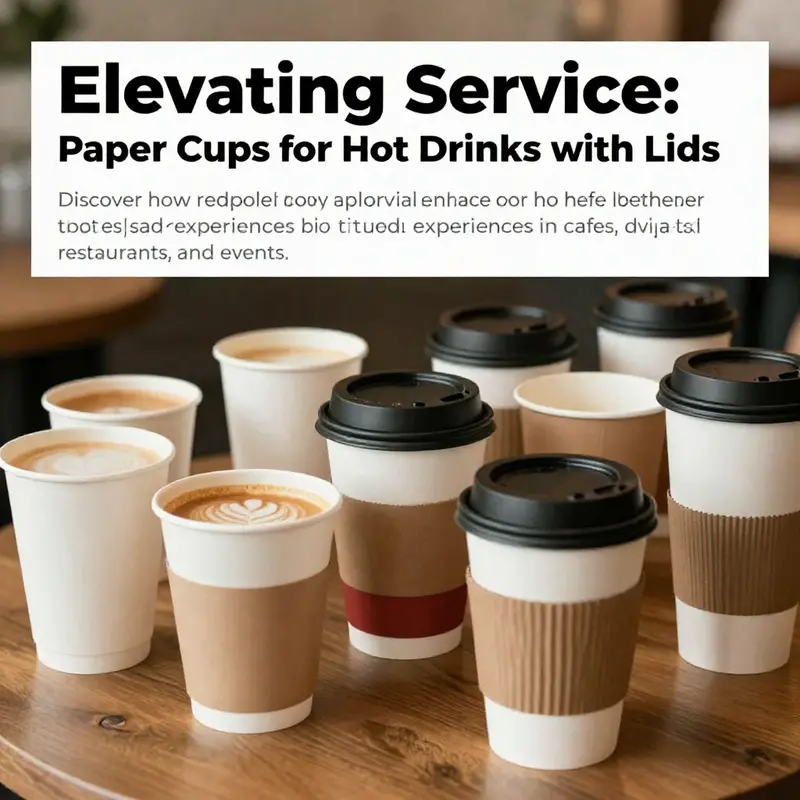
As the demand for convenient and eco-friendly packaging solutions rises, paper cups for hot drinks with lids have become increasingly relevant in the beverage sector. These single-use cups not only ensure that your beverages remain hot and mess-free but also reflect a commitment to sustainability that resonates with modern consumers. Whether you are operating a bubble tea shop, running a food truck, or organizing a corporate event, understanding the nuances of these products is essential for creating an enjoyable customer experience. Throughout this article, we will delve into the various aspects of hot drink paper cups with lids, from their core features and environmental benefits to the latest market trends and customization options. Each chapter builds upon the last, offering insights into how to choose the best solutions for your business needs.
null
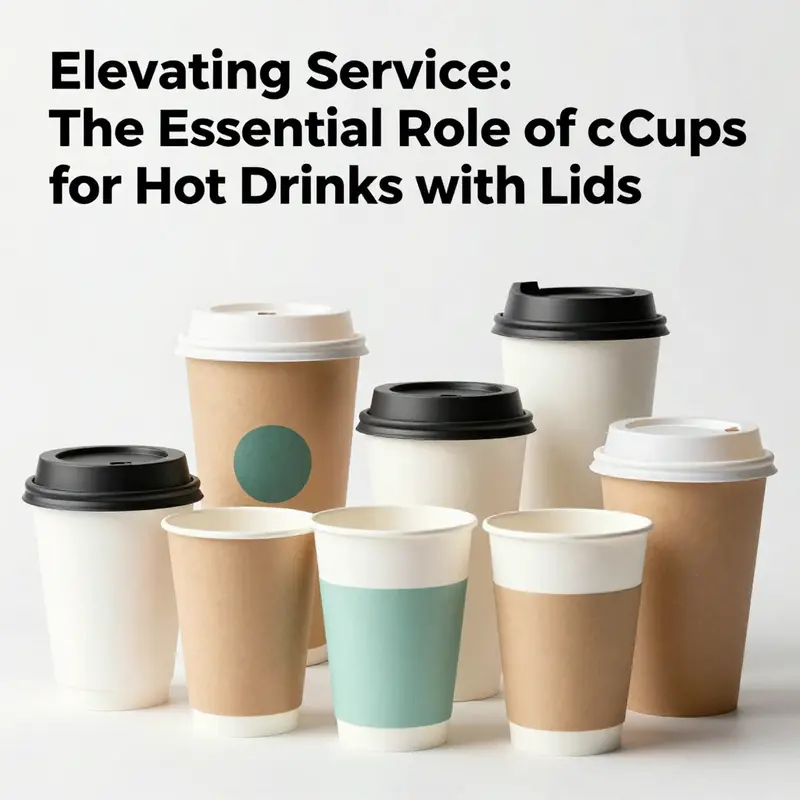
null
Holding Heat, Guarding Hands: The Essential Features of Lidded Paper Cups for Hot Drinks
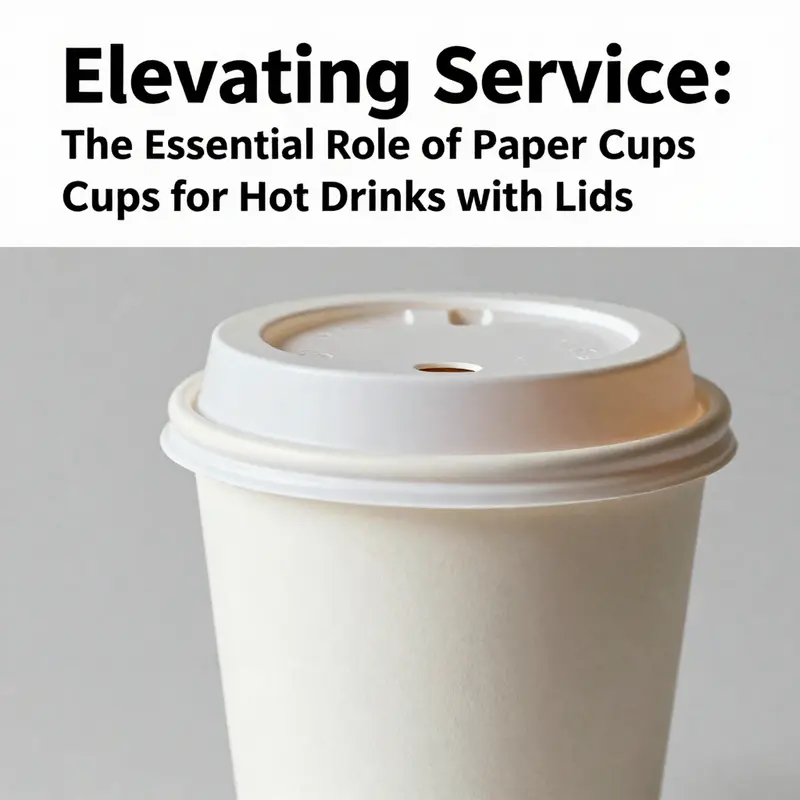
A well-designed paper cup for hot drinks with a lid is more than a simple vessel; it is a carefully engineered interface between beverage and body, between a quick caffeine fix and an everyday ritual. In retail environments, the cup carries not only a payload of warmth but also a promise—that the drink will stay hot, that it will arrive intact, and that the experience won’t leave a trail of burnt fingers or a puddle on the counter. The core features of these cups emerge from a blend of material science, ergonomic thinking, and environmental awareness. To understand how hot drinks stay hot, how the cup remains sturdy, and how the user’s moment of sipping stays comfortable, one must look at heat resistance, insulation, leak prevention, lid performance, and the evolving materials story that underpins sustainability in this category. Each element interlocks with the others, and together they define the practical performance that customers expect and brands strive to deliver.
Heat resistance sits at the foundation. The cups are designed to withstand high temperatures long enough for a full, if brief, drinking experience. In testing environments, a thickened disposable paper cup can hold near-boiling water for several minutes without softening or leaking. This resilience is not incidental; it reflects a deliberate choice of paper stock, coating thickness, and structural geometry. The objective is to keep the beverage hot while ensuring the cup’s surface remains comfortable to handle. Without adequate heat resistance, a premium feel is lost, and the consumer’s confidence in the product erodes. But resistance to heat is not merely about keeping the liquid hot; it is also about preserving the integrity of the cup in transit. A cup that buckles under heat or expands unevenly can strain the lid’s seal, undermine the barrier against spills, and complicate the user’s grip. In other words, heat resistance is a prerequisite for all other features to function properly.
Insulation design is where the tactile experience of temperature management becomes most tangible. Two primary approaches stand out in modern cup construction. The wavy, corrugated outer wall—often called a ripple or ripple-wall design—uses a laminated paper plus corrugated layer to create a micro-blanket around the interior vessel. This structure traps air in its ridges, reducing heat transfer to the exterior surface. The result is a cup that remains comfortable to touch even when the liquid within is hot. For people who drink while walking or commuting, that insulation translates into safety and convenience. On the other side of the spectrum, double-wall cups embrace a straight-wall architecture with an inner and outer wall separated by a gap. Some variants insert an insulating plate or additional layers into this gap, further slowing heat loss and minimizing deformation from internal pressure. The double-wall design tends to deliver stronger thermal performance without relying on a thick single layer, balancing insulation with user comfort and structural stiffness. Each design has its own set of trade-offs—cost, recyclability, rigidity, and the degree of insulation required for different beverage profiles—but they share the same ultimate aim: to protect the drink’s temperature while keeping the exterior cool enough to hold.
Leak-proof integrity is non-negotiable for any hot-drink cup, especially when paired with a lid. The inner lining is typically a plastic or polymer-based coating that acts as a moisture barrier, preventing liquid from penetrating the paper and ensuring the seal remains intact under pressure. This barrier is crucial for maintaining hygienic performance, enabling lids to function as intended, and preventing leaks that could ruin a customer’s clothing, car upholstery, or desk. Yet this coating also raises questions about recyclability and end-of-life outcomes. The industry’s evolving response has been to explore coatings that preserve barrier properties while becoming more compatible with sustainable waste streams. In practice, a well-sealed cup with a lid should endure the jostling of a hand-off, the bumps of a walk, and the heat of the drink without a drip escaping. The lid contributes significantly to this performance, providing a controlled sipping path and an additional barrier against spills if the cup is tipped or jostled. The interplay between cup wall integrity and lid design is thus essential: neither element alone should bear the full burden of spill prevention or heat retention.
Lid design and its relationship to usability and safety intersect with the cup’s insulation and sealing features. Lids come in a range of materials and configurations, from push-on plastic types to snap-fit designs and even biodegradable alternatives. The choice of lid material and its fit affect not only spill resistance but heat retention and user experience. A lid that seals securely helps maintain beverage temperature longer and reduces the risk of accidental spills when the cup is carried in busy environments. Some lids feature built-in sip holes or sliding covers, offering a convenient way to control the flow of liquid and the rate at which heat escapes. The lid-and-cup pairing is a synergy; performance depends on how well the two components align, how the seal resists pressure changes, and how the combined system responds to the dynamic motions of real-world use. This partnership matters for cafes that operate at speed as well as for consumers who take drinks on the go, where every additional second of safety and comfort translates into a better perceived quality.
Material choices and environmental considerations gradually shape how these cups are designed and used. Paper remains the primary substrate because of its renewability and consumer familiarity. However, the coatings inside and on the outer surfaces can complicate end-of-life sorting. Traditional plastic linings may hinder recyclability, prompting industry efforts to develop barrier coatings that are thinner, more robust, and compatible with established recycling streams. Beyond plastic, some cups now use biodegradable or compostable inner coatings and outer structures that reduce overall environmental impact. The market increasingly rewards environmental responsibility, and brands leverage this to support sustainable narratives while maintaining performance. The balance is delicate: a more aggressive barrier can deliver superior leak resistance and heat retention, but it may also limit recyclability unless the material is specifically designed for composting or specialized recycling streams. The conversation around materials thus threads through every design decision, influencing not only cost and performance but also the cup’s ultimate destiny after use.
Market growth and product diversification reflect ongoing responses to consumer expectations. Sizes span commonly used capacities such as 8 oz, 12 oz, 16 oz, and 22 oz, aligning with beverage categories from traditional black coffee to larger specialty drinks. Customization has become a key value proposition for eateries and event organizers. Branding on cups—logos, brand colors, and personalized designs—turns a disposable item into a mobile canvas for marketing and experience. The ability to print or emboss a distinctive identity onto a cup aligns with the broader shift toward experiential retail, where every customer touchpoint reinforces a brand’s narrative.
From a practical standpoint, the combination of heat resistance, insulation, leak-proofing, and lid performance translates into a reliable user experience. When a drink remains hot upon arrival, yet the cup remains comfortable to hold, the customer’s focus stays on the beverage rather than the container. The wavy cup design, for instance, distinguishes itself by addressing the common scald risk that accompanies traditional hot-drink cups. It acknowledges the reality that many consumers drink on the move and need a barrier between hot liquid and skin. The double-wall approach, on the other hand, emphasizes punctilious engineering of air gaps and material layers to maximize thermal inertia. These innovations do not exist in isolation; they are part of a system that includes the lid, the container’s geometry, and the way the cup’s materials respond to heat and mechanical stress during retail service.
The practical implications extend to supply chain considerations and procurement strategies as well. Cafés and retailers increasingly seek scalable options that combine performance with cost-effectiveness. For instance, wholesale or bulk supply arrangements for cups with lids can simplify stock management and enable consistent quality across store networks. An example of this kind of sourcing arrangement is available through wholesale takeaway cups with lids, which provide standardized sizes, reliable seals, and brand-appropriate options for logos or colors. The ability to standardize on a single cup family across locations can reduce waste, simplify training for staff, and support uniform customer experiences. To explore such options, retailers often consult providers that offer a range of sizes and customization features. For those pursuing practical procurement insights, the wholesale takeaway cups with lids option exemplifies how design decisions translate into operational advantages while still delivering the essential performance customers expect.
The conversation about features is also a conversation about the future. Industry stakeholders are keenly aware that consumer preferences are evolving toward products that respect the environment without compromising on convenience or performance. Innovations in fiber sourcing, coating chemistry, and recycling infrastructure are part of a broader commitment to sustainable convenience. In practice, this means cups that resist leaks, insulate efficiently, and remain compatible with recycling streams or composting programs. It also means lids that deliver a secure seal with minimal material use and environmental footprint. The ideal cup, in this sense, is a balanced compromise among heat retention, hand comfort, spill prevention, and responsible end-of-life handling. The chapter’s exploration of these features reveals how each component contributes to a seamless drinking experience while supporting consumer and environmental priorities alike.
For readers who want to connect these insights to practical shopping and supplier considerations, a close look at available options can be instructive. When evaluating cups for hot drinks with lids, it helps to consider not only the raw heat resistance and insulation but also the system-level performance. Does the lid seal reliably? Is the barrier coating compatible with the local recycling stream? Is the outer wall comfortable to hold for an extended walk? Do the sizes align with the beverage lineup? These questions guide decision-making in a way that integrates design, manufacturing, and consumer behavior. The outcome is a cup that performs consistently, reinforces a brand’s values, and enhances the everyday ritual of enjoying a hot beverage.
Internal link: For retailers and cafes exploring scalable options, see wholesale takeaway cups with lids. This resource points to bulk options designed for consistent performance across multiple locations and can support both branding goals and operational efficiency. Wholesale takeaway 8oz-12oz disposable coffee paper cup with lids.
External resource: A broad market reference that illustrates current supplier capabilities and material choices is available at the following external page: https://www.alibaba.com/wholesale/paper-cups-lids-22oz_2.html. This page provides context on available sizes, coatings, and customization options that inform industry expectations around fit, finish, and end-of-life considerations.
The Quiet Footprint: Unpacking the Environmental Toll of Paper Cups and Lids
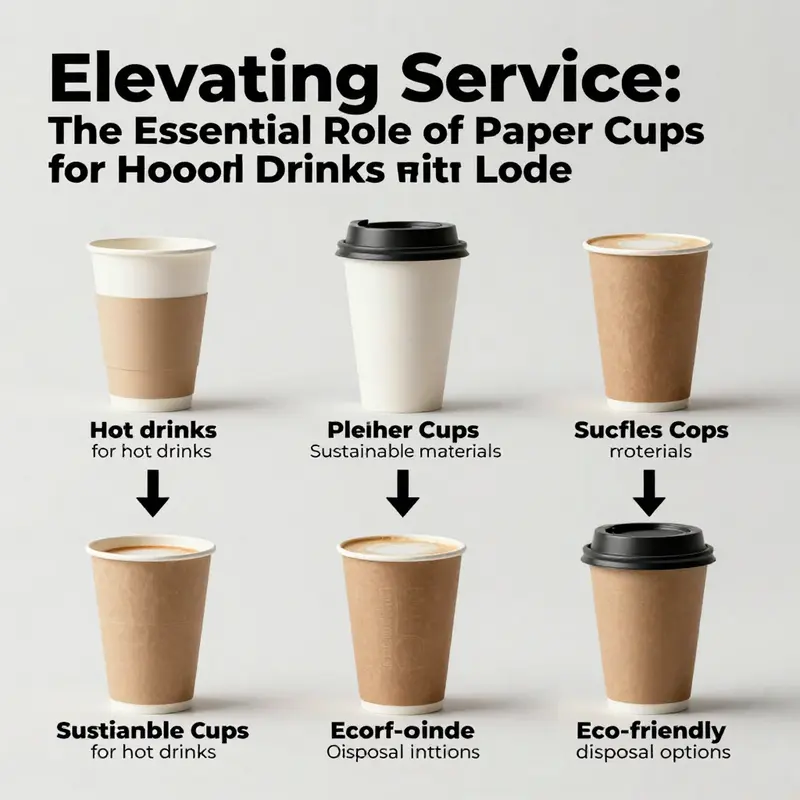
Every sip of a hot drink from a disposable paper cup with a lid sits at the intersection of daily ritual and planetary impact. The modern hot-drink cup is a composite object designed for heat retention and spill protection, yet its design complicates waste management. To understand its environmental footprint, we follow the thread from raw materials to end-of-life, tracing how each stage influences forests, waterways, and air, as well as how consumer behavior shapes whether a cup becomes a discard or a recoverable resource. The material composition sets the stage. Paper cups for hot beverages are typically paperboard with a thin inner plastic lining that provides liquid resistance. This lining complicates recycling because it binds with the paper waste stream and is often not easily separable in standard facilities. A double-wall construction adds thermal performance but increases material complexity. Even when the outer wrap is paper, the combined structure can resist standard recycling methods. From production to disposal, the footprint grows through pulp sourcing, energy and water use, and the plastics used for coatings. The end-of-life landscape is further challenged by lids and other components that are not always accepted in recycling programs. Reusable alternatives, such as stainless steel, glass or ceramic tumblers, offer potential reductions in material throughput when used consistently, but hinge on user behavior and system supports like convenient cleaning and access to dishwashing facilities. Policies that encourage reuse and better design can shift incentives toward more sustainable cups. In practice, choosing between single-use and reusable involves a local, system-wide assessment of waste streams, infrastructure, and consumer habits. See additional resources on cup materials and end-of-life considerations for a broader view of the topic.
Sizing for Service and Style: Popular Cup Sizes and Customization in Hot-Drink Paper Cups with Lids
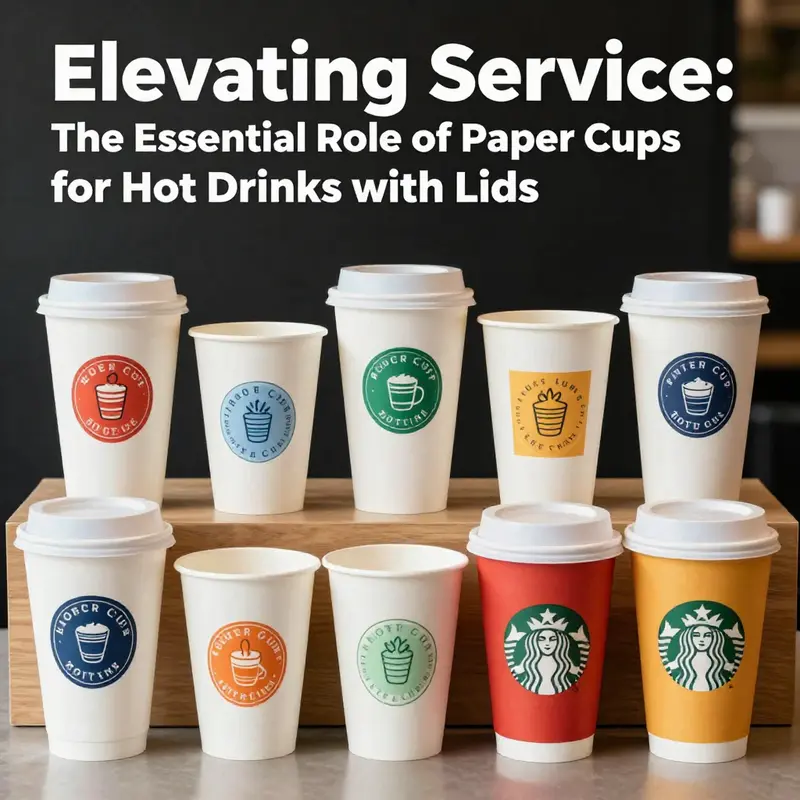
Choosing the right cup size for hot drinks is not simply a matter of quantity. It is a strategic decision that influences a cafe’s service flow, a guest’s perception of value, and the environmental footprint of a takeout program. In a market where convenience and branding go hand in hand, the most popular sizes and the scope of customization become practical tools for operators. The chapter that follows keeps the conversation focused on how size and design choices translate into operational efficiency, consumer satisfaction, and a brand’s enduring impression on every order. As heats rise and lines grow, the familiar lineup of eight ounces, twelve ounces, sixteen ounces, and twenty ounces becomes more than a menu listing; it becomes a scaffold for how drinks travel from bar to curbside. Acknowledging that size decisions ripple through lid compatibility, insulation performance, and even the type of coating used, operators can craft a coherent program that respects budget, sustainability goals, and the guest’s comfort on the move. While some markets still lean toward a cautious minimum, others push toward a broader spectrum that includes larger formats for specialty beverages, recognizing that longer, more indulgent drink experiences often justify a bigger vessel. The practical blend of size variety and customization is the backbone of a takeout system that feels both reliable and compelling, a cup that signals quality before the first sip is taken and reinforces a brand story with every handoff to the customer. In this sense, size and customization are not merely features; they are operational verbs that shape how a drink is made, carried, and remembered.
The core sizes—eight, twelve, sixteen, and twenty ounces—sit at the heart of most hot-drink programs. Each size maps to a slightly different user expectation, a different balance of strength and aroma, and a different handling experience. An eight-ounce cup often accompanies a quick morning jolt, where speed and affordability take priority and the beverage profile is leaner. A twelve-ounce cup serves as a dependable default for standard coffee service, offering a comfortable compromise between portability and volume. Sixteen ounces have become a de facto standard for many shops that want to encourage longer enjoyment, extra milk or flavor add-ons, and a beverage that feels satisfying without becoming unwieldy. Twenty ounces, meanwhile, are frequently chosen for larger appetites, visually robust drinks, and markets where takeout plays a central role in daily rituals. Some offerings extend beyond this quartet to twenty-two ounces or even larger formats, especially for specialty combinations that lean into “to-go whole experiences,” where the extra space supports more complex layering and creamier textures. A carefully curated size set helps keep the service line moving, minimizes the misalignment that leads to spills, and streamlines the pairing of cups with specific lid types and insulation schemes.
Customization, in turn, is the visual and tactile signature that transforms a disposable cup into a branded experience. The most obvious avenue is printing—logos, color palettes, and artwork that echo a store’s identity and seasonal campaigns. Yet customization runs deeper than logos. It encompasses the harmony between cup color, sleeve color, and the lid’s appearance, so that a guest sees a cohesive footprint on every component of the package. The result is a consistent impression from the moment a line forms to the moment the beverage reaches the customer’s hand. In practice, suppliers often offer a spectrum of sizes with a palette of color options and the ability to print branding across the cup or sleeve. This combination is particularly potent for venues that aim to elevate their marketing reach through packaging. For operators who want a straightforward entry point into customization, wholesale 8oz and 12oz disposable coffee cups with lids are commonly stocked as a practical starting point and can be explored here: Wholesale 8oz–12oz disposable coffee cups with lids. The option to print logos or distinctive designs on multiple sizes provides a way to extend brand presence beyond the storefront while maintaining a clean, professional look across the daily cycle of orders. The most effective customization programs balance frequency of reprints, color fidelity, and the constraints of the manufacturing process. They also consider print-in-advance strategies for seasonal campaigns, ensuring that the chosen colors and motifs align with seasonal menus and promotions without introducing bottlenecks at production closets or packing stations.
Beyond aesthetics, the practical realities of size and customization intersect with the functional demands of hot beverages. Double-wall insulation is a common feature that protects hands from heat and enhances grip stability, especially as drink temperature can be high and the journey from shop to destination may be longer. For some customers, an ergonomic handle or molded grip improves comfort, encouraging a confident sip even when wearing gloves in cold weather or when balancing other items during a busy commute. Coatings have also shifted in recent years toward more sustainable options. PLA coatings, a biodegradable alternative, can provide the necessary barrier against leakage while reducing the reliance on traditional plastic-based layers. The trade-offs here are nuanced. Some coatings marketed as compostable require industrial facilities to achieve proper breakdown. Others may be recyclable with specific streams, depending on local programs. Consumer expectations are evolving in tandem with these material choices, with many shoppers seeking a clear sustainability narrative that aligns with the brand’s values. In short, the choice between single-wall and double-wall cups, the presence of a sleeve, and the use of a PLA or other biodegradable coating creates a package that balances heat retention, user safety, and environmental responsibility in a single stroke.
Lids, a critical but sometimes underappreciated component, complete the cycle. The lid is the last line of defense against spills and the first interface for drinking. It comes in various forms, including plastic and paper alternatives, each with its own behavioral cues for customers. Plastic lids typically offer sturdier seals and smoother sipping experiences, which many guests associate with reliability on the go. Paper-inspired lids or biodegradable variants are increasingly favored by brands signaling environmental stewardship, and they can be designed with built‑in sip holes or sliding covers to address different preferences for sipping control. The match between cup diameter and lid size is essential; a tight seal reduces leakage during transit, but it must also permit a comfortable sip. Venting features help prevent pressure buildup when beverages stay hot, while smart lid designs minimize accidental spills if a cup is jostled in a bag. The design language of the lid—its color, finish, and texture—can reinforce the brand’s story just as surely as the cup’s surface treatment or logo. Together, the cup and lid form a compact system in which size, material choice, and the intended drinking method cohere into a predictable performance under real-world handling conditions.
From the operator’s vantage point, a well-thought-out combination of sizes and customization supports efficient production, precise inventory planning, and consistent customer experience. A smaller set of core sizes reduces complexity at the point of service and decreases the probability of wrong-diameter lid mismatches. At the same time, a tiered customization strategy enables tailored campaigns that resonate with different times of day or different consumer segments. The economics of scale play in here: higher-volume orders often secure lower per-unit costs and improve print fidelity, enabling bolder branding without compromising durability. The industry trend toward sustainable coatings and recyclable or compostable substrates further aligns packaging choices with corporate responsibility goals, turning a practical packaging decision into a value proposition for customers who care about the lifecycle of what they purchase. The synergy between sizes, lids, and coatings is not only about protecting the drink; it is about ensuring a smooth, brand-consistent journey from the counter to the table or the curb.
The broad takeaway is that sizes and customization provide the essential levers through which many takeout programs optimize for speed, safety, and brand engagement. An eight-ounce option might serve as a fast, economical entry point, while a twelve-ounce default supports most daily orders with comfortable handling. A sixteen-ounce option invites a more indulgent drinking experience, and a twenty-ounce or larger choice can comfortably accommodate specialty drinks with extra toppings or longer tails of flavor. With a thoughtful customization plan, those sizes do not merely carry beverages; they carry a story—one that is visible in color, print, and form as soon as the drink leaves the cup. The result is a coherent system in which size, lid, coating, and branding reinforce one another across multiple locations and customer touchpoints. For operators seeking a practical, scalable path to growth, the lesson is clear: align the size matrix to the menu, layer in a design language that speaks to the brand, and couple it with lids and coatings that deliver reliability and sustainability in equal measure. As the takeaway market continues to evolve, sizing and customization emerge not as optional enhancements but as core drivers of the hot-drink experience, shaping expectations long before the first sip and validating them with every completed order.
External resource: https://www.alibaba.com/wholesale/paper-cups-lids-22oz_2.html
Heat, Habits, and Sustainability: Navigating Trends in Paper Cups with Lids for Hot Drinks
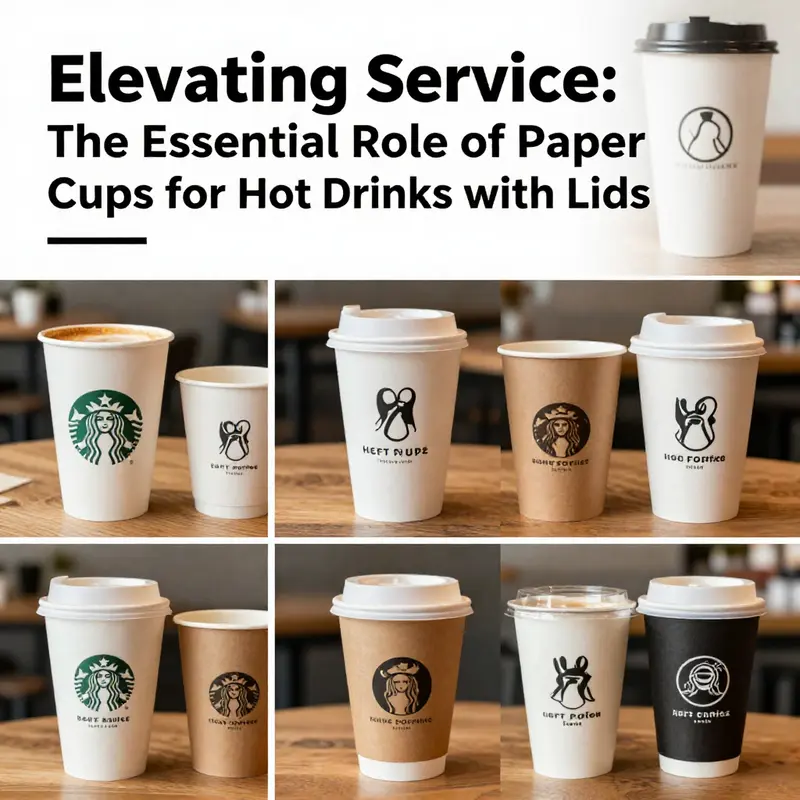
Across cafes, offices, and street corners, the take-away ritual of hot beverages has become a reflection of contemporary priorities: convenience without sacrificing safety, temperature retention without waste, and branding that travels with the customer beyond the counter. The market for paper cups with lids designed for hot drinks is responding to this trio of demands by marrying engineering with aesthetics. The cups themselves are evolving beyond basic single-use receptacles to become integral tools in the customer experience. They are engineered to keep beverages hot long enough for leisurely sipping, while the lid system prevents spills in transit and in crowded environments. The inner coating, typically a food-safe barrier, works in tandem with the outer sleeve to balance welcome insulation with a manageable surface temperature. As urban life accelerates and coffee culture deepens, these cups are becoming a quiet stage for brand storytelling and for rethinking how quick-service venues communicate care for the environment as well as for their guests.
Market forecasts frame this evolution in compelling terms. The global space for paper cups and lids, driven by hot-drink applications, is anticipated to grow from roughly USD 1.9 billion in the mid-2020s toward a value near USD 2.7 billion by the mid-2030s. A steady compound annual growth rate sits in the low-to-mid single digits, reflecting a marketplace that is increasingly confident in its ability to pair performance with responsibility. Several macro forces shape this trajectory. Urbanization continues to concentrate demand in density-rich settings where take-away service is a daily habit. The rise of specialty coffee culture has created expectations for cup quality and temperature retention that go beyond the most economical option. And perhaps most consequential, there is a durable shift toward sustainable packaging that can be recycled or composted with minimal compromises in performance. In this context, the best-performing products are not merely containers; they are solutions that harmonize heat management, spill prevention, and end-of-life considerations.
Two design families have gained prominence in recent years, signaling how manufacturers are translating market needs into tangible experiences. First are triple-wall and multi-layer constructions. These designs insert extra layers of paperboard with carefully engineered air gaps to trap heat and insulate the user’s hands. The result is a cup that stays hot for longer without forcing the user to grip a scorching exterior. In premium settings, triple-wall configurations are favored for the refined warmth they confer, especially for drinks with higher elevation of aromatics and crema. Second, ripple-wall or corrugated structures have emerged as a stylish, contemporary alternative. The corrugation creates a web of insulating air pockets that resist heat loss while maintaining a slimmer silhouette that still feels sturdy in the consumer’s grasp. Even with these advanced geometries, the interior remains lined with a food-safe barrier that guards against leakage and preserves hygiene. These innovations respond directly to a practical challenge: how to offer a hot beverage in a disposable format without sacrificing sensory quality or user comfort.
Lid technology has kept pace with cup design. The lid family commonly includes plastic variants made from polypropylene or polystyrene, paper lids for more eco-minded offerings, and increasingly, biodegradable alternatives designed to align with recycling streams or composting facilities. The lids may feature simple sip-through holes, secure sliding closures, or silicone-seal improvements that minimize drips when the cup is tipped or jostled during transit. The lid forms an essential part of the customer journey; it shapes the perceived reliability of the service and the perceived value of the product. A well-fitted lid ends the worry about accidental spills and enhances confidence in takeaway experiences, whether the user is navigating a busy street or a crowded office lobby.
Beyond the physical form, customization has become central to how these cups contribute to brand equity. Companies of all sizes seek opportunities to imprint logos, colors, and messages on cups and lids, turning a daily encounter into a mobile advertisement and a promotional channel. The capability to tailor every run—from the baseline cup to the cap that accompanies it—enables venues to synchronize packaging with seasonal campaigns, loyalty programs, or corporate identity standards. Yet customization also introduces a set of practical considerations. Colorfast inks, edible-ink compatibility with interior coatings, and abrasion resistance on painted surfaces are essential to ensure that branding remains legible and appealing through the life of the cup—from the barista’s counter to the customer’s desk. In this context, the choice of materials and printing methods must balance aesthetic ambition with safety, regulatory compliance, and end-of-life outcomes.
Sizes offered in the hot-drink segment typically range from compact 8-ounce options up to larger 22-ounce vessels. The smaller sizes serve immediate, single-serve rituals—short coffees, herbal teas, or specialty beverages consumed in transit. The larger sizes cater to customers who want to savor more voluminous drinks or to sit through longer sessions in spaces that encourage lingering. This spectrum supports a nuanced take on the customer journey: a café can upsell through better heat retention at the counter and then reinforce its sustainability commitments by offering cups designed for recyclability or compostability, depending on local facilities. The presence of lids, too, is an enabling factor here, as drinkers more readily accept larger beverages when the risk of spills is mitigated and the temperature remains tolerable during longer walks or commutes.
From a procurement standpoint, the market’s breadth is matched by a diversity of sourcing pathways. For-scale operators, wholesale arrangements provide access to a broad array of configurations—single-wall, double-wall, and the higher-end triple-wall options—coupled with lids in compatible formats. The wholesale model supports consistent quality across large batches, which is critical when brand presentation and performance must be replicated across multiple outlets or franchises. At the same time, smaller cafes and independent shops often explore designer sleeves, embossed textures, or printed craft effects that convey a unique personality without sacrificing the basics of heat retention and spill control. In this context, the packaging choice becomes as much a creative decision as a functional one, with suppliers offering an ever-wider palette of textures, coatings, and finishes that can be aligned with a shop’s interior design language or seasonal campaigns.
For businesses contemplating the scale of their packaging program, the question is not only how well a cup performs in isolation, but how it integrates into the broader ecosystem of take-away operations. The inner barrier coatings, often a polyethylene-based layer, are designed to prevent leakage and to shield the beverage from external moisture while maintaining a clean, food-safe surface. This interior lining is essential for ensuring performance when hot liquids meet the friction of a lid’s seal and the jostling of busy delivery routes. Similarly, the outer shell and any insulating sleeve contribute to a tactile experience: a cup that feels comfortable to hold even when filled with a steaming drink signals a careful attention to user comfort and safety. In the end, the most successful products balance reliable performance with a sense of design integrity that customers notice and remember.
Sustainability remains a driving force behind many packaging programs. Manufacturers are increasingly oriented toward recyclable and compostable pathways, striving to minimize plastic content without compromising the integrity of the cup under heat. The trend toward sustainable coatings and responsibly sourced fibers is visible across the market: better-quality recycled fibers, renewable coatings, and standardized labeling that helps end users determine disposal options. These shifts affect every stage of production, from raw material selection to finished goods delivery, and they influence regulatory alignment as well. Buyers are looking not only for performance and price, but for material choices that align with their own environmental commitments, regional waste-management capabilities, and consumer expectations for responsible packaging.
Amid this evolving landscape, the importance of practical sourcing information cannot be overstated. For organizations seeking a reliable partner capable of delivering consistent take-away solutions at scale, there are options that emphasize a streamlined, end-to-end approach—from design and sourcing to printing and logistics. Choosing a supplier who can offer customization, uniform quality, and clear guidance on disposal pathways helps ensure that the investment in these cups translates into tangible benefits for the brand and for the community. When it comes to scale, and when a business needs to project a cohesive identity across hundreds or thousands of cups, the ability to source confidently matters as much as the ability to keep beverages hot and secure.
For businesses seeking scalable options, the practical path often includes exploring wholesale take-away coffee cups with lids. This approach supports uniform performance and branding while enabling efficient inventory management and predictable costs over time. It also opens opportunities to experiment with new designs or coatings at controlled volumes before expanding to broader deployment. If you are evaluating suppliers, it is valuable to assess not only the base materials and lid compatibility but also the supplier’s track record on safety certifications, compliance with local regulations, and willingness to provide technical data on heat retention, leakage resistance, and surface finish durability. A well-chosen cup, in this sense, becomes a quiet ambassador for a brand’s commitment to guest experience and environmental stewardship.
As the market continues to mature, the interplay between innovation, sustainability, and consumer expectations will shape which cup designs endure and which new formats gain traction. The trajectory suggests a steady emphasis on heat-retention performance without compromising comfort or safety, alongside an ongoing push toward materials and processes that enable responsible disposal. In many ways, the cup has become a microcosm of how modern foodservice brands balance convenience with care: a disposable product that still speaks to long-term values. The next phase will likely bring even more integrated solutions, where cup design, lid engineering, and disposal guidance are co-optimized with brands’ broader sustainability and customer-experience goals. The result should be a range of hot-drink cups that not only meet the demands of a fast-moving service industry but also reflect a thoughtful approach to waste, resource use, and the rhythms of everyday life.
External resource: https://www.marketresearchfuture.com/reports/paper-cups-and-lids-market
Final thoughts
In conclusion, paper cups for hot drinks with lids are an essential aspect of the modern beverage landscape. Their range of features, customization options, and sustainable innovations provide businesses with a reliable way to serve customers while minimizing environmental impact. By investing in high-quality paper cups, beverage providers can enhance customer satisfaction, strengthen brand identity, and contribute to a more sustainable future. As you consider your own service offerings, remember that selecting the right packaging can significantly influence customer experience and perception. Embrace the convenience and eco-friendly appeal of paper cups, and watch your business thrive.