
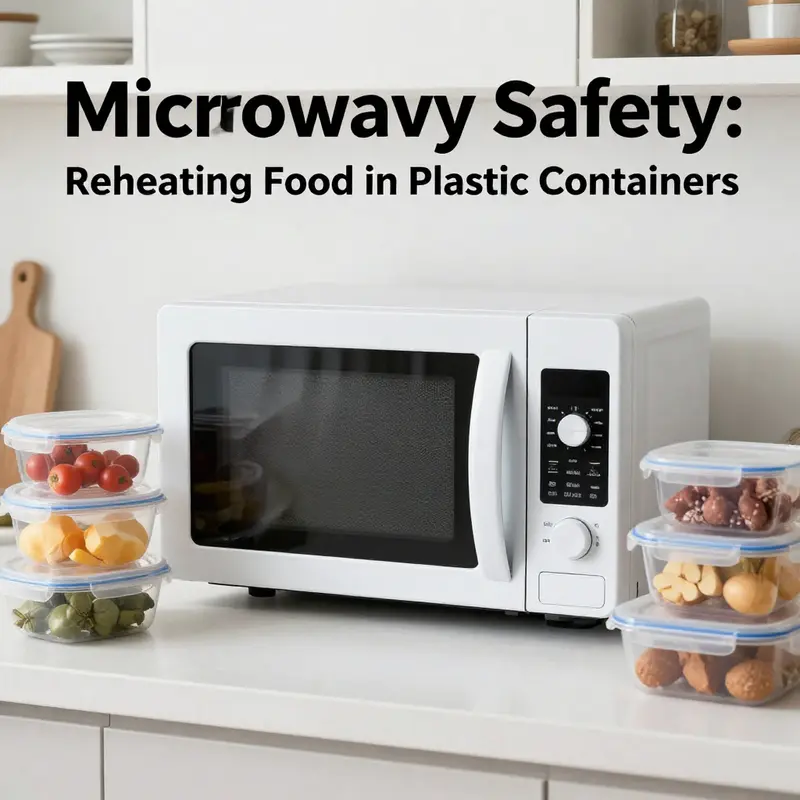
In the food and beverage industry, efficiency and food safety are paramount. As a team managing restaurants, food trucks, or catering services, understanding the nuances of reheating food is essential. This guide provides insights into the safety and practicality of using plastic containers in microwave heating, ensuring your operations conform to health standards and provide optimal service. Through the chapters, we will explore microwave safety for plastic containers, the risks of non-approved materials, tips for identifying safe options, and the best practices for reheating food. Lastly, we will discuss the growing preference for alternatives to plastic, positioning your business at the forefront of health-conscious and environmentally-friendly practices.
Reheating Realities in the Microwave: When Plastic Containers Stand Up to Heat and When They Don’t
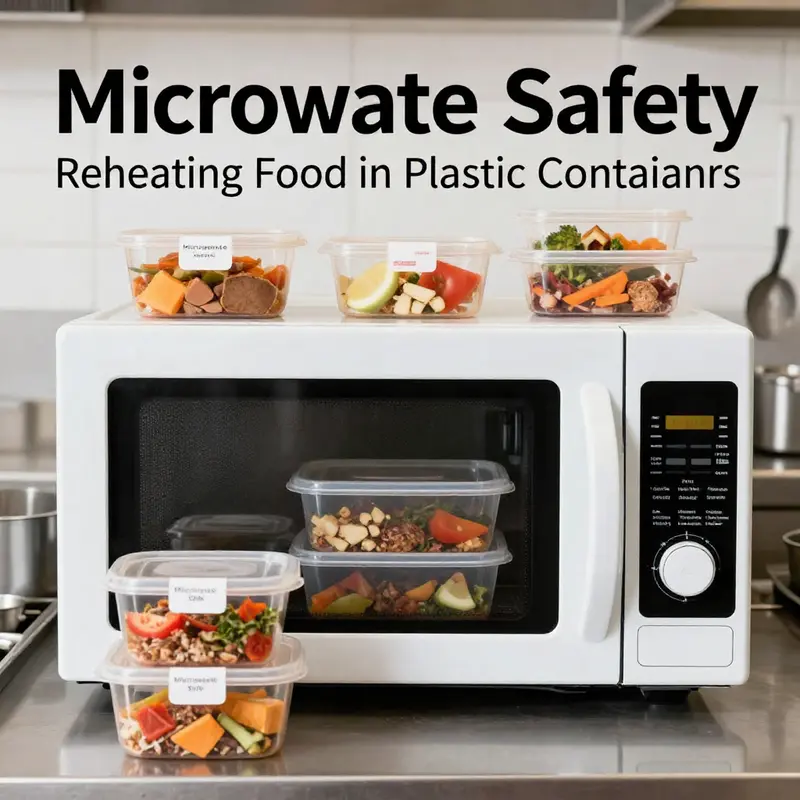
The habit of reheating leftovers in the microwave often begins with convenience and ends with a cautious glance at the plastic in hand. The question, made urgent by every busy kitchen and every parental safety brief, is not simply yes or no. It’s a layered inquiry about material science, food chemistry, and everyday risk management. In pursuing a practical understanding, we enter a space where convenience must meet precaution, where the label on a plastic container matters as much as the food it holds, and where the very act of reheating can shift unseen boundaries between safety and exposure. The overarching message is simple in form, yet surprisingly nuanced in practice: you can reheat food in plastic containers, but only if the plastic is clearly designed and labeled for microwave use, and even then with care that minimizes exposure and ensures food quality. The journey through this topic invites us to connect laboratory findings with kitchen habits, regulatory intentions with daily routines, and the moral of precaution with the simple aim of preserving flavor and health alike.
The science behind reheating in plastic begins with the materials themselves. Plastics used for food contact are polymers often infused with additives to improve flexibility, strength, and durability. These additives include substances that some studies have linked to hormonal activity, metabolic disruption, or developmental effects. The key concept to understand is leaching: when a container is heated, compounds from the plastic can migrate into the food. The extent of leaching turns on several variables. The type of plastic matters; some polymers have higher heat resistance and lower permeability, while others can break down or soften more quickly under microwave conditions. The infamous BPA is widely known, but many containers today rely on replacements such as BPS or BPF. While these substitutes may dodge the headlines of the past, they can still behave in ways that raise questions about safety, especially with repeated heating or prolonged exposure. This is why the safety language on containers is so important and why the guidance to seek a label like “microwave-safe” cannot be overlooked.
A critical factor in everyday decision-making is how a container is labeled and how that label translates into real-world use. “Microwave-safe” is not a universal guarantee of inertness. It signals that the container has been evaluated for typical microwave conditions and that, within those conditions, the migration of chemicals remains at or below levels deemed acceptable for food safety. However, these assessments are conducted under standardized testing and do not always capture the long-term effects of repeated heating, slower cool-down cycles, or high-power bursts that some home microwaves can deliver. The reality in the lab and the kitchen is that even microwave-safe plastics can release measurable particles or chemical signals when repeatedly heated or used with certain foods. This is why cautious practice—favoring short heating times, avoiding fatty or highly acidic foods, and monitoring for any change in odor or texture—remains a prudent approach.
The concerns about microplastics and nanoparticles elevate the discussion from the kitchen’s edge to the wider ecosystem of food safety research. When non-approved containers are heated, studies have reported the release of nanoparticles and microplastics at levels that are difficult to map in everyday meals. The figures cited in recent reviews are striking: over 2 billion nanoparticles and roughly 400 million microplastics per square centimeter of container surface can be released under certain heating conditions. That is not to say every heating session delivers such a load; rather, it underscores the nontrivial potential for particle release when plastics are stressed by heat. It also helps to explain why many experts emphasize using containers made from materials with higher heat tolerance, and why the best practice leans toward glass or ceramic for reheating, particularly when serving portions that will be consumed in larger quantities or over longer times.
With these realities in view, the regulatory landscape offers a framework that balances innovation with safety. In the United States, the FDA regulates food-contact plastics under a system that requires manufacturers to demonstrate that chemical migration remains within safe limits. The process is designed to prevent hazardous levels of migration, but it does not guarantee absolute zero exposure. This nuance is essential for understanding why guidance often pairs a label check with cautions about heat duration and food type. A 2023 synthesis noted in Nature Reviews Endocrinology highlights a broader truth: for certain plasticizers, no safe threshold has been identified. The implication is not a call for alarm but a reminder that endocrine-disrupting chemicals can have nuanced effects at low doses, particularly for sensitive populations such as young children and pregnant individuals. In practical terms, this translates to a cautious stance: minimize exposure where possible, especially through repeated heating of textured or fatty foods that encourage greater chemical migration.
Against this backdrop, the everyday decision about reheating in plastic becomes a conversation between labeling, material choice, and cooking practice. The simplest, most reliable guardrail remains clear: if a container is explicitly labeled microwave-safe, and you use it in accordance with the manufacturer’s instructions, you reduce the risk associated with heating. This means applying the label as a passport to use, not a blanket guarantee of invulnerability. It also means avoiding heating in containers that show wear, scratches, or warping, since such damage can alter the polymer’s barrier properties and increase the likelihood of leaching. An additional practical guideline is to vent lids. Sealed containers can build up pressure under high power and may explode, creating a messy and potentially dangerous situation in a crowded kitchen. If you must reheat in plastic, keep the power level moderate and avoid extended, high-temperature cycles. Short bursts with stirring in between can help distribute heat more evenly and reduce the stress on the container.
The conversation about safety would be incomplete without acknowledging the alternative to plastic altogether. Glass and ceramic containers do not degrade in the same way under microwave heating and generally do not shed fragments or microplastics into food. They also tend to be more forgiving with temperature changes, letting you monitor heat more precisely and maintain the texture of soups, sauces, and casseroles. For many households, the shift toward these materials is not merely about safety; it is an opportunity to reduce cumulative exposure to plasticizers and to promote more sustainable kitchen habits. The environmental dimensions of our choices matter. Repeated use of a durable, reusable glass or ceramic container can lessen waste and the environmental footprint that underpins the broader conversation about plastic use in food packaging and household items.
In terms of practical, day-to-day guidance, the message to readers is not to abandon reheating in plastic altogether but to make informed, deliberate choices. Look for the microwave-safe label, inspect the container for cracks or clouding, and avoid heating for extended periods at high power. If a container is questionable, transfer the leftovers to glass or ceramic before reheating. For foods with higher fat content, or more acidic profiles, the risk of migration increases, so extra caution is warranted. The safest approach for regular use is to cultivate a habit of using alternative materials whenever possible, and to reserve plastic containers for brief, early-stage reheating or for short warming cycles that keep the food moist without risking overheating the container.
If you are exploring transitional options that still honor convenience, consider packaging that does not require reheating in plastic at all. For example, paper-based bowls and lids designed for hot foods can be paired with reheating in a microwave-safe vessel and then transferred to your preferred serving dish. An example of how such a choice can translate from idea to practice is to use disposable kraft paper bowls for quick, non-fatty reheating tasks, paired with a reusable plate or bowl for serving. This approach reduces direct exposure to plastic during heating while preserving the simplicity that makes microwaving appealing in the first place. disposable kraft paper bowl with lid
The overarching takeaway remains a blend of caution and practicality. Microwave-safe labeling provides a critical checkpoint, but it is not a universal shield. The interplay of plastic type, food composition, heating duration, and container condition all shape the actual exposure during reheating. The safest stance for most households—especially for regular, repeated reheating of leftovers—is to transfer food to glass or ceramic containers before microwaving and to limit heating duration, power level, and the overall time the food sits in contact with potential leachables. Beyond health considerations, this practice aligns with broader environmental goals and helps maintain the sensory quality of reheated meals, preserving texture and moisture in ways that plastics often struggle to achieve.
For readers who wish to explore the regulatory and scientific context in greater depth, authoritative guidance is available that outlines the FDA’s approach to food-contact materials and the weight given to chemical migration in risk assessment. This resource provides a detailed framework for understanding how manufacturers demonstrate safety and how regulators interpret the data in light of evolving science. It serves as a reliable companion to the everyday choices made in home kitchens as well as to broader conversations about plastic use and food safety.
To close, reheating in plastic containers is a nuanced practice rather than a binary choice. It can be safe under clearly defined conditions, but the safest long-term strategy emphasizes minimizing exposure by favoring glass or ceramic alternatives for regular reheating. In the midst of busy routines, the right habits—checking labels, avoiding sealed containers, limiting high-heat cycles, and choosing inert materials when possible—offer a practical path forward. The science supports a cautious approach, and the cooking reality confirms that thoughtful choices in materials and methods can preserve both health and flavor. For further reading on how regulatory frameworks approach these questions, see the FDA guidance on food-contact materials.
When Heat Meets Plastic: The Real Risks of Reheating in Non-Microwave-Safe Containers
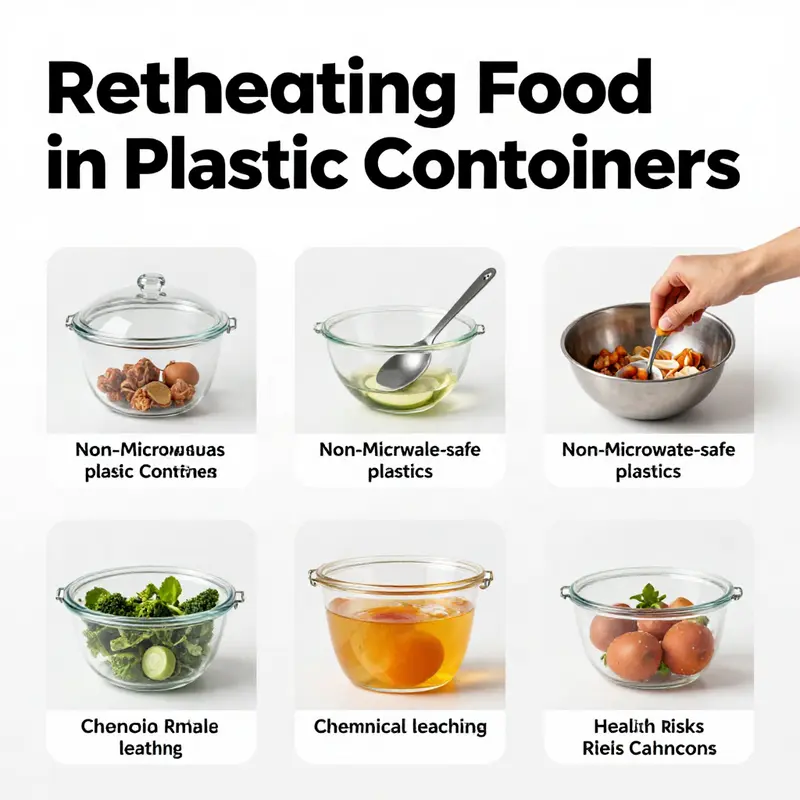
The question of whether a microwave can be used to reheat food in plastic containers is seldom black and white, and the answer rarely appears as a simple yes or no. The broader topic sits at the intersection of convenience and chemistry, where everyday choices about what we use to store and heat our meals can have lasting implications for health. At its core, the issue is this: plastics are designed for a broad range of purposes, yet not all plastics are created equal when heat is involved. In a kitchen, a microwave can transform a cold plate into a steaming, ready-to-eat meal in minutes, but the very heat that makes reheating possible can also loosen chemical components in certain plastics and transfer them into the food. This is not merely a matter of taste or odor. When plastics are heated beyond their intended use, their molecular structure can change, and additives intended to give plastics stability, flexibility, or shine can migrate out of the material and into what we eat. The stakes, in short, are about chemical exposure and the subtle, cumulative effects that can follow from repeated heating of substances that were never meant to mingle with our meals in the first place.
A pragmatic way to frame the risk is to distinguish between containers that are specifically designed and labeled for microwave use and those that are not. The materials science behind this difference is straightforward in principle: polypropylene, especially the variant labeled PP5, is manufactured to withstand higher temperatures without significant deformation. It can hold up to the typical temperatures generated by household microwaves, generally above 160°C (320°F) in controlled conditions. Yet real-world use rarely mirrors controlled testing. A container might be marked microwave-safe, but the label alone cannot guarantee that every component of the plastic will remain inert under prolonged or repeated heating, or when used with fatty, acidic, or highly seasoned foods. The practical takeaway from this nuance is simple: use containers natively designed for microwave heating, and avoid those that are not. The more complex truth is that even the best-intentioned choices can fail for reasons that are not immediately obvious to the casual user—reasons that researchers are only beginning to understand fully as the science of microplastics and chemical leaching advances.
The more striking and alarming line of evidence concerns chemical leaching when plastics are heated. The additives that give plastics their properties—plasticizers, stabilizers, and various alkyl derivatives—are designed to move within the polymer matrix. When a microwave introduces heat, especially to foods with high fat content or those with acidic seasonings, these additives can migrate from the plastic into the food. The health concerns linked to such migration are not abstract. Endocrine-disrupting chemicals, including phthalates and bisphenols such as BPA and some of its substitutes, have been repeatedly scrutinized for potential links to reproductive issues, developmental problems in children, and even elevated cancer risk in certain contexts. The risk profile is especially important because fat effectively acts as a solvent for many of these substances. Foods rich in fats, oils, or butter absorb more of these chemicals from the container than lean, water-rich foods, increasing the potential dose that reaches the body with each reheating event. The layperson’s takeaway is not that every plastic container will poison a meal, but that repeated exposure to even small amounts of leached substances could accumulate over time, contributing to a gradual uptick in risk that is difficult to quantify in a single meal.
A pivotal point in recent research pushes this concern from hypothetical to measurable. In 2023, a peer-reviewed study published in Environmental Science & Technology reported that more than 50 commonly used plastic food containers—some bearing microwave-safe labels—released detectable levels of antimony, phthalates, and nonylphenol when heated under typical household microwave conditions. The finding is unsettling because it suggests that regulatory standards, while designed to ensure safety under controlled testing, may not fully capture long-term or repeated exposure, especially when heating high-fat foods like cheese, fatty meats, or oil-rich sauces. The study reinforces a practical caution: a container labeled microwave-safe is not a universal guarantor of food safety in every situation. The matrix of variables—how long the food is heated, the power setting, the fat content of the food, whether the container is damaged, and how many times the container has been used—collectively influences the level of chemical migration. And when those variables push beyond what a standard test considers, the actual risk in the kitchen can diverge from what the label promises.
Another critical dimension is the physical condition of the container. Damaged, cracked, cloudy, or worn plastics exhibit compromised structural integrity, which can magnify the migration of chemicals. Scratches and micro-cracks can create micro pathways through which additives may diffuse more readily into food, particularly when heat and moisture traverse those tiny fissures. The takeaway here is not only about choosing the right material but also about maintaining it. If a container shows any sign of wear, even if it carries a microwave-safe label, replacing it is a prudent choice. The glossy surfaces that once seemed pristine can hide the subtle breaches that will, over time, contribute to more significant leakage across multiple reheating cycles.
The practical implications for everyday cooks and families are twofold. First, treat the microwave-safe label as a guideline rather than a blanket permit. Second, the safest mitigation strategy is to minimize the use of plastics for reheating and to favor materials known to be inert under microwave conditions. Glass and ceramic containers offer robust options: they tend to maintain their integrity under repeated heating, do not decompose or migrate additives in the same way plastics do, and provide predictable heating profiles that minimize hotspots. This predictability matters because uneven heating can leave cold pockets that fail to reach temperatures sufficient to neutralize potential contaminants, while the hottest areas can escalate the rate at which any residual migration occurs. The physics of microwaving—where waves concentrate heat in specific regions rather than uniformly—means choosing a container with excellent heat distribution properties is an ally in the battle for safer reheating.
Yet even as some cardboard and paper-based options are explored as substitutes for plastic, it is essential to recognize that not all paper or fiber containers are automatically safer. Paper products that are coated for moisture resistance or heat tolerance may still be treated with chemicals or contain linings that are not microwave-safe. The safest path remains straightforward: use glass or ceramic for daily reheating, and keep any plastic use to foods that will not be heated or that will be heated only briefly under moderate power. When plastic must be used, it should be of a proven microwave-safe type, free from visible wear, and accompanied by proper venting if a lid is involved. A vented lid reduces steam buildup that can increase pressure and possibly push materials from the container into the food. In all cases, avoid heating sealed plastic containers because pressure can escalate quickly and lead to unpredictable outcomes.
From a public health perspective, the bottom line is clear. Reheating food in plastic containers is not categorically dangerous, but it becomes risky when the containers are not designed for microwave use, when they become damaged, or when used repeatedly with high-fat or highly acidic foods. The prudent practice is to minimize exposure by limiting reheating duration and power, inspecting containers for damage, and prioritizing non-plastic options whenever possible. The cumulative effect of small exposures over many meals is the real challenge, and in that sense, the precautionary principle serves households well. It asks us to consider not just the convenience of a single reheated lunch but the habit we are building over time, as well as the long-term implications for our environment and our bodies.
For households determined to balance convenience with safety, a middle path is possible. One can designate a subset of containers strictly for reheating that are clearly labeled as microwave-safe, use them sparingly, and rotate them to avoid overuse of any single item. At the same time, consider adding non-plastic serving and storage options to the kitchen repertoire. The idea is to limit the high-heat exposure of plastic and to reduce the overall frequency of plastic heating events. Where possible, opt for glass or ceramic cookware and storage that can withstand repeated heating without the subtle, cumulative migration that plastics can exhibit. Even when plastic use is unavoidable, adopting shorter heating intervals and avoiding high-power settings can help limit the amount of chemical movement into the food. In practice, this means checking the recipe, selecting lower wattage if feasible, and keeping an eye on the container’s condition after each use.
For those seeking alternatives that align with broader environmental and health considerations, there are practical options that maintain convenience without relying on plastic for reheating. One path is to embrace durable, reusable glass or ceramic containers that can be microwave-friendly and dishwasher-safe, reducing waste while maintaining a safer heating profile. Another path is to explore eco-friendly packaging options when serving or storing meals away from home, such as paper-based takeout bowls or fiber-based containers that avoid reliance on traditional plastics. Such choices, when executed with attention to heat compatibility and labeling, can deliver both safety and sustainability. In practice, this approach means a kitchen that values transparency in labeling, regular inspection of containers, and a willingness to adjust habits in favor of safer materials for everyday cooking and reheating. If you are seeking a starting point for safer serving and storage, you might explore resources that discuss eco-friendly, disposable, or reusable alternatives, bearing in mind that not all are appropriate for microwaving. For some families, this shift represents not only a health safeguard but a broader commitment to reducing plastic usage and waste.
The overarching message that threads through these considerations is that the decision to reheat in plastic is not simply a question of capability but of risk management. Microwave safety labels, while useful, are not a guarantee. The long arc of exposure, the quality of the container, the nature of the food, and the power and duration of heating all combine to determine how much, if any, chemical migration occurs. In the face of scientific uncertainty, the safest course of action remains to minimize heating in plastic and to turn to glass or ceramic whenever possible. The narrative from recent research underscores a cautious stance: accept the convenience of plastic reheating only when you can be confident that the container is truly designed for microwave use, that it is in pristine condition, and that the food being heated does not elevate risk due to high fat or acidity.
To support readers who want a concrete next step, consider integrating a safer serving option into your routine, such as choosing containers designed for heat tolerance and reuse rather than disposable plastics. This aligns with a broader goal of reducing exposure to microplastics and other leached substances while also contributing to environmental stewardship. If you are exploring materials that minimize risk while maintaining practicality, a resource on eco-friendly packaging might offer useful ideas for substitution and habit change. For instance, one can explore options framed around sustainable serving solutions that do not rely on ordinary plastics. eco-friendly disposable paper cup. This reference is intended to illustrate how consumer choices can shift toward safer, more sustainable options in everyday meals.
In closing, the act of reheating should be seen as a controlled process rather than a mere moment of convenience. By understanding the science behind diffusion and migration, recognizing the limitations of labeling, and appreciating the value of durable, non-plastic alternatives, households can reduce potential exposure while maintaining the ease of modern cooking. The goal is not to vilify plastic outright but to empower informed decisions that protect health without sacrificing practicality. The next chapter will continue this thread by examining how to interpret labeling more precisely, how to assess wear and tear on containers, and how to build a reheating routine that aligns with both safety and sustainability principles. External resources further illuminate the science behind chemical leaching and provide context for the practical recommendations discussed above: https://pubs.acs.org/doi/10.1021/es204685z
Decoding the Microwave-Safe Mark: Reading Plastic Labels to Reheat Safely
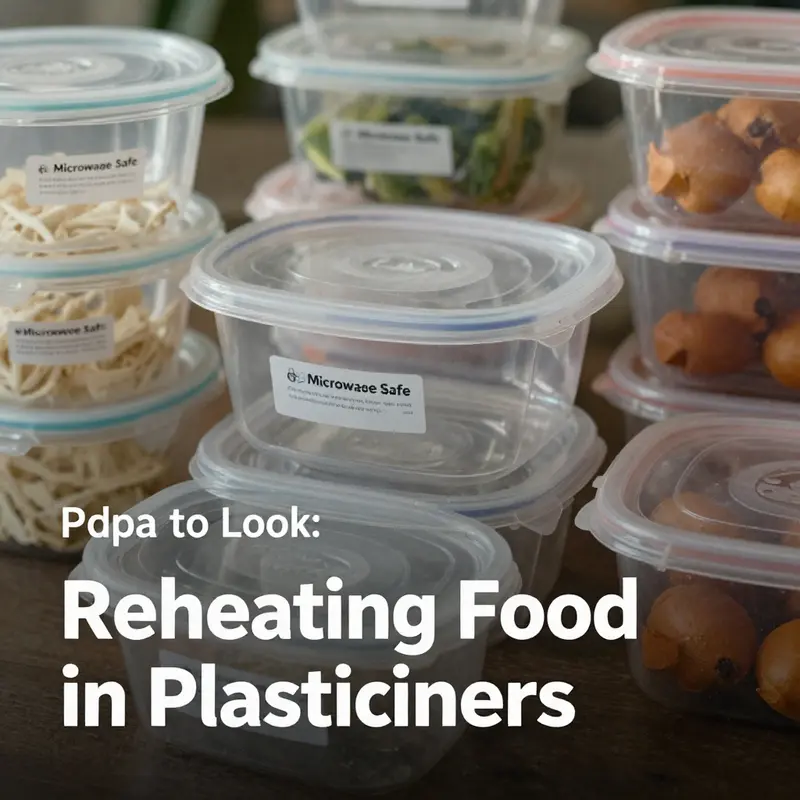
Reheating leftovers in the microwave is a daily habit for many households, a quick bridge between meals that saves time and reduces waste. Yet the convenience comes with a hidden calculus about the containers we rely on. The central question—can you reheat food in a microwave in plastic containers?—has a straightforward answer on the surface, but the safety considerations run deeper than a simple yes or no. The core of the matter lies in the labeling and the material behind the label. When you slide a tray into the microwave, you are not only feeding heat into your food; you are inviting interactions between heat, the container, and whatever the food contains. Those interactions can be benign, but they can also move toward unwanted chemical migration, and in rare cases, microplastic release, especially when heating is repeated or performed at higher powers or with fatty foods. The practical takeaway is clear enough: reheat in plastic only when the container is explicitly designed and labeled for microwave use, and even then, with care.
The most dependable cue is the microwave-safe symbol. This symbol, typically found on the bottom of a container or on its packaging, is not a decorative badge. It represents tests conducted under normal microwave conditions and signals that the material has passed safety checks for short-term reheating. The U.S. Food and Drug Administration emphasizes this labeling as the practical handrail you should follow when heating foods in plastic. So, before you press start, pause to scan for that mark. A quick visual check can spare you a host of potential problems, from warped plastic to unexpected chemical exposure.
Beyond the symbol, there is a second layer of meaning embedded in the materials themselves. The resin identification code, the little triangle with a number inside, offers a hint about what the plastic is made from. Among the codes, #5 polypropylene (PP) and #1 polyethylene terephthalate (PET) are commonly and increasingly treated as microwave-friendly when they are specifically labeled as microwave-safe. PP, in particular, has a higher melting point and greater thermal stability, which is why many reusable meal-prep containers are PP-based. Conversely, codes such as #3 (PVC), #6 (polystyrene), and #7 (the catch-all “other” category) are categories where caution is warranted unless the manufacturer explicitly states microwave safety. This distinction is not only about performance under heat; it is about the chemistry that can migrate into food when a container is heated. The distinction matters because even when a container carries an official label, the environment in which it is used—fatty foods, long reheating times, or repeated cycles—can alter the risk profile.
Science in recent years has sharpened our understanding of these dynamics. A 2023 study published in Environmental Science & Technology highlighted that even containers marketed as microwave-safe could release microplastics and chemical additives, particularly when fatty foods are heated. The research did not declare a universal menace, but it did emphasize that the safer choice depends on both the material and how it is used. The implication is that labeling is a necessary signpost, not a guarantee of complete safety. This nuance matters for anyone who rehearses meals daily and relies on plastic containers as a routine solution. It pushes the reader to adopt a rule of prudent use: respect the label, minimize exposure by avoiding repeated heating on high power, and prefer inert materials when possible.
In practical terms, this means that a container marked with the microwave-safe symbol should be your baseline affirmative permission to proceed, but you should also inspect the material. If the container is labeled PP (polypropylene) or is a sturdy Tritan™ or a similar durable polymer, it has a track record for resisting warping and maintaining structural integrity under repeated heating. These materials are built to endure the cycles of reheating and washing that define everyday meal preparation. The durability of PP and Tritan™ is part of why such containers have become standard in many households and professional kitchens alike. Yet even these safer options benefit from thoughtful handling. Do not heat with the lid sealed or vented, and be mindful of the temperature limits stated by the manufacturer. Overheating can degrade the container, potentially increasing leachables into the food.
A practical approach to selecting containers begins with recognizing the foods you typically reheat. Fatty foods, sauces rich in oils, or ingredients with higher fat content can interact more with the container’s material. When tested under typical microwaving conditions, these foods can encourage more substantial migration of additives and, in some cases, microplastic fragments. The precaution here is not to vilify plastic outright but to acknowledge that heat, fat, and certain polymers create conditions in which migration is more likely. In everyday life, that translates to choosing a microwave-safe container that is robust, plain in color (to indicate fewer colorants and additives), and designed for repeated use. It also means avoiding heating oils or fatty sauces directly in plastic when possible, especially if the container is not explicitly designed for high-fat content.
In this landscape of choices, the safest long-term habit is to pair microwave-safe plastic with glass or ceramic substitutes for regular reheating. Glass or ceramic does not degrade in the same way and tends to be inert, reducing the risk of chemical migration over time. For many people, the question shifts from “can I reheat in plastic?” to “when should I reheat in plastic versus when should I choose glass?” The answer lies in frequency and exposure. If you reheat daily, the cumulative exposure to any leachables, however small, makes non-plastic options an attractive alternative for routine meals. That is not a condemnation of plastic but an invitation to make deliberate, safety-conscious choices that align with your meal patterns.
The practical rule is simple: always look for the official microwave-safe symbol, verify the resin code, avoid single-use and foam plastics, and opt for high-quality, durable materials like PP or Tritan™ when reheating in plastic. The resin code provides a quick guide, but it is only as reliable as the labeling and the manufacturing process behind it. When you combine this with the best practice of not heating sealed containers and not relying on heat to do all the work, you create a reheating routine that respects safety without sacrificing convenience.
The narrative becomes more than a checklist when you consider the broader context of packaging and consumer habits. Reheating in plastic is only one edge of a larger conversation about food-contact materials and how we live with them daily. The FDA’s official stance on microwave-safe packaging anchors this conversation in regulatory reality, reminding us that safety testing exists because microwaves introduce a particular kind of energy transfer to containers and their contents. The guidance is not about fear, but about informed use—an approach that balances practicality with caution, especially in kitchens where leftovers become a next-day staple.
For readers who want a quick reference to where these labels come from, think of the symbol and the code as two parallel signals: the symbol tells you that the container met safety tests for typical microwave use; the code hints at the type of plastic and its resilience under heat. If you ever doubt a container’s suitability, the safest response is to transfer the food to a container that you know is designed for microwave use, such as a glass or ceramic dish with a vented lid. This practice protects not only the flavor and texture of your food but also your long-term health by reducing repeated exposure to any migrating substances. It also reduces the environmental pressure that comes with frequent disposal of single-use plastics, a factor that intersects with broader concerns about waste and sustainability. In short, the label matters, the material matters, and the context of use matters just as much.
As you navigate your kitchen shelf, consider bookmarking a simple, reliable rule: if it isn’t clearly labeled microwave-safe, don’t assume it’s safe. If you must reheat in plastic, choose containers clearly marked for microwave use, preferably PP-based or other durable, tested materials, and keep reheating sessions brief and moderate in power. When possible, transfer to glass or ceramic for longer reheating or higher-energy batches. And when you want to explore safer packaging options that still support convenience, consider options like recyclable, microwave-appropriate containers that pair well with reusable, heat-table designs. For instance, a commonly referenced option in practical packaging discussions is a disposable kraft-paper bowl with a suitable lid or wrap for short reheating tasks, which can be a practical alternative to plastic in certain settings. See this related option for a reusable approach to take-out style serving that aligns with safer reheating practices: disposable-700ml-kraft-paper-bowl-take-out-octagonal-rectangle-paper-bowl.
Ultimately, what you decide to heat in and how you heat it should reflect a balance of safety, practicality, and habit. The conversation around microwave-safe plastics has evolved from a simple binary to a nuanced understanding of materials, labels, and usage patterns. The bottom line remains consistent with the science and the regulatory guidance: yes, you can reheat food in plastic containers, but only if they are clearly labeled as microwave-safe. For ongoing safety, consider glass or ceramic as the default for regular reheating, and reserve plastic for shorter, lower-risk reheating sessions. By staying informed about evolving findings, you can make smarter, science-based choices that protect your health, your food, and your environment. The conversation is ongoing, and your kitchen practices can reflect that ongoing vigilance.
External resources for deeper context can be found through authoritative safety references. For a foundational understanding of microwave-safe packaging from a regulatory perspective, consult the FDA’s official stance on food-contact materials and regulations: https://www.fda.gov/food/food-contact-materials/food-contact-materials-and-regulations. For researchers exploring the nuanced behavior of plastics under heat and the sometimes surprising migration of microplastics, the 2023 Environmental Science & Technology study provides important, though not universal, insights into how heating conditions can influence particle release and chemical migration. These resources reinforce the value of labeling, material choice, and cautious handling as you rehearse meals in your daily routine.
Safe Sparks: Reheating with Microwave-Safe Plastics While Keeping Health in Focus
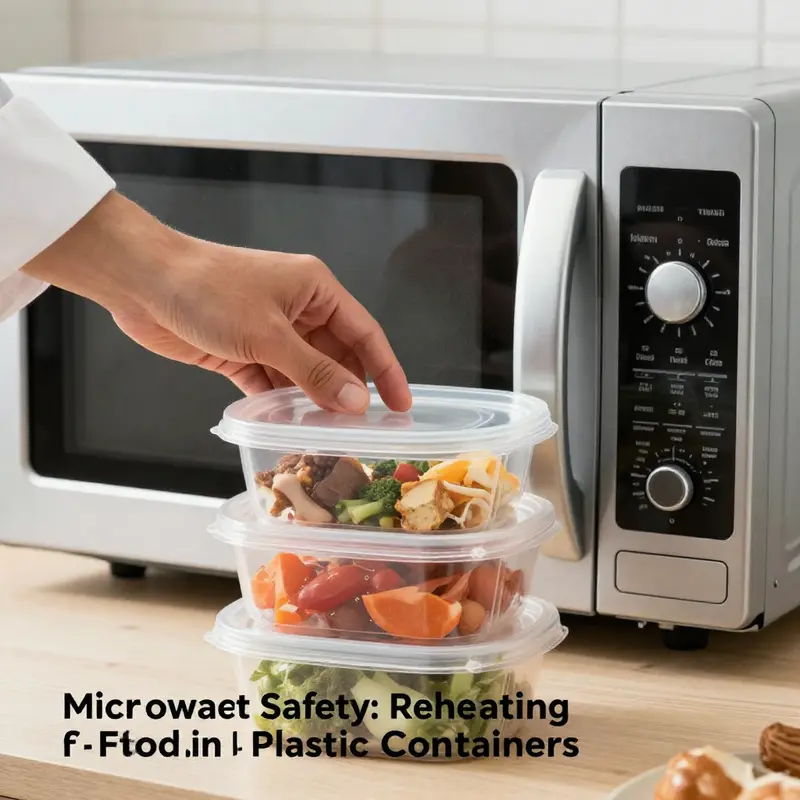
Every time a crumb of concern rises about reheating food in the microwave, the same core questions return: is it safe to use plastic containers, and what do the labels really mean when heat is involved? The conversation isn’t simply about convenience; it’s about the intersection of everyday habits, material science, and evolving safety guidelines. When people ask if they can reheat in plastic, the short answer is nuanced: yes, you can, but only with containers that are clearly labeled as microwave-safe and used under carefully observed conditions. The longer answer—the one that matters for daily decisions—belongs to a careful balance of material properties, personal cooking practices, and an awareness of how heat can change what we eat and how plastics interact with it over time. In this chapter, we explore what constitutes a microwave-safe container, why some plastics pose greater risk than others, and how to weave the best practices into a routine that keeps meals warm, flavors intact, and safety boundaries intact.
The heart of the matter starts with labeling and material choice. Polypropylene, assigned the resin code PP5, is the material most often recommended for microwave reheating. Containers made from PP are known for a relatively high melting point, and in typical kitchen reheating scenarios they exhibit stability that helps prevent rapid breakdown during short-term heating. Yet even within this category there is nuance. Not all plastics labeled as microwave-safe are created equal in the face of repeated heating, high power, or the fats and acids present in certain foods. The label functions as a guarantee for short-term exposure, not an invitation to extend reheating indefinitely. This is why the safest practice remains: heat only what you need, for a brief period, and on a moderate setting whenever possible. The occasional round of reheating in microwave-safe plastic can be acceptable, but it should be part of a broader habit of minimizing exposure and preserving container integrity over time.
An important, sometimes overlooked detail is the warning held by resin identification codes. The codes range from #1 to #7, with #3 (PVC), #6 (PS), and #7 (other/resin blends) generally associated with higher risk due to additives and structural instability under heat. Codes #1 (PET), #2 (HDPE), and #5 (PP) are commonly considered safer options for various uses, including occasional reheating. Still, the safer choice is not a green light to reheat everything in a plastic container. It is a reminder that plastics are not permanent food-safe surfaces and that heat can alter their behavior, enabling migratory processes that might introduce chemicals into food, particularly when the food is fatty or the heating is prolonged. In practice, that means mindful use: avoid reusing single-use containers, and rotate away from older, cracked, or cloudy plastics that show signs of wear.
The research landscape on plastic and heat is increasingly clear about the risks that accompany heating non-approved plastics. Studies have highlighted that microwaving containers not designed for this purpose can facilitate the release of tiny particles into food—particles that can be invisible at first but accumulate with repeated use. While the exact figures vary by study and conditions, the message remains consistent: heat can amplify the movement of additives, and fats intensify this effect. The bottom line for consumers is not a dichotomy of safe versus dangerous but a spectrum of risk that grows with time, exposure, and the type of food being heated. These insights underscore the practical principle that the safest long-term strategy is to minimize reliance on plastic for reheating and lean toward glass or ceramic whenever feasible.
Beyond material labeling, the guidance emphasizes several concrete practices designed to lower risk and improve outcomes. First, always search for the explicit microwave-safe label before placing any container in the oven. This label is more than a suggestion; it is a design promise that the container has undergone testing for a typical microwave cycle. However, this promise is not a blanket guarantee for all future uses. Reheating a second or third time, heating fatty meals, or using high power settings can still stress even the best-designed containers. Second, avoid heating food in non-microwave-safe plastics, such as takeout containers or packaging originally intended for one-time use. These items may appear sturdy, but their components and barriers are not engineered for repetitive heating or for the varying conditions of different microwaves. Third, be mindful of the power setting and duration. Short bursts at a lower power are gentler on containers and on the food itself. Long heating intervals, especially at high power, increase the likelihood of plastic degradation and chemical migration. Fourth, venting is essential. Sealed or tightly capped containers can trap steam and pressure, risking leakage or even a dangerous expansion. Leave a vent or crack the lid just enough to prevent pressure buildup while reheating, and never reheat sealed packaging.
A recurring theme in the best-practice narrative is the safer option of transferring reheated foods out of plastic into glass or ceramic containers before serving. Glass and ceramic are inert under microwave heating and do not degrade as plastics do, making them less likely to contribute to chemical migration over time. They also tolerate higher temperatures without leaching or structural changes. This is more than a habit born of caution; it’s a practical safeguard that simplifies cleanup and preserves the flavor, texture, and appearance of food. When you do heat in plastic, limit the duration and lower the power. If food is oily or fatty, consider transferring it to a non-plastic container before reheating. Fatty foods enhance the solubility and mobility of many additives within plastics, increasing the potential for migration into meals. By decoupling high-fat components from plastics during reheating, you reduce the exposure risk and preserve the quality of the food itself.
The internal dynamics of reheating plastics also underscore why occasional use is preferable to frequent reliance. A container’s molecular structure is influenced by heat, making it more permeable and capable of releasing additives over time. Even containers labeled microwave-safe are not a panacea for all future uses. As research and regulatory bodies continue to weigh the balance between safety, convenience, and environmental considerations, it becomes clearer that avoidance of plastic not just for reheating, but for regular food contact in hot conditions, is the most conservative strategy. In a kitchen routine that values safety and simplicity, glass or ceramic containers stand out as durable, inert options that remain stable under repeated cycles of heating and cooling.
The practical upshot of this understanding is a set of actionable steps you can weave into daily cooking habits. Begin with an assessment of your containers: inspect for cracks, cloudiness, or warping. Any sign of wear is a cue to retire that container from reheating duty. When you buy new containers, prioritize those with a clear microwave-safe designation and consider PP-based options, while remembering that repeated reheating is never entirely risk-free. For meals that are high in fat, or for containers that have seen multiple reheatings, choose glass or ceramic for reheating rather than plastic. If you must use plastic, limit the heating time and power, stir or rearrange the food midway to ensure even heating, and avoid heating empty containers or containers that were originally used for non-food applications. When reheating, the lid should be vented; never seal plastic containers tightly while microwaving.
To broaden the horizon beyond plastic, consider integrating safer serving options into your routine. For instance, when you’re consuming ready-to-serve meals, you can opt for containers designed for heat-resistant paper or other compostable options that provide a barrier to heat without involving plastics. A practical takeaway is that even if a container is not plastics-based, you should verify its suitability for microwave use. If you are concerned about waste and want to minimize environmental impact, that approach can align with strategies that keep health at the center of your food preparation. One practical way to explore safer alternatives is to examine different kinds of disposables that are designed for hot foods and are compatible with reheating. For readers who want to explore options in this space, a starting point is the range of disposable containers designed for take-out and serving in paper-based formats. See the entry linked here for a specific example of a packaging option that illustrates the kind of alternatives worth considering: disposable-700ml kraft paper bowl take-out octagonal rectangle paper bowl.
As the dialogue around safety evolves, it remains important to anchor decisions in established guidance while acknowledging ongoing scientific inquiry. The FDA provides a framework for understanding food contact materials and microwaves, and their resources emphasize that regulatory decisions reflect current evidence and risk assessments. The takeaway for everyday households is that while microwave-safe plastics can be used under specific conditions, the safest long-term approach is to reduce reliance on plastics for reheating and to favor glass or ceramic whenever possible. This position does not demand perfection; it invites informed, incremental changes that protect health while maintaining convenience.
For readers who want to anchor their choices in authoritative sources, consulting the FDA can provide clarity on how food contact materials interact with microwaves and how regulatory perspectives adapt as new data emerge. External guidance reinforces the practical rule of cautious use: minimize exposure, avoid high-fat reheating in plastic, and adopt safer containers for regular reheating needs. In daily practice, this means adopting a disciplined habit: verify labeling, favor glass or ceramic for frequent reheating, and reserve plastic reheating for quick, low-risk instances under controlled conditions. Over time, these small adjustments accrue into a safer, more satisfying approach to reheating that respects both health considerations and the convenience people expect from modern kitchens.
In summary, reheating food in microwave-safe plastics is not an absolute ban or a universal permission. It is a nuanced option that depends on the container’s labeling, the type of food, the heating duration, and how regularly you rely on such practices. By prioritizing containers with solid microwave-safe assurances, by avoiding fatty foods in plastic, by venting lids, and by moving toward glass or ceramic wherever feasible, you can reduce the risk of chemical migration and preserve the integrity of your meals. The core message is simple yet powerful: reheating with plastics is acceptable under strict, cautious conditions, but safer, longer-term choices lie in materials that remain inert under heat. As guidelines and evidence continue to assemble, the best meals—warm, safe, and tasty—are the ones warmed in ways that respect both science and daily life.
External resource: FDA – Food Contact Materials and Microwaves (for up-to-date regulatory perspectives and safety considerations): https://www.fda.gov/food/food-contact-materials-labeling/food-contact-materials-and-microwaves
Beyond Plastic: Safer Microwave Reheating Through Glass, Ceramics, and Everyday Alternatives
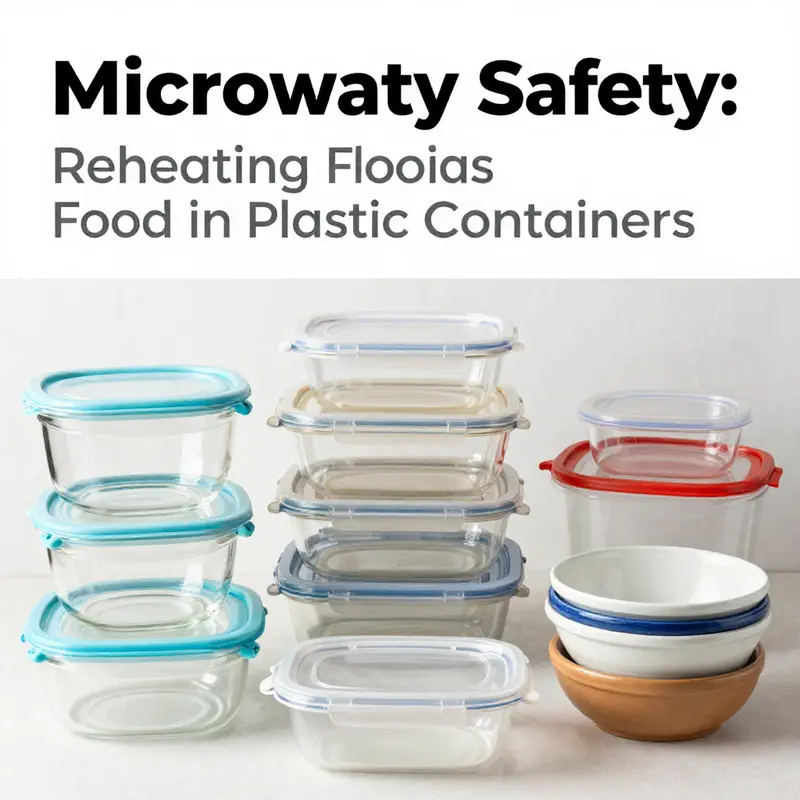
Reheating leftovers in the microwave is a daily habit for many households, a quick fix that collapses the gap between cooking and eating. But the question that often lingers beneath the buzz of convenience is not just whether food can be heated in plastic, but whether it should be. The conversation around reheating in plastic containers has evolved from a simple yes-or-no to a nuanced assessment of materials, health implications, and practical habits. In this chapter, we move beyond the familiar yellowed takeout box and look at sturdier, safer options that fit into a busy kitchen without sacrificing speed or flavor. The path toward safer reheating is not about perfection in a single moment but about consistency in daily choices. It begins with understanding how heat interacts with the vessels that hold our meals and ends with adopting routines that minimize risk while preserving the ease that microwaves promise.
Glass emerges as the best-supported option for most reheating tasks. Borosilicate or tempered glass is renowned for its inertness and stability under microwave energy. Unlike many plastics, glass does not leach chemicals when heated, and it does not absorb flavors or odors. This makes glass a reliable vessel for a broad range of foods—from soups and stews to delicate sauces and even reheated casseroles. When choosing glass for reheating, look for containers that are explicitly labeled as microwave-safe or heat-resistant. The absence of metal trim is also important because metal decorations can spark in a microwave and disrupt the heating process. Glass is easy to clean, highly reusable, and, in many households, a familiar and comforting material that signals a clear boundary between cooking vessels and serving ware. The transparency of glass itself offers a practical perk: you can monitor the progress of the reheating without lifting the lid, which helps prevent scorching or uneven heating.
Ceramic and porcelain dishes form a close second in terms of safety and performance. High-quality glazed ceramics are chemically stable and generally well suited to microwave use. They distribute heat efficiently, which helps reduce hotspots that could compromise texture or moisture. Ceramics also tend to retain heat and finish a little more evenly, which is advantageous for foods that benefit from a gentle finish, such as layered leftovers or rice dishes. The key precaution with ceramic pieces is to inspect for a microwave-safe label and avoid any item with metallic glaze, gold or silver trim, or visible cracks. Metal accents and compromised glaze can cause sparking, damage the dish, or mar the microwave’s interior. Ceramic serves well not only for reheating but also for presenting food at the table, providing a cohesive experience from kitchen to plate.
Stainless steel deserves a careful, conditional embrace. It is a staple for cold storage and for durable, rugged kitchen use, but when it comes to microwaving, stainless steel requires caution. Regular stainless steel cookware should never be placed in a microwave, as it can reflect the microwave energy, causing arcing or damage. However, there are specially designed microwave-safe stainless steel containers that some households choose for specific reheating tasks, especially when the container needs to withstand high heat or when food safety concerns demand robust containment. The important rule remains simple: if a stainless steel item is not explicitly labeled as microwave-safe, do not use it in the microwave. For daily reheating, a safer approach is to store food in stainless steel or other metal vessels for transport and then transfer the food to glass or ceramic containers for heating. This two-step approach balances the durability of stainless with the safety profile of non-metal microwaving materials.
Silicone offers versatility that can bridge the gap between plastic convenience and glass safety. Food-grade silicone is highly heat-resistant, often tolerating temperatures well above typical microwave use, and it is flexible, easy to clean, and relatively inert. Silicone products—such as lids, mats, and liners—can be used to cover dishes during reheating. The cover protects the food from splatter while allowing steam to escape, which helps maintain texture. When choosing silicone, look for products labeled as microwave-safe and free from fillers or dyes that might migrate under heat. Silicone is not a substitute for a heatproof container if the goal is to reheat the entire portion; rather, it shines as a protective layer or as a reusable liner within a glass or ceramic vessel.
Paper-based or compostable alternatives can play a limited but useful role in a pinch, provided they are genuinely microwave-safe and free from wax, plastic coatings, or metal components. Some brown paper products and certain compostable containers are marketed for heat tolerance, but their safety hinges on strict materials and manufacturing standards. The risk with paper containers is more nuanced than with glass or ceramic: many have thin plastic linings or coatings that can melt or deform under heat, contaminating food with unwanted particles or flavors. When opting for paper-based options, read the packaging carefully and verify the explicit microwave-safe claim along with any coatings described. In this context, a modest takeaway is that while paper can be an occasional substitute for light reheating or carrying a warm portion to a desk, it generally should not be used for extended heating or fatty, saucy, or highly acidic foods that demand robust containment.
The most important concept to grasp is that no plastic is entirely risk-free under microwave conditions, even when labeled as microwave-safe. Reports and laboratory studies have underscored the potential for microplastic release and chemical migration, especially with repeated heating or exposure to high power. In some studies, heating non-approved containers produced measurable amounts of particulates and chemicals, raising concerns about long-term exposure. Acknowledging these risks does not suggest abandoning convenience altogether but rather reframing how we heat and what we heat in. It invites us to adopt safer practices that reduce exposure while preserving the benefits of a quick meal. Even when plastics bear a microwave-safe label, experts emphasize that repeated use, scratches, and aging can alter the material’s behavior under heat. The takeaway is not to vilify plastics wholesale but to recognize their limits and to choose vessels with the most favorable safety profiles for regular reheating.
With these material truths in mind, practical habits matter. A simple rule of thumb is to transfer food from disposable plastic containers into a more stable vessel before heating. This minimizes direct exposure to potential leachates and particles. When you do reheat in any container, use a lid or cover to trap moisture and promote even heating, while ensuring the lid is oven-safe or microwave-safe and does not trap steam in a way that could cause pressure buildup. Leave a vent when reheating foods with high moisture or fats to prevent pressure from building up inside the container and to avoid possible spills or explosions. For most daily reheating, glass or ceramic containers with a microwave-safe label offer a reliable balance of safety, performance, and sustainability. Reheating in a way that preserves the original texture of a dish—crisp edges, vibrant color, and a gentle finish—often depends on the container’s thermal properties as much as the power and time settings of the microwave.
Incorporating these practices into a routine can feel like a small ritual of care. Pro tips include: always transfer to glass or ceramic before heating; use a lid or glass/ceramic cover to minimize splatter; avoid reheating in old, scratched, or discolored plastic containers; and replace containers every couple of years or sooner if damage appears. These steps contribute not only to personal safety but also to the longevity of the microwave and the cleanliness of the kitchen. The habit of choosing non-plastic options can also align with broader environmental goals, helping reduce the cumulative impact of disposable plastics on landfills and waterways. If a choice must be made between a disposable sleeve and a reusable vessel, the safer path is the reusable glass or ceramic option, especially for regular reheating tasks.
For those who source or store meals in take-away packaging, the shift toward paper-based or kraft-paper options can be part of a broader strategy. These materials, when used appropriately and with transparent safety claims, can reduce reliance on plastic while retaining the efficiency of modern kitchens. A practical reminder is that, where possible, reheat directly in the vessel you intend to serve from, which minimizes transfers and reduces the chance of heat loss and spills. This practice also supports a smoother workflow for busy families and offices, letting you reclaim minutes without compromising safety. If you decide to explore these alternatives further, you can find relevant information and options in related packaging resources that emphasize responsible materials use and proper labeling. For instance, consider a resource that discusses kraft-paper packaging for restaurant food as part of a broader shift toward sustainable serving ware, which can be linked here for convenience and context.
In sum, the healthiest microwave reheating routine centers on glass and ceramic, with silicone and paper-based options offering useful roles when used correctly. The core message is simple: prioritize materials that are inert under heat, are easy to clean, and support repeated use. When safety labels are clear and accurate, and when you avoid heating in containers that are old, cracked, or scratched, you significantly reduce the risk of chemical migration and particle release. This approach preserves flavor, texture, and nutritional quality while supporting longer-lasting cookware and a smaller environmental footprint. The decision to move away from plastic for everyday reheating is not merely about avoiding risk; it is about building a cooking culture that values safety, durability, and mindfulness in how we heat, store, and serve our meals. To explore practical options in packaging and serving ware further, you may encounter resources that discuss kraft-paper packaging for restaurant food as part of a broader commitment to safer, more sustainable dining solutions.
External resource for further reading and context: https://www.pyrex.com/us/en/learn/microwave-safety.html
Final thoughts
Understanding the appropriate methods for reheating food in plastic containers is essential for maintaining food safety and quality in your business. By prioritizing microwave-safe options and adhering to safety practices, you can protect your customers from harmful substances while improving operational efficiency. Additionally, embracing alternatives to plastic containers not only enhances your brand’s commitment to health but also aligns with growing consumer preference for eco-friendly practices. Equip your team with this knowledge to foster a safer, more responsible food service environment.