
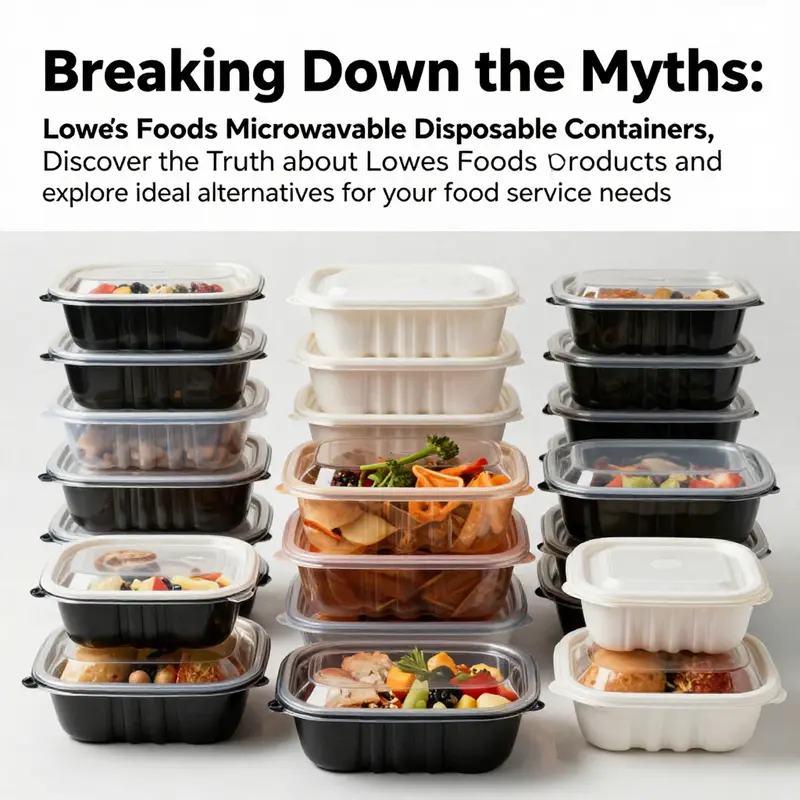
Navigating the world of food service can often lead to confusion, especially regarding product offerings such as the alleged Lowes Foods microwavable disposable containers. While many in the industry seek these versatile tools for their businesses, clarity is essential. This article discusses the mix-up surrounding these products, explores effective alternatives that fit the bill for food service establishments, and sheds light on microwave safety standards. Lastly, we will present an overview of the current market landscape for disposable food containers, ensuring you are equipped with the knowledge to enhance your service. Join us in exploring how these insights can aid beverage chains, restaurants, food trucks, and catering services in their quests for reliable and effective food packaging solutions.
Clear Signals in a Microwave Maze: Untangling the Lowe’s Foods Misconception About Disposable Containers
A misreading circulates online as reliably as steam from a hot meal: the idea that a well-known grocery or retail brand offers microwavable disposable containers under a familiar name. In practice, the landscape is more nuanced. The phrase “Lowe’s Foods microwavable disposable containers” often functions as a breadcrumb trail that leads to two separate but overlapping worlds: the durable, reusable storage systems a big-box retailer is known for, and the era of single-use, microwavable packaging that supplies restaurants, caterers, and takeout services. To follow this trail is to move through a web of misattribution, product descriptions that blur lines between reusability and one-time use, and market dynamics that reward convenience over long-term sustainability. It is not that the evidence insists on a single rightful owner of a misnamed product; rather, the evidence reveals how easy it is for search results, catalog listings, and consumer impressions to cross wires when the vocabulary around containers—disposable, microwavable, BPA-free, airtight, vented—collides with the names of brands and suppliers that populate vastly different corners of the packaging world.
At the heart of the confusion lies a simple but consequential distinction: reusable, airtight storage solutions versus disposable, microwavable containers. A major retailer’s reputation rests on durability, longevity, and the possibility of repeated uses. The storage sets that a household name may promote are designed to last. They emphasize resilience, that familiar click of a sealing lid, the assurance of dishwasher compatibility, and the security of BPA-free materials. These attributes create trust for consumers seeking to minimize waste by reusing containers week after week. They also align with a broader cultural movement toward reclaiming everyday items for extended life. In contrast, the disposable microwavable category is defined by one-time use, cost-effectiveness, and rapid turnover. It thrives on a different logic: bulk production, vending through foodservice channels, and convenience that suits high-volume operations, seasonal menus, and events where quick setup matters more than long-term durability.
The two streams often intersect in commerce, but they remain distinct in function, material choice, and intended lifecycle. Disposable microwave containers are commonly crafted from materials such as polypropylene (PP) or CPET (crystalized PET with a rigid, heat- resistant structure). They are engineered to withstand a short, hot-serving cycle, then be discarded or recycled depending on local programs. BPA-free labeling is frequently highlighted to reassure buyers who worry about chemical exposure when food is heated. However, the labeling does not erase the fundamental difference in lifecycle: a disposable item is expected to be used once or a few times at most.
Meanwhile, the reusable solutions most people associate with major retailers operate on a different economics and design philosophy. They prioritize long-term performance, durability under repeated dishwasher cycles, and the convenience of mixing-and-matching components across sets. These products are less about being microwaved and more about preserving freshness and reducing waste through reuse. The resulting tension in consumer perception is predictable: when a product is described as microwave-safe and BPA-free, the mind may drift toward one-time use packaging that can go from freezer to microwave to trash. The reality, however, is that “microwave-safe” does not automatically imply “disposable.” The characteristics speak to safety and practicality within a single-use or short-lifecycle paradigm, but they do not define the entire product category.
In online marketplaces, the confusion is compounded by search engine logic and marketplace semantics. Listings that emphasize “microwave-safe” can attract buyers who need containers for takeout or meal-prep, yet the same listings might be misfiled under a brand name associated with durable home storage. The discrepancy becomes a puzzle for researchers and practitioners who seek clarity for policy, procurement, or consumer education. What emerges from this puzzle is a practical reminder: when you encounter a reference to a brand and “microwavable disposable containers” together, you should pause to parse lifecycle expectations, material composition, and the intended use-case. If you search for a disposable microwavable solution and instead encounter a lineup of reusable containers, that is not a puzzle solvable by confirmation bias but by acknowledging the fundamental misalignment between marketing language and product lifecycle.
The broader market reality is that there is a robust demand for truly disposable, microwavable packaging—especially among foodservice operators who need to scale quickly. In wholesale and B2B contexts, suppliers emphasize a combination of compliance and efficiency: food-grade standards, microwave compatibility, vented lids to manage steam, leak resistance, and, increasingly, options that align with sustainability goals, such as recyclable or compostable materials. This is where the misattribution to a consumer-focused retailer often happens. The consumer-facing brand identity is powerful, but the packaging ecosystem extends far beyond one brand’s catalogue. A search might surface a range of products described as “microwave disposable” that are sourced from wholesale manufacturers or distributors with no direct association to the retailer in question. The result is a catalog that feels contradictory even to seasoned buyers, because the same word—microwave—appears on items whose lifecycle is not aligned with reuse or a long product life.
To understand why this matters, consider the implications for procurement decisions and environmental accountability. If a business sources “microwave disposable” containers under a misattributed brand, they may believe they are purchasing a product that fits a short-term need when the actual product is designed for a single-use cycle and has a different disposal or recycling pathway. Without careful due diligence, teams can miscalculate costs, waste streams, and compliance with food-contact regulations. The risk is not only financial; it is environmental. Disposable containers add to the volume of waste that may or may not be efficiently recycled, depending on geographic infrastructure and curbside programs. Reusable systems, while requiring a larger upfront investment, can lower long-term waste and simplify inventory management, because the same bins, lids, and separators live through hundreds of cycles.
Yet the public conversation around these products lacks consistency. Some listings proudly declare BPA-free and microwave-safe, while others emphasize environmental credentials without making clear how many times the item can be reused. For consumers and professionals alike, this ambiguity invites skepticism and careful scrutiny. One useful way to navigate is to map the product’s lifecycle from production to end-of-use: where the material comes from, how it is intended to be used, what happens after use, and which recycling or disposal streams are viable locally. When a listing shows an item marketed as microwave-safe but with a one-time-use instruction, readers should treat it as a disposable solution rather than a reusable system. In contrast, a truly reusable storage solution will present a clear pathway for repeated cleaning, long service life, and compatibility with common domestic or commercial dishwashing protocols.
Amid this landscape, the role of consumer literacy becomes central. People seeking practical packaging for home meals, quick-service restaurants, or catering can benefit from a vocabulary check. Terms like “microwave-safe,” “BPA-free,” “airtight,” “vented lid,” and “reusable” carry different expectations. Distinguishing between container families—one designed to be washed and reused, the other intended to be used once and discarded—helps buyers align their purchases with operational needs and sustainability goals. In this sense, the Lowe’s-related confusion becomes an instructive case study in how language, branding, and product specs interact to shape perception. It also highlights the importance of sourcing policies that require explicit lifecycle documentation, not only surface-level safety assurances.
From a design perspective, the materials and engineering choices behind microwavable disposable containers reveal an accessible but specialized technology. The disposal-oriented category often relies on thermally stable polymers and vented lid mechanisms that permit safe steam release during heating. The food-contact safety aspect—notably FDA considerations in some markets—serves as a baseline guarantee that the container will not impart harmful substances into food under normal use. Yet even FDA-compliance does not tell the whole story. A container might pass safety tests for one heating cycle but fall short in terms of leak resistance, structural integrity after multiple microwaving events, or cost efficiency when produced at scale. For buyers focused on performance and cost, understanding these technical nuances matters as much as the brand name stamped on the package.
The ethical dimension also warrants attention. Consumers increasingly demand transparency about packaging lifecycles. When a retailer’s brand identity is coupled with ambiguous packaging offerings, it can blur accountability paths for waste management and recycling infrastructure. A more informative approach would pair brand-responsible messaging with explicit lifecycle data. For example, if a product is disposable, the listing should indicate the expected number of uses, the recommended disposal stream, and any recycling options. If it is reusable, the guidance should outline compatibility with dishwashers, the expected lifespan, and the environmental trade-offs of repeated use versus disposal. In the absence of such clarity, the consumer bears the cost of educated guesswork, which can slow adoption of genuinely sustainable packaging practices.
In practice, readers who want to compare options beyond the overlaid brand narrative will benefit from looking at the broader ecosystem of packaging solutions. The real value lies in understanding what a given container is designed to do and how well it performs in real-world conditions. A disposable, microwavable option might be perfectly suitable for a catered event with a predicted need for a single-use, heat-and-serve container. In another setting, a robust, reusable system could deliver far better long-term performance and cost efficiency, especially when the same equipment is used day after day in a high-demand kitchen. A careful buyer will weigh these scenarios, rather than knee-jerk toward a single impulse purchase that claims convenience without reflecting on lifecycle consequences.
For readers navigating this space, a practical step is to diversify information sources and cross-check with packaging specialists who understand both consumer and commercial contexts. A focused inquiry into supplier catalogs, rather than brand-name hype, can reveal whether a product is truly disposable or intended for repeated use. Another fruitful avenue is to explore sustainability-oriented packaging resources that compare lifecycle impacts, supply chain footprints, and end-of-life options. By grounding decisions in lifecycle thinking rather than quick labeling, buyers can align their choices with both operational needs and environmental responsibilities. In this sense, the apparent confusion around a single brand’s offerings becomes less a mystery and more a reminder to anchor decisions in product lifecycle data and marketplace realities.
To illustrate a concrete pathway for those who are evaluating options beyond brand associations, consider a category of packaging materials that emphasizes eco-friendliness and recyclability while remaining compatible with microwaving requirements. The case for a paper-based or kraft-paper-based disposable option demonstrates how material choice can influence both performance and sustainability outcomes. Paper-based packaging, when properly treated for moisture resistance and heat exposure, can offer adequate microwave performance for certain use cases. It can also present advantages in terms of post-use handling, with compostable options or simple recycling pathways in many communities. The key is to pair the material choice with transparent handling guidelines and end-of-life strategies, so operators understand how to minimize waste and maximize value from every container.
In sum, the confusion around “Lowe’s Foods microwavable disposable containers” is less a matter of misattribution than a reflection of a sprawling packaging market where terms collide, lifecycles diverge, and buyers search for quick answers in a field that rewards nuance. The responsible path is to disaggregate brand identity from the actual product design and lifecycle. Consumers and professionals should rely on explicit lifecycle documentation, verify material composition, and assess the intended usage scenario before purchasing. When in doubt, seek out suppliers and resources that clearly differentiate between disposable and reusable categories, and prefer options that align with long-term sustainability goals without compromising safety and practicality. For readers who want a glimpse into the broader packaging landscape beyond brand names, a useful reference point is the growing availability of disposable, eco-conscious kraft-paper packaging that combines practicality with a path toward responsible disposal. This kind of packaging demonstrates how form and function can meet the demands of modern food service while offering clearer options for waste management.
For those who want to explore a concrete example of disposable, microwavable packaging from the wholesale side of the market—without conflating it with consumer-brand storage solutions—a practical entry point is a category of vented, microwave-compatible containers designed for single use and bulk distribution. These products are engineered to handle takeout volumes, provide reliable heat tolerance, and support cost-effective packaging strategies. They also illustrate how suppliers segment products by lifecycle expectation, rather than by convenience alone. The takeaway is straightforward: when evaluating options, differentiate between lifecycle expectations, understand the materials and heat resistance involved, and check alignments with local recycling or composting capabilities. In doing so, readers will move beyond a brand-centric confusion toward a clearer, more responsible packaging selection process that serves both business needs and environmental stewardship.
Internal link reference for further reading: you can explore eco-friendly, disposable kraft paper packaging in a format that highlights the practical design considerations behind single-use packaging. disposable octagonal kraft paper packaging
External resource for broader context on market options: https://www.alibaba.com/product-detail/YQ-78-Series-48Oz-Microwave-Disposable1600543681987.html?spm=a2700.productlist.0.0.2e7b5f1aJLkPZm
From Disposable to Durable: Reframing Microwave-Safe Alternatives for a Greener Kitchen
The appeal of microwavable disposable containers is built on convenience. You can heat a meal, seal it, and toss it without a second thought about cleanup. Yet as households grow more attuned to waste and health, those familiar black ovals and clear plastic clamshells begin to feel out of step with daily life. The question becomes not merely whether something can be heated in a microwave, but whether it should be used once and then discarded. Reframing this dilemma invites a broader, more practical dialogue about safety, durability, and the environmental footprint of every reheated bite. In this discussion, the aim is not to vilify disposables but to map a continuum of options that preserve convenience while reducing waste and potential chemical exposure. The core idea is straightforward: reheating is a function of design, materials, and user habits, and a well-chosen alternative can perform just as well as a disposable, yet with a longer life and more predictable safety profile.
Glass storage and reheating surfaces stand at the top of the list for many households seeking a durable, low-odor option. Glass is non-porous, so it resists absorbing flavors and stains over time. This quality matters when you store a tomato sauce or a citrus-based marinade that could impart lingering notes to future meals. When heated in the microwave, glass remains chemically inert, meaning it is less likely to release unwanted substances into hot foods. For safety and longevity, choose borosilicate or tempered glass designed to handle microwaving, with strong, heat-tolerant lids. The lids are important not only to prevent splatter but also to minimize heat loss, which in turn preserves texture and moisture. The durability of glass translates into fewer replacements, which lowers overall waste and often reduces long-term cost per use. In addition to safety, glass is highly recyclable in many municipal streams, and its recycling infrastructure is broad enough to enable meaningful end-of-life recovery. This compatibility with the circular economy makes glass a natural anchor in any discussion about sustainable reheating.
Yet glass is not without its trade-offs. It is heavier than plastic or silicone and can break if dropped. For households with small children or a busy kitchen, the risk of accidents cannot be ignored. The practical remedy is to pair glass with protective lids and store containers in stable, low-lying racks rather than loose shelves. The right selection—sturdy, leak-resistant designs with secure lids—can mitigate most fragile-use concerns. The focus then becomes choosing glass containers that are professionally engineered for everyday use, with smooth rims for easy cleaning and wide mouths that simplify loading and reheating. In short, the glass route blends safety with longevity, offering a sustainable path that remains viable even when you reheat across multiple meals.
Another durable option that frequently appears in conversations about reusability is stainless steel. Stainless steel containers excel in durability and are resistant to staining, warping, and rust when cared for properly. They are superb for meal prep, portioning, and on-the-go lunches, especially when paired with BPA-free silicone lids that create an airtight seal. The combination minimizes leaks and keeps food fresher longer. However, a caveat accompanies steel: metal itself is not suitable for most microwaving. If a container is metal, it should be used for storage only or be explicitly labeled as microwave-safe by the manufacturer. The ease of cleaning and the robust physical profile of stainless steel can be a compelling reason to adopt it for reheating when the container design accommodates it. When using steel in conjunction with a microwave, the workflow typically shifts: you reheat in a microwave-safe dish and transfer to steel for portioning or transport, thereby preserving the benefits of both materials. This approach underscores a broader principle: compatibility between the container and microwave technology matters as much as the material itself.
Silicone storage also earns praise for its flexibility and resilience. Food-grade silicone is a standout for those who value lightweight, space-saving solutions that don’t compromise on safety. Silicone is generally rated for microwave use, freezer storage, and dishwasher cycles. It’s particularly well suited for portion-sized snacks, soups, or baby food, and its collapsible designs can dramatically reduce clutter in small kitchens. The trade-off with silicone, as with many reusable options, is cost and a learning curve around care. High-quality silicone products often come with certifications from recognized safety bodies, such as NSF or FDA endorsements, which give reassurance about purity and performance. While silicone can last for many years, it is important to inspect seals and lids regularly. Over time, heat cycles can degrade some gaskets, which may lead to leaks or reduced seal integrity. A simple habit—checking lids for cracks and replacing worn seals—ensures silicone remains a dependable partner in reheating.
In the landscape of plastics, there remains a place for BPA-free, microwave-safe containers, provided consumers exercise discernment and caution. Plastics can offer lightweight convenience and a familiar form factor, but not all plastics are equal. If you must rely on plastic, look for explicit labeling that includes the microwave symbol and clear assurances that the product is BPA-free and free from phthalates or other additives of concern. Thick-walled designs tend to be more durable and less prone to warping under heat. Even so, the best practice is to limit long-term heating in plastic and reserve it for shorter reheating sessions or for cold-to-warm transitions, then transfer to another material if possible. The environmental calculus also weighs into this choice: plastics, even when labeled microwave-safe, may contribute more plastic waste over a lifetime than glass or metal. Weighing the short-term convenience against potential long-term waste is essential for readers who want a durable, healthy, and economical solution.
While durable, reusable options form the core of a more sustainable approach, there are transitional, lower-impact disposables worth acknowledging. Paper-based and compostable options have matured in response to demand for greener takeout packaging. Kraft paper bowls and similar designs can be appropriate for short-term use—hot soups, porridge, or a quick snack—especially when you intend to compost or recycle them after a single use. They present a lower environmental burden than conventional plastics and can be part of a thoughtfully designed system that includes proper disposal streams. However, even compostable materials require appropriate facilities to break down, and their benefits hinge on local waste-processing capabilities. If a community lacks composting infrastructure, the benefits of these products can be diminished. In that sense, paper-based options are a bridge between convenience and responsibility, useful in certain contexts while emphasizing the need for robust end-of-life strategies.
In thinking through these options, one practical rule of thumb emerges: prioritize materials that resist degradation under reheating, minimize the chance of chemical migration, and offer a clear path to recycling or composting at the end of their life. To operationalize this, households can adopt a simple decision framework. First, identify the typical reheating duration and volume: a 1–2 cup portion heated for 2–3 minutes may be well served by glass or silicone, while larger volumes or on-the-go meals may benefit from sturdy, sealed steel or high-quality BPA-free plastics when used sparingly. Second, assess the risk of heat-related chemical migration. Glass and silicone generally perform better in this regard than some plastics, especially over repeated use. Third, examine end-of-life options. If local facilities support recycling for glass and steel, those materials gain an advantage. If composting facilities are robust, compostable paper products can be viable. Finally, factor in maintenance and lifecycle costs. A well-chosen durable container can pay for itself in a year or two through repeated use without the need for frequent replacements.
Beyond the material choices, the human element matters. How people store, clean, and use these containers often determines whether the switch from disposables truly sticks. For instance, glass or silicone containers perform best when they are easy to stack and dry, because moisture and odor buildup can undermine hygiene. Clear labeling and consistent use—dedicating a single set for reheating, another for storage, and a third for transport—help maintain order and reduce cross-use contamination. Dishwasher compatibility—especially for silicone and stainless steel—can simplify daily routines, but it’s worth noting that high-temperature cycles may affect gaskets or lids over time. The aim is to blend simplicity with reliability, so the family can keep using the chosen system with minimal friction.
The journey toward sustainable reheating is also shaped by the packaging and takeout ecosystems in which people participate. Even as households move toward reusable containers, they encounter an abundance of single-use options outside the home. In this broader context, a move toward durable containers inside the home can create demand signals for more responsible takeout packaging elsewhere. This dynamic is reinforced by consumer awareness and vendor response: as people seek products that balance safety, reuse, and environmental impact, retailers and manufacturers are increasingly compelled to provide options that meet these criteria. The shift is not just about replacing a container; it is about rethinking the entire habit of meal preparation, storage, and service in a way that aligns with a holistic view of health and the planet.
To illustrate the range of choices without getting overwhelmed, consider a practical scene: you prepare a week’s worth of lunches in glass containers with silicone lids, portioning meals into 2–3 cup servings. Each container nests compactly in a pantry, and after meals you place the lids in a drying rack. For bulky leftovers, you add a stainless steel steamer or rack to your kitchen, enabling a clean transfer from freezer to microwave to plate with minimal fuss. Silicone bags take up little space in a drawer and are ideal for soups or sliced fruit, while a few BPA-free plastic containers can handle quick heat-ups when used sparingly and with careful attention to labeling. If you order takeout or leftovers to-go, the paper-based alternatives can be a transitional solution, provided you compost or recycle them where facilities exist. The key is to build a system that leverages the strengths of each material, while keeping the kitchen organized and waste low.
For readers who want to explore further, one practical path is to look at specific, reusable packaging options in the marketplace that emphasize durability and safety. A quiet but meaningful step is to choose one sturdy, microwave-safe system and commit to using it for a full week. Track how often you would have otherwise used a disposable, and measure the impact in terms of waste reduction and cleanup time. The exercise may reveal that the most convenient choice is not the immediate instinct but the option that keeps food hotter, safer, and more contained, while also simplifying disposal decisions. In the end, the goal is to harmonize your personal kitchen principles with the realities of daily life, so that reheating remains convenient without compromising your environmental or health standards.
As this chapter shows, the landscape of microwave reheating is rich with alternatives that can suit different households, budgets, and cooking styles. The best path forward blends durability, safety, and stewardship in a way that feels natural rather than radical. It is not about abandoning convenience but about reassigning it to options that can stand the test of time. When you adopt glass for day-to-day reheating, stainless steel for sturdy transport, silicone for flexible storage, and carefully chosen BPA-free plastics for specific needs, you create a kitchen system that reduces waste and preserves safety. The occasional use of paper-based packaging can fit into this system when disposal streams support it, but the emphasis remains on reusability and responsible design. The central message is simple: the most sustainable choice is the one you can use repeatedly with confidence and ease, turning a routine act—reheating a meal—into a small, ongoing contribution to a healthier planet.
Internal resource for practical shapes and packaging options can be found through related product categories that emphasize eco-friendly takeout and durable, reusable designs. For readers seeking tangible examples in a similar category, a representative option in the marketplace showcases how takeout packaging can be both functional and environmentally conscious. This example illustrates how everyday containers can be designed for microwave use while prioritizing end-of-life options that align with recycling or composting infrastructure. For a concise overview of eco-friendly storage alternatives, see the following resource, which discusses a range of durable, reusable options and their environmental implications: disposable kraft paper bowls for takeout.
External resource: For a broader context on sustainable storage outside plastics, you may find this EcoCult article insightful. It surveys alternatives to single-use plastic food storage and explores how different materials perform in real-world use. https://www.ecocult.com/eco-friendly-alternatives-to-single-use-plastic-food-storage/
From Shelf to Microwave: Decoding Store-Packaged Disposable Containers and the Brand Confusion
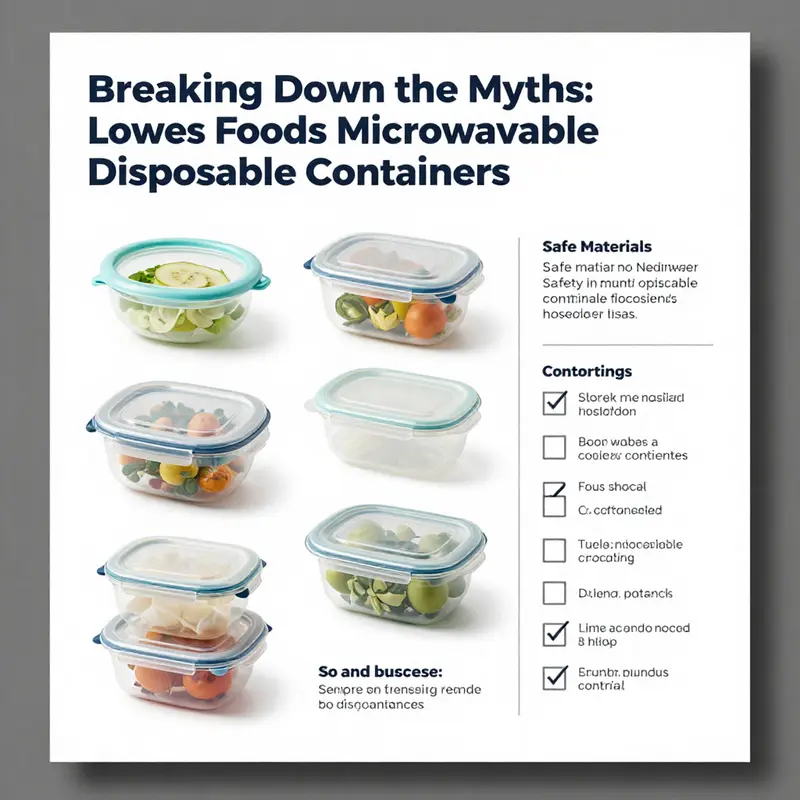
When people search for microwavable disposable containers tied to a grocery retailer, they often stumble over a fog of mixed signals. A product may be marketed as microwave safe, yet the same page or label hints at reusability or recycling, or the retailer may carry a line that appears to be disposable but is actually a reusable, sealable storage set. This ambiguity is not merely a semantic quirk; it reflects how packaging for takeout, meal kits, and grab-and-go foods travels through a complex supply chain. The consumer experience—opening a box, heating a meal, sealing leftovers, and then tossing or reusing the container—depends on how the container is designed, what material it is made from, and how the manufacturer certifies its safety for heating. In practice, the most reliable path through that ambiguity is to understand the material science behind disposable microwavable containers, learn how to read safety labeling, and appreciate the regulatory framework that governs food contact materials. The topic is not defined by a single product line or a single brand; it is defined by materials, coatings, and clear guidance on heating. Yet the questions people commonly ask when they encounter terms like disposable, microwavable, and store brand are surprisingly consistent. Are these containers truly single-use? Can I heat my meal in them without transferring unwanted chemicals into my food? And how can I distinguish between containers that are intended for one-time use and those that are designed to be reused after a wash? The answers begin with a careful look at material choices and labeling, and they unfold into practical habits that make microwaving safer and more predictable, whether one is at home or serving customers in a casual dining or takeout setting.
The first key idea is that not all plastics are created equal when subject to microwave heating. The material most widely recognized as microwave-safe across the food industry is polypropylene, commonly identified by the number five inside the recycling triangle. This is not a mere labeling convention. Polypropylene has a higher heat resistance than many other plastics and, when used properly, maintains structural integrity during reheating without releasing toxic chemicals into the food. For consumers, the practical implication is straightforward: if a container is made from polypropylene and clearly labeled as microwave-safe, it is a strong candidate for heating food directly in that container. If a container is not marked as microwave-safe, or if there is any uncertainty about its intended use, the safest approach is to transfer the contents to a ceramic, glass, or metal container designed for heating. The distinction matters because the benefits of a disposable container are balanced by safety concerns that can surface if the material degrades, warps, or leaches substances when exposed to heat.
This is where labeling becomes crucial. A container may claim microwave safety, yet the caveat is that it is safe only under certain conditions: for example, at moderate heat, for a specific duration, or with ventilation that releases steam. A vented lid can play a critical role in safety by preventing pressure buildup as foods release steam. The presence of a vent also helps reduce the chance of leaks as the food expands during heating. Conversely, if a container is sealed too tightly without proper venting, or if it relies on a coating that does not withstand heat, the risk of rupture or deformation increases. In practice, discerning this nuance begins with a careful read of the packaging or labeling and extends to an awareness of common design patterns used in disposable microwavable containers. A well-designed disposable container often features a transparent, microwave-safe plastic that resists warping, a BPA-free claim, and a lid with a dedicated vent or a simple, secure snap closure that remains intact after heating. These features are not just about convenience; they are about safeguarding the food while preventing messy spills in transit.
Beyond polypropylene, there are paper-based contenders that aim to marry convenience with a lower environmental footprint. Paper-based containers can be microwave-safe if they are free of plastic coatings and have a matte finish, or if the paper pulp itself is engineered to resist heat without releasing substances. Materials such as bagasse, a fibrous byproduct of sugarcane, offer a biodegradable alternative that can be safe for microwave use when designed without coatings that would melt or transfer toxins. However, the moment a paper container includes a glossy film or a plastic interior lining, the microwave-safety equation shifts. In that case, heating might introduce substances from the coating into the food, or the coating could melt onto the surface of the food. This nuance is easy to miss in a quick product search but critical to safe reheating, especially for consumers who routinely heat meals in store-bought containers.
A robust, safety-oriented approach to disposable microwavable containers also rests on certifications and regulatory alignments. The most credible, widely recognized assurances come from regulatory bodies that set guidelines for food contact materials. In many markets, reputable disposable containers are evaluated against food safety standards and are labeled to indicate compliance. The labeling should convey that the container is free from certain chemicals that could migrate into food during heating and that it meets established performance criteria for heat exposure. In practical terms, this means looking for explicit statements such as BPA-free, microwave-safe, and appropriate for direct heating. The presence of these assurances is not a mere marketing flourish; it is a signal that the container has undergone testing to demonstrate that it maintains its structural integrity and minimizes the risk of chemical migration during typical microwave use. When a retailer offers disposable containers for takeout or meal prep, the best practice for kitchen operators and home cooks alike is to favor products with clear safety documentation, including any available certifications that verify heat resistance under expected usage conditions. The goal is not to choose the cheapest option, but to select containers that perform safely and reliably under typical household or commercial reheating scenarios.
The design features of disposable microwavable containers extend the conversation beyond material choice. A lid with a vent is a practical feature that guards against splatter while a sealed system can help with transport by preventing leaks. For food service operations, these design elements matter as much as the material composition because they influence the user experience and the likelihood of customer satisfaction. A well-thought-out lid that vents effectively reduces pressure buildup, which in turn minimizes the chance of the lid popping open during reheating. Transparent lids offer the added benefit of visibility of the food while it heats, enabling users to gauge progress and adjust times to avoid overheating or underheating. In some packs, you may encounter containers that include measurement markings, which help with portion control. Even small features such as a robust sealing mechanism that resists leaks while in transit can be a critical factor when containers are used for hot soups or sauces. In short, the best disposable microwavable containers strike a balance: they rely on a safe, heat-resistant material, carry explicit safety labels, and integrate thoughtful design elements that improve usability and safety during microwaving.
The practical upshot for shoppers and restaurant operators is to cultivate a habit of reading and interpreting packaging with a critical eye. When you encounter an item described as disposable and microwavable, you should look for several red flags and green lights at once. A red flag would be a claim of microwave safety without any material identification or without a clear statement about heat tolerance and duration. A green light would be a clear indication of a safe operating envelope, such as a polypropylene base with a BPA-free claim and a vented lid. The presence of a recycling symbol with the number five can be a useful confirmation hint for polypropylene, but even that is not a universal guarantee; you must also confirm that the packaging is intended for direct heating and that no coatings or additives present a risk. In this context, a consumer who encounters a product in a grocery retailer’s aisles or takeout counter benefits from a two-step verification: first, confirm the material and safety labeling; second, verify that the heating instructions are appropriate for the intended use. If the container is used within those bounds, heating can be efficient and predictable, which is especially valuable when meals are prepared in bulk or distributed for quick service.
To illustrate how a cautious, material-first approach translates into practical choices, consider the broader ecosystem of store-packaged takeout and meal-prep containers. A representative example of the kind of disposable packaging found in the marketplace is a paper-based takeout vessel designed for hot foods. Such packaging may pair a paper bowl with a separate lid and may incorporate a simple interior barrier to maintain food integrity during transport. A key design detail in this family of containers is the lid’s venting mechanism, which allows steam to escape in controlled fashion during heating while preserving the container’s structural integrity. This is particularly important for items that produce steam or moisture during reheating, such as soups, stews, or saucy dishes. The packaging may also include markings for portion sizes, which can help with meal planning and reduce waste. The overall user experience hinges on the container’s ability to withstand heat without leaking or warping, and on the clarity of the heating instructions provided by the manufacturer. In the context of the consumer shopping journey, this means selecting packaging with explicit microwave-safe language, appropriate coatings (or absence thereof), and a lid design that can endure the thermal cycle without compromising safety or cleanliness.
The bottom line is about responsible consumption: the consumer should not assume that any disposable container will perform flawlessly in a microwave. The safest practice is to look for explicit declarations about microwave safety, confirm the material type when possible, and avoid heating in containers that lack clear guidance or that feature coatings or materials that are known to resist heat poorly. This approach reduces the risk of chemical migration, heating failures, or messy spills, and it aligns with the broader goal of safe, efficient, and sustainable food handling in both home kitchens and foodservice environments. It also highlights a subtle but important reality about the grocery retail landscape: the appearance of a plastic or paper container associated with a retailer does not guarantee its suitability for microwave heating. The packaging may be sourced from a variety of manufacturers, each with their own standards and practices. Consequently, the consumer must rely on labeling and documentation to determine the appropriate usage.
For readers who want to explore a concrete example of how packaging is described in the broader market, consider a packaging category that emphasizes portability, safety, and recyclability. These types of packaging solutions are designed to cater to the needs of takeout meals, meal kits, and shelf-stable convenience foods, while also offering clear guidance for heating in consumer kitchens. The example serves as a reminder that the right disposable container for microwaving is defined less by the retailer that sells it and more by the material, the construction, and the accompanying safety information. This perspective helps reconcile the initial confusion that can arise when a search for grocery store microwavable containers leads to mixed signals about cost, capability, and reuse potential. It encourages shoppers and professionals to read the evidence on the label, understand the material science behind heating, and rely on regulatory-backed assurances rather than marketing claims alone.
In short, the path to confidence in store-packaged microwavable disposable containers lies in recognizing three core truths. First, polypropylene remains the most reliable plastic for microwave heating, particularly when labeled as BPA-free and microwave-safe. Second, not all paper-based or coated alternatives are safe for heating; coatings and interior linings are pivotal in determining microwave compatibility. Third, credible safety labeling and, when available, regulatory certifications provide the most trustworthy guardrails for safe reheating. When these elements converge on a single packaging option—the material is clearly identified, the heating instructions are explicit, and the lid design supports safe venting—the container earns its place in both home kitchens and professional settings as a dependable solution for quick meals and responsible takeout. The consumer landscape benefits from this clarity, and the takeaway professionals benefit from having a straightforward framework to evaluate packaging choices across a broad range of products. For further context and a practical example of a disposable packaging option that embodies these principles, you can explore an example of a disposable octagonal Kraft paper box packaging, which showcases how packaging design can balance disposability with safety and usability: disposable octagonal Kraft paper box packaging.
External reference: For a representative product specification and a broader look at microwave disposable plastic containers, see this external resource: https://www.alibaba.com/product-detail/YQ-78-Series-48Oz-Microwave-Disposable-Plastic1600395695745.html?spm=a2700.productlist.0.0.2e7b5f1aJLkPZm
Microwave Moments, Market Currents: Reframing Disposable Food Containers in the Retail Food Landscape
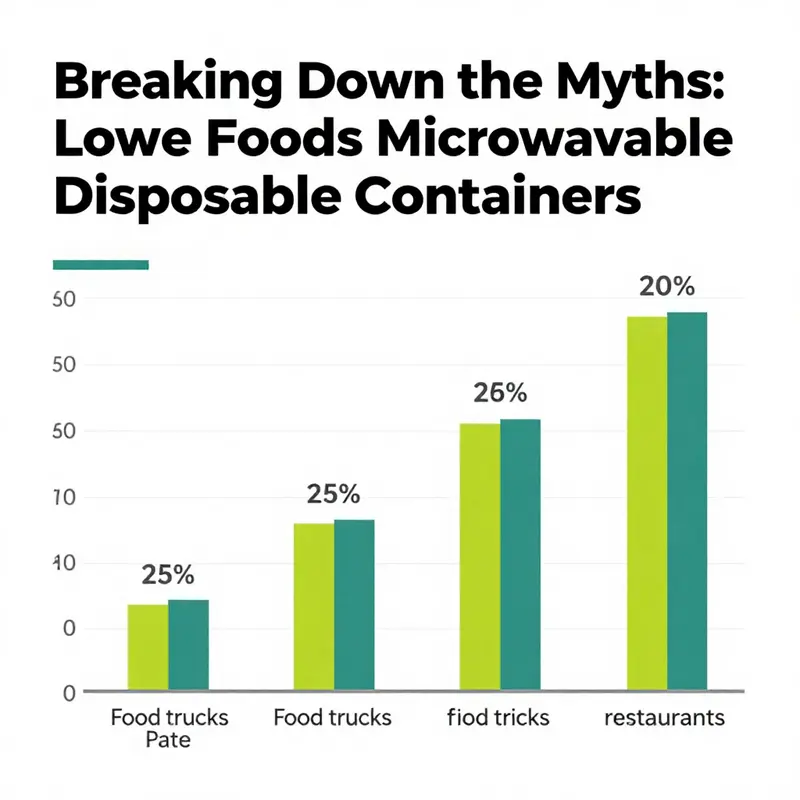
Microwave Moments, Market Currents: Reframing Disposable Food Containers in the Retail Food Landscape
The story of disposable, microwavable food containers unfolds at the intersection of convenience, safety, and responsibility. In the crowded aisles of modern grocery chains and the fast-paced world of foodservice delivery, these little vessels carry more than a hot meal from kitchen to table. They encode the decisions of manufacturers, retailers, and diners alike about how we eat on the go, how we heat what we eat, and how much waste we leave behind. The chapter that follows surveys the current market dynamics without getting lost in the jargon of brand names or one-off products. Instead, it traces the forces reshaping the category—the demand for quick-service and takeout, the push for safer and more sustainable materials, and the logistics that knit together global supply chains, regional production hubs, and local consumer choices.
At a glance, the global market for disposable food containers is enjoying steady expansion. Industry forecasts describe a sector that has grown into a substantial economic force, supported by the booming foodservice ecosystem and the rapid rise of meal delivery, catering, and home meal kits. The most recent synthesis of market data places the value of the foodservice disposable packaging market in the neighborhood of tens of billions of dollars, with a compound annual growth rate that points to continued momentum over the next five to ten years. This trajectory reflects not only the sheer volume of meals produced and sold each day but also the broader shift toward convenience. Consumers, pressed for time but not for quality, increasingly choose packaging that can travel well, heat evenly, and preserve taste and texture from kitchen to reheat. And as the market expands, so does the array of options for retailers and foodservice operators who must balance cost, performance, and sustainability concerns.
Within this broad canvas, several core dynamics stand out. First, demand from the foodservice sector remains a dominant driver. Restaurants, cafeterias, catering services, and increasingly, cloud kitchens rely on disposable containers that can withstand microwaving, prevent leaks, and maintain presentation during transport. The ability to safely heat a container in a consumer microwave is not merely a convenience feature; it is a service level that affects customer satisfaction and repeat business. For operators, the challenge is to source packaging that offers reliable heat resistance, robust sealing, and predictable performance during a dish’s reheating window. In turn, manufacturers must translate this demand into scalable production that preserves sanitary standards while controlling per-unit costs in high-volume runs.
Second, the push for convenience has broadened the use case for disposable packaging beyond quick-service meals. Takeout and delivery are no longer occasional options—they are integral components of the modern food economy. Yet the same containers used for a takeaway curry or a reheated pasta dish often double as a breakfast grab-and-go container or a light lunch box in corporate settings. The versatility of these containers is thus not a mere marketing ploy; it is a practical feature demanded by kitchens and consumers who want one product that meets multiple use cases with minimal risk of compromise.
Third, sustainability remains a central, sometimes contentious, issue. The industry faces the paradox of wanting materials that perform well in heating and storage while reducing environmental impact. Traditional plastic formulations—such as polypropylene (PP) and polyethylene terephthalate (PET)—continue to dominate due to their heat resistance, clarity, barrier properties, and cost-effectiveness. However, there is growing interest in alternatives that align with a circular economy and waste reduction goals. Sugarcane bagasse, molded fiber, bamboo, cornstarch, and other bio-based or compostable materials are gaining traction, especially in segments where end-of-life management is prioritized or where regulatory incentives reward lower environmental footprints. The reality, though, is nuanced: biodegradable and compostable options often come with higher production costs, shorter shelf life, and moisture sensitivity challenges that can complicate large-scale distribution and storage. This tension invites continuous innovation in materials science, process engineering, and lifecycle optimization.
Fourth, manufacturing capabilities and regional production hubs shape what is available and at what price. The logistics of producing, packaging, and delivering disposable containers are highly regional. China’s manufacturing strength remains a cornerstone of the supply chain, with Guangdong, Zhejiang, and Fujian hosting mature factories that excel in mass production, customization, and speed to market. The proximity of these production hubs to robust logistics networks enables rapid scale-up for retailers and foodservice operators facing seasonal demand spikes or promotional campaigns. Yet global sourcing also implies working across varying standards, certifications, and compliance frameworks. In this environment, market players increasingly value transparency about material composition, food safety certifications, and the ability to trace supply chains from raw material to finished container.
The market’s forward path is shaped by strong undercurrents in consumer behavior as well. Food delivery platforms have normalized the expectation that packaging will travel well, reheat reliably, and remain leak-free. But the consumer’s gaze is broadening beyond the immediate convenience to include how packaging aligns with health and environmental values. A growing segment of buyers scrutinizes labels for BPA-free claims, heat resistance, and recyclability. They also notice the tradeoffs: a container that is exceptionally heat-resistant may demand more energy-intensive production or rely on a fossil-based polymer, complicating sustainability goals. These considerations do not merely influence what is bought today; they guide innovation investment and research priorities for the next generation of disposable containers.
From an operational vantage point, the packaging designer’s task is to balance performance with sustainability and cost. The lid design, venting mechanisms, and sealing integrity are all part of a larger system that determines whether reheating in a consumer microwave will be smooth or messy. A well-engineered container must resist warping under heat, prevent seepage of fats and sauces, and maintain rigidity even as the internal atmosphere shifts during heating. The inclusion of vented lids, steam-release features, and microwave-safe labels are not cosmetic details; they are functional determinants that influence consumer experience, safety, and waste generation. In practice, these technical nuances often translate into supplier selection, contract specifications, and quality-control protocols that constrain or enable rapid replenishment cycles for busy retail networks.
The framing of the category also benefits from recognizing the distinction between disposable and reusable packaging. While much attention is directed at products designed for single use, there is a parallel stream of durable, resealable options that aim to reduce overall waste through repeated use. In some contexts, retailers promote reusable systems within a broader takeout program, pairing durable containers with return schemes or replenishment services. The interplay between one-time and reusable packaging is not a binary choice; it is a spectrum shaped by customer habits, operational logistics, and the environmental objectives of the business. For buyers and researchers, the key is to understand where a particular solution sits on that spectrum and how it aligns with the retailer’s sustainable procurement goals.
Amid these dynamics, a recurring challenge is the risk of misinterpretation in information and product classifications. In some cases, search results or product descriptions can conflate terms like “disposable,” “microwave-safe,” and “BPA-free” with non-disposable, reusable storage solutions. This misalignment can mislead buyers who are sourcing for specific use cases, such as single-meal disposables that are intended to be discarded after use, rather than reusable sets meant for multiple cycles. For practitioners, the takeaway is clear: a careful parsing of product specifications, lifecycle claims, and end-of-life guidance is essential when translating market signals into procurement decisions. The practical implication is that buyers should seek explicit statements about disposal pathways, recyclability, and compostability, alongside standard performance metrics such as heat tolerance, leak resistance, and lid compatibility.
In considering sourcing strategies, it helps to think in terms of material family, performance envelope, and end-of-life scenario. Material families—PP, PET, polystyrene, or biodegradable polymers—each bring a distinct set of trade-offs. Performance envelopes—heat tolerance, microwave compatibility, and barrier properties against moisture and fats—define where a container can safely perform under typical customer reheating. End-of-life scenarios—recyclable, compostable, or non-recyclable with landfill disposal—determine the container’s environmental footprint and regulatory risk profile. Retail buyers and foodservice operators increasingly compile checklists that capture these dimensions, enabling apples-to-apples comparisons across products and suppliers. In a landscape where sustainability narratives intersect with cost, the most successful sourcing decisions emerge from careful lifecycle thinking rather than isolated performance claims.
A closer look at practical sourcing cues reveals how the market translates these principles into real-world options. For instance, in the realm of packaging shapes and customization, there are endowed solutions that address specific menu formats and service models. Shapes such as rectangular or octagonal paper bowls, vented takeout boxes, and heated-ready trays illustrate how form can support function—from stackability and branding to heat distribution and ease of use in a crowded service line. Packaging designers increasingly lean on adaptable, modular formats that can be tuned to different dish profiles while maintaining consistent performance in reheating and transport. In this context, collaboration between retailers, packaging manufacturers, and foodservice operators becomes pivotal to delivering a solution that aligns with culinary needs and sustainability targets. To explore one innovative packaging approach in more tangible terms, you can refer to resources describing disposable octagonal Kraft paper box packaging, which highlights how form and material choice converge to meet both functional and environmental objectives. disposable octagonal Kraft paper box packaging.
As the market evolves, the geographic footprint of production and supply continues to matter. China remains a central hub for high-volume manufacturing, driven by mature logistics networks, scale economies, and the ability to offer customization at speed. Yet this is not a story of a single epicenter. Other regions are strengthening capabilities in recycled-content formulations, barrier coatings, and compostable solutions to meet regional regulations and consumer expectations. The result is a diversified global supply chain that can respond to demand fluctuations, regulatory shifts, and social movements around waste management and packaging stewardship. With this diversification comes greater transparency—about raw material origins, manufacturing processes, and lifecycle impacts—which, in turn, helps buyers align procurement choices with broader corporate sustainability commitments.
The chapter would be incomplete without acknowledging the critical question of safety and regulatory alignment. Microwave safety ratings, food-contact approvals, and labeling standards are not decorative add-ons; they are essential assurances that a container performs as intended in consumer kitchens and commercial settings. The language around these assurances varies by region, but the underlying requirement is consistent: packaging must not impart harmful substances to food at typical reheating temperatures, must resist deformation that could affect sealing integrity, and should provide clear guidance for disposal or recycling. The result is a procurement environment where specifications, certifications, and documentation carry as much weight as the container’s physical performance. In practice, buyers benefit from engaging early with suppliers who can provide test data, third-party certifications, and detailed end-of-life guidance that reflects local waste management realities.
Looking forward, the trajectory for disposable microwavable containers hinges on continued innovation and responsible stewardship. Innovations in barrier technology, microwave-compatible coatings, and alternative feedstocks promise to push performance while reducing environmental impact. At the same time, consumer expectations for transparency and sustainability will intensify. Retailers will increasingly favor packaging that demonstrates clear advantages in recyclability or compostability, coupled with robust performance during heating and transport. The challenge will be balancing cost and performance with environmental outcomes in a market that prizes speed and convenience. In this evolving landscape, the retailer’s role is to curate options that not only meet operational demands but also align with a broader vision for responsible consumption and waste reduction.
For readers seeking a practical touchstone on packaging shapes and material choices that reflect these trends, consider exploring packaging options that emphasize eco-friendly, durable, and takeout-ready designs. These resources illustrate how form, function, and sustainability intersect in real products and real use cases. External to this narrative, a pertinent reference highlights how a concentrated segment of the market is experimenting with packaging formats that aim to balance heat resistance, barrier performance, and end-of-life options in a single solution. While the specifics may vary by supplier and region, the guiding principle remains constant: successful disposable microwavable containers must perform reliably in daily workflows, while offering pathways to reduce environmental impact where possible.
External reference: https://www.alibaba.com/product-detail/YQ-78-Series-48Oz-Microwave-Disposable-Plastic1600395695745.html?spm=a2700.productlist.0.0.2e7b5f1aJLkPZm
Final thoughts
In summary, the search for Lowes Foods microwavable disposable containers may lead to confusion, but it opens the door to evaluating effective alternatives that can truly meet your food service needs. Understanding microwave safety ensures that your chosen containers will maintain the quality and safety of the food you serve. By staying informed about market trends in disposable food containers, your business can make choices that enhance operational efficiency while also meeting customer expectations. As you continue to navigate the landscape of food packaging solutions, remember that clarity and knowledge are your best allies.